

Healthbox Behavioral Health Industry Report: Digital Health Poised to Disrupt Traditional Models with Cost Reduction at the Core of Reform
In 2008, the U.S. Congress passed the Mental Health Parity Act, which mandated that behavioral health services receive benefits equivalent to those for medical services, eliminated treatment limitations, and imposed stricter financial regulations on behavioral health services. However, despite growing bipartisan support, insurance coverage remains a challenge nearly a decade after the initial implementation of the law.
In December 2016, the U.S. Senate passed the landmark 21st Century Cures Act by a vote of 94 to 5, marking the most significant behavioral health legislation in the United States in nearly two decades. The Act signifies a notable shift in the U.S. healthcare system from existing intervention-based models toward an emphasis on early diagnosis and prevention, as well as ensuring patients’ continuous access to medical services.
Healthbox has released an industry analysis report in conjunction with the development of the U.S. behavioral health sector in 2018. This report reviews the challenges faced by the behavioral health industry in 2018 and highlights the role of digital health technologies in reducing healthcare costs and improving treatment outcomes.
VCBeat (WeChat Official Account: vcbeat) has compiled the main content of this report for our readers.
Patients with behavioral health issues are among the groups with the highest treatment costs. Unlike the management of many physical diseases, behavioral health may be more easily managed through digital health interventions. Furthermore, as stigma surrounding behavioral health treatment declines, patients’ willingness to use telemedicine services continues to rise.
However, the complexity of chronic diseases, the difficulty in diagnosing comorbidities, and the high cost of behavioral health management remain obstacles to the development of the behavioral health industry.
Behavioral health is defined as encompassing mental, emotional, psychological, and personality development issues, as well as substance use disorders. The severity of behavioral health problems varies, ranging from short-term struggles triggered by life events to chronic, disruptive behavioral health disorders that directly impact daily functioning in the absence of appropriate, proactive, and integrated management.
Typical cases of behavioral health conditions include:
Depression
Anxiety
Post-Traumatic Stress Disorder (PTSD)
Schizophrenia
Developmental disorders, such as autism and attention-deficit/hyperactivity disorder (ADHD)
Drug Abuse
According to research by the National Institute of Mental Health (NIMH), the most common behavioral health conditions among adults aged 18 and older are major depressive disorder and social anxiety disorder. Furthermore, findings from the Substance Abuse and Mental Health Services Administration (SAMHSA) indicate that excessive alcohol consumption is the most prevalent form of substance abuse among individuals aged 12 and older. For the purposes of this report, behavioral health excludes chronic diseases that may require changes in daily routines (such as diabetes and chronic cardiopulmonary diseases), neurological disorders (such as epilepsy and stroke), or age-related conditions that may co-occur with mental illnesses (such as Alzheimer’s disease).
Behavioral Health Stakeholders:
Experts (e.g., psychiatrists, psychologists, counselors, psychiatric nurses)
Primary Care Physicians (PCPs)
Social Worker
Patient
Families and Caregivers
Community Organizations (e.g., National Alliance on Mental Illness)
In 2009, total U.S. spending on behavioral health treatment amounted to $171.7 billion, encompassing both public health and private expenditures; this figure was projected to rise to $280.5 billion by 2020. Among behavioral health service providers, hospitals incurred a total of $37.8 billion in behavioral health treatment costs in 2009.
Depression is the most expensive behavioral health condition and the sixth most costly disease overall in the United States, with expenditures reaching $71 billion in 2013. The majority of these costs were attributed to outpatient care (53.1%), pharmaceuticals (32.1%), and inpatient care (11.6%). Other high-cost behavioral health conditions include anxiety disorders ($29.7 billion), attention-deficit/hyperactivity disorder (ADHD) ($23.2 billion), schizophrenia ($17.6 billion), substance use disorders ($13.5 billion), and bipolar disorder ($13.1 billion).
Behavioral health services are primarily funded by public resources; in 2010, 61% of U.S. spending on these services came from Medicaid, Medicare, and other federal, state, and local programs. Private insurance generally provides some coverage for behavioral health services, but compared with medical services, commercial insurance offers significantly more limited benefits in terms of the number of visits or days of hospitalization; it also frequently requires enrollees to bear higher out-of-pocket costs.
Another major funder of behavioral health treatment is corporate employers. Reports from corporate employers indicate that employees with depression miss five workdays every three months and experience 11.5 days of reduced productivity. This results in an annual loss of 200 million workdays due to decreased productivity across the United States, causing economic losses ranging from approximately $1.7 billion to $44 billion. Researchers have calculated that for every $1 invested in behavioral health programs, there is a $3 to $5 return in economic recovery, along with an increase in healthy life years for patients.
From this perspective, investment in the field of behavioral health is key to reducing economic costs.
Understanding the challenges in diagnosing and treating behavioral health conditions is key to defining and selecting optimal digital health solutions; however, the behavioral health industry currently continues to face three major challenges:
1. Lack of behavioral health specialists capable of providing medical services;
2. The patient lacks motivation to participate in or engage with collaborative care models, which is detrimental to improving treatment outcomes;
3. Difficulty in Diagnosing High-Risk Chronic Disease Patients.
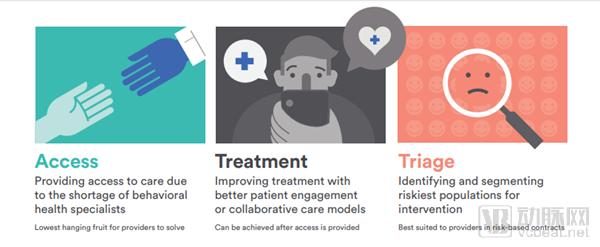
Figure 1 Challenges Facing the Behavioral Health Industry
>>>>
The "Bony" Reality
Difficulty in Accessing Behavioral Health Care:Digital health models, such as telemedicine, may overcome challenges including the shortage of behavioral health practitioners, inadequate behavioral health conditions, and the geographic scarcity of medical resources in rural settings.
The treatment process was fraught with obstacles:New care models, such as collaborative care and measurement-based care, can improve treatment outcomes if more widely adopted.。
A growing body of academic evidence suggests that behavioral health care delivered remotely via web and mobile platforms may be as effective as in-person care provided by professionals in certain contexts. Healthbox predicts that these tools can improve care coordination and facilitate easier tracking of disease progression, thereby achieving better outcomes at lower costs.
Limited Triage Capacity:Technology can be used to identify patients who require priority intervention based on the status and severity of their behavioral health conditions, in order to treat the most at-risk populations.
For patients with chronic physical illnesses, treatment may be more complex and costly if behavioral health comorbidities are present.
Since behavioral health conditions often coexist with other chronic diseases, patients are better able to adhere to care protocols for managing their behavioral health after diagnosis, thereby further reducing avoidable costs. Triage can also match specialized physicians with the unique needs of patients, thus improving the cost-effectiveness of specialized resources.
Digital Health
As outlined in the previous section, the behavioral health sector faces numerous challenges, creating opportunities for the development of various digital health solutions.
Over the past decade, more than 50 randomized controlled trials have demonstrated that digital interventions, particularly those incorporating human elements such as the establishment of care manager roles, are effective, with efficacy comparable to psychotherapy or pharmacotherapy.
Here are some digital health solution cases.
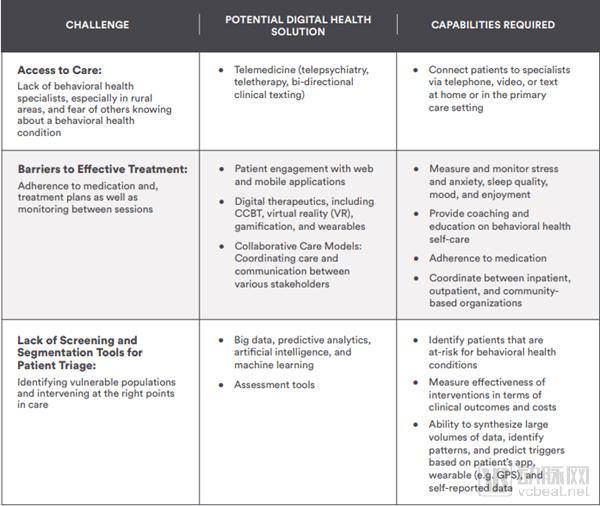
Figure 2. Digital technologies can provide targeted interventions for the three challenges facing the behavioral health industry
Innovative Nursing Model
Collaborative Care Models (CCMs):The CCM model is designed to facilitate better communication and collaboration between primary care physicians and behavioral health specialists, with the goal of improving care processes.
Patients receive specialized attention and treatment for their behavioral health conditions to promote their engagement in all medical services. This approach is particularly effective for patients with comorbidities, as 68% of adults with mental illness also suffer from one or more chronic physical conditions. Delegating responsibility for behavioral health conditions to specialists also allows primary care physicians to focus on other aspects of patient care. However, this model has not been widely adopted due to barriers such as the physical separation of physical and behavioral health care, disparate payment systems with limited reimbursement, and the sensitivity of sharing behavioral health information. Telemedicine connects behavioral health specialists across multiple locations and healthcare institutions. Meanwhile, it is also used for real-time referrals and enables patients to participate in telepsychiatry consultations from nearby examination rooms at the point of care.
Data from more than 80 randomized controlled trials demonstrate that CCMs are highly effective in reducing costs and improving outcomes.
Measurement-Based Care (MBC) Model:The MBC model is defined as the systematic management of symptom stratification, using outcomes to drive clinical decision-making at the individual patient level. With the advent of smartphones, patient data can be obtained through direct methods (patient-reported outcomes, assessment tools, and clinician dashboards), while the patient’s current status can also be verified via features such as voice analysis, optical sensors, accelerometers, and GPS. This may also serve as a novel metric for depression. Based on this data collection, digital behavioral health technologies provide support to patients and clinical teams if there is evidence of clinical deterioration. This approach is particularly valuable in value-based care settings.
Employee Behavioral Health Wellness Program:Tire manufacturer Michelin serves as a successful example of launching a behavioral health program for employees, which reduced related outpatient claim costs by 30%. Michelin partnered with Beacon Health Options, a digital health company providing behavioral health solutions, to offer Employee Assistance Program (EAP) counselors, digital cognitive behavioral therapy (CBT) tools, and specialized telepsychiatry services at its on-site health centers. In 2014, the overall utilization rate of Michelin’s EAP was 19%, and the return on investment (ROI) for the company’s behavioral health initiatives was 182%.
It is worth noting that programs offered to employees should be integrated with the healthcare ecosystem, either by connecting patients with therapists within the internal network or those supported by the employer, or by providing patients with online tools for independent use.
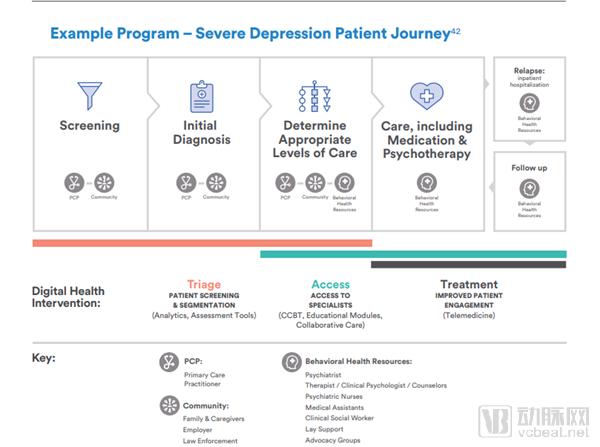
Figure 3. Consultation Process for Patients with Major Depressive Disorder
For healthcare providers, the simplest digital health intervention is to use telemedicine to facilitate access to behavioral health specialists. Once access mechanisms are established, providers may consider engaging patients through applications or using digital therapeutics to improve or supplement treatment. Finally, identifying high-risk patients through screening methods, particularly those with chronic physical comorbidities, can reduce healthcare costs.
Obtain Basic Patient Information: Connecting Patients with Behavioral Health Specialists
Telehealth solutions facilitate care for patients in remote areas; however, these solutions must also address cross-state licensure and reimbursement challenges associated with virtual care. Despite provider shortages, tools that connect patients with other resources and ensure continuity of care across both clinical and non-clinical settings are highly attractive. Finally, it is essential to manage the numerous stringent regulations designed to protect patient data.
Treatment Process: Enhancing Engagement
Once patients with behavioral health conditions have access to digital behavioral health tools, the next step is to facilitate appropriate engagement between patients and providers.
For patients, digital platforms need to have a simple and intuitive design, be patient-centered, and adapt to their living environments.
Research indicates that mimicking users' interactions with other applications, rather than simulating therapist interviews, is more effective in engaging otherwise passive patients. If the application requires more than a few minutes of use, it is unlikely to be adopted.
Furthermore, proactively identifying patients who are more motivated and more likely to use these tools helps reduce healthcare costs. For less engaged patients, providers may consider alternative solutions to encourage patient communication. Existing data indicate that higher patient engagement leads to greater participation in and adherence to treatment plans, thereby avoiding preventable costs and optimizing the type and timeliness of care.
For clinicians, greater engagement will ensure more effective technology adoption.
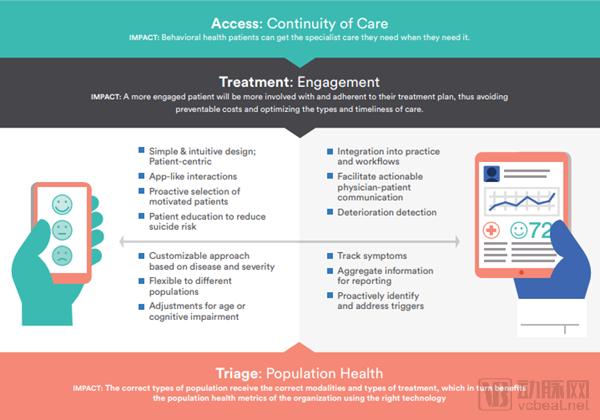
Figure 4 Specific Manifestations of Key Success Factors in the Behavioral Health Industry
To ensure clinician engagement, digital platforms must be integrated into clinicians’ workflows and practices. Care managers play a critical role in initial patient interactions and triage, referring patients to clinicians when necessary, thereby reducing rather than increasing provider burden. Ideally, the data provided to clinicians should be actionable and timely.
Triage: Personalized Medicine
The optimal digital health solutions will create personalized care approaches, as the severity of conditions among behavioral health patients varies; therefore, digital health platforms need to tailor interventions to their needs.
An ideal model should be flexible enough to accommodate diverse patient populations and evolving reimbursement models. The presentation of solutions should also align with patients’ habits, requiring adjustments based on age, cognitive capacity, and health literacy, particularly given the cognitive impairments often seen in patients with behavioral health conditions. Clinically, an ideal data tool would track patient symptoms, aggregate dashboard and reporting information, and proactively analyze, identify, and address potential triggers and early signs of disease onset.
The ideal outcome of leveraging these tools would be the delivery of personalized medicine to specific populations, which would be reflected in improved population health metrics.
(Compiled by Ning Chen)