

Tide App Secures Nearly RMB 10 Million in Pre-A Funding to Expand Mindfulness and Sleep Solutions for Millions of Users Worldwide
VCBeat has learned that Tidal, a mental wellness app designed to help users focus, relax, meditate, and sleep, recently announced the completion of its Pre-A financing round, raising nearly RMB 10 million. The investor was Panda Capital. Previously, Tidal’s angel round investment came from Decent Capital.
Tide App, founded in 2016, is a mental and physical wellness application featuring audio content such as natural sounds and meditation exercises. By integrating nature sounds like rain, ocean waves, and forests into daily life scenarios—including focus, stress relief, relaxation, and sleep—it helps individuals achieve a healthy, peaceful, and joyful life experience amidst the fast-paced urban lifestyle.
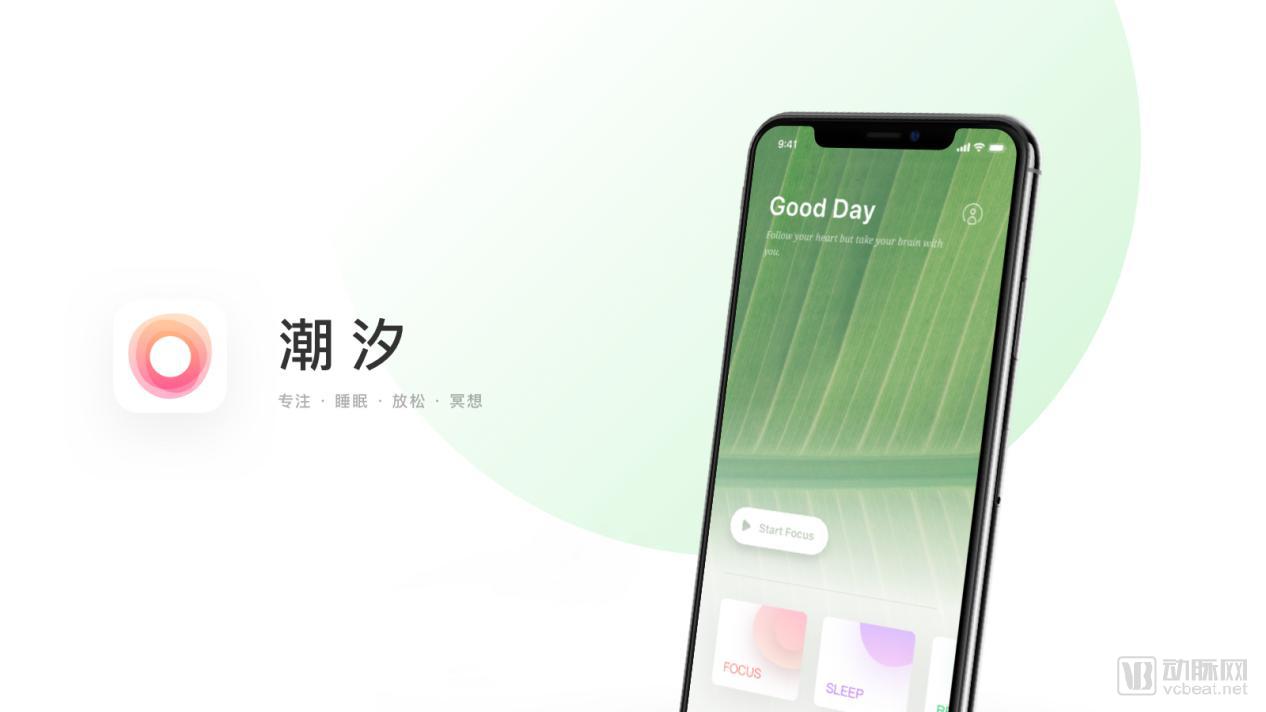
In terms of product strategy, the Tide App has evolved its product from the outset with a clear, step-by-step approach:
The first step is to cultivate user habits through universal content such as natural sounds. In its launch year, the Tide app was selected for the 2016 App of the Year list and remained on the list for two consecutive years.
The second step is to lower the user’s cognitive barrier through scenario-based segmentation, intuitively showing users “what problems this can solve for me.” Whether it’s focus, sleep, or breathing, users can more clearly understand and meet their needs the moment they open the product. This is reflected in Tide 2.0, which mainly includes two major sections—Focus and Sleep—and defines the product with an approach combining audio content and scenario-based design.
Step 3: Once users have gained a more intuitive understanding of the product, provide deeper solutions and experiences—such as meditation exercises and human-voice audio content—to address their further needs.
Lang Qixu, founder of the Tide App, revealed that related products and content have completed development and are currently undergoing phased testing, with a full launch expected in March this year.
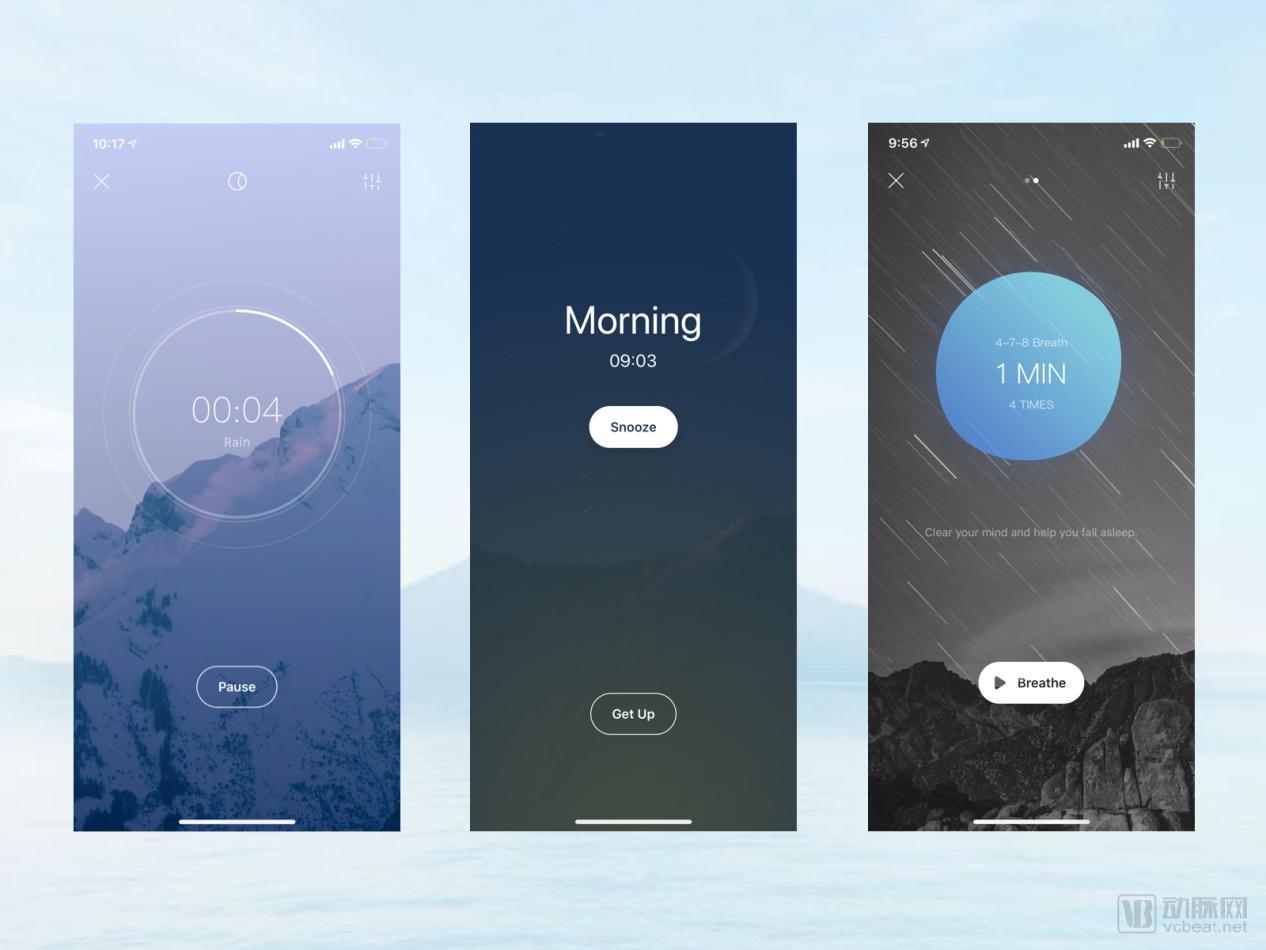
Beyond its core features, Tide has earned widespread user acclaim and affection for innovatively integrating the minimalist aesthetics of traditional art and design into the internet product experience. It creates a sense of calm, unburdened beauty, offering users a quiet sanctuary amidst the digital noise on their smartphones.
Regarding this point, Lang Qixu believes that after a decade of rapid development in mobile internet products, once users’ essential and basic needs have been largely met, their criteria for selecting a product have expanded beyond functionality and utility to include emotional and perceptual attributes such as aesthetics, emotional resonance, design sophistication, and self-expression. This shift can be regarded as a consumption upgrade in the app market.
Tide has accumulated nearly 10 million downloads, with users distributed across more than 120 countries worldwide. Among them, 40% are overseas users, primarily from the United States, Japan, Australia, and other regions; 60% are domestic users in China, mainly concentrated in first- and second-tier cities. The user base consists largely of highly educated individuals with higher disposable income who prioritize mental well-being, aged between 15 and 40, predominantly white-collar workers and adolescents. Notably, over 65% of users are female. In terms of user behavior, daily usage peaks occur at four specific times: 10:00 AM, 1:00 PM, 3:00 PM, and 11:00 PM.
The popularity of the Tide app is also linked to the growing trend of people paying more attention to their physical and mental well-being. Data from Flurry shows that as smartphone users diversify their app usage, health and fitness apps have become important tools for leading healthier lives. From 2014 to 2017, the use of health and fitness apps grew by 330%. More than 75% of active users open health and fitness apps at least twice a week, and over 25% of users access fitness apps more than 10 times per week.
Lang Qixu revealed that the original intention behind founding Tide was to create a product designed to help people achieve joyful and peaceful life experiences. He stated that in our daily lives, too many people suffer from anxiety, stress, distraction, and insomnia amidst the fast-paced and complex modern world. While countless products aim ultimately to consume users’ time, a normal world and a whole person should have—and indeed possess—the means to access another side of life: spiritual experiences characterized by peace, happiness, richness, and tranquility. Tide is precisely such an answer, expanding the possibilities for fulfilling people’s spiritual needs.
“After experiencing tremendous material and economic growth, we believe that spiritual upgrading will become an inevitable demand for a growing number of users. Even the seemingly traditional lifestyle sector is filled with innovative opportunities for products focused on spiritual enhancement. Users’ demand for spiritual upgrading is increasing, particularly among the new generation, who place greater emphasis on self-exploration and spiritual well-being. When it comes to products designed for spiritual upgrading, they are no longer satisfied with mere functional utility or content provision; instead, they choose trustworthy and companionable products based on richer dimensions such as emotional resonance, aesthetic appeal, and lifestyle alignment. This is precisely what the Tide team believes in and excels at,” said Lang Qixu.
Gu Chengwen, Managing Director of Panda Capital, stated, “According to data from the World Health Organization, 20% of people consider themselves unhappy or frequently anxious, and 4–5% meet the medical criteria for depression. Among these, young adults aged 18–25 represent the fastest-growing demographic for anxiety and depression. We are reflecting on whether technology, beyond delivering significant efficiency gains, can also ‘slow down’ to help people better understand themselves, thereby achieving greater psychological well-being. We are delighted to partner with an outstanding young team like Tide. Their care for human inner happiness, continuous refinement of product details, and relentless pursuit of content excellence fill us with anticipation for Tide’s development and deep gratitude.”
Globally, products similar to Tide include Calm and Headspace, both of which operate on a subscription-based business model. Recently, Calm completed a new round of financing, becoming a unicorn company in this sector. Regarding the commercialization process of the Tide app, Lang Qixu stated that it is currently under planning and experimentation. In the near to medium term, the primary focus will remain on its already mature and healthy paid subscription model. The longer-term goal is to establish strong user perception of the product and brand, ultimately becoming a lifestyle brand representative of spiritual well-being among young people.
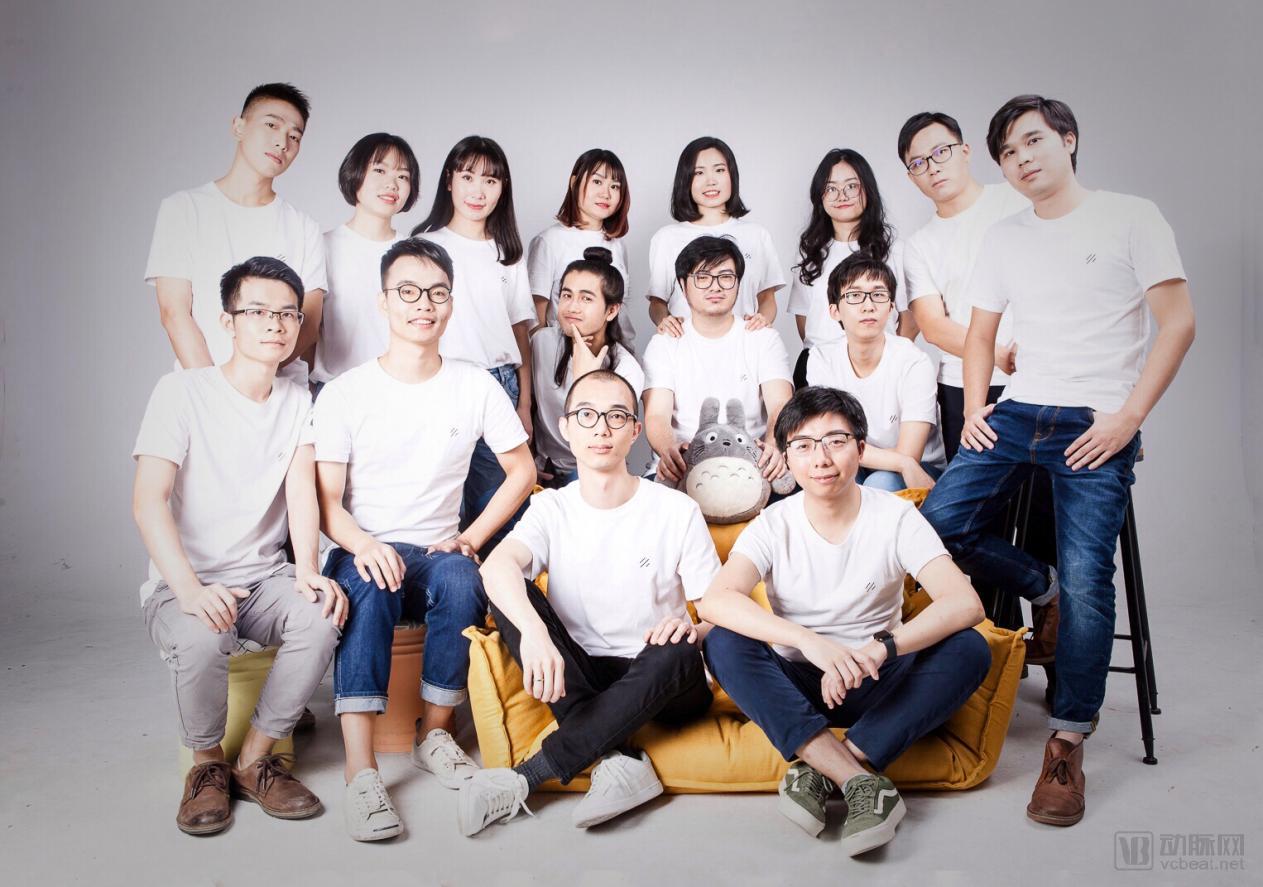
Tide App Team
In terms of the team, Chaoxi currently has around 20 members, with its core team hailing from renowned companies such as Alibaba, Kingsoft, and Douban. Founder Lang Qixu is a former UC product manager with six years of experience in mobile internet products and previously co-founded “Minimalist Exchange Rate.” Co-founder Lv Yaojia is a senior technical expert, formerly the head of the data team at Knownsec and a senior R&D engineer at Douban. The funds raised in this round will be primarily used for product development, talent acquisition, and brand marketing.