

Advancing Rare Disease Drug Accessibility Amid Data Gaps and Diagnostic Challenges
Rare diseases represent one of the greatest challenges facing human medicine. Currently, nearly 7,000 rare diseases have been identified, with 80% caused by genetic defects and thus hereditary. Through the concerted efforts of all stakeholders, significant progress has been made in research, diagnosis, treatment, and healthcare coverage for rare diseases across various countries and regions. Among them, China stands out as one of the most proactive nations in this field.
On February 27, 2019, on the eve of International Rare Disease Day, the “Symposium on Orphan Drug Assessment and Market Access,” co-hosted by the Chinese Alliance for Rare Diseases, Peking Union Medical College Hospital, and the China Pharmaceutical Innovation and Promotion Association, and supported by Takeda China, was held in Beijing.
The seminar was moderated by Ms. Feng Lan, Deputy Secretary-General of the Chinese Alliance for Rare Diseases and Secretary-General of the China Pharmaceutical Innovation Promotion Association. Attendees included relevant leaders such as Mr. Zhang Zongjiu, Director of the Bureau of Medical Administration and Hospital Management under the National Health Commission; Mr. Zhang Feng, Deputy Director of the Department of Drug Policy and Regulation; Mr. Li Dachuan, Director of the Medical Management Division within the Bureau of Medical Administration and Hospital Management; Professor Li Dingguo, Chairman of the Shanghai Rare Disease Prevention and Treatment Foundation; Mr. Li Linkang, Executive Chairman of the Chinese Alliance for Rare Diseases and Vice President of the Chinese Hospital Association; Dr. Zhang Shuyang, Vice President of Peking Union Medical College Hospital, as well as Vice Chairman and Secretary-General of the Chinese Alliance for Rare Diseases; and Mr. Guo Wen, Director of the China Pharmaceutical Industry Information Center.
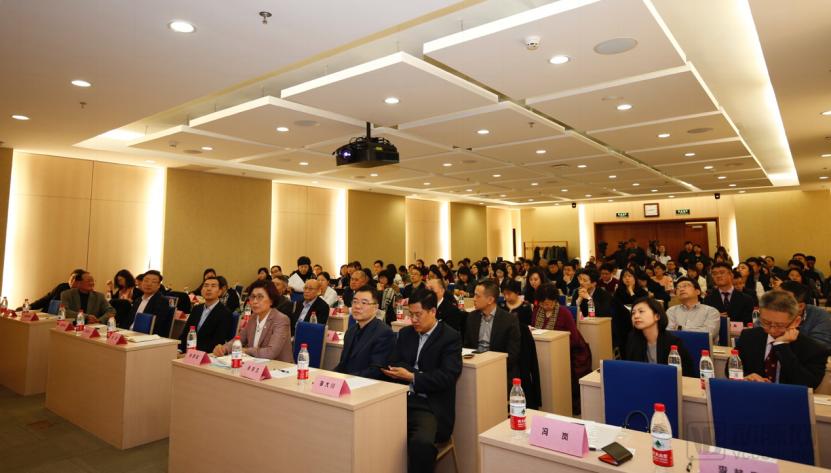
The symposium invited Director Zhao Kun from the Health Technology Assessment Research Office of the Health Development Research Center under the National Health Commission, Professor Hu Shanlian, Director of the Shanghai Health Development Center, Professor Zhang Shuyang, Vice President of Peking Union Medical College Hospital, Professor Li Hong, Vice President of Digital China Healthcare Technology Co., Ltd., and Ms. Zhang Min, Head of Patient Services and Public Affairs for Takeda’s Greater China region, to deliver keynote addresses. The conference primarily focused on discussing the current main frameworks for pharmacoeconomic research in the field of rare diseases and orphan drugs, recent domestic and international research progress, and how to develop health technology assessment methods and systems for rare diseases that are suited to China’s national conditions. More than 70 experts and scholars from domestic medical institutions, research academies, and enterprises jointly explored hot topics in the fields of rare disease healthcare coverage and pharmacoeconomics.
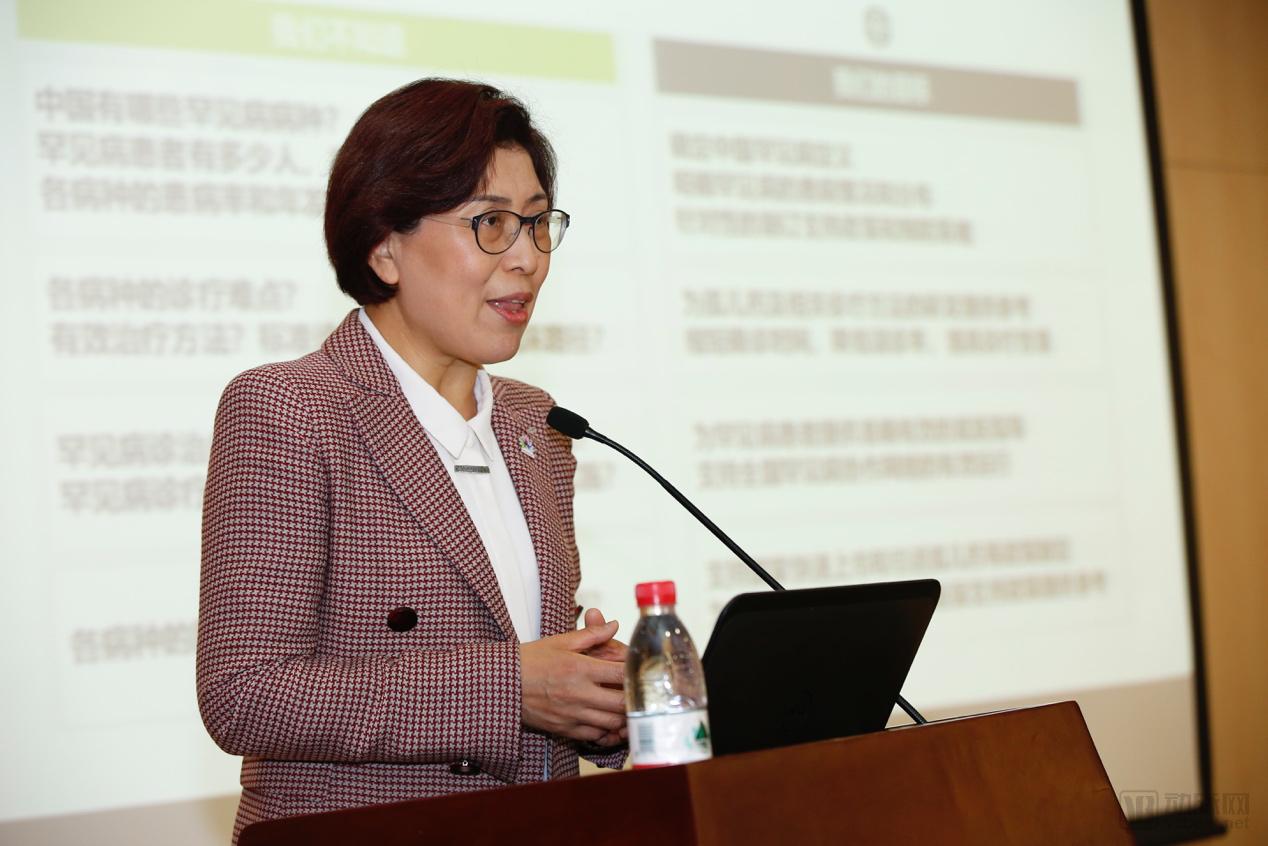
Zhang Shuyang, Vice President of Peking Union Medical College Hospital, provided a comprehensive overview of the construction principles and operational vision for China’s National Rare Disease Registry System. Professor Zhang pointed out that,One of the current situations of rare diseases in China is the lack of basic epidemiological data and non-standardized diagnosis and treatment.Rare disease registries can help overcome these challenges.
The National Rare Disease Registry System (NRDRS) mainly includes four functions: Disease registration, rare disease knowledge base construction, multi-level data sharing, and dynamic information display. The development of the NRDRS adheres to the principles of standardization, openness, sustainability, and growth. It currently supports the registration of 131 types of rare diseases, with over 30,000 cases registered to date. In terms of the spectrum of covered diseases, number of participating researchers, geographic coverage, comprehensiveness of research data, integration with biobank data, construction of a Chinese-language rare disease knowledge base, and establishment of international technical standards, the NRDRS ranks among the global leaders. It is evolving into a vital collaborative system and resource-sharing platform that supports diverse rare disease research, clinical drug trials, patient care initiatives, and improvements in clinical diagnosis and treatment quality.
Patient-centered care, focused on addressing practical challenges in clinical diagnosis and treatment, exemplifies the vision and style of Peking Union Medical College Hospital (PUMCH). Initiatives such as establishing rare disease clinics, implementing a multidisciplinary consultation and referral system within the hospital, compiling an annotated catalog of rare diseases, developing diagnostic and treatment guidelines for 121 rare diseases, launching the nationwide development of graduate-level textbooks on rare diseases for medical schools, and organizing national巡回 training programs—each step has delivered tangible benefits to patients with rare diseases, removing one obstacle after another from their arduous journey through diagnosis and treatment.
Notably, the second formal meeting of the Committee on Non-Governmental Organizations for Rare Diseases was held in New York on February 21. Professor Zhang Shuyang was invited to the United Nations to present China’s progress in rare disease management, bring back the latest research findings from international peers in related fields, and call for greater societal attention to the rare disease community.
Led by Professor Zhang Shuyang, China’s rare disease research team has introduced to the world an innovative service model for patients with rare diseases. This model, underpinned by comprehensive top-level design, integrates clinical scientific research, healthcare delivery system development, medical education and training, orphan drug R&D, social security, and patient care. The rapid progress in China’s rare disease field has gained international recognition.
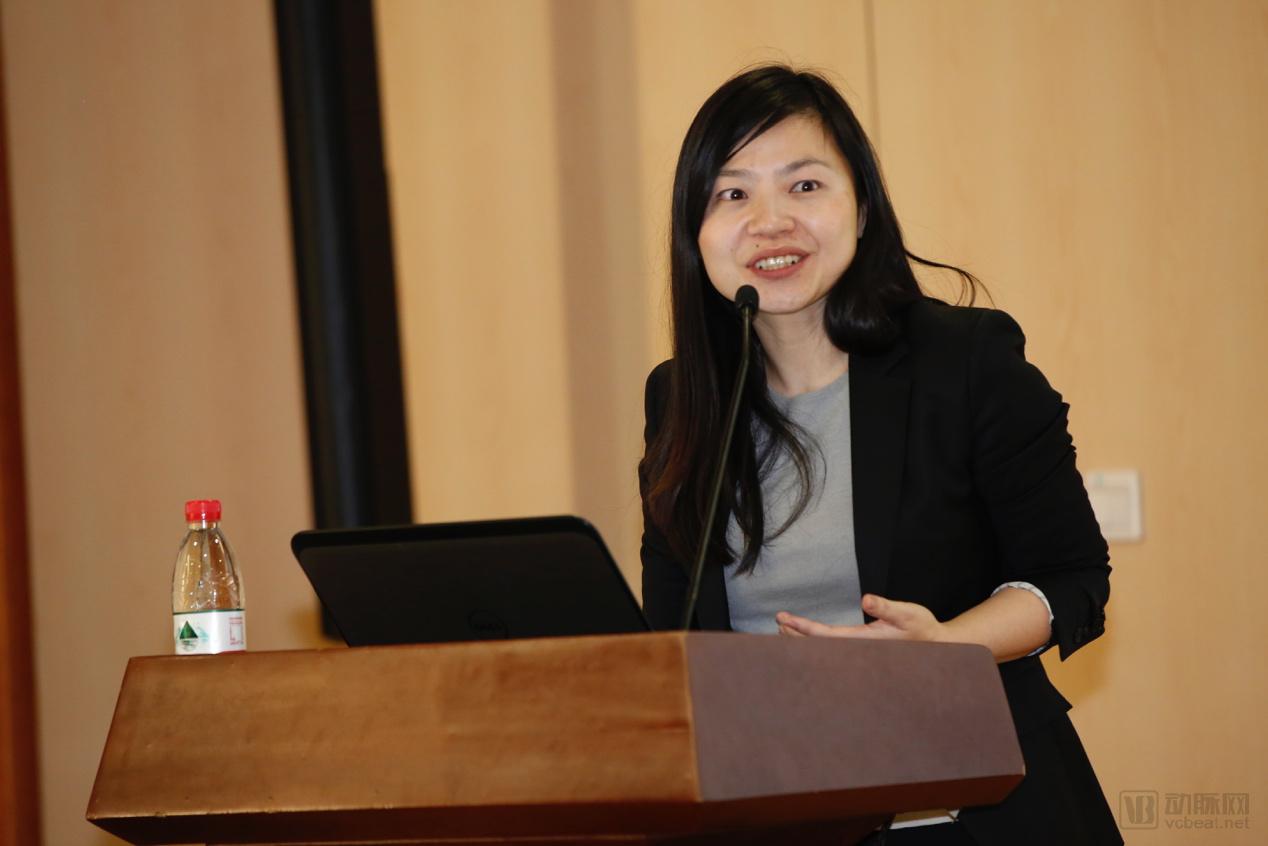
Ms. Zhang Min, Head of Patient Services and Public Affairs for Takeda’s Greater China region, presented a report titled “Challenges and Recommendations for the Value Assessment of Rare Disease Drugs.” Ms. Zhang pointed out that traditional health technology assessment (HTA) criteria were developed based on applications in common diseases and cannot be directly applied to rare diseases. Meanwhile, the research and development of drugs for rare diseases is exceptionally complex, particularly due to the high proportion of pediatric patients.
On the other hand, due to the small patient populations and the specific characteristics of research, development, and manufacturing associated with orphan drugs, clinical trial results often fail to provide health technology assessment (HTA) bodies with high-certainty data. Furthermore, research on the disease burden of rare diseases remains relatively scarce. In response to these challenges, many countries have adapted their HTA frameworks for rare diseases, each with distinct areas of emphasis. China needs to establish a scientific evaluation framework tailored to its own context, adhering to the principle of “customization,” which includes rapid market access, comprehensive evidence collection, holistic assessment, and flexible responsiveness.
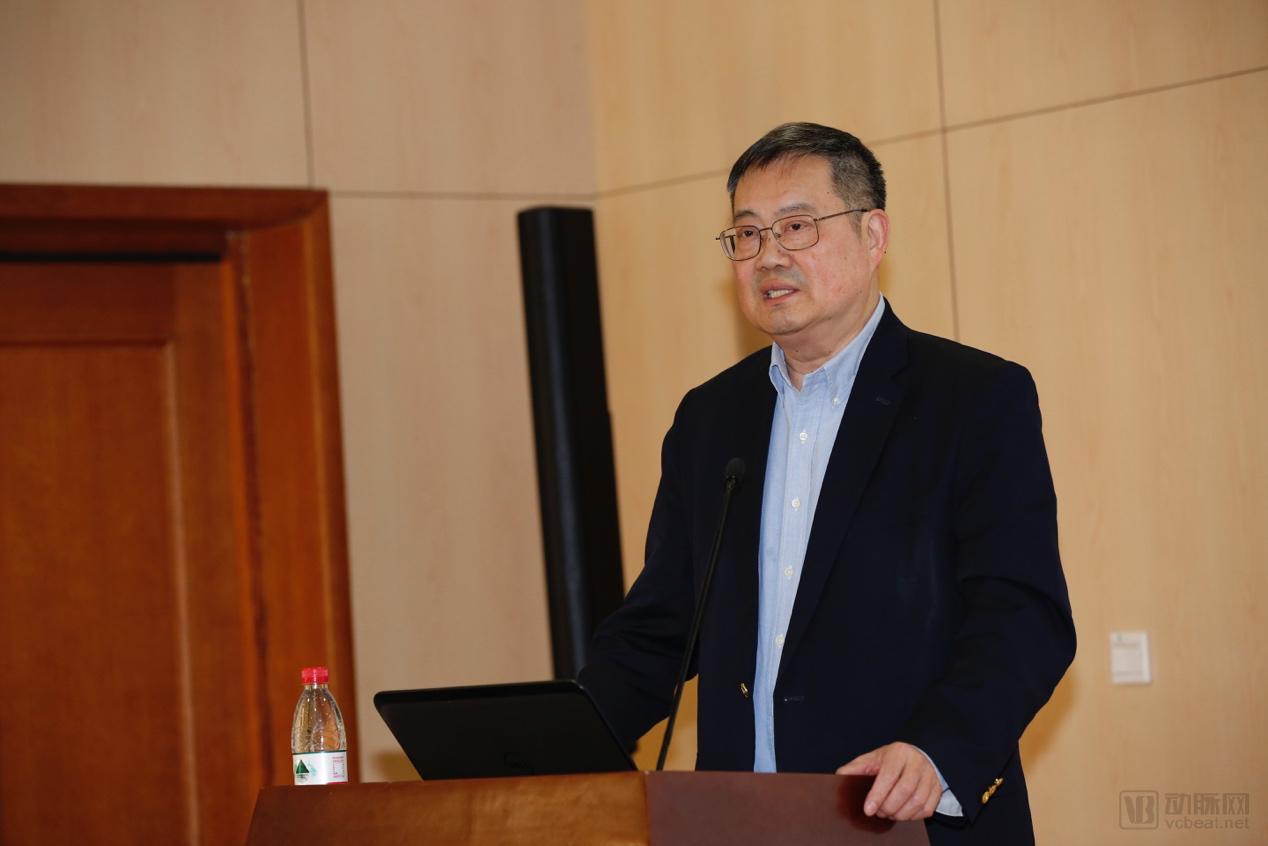
Li Hong, Visiting Associate Professor at the University of Cincinnati and Vice President of Digital China Medical Technology Co., Ltd., shared his insights on conducting budget impact analyses for orphan drugs. Professor Li pointed out that the core question in health technology assessment is, “Is the money spent worth it?”
Although health technology assessment is rapidly developing in China, it remains at a nascent stage from multiple perspectives. For the specialized field of rare diseases, it is advisable to adopt a societal perspective and consider several unique dimensions: there is no globally unified definition of rare diseases; most rare diseases are associated with genetic factors; at least 50% of rare diseases manifest in childhood; and treatments for rare diseases (orphan drugs) may be required long-term or for life, entailing substantial costs.
Budget Impact Analysis is one of the primary methods in health technology assessment. From a humanitarian perspective, cost-effectiveness analysis is not suitable for evaluating orphan drugs used to treat rare diseases; instead, it is advisable to assess the societal burden of rare diseases and conduct budget impact analyses for orphan drugs.

Hu Shanlian, Director of the Shanghai Health Development Center, introduced innovative measures in pricing and evaluation technologies for rare disease drugs to improve their accessibility.
Professor Hu Shanlian pointed out that China is currently in the best historical period for the development of rare diseases and orphan drugs. The state has elevated the prevention and treatment of rare diseases to the level of a fundamental health right and a critical livelihood issue. The government encourages comprehensive preferential policies in the research and development, approval, manufacturing, importation, and taxation of orphan drugs. On this basis, China can learn from Europe’s experience in areas such as external reference pricing for orphan drugs, purchasing power calculations, price negotiations, and payment mechanisms involving multiple stakeholders, including national fiscal support, medical insurance reimbursement, and patient families.
China should strengthen epidemiological research on rare diseases, in which establishing a national case registration and reporting system is of great significance. In addition, training for physicians nationwide on the clinical management of treatable rare diseases should be enhanced, while further research is needed to implement health insurance reimbursement policies for medications used by patients with rare diseases.

Zhao Kun, Director of the Health Technology Assessment Division at the Health Development Research Center of the National Health Commission, first introduced the market registration and national medical insurance coverage status of therapeutic drugs for the 121 rare diseases included in China’s First Batch of Rare Diseases Catalogue, thereby highlighting the importance of conducting health technology assessments for rare diseases.
Zhao Kun pointed out that rare diseases should have an independent HTA process, and systematically elaborated on how to conduct health technology assessments for rare diseases from six aspects: topic selection, clinical effectiveness, economics, payment standards, appropriateness, and fairness ethics. Director Zhao Kun also shared the practices of the UK and Canada in addressing the challenges of health technology assessment for rare disease drugs, and emphasized that establishing a multi-party funded pool would be an effective method to address the financial pressure of rare disease treatment, which is worth further exploration and experimentation.
Following the thematic report, the conference also organized closed-door discussions with relevant authoritative experts and scholars on issues including the safety, efficacy, and pharmacoeconomic evaluation of orphan drugs, rare disease ethics, health information technology, and healthcare security for rare diseases.
Health Technology Assessment (HTA) is the evaluation of the properties, effects, and other impacts of health technologies. Its primary objective is to provide policy support for health technologies at various levels, including individual patients, healthcare institutions, and regional, national, and international spheres. HTA encompasses the assessment of a technology’s technical characteristics, safety, efficacy, cost-effectiveness, and social and legal implications.
Due to the small patient population, high heterogeneity, relatively underdeveloped diagnostic and therapeutic technologies, and high treatment costs, health technology assessment (HTA) for rare diseases presents significant unique characteristics and challenges. Conducting HTA for rare disease drugs is of great importance in improving drug accessibility and enhancing the well-being of patients with rare diseases.