

Global Commission Releases Chinese Version of 'Report on Overcoming Diagnostic Barriers for Children with Rare Diseases'
On February 28, the 2019 International Rare Disease Day Beijing Launch & Symposium, co-hosted by the Center for Rare Diseases (registered name: Shanghai Clover Rare Disease Family Care Center, CORD), The Global Commission (hereinafter referred to as “the Global Commission”), and IQVIA China, was grandly held at the JW Marriott Hotel Beijing Yuetai.
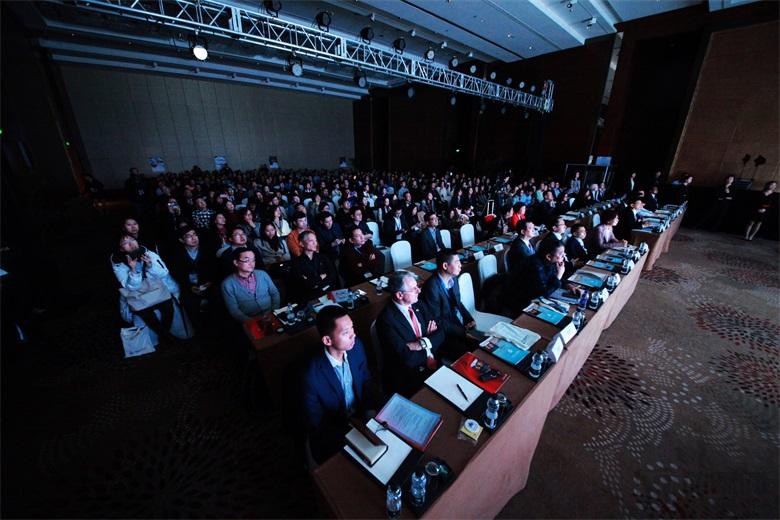
(On-site Photo of the Conference)
At the conference venue, representatives from the government, medical institutions, pharmaceutical companies, and patient organizations...A total of 500 attendees, including patients and their families as well as media representatives, participated in the conference, sharing in this audiovisual feast to gain a deeper understanding of the development status and challenges facing the rare disease field, thereby better supporting its advancement.
International Rare Disease Day, initiated by the European Organization for Rare Diseases (EURORDIS) in 2008, is observed on February 29. Mr. Huang Rufang, a practitioner and advocate in the field of rare diseases in China, first introduced the concept of International Rare Disease Day to the country in 2009, with CORD becoming a global promotion partner for the initiative. Each year, extensive awareness and advocacy campaigns are conducted in sync within China, helping to shift rare diseases from being “little known” to gradually “widely recognized,” and mobilizing tens of millions of people to pay attention to and engage with this issue.
In recent years, the Chinese government has successively issued multiple policies and regulations concerning rare disease research, diagnosis and treatment, drug access, and healthcare coverage. Leveraging this favorable momentum, the Center for Rare Diseases (CORD) joined forces with various organizations and enterprises on International Rare Disease Day to conduct in-depth discussions and advocate for policy improvements in the rare disease sector, primarily through the release of several research reports and the hosting of two symposiums.
"Report on the Survey Results and Recommendations for Eliminating Diagnostic Barriers for Children with Rare Diseases"
Release of the Chinese Version of the Global Report
Since February 20, the “Report on Survey Results and Recommendations for Eliminating Diagnostic Barriers for Children with Rare Diseases” has been officially released in New York and Brussels. As a member of the “Global Committee,” Mr. Huang Rufang participated in the launch of the Chinese version of the report in Beijing—the third global stop—on Rare Disease Day, February 28.

(Group photo of all guests at the press conference)
The report indicates that there are nearly 7,000 rare diseases worldwide, affecting approximately 350 million people. About 80% of rare diseases are genetic in origin, and roughly half manifest during childhood. The average time to confirm a diagnosis for pediatric patients with rare diseases is as long as five years. Diagnosing rare diseases in children faces significant challenges, including: lack of information and awareness about rare diseases; limited diagnostic tools; insufficient training for physicians on rare diseases; shortage of geneticists; complex healthcare systems; and lack of standardized diagnostic criteria.
The Global Committee has proposed three major strategies and recommendations based on the aforementioned issues, with the aim of helping to shorten the diagnostic journey for children with rare diseases worldwide.
Empowering Patients and Their Families to Assist Physicians in Diagnosis and Referral
For children who have not yet received a definitive diagnosis, parents and daily caregivers serve as the primary sources of patient information for physicians. They are most familiar with the child’s medical symptoms, behavioral patterns, response to early interventions, family history, and prior diagnostic reports issued by physicians and specialists.Empower patients and families to encourage physicians to think differently, or provide families and caregivers with secure, portable health records.It is an effective pathway to achieving accurate diagnosis or referral.
Equipping Frontline Healthcare Workers with Diagnostic and Referral Tools to Facilitate Early Diagnosis and Treatment of Rare Diseases
Frontline healthcare professionals (such as pediatricians and primary care physicians) are typically the first to identify abnormal symptoms and the initial point of contact for patients’ families. These physicians play a critical role, serving not only as providers of medical care but also as the first line of defense in medical practice. However, the challenges they face are evident: unclear diagnostic criteria for rare diseases, limited awareness of these conditions, and the lack of effective diagnostic tools all contribute to delays in diagnosing rare diseases. It is recommended thatLeveraging Artificial Intelligence to Identify Rare Diseases or Enhance and Expand Access to Diagnostic Testing for Rare DiseasesThis will help shorten the diagnostic journey for children with rare diseases.
Redefining Genetic Counseling to Help Shorten Patients’ Diagnostic Journey
It is estimated that approximately 80% of rare diseases are genetic in origin, which means that undiagnosed patients largely need to consult medical geneticists to shorten the diagnostic process. However, the current workforce of geneticists is far from meeting market demand; even in the United States, patients wait an average of 3 to 9 months for an appointment with a geneticist. It is recommended thatEstablishment of Pre-consultation Centers in Genetics Clinics or Information Collection and Teleconsultation for Patients in Rural and Remote AreasGenetic counseling and diagnosis can be obtained quickly and effectively.
The Global Committee conducted three pilot projects in three countries to validate the aforementioned proposals and recommendations. It aims to urge governments to incorporate these insights into the formulation, review, and implementation of rare disease programs or policies. Positioning itself as the guardian of patients with rare diseases, the Global Committee expressed its hope that these recommendations will drive global change and remove barriers to diagnosing rare diseases, thereby improving the lives of affected children.
"Report on the Accessibility of Rare Disease Drugs in China (2019)"
Major Launch in Beijing
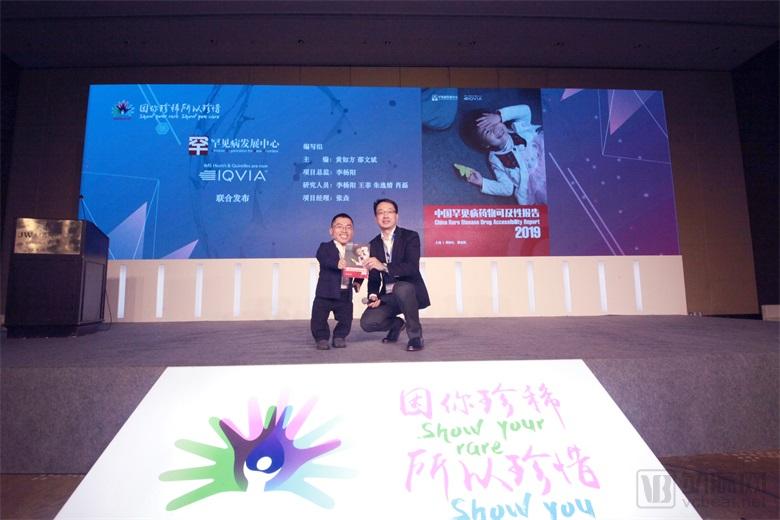
(Photo from the press conference)
In May last year, the National "First Batch of Rare Disease Catalog" was released, demonstrating the government's firm determination to address the accessibility and affordability of medications for patients with rare diseases. The Center for Rare Diseases (CORD), as an advocacy-oriented non-profit organization dedicated to improving access to rare disease medications for patients, has reviewed domestic and international drug approval and healthcare security policies based on China’s current national conditions and the actual needs of patient families. This effort aims to provide recommendations to the government for systematically addressing the issues of drug accessibility and affordability for patients in the next phase.
On the day of the press conference, the Center for Rare Diseases (CORD) and IQVIA China jointly released the “Report on the Accessibility of Rare Disease Medicines in China (2019).” Based on extensive interviews with patient families and clinicians regarding their clinical needs, the report presents ten constructive action plans. These recommendations are derived from a systematic analysis of case studies, data surveys, and global best practices, and are structured around three key areas: the current domestic landscape, global experiences, and policy recommendations for national action.
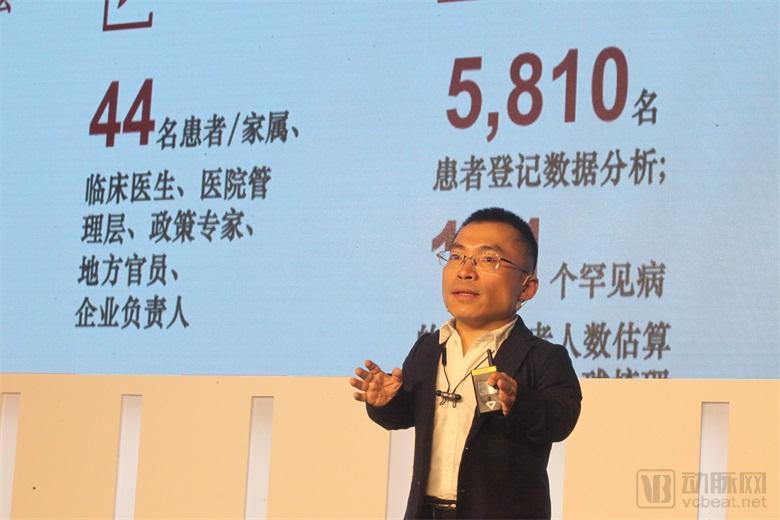
(Ru Fang Huang, Director of the Center for Rare Disease Development, speaks on-site)
1. Establish a separate Office for Rare Disease Drugs under the Center for Drug Evaluation (CDE) of the National Medical Products Administration
On November 1, 2018, 48 urgently needed overseas new drugs were included in the “First Batch List of Overseas New Drugs Urgently Needed for Clinical Use.” This measure marked another significant step forward in improving the accessibility of rare disease medications in China. It is recommended to establish a dedicated Rare Disease Drug Office under the Center for Drug Evaluation (CDE) of the National Medical Products Administration (NMPA). This would further consolidate professional evaluation resources and capabilities, centralize the management of review and approval processes for rare disease drugs, lay the administrative foundation for implementing a differentiated registration and review system for rare disease drugs, and better enhance drug accessibility for patients with rare diseases.
2. Prioritize support for the introduction of innovative drugs for rare diseases that are diagnosable and treatable
3. Establish a National Expert Committee on Medical Security for Rare Diseases
The establishment of the Expert Committee on Diagnosis, Treatment, and Security for Rare Diseases under the National Health and Family Planning Commission in December 2015 played a significant role in advancing the cause of rare diseases in China, leading to the release of the First Batch of the Catalogue of Rare Diseases in 2018. It is recommended to establish a National Expert Committee on Medical Security for Rare Diseases under the National Healthcare Security Administration to provide professional recommendations for the medical insurance access assessment of rare disease drugs, thereby alleviating the financial burden on patients with rare diseases and their families.
4. Establish a National Special Fund for Medical Security for Rare Diseases
5. Prioritize addressing the accessibility of therapies for rare diseases that have available treatments
6. Establish an annual out-of-pocket cap on treatment costs for patients with rare diseases: < RMB 80,000
To further reduce the incidence of poverty caused or exacerbated by illness among patients with rare diseases, it is recommended that the annual out-of-pocket expenditure cap for rare disease treatment be set below RMB 80,000. In 2018, the per capita disposable income of residents in China was RMB 28,228 (with urban residents at RMB 39,251 and rural residents at RMB 14,617).
7. Improve the mechanism for updating the list of rare diseases
8. Support the innovative R&D and generic production of domestic drugs for rare diseases
9. Gradually establish national and regional centers for the diagnosis and treatment of rare diseases
10. Strengthen the participation of patients and patient organizations in various rare disease affairs
Over the past few decades, rare disease patients and patient organizations in China have engaged in self-Assistance has made a significant contribution to improving access to treatments for rare diseases. Mature patient organizations for rare diseases provide care and assistance services, psychological support, and science popularization and education, media advocacy, and policy advocacy. It is recommended that in the future“National Action Plan for Rare Diseases”: Further strengthen the participation of patients and patient organizations in all matters related to rare diseases.
“Global Drug Review of the ‘First National List of Rare Diseases’” Report
Major Launch in Beijing
Since October 2018, the Center for Rare Diseases (CORD) has assembled a research team to conduct a comprehensive review of the global therapeutic drugs (in the United States, the European Union, and Japan) corresponding to the 121 rare diseases included in the “First National List of Rare Diseases,” as well as their market availability in China, with the aim of further improving drug accessibility for patients with rare diseases.
Research has found that a total of 162 therapeutic drugs for 74 rare diseases are marketed in these three countries and regions. Among them, 83 drugs (53%) have been launched in China, covering 53 rare diseases. Only 55 drugs with clearly registered indications for rare diseases in China are available, involving 31 rare diseases. Furthermore, only 36 drugs covering 23 rare diseases have been included in the National Reimbursement Drug List.
21 Rare Diseases in China Face the Dilemma of “Drugs Available Abroad, but Not Domestically”
Surveys indicate that the small patient population, coupled with “cost uncertainty” and “regulatory uncertainty” during the registration and market access phase, as well as “payment uncertainty” in the medical insurance reimbursement process, constitute significant barriers resulting in the scarcity of rare disease drugs launched in China and widespread market “uncertainty.”
As of December 2018, driven by a series of policy measures implemented by the National Medical Products Administration (NMPA)—including accelerating the registration, review, and approval of rare disease drugs, and reducing value-added tax (particularly for the market authorization applications under the “List of 48 New Drugs Urgently Needed for Clinical Use”)—patients with dozens of rare diseases in China are now able to escape the predicament of “drugs available abroad but not domestically.” However, it should also be noted that patients with 10 other rare diseases remain trapped in this “no domestic drug availability” dilemma, still awaiting hope.
22 Rare Diseases Treated with Off-Label Medications
Among the 28 drugs associated with the 22 rare diseases listed in the First Batch of Rare Diseases Catalogue, although they have been marketed in China, they are not registered with indications for these rare diseases. This means that, in principle, they cannot be used to treat these 22 rare diseases. “Off-label use,” “drug repurposing,” and “experimental therapies” have become necessary alternative pathways explored by clinicians and researchers given the limited accessibility of medications for rare diseases.
The report notes that this situation stems from the difficulty many mature drugs face in meeting the requirements for drug formulations under China’s current registration, review, and approval system. “It is often unreasonable to require a drug that has been marketed abroad for over a decade to conduct additional clinical trials based on today’s formulation standards.” Furthermore, many mature drugs being repurposed for new indications have already passed their patent protection periods. With the emergence of generic versions, both originator and generic manufacturers lack sufficient incentive to undertake additional clinical trials to apply for new indications.
Eight Rare Diseases Involve 19 Drugs Not Covered by Medical Insurance
There is a strong correlation between the treatment cost of drugs for rare diseases and the number of affected patients: the smaller the patient population, the higher the market price of the drug tends to be. Many rare disease drugs launched globally in the past decade fall into the category of “high-cost medications.” In the absence of supportive healthcare security policies, significant barriers remain to patients’ access to these therapeutic agents.
At the regular State Council policy briefing held by the State Council Information Office on February 19, Xiong Xianjun, Director of the Department of Pharmaceutical Services Management under the National Healthcare Security Administration (NHSA), stated that the NHSA attaches great importance to the implementation of negotiated medicines, ensuring that eligible patients can reliably purchase, access, and obtain reimbursement for these drugs. This demonstrates that the Chinese government has taken proactive steps in addressing the coverage of medicines for rare diseases.
A review of orphan drugs worldwide reveals that access to these medications is a global challenge. In China, the market launch of orphan drugs faces numerous obstacles, including policy barriers, taxation issues, an imperfect patient registry system, and a lack of diagnostic technologies. Addressing these challenges requires concerted efforts from government agencies, pharmaceutical companies, patients and their families, and research institutions.
Two symposiums were held on the afternoon of the press conference: “Application of the Internet and New Technologies in Disease Diagnosis and Treatment” and “Drug Access and Health Insurance Coverage for Rare Disease Patients in China.” In-depth discussions were conducted on how to address rare disease challenges.