

Chinese AI Innovator Shukun Technology Showcases Cardio-Cerebrovascular Solutions at ECR 2019, Gains Global Recognition Ahead of IPO
From February 27 to March 3, the 25th European Congress of Radiology (ECR 2019) was held in Vienna, Austria. As one of the most innovative scientific conferences organized annually by the European Society of Radiology (ESR), ECR 2019 attracted more than 30,000 attendees from 137 countries around the world.
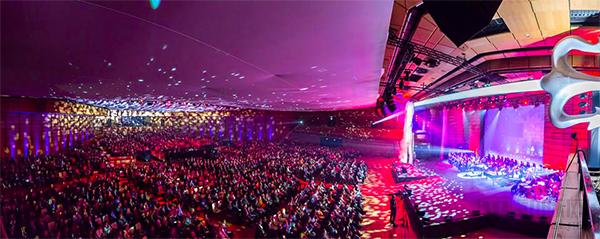
The theme of this year’s ECR is “the bigger picture,” with one of the major highlights being the focus on and discussion of the practical application of AI in healthcare. Statistics show that 59 sessions at this annual conference involved AI, including 354 oral presentations and 15 poster presentations, many of which featured contributions from Chinese AI healthcare companies. Additionally, the conference specially established the AIX Theater, where experts delivered keynote speeches and engaged in interactive discussions on AI-related topics. More than 20 innovative medical AI companies presented their solutions, providing a targeted platform for in-depth exchange among academia, industry, research institutions, and end users.
In discussions surrounding artificial intelligence (AI), radiology scholars have developed more rational and in-depth perspectives on this technology, which is disrupting the entire industry. At ECR 2019, multiple experts argued that radiologists need to be more actively involved in the development of medical AI. Regarding medical AI products, many attendees believed that their starting point should lie in clinical needs, with the goal of solving clinical problems. Furthermore, attention was paid to whether the end-user interface of AI products is user-friendly and whether platform-based solutions can be developed to better meet physicians’ needs. Numerous sessions focused on the broader potential of AI in medical imaging, including its applications and challenges in structured reporting, further utilization in magnetic resonance imaging (MRI) and hybrid imaging, and its role in assisting diagnosis and treatment across a wider range of diseases and anatomical regions.
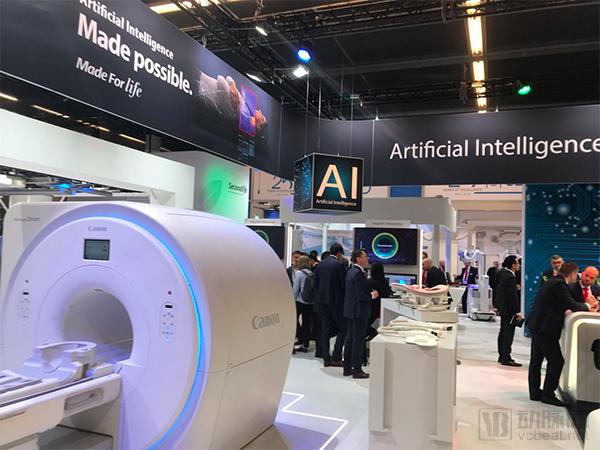
As a major power in the field of AI, voices from China have attracted the attention of attendees at ECR 2019. Chinese medical AI companies such as Shukun Technology showcased their products and shared insights at ECR 2019, with their achievements demonstrating to global radiology experts the cutting-edge nature of China's medical AI.
Regarding the selection of scenarios for realizing the value of medical AI, observations from the ECR 2019 exhibition area reveal that although cardiovascular and cerebrovascular diseases have high mortality and incidence rates in Europe and globally—undoubtedly creating demand on a massive scale and representing effective scenarios for AI to deliver clinical value—there was a notable absence of related AI products. In contrast, Shukun Technology from China presented its already-launched, mature AI-assisted diagnostic solutions for cardiovascular diseases.
In addition, to address the challenges of workflow integration, Shukun Technology has established a comprehensive end-to-end process. Currently, Shukun has successfully integrated its solutions into the clinical workflows of dozens of hospitals across China, seamlessly connecting all stages from patient scanning to the generation of structured reports.
As for the AI demand for more diseases and body parts, this will be the major direction of medical AI development, and Chinese medical AI companies have also brought surprises. For example, Shukun Technology mentioned in its introduction that its smart imaging platform covers a wide range of diseases and body parts, from neurological disorders such as brain tumors and cerebral infarction to oncological conditions like breast cancer and prostate cancer.
China’s medical AI market holds immense potential, and this substantial demand has charted a clear development path for Chinese medical AI enterprises. Through the exhibitions and exchanges at this year’s ECR, it is encouraging to observe that China’s medical AI sector is aligned with global development trends. Coupled with strong drivers from the demand side, medical AI in China enjoys unique developmental advantages, promising a bright future.
Although this year’s ECR has concluded, the development, application, and exploration of medical AI continue to accelerate. We look forward to witnessing even more remarkable advances in the integration of AI and radiology at ECR 2020, and we eagerly anticipate a stronger Chinese presence, with more Chinese medical AI enterprises showcasing their cutting-edge achievements on this international academic stage.