

Four Overseas Wellness Trends Gaining Global Traction: From CBD Skincare to At-Home Orthodontics
Editor’s Note: This article is reprinted from 36Kr Innovation Consulting (ID: Kr8-36Kr-Innovation), authored by Ke Jia. VCBeat has republished it with authorization.
The trends discussed herein all stem from the “Wellness Industry,” which encompasses fitness, health preservation, dietary supplements, personal care products, and more—essentially any sector dedicated to enhancing individual health and beauty.
How hot is this industry right now? The current global market is valued at approximately $37–42 billion, with a compound annual growth rate (CAGR) of 10%–15%. Top-tier foreign venture capital firms are betting that the next consumer goods unicorn will emerge from this sector.
Supermodels and Hollywood stars are all eager to try the new products. A recent article in American Vogue even described this phenomenal surge as “zeitgeist”—meaning “the spirit of the age.” This underscores just how extraordinarily popular it has become.
If beauty cosmetics are about adding to the body, using makeup to conceal imperfections, people are now gradually shifting their focus back to themselves, considering how to subtract by combining technology with wellness to achieve the most natural state of personal health and beauty. The surge in popularity of medical aesthetics is also driven by this factor.

Don’t worry; the ingredient used by the manufacturer is not the one you’re thinking of.
A Brief Science Note: Cannabis generally contains two active ingredients: THC (tetrahydrocannabinol) and CBD (cannabidiol). THC is the primary psychoactive substance in cannabis; its consumption induces euphoria, commonly described as “getting high” or “experiencing hallucinations,” all of which are attributable to THC. In contrast, CBD helps relax the body, relieve pain, and provide neuroprotection. Many people report that it aids them in falling asleep and resting more effectively. The benefits of CBD for skin health have long been widely recognized. As the most medically valuable among the hundreds of active compounds in cannabis, CBD offers effects such as reducing skin inflammation, providing antioxidant protection, soothing skin sensitivity and redness, and enhancing the skin’s self-repair capacity.
Is CBD Harmful to the Human Body? The Short Answer: No. (Provided that the CBD-containing products you choose are pure and from reputable sources.)
Therefore, “cannabis” is merely a gimmick; what merchants actually incorporate are veritable “natural anti-inflammatory and reparative ingredients.”

In 2018, the U.S. Food and Drug Administration (FDA) approved the inclusion of specified doses of CBD in products. Overnight, a wave of CBD-infused serums, body lotions, beverages, and e-cigarettes flooded the market. I am personally quite interested in trying CBD beverages and body lotions, as they are expected to provide analgesic and muscle-relaxing effects.
The figure below shows 12 CBD skincare products recommended by U.S. media, indicating that this market is experiencing fierce competition.

Recess, the beverage brand currently riding a wave of popularity, has launched CBD-infused sparkling beverages in three flavors: Blueberry Chai, White Peach Ginger, and Pomegranate Hibiscus. Its tagline, “We Canned A Feeling,” poignantly alludes to the relaxing, “couch-lock” sensation induced by CBD. The potential for incorporating novel ingredients into various products continues to provide businesses with an endless source of inspiration.

Do you remember your mom forcing you to eat greens and carrots?
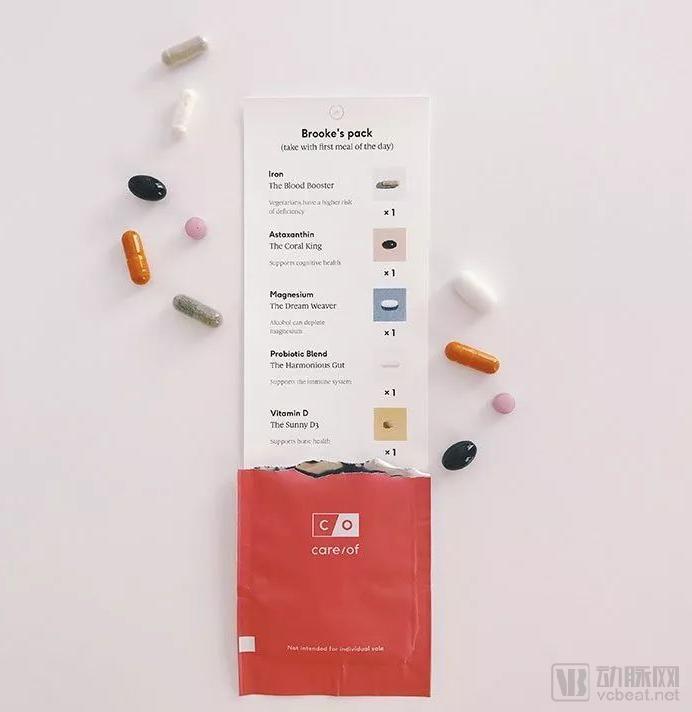
No longer necessary—a single small pill is sufficient. In addition to the wide variety of nutritional supplements available on the market, a new business model has emerged in recent years: personalized customization services. Care/of is a rising star in the health sector, offering personalized vitamin supplementation plans.

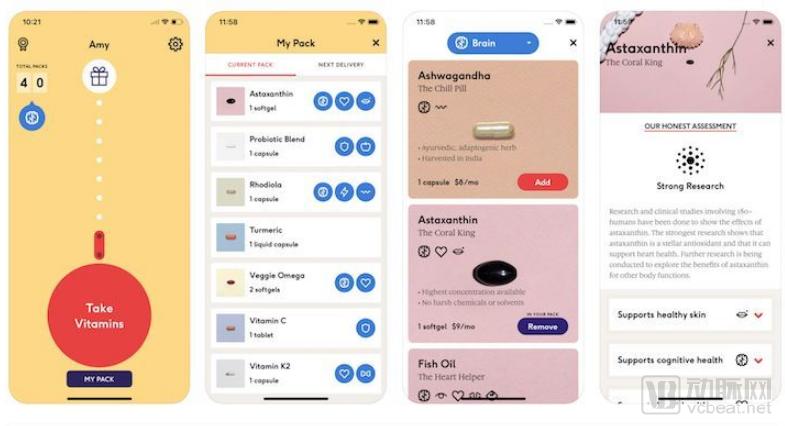
No specialized knowledge is required—simply complete a brief online questionnaire to document your health status and goals. Each month, a personalized box bearing your name will be delivered to your doorstep, offering utmost convenience. Individually packaged servings ensure you take one pack per day without any confusion. You can also set reminders and access detailed information via the app, such as the role of calcium and the signs of vitamin B deficiency. Gradually nurture your physical and mental well-being, and become a nutrition expert.
The app is designed to be user-friendly and engaging. It instantly shifts people’s perception of supplementation from the negative mindset of “I’m a patient who needs to take extra pills every day” to a positive one: “I am actively taking care of myself and becoming healthier!”
“Reward-driven motivation” is the most effective method for behavior shaping.
I was truly impressed! This service is incredibly user-friendly. When I was in the United States, I experienced a period of low mood and fatigue. After visiting a doctor and undergoing blood tests, I discovered that my vitamin B12 and vitamin D levels were both below the normal range, which explained my tendency toward fatigue. Many college students in the U.S. take daily supplements such as fish oil and vitamins to balance their nutritional intake, maintain good health, and sustain high energy levels throughout the day.
China lags somewhat in nutrition education.
First, most people are unaware of the severity of micronutrient deficiencies, let alone know which specific nutrients their bodies lack or which products are suitable for them. Moreover, given the high cost of personalized services, how can they be differentiated from more affordable health supplements available on the market? Furthermore, customers have stringent requirements for professionalism, making education and persuasion a slow process. Nevertheless, I am very optimistic about this market; if a reputable company were to offer such services, I would definitely be a potential customer.
Therefore, in the next five years, people will become not only more narcissistic about their appearance but also more preoccupied with their physical health and even their endocrine levels.
For Asians, dental aesthetics has long been overlooked; while public perceptions are gradually shifting, orthodontic treatment is often postponed due to its high cost and perceived inconvenience.
In Europe and America, straight and white teeth have long been considered a basic requirement. I once witnessed South American women visiting dentists to reshape their teeth—using machinery to grind each tooth into a neat, square shape for a more attractive smile. Men have also boasted about the sophistication of their country’s dentists, highlighting that orthodontic wires are custom-made. Wearing clear aligners overnight is commonplace. For them, regardless of gender, having straight and aesthetically pleasing teeth is a fundamental standard of physical appearance.

How many people avoid orthodontic treatment due to fear of visiting the dentist? Or is it because dental hospitals charge exorbitant fees?
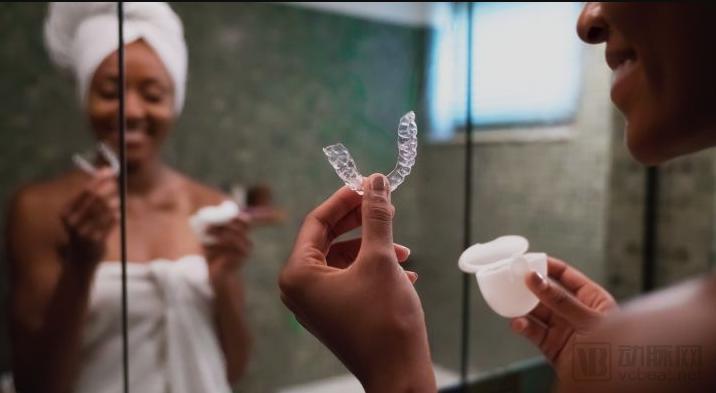
Candid, a startup, offers a service that allows you to create dental impressions at home. Once mailed back, licensed orthodontists will craft custom clear aligners tailored specifically for you. Candid also provides real-time 3D digital models of your teeth, enabling you to monitor the progress of your orthodontic treatment.
Candid claims its prices are 65% lower than those of traditional providers and offers installment payment options. The company holds a 4.9/5 rating on review websites, with nearly 10,000 users reporting high satisfaction based on their personal experiences.
Candid is also a leader in the U.S. direct-to-consumer (DTC) industry. We see a familiar business model: simplifying traditional, complex, and specialized offline services and moving them online, combined with reasonable pricing and youth-oriented marketing, equals $100 million in annual revenue.

Don’t just follow what your competitors are doing; instead, think from first principles: How can we make ordinary people’s lives a little better? Even small changes—such as alleviating the fear of visiting the dentist—can be truly remarkable.
Today, after finishing writing about several trends, I’ve practically planted a vast grassland for myself.
The final trend I highlighted is also my personal favorite: approaching the fitness market with a Netflix mindset.
Peloton, the unicorn of the fitness industry, has been a hot topic for quite some time. How many people truly enjoy sweating it out at the gym? The instructors, atmosphere, and music are major motivators that help us get in shape. However, stepping out of the house and heading to the gym requires a certain amount of perseverance and courage. Not to mention during winter, when one struggles even to leave the warmth of their bed—those who continue to stick to their workout routines are true warriors.
This company offers a fresh perspective: We know you’re not keen on working out at home—it’s boring to exercise alone, lacking the atmosphere of a gym. So here’s the idea: Ditch the expensive annual gym membership, buy our smart stationary bike, and for just $39 per month, you can access over 4,000 live-streamed classes, working out online alongside fitness influencers from around the world. How does that sound?
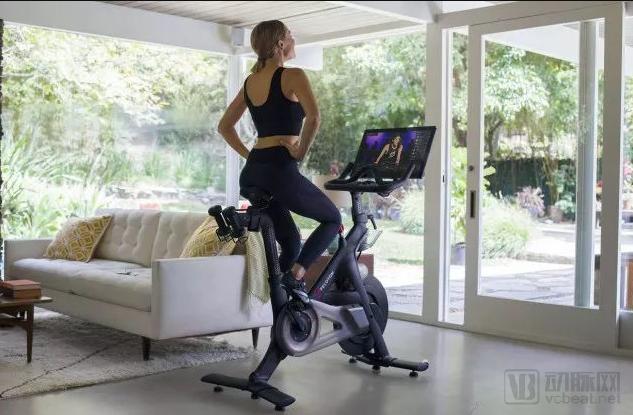
They also stated that we are not a fitness company at all, let alone a hardware company. We are a new content company akin to Netflix.
Peloton boasts its own original content, star instructors, and a tight-knit community. It leverages cutting-edge big data analytics to monitor user engagement, attendance rates, feedback, and biometric data, thereby determining improvements for future online classes. With thousands of on-demand classes that are updated in real time, users can select their preferred instructors and music, chat with fellow participants during sessions, and compare workout metrics.
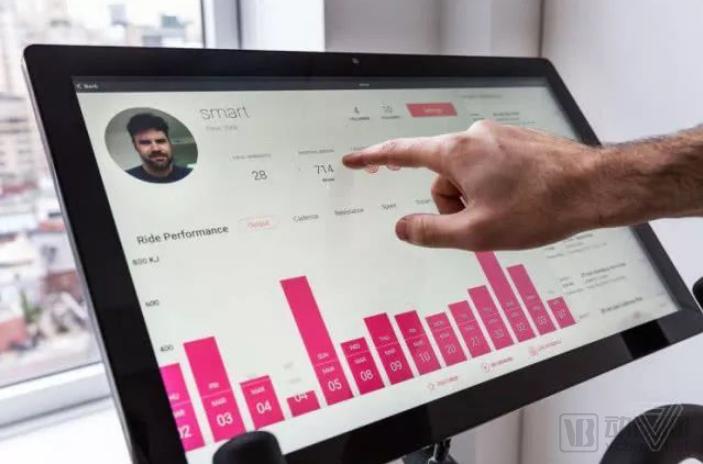
Peloton operates more than 60 offline experience stores in New York. Each class is simultaneously recorded and live-streamed to its channel, allowing online members to work out together. Each session attracts an estimated 500–1,000 participants.
They cultivate instructors as social media influencers, with each class resembling a rock star’s grand entrance, complete with stage spotlights. Instructors maintain close connections with members, many boasting hundreds of thousands of followers on Instagram. This approach amplifies instructors’ motivational impact and fosters a tighter-knit community, where “sense of belonging” and “energy recharge” are key drivers of member engagement.

Having navigated the most challenging phase of its early startup journey, Peloton achieved profitability by the end of 2015, 24 months after launching its connected fitness bike. The company then doubled its revenue for two consecutive years.
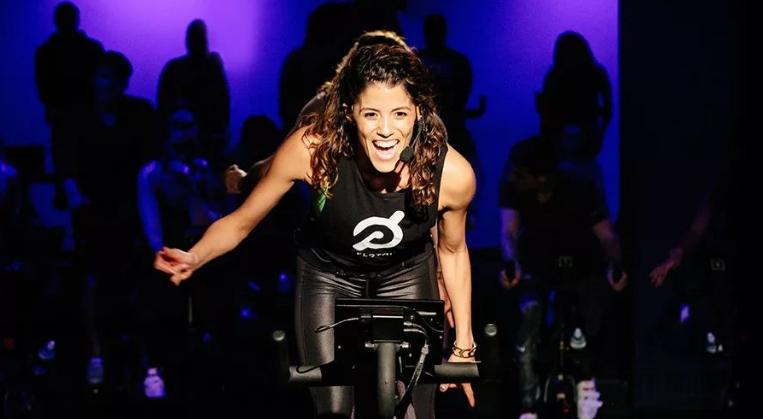
Peloton states that the success or failure of hardware hinges on content. The notion that “content is king” alone offers valuable inspiration to China’s fitness industry. Whether online or offline, an engaging fitness atmosphere serves as the direct motivator for customers to achieve their desired physique. In fact, all offline venues can draw lessons from this approach.
Many B2C sectors would not struggle financially if they undertook a comprehensive, end-to-end content overhaul and delivered output with diligence and substance.
These are the four major trends in the health industry for now. In reality, there are far more than just four; numerous other trends are emerging within this sector, rapidly transforming everyday life. We are highly optimistic about this overarching direction, which, much like female consumer spending, is poised to become the next rare and significant market opportunity.
Health Industry + Female Consumption: Perhaps the Next Consumer-Grade Unicorn Will Be Born Here.
Original article link: https://36kr.com/p/5179350.html