

Stem Cell Transplant May Have Cured Second HIV Patient, Say Leading Journals
VCBeat News (WeChat ID: biobeat1) has learned that in recent days, two of the world’s most prestigious academic journals, Science and Nature, have successively published updates on the clinical progress of the second HIV patient globally who may have been cured, drawing widespread attention both in China and abroad.
The clinical trial was conducted by Ravindra Gupta, a researcher in the Department of Infection and Immunity at University College London (UCL). The participant was a patient with advanced Hodgkin’s lymphoma and HIV residing in London, UK, referred to by the media as the “London Patient.” In this clinical trial, the criterion for deeming the London Patient “cured” was the absence of detectable HIV virus using high-sensitivity assays over an 18-month period after discontinuation of antiretroviral therapy.
Studies have shown that combination antiretroviral therapy (cART) for AIDS can effectively suppress the replication of HIV DNA. This approach is currently the standard treatment for HIV, with nearly 60% of HIV patients worldwide relying on it to sustain their lives. However, because HIV can lie dormant in the body as an inactive viral reservoir, current anti-HIV treatments can only delay the onset of AIDS but cannot cure the infection. Consequently, patients require lifelong, uninterrupted medication.
Since the discovery of HIV in the 1980s, researchers have made extensive scientific efforts; nevertheless, AIDS continues to severely affect the health of approximately 37 million people worldwide, with around 1 million deaths annually attributed to AIDS-related causes.
The world’s first patient cured of HIV was Timothy Ray Brown from Berlin, Germany, who also suffered from acute myeloid leukemia (AML). In 2007, Brown underwent stem cell transplantation to treat his AML. Fortunately, the donor stem cells carried a rare CCR5-delta 32 mutation, which involves a deletion of 32 base pairs in the host CCR5 gene, thereby conferring resistance to HIV. Several years after receiving two bone marrow transplants, Brown was clinically considered cured of HIV, despite the detection of trace amounts of the virus in his blood. He became widely known as the “Berlin Patient.” Until the emergence of the “London Patient,” Brown remained the only person globally recognized as having been cured of AIDS.
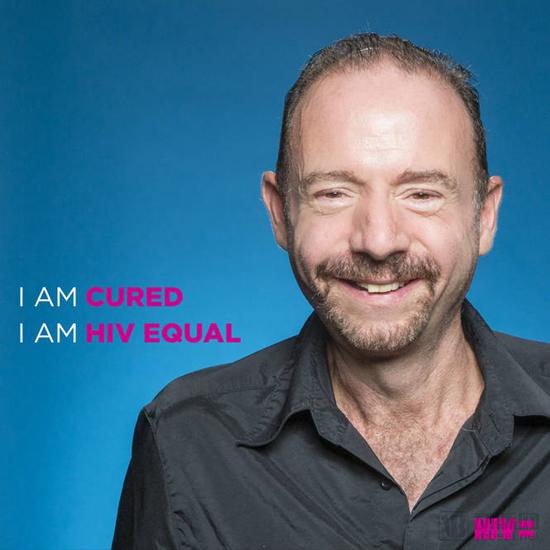
The World’s First Cured AIDS Patient: Timothy Ray Brown
According to Gupta, the “London Patient” was diagnosed with HIV infection in 2003 and began receiving antiretroviral therapy in 2012. He was later diagnosed with advanced Hodgkin’s lymphoma. In 2016, Gupta’s team performed a stem cell transplant on the London Patient following chemotherapy.
Sixteen months after receiving the stem cell transplant, the “London Patient” continued to receive antiretroviral therapy. Subsequently, to assess whether HIV-1 infection was truly in remission, the London Patient began discontinuing routine antiretroviral therapy. Tests confirmed that HIV was undetectable in the patient’s body. As of press time, the London Patient’s HIV remission had lasted for 18 months.
In an interview with CNN, Gupta stated, “The stem cell transplant approach has achieved remission in a second HIV patient, confirming that the case of the Berlin Patient was not an anomaly, but rather that this method effectively eradicated HIV from both patients.”
Following the public release of the trial results, the “London Patient” will continue to be monitored. Gupta emphasized that it is still too early to declare him cured of HIV. “Furthermore, although stem cell transplantation offers new hope for curing AIDS and holds the potential to introduce gene therapy into HIV treatment, this approach is not suitable for all patients. After the ‘Berlin Patient’ was cured, researchers attempted to treat other HIV/AIDS patients using stem cell transplantation, but these efforts were unsuccessful. Moreover, scientists have yet to provide a scientific explanation for why stem cell transplantation is effective only in a subset of patients.”
Sharon Lewin, a professor of medicine at the University of Melbourne, told CNN, “Ten years after the successful report on the ‘Berlin Patient,’ this new case confirms that bone marrow transplantation from CCR5-negative donors can eliminate residual virus and prevent any viral rebound. Two factors may be at play: first, the new bone marrow is resistant to HIV; second, it actively eliminates any cells infected with HIV.”
However, Professor Graham Cooke, an infectious disease specialist at Imperial College London, stated, “Currently, stem cell procedures still carry too many risks to be used in patients with stable conditions, as conventional antiretroviral therapy for HIV is generally sufficient to maintain long-term health.”
Li Taisheng, Director of the Department of Infectious Diseases at Peking Union Medical College Hospital, also pointed out in an interview with Southern Weekly that “for ordinary AIDS patients, this treatment method carries high risks and lacks strong feasibility.” On one hand, individuals with homozygous CCR5-delta 32 mutations are extremely rare, occurring in only about 10% of Caucasians (such mutations are virtually absent among Han Chinese). On the other hand, in the aforementioned successful cases, the primary purpose of stem cell transplantation was to treat another disease rather than AIDS.
Therefore, although the possibility of curing AIDS through stem cell transplantation in the London patient has excited the medical community and patients, this treatment regimen currently lacks scalability, safety, and economic feasibility.