

What Medical Entrepreneurial Opportunities Lie Behind 40 Million Healthcare Records?
Editor’s Note: This article is republished from Unicorn Studio, authored by Zhou Juncong. VCBeat has been authorized to republish it.
Recently, I came across an article on a WeChat official account titled “After Catching a Cold, This Tech Enthusiast Couldn’t Sit Still: He Analyzed 1.5 Million Public Medical Records.” I found it engaging and vivid, showcasing a big-data case study triggered by the common cold. As a technically minded scientist, I too couldn’t sit still—because what I have at my disposal is not merely 1.5 million medical records, but 40 million!
40 million medical records roughly equate to the outpatient volume of a Grade A tertiary hospital over a decade. This dataset comprises remote consultation and electronic prescription data accumulated by Wei Wenzhen over more than two years while serving over 20,000 pharmacies. Prior to this, there have been no published analyses of medical datasets of such magnitude, likely due to the fragmented and non-uniform nature of healthcare data in China, as well as privacy protection concerns. Therefore, the following analysis is conducted solely at a macroscopic big-data level and does not involve any personal privacy information.
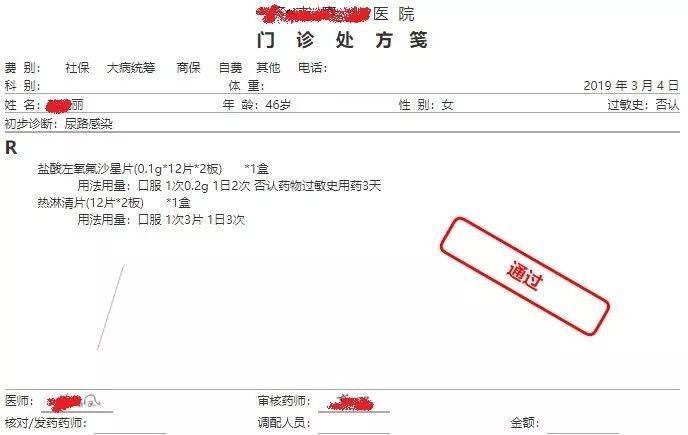
Data samples are as follows:
Let’s first examine the data scale and its distribution across China:
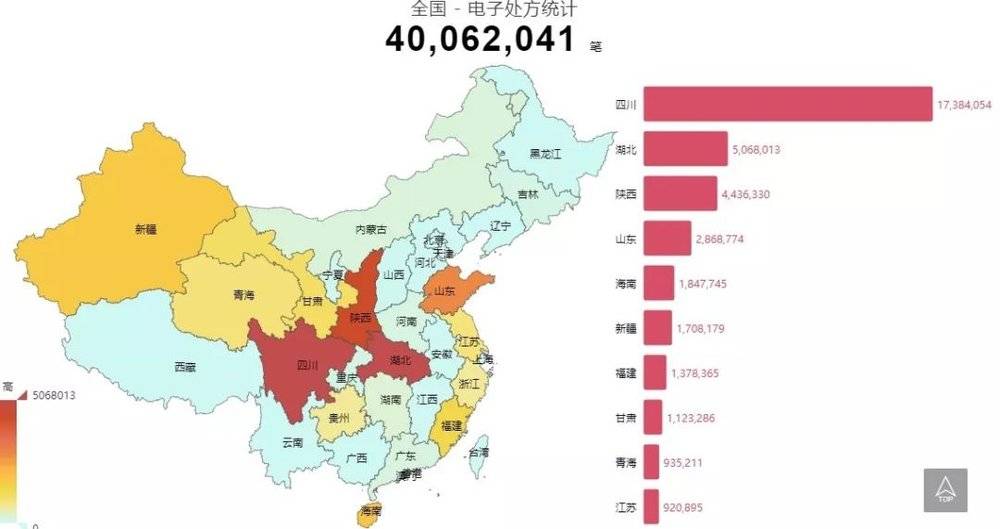
With a total of over 40 million electronic prescription records, the data is primarily concentrated in central and western China. Among these, Sichuan, Hubei, and Shaanxi provinces have the largest volumes, while coastal provinces in eastern China have recently experienced rapid growth.
Although outpatient services are conducted at retail pharmacies, each prescription is complete, including information such as the date, patient’s name, age, gender, allergy history, diagnosis, prescribed medications, dosage and administration instructions, physician’s signature, and licensed pharmacist’s signature. One additional piece of information included compared to hospital prescriptions is the patient’s residential address (assuming the patient purchases medication at a pharmacy near their home).

The average age is 43, with females outnumbering males by 15 percentage points, which aligns well with the typical customer profile observed in pharmacies. On one hand, young people in their 20s are less prone to illness and tend to endure minor ailments rather than seek treatment; indeed, some individuals in this age group rarely visit a pharmacy for years. On the other hand, many purchases are made on behalf of family members. Therefore, women aged 40–50, who often bear the responsibility of caring for both elderly parents and young children, are likely at the most demanding stage of life. For pharmacies, gaining a thorough understanding of the needs and psychology of customers in this demographic could significantly enhance business performance.
Let’s further examine the distribution of diseases and identify which conditions typically lead patients to purchase medications at pharmacies:
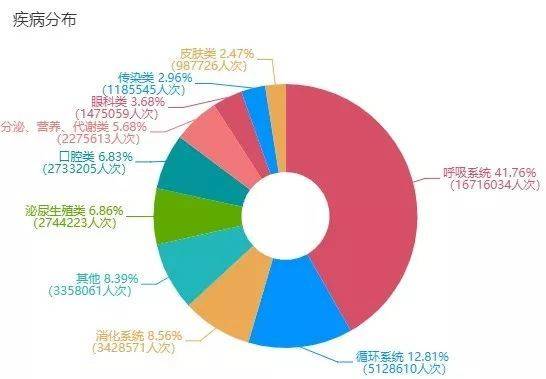
This is a distribution chart based on data from 40 million individuals across China. Respiratory diseases occupy a dominant position, accounting for 41.76%, indicating that they are highly prevalent and likely associated with the poor air quality in recent years. These are followed by circulatory system disorders (primarily hypertension), digestive system disorders, urogenital conditions, and others. The chart reveals that among major chronic diseases, the number of patients with hypertension (circulatory system, 12.81%) is more than double that of patients with diabetes (endocrine system, 5.68%).
A closer look at individual cities reveals even more intriguing patterns, such as the disease distribution in Chengdu:
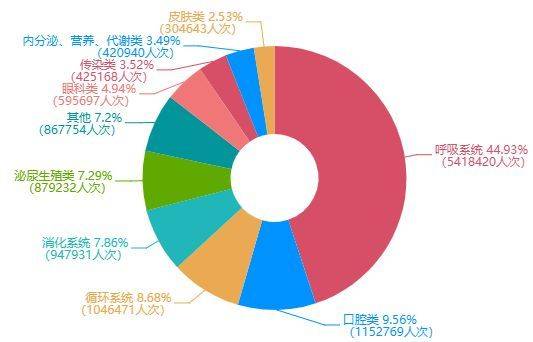
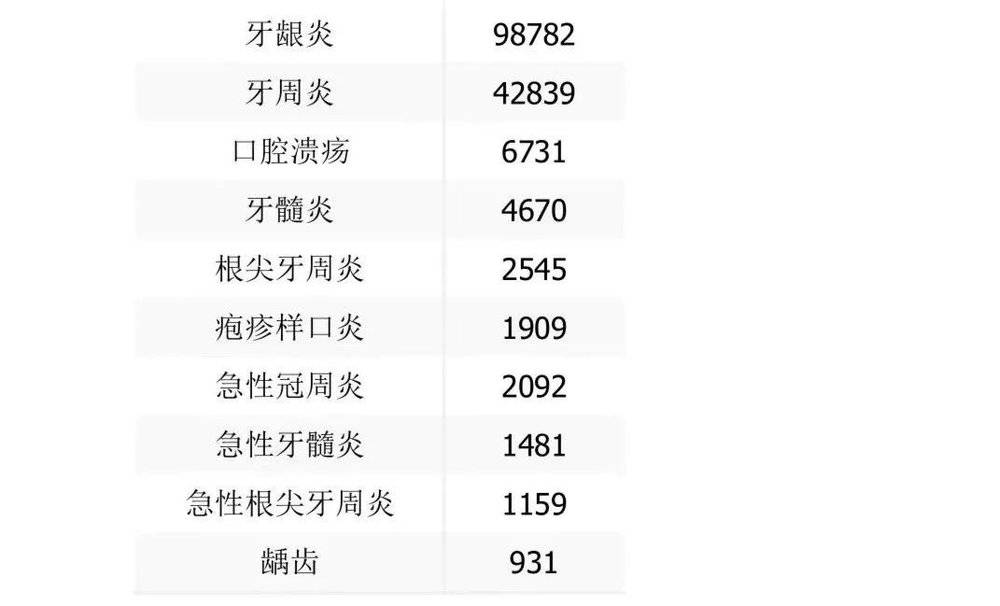
In Chengdu, patients with oral diseases (9.56%) surpassed those with hypertension to rank second, exceeding the national average (6.83%) by 40%. Is this related to Chengdu residents’ preference for spicy hot pot?
The aforementioned conditions are all common and frequently occurring diseases. However, surprisingly, individuals with certain specialized conditions—including infectious diseases, hematologic and immunologic disorders, mental health conditions, congenital anomalies, and tumors—also seek consultations and purchase medications at pharmacies. Most of these patients have likely received their initial diagnoses at hospitals and are visiting pharmacies for follow-up care and medication refills. With the advancement of China’s policy separating medical services from pharmaceutical sales, patients with chronic diseases will increasingly choose pharmacies for follow-up visits and medication purchases. This is particularly beneficial for patients at the county level, as it eliminates the burden of traveling to urban centers, thereby greatly enhancing convenience for patients.
The figure below shows the detailed patient counts and proportions for one month:

Further down, you will encounter more specialized and granular disease categories, which are beyond my scope of understanding. Those interested may explore them, using oral diseases as an example.
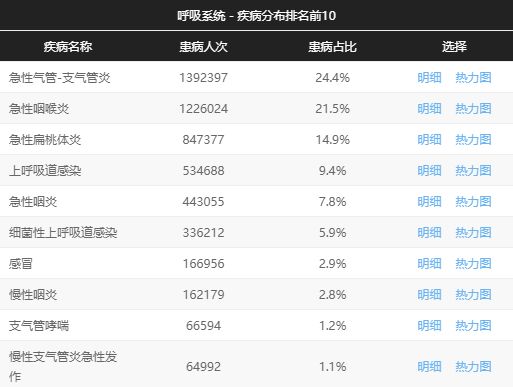
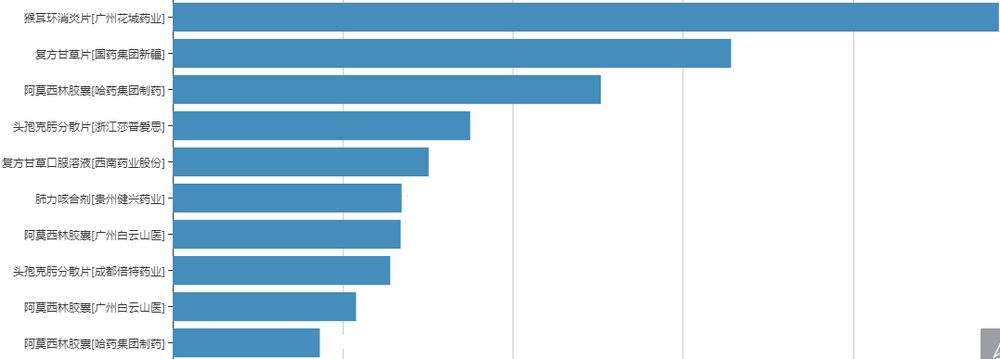
There are too many types of diseases for us to conduct an in-depth analysis of all of them; therefore, we will select a few familiar conditions for further exploration. We begin with respiratory diseases in Chengdu, which has the largest data volume. Among respiratory diseases, acute upper respiratory tract infections are the most prevalent, and they also represent the primary area of antibiotic consumption in pharmacies. In addition to antibiotics for anti-inflammatory purposes, residents of Chengdu show a strong preference for traditional Chinese medicine (TCM) for inflammation control, with frequent use of Pithecellobium Clypearia Benth Anti-inflammatory Tablets. This trend is likely related to the national promotion of policies restricting antibiotic use in recent years. Meanwhile, the usage of Compound Liquorice Tablets ranks highly, primarily for the treatment of bronchitis. However, as Compound Liquorice Tablets contain ephedrine—a controlled substance with addictive potential—regulatory oversight of this medication needs to be strengthened.
Chengdu Citizens' Cold Map: See Which Areas in Chengdu Are More Prone to Colds
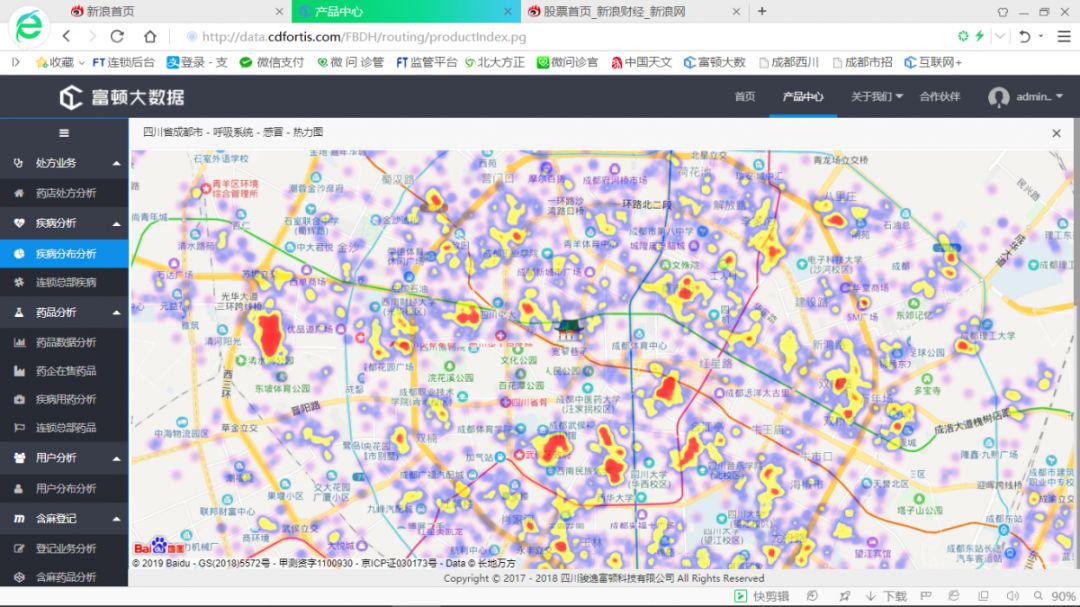
As can be seen from the chart above, the number of patients with colds near Youpindao is significantly higher than in other areas. Youpindao is a commercial district in western Chengdu, but it is not the only commercial hub in the city. The concentrated outbreak of colds in this area may be partly attributed to the prior prevalence of influenza in the region.
Next, let us examine the population with chronic diseases in Chengdu. Using data on the most common conditions—hypertension and diabetes (1.26 million patients)—as a sample, the heat map below illustrates the distribution of this chronic disease population across Chengdu:
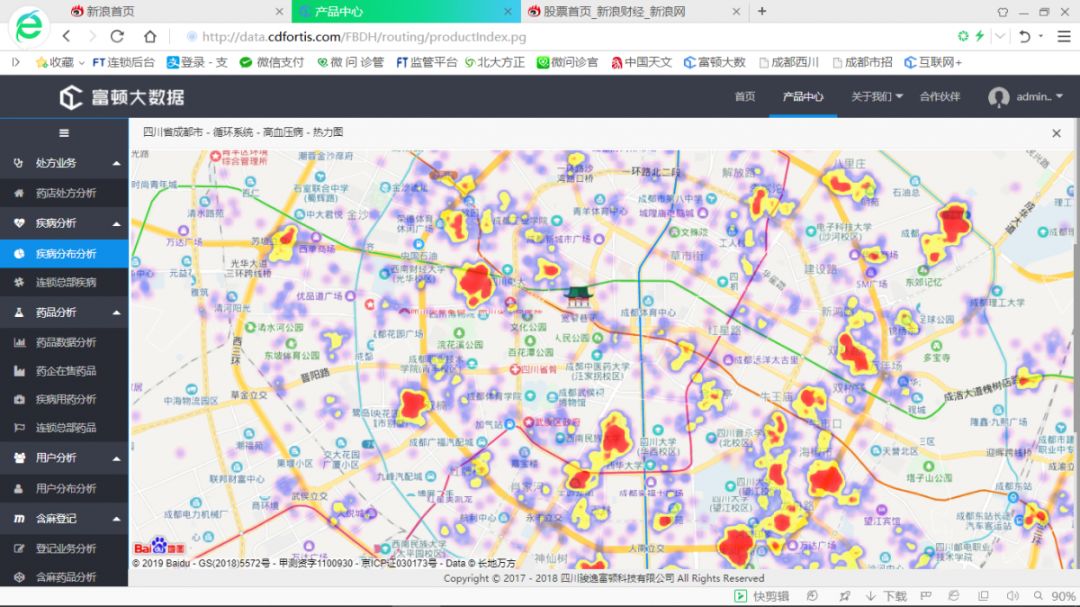
From the heat map, it is evident that the population with chronic diseases in Chengdu is mainly concentrated in eight small areas. Are medical resources for chronic disease services, such as community hospitals, sufficiently allocated within these areas? By cross-referencing this heat map with the allocation maps from the Health and Family Planning Commission, it should be possible to optimize the distribution of primary healthcare resources, thereby facilitating the further implementation of tiered diagnosis and treatment.
Additionally, the prevalence of chronic diseases is significantly higher in eastern Chengdu than in the west, and higher in the south than in the north. The age distribution of the population with chronic diseases is shown in the figure below:

Individuals aged 50 and above account for 82%, which is to be expected. However, those under 40 still make up 3.5%. Comparing this figure with data from ten years ago would reveal whether chronic diseases are trending toward a younger demographic. Hypertension, in particular, is directly linked to obesity. I know several individuals in their thirties who are obese and have developed hypertension; one case reached a severe peak of 200 mmHg. This patient now monitors blood pressure twice daily, morning and evening, and remains prepared to adjust medication as needed.
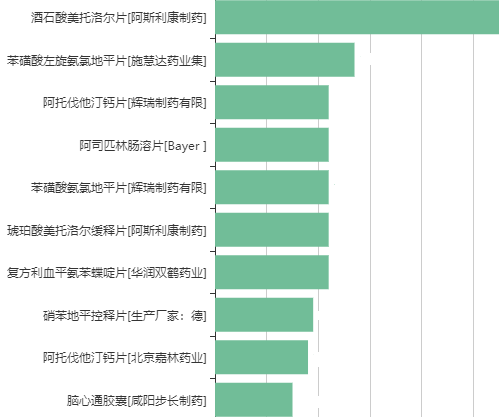
Medications for chronic cardiovascular and cerebrovascular diseases have primarily been dominated by imported drugs, with the top six products coming from AstraZeneca, Shihuida, Pfizer, and Bayer. After years of market cultivation, these brands have become deeply entrenched in consumers’ minds. As China’s economy has grown, patients have gained greater purchasing power and can afford these medications. However, with the implementation of the “4+7” Volume-Based Procurement (VBP) policy in 2018, winning bids were largely secured by domestic pharmaceutical companies, leading to significant price reductions. Will this shift alter long-term medication choices for these chronic conditions? How can imported drugs recapture in hospital-lost market share through retail pharmacies?
I will not analyze the rest one by one, as there are indeed too many and they are too detailed. Below, I only list some other interesting details I have discovered:
1. Although people in Chengdu consume spicy food, they have healthy gastrointestinal systems, and the prevalence of digestive system diseases is very low.
2. The proportion of patients with digestive system disorders is relatively high in Xi’an, particularly those with acute enteritis, commonly known as diarrhea. According to some friends in Xi’an, this is related to the local water quality.
3. The distribution of eye diseases in Chengdu differs somewhat from that of other diseases, being relatively more concentrated within the First Ring Road. Is this related to light pollution in the urban area? Additionally, there is a significantly higher prevalence of eye diseases in the southeastern part of Chengdu compared to the northwestern part. Given that the southeast is economically more developed than the northwest, does a higher level of economic development correlate with a greater incidence of ophthalmic diseases?
4. The area near West China School of Stomatology is not, in fact, the most concentrated region for dental patients, indicating that residents of Chengdu have a low willingness to visit hospitals for toothaches. Instead, they primarily rely on artificial cow-bezoar and metronidazole for pain relief. This suggests that the future market prospects for dental clinics in Chengdu are promising.
5. Most patients with infectious diseases purchase medications at pharmacies adjacent to the hospital, with only sporadic purchases occurring in the surrounding areas.
6. In China, antibiotics sold in pharmacies are primarily used for respiratory tract infections, oral conditions, acute enteritis, and urinary tract infections.
Conclusion: By leveraging medical data as a lens, we can indeed uncover intriguing insights, such as regional disease patterns, consumer demographics, and future market opportunities. These findings serve as invaluable references for healthcare professionals.