Next FDA Commissioner Candidates Emerge Following Gottlieb's Resignation
On March 5, U.S. Food and Drug Administration (FDA) Commissioner Scott Gottlieb announced his resignation. Although he has not yet officially left office, some organizations have already begun speculating this week on who might succeed him as FDA Commissioner.
Since taking office in May 2017, Gottlieb has actively supported the approval of new innovative therapies and generic drugs. Furthermore, he has focused on addressing multiple public health issues, including opioid control and smoking cessation. Gottlieb stated that he wishes to better support his wife and three daughters and hopes to spend more time with them.
Scott Gottlieb has been committed to lowering drug prices, aiming to increase competition among medications by facilitating the entry of generic drugs. The FDA previously advanced policies to promote generic drug competition, known as the Competitive Generic Therapies (CGT) program. This initiative seeks to prevent situations where limited drug variety in a therapeutic area allows pharmaceutical companies to monopolize the market and impose arbitrary, significant price hikes. Under the FDA Reauthorization Act of 2017 (FDARA), a drug qualifies for CGT designation if there is no more than one approved drug listed in the “active section” of the Orange Book (FDA’s Approved Drug Products with Therapeutic Equivalence Evaluations), indicating insufficient generic competition. Drugs granted CGT designation benefit from enhanced and expedited review through the Abbreviated New Drug Application (ANDA) pathway. Furthermore, the first generic applicant receiving CGT designation is eligible for a 180-day period of market exclusivity.
In addition, Gottlieb is also focusing on innovative therapies. On January 15, 2019, Gottlieb and Peter Marks, Director of the Center for Biologics Evaluation and Research (CBER), published the “Policy Statement to Support Safe and Effective Development of Cell and Gene Therapies” on the FDA website, which proposed two new policies: accelerated approval for novel therapies and drugs, and collaborative clinical trials involving small institutions. During Gottlieb’s tenure, the FDA approved the first CAR-T cell therapies in 2017—Novartis’ Kymriah and Gilead’s Yescarta. In the same year, it approved the first gene therapy, Spark Therapeutics’ Luxturna, as well as the first digital medicine containing a sensor, Otsuka Pharmaceutical’s Abilify MyCite from Japan. In 2018, the FDA approved its first cannabis-based drug, GW Pharmaceuticals’ Epidiolex (cannabidiol).
The question now is who will take over the FDA. Recently, STAT News released a list of individuals who may be nominated as the next commissioner.
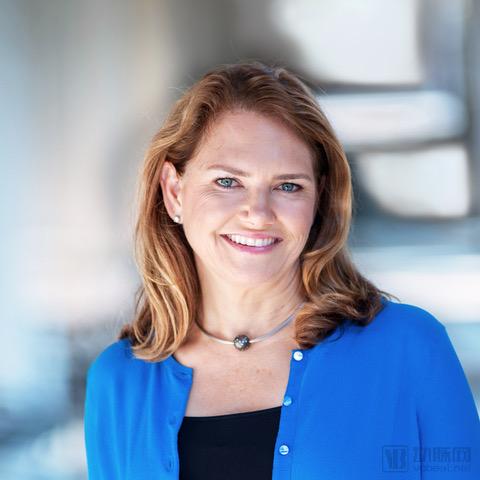
Amy Abernethy
Amy Abernathy: Last December, Amy Abernethy, Chief Medical Officer of Roche’s Flatiron Health, was appointed as the FDA’s Principal Deputy Commissioner. A renowned oncologist, Abernethy serves as a Professor of Medicine at Duke University and oversees the Duke Cancer Institute’s research programs. After joining Flatiron Health, she helped transform data collected from electronic health records into formats suitable for FDA regulatory use and contributed to establishing the American Society of Clinical Oncology’s data network. In an interview upon accepting the appointment, Abernethy stated that she has long viewed government service as a means to drive change through policy and regulation. One of her goals at the FDA is to accelerate data collection for clinical trials. Notably, Abernethy has only worked at the FDA for a few months and lacks experience in other regulatory areas, which could affect her potential succession of Gottlieb.

Norman Sharpless
Norman Sharpless: Another potential contender for the directorship is Dr. Norman Sharpless, Director of the National Cancer Institute (NCI). Dr. Sharpless previously served as Director of the University of North Carolina’s Lineberger Comprehensive Cancer Center and as a Professor of Medicine and Genetics, and he has published extensively. He also co-founded two companies: G1 Therapeutics, an oncology drug development firm, and HealthSpan Diagnostics, a developer of blood-testing devices. He is renowned for his profound understanding of oncology and big data. He has been an ardent supporter of Dr. Gottlieb’s efforts to regulate tobacco and e-cigarettes.
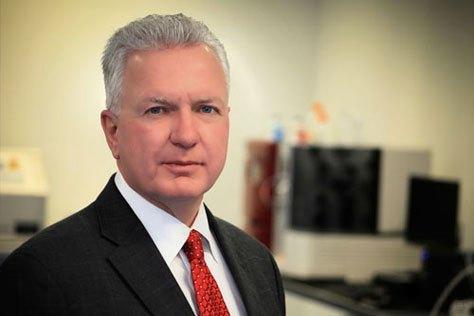
Brett Giroir
Brett Giroir: Giroir is currently the Assistant Secretary of the U.S. Department of Health and Human Services (HHS) and a four-star admiral in the U.S. Public Health Service Commissioned Corps. Like others on the list, Giroir possesses experience in both public service and the private sector. He is the founder and CEO of the consulting firms Health Science and Biosecurity Partners. Additionally, he serves as a senior fellow at the Texas Medical Center (TMC) Policy Institute, a strategic advisor to the TMCx Innovation Institute, an adjunct professor of pediatrics and tropical medicine at Baylor College of Medicine, and a member of several advisory committees. Following his transition from CEO to government service, Giroir worked extensively within HHS alongside Gottlieb to regulate opioids.
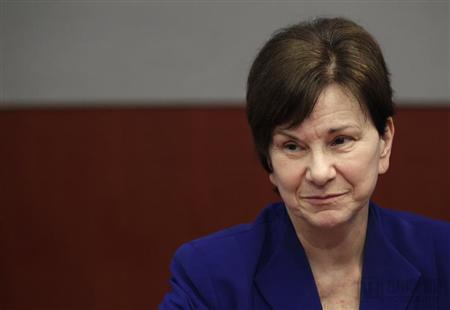
Janet Woodcock
Janet Woodcock: Janet Woodcock is a senior official at the FDA, holds an M.D. degree from the United States, and serves as the current Director of the FDA’s Center for Drug Evaluation and Research (CDER). She joined the FDA in 1986 and has held multiple senior leadership positions there, including serving as CDER Director from 1994 to 2004 and from 2007 to the present. In 2015, Dr. Woodcock received the Lifetime Achievement Award from the Institute for Safe Medication Practices in recognition of her “significant career history of sustained contributions to patient safety.” As the head of the FDA’s Center for Drug Evaluation and Research, she possesses extensive familiarity with previously approved new drugs and has long-standing insight into the agency’s operations.
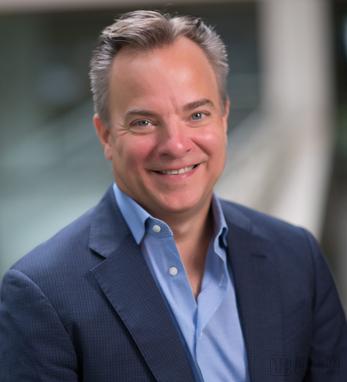
Mark McLellan
Mark McClellan: Dr. McClellan is a former Commissioner of the U.S. Food and Drug Administration (FDA), serving under President Bush from 2002 to 2004. He also oversaw the Centers for Medicare & Medicaid Services (CMS). During Dr. McClellan’s tenure as FDA Commissioner, the current Commissioner, Dr. Gottlieb, served as his advisor. Dr. McClellan currently directs the Center for Health Policy at Duke University and serves on the Board of Directors of Johnson & Johnson. However, it is unlikely that he will return to serve at the FDA after nearly two decades.
It may take some time before the White House nominates a new commissioner to replace Gottlieb.
https://www.statnews.com/2019/03/07/gottliebs-replacement-a-roundup-of-likely-possible-and-you-never-know-contenders/
https://www.biospace.com/article/who-will-replace-scott-gottlieb-as-head-of-the-fda-/