

What America's Top Rehabilitation Hospital Is Researching: Stroke Recovery Leads the Way, Domestic Translational Research Needs a 'Giant Leap'
In the context of medical research and clinical treatment, we often see the following scenario:
An independent medical researcher works with intense focus in the quiet laboratory of a medical building; meanwhile, inside the hospital along the street, doctors weave through the noisy public environment, moving busily among patients.
These are distinct scenarios in routine clinical practice and medical research. In China, the process typically spans from project initiation to research and then to clinical trials, resulting in a prolonged timeline for translating research findings into tangible outcomes. This challenge is particularly pronounced in rehabilitation medicine research, where medical-engineering-research translation often encounters significant hurdles due to insufficient prioritization and limited funding.
As previously analyzed by VCBeat, the translational research model of Shirley Ryan AbilityLab—the rehabilitation hospital that has ranked first in the United States for 28 consecutive years—has narrowed the gap between researchers and clinicians and explicitly designed workflows to accelerate the translation of research into clinical care.
The SRA Lab has conducted significant research across multiple fields, including neuroscience, robotics, and bionics. Based on clinical trial data from its official website database, VCBeat has compiled a list of 50 ongoing clinical trials at the hospital. These projects cover areas such as exoskeleton robotics, fall monitoring, aphasia clinical trials, and exercise therapy, highlighting international trends and frontier developments in rehabilitation research and providing preliminary insights into laboratory models at hospitals in China.
Statistical Analysis of Clinical Trial Data from SRA Lab
Dr. Joanne Smith, President and CEO of AbilityLab, stated that in the translational medicine model, hospital walls do not serve as a “dividing line” between researchers and patients.
SRA Lab does not permit researchers to have direct contact with patients, and all researchers must undergo training on patient privacy laws. However, in general, patients may approach researchers and choose to voluntarily participate in clinical trials, and physicians and researchers may discuss patient cases.
For example, in in-house rehabilitation training specifically dedicated to arm and hand function, patients’ therapeutic and rehabilitative sessions may take place directly opposite where researchers and scientists work—a common setup at the Shirley Ryan AbilityLab (SRA Lab). This differs from the typical arrangement in Chinese hospitals, where researchers and patients operate in separate sections of the building or in entirely separate facilities. This workflow was previously analyzed by VCBeat in its coverage of the Shirley Ryan AbilityLab, ranked as the number one rehabilitation hospital in the United States.
Based on the information displayed in the SRA Lab clinical trial database, we have compiled statistics for all projects entering clinical trials, including their details and associated laboratories, as follows:
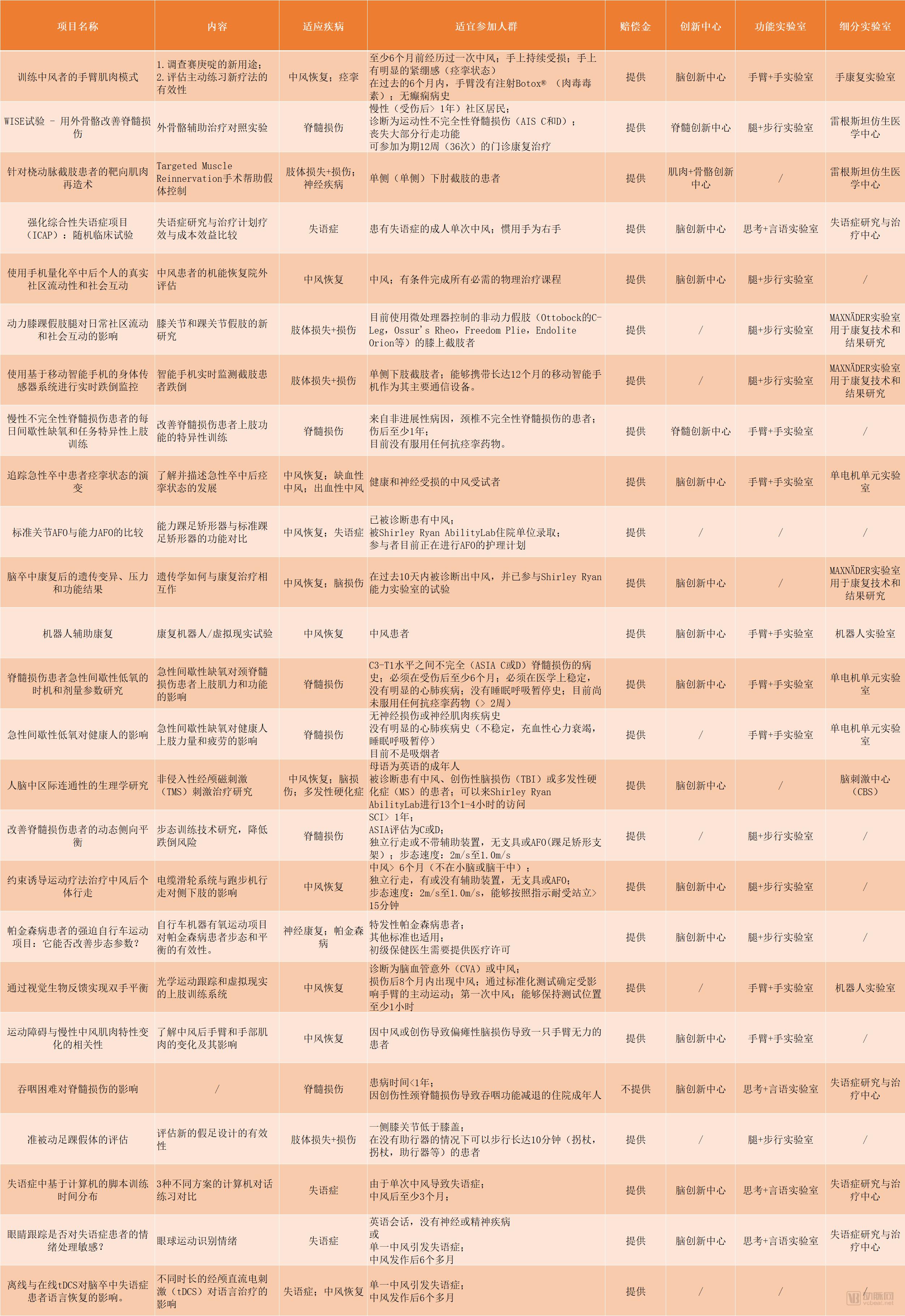
1. Rehabilitation for brain disorders is a key strength, spanning from symptom research to robot-assisted therapy
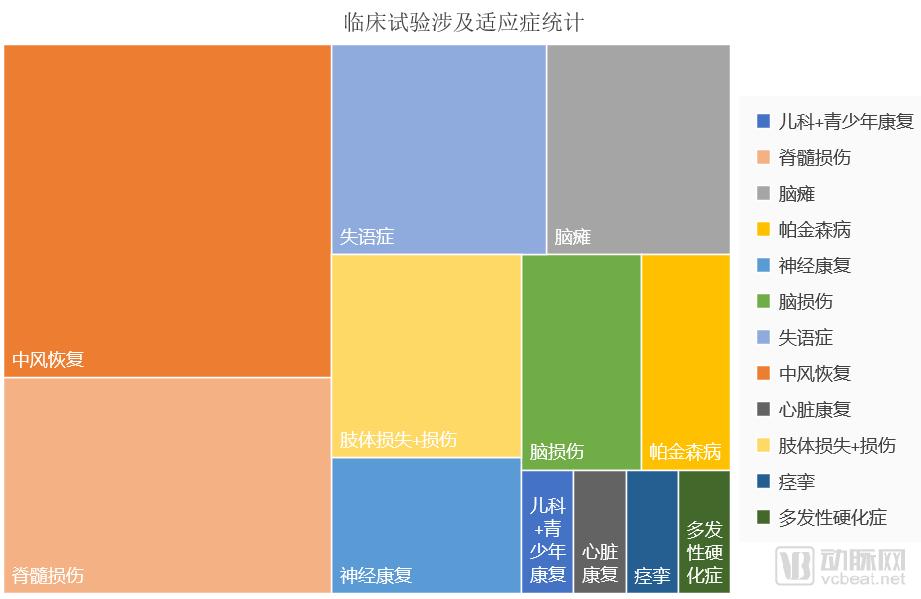
According to the navigation bar on SRA Lab’s official website, the most visited condition-specific services are stroke recovery, spinal cord injury, and brain injury. Among the indications and rehabilitation types for clinical trials, the most frequently featured are stroke recovery, spinal cord injury, and aphasia, which largely aligns with the website’s traffic ranking.
It can be inferred that SRA Lab excels in the rehabilitation of neurological conditions, including stroke, aphasia, cerebral palsy, brain injury, and Parkinson’s disease. This inference is corroborated by statistics from the Innovation Center: nearly half of the clinical trials—22 in total—are tagged with the Brain Innovation Center.
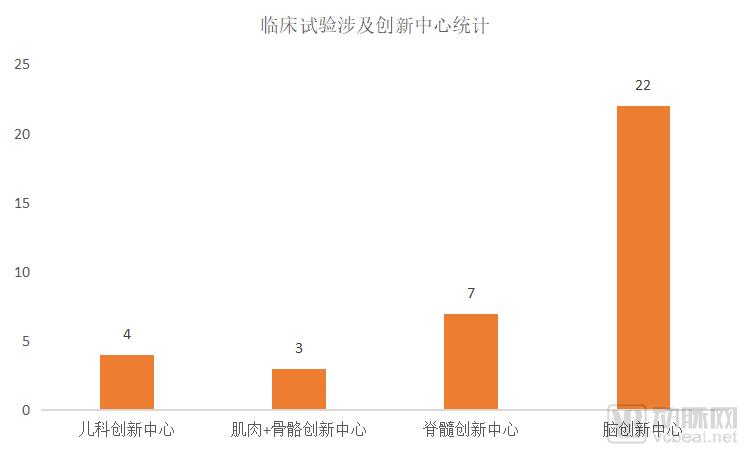
Note: As not every trial involves the corresponding innovation center, with some trials being broad in scope, only the number of projects explicitly tagged with a specific “Innovation Center” label on the webpage is counted here.
In the previous article analyzing SRA Lab, it was mentioned that the hospital has designed five innovation centers: the Brain Innovation Center, the Spinal Cord Innovation Center, the Nerve, Muscle + Bone Innovation Center, the Pediatric Innovation Center, and the Cancer Rehabilitation Innovation Center. These centers focus on new care models and rehabilitation therapy fields. Patient diagnosis and care in these centers will be supported by the latest intelligent control, electronic technology, and mobile therapeutic devices. (See details:“Ranked No. 1 Among U.S. Rehabilitation Hospitals for 28 Consecutive Years: What Sets Shirley Ryan AbilityLab Apart?”)
Among these, the Brain Innovation Center features inpatient care spanning three floors (23–25), with over 100 beds to accommodate patients with various brain conditions and diverse medical needs. It is AbilityLab’s largest innovation center in terms of patient volume and staffing. The center focuses on promoting brain healing and recovery, delivering world-class medical care, nursing, diagnostic support, and translational neuroscience research.
The top floor (25th floor) of the Brain Innovation Center is primarily dedicated to diagnostic services and provides medical and nursing support for patients with the most severe and fragile conditions affecting fundamental brain functions, such as arousal, consciousness, sensation, perception, creativity, information processing/thinking, communication, memory, and learning.
Its research activities encompass the application of pharmacotherapy, the use of intelligent neuromodulation devices and emerging technologies involving external or implanted brain stimulators, the potential applications of neurobehavior-specific biomaterials and therapies, and the investigation of pioneering interventions such as regenerative medicine.
In terms of clinical trial projects, this involves symptom research, such as “Tracking the Evolution of Spasticity in Patients with Acute Stroke”; pioneering intervention studies, such as efficacy trials of new drugs or therapies—“Training Arm Muscle Patterns in Stroke Survivors”; it also includes out-of-hospital assessments of functional recovery in stroke patients, as well as evaluations of the effectiveness of smart devices and emerging technologies, such as gait training for children with cerebral palsy using the LOKOMAT robot.
The center treats over 700 patients with traumatic brain injury annually, helping them restore brain function. Each inpatient stroke patient receives an average of 17.5 hours of therapy per week, which is twice the duration provided by other institutions. Through research involving hand muscle training, secnidazole medication, improvement of writing abilities, and mobile phone-based tracking of patients’ recovery status after returning to the community, the center has demonstrated significant outcomes in stroke recovery. For example, following inpatient treatment, stroke patients achieve an eightfold improvement in cognitive function and a fivefold improvement in mobility compared to those receiving rehabilitation at ordinary facilities.
2. Bionic Arms and Targeted Muscle Reinnervation Assist Limb Disability, “Filling” Deficits for Patients
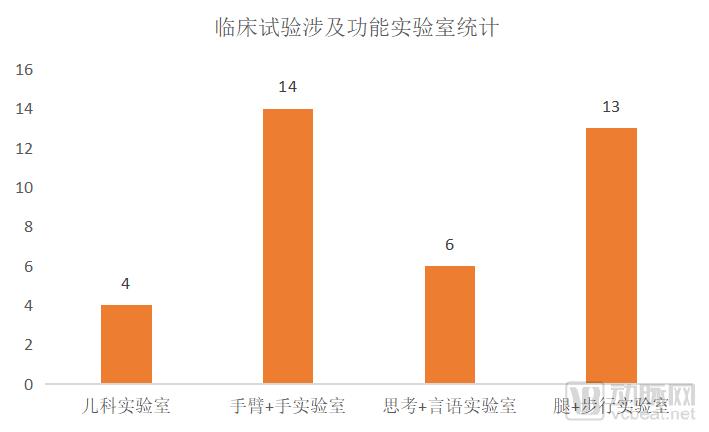
The functional laboratory is designed to complement the treatment and care model of the Innovation Center, truly realizing the core mission of translating research into applications during the rehabilitation period. Within the framework of translational medicine, the functional laboratory serves as a “proving ground” for various new technologies and therapies.
According to statistics from the functional laboratory, clinical trial projects related to human limbs—specifically the Arm + Hand Laboratory and the Leg + Gait Laboratory—ranked first and second, respectively.
These two laboratories primarily focus on indications involving motor function impairment or loss caused by limb loss and injury, or neurodegenerative diseases. The Arm + Hand Laboratory is dedicated to advancing hand function and movement, including body and upper-limb coordination, strength, range of motion, and hand control. Examples include novel rehabilitation approaches for chronic stroke survivors—such as combining pharmacological treatment (cyproheptadine) with Active Movement Practice (AMP) to encourage increased voluntary muscle control and strength—upper-limb training within virtual reality systems, bionic arms, and targeted muscle reinnervation.
The Leg + Gait Laboratory is specifically designed for patients and research participants to diagnose lower-body functional impairments resulting from brain or spinal cord injuries, as well as neurological, muscular, and skeletal disorders. Its scope includes exoskeleton robot-assisted therapy, gait training technologies, and prosthetic efficacy evaluation.
The staircases connecting the two floors of the Arm + Hand Laboratory and the Leg + Gait Laboratory are equipped with advanced tools to enhance human movement—anti-gravity lift tracks and weight-bearing assistance devices—to support patients in ascending and descending the laboratory stairs.
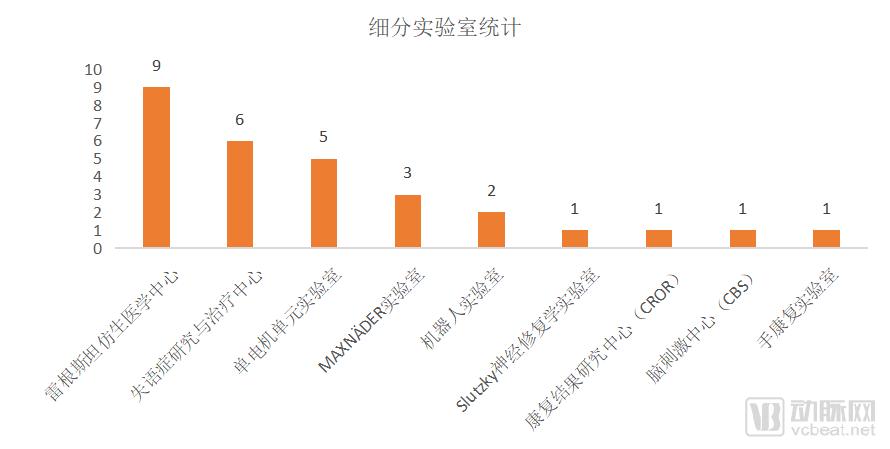
Specific specialized laboratories serve as the source of “ammunition” for functional laboratories and are the wellspring of technological innovation, where new technologies or research methods emerge. Statistical data indicate that the Regenstein Center for Bionic Medicine is the most frequently involved project laboratory, followed by the Aphasia Research and Treatment Center and the Single Motor Unit Laboratory.
The following is a list of clinical trials currently underway at the Regenstein Center for Bionic Medicine:
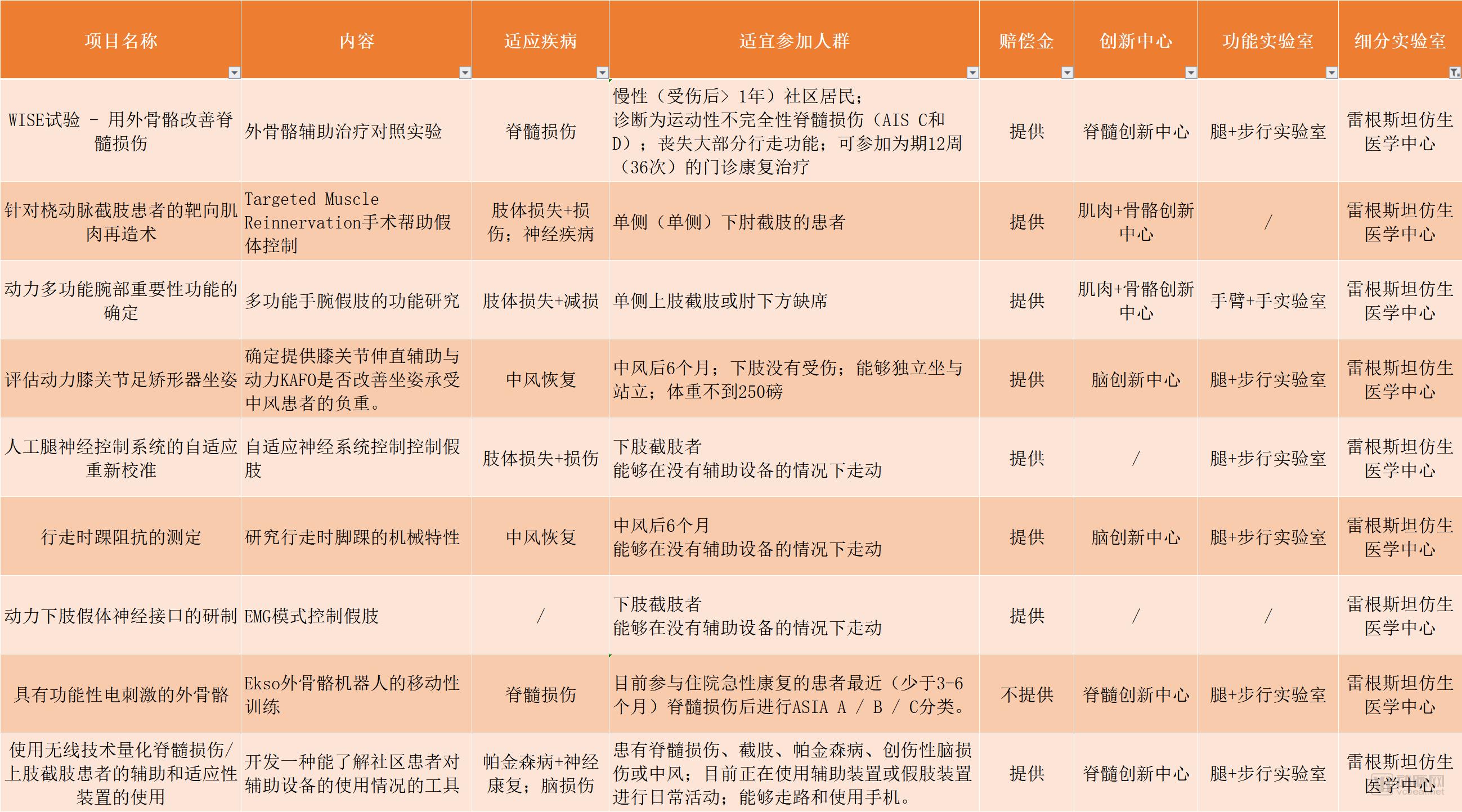
Bionic medicine, as the name suggests, is largely focused on patients with limb loss or injury. Therefore, the original intention of the Regenstein Center for Bionic Medicine is to improve the function and quality of life for amputees and other individuals with physical disabilities.The current research achievements of the world’s largest bionics research group include:
The first bionic arms and legs controlled by thought;
The first manual wheelchair, providing users with mobility in both sitting and standing positions;
Pattern Recognition-Based EMG Control of Partial Hand Prostheses;
Lightweight powered lower-limb prosthesis;
Targeted Muscle Reinnervation (TMR), a surgical technique that “rewires” amputated nerves, enables intuitive control and sensory feedback for bionic arms and legs.
Based on the aforementioned clinical trials, research at the Regenstein Bionic Center primarily focuses on spinal cord injury, limb loss, stroke rehabilitation, and Parkinson’s disease/neurorehabilitation. By leveraging cutting-edge devices and technologies such as exoskeleton robots, targeted muscle reinnervation (TMR), and neural interfaces, the center aims to restore mobility to missing limbs or limbs impaired by neurodegenerative diseases.
Center for Aphasia Research and TreatmentThe Center for Aphasia Research and Treatment primarily focuses on improving therapeutic interventions for aphasia and enhancing the quality of life for individuals with this condition. For instance, the clinical trial titled “Electronic Written Communication to Improve Aphasia” targets native English speakers who have developed aphasia as a result of a stroke that occurred more than six months prior. Participants receive 30 hours of writing therapy over a four-week period to improve their texting and written communication skills. Assessments are required at three time points: before treatment, immediately after treatment, and four weeks post-treatment.
The Single-Motor Laboratory primarily investigates how the nervous system controls motor units within muscles and the intrinsic properties of motoneurons that govern muscle fiber groups. Its main research projects focus on conditions involving upper limb functional impairment and spasticity mediated by neural factors.
3. Clinical Trials for Maximizing the Recovery of Physical Function: From In-Hospital Assessment to Out-of-Hospital Follow-Up
The rehabilitation philosophy abroad focuses on restoring physical function, enabling patients to return to normal daily life to the greatest extent possible. Taking certain clinical trial programs for stroke recovery as an example:

From the perspective of the rehabilitation therapy workflow, the process should follow the sequence of assessment, protocol development, and treatment implementation. Research on stroke rehabilitation at SRA Lab includes in-house clinical trial projects such as symptom studies, testing of novel therapeutic approaches, research on assistive devices, and interdisciplinary combination therapies, with the aim of providing patients with more comprehensive and advanced rehabilitation protocols.
Furthermore, the most critical distinction lies in the differing rehabilitation philosophies: whereas the prevailing approach in China involves discharging patients home for rest immediately after surgery, international rehabilitation emphasizes the tangible restoration of physical function. Consequently, numerous studies have employed mobile phones to quantify stroke patients’ mobility and social interaction upon their return to the community. Similarly, research such as “Using Wireless Technology to Quantify the Use of Assistive and Adaptive Devices by Patients with Spinal Cord Injuries or Upper-Limb Amputations” also leverages mobile devices to track patients in community settings, thereby monitoring their utilization of assistive and adaptive devices.
Not only in-hospital rehabilitation programs, but also out-of-hospital follow-up further ensures the effectiveness of rehabilitation.
4. External collaboration: Partnering with global enterprises to co-develop cutting-edge technologies such as prosthetics and robotics
Another notable entity in the field of cutting-edge rehabilitation technology is the Max Nader Laboratory for Rehabilitation Technologies and Outcomes Research. As one of the few clinical laboratories initiated by industry sponsors and researchers, it focuses on research into prosthetics, orthotics, rehabilitation robotics, and other assistive and adaptive technologies. It is also a key laboratory for external collaborative outputs under the Shirley Ryan AbilityLab (SRA Lab).
The laboratory has established collaborations with more than 12 global partners in the fields of industrial robotics, prosthetics, and wearable devices, including Ottobock (Germany), Honda (Japan), ReWalk Robotics (Israel), Ossur, Ekso Bionics, Parker Hannifin, Hocoma, B-Temia Inc., and Samsung. These partnerships aim to create access pathways and practical guidelines for patients using these technologies under various conditions. Product indications include stroke, spinal cord injury, multiple sclerosis, and cerebral palsy.
The laboratory has also engaged in dozens of research collaborations with top academic and research institutions, including the Walter Reed Army Institute of Research, the Brooke Army Medical Center (BAMC) Research, Northwestern University, Stanford University, Harvard University, Vanderbilt University, the University of California, Irvine, the University of California, Davis, EPFL and ETH Zurich in Switzerland, Delft University of Technology (TU Delft) and the University of Twente in the Netherlands, Nanyang Technological University (NTU) in Singapore, and Imperial College London.
In addition to traditional performance-based and patient-reported outcome measures, the laboratory employs advanced wearable sensors for outcomes-based research. It is among the first to deploy sensors across inpatient, outpatient, and home-based rehabilitation settings for diverse patient populations, including those with stroke, spinal cord injury, Parkinson’s disease, and amputation. Furthermore, it is a pioneer in developing customized personal algorithmic models for multimodal sensors, enabling continuous monitoring of patients both in hospital and at home.
China: In-HospitalRehabilitation# Early Signs Emerge in the Laboratory
Regarding the translation of research findings in domestic rehabilitation medicine laboratories, reporters interviewed several industry insiders. Dr. Niu Chuanxin, Associate Researcher at the Department of Rehabilitation Medicine, Ruijin Hospital, stated that during her doctoral studies at the Rehabilitation Institute of Chicago (RIC), she was deeply influenced by its culture of close integration among clinical practice, scientific research, and biomedical engineering, which has significantly contributed to its academic leadership. With the advancement of rehabilitation medicine, the newly renamed SRA Lab is poised to lead a new wave of integrated innovation in rehabilitation medicine, engineering, and research.
Niu Chuanxin also noted that the RIC model had not previously generated significant impact in China. However, rehabilitation hospitals and rehabilitation departments across the country are now actively learning from SRA Lab’s integrated models of medical research and medical engineering. Although no identical counterparts exist, the key value lies in the conceptual inspiration they provide. Overall, the importance attached to rehabilitation medicine is rising rapidly, and it is imperative to forge a path of independent innovation.
Dr. Liu Ziping, a physician in the Department of Rehabilitation at Shenzhen People’s Hospital, told reporters that several major rehabilitation departments in China, including those at Huashan Hospital in Shanghai, West China Hospital, the First Affiliated Hospital of Nanjing Medical University, and Jiangsu Province People’s Hospital, are also moving toward the development of translational medicine that integrates medicine, engineering, and research.
Ao Xueheng, Director of the Department of Rehabilitation Medicine at Shilin Tianqi Hospital Affiliated to Kunming Medical University Second Hospital, also expressed a similar view. He noted that an in-hospital laboratory model, which facilitates translational research, has already emerged, with Huashan Hospital, West China Hospital, and Jiangsu Province People’s Hospital being three notable examples of successful implementation. Due to the excess demand for clinical services, hospitals tend to maximize the number of wards and beds, while laboratories are typically located within universities.
A review of National Natural Science Foundation projects under the rehabilitation medicine category over the past three years identified 185 studies, with funding ranging from 86,000 to 600,000 yuan. Of these, only five were initiated by hospitals, while the remainder were applied for by universities. The detailed topics and information are as follows:
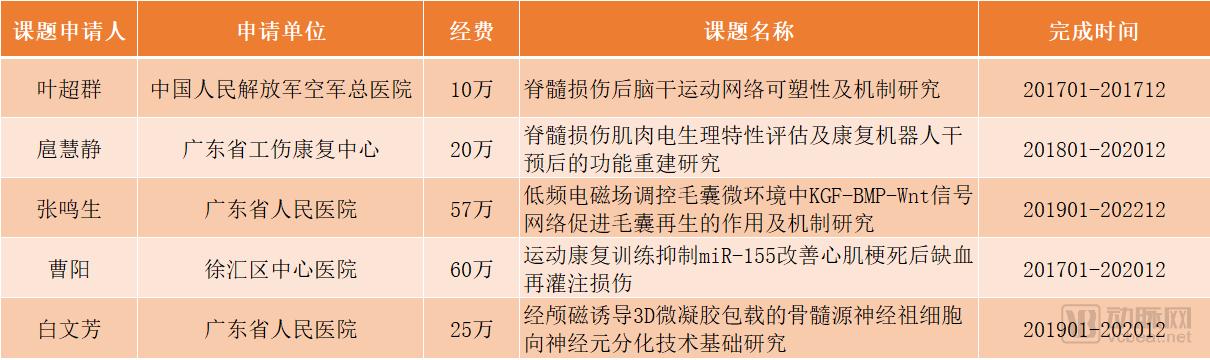
A graduate of the Department of Rehabilitation Sciences at The Hong Kong Polytechnic University, Ao Xueheng single-handedly established the Department of Rehabilitation Medicine at Shilin Tianqi Hospital. He is deeply aware of the challenges currently facing rehabilitation departments at primary care institutions. In addition to issues such as insufficient market awareness, talent shortages, and management deficiencies, rehabilitation medicine has not yet been designated as a first-level discipline in China’s academic classification system. Consequently, it receives limited coverage in annual applications for the National Natural Science Foundation of China. Nevertheless, rehabilitation departments in primary hospitals also have research needs, which are primarily addressed through collaborations with tertiary hospitals and universities.
He stated, “We will certainly seize any opportunity for collaboration in research. The discipline requires development through both scientific research and teaching. Our department maintains research collaborations with the Second Affiliated Hospital of Kunming Medical University and other institutions. Additionally, I currently serve as a lecturer at Kunming Medical University, where I teach students.”
From an investor’s perspective, SRA Lab’s primary funding source consists of $550 million in donations from non-profit organizations and crowdfunding, which enables the integration of hospital-based research with clinical practice. The hospital’s layout reflects this mission: occupying approximately 110,000 square meters, it features only 242 beds, with the remaining space dedicated to innovative therapies and research projects. This semi-public-welfare model addresses precisely what “China lacks most,” as “everyone is rushed toward commercialization, and most rehabilitation-focused projects have not even achieved basic financial sustainability.” This situation also explains why neither hospitals nor physicians can devote themselves fully to researching new technologies and treatment methods.
“When you are constantly working for patients, you learn things that cannot be learned in any other way,” said Richard L. Lieber, Chief Scientific Officer of SRA Lab. This seemingly simple statement actually reflects the logic of generating scientific research outcomes based on clinical needs. The hospital’s original intention is for this design to guide researchers in addressing more real-world problems for patients undergoing rehabilitation and to help accelerate the development of solutions for them.
Just as pharmaceutical companies have initiated reforms from the channel side, providing corresponding services for patient market education and medication adherence, the integration of medical practice, engineering, and research in rehabilitation hospitals also reflects the growing trend of healthcare services shifting toward a “patient-centered” orientation.