

Behind an 8-Fold Surge in Market Value, Ascentage Pharma Persists in Tackling the Toughest Challenges in Drug Development
2018 marked the 10th year of Ascentage Pharma’s operations as an independent entity. From Yasheng Pharmaceutical to Ascentage Pharma, Dr. Yang Dajun was once again on the verge of ringing the listing bell. On August 20, 2018, the Hong Kong Stock Exchange’s HKEXnews website disclosed that Ascentage Pharma Group International, an innovative drug R&D enterprise, had filed its IPO application. Bank of America Merrill Lynch and Citigroup served as joint sponsors, although the specific fundraising amount was not disclosed.
One month prior to the disclosure of its listing application, Ascentage Pharma had just completed a C-round financing of RMB 1 billion (approximately USD 150 million), ultimately facing scrutiny from Hong Kong investors with a track record of four private equity rounds totaling USD 240 million. Ascentage Pharma’s C-round financing ranked sixth among the Top 10 biotechnology financing deals of 2018, as compiled by VCBeat.
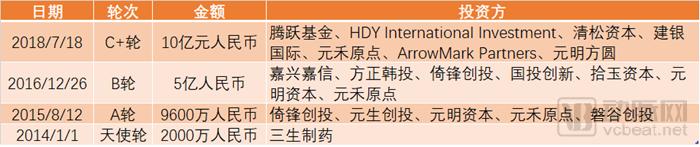
Ascentage Pharma’s Financing History
Headquartered in Suzhou Industrial Park, Ascentage Pharma focuses on the research and development of original drugs. The company has established multiple core technologies in the field of drug design and optimization based on targeted protein structures, holds more than 40 international invention patents, and has successfully developed nearly 10 original small-molecule targeted anti-tumor drugs that have entered preclinical or various stages of international clinical studies. All projects under development are original Class 1.1 new drugs with novel compound structures.
Ascentage Pharma originated from the R&D center established in Shanghai by Ascenta Therapeutics, which was jointly founded by three experts: Dr. Dajun Yang, Dr. Shaomeng Wang, and Dr. Ming Guo. Dr. Dajun Yang previously served as an Associate Professor and Senior Investigator at the Lombardi Comprehensive Cancer Center of Georgetown University. He also holds adjunct positions as a Professor and Doctoral Supervisor at the Sun Yat-sen University Cancer Center. Dr. Yang is the author or co-author of 92 papers and holds 14 invention patents. In 2004, he founded Ascenta Therapeutics and served as Senior Vice President of Research and Preclinical Development. Dr. Shaomeng Wang is a tenured professor at the University of Michigan and serves as Co-Director of the Experimental Therapeutics Program at the University of Michigan Comprehensive Cancer Center. Dr. Ming Guo has held various technical and managerial positions at Pfizer and previously served as an Independent Non-Executive Director at Porton Pharma Solutions.
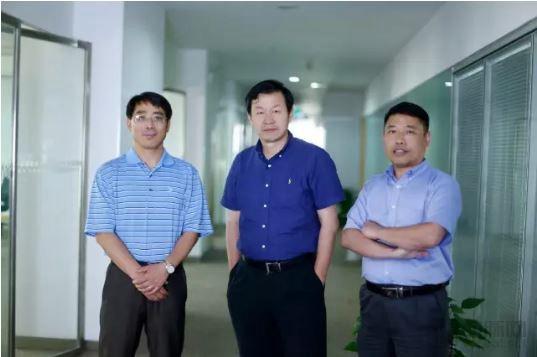
The Three Co-founders of Ascentage Pharma: Shaomeng Wang, Dajun Yang, and Ming Guo
In 2009, when Ascentage Pharma faced obstacles in its U.S. IPO, its Shanghai R&D center was on the verge of closure (as documented in a 2016 article by VCBeat). To date, Ascentage Pharma has eight drug candidates worldwide that have entered clinical stages, with 20 undergoing clinical trials and 16 Investigational New Drug (IND) applications submitted. Among these, AT-101 and HQP1351, the two drugs with the most advanced development progress, have entered Phase II/III clinical trials.
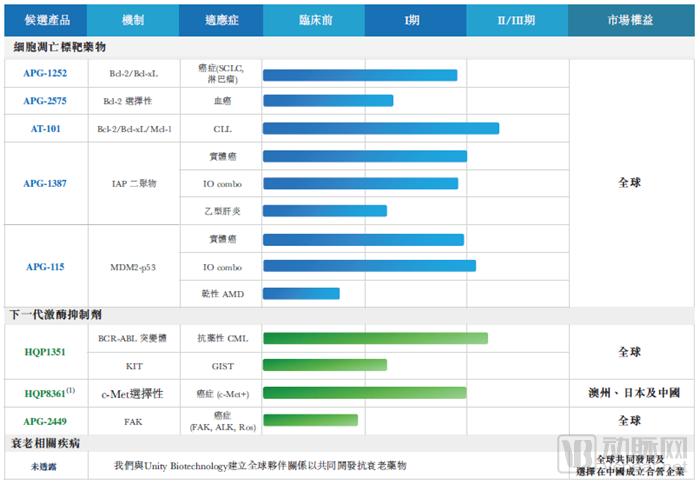
Ascentage Pharma's Investigational Pipeline
Unlike most innovative pharmaceutical companies that cluster around popular targets such as immune checkpoints, Ascentage Pharma has distinctively chosen apoptosis-targeting candidate drugs as its flagship R&D pipeline, forming the company’s core assets. The founding team of Ascentage Pharma was among the first researchers internationally to enter the field of developing small-molecule inhibitors targeting new pathways involved in the dual regulation of apoptosis and autophagy. Therefore, understanding Ascentage Pharma’s drug development pipeline must begin with an interpretation of apoptosis and its relationship with cancer.
Apoptosis is governed by genes and serves as one of the inherent checkpoints and balance mechanisms within the cell cycle. As a form of programmed cell death, the apoptotic process involves a series of specific biochemical reactions. Studies have shown that multiple protein–protein interactions (PPIs) occur intracellularly during apoptosis. Some of these proteins promote apoptosis, while others inhibit it; these PPIs play a critical role in regulating the apoptotic process.
Typically, if cellular internal functions become compromised, the cell is forced to undergo rapid destruction via apoptosis. The apoptotic process helps prevent cancer development; for instance, apoptosis is usually triggered when skin cells are damaged by ultraviolet radiation. However, if apoptosis fails to occur, these damaged cells can survive and evolve into cancerous cells. Furthermore, cancer cells are capable of evading apoptosis and continuously proliferating under abnormal conditions, thereby metastasizing through the bloodstream or lymphatic system, invading new tissues, and promoting tumor progression and metastasis. Experts have observed disruptions in normal apoptotic processes in various malignant tumors, such as small cell lung cancer (SCLC) and chronic lymphocytic leukemia (CLL).
Studies have shown that the inactivation of the p53 tumor suppressor gene is a common cause of dysregulated apoptosis. The inactivation of the p53 protein impairs the cell’s ability to sense DNA damage that would otherwise stimulate apoptosis. Meanwhile, the upregulation of anti-apoptotic members of the Bcl-2 family and IAPs (Inhibitor of Apoptosis Proteins, which disable caspases) counteracts the pro-apoptotic effects of BH3-only proteins. Bcl-2 can bind to Bax and Bak, thereby preventing pore formation; it can also inhibit BH3-only proteins, thus blocking the cellular response to DNA damage. Consequently, cells continue to evade death despite being damaged, and coupled with sustained cell division, this ultimately leads to tumor growth.
In traditional cancer therapy, chemotherapy agents and radiation induce apoptosis in cancer cells by triggering death signals through DNA damage or cellular stress. In recent years, with the continuous advancement of biotechnology, targeting protein-protein interactions (PPIs) within apoptotic pathways has emerged as a novel approach for treating cancers and other diseases characterized by dysregulated apoptosis. Many pro-apoptotic drugs have entered pharmaceutical companies’ R&D pipelines, with some advancing to clinical trials. Currently, certain investigational drugs directly target anti-apoptotic proteins of the Bcl-2 family and inhibitor of apoptosis proteins (IAPs), while others aim to restore the function of impaired pro-apoptotic factors, such as caspases or p53.
The Bcl-2 protein family, IAPs, and the MDM2-p53 axis are currently three commonly targeted pathways in apoptosis drug pipelines. Ascentage Pharma has established a strategic presence across all three targets. Multinational pharmaceutical giants such as AbbVie, Roche, and Novartis have also developed apoptosis-focused drug portfolios. Notably, AbbVie’s small-molecule PPI inhibitor venetoclax, indicated for chronic lymphocytic leukemia (CLL), received approval from the U.S. Food and Drug Administration (FDA) in April 2016. The table below lists apoptosis pathway drugs currently under development or already marketed worldwide.
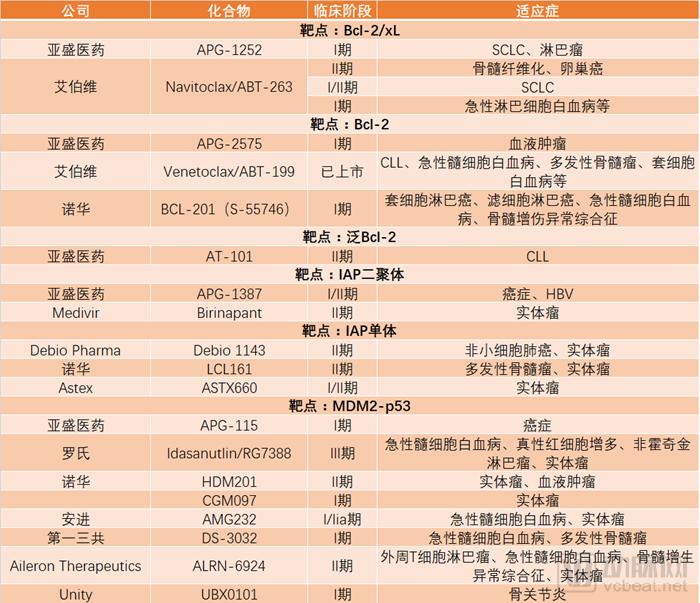
Global Drugs Targeting Apoptosis Pathways: In Development and Marketed
Among them, Unity is a partner of Ascentage Pharma. The former has been licensed to screen Ascentage Pharma’s Bcl-2 series compounds for development in the anti-aging field. In January 2019, Unity selected an investigational compound from Ascentage Pharma’s ophthalmology pipeline and will advance its Investigational New Drug (IND) application.
However, cancer cells have numerous mechanisms to evade apoptosis. Therefore, while drugs can target and restore apoptotic pathways, cancer cells can acquire new genetic mutations and develop drug resistance. For example, when a drug is designed to inhibit the activity of Bcl-2 family proteins, it triggers apoptosis in cancer cells; but once cancer cells acquire mutations that enhance caspase inhibition, the drug becomes ineffective. In other words, the development of anticancer drugs targeting the apoptotic pathway faces significant technical challenges.
For a long time, due to the high uncertainty in the druggability prospects of small-molecule inhibitors targeting apoptosis and the extreme difficulties in their development, most pharmaceutical companies have either hesitated to enter the field or abandoned their efforts midway. Ascentage Pharma has risen to the challenge, committing to an unprecedented scale and determination in targeting the apoptosis pathway, surpassing any of its peers. Notably, Ascentage’s two blockbuster candidates, APG-1252 and APG-2575, both target the Bcl-2 protein family. APG-1252 received China’s first clinical trial approval for a Bcl-2 inhibitor.
Members of the Bcl-2 protein family can be classified into three functional groups: anti-apoptotic proteins (e.g., Bcl-2, Bcl-xL), pro-apoptotic effector proteins, and pro-apoptotic activator proteins, which play a critical gatekeeping role in the intrinsic apoptotic pathway. The dynamic balance between anti-apoptotic and pro-apoptotic members determines whether a cell initiates apoptosis.
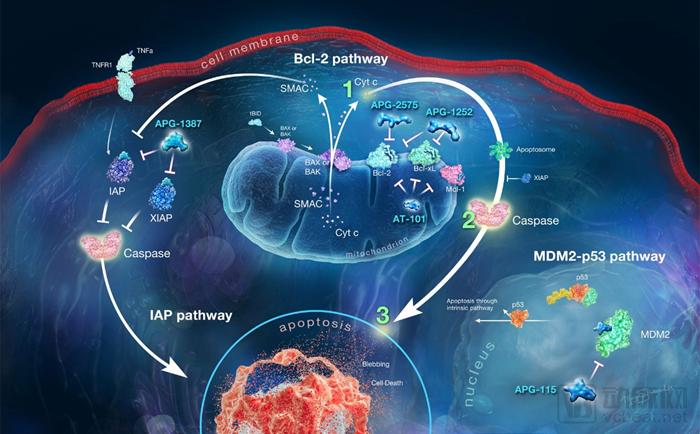
Mechanism of Action of Apoptosis-Inducing Drugs
Researchers have found that over 90% of patients with small cell lung cancer (SCLC) exhibit high expression of Bcl-2/Bcl-xL. In fact, SCLC is the most aggressive and lethal form of lung cancer, with extremely limited treatment options. The standard of care for patients with advanced-stage SCLC is systemic chemotherapy; however, relapse commonly occurs within one year, and the five-year survival rate remains below 10%. For the past three decades, no effective new therapies have been approved, leading SCLC to be referred to as “the forgotten cancer.” Highly associated with smoking, SCLC accounts for approximately 15% of all lung cancer cases worldwide.
According to Frost & Sullivan, there were over 310,000 newly diagnosed SCLC patients worldwide in 2017, and this figure is expected to rise to more than 440,000 new cases annually by 2030. Frost & Sullivan projects that the global market for SCLC drugs will grow from US$1.5 billion in 2017 to over US$10.9 billion by 2030.
APG-1252 has selected small cell lung cancer (SCLC) as its first indication. Fully and independently developed by Ascentage Pharma, APG-1252 is a dual Bcl-2/Bcl-xL inhibitor currently in Phase I clinical trials. Preclinical studies indicate that APG-1252 was designed to mitigate platelet toxicity, offering a wider therapeutic window compared with other Bcl-2/Bcl-xL inhibitors under clinical development.
In March and December 2017, APG-1252 entered clinical trials in the United States and China, respectively. In April 2018, the Australian clinical trial of APG-1252 was launched. The Phase I clinical trial of APG-1252 in China was led by Professor Wu Yilong, Director of the Guangdong Lung Cancer Institute and a leading authority in the field of lung cancer in China. To advance APG-1252 and several other core products into clinical trials, Ascentage Pharma began frequently initiating external financing starting from its seventh year of establishment. It was precisely with the RMB 96 million Series A financing round in 2015 that Ascentage Pharma’s technological innovations gradually gained recognition, making it a star investment target in the capital market. In 2016, Ascentage Pharma completed a RMB 500 million Series B financing round, achieving an eightfold increase in its valuation within one year.
On the other hand, clinical trials of investigational drugs, including APG-1252, are continuously advancing. According to the prospectus, Ascentage Pharma is conducting two Phase I dose-escalation trials in patients with advanced cancer in the United States and Australia, as well as a Phase I/II dose-escalation/expansion trial of APG-1252 (as monotherapy) in patients with small cell lung cancer (SCLC) in China.
In May and November 2018, Ascentage Pharma presented the latest data and progress from the Phase I clinical trials of APG-1252 at the 2018 American Society of Clinical Oncology (ASCO) Annual Meeting and the 2018 Asian Conference on Lung Cancer (ACLC), respectively. As of August 31, 2018, three Phase I clinical trials of APG-1252 for the treatment of advanced small cell lung cancer (SCLC) and other solid tumors, conducted in China, the United States, and Australia, had enrolled a total of 35 patients, including 17 patients with SCLC. Preliminary results indicated that APG-1252 was well tolerated, with no reports of hematologic toxicity. Partial responses were observed in patients with metastatic SCLC: one patient achieved a partial response (PR) lasting more than 12 months, and three additional patients achieved stable disease (SD).
Furthermore, dose-escalation trials of APG-1252 for the treatment of small cell lung cancer (SCLC) and other solid tumors are ongoing. Subsequent Phase II studies evaluating APG-1252 in SCLC, as well as combination therapies with other agents for solid tumors, will be conducted.
Professor Wu Yilong stated that small cell lung cancer remains a clinical challenge, with most patients already at an advanced or metastatic stage at initial diagnosis. “APG-1252 has demonstrated certain potential in clinical studies.”
Since 2018, Ascentage Pharma has significantly intensified its efforts to advance the clinical development of its drug candidates.
In January 2018, Ascentage Pharma established a Clinical Advisory Board to support the company’s global clinical development of apoptosis-targeting anti-cancer drugs. Chaired by Dr. Allen Lichter, former CEO of ASCO, the board comprises a group of world-class oncologists and clinical experts, including co-founder Dr. Shaomeng Wang.
In December 2018, Ascentage Pharma and Genor Biopharma entered into a strategic collaboration to jointly explore the efficacy of combining APG-115 with the PD-1 inhibitor genolimzumab in the treatment of solid tumors and hematologic malignancies.
In January 2019, Ascentage Pharma established a five-year strategic collaboration with The University of Texas MD Anderson Cancer Center, a world-leading comprehensive cancer treatment institution. Led by Dr. Hagop Kantarjian, Chair of the Department of Leukemia at MD Anderson Cancer Center, this partnership will advance the clinical development of multiple apoptosis-inducing agents and kinase-targeted therapies, including APG-1252.
However, despite this, VBInsight has found that Ascentage Pharma does not have any products likely to be launched in the near future.
Taking HQP1351 and AT-101, the two drug candidates with the most advanced R&D progress, as examples: In December 2018, Ascentage Pharma presented Phase I clinical trial data for HQP1351 at the 2018 American Society of Hematology (ASH) Annual Meeting. According to the prospectus, Phase II clinical trial data for AT-101 were scheduled to be disclosed in 2021. AT-101 originated from research conducted by Dr. Dajun Yang during his tenure at Georgetown University.
This may not be good news for Ascentage Pharma, which is poised to compete in the Hong Kong stock market. Since the Hong Kong Stock Exchange amended its listing rules in April 2018, five mainland Chinese biopharmaceutical companies have listed on the Hong Kong capital market, with more than a dozen additional applicants having submitted IPO filings. VCBeat has compiled an overview of the market performance and product pipelines of these five pioneers.
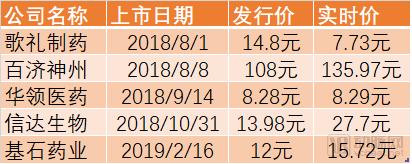
Overview of Biopharmaceutical Companies Listed on the Hong Kong Stock Exchange
Ascletis Pharma.The product pipeline under development covers three therapeutic areas: antiviral, cancer, and fatty liver disease. Among these, the most advanced in development and widely recognized within the industry is Ascletis Pharma’s independently developed, proprietary direct-acting antiviral (DAA) drug for hepatitis C, Ganovo® (danoprevir, ASC08). Ganovo received its New Drug Certificate on June 8, 2018, obtained its GMP certificate on June 14, commenced production on June 16, and achieved its first nationwide sale on June 27, completing the entire process in just 19 days.
BeiGene.Currently, apart from the two internationally approved PD-1 inhibitors already on the market, BeiGene possesses the most extensive clinical data on PD-1.
Hua Medicine.Hua Medicine’s flagship drug, Dorzagliatin, licensed from Roche, has currently entered Phase III clinical trials. In addition, Hua Medicine has built a pipeline of seven drug candidates. Among these, the Dorzagliatin monotherapy program and the combination therapy program of Dorzagliatin with metformin are both in Phase III clinical development. Phase III development is expected to be completed in the second half of 2019, with new drug approval anticipated by the end of 2020 or the first half of 2021.
Innovent Biologics.At the time of its initial listing on the mainland China capital market, Innovent Biologics’ product pipeline included 17 monoclonal antibody candidates, among which were four core candidates undergoing late-stage clinical development in China. On December 27, 2018, sintilimab injection, developed by Innovent Biologics, was officially approved for marketing by the National Medical Products Administration (NMPA). Sintilimab is an innovative fully human PD-1 monoclonal antibody drug with the potential to become best-in-class.
CStone Pharmaceuticals.There are 14 oncology-focused drug candidates in the pipeline, at various stages from preclinical to late-stage clinical development, with no products currently on the market. These include four in-licensed drugs undergoing clinical studies and ten self-developed drug pipelines from CStone Pharmaceuticals. If CStone Pharmaceuticals aims to achieve profitability as soon as possible after its listing, the launch timelines of the two drug pipelines, CS1001 and Ivosidenib, are critical.
The stock performance of five mainland Chinese pharmaceutical companies on the Hong Kong Stock Exchange has been mixed, a trend closely linked to their respective product pipeline developments. As the analysis throughout this article reveals, although Ascentage Pharma boasts robust technical capabilities—with technological advantages in its niche segments even surpassing those of multinational pharmaceutical giants—it currently lacks any products poised for imminent market launch. This may well explain why, despite having submitted its listing application over six months ago, Ascentage Pharma has yet to announce a specific timeline for its IPO.
References:
1.https://www.cancerquest.org/zh-hans/aizhengshengwuxue/xibaodiaowang
2.https://www.ascentagepharma.com/news/press-releases/?lang=zh-hant
3. Ascentage Pharma Prospectus
4. Ascentage Pharma Official Website