

Burning Rock Biotech: From Obscurity to Investor Darling with Over $1.9 Billion Raised

Burning Rock
Genetic Sequencing Product Provider
When Burning Rock Biotech is mentioned, some may share my previous perception that it is a tumor genetic testing company heavily reliant on sales and operations. However, after engaging in dialogue with its founder, Han Yusheng, the executive team, and their investor, Lu Gang from Legend Star, you will discover that Burning Rock’s remarkable performance is underpinned by robust technological support and market empowerment. This combination of stability and dynamism has established a dual-drive model for Burning Rock’s services and technology.
This is a company that rarely grants exclusive media interviews, and public perception of its past has largely been tied to the widely circulated industry narrative about Han Yusheng’s sales background. However, Han Yusheng feels quite helpless about this: “In fact, I have never worked in sales for even a single day.”
Han Yusheng holds a Master’s degree in Cell Biology from Peking Union Medical College and an MBA from Columbia University. With his dual background in science and business administration, he seems destined to be deeply involved in the life sciences venture capital sector.
After completing his MBA, Han Yusheng joined the venture capital firm Northern Light Venture Capital, focusing on investments in the medical sector. It was this professional experience that set him on the path to entrepreneurship. When discussing his motivation for starting a business, Han Yusheng surprisingly stated that it was because he could not find suitable investment targets in the field of tumor next-generation sequencing (NGS).
From Investor to Investee: Enough“Willfulness”Entrepreneurs
During the Northern Lights era, Han Yusheng primarily focused on two sectors: innovative drugs and next-generation sequencing (NGS). In 2013, the investment market for innovative drugs was not yet mature. By contrast, NGS posed lower technological implementation risks, and its applications in oncology had already been validated. Within the NGS sector, tumor NGS offered a higher growth ceiling than non-invasive prenatal testing (NIPT) and addressed a pressing market need. “At that time, I was looking for a company like this,” Han Yusheng recalled.
At that time, the industrialization of non-invasive prenatal testing (NIPT) was just getting underway, with the sales revenue of the two leading companies hovering between RMB 100 million and RMB 200 million. Meanwhile, the tumor genetic testing market was still dominated by PCR-based assays. Several companies specializing in next-generation sequencing (NGS) technologies had only established oncology divisions without fully committing to this sector, and there were few companies dedicated to precision oncology.
“Targeted drugs require better patient matching, which sets a natural technical barrier for personalized medication.” This is how Lu Gang, Partner at Legend Star, commented.
At the time, Han Yusheng keenly sensed a market opportunity: against the broader backdrop, the pipeline for targeted drug development was already robust, and a large number of such drugs were certain to reach the market within a few years. Foundation Medicine had already proven the viability of this approach, so we set out to identify companies with the potential to become unicorns in China’s oncology NGS industry.
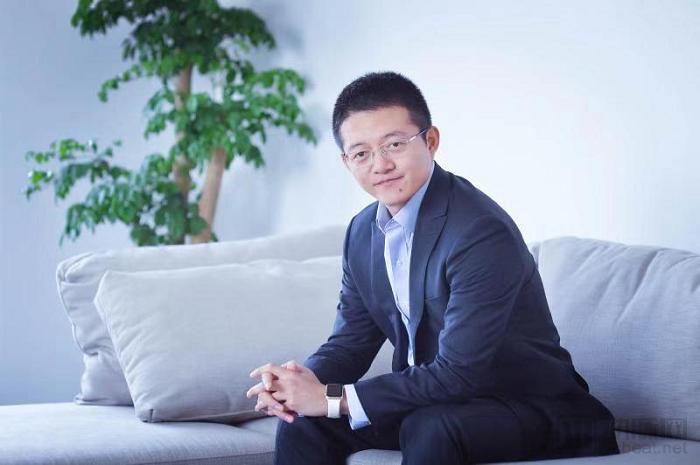
Han Yusheng, Founder and CEO of Burning Rock Biotech
However, after extensive screening, Han Yusheng could not find any company compelling enough to justify his investment. Rather than missing a golden opportunity by waiting, he chose to take the lead. What seemed like a highly risky move at the time now appears logical in hindsight. Several leading companies in the next-generation sequencing (NGS) industry were competing for the first regulatory approval for non-invasive prenatal testing (NIPT) and preparing for initial public offerings (IPOs), thereby creating a window of opportunity for Burning Rock Biotech’s early growth.
Burning Rock garnered favor from Legend Star and Northern Light Venture Capital in its first round of financing, and subsequent funding rounds proceeded smoothly, repeatedly reaching new highs. Yet behind this glamour, the company had actually experienced considerable hardships.
During its first round of financing, Hanyusheng experienced the frustration of engaging with more than 30 institutions without receiving any interest. Most investors believed that the so-called NGS oncology market did not exist, while the few who deemed it feasible questioned, “Why should Hanyusheng be the one to succeed?” After more than six months, not a single institution offered a positive response.
“After meeting with them, I was quite impressed by their marketing and service capabilities. The entire team also demonstrated strong ability to integrate personalized medicine into the Chinese market,” recalled Lu Gang, Partner at Legend Star. “We have observed the development of some companies in the United States and are optimistic about the future prospects of this industry.”
Legend Star is one of the earliest angel investment firms in China. Lu Gang’s years of experience investing in early-stage companies have convinced him that NGS-based testing for oncology drug selection will see a market boom in the coming years. “Although targeted therapies are not yet marketed in China and costs remain relatively high, investors are betting on the future, and this is a direction we are optimistic about,” Lu Gang recalled. “Furthermore, we believe that to excel in companion diagnostics in China, companies need not only technical capabilities but also service capabilities, providing robust support for hospital-based research and clinical treatment. In this regard, Burning Rock has its own distinctive advantages.”
At the same time, Lu Gang also recognized the team’s technical shortcomings at that time. He told Han Yusheng, “You need to recruit a leading expert in biology to support the entire business.”
Within a month, Legend Star quickly finalized its investment decision, providing Burning Rock Biotech with much-needed timely support. With the addition of Aurora Venture Capital, the former employer of Han Yusheng, the first round of investors was complete.
Bioinformatics Expert Joins to Fill Technical Gaps
Even in retrospect, the decision by Legend Star was quite bold. Apart from Han Yusheng, the founding team of Burning Rock Biotech consisted solely of professionals with sales and marketing backgrounds; they did not even appoint a CTO until after securing financing. “It was only after we received our first round of investment that we began casting a wide net to search for a CTO globally,” Han Yusheng admitted, revealing that he interviewed no fewer than 30 candidates throughout the process.
“After talking with many people, I found most of them unsuitable. It’s somewhat similar to investing,” he analogized. “Ninety percent of projects are rejected at the first meeting. Of the remaining ones, some may have personality mismatches, poor timing, or other barriers that prevent investment. Only a handful of projects can be invested in each year.”
Recalling how he first met Han Yusheng, Chai Shaokun still jokes that it was “very cliché.” Introduced by mutual friends, Chai got to know Han: “They had a rough product concept and needed someone to develop it into a tangible product and bring it to market.”

Chuai Shaokun, Co-founder and COO of Burning Rock Biotech
At the time, Shao Kun Chuai was already overseeing the bioinformatics platform and translational medicine platform for early-stage targeted drug development at Novartis Institutes for BioMedical Research (China). Career progression and compensation at multinational corporations are akin to traveling on a highway—predictable and well-defined. In contrast, joining a startup at that juncture was comparable to leaping off that highway to blaze a new trail, with the inherent risks of the latter being readily apparent.
However, from her own perspective, the career path at a foreign enterprise is overly defined. “I can handle the projects on my plate with ease, but I still have many ideas that remain unrealized.” At 35, she is at the peak of her life experience and cognitive capacity, and her true passion lies in the clinical application of NGS.
Her work at Novartis provided her with ample opportunities to engage with genomics and bioinformatics analysis, giving her the sense that the application of next-generation sequencing (NGS) in oncology treatment was becoming increasingly imminent. “I eagerly sought an opportunity to translate my lifelong learning into tangible products.” When asked about the challenges this decision posed to her career, Chuai Shaokun still vividly recalls her state of mind at the time. She told the reporter, “I had carefully weighed the pros and cons and recognized that it would benefit my long-term career development. Therefore, rather than hesitation, what I felt most was the excitement of putting my ideas into practice.”
In May 2014, ShaoKun Chuai officially joined Burning Rock Biotech. After visiting Burning Rock’s Guangzhou facility, Lu Gang became even more convinced that he had made the right choice—Burning Rock not only maintained a pragmatic business approach and a sharper market entry strategy, but the appointment of a Chief Technology Officer (CTO) also addressed the team’s previous technical shortcomings.
“The synergy generated by the partnership of Han Yusheng and Chai Shaokun has exceeded our initial expectations; this duo played a pivotal role in Burning Rock’s rapid development,” said Lu Gang. Under Chai Shaokun’s leadership, Burning Rock swiftly refined its products, maintained a leading position, and successfully secured China’s first approval for NGS-based tumor testing.
Burning Rock’s first product was finalized in 2014, but it did not receive NMPA approval until July 2018, arriving later than originally anticipated. Shao Kun Chuai believes that the greatest challenge was product finalization.
NGS remains a technology with room for improvement, as product algorithms and parameters are continuously updated. “However, NMPA registration requires product finalization.” The rule that algorithms and parameters cannot be further modified represents the most significant contradiction between regulatory requirements and product development.
This was perhaps the greatest challenge the team faced at the time. In another six months, product performance would likely have improved significantly, but they had to finalize the product design.
“We need to find such a balance point that complies with existing regulations and meets the requirements for clinical safety and accuracy,” she continued. They needed to communicate with regulatory authorities to clearly present the data, which was also an important role undertaken by Chai Shaokun. Chai Shaokun recalled, “What surprised me greatly was that the regulatory authorities were also very eager to communicate with us, hoping that we would work together to generate the validation data.”
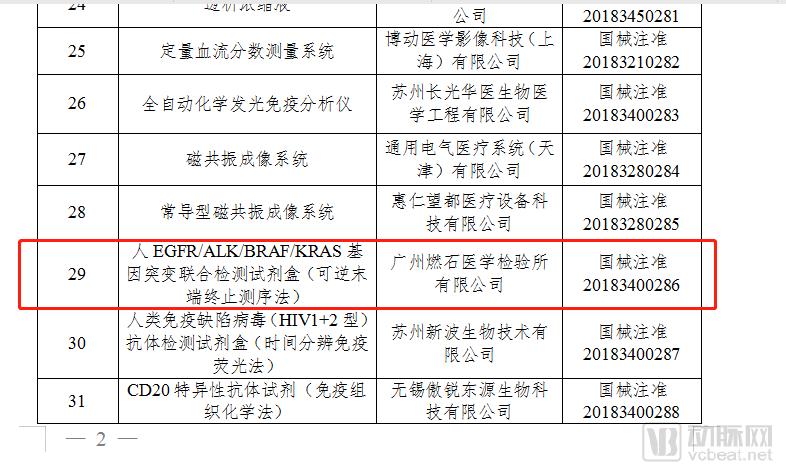
Image sourced from the Catalog of Medical Device Products Approved for Registration by the National Medical Products Administration in July 2018
After thorough communication, the Burning Rock team reached an internal consensus: move fast! At that time, no NGS-based cancer testing product in China had yet entered the clinical approval process, and both Burning Rock and the entire industry were eagerly awaiting this milestone. “We will strive to reach alignment with regulators without compromising the core essence, while subsequent products will place greater emphasis on quality and more comprehensive coverage,” she added. “Priorities differ across stages.”
Under the leadership of Chai Shaokun, Burning Rock’s first product became the first in its category to enter the green approval channel in September 2016, and was the first to receive regulatory certification in July 2018. Due to his exceptional management capabilities, Chai Shaokun was promoted to Chief Operating Officer (COO), with Zhang Zhihong taking over as the second leader.
Zhihong Zhang earned his Ph.D. at Duke University and, after completing his postdoctoral fellowship at the University of Washington, has been engaged in biochemical research at Illumina. There, he led his team to tackle multiple projects. He jokingly remarked that the I5 and I7 indices, which he described as “spur-of-the-moment ideas,” have remained in use to this day.
“My background is highly complementary to Zhang Zhihong’s. My expertise lies in data analysis, while his strength is in experimental operations, creating a seamless upstream-downstream synergy,” said Chai Shaokun. “Investors have told me that there are three levels of investment: first, investing other people’s money; second, investing your own money; and finally, investing in yourself. I reached the third level from the very beginning, but I believe I can also leverage my professional network going forward.” When Chai Shaokun first joined Burning Rock Biotech, she had many uncertainties about her career path and rarely encouraged friends to join, aside from a few essential colleagues. As time went on, she grew increasingly confident in the company’s future and began reaching out to her circle, with Zhang Zhihong being one of those she recruited.
Speaking of their friendship, they were among the same cohort of Chinese students who studied in the United States and first met on a technical forum, making them long-time online friends. Zhang Zhihong recalled, “When I returned to Shanghai in 2014, I ran into Chuai Bo. Over coffee, she told me that she had left Novartis to start her own company, aiming to build China’s version of Foundation Medicine.”
When Shao Kun Chuai first mentioned several companies in the industry to him, he had not even heard of Burning Rock Biotech, let alone Foundation Medicine’s Zhihong Zhang, although the latter was already a customer of Illumina at that time. This illustrates how niche the oncology NGS companion diagnostics market was at the time, with only a handful of scattered companies operating in the space.
Subsequently, Chuai Shaokun extended invitations on two separate occasions, but Zhang Zhihong did not make a final decision. It was only after hearing his junior female colleague mention that Han Yusheng was on a business trip in the United States and had issued another invitation that he decided to meet for a discussion.
“Han Yusheng is a very persuasive person.” Recalling their first meeting, Zhang Zhihong said.
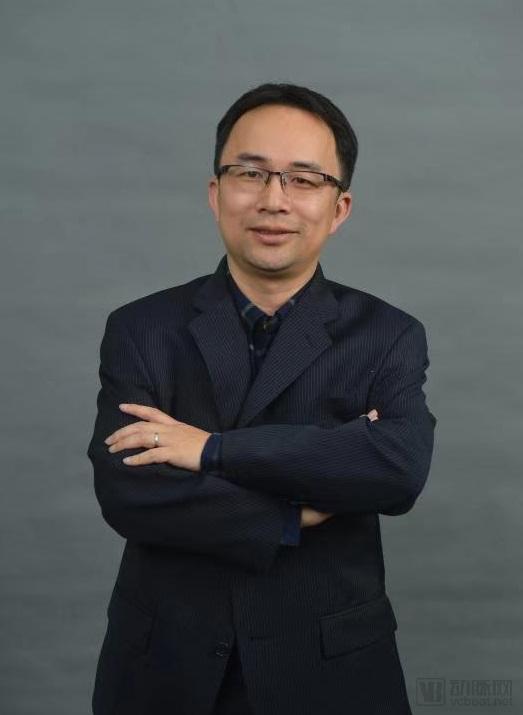
Zhang Zhihong, CTO of Burning Rock Biotech
Illumina is an excellent platform, and Zhang Zhihong has transformed from a pure scientific researcher into a seasoned industry professional. However, due to certain objective realities in the U.S. healthcare sector, his work has encountered bottlenecks; once technologies mature, further market penetration becomes difficult, a challenge that is even more pronounced in clinical research.
Han Yusheng told Zhang Zhihong that China holds an advantage over the United States in terms of clinical samples. Zhang Zhihong admitted that this was the most appealing aspect to him, as clinical research requires samples, and acquiring them in the U.S. demands substantial financial and material resources.
Zhang Zhihong’s arrival has given Burning Rock Biotech a significant boost. Han Yusheng is responsible for orchestrating the overall strategy, while Chai Shaokun and Zhang Zhihong lead the bioinformatics and R&D teams in overcoming key technical challenges.
Han Yusheng serves as the team’s central orchestrator, while Chuai Shaokun and Zhang Zhihong bolster the team’s core capabilities through bioinformatics and experimental operations, respectively. The medical team, led by Chief Medical Officer Liu Hao, has adopted a more incisive approach to integrating medical expertise into the product development strategy.
Before joining Burning Rock, Liu Hao accumulated 14 years of clinical R&D experience at multinational pharmaceutical companies, where he led the clinical development in China of several blockbuster drugs, including crizotinib, ceritinib, axitinib, and Velcade. After joining Burning Rock in 2015 at the invitation of Hans Yusheng, Liu Hao also introduced international standards of clinical medicine into the company.
In fact, there are still many blind spots in the drug development process, as not all mechanisms are fully understood. This is why many large pharmaceutical companies experience product failures in late-stage clinical trials. This reality was a significant reason for Liu Hao to join Burning Rock Biotech, and he has applied this insight to both physician education and patient education.
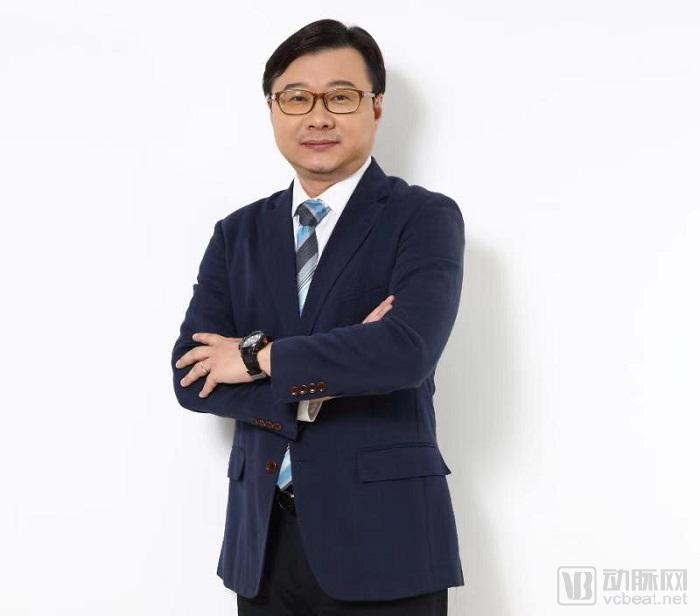
Burning Rock Biotech CMO Hao Liu
“When I joined the company, the product prototype had already been developed, which necessitated the involvement of the medical team,” said Liu Hao. “In the early stages, the role of the Medical Affairs Department was not particularly prominent; however, at a certain stage, without further medical input, the overall development of the product would become constrained.”
The medical department led by Liu Hao is divided into three segments. In addition to site and gene selection during product development, their responsibilities also include liaising with the bioinformatics and technology departments, as well as conducting academic education and market outreach.
“When our products penetrate deeper into the market, our regional medical teams are required to conduct academic promotion. Given the varying levels of acceptance among physicians and the heterogeneous cognitive backgrounds of users, promotional strategies must be tailored accordingly, even necessitating personalized approaches. This effort demands not only bioinformatics expertise but also medical knowledge; indeed, more than half of our team members are engaged in this work,” he continued.
Another key responsibility of the medical team is scientific research and pharmaceutical industry services. To date, Burning Rock has published 55 articles and established collaborations with more than 20 domestic and international pharmaceutical companies, including AstraZeneca, a testament to the indispensable contributions of its medical team.
“This is the pace of the times,” Liu Hao described.
Based on the above, Burning Rock is akin to a battleship that integrates offensive and defensive capabilities across operations and sales, bioinformatics, experimental design, and clinical implementation. It has rapidly emerged as the industry leader with remarkable speed.
“The entire team demonstrates strong adaptability, fosters a positive work environment, and shows great dedication,” commented Lu Gang from Legend Star. “The CEO is highly charismatic, and both the technical and medical teams possess robust expertise.”
Perhaps this is precisely why Legend Star has consistently favored Burning Rock. Lu Gang revealed that when Burning Rock launched its Series A+ funding round in the first half of 2015, Legend Star directly invested up to the maximum amount available under its investable quota at the time.
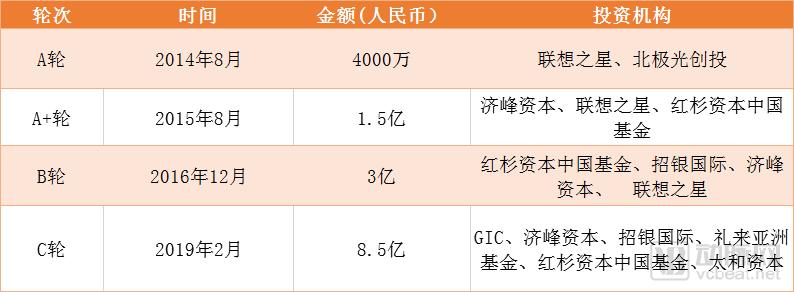
It is not just Legend Star; in the subsequent series of large-scale financing rounds, Burning Rock has gone from strength to strength, setting industry records with each round. It may well be the oncology NGS company in China that has garnered the favor of the most prominent investors.
It quickly becomes apparent in conversations with Han Yusheng that he is a man of action. Shortly after the company’s establishment in 2014, he recognized the necessity of product registration and immediately initiated data collection, GMP-compliant facility construction, and other preparatory work. After refining its first product, Burning Rock Biotech swiftly launched its marketing efforts and established early market barriers, making it difficult for competitors to find openings within its network.
Zhang Zhihong joked, “Many times you feel his ideas are a bit ahead of their time, but in the end he always turns out to be a prophet.”
In emerging industries, the big fish eat the small, and speed is paramount. This has always been Han Yusheng’s guiding principle for establishing a foothold.
“Burning Rock is a company that doesn’t require investors to worry.” When asked for his assessment of Han Yusheng, Lu Gang remarked, “At first glance, you might perceive him as flamboyant, but over time, you’ll discover that Han Yusheng is someone who strikes a perfect balance between intensity and ease.”
In its journey of development and breakthrough, Burning Rock Biotech has demonstrated a willingness to take risks. However, when it comes to product development and regulatory approval, the company adopts an entirely different approach, treating every experiment and data point with rigor and caution to ensure steady and solid progress. Currently, the Burning Rock-CTONG Joint Laboratory is the only laboratory in China to have obtained triple certification: technical review by the National Clinical Laboratory Center of the National Health Commission for high-throughput sequencing laboratories, as well as US CLIA and CAP accreditations. It has also successfully passed a total of 54 domestic and international external quality assessments, maintaining a leading position in the industry.
“We pursue sustainable development and never make excessive promises; over time, physicians will recognize the quality of our offerings,” explained Han Yusheng. In his view, integrity is paramount for both enterprises and clients. Making excessive promises is akin to drinking poison to quench one’s thirst, potentially leading to catastrophic consequences for the company in the long run.
“From an investment perspective, early-stage investors only need to see the company’s valuation increase in the next funding round. In contrast, late-stage investors are more pragmatic; they scrutinize financial statements and conduct discounted cash flow (DCF) analyses—these are areas that demand concrete, verifiable results.” He continued, “While the internet industry may achieve rapid growth through subsidies, the healthcare sector cannot follow this path, as it is an industry where human lives are at stake.”
Han Yusheng uses martial arts metaphors to illustrate the difference between latecomers with heavy commercial investment and industry leaders: The White Bone Claw can be mastered quickly, but one can never truly master the Nine Yin Manual. Investing in medical expertise and product development is the only right path.
Perhaps influenced by these two mindsets, Burning Rock’s team also exhibits a polarization in style. Its front-end marketing and sales teams are both methodical and passionate; if you have the opportunity to attend oncology testing-related exhibitions, Burning Rock’s team is invariably the most proactive in promoting the company’s philosophy and diagnostic products. Han Yusheng is confident that they have the most proactive sales team in the industry.
Meanwhile, the backend teams—spanning bioinformatics, medicine, regulatory affairs, and R&D—remain remarkably steady. Han Yusheng revealed that he draws a clear line between the two ends, never allowing front-end competition to impact back-end R&D, thereby maintaining rationality amid competitive pressures.
When discussing how the two styles coexist, Han Yusheng stated: “Our team shares common values; we are all realistic idealists. This pertains to the ‘Dao’ (the underlying philosophy), whereas communication methods pertain to the ‘Shu’ (the techniques).” To this day, Han Yusheng continues to oversee recruitment for key positions within the company, aiming to attract individuals who share these common values to jointly build a fulfilling career.
It is precisely this group of people that has propelled Burning Rock Biotech from a rising star in the NGS industry to a leader in the field of oncology NGS testing, securing the first-ever approval for an oncology NGS test and doubling its revenue in 2018.
When asked about the difficulties and challenges of the past five years, Han Yusheng smiled and said, “You might feel heartbroken even when your pet sheds a few hairs, but for wildlife, facing danger and injury is just part of life. For Burning Rock, there is no difficulty that cannot be overcome.”
"From 0 to 1 is not difficult; the real challenge begins now."
Han Yusheng stated that Burning Rock has been aggressively expanding its market presence. Given the high market ceiling, its growth trajectory is unlikely to slow down. However, this is also a highly capital-intensive industry, with sales, research and development (R&D), and regulatory registration all requiring substantial funding. He estimated that an annual expenditure of RMB 200 million is inevitable. These costs make it difficult for the company to recoup its investments in the early stages, but they also provide significant advantages and confidence to well-prepared companies like Burning Rock, which have built strong reserves of talent and capital.
"The road is long, dangerous, and narrow; the brave prevail."