

Transition of Prenatal Screening Technologies and Clinical Implementation of Monogenic Disease Testing: Strategic Insights from ICG14·RH
On March 16–17, 2018, the 14th International Conference on Genomics: Reproductive Health Clinical Applications (ICG14·RH) was successfully held at the China National GeneBank in Shenzhen. Themed “Big Science Across Omics, Focusing on Reproductive Health; Full Integration of Industry, Academia, and Research to Serve the Public,” the conference invited dozens of leading academic figures and clinical experts from China and abroad in the field of birth defect prevention and control. They delivered specialized lectures and engaged in academic exchanges on the latest advances in prenatal/preconception screening and diagnosis, progress and future directions in clinical research on genetic diseases, and emerging prospects for multi-omics and multidisciplinary clinical applications.
This conference was hosted by the National Center for Birth Defects Monitoring and BGI Genomics Co., Ltd., and co-organized by the Special Committee on Birth Defects Prevention and Control of the Chinese Preventive Medicine Association. Top experts, renowned scholars, and attendees from across China and around the world participated in the event.
The first day of the conference focused primarily on the prevention and control of birth defects. During the morning’s invited plenary sessions, Professor Bian Xuming, a member of the National Expert Group on Prenatal Diagnostic Techniques; Professor Zhu Jun, Director of the China Birth Defects Monitoring Center; Professor Lu Guangxiu, Honorary President and Chief Scientist of CITIC-Xiangya Hospital; and Professor Carlos A. Bacino, Director of Cytogenetics at Baylor College of Medicine, delivered presentations covering clinical practice, scientific research, and academic advancements, respectively.
Bian Xuming: Prenatal Screening Should Be Aligned with National Conditions to Further Advance Clinical Translation
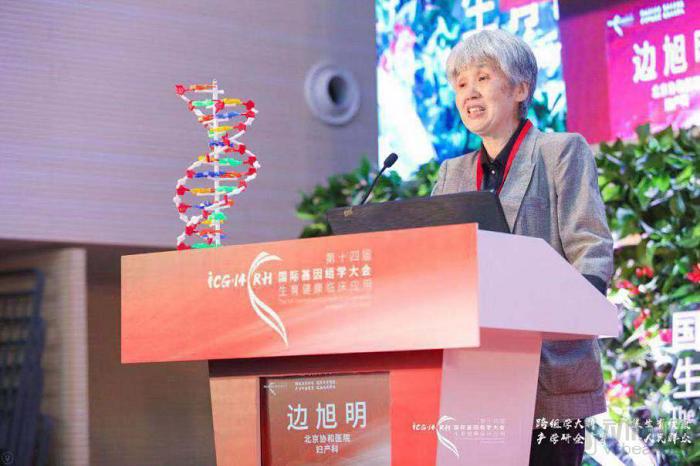
In his report titled “Current Status and Prospects of Prenatal Screening and Diagnosis,” Professor Bian Xuming, a member of the National Expert Group on Prenatal Diagnostic Technology, reviewed the development of prenatal screening and diagnosis in China. Over the past 40 years, China’s prenatal screening and diagnosis have evolved from the initiation of prenatal diagnostic services at Peking Union Medical College Hospital in 1978, to the implementation of the Maternal and Infant Health Care Law of the People’s Republic of China and the Administrative Measures for Prenatal Diagnostic Technology in 1994, to the gradual establishment of prenatal screening as the mainstay of birth defect prevention since 1998, and ultimately to the current clinical application of next-generation sequencing (NGS) technology.
Bian Xuming pointed out that prenatal screening in China has made significant progress since 2007.
“In the molecular era, the scope of prenatal screening for fetal diseases and genetic disorders will continue to expand. Many new screening technologies hold promising clinical applications. However, further clinical translation is needed in light of China’s specific context in prenatal screening,” she continued. “An increasing number of technologies are being used in combination for fetal genetic disease screening. The application and development of new technologies serve as a safeguard for the prevention and control of birth defects and the advancement of public health.”
Zhu Jun: Coexistence of Old and New, Prenatal Screening Is in a Period of Integrated Development
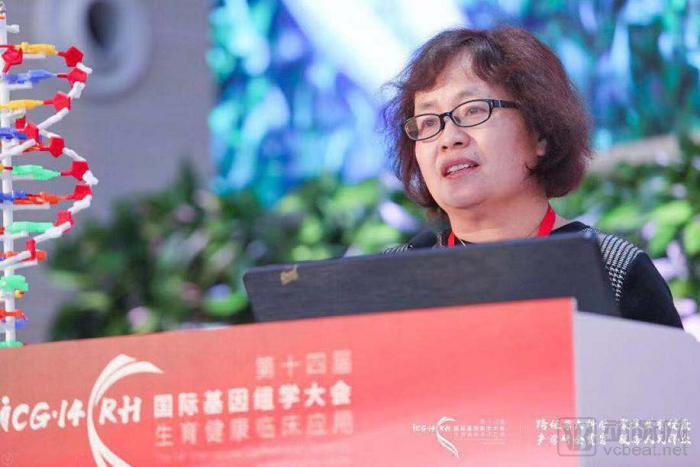
Next, Professor Zhu Jun, Director of the Chinese National Center for Birth Defects Monitoring, presented an overview of the current status and challenges in birth defect prevention and control in China.
She began by highlighting the achievements China has made in recent years in the prevention and control of birth defects, with the neonatal mortality rate declining to 0.39%. At the suggestion of the Editor-in-Chief of The Lancet, the Lancet China Expert Committee on Women’s Reproductive, Maternal, and Child Health was promptly established. Over the course of more than a year, more than 20 domestic and international experts reviewed the progress China has achieved over the past two decades in maternal and child health, maternal and infant reproduction, and the health of children and adolescents. Drawing on this review, she analyzed the current opportunities and challenges in the prevention and control of birth defects in China and put forward recommendations for the future.
She pointed out, “Prenatal screening is currently in a period where traditional and emerging technologies coexist, continuously integrating and evolving.” For instance, prenatal serological screening remains the primary method for clinical Down syndrome screening, and hearing impairment screening still relies mainly on conventional hearing tests. However, Zhu Jun revealed that approximately 2.5 million people in China underwent NIPT testing in 2018, indicating that molecular genetic techniques are becoming increasingly prevalent in clinical practice.
Meanwhile, Zhu Jun also called for the establishment of a shared case database, which would provide significant support for rare disease research. “Whether it involves carrier screening or metabolic disorders, the approach should not be to blindly expand the range of conditions covered. Instead, integrated pre-conception, prenatal, and postnatal counseling services should be tailored to China’s specific national context.”
Lu Guangxiu: Cancer Treatment Requires a “Two-Pronged Approach”
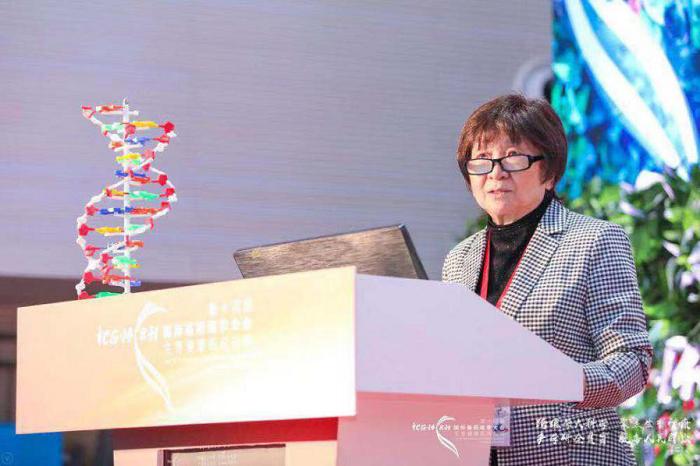
Professor Lu Guangxiu, Honorary President and Chief Scientist of CITIC-Xiangya Hospital, shared her insights on hereditary tumors. She first explained the onset and progression of hereditary tumors from the perspective of cell proliferation, and then highlighted the importance of disease prevention for health. Citing the concept of “treating potential diseases before they manifest” from The Yellow Emperor’s Inner Canon and Benjamin Franklin’s adage that “an ounce of prevention is worth a pound of cure,” Professor Lu illustrated the critical significance of preventing hereditary tumors through clinical case studies.
“Cancer treatment requires a ‘two-pronged approach’: patients already diagnosed with cancer should receive the best possible pharmacological therapy, while healthy individuals should place greater emphasis on prevention and early diagnosis.” She stated, “Our work has demonstrated that this is achievable.”
She shared a series of clinical practices that resulted in “cancer-free babies” through reproductive intervention, and discussed the feasibility of achieving genetic oncology prevention through multifaceted efforts, including comprehensive genetic counseling, intervention by oncology specialists, and molecular diagnostics.
Carlos A. Bacino: Clinical Implementation Experience in Molecular Diagnosis of Rare Diseases
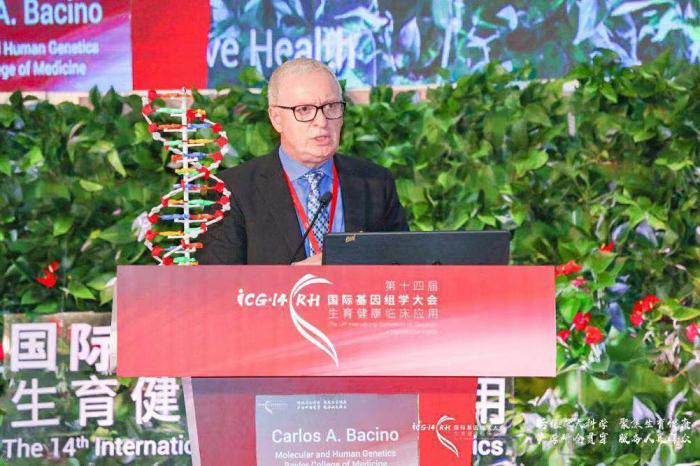
In addition to outstanding domestic clinical scholars and experts, Professor Carlos A. Bacino, Director of Cytogenetics at Baylor College of Medicine, drew on his years of clinical research experience to share how he has applied whole-genome and whole-exome sequencing to the study of rare diseases and their translation into clinical practice.
Diagnosing rare diseases is extremely challenging, often taking 5–7 years to reach a definitive result, during which patients experience significant confusion and distress. Professor Bacino noted that genetic technologies have laid a foundation for the prevention and treatment of rare diseases, with whole-exome sequencing increasingly being utilized in diagnostic research for these conditions.
“The causes of rare diseases include genetic factors, environmental factors, and potentially the interaction between the two,” he stated. “Both whole-exome sequencing and whole-genome sequencing can provide important guidance for genetic disease research from a genetic perspective.”
Subsequently, he shared two clinical cases with the audience to demonstrate the clinical applications of whole-genome and whole-exome sequencing. “Data analysis and interpretation are not particularly easy, but investing time in analysis can yield highly valuable insights,” added Professor Bacino.
Application of Prenatal Screening and Diagnosis
The afternoon agenda focused on the applications and advancements in prenatal screening and diagnosis. Presentations were delivered by Professor Jiang Yulin, Secretary of the National Expert Group on Prenatal Diagnostic Technology; Professor Lu Yanping, Director of the Department of Obstetrics at the Chinese PLA General Hospital (Beijing 301 Hospital); Professor Dong Minyue, Director of Reproductive Genetics at the Women’s Hospital, School of Medicine, Zhejiang University; Professor Chen Min, Director of the Department of Prenatal Diagnosis and Fetal Medicine at the Third Affiliated Hospital of Guangzhou Medical University; and Peng Zhiyu, Chief Product Officer of BGI Genomics Co., Ltd. They shared insights and trends in prenatal screening and diagnosis from various perspectives, including comparisons of carrier screening practices domestically and internationally, disparities between China and other countries in non-invasive prenatal testing (NIPT) for monogenic diseases, and experiences from public health initiatives in genetic screening.
At the ICG13·RH conference in 2018, Peking Union Medical College Hospital, together with BGI and eight hospitals from diverse regions across China, jointly launched the “China Multicenter Carrier Screening Project for Common Monogenic Diseases in Pregnant Women,” which achieved significant progress after one year of implementation.
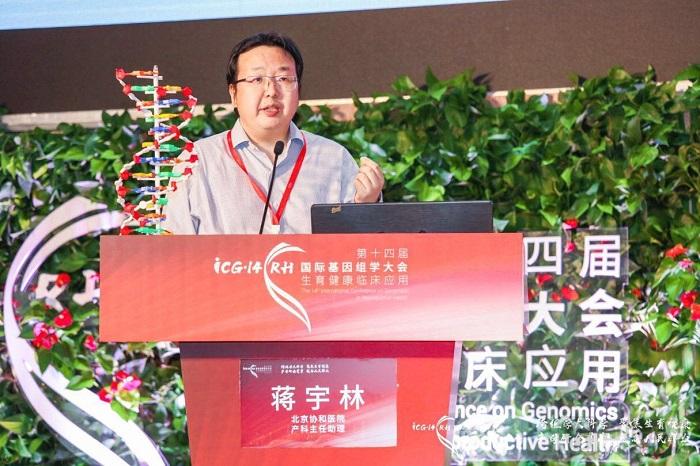
At this conference, Professor Jiang Yulin shared the phased achievements of the project and proposed key elements for expanded carrier screening targeting multiple autosomal recessive single-gene disorders in a single test, including the target population, optimal timing, and procedural strategies. He emphasized the need to establish a disease spectrum aligned with the genetic characteristics of the Chinese population. Notably, through this project, the research team has preliminarily determined the carrier rates for high-prevalence single-gene disorders in China.

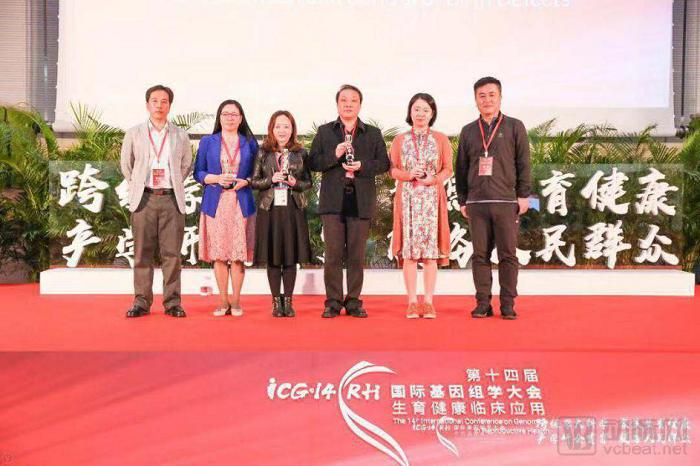
The conference also specially established the Outstanding Achievement Award and the Outstanding Contribution Award for Birth Defect Prevention and Control, to express gratitude and recognition to clinical experts and scholars working on the front lines of birth defect prevention and control. The establishment of a three-tier prevention system for birth defects—covering pre-conception, prenatal, and neonatal stages—relies on the joint efforts of multiple stakeholders, including clinical practice, scientific research, and industry.
At the conference, the prevention and control of monogenic genetic disorders emerged as a key topic of discussion. Meanwhile, at the charity gala dinner titled “Life Blooming Like Summer Flowers,” held on the evening of March 16, greater attention was directed toward patients with monogenic genetic disorders and their treatment. Attendees included conductor Zhou Zhou (a patient with Down syndrome), sign language interpreter Mao Donglai (a patient with hereditary deafness), Wang Leilei, known as China’s first blind model (a patient with retinitis pigmentosa), and Tong Xing from BGI Genomics (a patient with Down syndrome). These individuals with monogenic genetic disorders graced the event, presenting a unique and captivating visual feast for all in attendance.

In addition to its captivating performances, the charity gala featured a charitable auction segment. Auction items included artwork donated by children from the Shenzhen Early Intervention Center for Children with Special Needs and BGI Kindergarten, as well as personal contributions voluntarily made by BGI’s executive team. The gala raised a total of RMB 146,530, all of which was donated to a public welfare fund to support patients with rare diseases.

Day 2 of the conference focused primarily on the latest advances in modifier genes and epigenetics, multi-omics, interdisciplinary research, and their clinical applications.
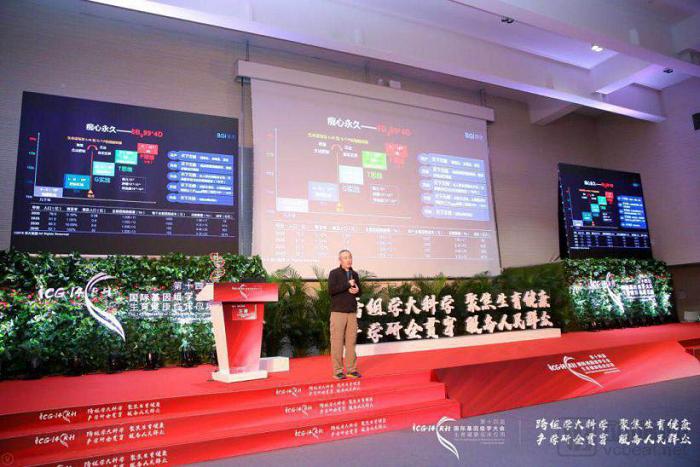
At the conclusion of the conference, Wang Jian, Co-founder and Chairman of BGI Group, delivered the closing remarks. Wang stated that the integration of multi-omics—including genomics, proteomics, and metabolomics—with medical imaging will become an inevitable trend in future development. With continuous technological advancements and a significant reduction in costs, it will be possible to achieve comprehensive digitalization and precision throughout each individual’s life cycle, thereby shifting healthcare delivery upstream and realizing a prevention-oriented medical model.