

Breakthrough FDA Approvals: Tecentriq for Small Cell Lung Cancer and Zulresso for Postpartum Depression Mark First New Therapies in Two Decades
On March 20, 2018, Arterial New Medicine (WeChat ID: biobeat1) learned that two diseases, which had long lacked effective treatment options, recently saw the approval of major new drugs. One is the FDA approval of Tecentriq in combination with carboplatin and etoposide (chemotherapy) for first-line treatment of extensive-stage small cell lung cancer (ES-SCLC). The other is the FDA approval of Zulresso, the first new drug specifically for postpartum depression.
Extensive-stage small cell lung cancer is a highly aggressive form of lung cancer, with limited therapeutic progress over the past two decades. Postpartum depression is the most common complication of childbirth. However, only about half of patients with postpartum depression are diagnosed and treated. Previous treatment options for postpartum depression included mental health counseling or therapy and antidepressant medication, but no drugs had been specifically approved for the treatment of postpartum depression.
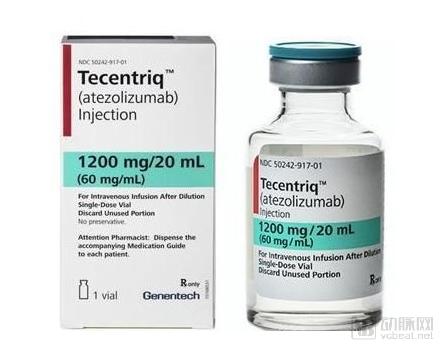
Genentech’s Tecentriq (atezolizumab), in combination with carboplatin and etoposide chemotherapy, has received renewed FDA approval for the first-line treatment of extensive-stage small cell lung cancer (ES-SCLC). Small cell lung cancer (SCLC) has long remained an unmet therapeutic challenge in the era of targeted therapies, with suboptimal patient survival outcomes. In the era of immunotherapy, patients with SCLC are finally witnessing a new breakthrough.
This approval of Tecentriq marks the first and only tumor immunotherapy approved for this type of disease in the past two decades. Tecentriq is the first PD-L1 inhibitor approved by the FDA for clinical oncology treatment, having recently received EU approval for the indication of non-squamous non-small cell lung cancer, as well asFDA Accelerated Approval for Triple-Negative Breast Cancer, and on March 19, it also received FDA approval for small cell lung cancer. This approval marks a significant step forward in Tecentriq’s indications, ensuring that patients with various types of lung cancer can access effective new therapies.
The latest approval of Tecentriq is based on the results of the Phase III IMpower133 clinical trial, which demonstrated that combining Tecentriq with chemotherapy significantly improves overall survival in patients with previously untreated extensive-stage small cell lung cancer (ES-SCLC) compared to chemotherapy alone. Additionally, Genentech stated that this combination therapy also improves progression-free survival in the same patient population.
This approval of Tecentriq marks the second FDA approval this month. Previously, on March 8, the FDA approved Tecentriq in combination with nab-paclitaxel (Abraxane) as a first-line treatment for PD-L1-positive, unresectable locally advanced or metastatic triple-negative breast cancer. This represents the first approval of a PD-1/PD-L1 immune checkpoint inhibitor for the treatment of breast cancer.
In fact, as early as May 18, 2016, Tecentriq received its first FDA approval for the treatment of locally advanced or metastatic urothelial carcinoma that had progressed significantly during or after platinum-based chemotherapy, marking the first PD-L1 inhibitor approved by the FDA for this type of cancer.
On October 18, 2016, Tecentriq received FDA approval for the treatment of patients with metastatic non-small cell lung cancer (NSCLC) who have EGFR or ALK gene mutations and whose disease has progressed significantly during or after platinum-based chemotherapy.
On April 17, 2017, Tecentriq received accelerated approval from the U.S. Food and Drug Administration (FDA) for the treatment of locally advanced or metastatic urothelial carcinoma (mUC) in patients who are ineligible for platinum-containing chemotherapy.
On December 6, 2018, the FDA approved Tecentriq in combination with bevacizumab (Avastin), paclitaxel, and carboplatin (chemotherapy) for the first-line treatment of metastatic non-squamous non-small cell lung cancer (NSCLC) without EGFR or ALK genomic alterations.
According to Roche’s 2018 financial report, global sales of Tecentriq reached CHF 772 million, a 59% increase from 2017, making it the primary driver of Roche’s business growth last year.
On March 19, 2019, the FDA approved Zulresso (brexanolone), the first new drug for postpartum depression. Zulresso is the first drug developed and approved by Sage Therapeutics.
Sage Therapeutics (NASDAQ: SAGE), founded in 2010 and headquartered in Cambridge, UK, is dedicated to the research, development, and production of novel therapeutics for central nervous system (CNS) disorders that impact patients’ lives. In addition to its first approved medication, Zulresso, Sage has three candidates in its pipeline targeting CNS indications such as depression, Parkinson’s disease, and epilepsy. Notably, SAGE-217, indicated for the treatment of major depressive disorder and postpartum depression, has entered Phase III clinical trials. Currently, Sage’s market capitalization stands at approximately $8 billion.
Postpartum depression is one of the most common complications of childbirth, causing significant physical and psychological distress to mothers and exerting substantial negative effects on the healthy development of infants. Data from the U.S. Centers for Disease Control and Prevention indicate that 400,000 new mothers suffer from postpartum depression each year, yet only about half of them receive treatment. The approval of Zulresso has sparked widespread attention toward postpartum depression.
Zulresso differs from currently approved antiepileptic drugs by acting through the modulation of the central nervous system’s inhibitory neurotransmitter, gamma-aminobutyric acid (GABA).
Dr. Marcela Almeida, a psychiatrist at Brigham and Women’s Hospital in Boston, stated, “This represents a breakthrough in the treatment of postpartum depression. While current antidepressants may take weeks to become effective, Zulresso can significantly alleviate depressive symptoms in new mothers within three days—a critical period for bonding between mothers and their infants.”
Each course of treatment with Zulresso costs $34,000. Because intravenous infusion of Zulresso over 60 hours may cause adverse reactions such as dizziness, somnolence, sedation, and syncope, the FDA requires that patients receive treatment in a certified healthcare setting equipped with monitoring capabilities, such as a small clinic or a large hospital. Consequently, short-term hospitalization costs for patients will also increase.
However, Sage’s CEO Jonas stated that Sage is in discussions with multiple insurance companies to include Zulresso in their reimbursement coverage. For Sage, the greatest commercial challenge lies in training hospitals’ professional nursing staff to administer this medication.
Paul Matteis, a biotechnology analyst at Stifel (a top U.S. investment bank), predicts that Zulresso’s U.S. sales will reach $270 million by 2023. Given that Zulresso treatment incurs additional hospitalization costs, Matteis believes that in the first few years after its launch, the drug will be used exclusively for the treatment of severe postpartum depression.
In addition to Zulresso, another highly anticipated blockbuster drug from Sage is SAGE-217, which has multiple clinical indications. Clinical trials of SAGE-217 for postpartum depression and major depressive disorder have entered Phase III, while clinical studies for insomnia and bipolar depression have advanced to Phase II. In January last year, Sage announced the results of the Phase III trial of SAGE-217 for postpartum depression, demonstrating favorable efficacy.
Matteis predicted that, if all went well, SAGE-217 could gain FDA approval in 2021. At that time, with its multiple indications, SAGE-217 was poised to become another “blockbuster” drug valued at over $1 billion. Previously, FDA-approved drugs for the treatment of major depressive disorder (MDD) included: Rexulti (brexpiprazole), developed by H. Lundbeck and Otsuka and approved in 2015 as an adjunctive therapy for MDD and schizophrenia; Brintellix (vortioxetine), from Japan’s Takeda Pharmaceutical, approved in 2013; and Viibryd (vilazodone hydrochloride), developed by Trovis Pharmaceuticals in the United States and approved in 2011.
Although Artery New Medicine has been in operation for just over a month, our daily reviews and tracking of industry news have already highlighted the emergence of blockbuster drugs for diseases that have lacked effective treatments for the past 10 to 20 years or more, such as depression, small cell lung cancer, and triple-negative breast cancer. Advances in gene therapy clinical trials have also brought hope to patients with previously incurable rare diseases. Artery New Medicine will continue to closely monitor technological developments in the pharmaceutical sector, with the expectation that more high-quality new drugs will become available in the near future to benefit patients.
Reference link:
Roche’s PD-L1 Inhibitor Secures Three Indications Within Ten Days, All for First-Line Treatment – PharmaCube
https://investor.sagerx.com/news-releases/news-release-details/sage-therapeutics-announces-fda-approval-zulressotm-brexanolone
https://www.statnews.com/2019/03/19/fda-sage-postpartum-depression-drug/