Commercialization Pathways in Microbiome Science: Therapeutics Lead in Funding, Big Pharma Rushes In, Only Three Domestic Players Positioned
Authors: Probes Capital, Zhou Mengya
The moment infants leave the sterile environment of the uterus, they not only enter a colorful world but also acquire their first microbiota.
The term “microbiota” was first coined by Nobel laureate Joshua Lederberg. He once described it as follows: “Pathogens and microorganisms form a symbiotic ecosystem within our bodies; they are significant factors influencing health and disease, yet have long been overlooked.”
Scientists believe that infants establish their unique microbial colonies within the first three to five years after birth. The human microbiome constitutes a second genome outside of the human body’s own genetic makeup. Since 2007, researchers have demonstrated the association between gut microbiota and various aspects of human health. Support from scientific research, clinical development, and investment has significantly accelerated the progress of the microbiome industry.
Microorganisms are a collective term for all minute living organisms that are invisible or indistinct to the naked eye. They encompass a wide variety of species, primarily including bacteria, viruses, fungi, and a small number of algae. These are simple, lower-order organisms with microscopic individual sizes (generally <0.1 mm) and are widely distributed in nature.

Microbial Characteristics and Classification, sourced from "Tutorial of Microbiology" (edited by Zhou Qingde) and Probe Capital
Gut microbiota refers to the vast population of microorganisms residing in the animal intestine. These microbes depend on the host’s intestinal environment for survival and, in turn, assist the host in performing various physiological and biochemical functions.
The gut is the external environment most closely linked to human health, second only to the skin. Current research suggests that approximately one-third of the small molecules entering the human bloodstream are produced by the gut microbiota, and these products play critical roles in key physiological processes such as immunity and metabolism.
Since ancient times, people have suspected the existence of invisible microbial life, as documented in the Jain scriptures of India from the 6th century BCE and in the work *De Re Rustica* (*On Agriculture*) by the Roman scholar Marcus Terentius Varro in the 1st century BCE.
Scientific research on microorganisms began in the 1670s. Antonie van Leeuwenhoek, a pioneer of microbiology, observed and tracked these lower organisms using self-made microscopes. In the 1850s, Louis Pasteur discovered that microorganisms were the cause of food spoilage, disproving the then-prevailing theory of spontaneous generation. In the 1880s, Robert Koch discovered that microorganisms caused infectious diseases such as tuberculosis, cholera, and anthrax...
The exploration of gut microbiota dates back to 1886, when scientists began to discover Escherichia coli and its role in digestion. In 1907, Metchnikoff proposed the famous “Metchnikoff hypothesis,” suggesting that “yogurt promotes longevity” as lactic acid bacteria could inhibit the growth of putrefactive bacteria in the intestine. In 1965, Dubos et al. published microscopic images of frozen sections of rat gastric tissue, which showed numerous rod-shaped or spherical bacteria adhering to the gastric mucosa, providing the first microscopic evidence of gut microbiota residing on the gastrointestinal mucosa. In 1992, Bocci proposed that the gut microbiota possesses metabolic functions akin to those of a virtual organ, describing it as the “neglected human organ.” Researchers gradually came to recognize the importance of the gut microbiota as a whole to the host’s intestinal health.
By the late 20th century, molecular biology theory had become increasingly enriched, giving rise to numerous research methodologies based on these principles. The application of more advanced molecular techniques to the study of gut microbiota has made it possible to further explore their composition and functions. Thanks to methods such as oligonucleotide probes, terminal restriction fragment length polymorphism (T-RFLP) analysis, denaturing gradient gel electrophoresis (DGGE), temperature gradient gel electrophoresis (TGGE), and real-time quantitative PCR, significant breakthroughs have been achieved in the polymorphism analysis and qualitative and quantitative studies of gut microbiota.
On the other hand, with the development of model animals and genetically engineered animals, more studies on the physiological functions of gut microbiota based on animal models have emerged. In recent years, as next-generation sequencing (NGS) technologies have matured, omics approaches have become a focal point. Omics techniques such as metagenomics, metatranscriptomics, and metabolomics have been increasingly applied to the study of gut microbiota, providing a foundation for elucidating their structure and function in greater depth.
In terms of landmark papers, research on the gut microbiome was named one of “Science’s Top 10 Breakthroughs of 2011” by Science magazine and one of “Nature Medicine’s Top Eight Biomedical Research Advances of 2011.” In the first half of 2012, Science published a special issue on the “Gut Microbiota,” while Nature released a special issue on “The Gut Microbiome and Health” in the second half of the same year.
According to statistical data from Jiangnan University, research papers on the relationship between global gut microbiota and host health have been growing rapidly at an annual rate of 30% over the past decade. The number of papers published in 2012 alone accounted for nearly one-third of the total number of papers in this field over the past ten years.

The Development of Gut Microbiota, Source: Probe Capital
The completion of the Human Genome Project has provided an initial understanding of the human genetic map. Nevertheless, it remains true that phenotypic traits are determined by both genetic factors and external environmental influences. To achieve a deeper understanding of genetic mechanisms, it is essential to examine not only intrinsic factors but also extrinsic ones.
Following the completion of the Human Genome Project in 2003, the Microbiome Project was promptly placed on the research agenda. The earliest initiative dates back to 2007, when the United States launched the Human Microbiome Project (HMP). Initiated by the National Institutes of Health (NIH), the HMP was established in 2007, officially commenced in 2008, and was completed in 2013.
The Human Microbiome Project (HMP) cost a total of $120 million, sequenced the microbiota across various body sites in 300 volunteers, and decoded the whole genomes of 3,000 microbial species. Through the Human Microbiome Project, humans have initially established a reference database for human commensal microorganisms.
In 2008, the European Union also launched an ambitious initiative named the Metagenomics of the Human Intestinal Tract (MetaHIT), which was one of the sub-projects funded by the EU’s Seventh Framework Programme (FP7). The project is dedicated to establishing the relationship between human gut microbial genes and human health and disease, which represents one of the key distinctions from the Human Microbiome Project.
These two initiatives were the pioneers of microbiome research, after which countries such as the United States and Brazil successively launched national microbiome programs. Subsequently, as fundamental research on microbiome technologies deepened internationally, some astute entrepreneurs began to enter this industry.
Beyond the traditionally recognized gastrointestinal diseases and inflammation, growing evidence demonstrates links between the microbiota and tumor immunity, metabolic disorders, and autoimmune diseases.
The gut is the primary site for the metabolism of food and medications. Consumption of unhealthy foods or antibiotic drugs can disrupt the entire gut ecosystem and impair immune function. These effects can exert systemic influence throughout the body via circulatory mediators, such as blood and lymph.
For example, certain nutrients, such as lecithin found in eggs and choline present in red meat, can be metabolized by the gut microbiota into pro-thrombotic substances. Furthermore, these metabolites may affect the functions of the nervous system and nerve cells via the gut-brain axis, thereby contributing to the pathogenesis of neurological disorders.
To a certain extent, the gut serves as the engine of the immune system, influencing overall human health.
Based on these studies, entrepreneurs have pursued commercialization of microbiome research in areas such as diagnostics, therapeutics, and genetic engineering. We have identified 57 companies worldwide currently engaged in microbiome-related research.
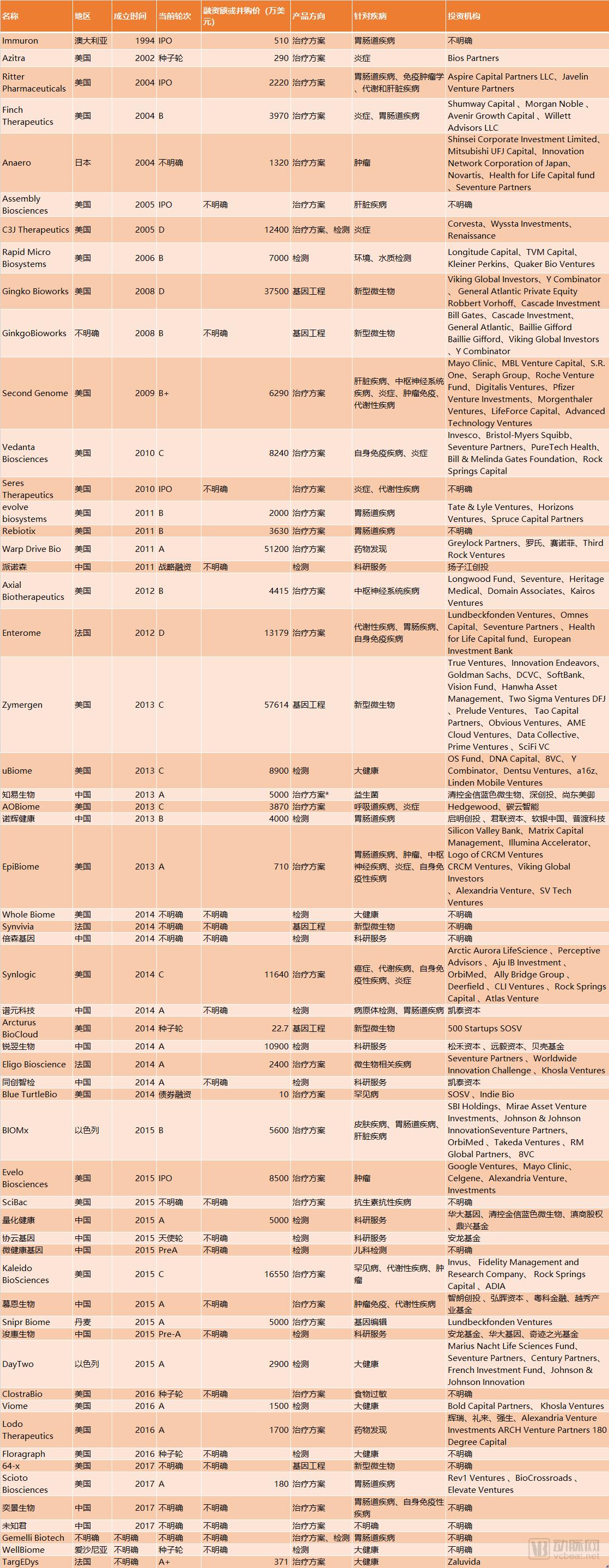
These companies’ commercialization strategies focus on three areas: diagnostics, research into treatment regimens, and research into engineered microbes.
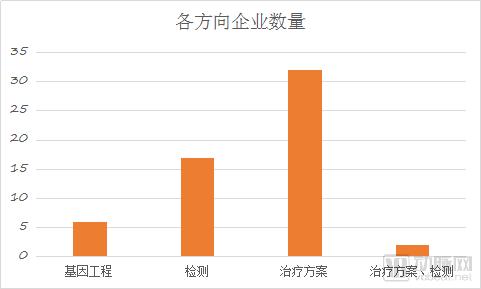
Among the companies included in our statistics, genetic engineering firms account for a relatively small proportion, with only six in total. More companies have devoted themselves to the fields of microbial testing and microbial therapy research. Twenty-nine percent of the companies are engaged in the commercialization of microbial testing, while those focused on therapeutic solution research constitute 56% of the total, making it the sector with the largest number of participants at present. It is worth noting that nearly all of these companies are based overseas; only three domestic companies are involved in this space (with Zhiyi Biotech’s products being probiotics).
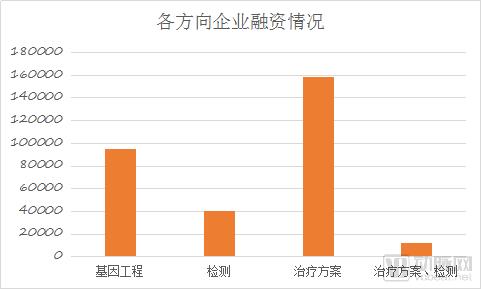
Not only does it have the largest number of companies, but microbiome therapy is also the commercialization direction with the highest funding at present. Of the total financing amount of $3.065 billion, $1.588 billion came from microbiome therapy companies.
Microbial therapy refers to the treatment and intervention of diseases by modulating gut microbiota. As shown in the table below, most of these companies are based in the United States.

From a technical perspective, companies in the microbial therapy sector can be divided into two categories: one develops new drugs to modulate the gut microbiota, while the other employs live agents such as bacteriophages to selectively eliminate specific harmful bacterial strains in the intestine.
Second Genome
Second Genome is a representative company of the “drug modulation” school. This is a U.S. life sciences company that aims to develop a drug capable of selectively eliminating disease-causing bacteria from the human body.
The company boasts a robust pipeline spanning liver diseases, inflammation, autoimmune disorders, central nervous system diseases, and tumor immunology. Currently, its most advanced candidate is a product targeting non-alcoholic steatohepatitis (NASH).
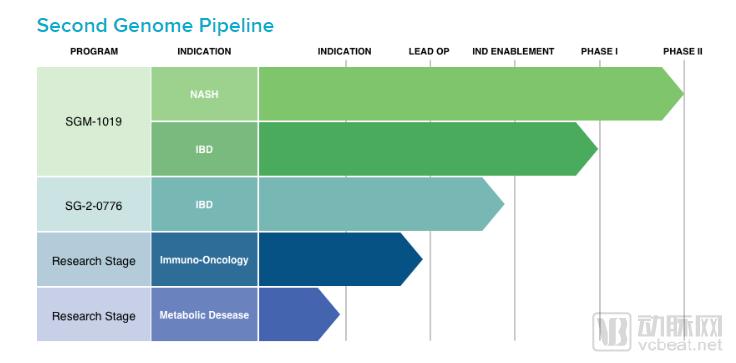
Estimates from the U.S. National Center for Health Statistics indicate that approximately 2–5% of Americans have nonalcoholic steatohepatitis (NASH), while an additional 10–20% exhibit fat accumulation in the liver, or hepatic steatosis. NASH was projected to surpass hepatitis C as the leading indication for liver transplantation by 2020.
If left untreated, NASH may eventually progress to cirrhosis and even lead to death, and currently there are no approved therapeutic drugs.
The pathogenesis of NASH remains unclear; it typically occurs in individuals who are overweight/obese or have other metabolic disorders, such as type 2 diabetes and hyperlipidemia.
Emerging evidence indicates that the microbiome is critical to metabolic processes, redefining how diseases and their progression are understood. Recent studies on microbiome transplantation have shown that introducing specific microbes can influence host biology to either reduce or increase body weight. This suggests that microbiomics may offer new avenues for treating obesity. By leveraging novel drug discovery platforms, Second Genome can elucidate the unique biological interactions between the host and the microbiome to identify potential therapeutic targets.
Since its inception, Second Genome has secured a total of four rounds of financing. Its investors include not only venture capital firms such as Digitalis Ventures, but also pharmaceutical giants like Roche and Pfizer, as well as leading medical institutions including the Mayo Clinic.
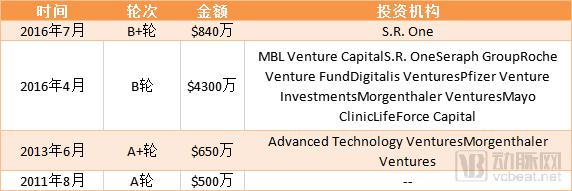
In addition, C3J Therapeutics and France-based Enterome also employ similar drug selection therapies.
In addition to using drugs for microbiota modulation, some companies are employing viruses. Bacteriophages (phages) are viruses that infect bacteria and can be regarded as organisms that “prey” on bacteria. However, phages must parasitize living bacterial cells and exhibit strict host specificity. Based on this characteristic, phages can be leveraged to kill specific bacterial strains. This is the approach currently being pursued by EpiBiome in the United States and BiomX in Israel.
BiomX
BiomX, founded in 2015, is a company specializing in the development of microbiome-based therapeutics. The company is developing customized phage therapies designed to target and eliminate harmful bacteria associated with chronic diseases such as inflammatory bowel disease (IBD) and cancer.
Leveraging advanced computational and biosynthetic technologies, BiomX has established its proprietary R&D platform, capable of executing a comprehensive workflow that includes target bacteria discovery, phage synthesis, product development, and biomarker identification. On this platform, the company discovers and validates proprietary bacterial targets and engineers customized phages specifically designed to target these bacteria.
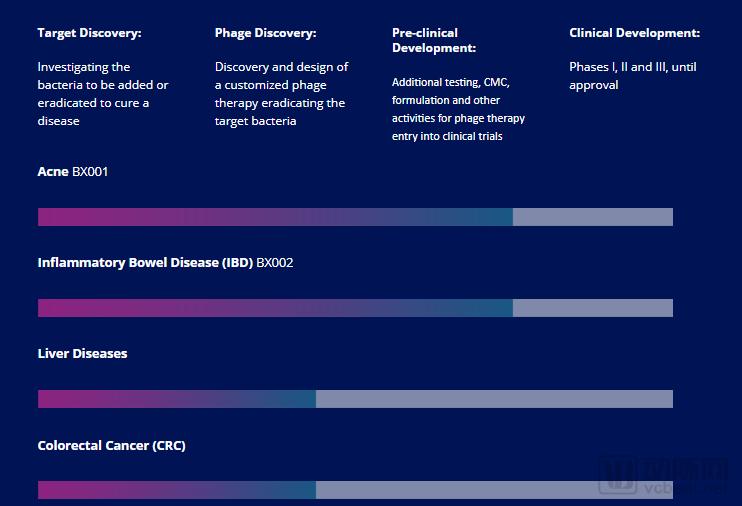
The company’s founding team hails from top-tier institutions such as the Massachusetts Institute of Technology (MIT) and Harvard Medical School, bringing extensive experience in both scientific research and industry. Its investors include corporate and venture capital firms such as Johnson & Johnson, Takeda, Seventure Partners, and OrbiMed Israel Incubator. To date, BiomX has raised over $56 million in total funding.

New approaches are emerging in rapid succession. In the hands of scientists, microbes serve not only as therapeutics but also as powerful tools for drug development. Lodo Therapeutics, founded in 2016, is a prime example.
Lodo Therapeutics
Lodo Therapeutics is a drug discovery and development company that identifies drug-resistant bacterial infections and cancer as the most significant threats to human health. The company was co-founded by Dr. Sean Brady of Rockefeller University and Dr. David Pompliano (formerly of Merck and Revolution Medicine).
Lodo believes that the potential treatments for many fatal chronic diseases lie right beneath our feet; they directly obtain microbes from soil and acquire their DNA sequences through DNA sequencing.
Lodo’s approach has broken through the limitations of traditional drug discovery, rediscovering a large number of overlooked compounds that are the products of natural selection. As a result, the company has garnered significant interest from major pharmaceutical giants, including Pfizer, Eli Lilly, and Johnson & Johnson.

Microbial therapy is currently one of the most cutting-edge research directions in this field. It is evident that the majority of companies’ products remain in the early clinical or preclinical stages.
In China, companies specializing in microbiome therapeutics are even scarcer. Apart from Easymicro and Moon Biotech, we have not identified any other firms in this sector. If you are a professional in this field, we encourage you to contact us.
In contrast, China has adopted a much more proactive approach to the layout of microbial testing. Within our statistical scope, there are 17 companies specializing in microbial testing, 10 of which are from China.
This is one of the earliest emerging sectors within the entire industry chain, with the first companies established as early as 2002.
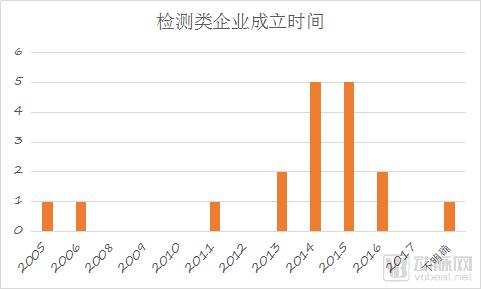
Since 2013, the number of startups in the testing sector began to rise, peaking in 2015. This period also marked a critical phase in the decline of NGS costs.
Prior to the application of next-generation sequencing (NGS) technology in microbial sequencing, microbiome research was confined to single-organism and qualitative analyses, with the understanding of microbial detection limited primarily to infectious diseases. NGS has enabled multi-organism detection and quantitative analysis, revealing correlations between the human microbiome and numerous conditions previously thought to be unrelated, such as diabetes and depression.
Which other diseases are associated with microbes, and what are the mechanisms by which microbes influence human health? These questions are being revisited and reexamined. This has given rise to a cohort of companies primarily focused on providing scientific research services, such as Puyuan Technology. They mainly serve clinical experts and researchers, helping them further explore the mysteries of the relationship between microbes and human health. Undoubtedly, the resulting scientific evidence will further stimulate the rise of the microbiomics industry.
Of course, the market for research services is inherently limited, prompting more companies to pursue more direct commercialization pathways. Some enterprises have opted for serious medical products, conducting disease screening through gut microbiota testing. These companies each have their unique selling points; for instance, U.S.-based AOBiome focuses on skin microbiota testing and acne treatment research, while Israel’s DayTwo centers its gut microbiota research on blood glucose control.
uBiome
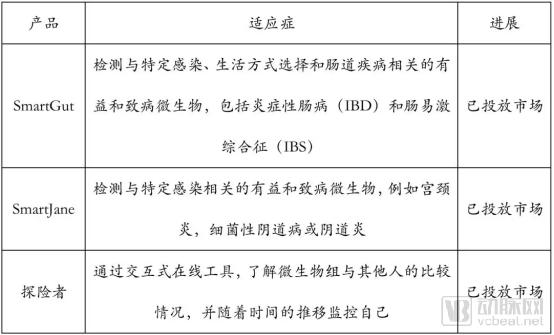
When it comes to gut microbiome testing, one cannot fail to mention the pioneer, uBiome. As a Y Combinator incubated project, they launched SmartGut™, the world’s first clinical gut microbiome test based on gene sequencing.
SmartGut™ utilizes advanced, next-generation high-throughput DNA sequencing technology to identify specific pathogens and other microorganisms in the gut that may be pathogenic, while also measuring bacterial diversity and other useful metrics. SmartGut™ is a comprehensive screening test and stands as one of the most thorough gut microbiome testing products currently available on the market. uBiome employs DNA sequencing to identify microorganisms within the human body, facilitating a deeper understanding of the human microbiome. As of November 3, 2016, the company’s database contained nearly 100,000 gut samples, compared to only 2,500 samples four years earlier.
In 2015, uBiome partnered with the U.S. Centers for Disease Control and Prevention (CDC) to conduct fecal sequencing, using the “Microbiome Disruption Index” to predict individuals’ risk of developing certain diseases.
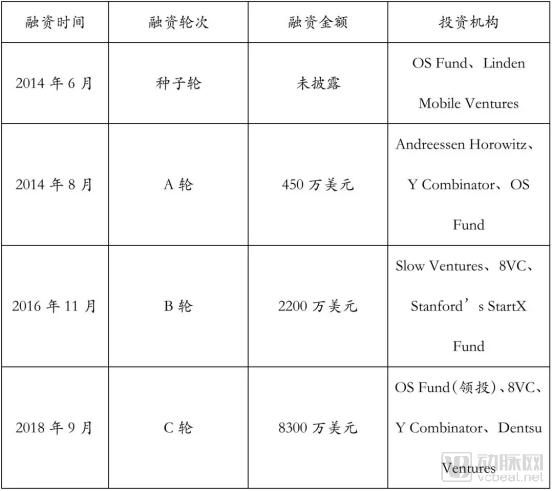
Source: Compiled by Probe Capital
Gut disease testing, a hot area also pioneered by uBiome, is being actively pursued by Chinese companies, with RayGene and New Horizon Health as notable representatives.
Ruiyi Genomics
Ruiyi Bio offers microbial metagenomic sequencing as its signature service, directly analyzing the genomes of microorganisms in a specific environment, thereby circumventing the challenge that some microorganisms are unculturable.
They employ statistical methods to quantify the diversity and abundance of microbial species, as well as gene types and their abundances, in samples, thereby identifying associations between specific microbes and human health status (or other studied traits).
After years of accumulation, RayBiotech has established a gut microbiota database covering more than ten disease populations, particularly those with chronic diseases. In light of the dietary characteristics of the Chinese population, it has developed a professional gut health management product based on gut microbiota sequencing.


Source: Compiled by Probe Capital
In April 2016, Genesky Biotechnologies entered into a cooperation agreement with Wuhan Future Group Biotechnology Co., Ltd., a leading domestic company in third-generation sequencing. Leveraging their respective strengths, the two parties will develop metagenomic sequencing and analysis workflows based on the latest third-generation sequencing platform, Sequel, to jointly expand the application of third-generation sequencing technology in the field of metagenomics research.
Certainly, some companies also launch health management products directly to consumers, even partnering with dietary supplement firms to offer solutions in the form of “gut microbiota testing + probiotics/prebiotics.” These products primarily follow B2C or B2B2C business models, whereby users gain insights into their gut microbiota composition through testing and then supplement with corresponding probiotics based on the reports, aiming to achieve goals such as weight management or chronic disease management.
Despite their small number, genetic engineering companies have attracted significant attention from pharmaceutical giants. These six companies collectively secured over $950 million in financing, representing the highest average funding amount among the three sectors. Notably, Zymergen raised a total of $576 million, making it the most heavily funded company on the entire list.
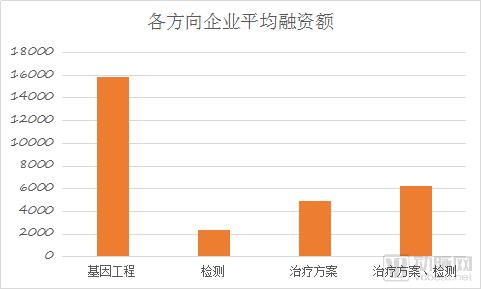
Genetic engineering companies primarily utilize gene editing techniques to synthesize or engineer novel microorganisms. These engineered microbes possess specialized traits that can enhance industrial production efficiency or metabolically produce new materials. Consequently, the synthesis of novel microorganisms has garnered significant attention from the industrial sector in recent years.
What potential applications do these “workforces,” highly regarded by industry, hold in the medical field? French company Eligo Bioscience combines microbiome technology with gene-editing techniques to develop live biotherapeutic products for disease treatment.
Eligo Bioscience
Researchers at Eligo Bioscience have loaded the gene-editing tool CRISPR into bacteriophages. Once inside bacteria, CRISPR shreds the bacterial genetic material, thereby killing the bacteria. This process, however, occurs only in microbes containing specific DNA sequences. Thus, even within the same bacterial strain, only those microorganisms carrying specific genes (typically pathogenic genes) are targeted for cleavage.

Ultimately, these engineered bacteria with specialized capabilities will be formulated into drugs and administered orally to directly target the human intestinal tract. Key players employing this approach include Blue Turtle Bio and Synlogic from the United States, as well as Anaero Pharma from Japan.
Another category of companies is attempting to engineer microorganisms through gene-editing technologies, turning them into “super foundries” for industrial and production processes.
Gingko Bioworks
Ginkgo Bioworks, founded in 2008, is a U.S.-based biotechnology company. From Ginkgo’s perspective, biology represents the most advanced manufacturing technology on Earth. Inspired by the power of biology, the company aims to harness genetically engineered microorganisms to drive innovation in industrial production and new materials manufacturing.
Currently, Ginkgo’s areas of coverage include industry, food, agriculture, healthcare, and more. The company is further expanding its influence across these sectors by establishing joint ventures with industry players.
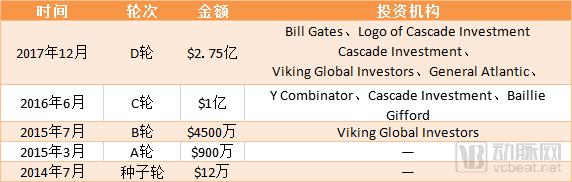
Ginkgo completed its Series D financing round in 2017. This “microbial contract manufacturing” approach can theoretically achieve higher production efficiency at lower costs, while also reducing environmental pollution caused by industrial production processes. This technology has also garnered the favor of Bill Gates, who participated in the company’s Series D financing round in his personal capacity.
The potential applications of microbes appear to be endless, ranging from detection and diagnosis to drug discovery, therapeutic regimens, and more efficient industrial solutions. It is likely that an increasing number of innovative ideas will emerge in the future.
Abroad, microbial therapy has become a highly sought-after research direction, and novel microbes engineered through genetic modification are also attracting attention from industry and capital.
In China, microbial testing has become the mainstream approach. From scientific research to clinical applications and health management services, startups are exploring diverse commercialization strategies. Most founders of these enterprises have backgrounds in gene sequencing; the transition from genomics to metagenomics essentially represents a shift in the targets of sequencing. To some extent, the development of the gene sequencing industry has laid the foundation for microbiome testing.
However, compared with diagnostic companies, domestic enterprises specializing in microbial therapies and novel microbes remain a “rare species.” The reasons behind this extend beyond the inherent challenges of microbiome research to include limitations in fermentation processes, GMP compliance, and strain cultivation technologies.
Of course, with the development of the microbial therapy industry abroad, it is believed that domestic microbial therapy companies will also emerge one after another. It is understood that Ritter Pharmaceuticals has currently completed its Phase 2a clinical trials, and the United States may see the first approved microbial therapy drug on the market within the next one to two years. At that time, it is believed that this will greatly promote the development of China's microbial therapy industry.