Breaking Boundaries in Healthcare: CCA Connected Care Action Announces Key Milestones and Files IPO Prospectus
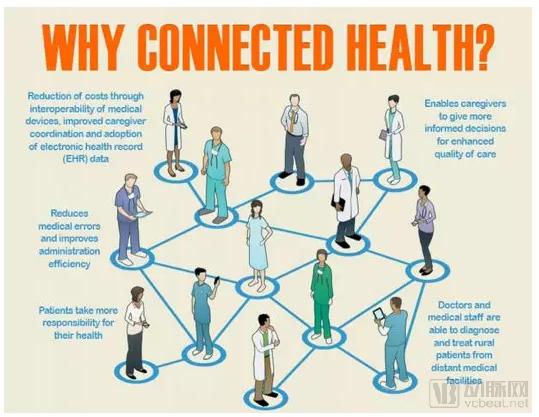
In the United States, Connected Health is a service model that leverages technology to deliver remote healthcare. It aims to maximize the utilization of medical resources, provide consumers with greater and more flexible opportunities to participate in clinical treatment, and enhance their self-management awareness regarding health.
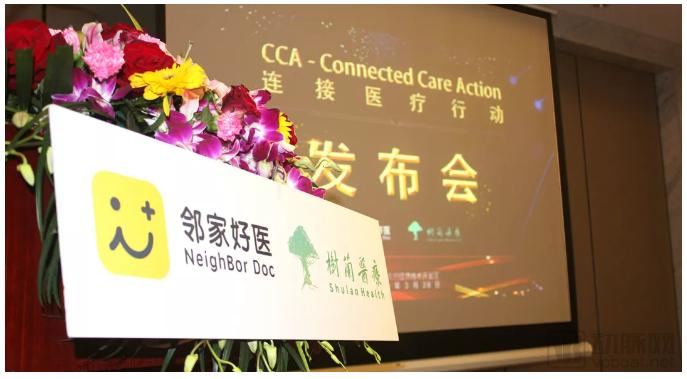
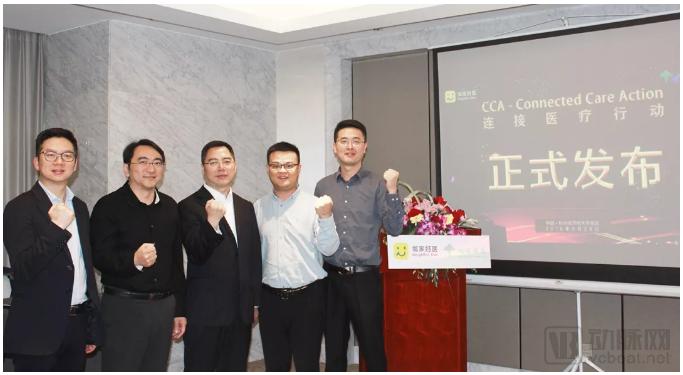
In China, two healthcare service providers, Linjia Haoyi and Shulan Healthcare, began exploring the Connected Care Action (CCA) in mid-2018 and released the phased achievements of this initiative in Hangzhou on March 28, 2019.
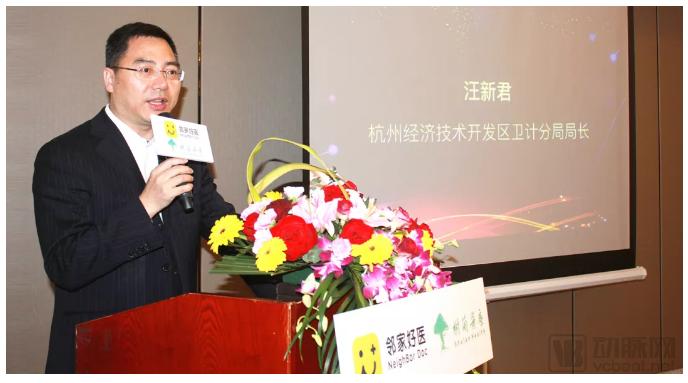
Wang Xinjun, Director of the Health and Family Planning Sub-bureau of Hangzhou Economic and Technological Development Zone
Wang Xinjun, Director of the Health and Family Planning Branch of the Hangzhou Economic and Technological Development Zone, extended his congratulations to this press conference and shared his insights: The concept of the “Connecting Healthcare” initiative not only embodies the core principles of China’s long-promoted tiered diagnosis and treatment system and the rapidly developing telemedicine in recent years, but also incorporates the connotations of open medical information sharing and information security, while further integrating numerous innovative concepts of “Internet + Medical Health.”
Amid the “Internet + Healthcare” trend, initiatives by Shulan Medical and Linjia Haoyi have significantly reduced the need for patients to make physical visits by letting data do the traveling, thereby facilitating access to medical care, improving the quality and efficiency of healthcare services, and fostering new drivers of economic growth.
“Connected Healthcare” can better provide patients with multi-level and diversified medical services.
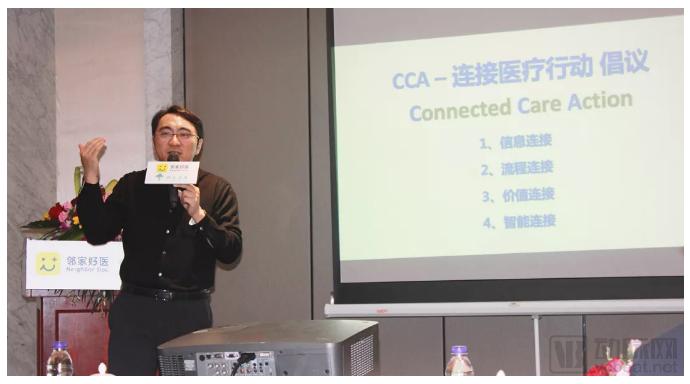
Zheng Jie, President of Shulan Healthcare
Zheng Jie, President of Shulan Medical, pointed out that patients cannot rely on a single healthcare institution throughout their lifetime; rather, they will inevitably receive care from various institutions across the industry. In fact, as physician mobility increases, organizational boundaries are becoming increasingly blurred. This unique characteristic serves as a driving force connecting healthcare delivery.
When considering the interconnected and equivalent relationships in healthcare, it is essential to establish a common framework. The industry should foster connectivity in terms of information, knowledge, workflows, and intelligence. This also encompasses strategic management, technology, and ecosystem development, with the ultimate goal of achieving tangible improvements in clinical management. Most importantly, this should enhance clinical treatment and disease management.
This process comprises three stages: the first stage involves building internal IT capabilities within healthcare organizations; the second stage entails establishing the capacity for healthcare information exchange; and the third stage focuses on creating a data-driven or insight-driven healthcare network.
The successful and close collaboration between Linjia Haoyi and Shulan Healthcare in implementing the CCA model is attributable not only to their shared commitment to pursuing ultimate medical service excellence, but also to their strong business acumen and IT capabilities.
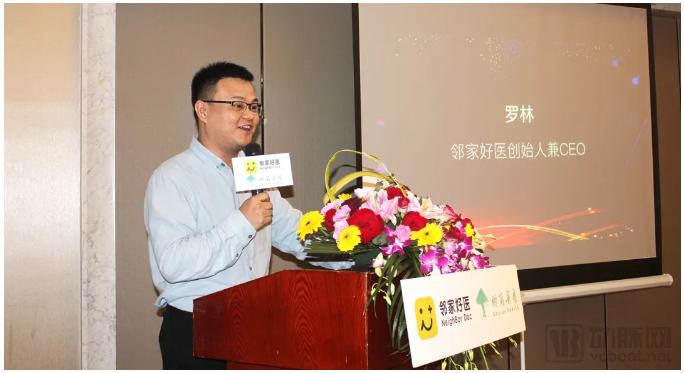
Luo Lin, Founder and CEO of Linjia Haoyi
Luo Lin, Founder and CEO of Linjia Haoyi, believes that in CCA, data connectivity—shared data and electronic medical records—is the foundation.
The connection of information enhances industry efficiency; the integration of processes delivers a seamless and consistent service experience for users; the linkage of value enables service providers to achieve more substantial growth; and intelligent connectivity facilitates continuous, proactive iteration and improvement of actions.
CCA is neither an organization nor an alliance. We are making this announcement today with two objectives: First, to inform everyone that since 2018, both parties have been attempting to establish healthcare connectivity, which serves not only as a starting point but also necessitates long-term exploration and iteration; Second, healthcare itself should have no boundaries. We welcome and encourage more healthcare-related institutions and individuals to participate, jointly exploring and practicing “Connected Healthcare.”
In the healthcare sector, CCA is poised to become a significant practice model, fostering continuous complementary collaboration at the enterprise level. By leveraging technological means to achieve tighter coordination and symbiosis, it will ultimately benefit patients and advance human development.
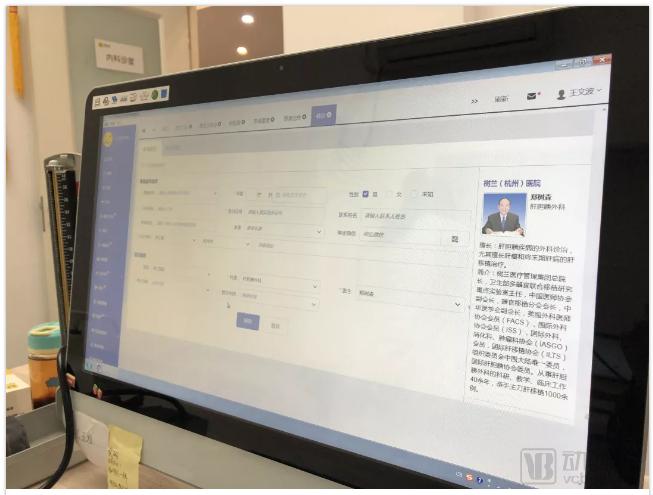
Patient Yang, male, 55 years old, presented to Linjia Haoyi Clinic in early 2019 due to abdominal discomfort. Physical examination revealed an anemic appearance, fair mental status, and mild tenderness in the epigastric region. A complete blood count performed at our clinic indicated mild anemia. Blood biochemistry results showed ALT 180 U/L, AST 160 U/L, and LDH 436 U/L, suggesting abnormal liver function. After providing symptomatic treatment, we advised the patient to seek specialized care at a hospital. Through the Ruolin Cloud System, we successfully assisted the patient in scheduling an appointment with Academician Zheng Shusen’s expert outpatient clinic at Shulan Medical Group.
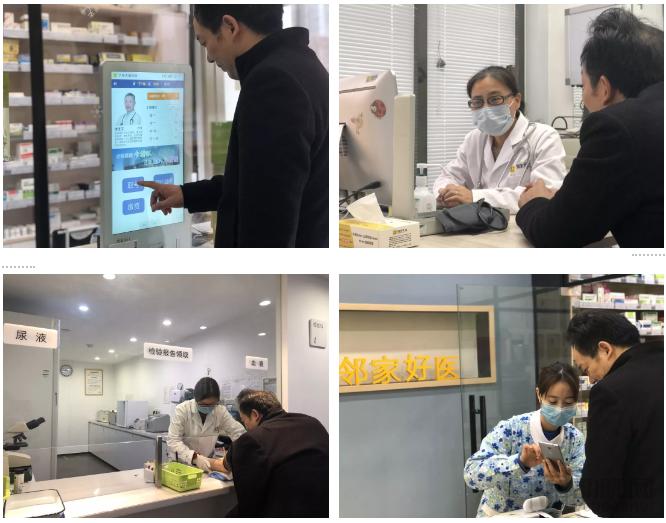
Three days later, Academician Zheng’s outpatient clinic arranged for comprehensive color Doppler ultrasound, abdominal CT, and contrast-enhanced plain scans. Hepatocellular carcinoma was diagnosed, and the patient was admitted to the hospital for hepatectomy. The patient was discharged ten days after surgery.
Shulan Healthcare synchronizes patient data to the Ruolin Cloud system through a bidirectional referral system, enabling patients to undergo postoperative follow-up examinations at Linjia Haoyi.
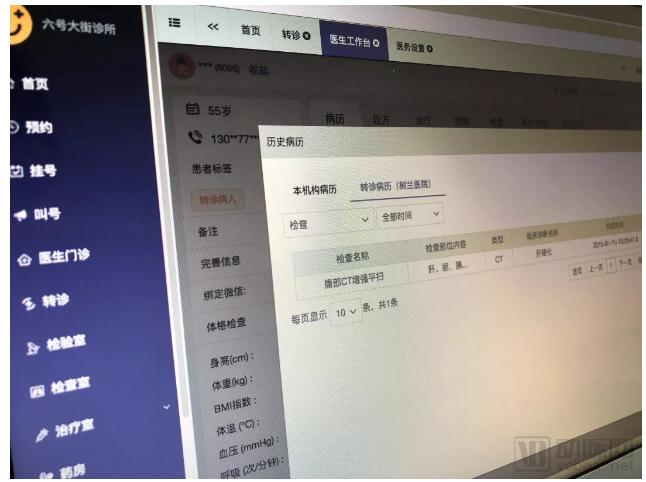
Viewing Reports via the Ruolin Cloud System Postoperatively
Postoperatively, the patient completed all follow-up examinations as advised by the physician. Laboratory results and physical examination findings were synchronized to the Ruolin Cloud system. Subsequently, the Department of Hepatobiliary Surgery at Shulan Healthcare provided specific care recommendations. A physician from Linjia Haoyi then arranged an online appointment and ordered a PET-CT scan from the Department of Radiology at Shulan Healthcare for follow-up evaluation.
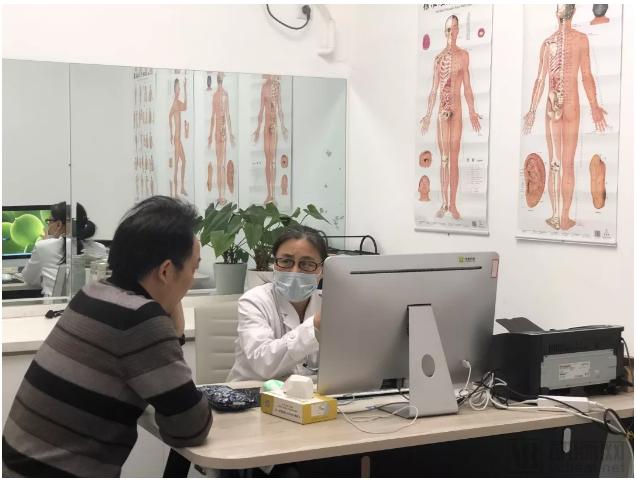
Postoperative Follow-up Visit
After undergoing a PET-CT scan at Shulan Medical, the patient returned home. The results were transmitted to Linjia Haoyi the following afternoon. Upon review, the physician noted no significant hypermetabolic uptake post-operatively and found no evidence of tumor metastasis. The Department of Hepatobiliary Surgery at Shulan Medical advised continued follow-up examinations in the community and recommended seeking medical attention if any discomfort arises.
Patient Feedback:Throughout the entire consultation process, the patient and their family members excitedly remarked several times, “Finally, we no longer have to make repeated trips to large hospitals, nor wait in line for hours just for a few minutes of consultation!”
In the innovative era of the Internet of Healthcare, the integration of information connectivity, process connectivity, value connectivity, and intelligent connectivity enables the provision of integrated medical services encompassing disease diagnosis and treatment, nursing, and rehabilitation. This approach facilitates rational two-way patient referrals between healthcare institutions, enhances the patient care experience, ensures access to high-quality medical services for grassroots populations, and strengthens the public’s sense of gain.
The ultimate goal is to establish a patient-centered model of diagnosis and treatment, creating a new healthcare paradigm where minor illnesses are managed in the community, serious conditions are treated in hospitals, and rehabilitation care returns to the community!
“Connected Healthcare”: Providing patients with more convenient, multi-tiered medical services to become a qualified “Health Guardian”!