

Oral Insulin Capsule ORMD-0801 Enters Clinical Trials in China, Accelerating Path to Market to Benefit Hundreds of Millions of Diabetic Patients

HTBT
Biopharmaceutical Company
If one were to select the most discussed topics in the pharmaceutical industry, oral insulin would undoubtedly be among the top contenders with little controversy. A search on engines yields nearly 3 million pages related to this subject. Other “super topics” include Alzheimer’s disease, amyotrophic lateral sclerosis (ALS), and more.
Oral insulin has become a “super topic” for several reasons: first, it has a broad public base, with over 400 million diabetes patients worldwide, including more than 100 million diagnosed or pending-diagnosis cases in China alone; second, the development of oral insulin can significantly improve existing treatment regimens, particularly for patients in the advanced stages of diabetes; additionally, research and development efforts to overcome the challenges of oral insulin have spanned a century.
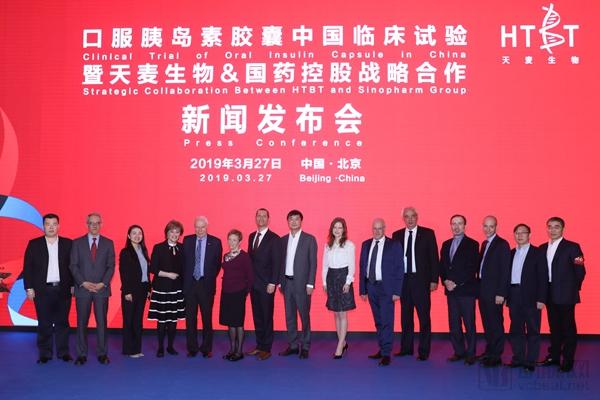
A Chinese company’s recent move may mark a historic turning point in the discussion around oral insulin: On March 27, Hefei Tianmai Biotechnology Development Co., Ltd. (HTBT) announced that its groundbreaking new drug in the field of insulin—oral insulin capsules (ORMD-0801)—has been approved by China’s National Medical Products Administration (NMPA) and is set to commence clinical trials in China. This means that oral insulin may soon become officially available to the vast population of patients with diabetes.
Questions have come flooding in: After a century of exploration into oral insulin, during which many industry giants have failed, how has HTBT managed to overcome these formidable challenges? When will clinical trials commence, who will lead them, and what are the phased plans? When will oral insulin officially enter mass production and become available to patients, what will its price be, and will it be covered by medical insurance?
VCBeat (WeChat ID: vcbeat) covered the entire clinical trial launch event for HTBT’s oral insulin capsules and interviewed company executives and technical experts on the aforementioned issues, providing answers to concerns held by patients and the market.
The Story of InsulinThe story of insulin begins with diabetes. Diabetes has existed since ancient times, with the earliest records dating back to ancient Egypt around 1500 BC. However, it was not until the early 20th century that scientific experiments confirmed the pathogenesis of diabetes: patients with diabetes lack a substance produced by the pancreas—insulin—resulting in chronically elevated blood glucose levels above the normal range.
Due to differences in pathogenesis, diabetes mellitus is further classified into type 1 and type 2. Type 1 diabetes is a congenital autoimmune disorder characterized by the body’s inability to produce insulin or to produce sufficient amounts of insulin; it predominantly manifests during infancy and adolescence. Type 2 diabetes is characterized by cellular resistance to or lack of response to insulin. Although the pancreas initially exhibits no pathological abnormalities, insulin secretion may become insufficient over time. Also known as adult-onset diabetes, type 2 diabetes has risk factors including overweight/obesity and physical inactivity.
Type 2 diabetes accounts for approximately 90% of all diabetes cases, while type 1 diabetes and gestational diabetes together account for about 10%. However, insulin therapy is a crucial treatment regimen for both type 1 and type 2 diabetes. Patients with type 1 diabetes require lifelong exogenous insulin therapy due to an absolute deficiency of endogenous insulin, whereas patients with type 2 diabetes typically require insulin to control blood glucose levels in the later stages of the disease.
The January 2018 issue of the Chinese Journal of Diabetes presents a simplified algorithm for hyperglycemia management in type 2 diabetes, which states: In the early stage of type 2 diabetes, monotherapy (metformin) is the primary approach; in the intermediate stage, treatment shifts to dual therapy, combining metformin with injectable agents (insulin or glucagon-like peptide-1 receptor agonists); triple therapy consists of metformin plus two other drugs with different mechanisms of action; in more advanced stages, multiple daily insulin injections are required, including basal and prandial insulin.
Insulin serves as the final line of defense in the pharmacological management of diabetes, representing an essential and irreplaceable therapy for patients in the middle to late stages of the disease. Poor long-term glycemic control can lead to severe complications: diabetic retinopathy may result in blindness; diabetic nephropathy can progress to chronic renal failure; significant clinical diabetic neuropathy commonly manifests within ten years of diagnosis; cardiovascular disease is a frequent complication among patients with type 2 diabetes; and, in severe cases, diabetic foot poses a risk of amputation.
The discovery and application of insulin have brought significant benefits to patients with diabetes, but they have also introduced new challenges. The pain associated with long-term injections and the inconvenience caused by strict timing requirements have led to suboptimal adherence to insulin injection therapy among some patients. Consequently, since the discovery of insulin, scientists have sought gentler and more convenient methods of insulin administration, including advancements in injection techniques and devices, as well as alternative delivery routes such as oral and inhalation. Among these, the development of oral insulin is particularly appealing.
For many years, pharmacologists worldwide have been dedicated to researching novel routes of insulin administration, with progress made in oral, nasal, transdermal, rectal, and buccal mucosal delivery systems. Among these, oral administration is the most convenient and patient-acceptable route. However, research on oral insulin faces several challenges, including susceptibility to degradation by gastric acid and various gastrointestinal enzymes, as well as difficulty in penetrating the gastrointestinal epithelial cell membrane. The development of oral insulin has long been recognized as a significant challenge in this field.
Oral insulin technology presents high barriers to entry. Among the various approaches, the oral insulin capsule developed by Oramed Pharmaceuticals, an Israeli company listed on the NASDAQ, has reached a relatively mature stage of development.
Oramed’s oral insulin capsule is based on more than 30 years of research by scientists at the Hadassah Medical Center in Jerusalem. The key technology lies in encapsulating insulin molecules within solid colloidal particles, thereby protecting the drug from degradation by digestive hydrolases and damage from the acidic gastric environment during oral administration. Additionally, a compound that resists inactivation during digestion has been successfully identified, enabling insulin to traverse the intestinal wall and deliver an appropriate therapeutic dose. Oramed’s oral delivery platform combines protein protection with absorption enhancers to improve drug transport.
According to preliminary R&D trial data, eight patients with type 1 diabetes who took three oral insulin capsules daily achieved significant stabilization of their previously uncontrolled blood glucose levels. The safety and tolerability of the capsules have been confirmed in 132 patients with type 1 and type 2 diabetes; the oral capsules reduced overall blood glucose levels without causing any severe hypoglycemic events. (Reported at the 2013 Global Diabetes Summit)
In Phase II clinical trials, pharmacokinetic studies in healthy subjects demonstrated complete absorption of the drug, which significantly reduced blood glucose and C-peptide levels. The agent exhibited a delayed onset of action and maintained its effect for up to 30 minutes. This oral capsule serves as an exogenous insulin supply within the body, thereby reducing the burden on pancreatic β-cells and allowing them time to recover. It shows promising application prospects for early-stage type 2 diabetes. (Zheng Qiaoling, Li Huande. Progress in Research on Non-injectable Routes of Insulin Administration. Central South Pharmacy, August 2009, Vol. 7, No. 8, pp. 611-615)
In 2013, Oramed’s oral insulin product completed Phase IIa clinical trials (safety studies) in the United States. In 2015, it proceeded to Phase IIb clinical trials (efficacy studies) in the U.S., which have since been completed. Clinical studies conducted to date have confirmed its safety and efficacy. The product is capable of controlling daytime and nighttime blood glucose levels and reducing postprandial blood glucose fluctuations.
Oramed has secured patent protection for its core oral drug technology in 27 countries worldwide, including those in Europe, New Zealand, and South Africa. This will allow its product to be used as a treatment for type 1 diabetes in Europe and in major countries that recognize the regulations of the European Medicines Agency (EMA). In 2013, Oramed was granted a patent for its core oral drug technology by the China National Intellectual Property Administration (CNIPA).
Currently, the oral insulin soft capsule has completed Phase IIb clinical studies in the United States and is planning to submit an application to the U.S. FDA for Phase III clinical trials. Meanwhile, Oramed’s oral insulin capsules have been approved by China’s National Medical Products Administration (NMPA) and are set to commence clinical trials in China.
Since 2010, HTBT has collaborated with an Israeli technical team to introduce insulin seed strains and manufacturing processes, established its own insulin R&D center, and designed and constructed API and formulation plants in compliance with cGMP requirements, successfully developing recombinant human insulin API and formulated products.
In 2015, HTBT made a strategic investment in Oramed and entered into a collaboration on oral insulin product lines. The primary focus of the partnership is to establish a research and development platform for oral protein delivery technologies, and based on this platform, to develop a series of oral biologics, including oral insulin, oral GLP-1 analogs, and combination formulations of insulin and GLP-1 analogs. The aim is to build an industrial development platform integrating new drug R&D, project incubation, large-scale manufacturing, and technology and financing services.
Gao Xiaoming, Chairman of HTBT, stated: “The long-standing collaboration between HTBT and Oramed Pharmaceuticals has successfully facilitated the localization in China of the innovative oral insulin capsule, a monumental and arduous systemic endeavor. This marks the first clinical trial of this product in China and specifically among the Chinese population. It represents an innovative achievement in novel insulin delivery routes and a significant breakthrough in diabetes treatment, poised to bring about a revolutionary change in medication for patients with diabetes.”
Gao Xiaoming, founder of HTBT, is a veteran in the insulin industry with many years of experience. Since 1995, he has distributed insulin products for foreign pharmaceutical companies and led the domestic regulatory submission, registration, and market launch processes for these products. He holds a sincere dedication to the insulin industry and patients with diabetes.
The entry of the oral insulin capsule (ORMD-0801), a standout achievement in China-Israel biopharmaceutical cooperation, into clinical trials in China, coupled with the establishment of a globally oriented production base for oral insulin capsules within Hefei’s Life Science Park, marks the significant progress made over the 15 years of implementing the National Major Science and Technology Special Project on “Major New Drug Development.” This milestone underscores the continuous enhancement of R&D innovation capabilities and the robust development of China’s biopharmaceutical industry.
HTBT has successfully completed the introduction, assimilation, and localization of the entire production technology for oral insulin capsules, achieving technical integration across the full industry chain. This encompasses the integration of all key manufacturing processes for oral insulin, including soft capsule fabrication, coating, packaging, and release testing. The resulting platform represents a culmination of advanced technologies and expertise from seven companies across six countries: Israel, France, Germany, Switzerland, the United States, and India.
HTBT has constructed two workshops in compliance with EU and Chinese GMP standards—a capsule workshop and an SBTI (soybean trypsin inhibitor) workshop—achieving independent, end-to-end production of oral insulin capsules from raw materials to finished products. Meanwhile, the company will build a Phase II production facility capable of producing 800 million capsules, meeting US FDA and EU standards, and accelerate the commercialization of oral insulin capsules. By establishing a high-specification, high-standard industrial platform for insulin made in China, HTBT aims to serve the global market and launch more premium, cutting-edge insulin products, providing effective, safe, and more convenient treatment options for the vast number of diabetes patients worldwide, including those in China.
Professor Ning Guang, an academician of the Chinese Academy of Engineering, will serve as the chief scientist for the clinical trials of oral insulin capsules in China. He pointed out that the advent of oral insulin facilitates earlier initiation of insulin therapy and improves patient adherence, thereby enabling better control of blood glucose fluctuations, delaying the onset and progression of complications, significantly enhancing the quality of life for patients with diabetes, and exerting a positive impact on diabetes treatment strategies.
Secondly, the clinical studies of this oral insulin capsule are based on the metabolic characteristics of the Chinese population, making it better suited to meet the needs of Chinese patients. It is essential to accelerate the clinical development of this product in China so that it can benefit Chinese diabetic patients as soon as possible. In addition, introducing the latest global drug delivery technologies for diabetes treatment will help elevate the standard of diabetes care in China.
Meanwhile, clinical trials for the oral insulin capsule are being conducted simultaneously in China and the United States. This alignment with international standards significantly accelerates the drug’s market approval and clinical adoption in China, in line with national policies aimed at expediting the research, development, and industrialization of innovative medicines. As a result, Chinese patients will gain earlier access to cutting-edge pharmaceutical products, thereby improving disease management and outcomes.
Regarding the specific timeline and schedule, Professor Ning Guang pointed out that the clinical research on the oral insulin project in China is divided into three phases. The first phase involves Phase I clinical trials, which are pre-marketing clinical studies. These have been approved by the National Medical Products Administration (NMPA). As part of the overall pre-marketing research, a trial equivalent to a Phase I clinical study will be conducted first, focusing on pharmacodynamics and pharmacokinetics. The second phase will involve a small-scale bridging study, followed by Phase III clinical trials. The first two phases will be conducted at Ruijin Hospital, while Phase III clinical trials will be expanded to other hospitals.
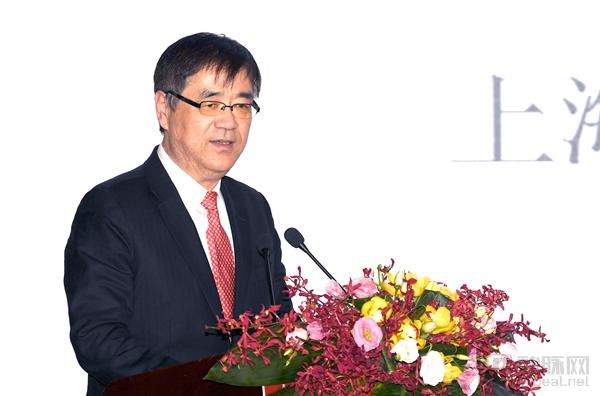
Professor Ning Guang, Academician of the Chinese Academy of Engineering
Professor Ning Guang told VCBeat that in recent years, the Chinese government has encouraged pharmaceutical innovation and implemented reforms to prioritize review and approval. The oral insulin capsule aligns with these priority review and approval policies and is expected to benefit from them. Furthermore, given the project’s outstanding clinical trial results in the United States, the oral insulin capsule is anticipated to complete its clinical trials within two years.
From the perspective of market application prospects, the global insulin market exceeded $30 billion in 2016 and continues to grow. Meanwhile, as insulin products are increasingly utilized for insulin supplementation in patients with moderate-to-severe diabetes and as part of early-intervention regimens combined with oral medications, their importance and market share within diabetes therapeutics will become even more prominent. The successful development of an oral insulin capsule project would not only allow participation in the growth of the overall diabetes market but, more importantly, serve as a supplement or alternative to injectable insulin, thereby unlocking substantial potential for market expansion.