Cardiac Rehabilitation Centers Surge in China Amid Rapid Growth in Patient Volumes and Equipment Sales
Driven by expert advocacy and patient demand, the cardiac rehabilitation industry has experienced rapid growth. Not only have cardiac rehabilitation centers sprung up in large numbers, but private healthcare providers have also begun to enter this field.
In 2017, the “Report on Cardiac Prevention and Rehabilitation in China” released by Hu Dayi’s team pointed out that the number of cardiac rehabilitation centers in China had increased from 6 five years earlier to more than 500 at present.
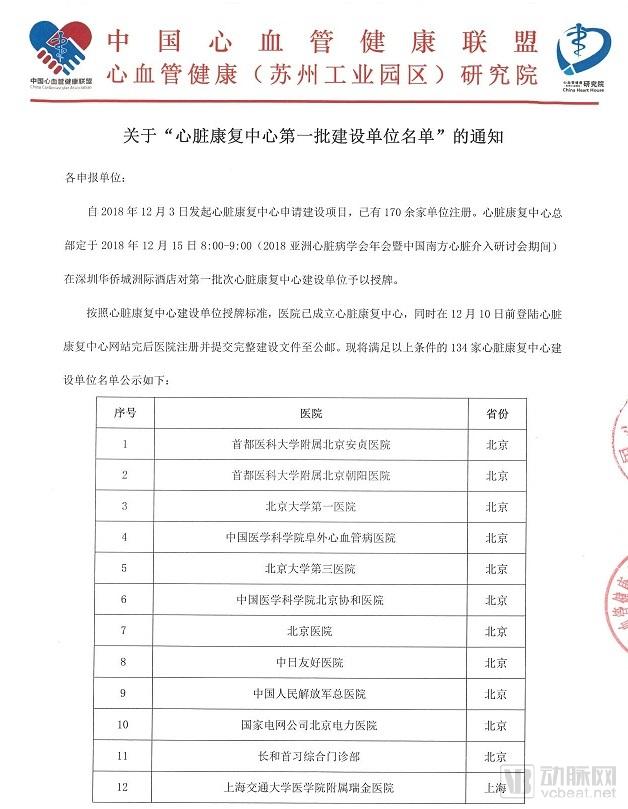
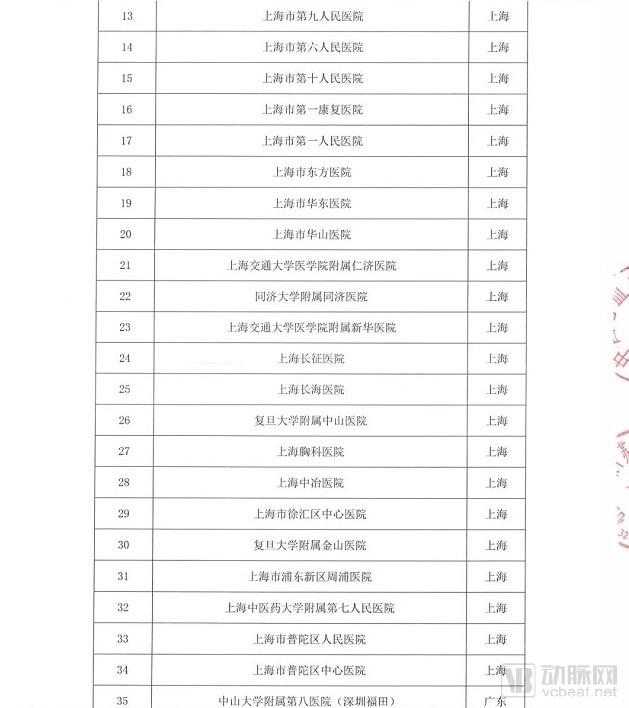
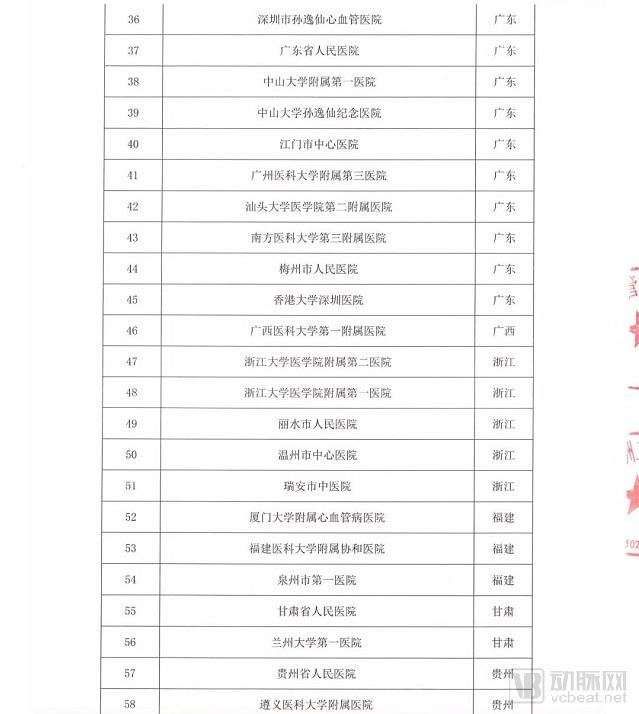
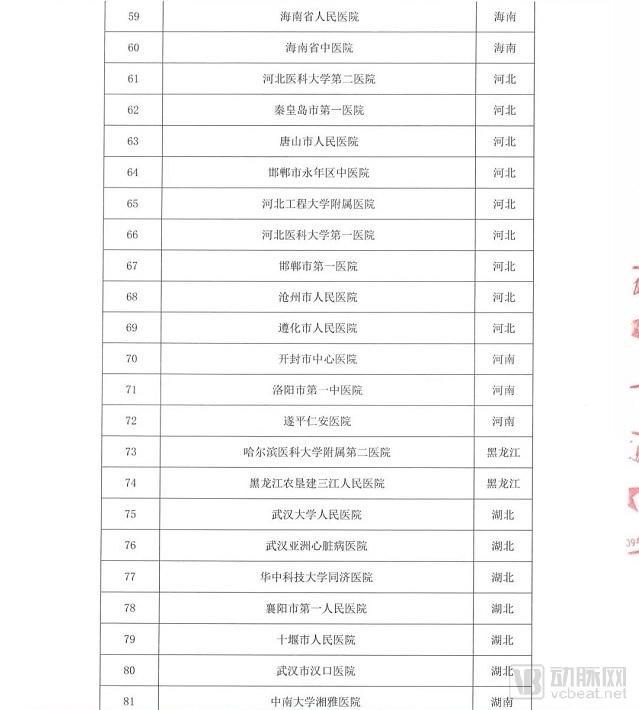
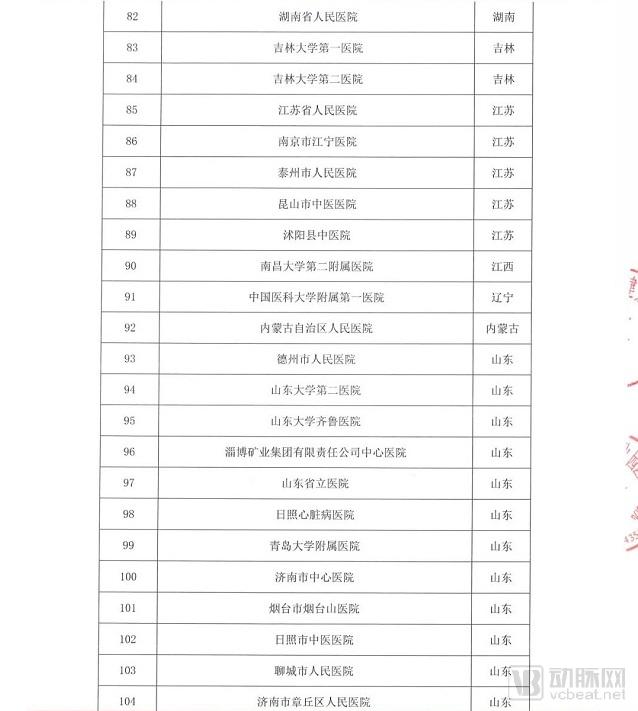
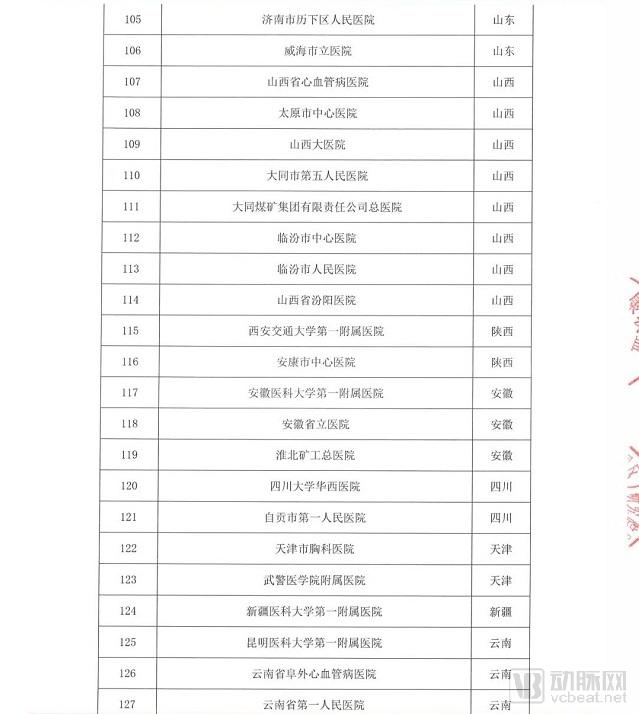
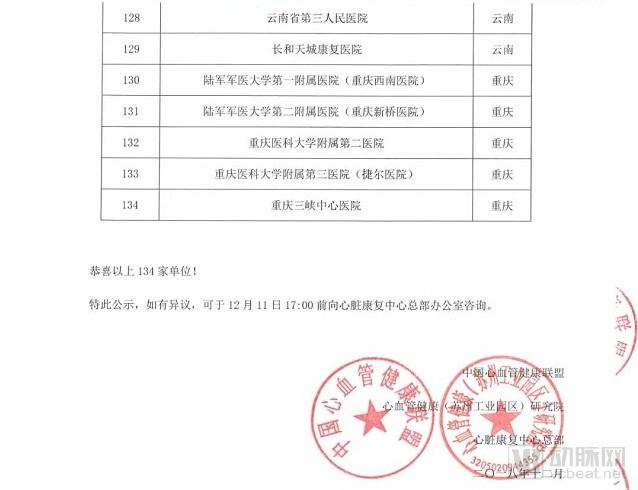
In December 2018, the Chinese Cardiovascular Health Alliance released the first list of institutions designated for the establishment of cardiac rehabilitation centers, with 134 hospitals making the list, including Beijing Anzhen Hospital, Fuwai Hospital, and Changhe Shouxi Outpatient Department.
In March 2019, Changhe Shouxi Outpatient Clinic had been in operation for six months. Reihuaxinkang had also been open for 23 months, with its monthly revenue in February and March 2019 increasing by 125% and 43%, respectively, compared to the same period of the previous year.
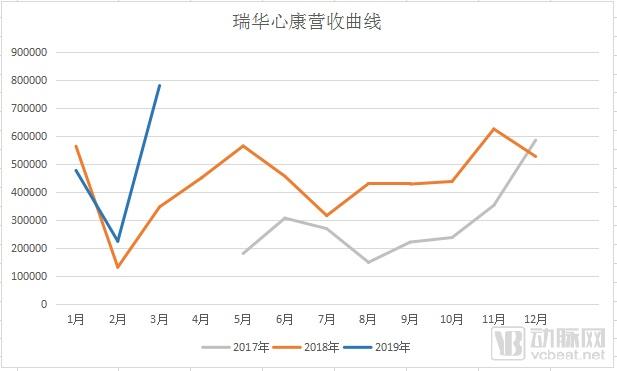
Reihuaxinkang Revenue Data from May 2017 to March 2019
As the main force in cardiac rehabilitation, public hospitals have seen a surge in the establishment of cardiac rehabilitation centers. Private medical institutions, as participants, are also contributing to talent development and standardization. Alongside the construction of these centers, cardiac rehabilitation equipment has entered a period of rapid growth. In light of this, VCBeat (WeChat ID: vcbeat) has conducted an overview of this burgeoning industry.
Total Number of Cardiovascular Discharges in China: 9.7002 Million
Data from the "China Cardiovascular Disease Report 2016" released by the National Center for Cardiovascular Diseases show that,In 2015, the total number of discharges for cardiovascular and cerebrovascular diseases in Chinese hospitals was 18.8772 million, accounting for 12.87% of the total number of discharges during the same period.Among them,Cardiovascular diseases accounted for 6.61% (9.7002 million visits), cerebrovascular diseases accounted for 6.25% (9.177 million visits).
Among hospital discharges for cardiovascular and cerebrovascular diseases, there were 6.8131 million cases of ischemic heart disease (IHD), accounting for 36.2%, including 602,700 cases of acute myocardial infarction (AMI) and 5.7145 million cases of cerebral infarction, which accounted for 30.27%.
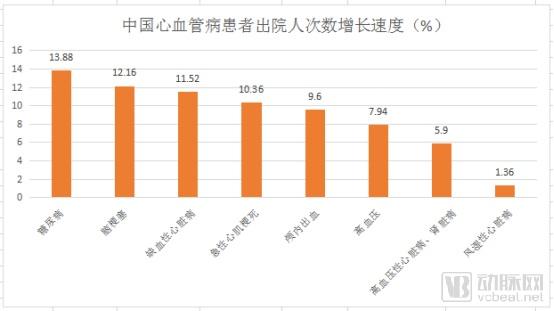
From 1980 to 2015, the annual average growth rate of hospital discharges for cardiovascular disease patients in China was 9.96%, outpacing the overall average growth rate of total hospital discharges during the same period (6.27%). The ranking of annual average growth rates by specific cerebrovascular and cardiovascular conditions was as follows: cerebral infarction (12.16%), ischemic heart disease (IHD) (11.52%), acute myocardial infarction (AMI) (10.36%), intracranial hemorrhage (9.60%), hypertension (7.94%), hypertensive heart and renal disease (5.90%), and rheumatic heart disease (1.36%).
During the rehabilitation process, many hospitals currently assess patients using the Digital Cardiopulmonary Walking Test (DCW), which costs RMB 200–300 per session. Each patient typically requires approximately 36 sessions. Including other associated expenses, the total cost of cardiac rehabilitation amounts to roughly RMB 10,000 per patient. Based on this estimation, the market size for cardiac rehabilitation is approximately RMB 100 billion.
The Model of Cardiac Rehabilitation in China
In China, the development of cardiac rehabilitation has lagged behind other rehabilitation specialties, such as neurological and orthopedic rehabilitation, largely due to patients’ concerns about its risks. Contrary to the traditional belief that postoperative care requires strict rest, many people perceive cardiac rehabilitation as risky and are hesitant to undergo it, which is actually a misconception.
Professor Matthew Bartels, Director of the Department of Rehabilitation Medicine at Montefiore Medical Center, the teaching hospital of Albert Einstein College of Medicine in the United States, and an internationally renowned expert, stated, “In the United States, cardiac rehabilitation has been mandatory since the 1980s for patients following coronary artery bypass grafting (CABG) surgery as well as for those with heart failure. Undergoing cardiac rehabilitation can significantly improve the quality of postoperative recovery.”
The History of Cardiac Rehabilitation in ChinaThe journey of cardiac rehabilitation in China began in 1991 with the establishment of the Cardiovascular Disease Professional Committee of the Chinese Society of Cardiac Rehabilitation, under the chairmanship of Professor Liu Jiangsheng. Over the years, this initiative has cultivated a cohort of experts and scholars dedicated to the field of cardiac rehabilitation, laying the foundation for the development of rehabilitation centers across China.
Meng Xiaoping, Director of the Core Laboratory of the Department of Cardiology at the Second Hospital of Jilin University, once stated that there are currently three models for implementing cardiac rehabilitation in China: 1) an integrated model combining the Department of Cardiology and the Cardiac Rehabilitation Center; 2) a model where cardiac rehabilitation is included within comprehensive rehabilitation services; and 3) a standalone cardiac rehabilitation model. Which model is optimal remains under discussion.。
Meng Xiaoping believesThe Model of Cardiovascular Medicine and Cardiac Rehabilitation Centers Can Promote the Development of Cardiac Rehabilitation。
Because cardiac rehabilitation in China is still in its developmental stage and has not yet been widely adopted domestically, public demand for cardiac rehabilitation remains weak.
Therefore, the probability that patients with cardiovascular disease will initially seek care at a cardiac rehabilitation center is low; consequently, a standalone cardiac rehabilitation center would face insufficient patient volume.
Advantages of the Integrated Model of Cardiovascular Medicine and Cardiac Rehabilitation Center1. Maintain a continuous patient pipeline and seize the initiative to facilitate the development of cardiac rehabilitation. 2. Achieve both economic benefits and social impact. 3. Ensure the safety of cardiac rehabilitation. 4. Implement integrated, full-process management encompassing prevention, treatment, and rehabilitation.
Hospitals adopting an integrated model of cardiovascular medicine and cardiac rehabilitation centers currently include the Affiliated Hospital of Changchun University of Chinese Medicine, Liaoning Jinqiu Hospital, Zhengzhou Central Hospital Affiliated to Zhengzhou University, Tongji Hospital Affiliated to Tongji University, Daqing Oilfield General Hospital, the First Quanzhou Hospital Affiliated to Fujian Medical University, Inner Mongolia Autonomous Region People's Hospital, and Shenzhen People's Hospital. Currently, cardiac rehabilitation services are advancing rapidly.
Surge in Cardiac Rehabilitation Centers
In 2017, Professor Hu Dayi and Professor Ding Rongjing from Peking University People’s Hospital, along with other experts, released the Report on Cardiac Prevention and Rehabilitation in China, pointing out that the number of cardiac rehabilitation centers in China had increased from six five years ago to more than 500 currently.
Phase I of the survey was a nationwide investigation into the current status of cardiac prevention and rehabilitation in hospitals across China, encompassing a total of 991 hospitals (870 tertiary hospitals, 107 secondary hospitals, and 14 community hospitals). The results revealed that secondary hospitals had the highest proportion providing Phase I cardiac rehabilitation (26.42%) as well as combined Phase I and Phase II cardiac rehabilitation (11.32%), whereas tertiary hospitals had the highest proportion providing Phase II cardiac rehabilitation (17.57%).
ByInitiative by Academician Ge Junbo, Member of the Chinese Academy of Sciences and Director of the Department of Cardiology at Zhongshan Hospital Affiliated to Fudan University, and Professor Huo Yong from Peking University First HospitalUnder the guidance of the Medical Management Service Guidance Center of the National Health and Family Planning Commission, the China Cardiovascular Health Alliance released in December 2018 the first list of 134 institutions designated as pilot construction units for cardiac rehabilitation centers.
The Chinese Alliance for Cardiovascular Health has put forward specific requirements for the construction of cardiac rehabilitation centers:
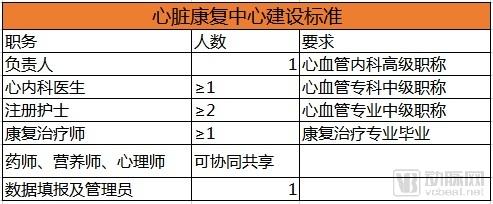
The mandatory requirements specify that a cardiac rehabilitation center must have one director, at least one cardiologist, at least two registered nurses, and at least one rehabilitation therapist. Pharmacists, dietitians, and psychologists may be shared with other departments. Additionally, the center requires one data entry and administrative staff member. These requirements are not excessive; however, among more than 170 applicants in the first batch, only 134 were accredited [Table of Contents at the End】。
Among various disease rehabilitation fields, cardiac rehabilitation is characterized by the highest levels of risk and complexity.Its five major prescriptions—exercise prescription, nutritional prescription, psychological prescription, pharmacological prescription, and intervention for unhealthy lifestyles (with some experts currently advocating for the integration of traditional Chinese and Western medicine)—often require multidisciplinary collaboration among cardiologists, cardiac surgeons, cardiac rehabilitation specialists, rehabilitation nurses, dietitians, psychologists, and clinical pharmacists. Therefore, establishing a qualified cardiac rehabilitation center is no easy task.。
Private Cardiac Rehabilitation Center
Throughout the development of cardiac rehabilitation, private cardiac rehabilitation clinics have remained a force to be reckoned with. They have actively collaborated with leading international cardiac rehabilitation institutions to carry out initiatives such as personnel training, introduction of technical standards, and cardiac rehabilitation research. Among these, Reihuaxinkang and Changhe Shouxi Comprehensive Outpatient Department are the most representative.
A cardiac rehabilitation outpatient clinic that does not perform surgeries and focuses primarily on cardiac rehabilitation services.In a landscape dominated by public hospitals, clinics must focus on patient acquisition, high-quality service delivery, and talent development to establish a foothold.。
Lu Jien, CEO of Reihuaxinkang, told VCBeat that as a medical institution specializing in cardiac rehabilitation, the center must strive to enhance its rehabilitation technical capabilities, increase research and development investment, improve service quality, and strengthen talent development in order to establish a firm foothold in an environment dominated by public hospitals.
During cardiac rehabilitation, as patients gradually recover, they encounter various issues, such as how to adjust medications in response to changes in heart rate and blood pressure, how to care for wounds, when to initiate exercise, and what types, intensity, and frequency of exercise are appropriate. These matters require assessment, guidance, and follow-up by specialized cardiac rehabilitation physicians.
Only under such guidance can patients achieve optimal cardiac rehabilitation outcomes.Currently, nearly 60% of the patients at the center come directly from various surgical hospitals for cardiac rehabilitation after surgery.. Moreover, patients received high-quality rehabilitation care here, significantly enhancing safety and treatment quality.
In terms of rehabilitation services, Lu Jien, CEO of Reihuaxinkang, stated that in the field of cardiac rehabilitation, China lags significantly behind developed countries and regions such as Europe, the United States, and Japan, with efforts in standard establishment and talent development still in their infancy.
For beginners, the fastest way to improve is to stand on the shoulders of giants. The choice of this “giant” was Reihuaxinkang’s initial consideration.After comprehensive consideration, Ruihua Cardiac Rehabilitation Center introduced advanced cardiac rehabilitation concepts from the Mayo Clinic in the United States and integrated them with the cardiac rehabilitation protocols and service systems of Japan’s Sakakibara Heart Institute. This synergy has yielded a cardiac rehabilitation treatment program that is safe, effective, and tailored to the needs of Asian populations, thereby maintaining consistently high levels of patient satisfaction.。
Reihuaxinkang has long established a mature, comprehensive rehabilitation prescription system encompassing five key components: medication, exercise, nutrition, psychology, and lifestyle. Each patient’s rehabilitation journey is professionally guided by a multidisciplinary team consisting of cardiac rehabilitation physicians, cardiac rehabilitation therapists, rehabilitation nurses, dietitians, psychologists, and clinical pharmacists.
Additionally, Reihuaxinkang is staffed with cardiac surgeons to provide more specialized and safer rehabilitation services for patients undergoing cardiac surgery.
Meanwhile, an increasing number of clinicians have gained a profound understanding of the importance of cardiac rehabilitation for patients. Consequently, Beijing Anzhen Hospital, in collaboration with the Ruihua Cardiac Rehabilitation Center, obtained approval for a Beijing municipal-level research project focused on the efficacy of cardiac rehabilitation in patients following coronary artery bypass grafting (CABG). The team has published multiple papers in domestic and international journals and took the lead in translating and publishing the Japanese Guidelines for Cardiac Rehabilitation.
InTalent Development, which is also one of the aspects Reihuaxinkang values most. Given the complexity and risks associated with cardiac rehabilitation, Reihuaxinkang has established a rigorous set of criteria for screening and training its practitioners. After meeting the initial screening requirements, candidates undergo rotational training in cardiology and cardiothoracic surgery departments at various Grade A tertiary hospitals to reinforce their foundational knowledge.
This enables comprehensive, multi-faceted development, followed by systematic professional training in cardiac rehabilitation after rigorous assessment. Strategic cooperation agreements have been signed with cardiac rehabilitation institutions in the United States, Japan, and other countries, establishing a robust talent development system.
After rigorous screening and stringent examinations, Reihuaxinkang has built a comprehensive, high-quality cardiac rehabilitation team characterized by superior professional competence, advanced medical expertise, and exceptional service quality.
Changhe Shouxi Comprehensive Outpatient Department (hereinafter referred to as Changhe Shouxi) is an institution under Changhe Medical that specializes in cardiac rehabilitation. It commenced trial operations in June 2018 and officially began operations in September of the same year. Among the first batch of Cardiac Rehabilitation Centers announced by the Chinese Cardiovascular Health Alliance, only a handful of private rehabilitation medical institutions were selected. Notably, both Changhe Shouxi and Kunming Changhe Tiancheng Rehabilitation Hospital, also affiliated with Changhe Medical, were included in this inaugural cohort.
Changhe Shouxi is a typical representative of standalone cardiac rehabilitation centers, assuming only the role of cardiac rehabilitation without offering cardiac surgical services.
Changhe Shouxi introduced to VCBeat the two current sources of patients.The first type originates from postoperative patients., from a global perspective, the population benefiting from cardiac rehabilitation is substantial. Traditionally, the target population for cardiac rehabilitation can be divided into three major categories:The first category is primarily composed of patients with coronary heart disease; the second category is represented by those with heart failure; and the third category comprises individuals undergoing cardiac surgery, such as valve replacement.。
An increasing body of research indicates that cardiac rehabilitation training yields significant benefits for all cardiovascular-related conditions, including acute cerebrovascular diseases (such as stroke) and peripheral vascular diseases. Changhe Shouxi provides postoperative patients with relevant rehabilitation information, allowing them to choose to undergo rehabilitation at Changhe Shouxi based on their individual circumstances.
For patients with heart disease, active cardiac rehabilitation can accelerate recovery, improve function, and reduce the likelihood of readmission. A study in the United States this year showed that if a patient has previously been hospitalized for heart disease,The likelihood of readmission is reduced by 30% following cardiac rehabilitation therapy.Currently, Changhe Shouxi Outpatient Department has signed scientific research agreements with multiple hospitals, including Beijing Anzhen Hospital, and is in the process of establishing Chinese norms for the value of cardiac rehabilitation.
No.The second category involves preventive assessment for populations at risk of sudden cardiac death due to myocardial infarction and those at high cardiovascular risk, as well as primary prevention for obese individuals.Currently, Changhe Shouxi can assess diseases associated with cardiovascular and cerebrovascular conditions, along with corresponding preventive measures, to formulate relevant treatment plans and improve the quality of life for high-risk populations. Many enterprises, particularly internet companies, are collectively conducting specialized cardiac assessments and preventive evaluations.
Zhao Xuan, Head of Cardiac Rehabilitation at Changhe Shouxi and a cardiac rehabilitation specialist at Johns Hopkins Hospital in the United States, told VCBeat,In terms of rehabilitation services: Changhe became the first in China to fully introduce an advanced American cardiac rehabilitation program and established a corresponding strategic partnership with the Montefiore Rehabilitation Medicine Center in the United States. In accordance with the Operational Guidelines (5th Edition) of the American Association of Cardiovascular and Pulmonary Rehabilitation (AACVPR), it provides high-quality, evidence-based, and interdisciplinary cardiac rehabilitation services to postoperative cardiac patients in China.
Zhao Xuan introduced,One of the hallmarks of Changhe Shouxi is its patient-centered approach, delivering interdisciplinary cardiac rehabilitation services tailored to each patient’s recovery goals.。
In real life, individuals’ expectations for cardiac rehabilitation vary due to factors such as economic conditions, family environment, and personal preferences. Some patients aim for a full recovery to their pre-illness state, while others are content with maintaining a healthy life. Changhe Shouxi tailors rehabilitation plans to meet each patient’s specific needs. Throughout the rehabilitation process, a multidisciplinary team—including cardiologists, rehabilitation therapists, dietitians, exercise therapists, and occupational therapists—collaborates to deliver comprehensive care in accordance with the patient’s requirements.
Competitive Landscape of Selected Cardiac Rehabilitation Devices
Cardiac rehabilitation centers involve three categories of devices: assessment, rehabilitation, and monitoring.
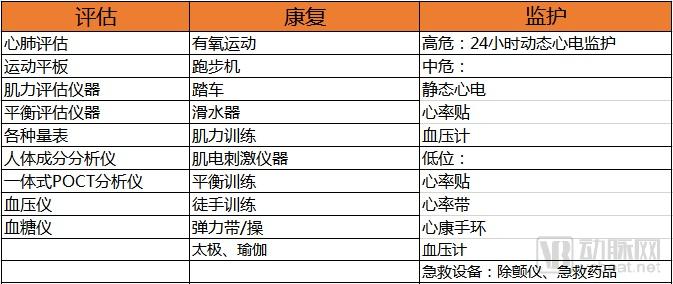
Ma Yong, founder of Shenzhen Elite Medical, told VCBeat that among these devices, the cardiopulmonary function monitoring system, used for assessing the cardiopulmonary system, is a relatively important piece of equipment. The market competition is fierce, and the current transaction price exceeds RMB 1.2 million.
Taking Shenzhen Elite’s RD800 Cardiopulmonary Exercise Testing System as an example, cardiac function testing involves recording the electrocardiogram (ECG) of the subject during exercise to evaluate their cardiac function throughout the exercise process.
Pulmonary function tests include static and dynamic pulmonary parameter assessments, with subjects undergoing testing under specific exercise loads.Collect and analyze the subject's exhaled gas to measure metabolic indicators such as oxygen uptake and carbon dioxide output, and evaluate the subject's pulmonary function using the Wasserman nine-panel plot.. To comprehensively evaluate the overall status and reserve capacity of cardiopulmonary function through testing.
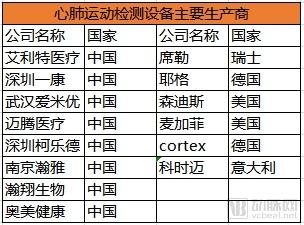
Cardiopulmonary Exercise Testing Equipment Manufacturer
Ma Yong told VCBeat,In the past year, there has been a surge in the establishment of cardiac rehabilitation centers, driving strong sales of associated rehabilitation equipment, with some devices seeing their sales revenues multiply several times. Furthermore, demand for cardiac rehabilitation equipment extends beyond cardiac rehabilitation centers to include sports teams and cardiology departments in general hospitals, among others.。
Meanwhile, Ma Yong stated that due to the scarcity of cardiac rehabilitation experts in China,Leveraging AI Technology to “Replicate” Expertise in the Future, which helps primary care institutions rapidly enhance their cardiac rehabilitation capabilities; this also represents the development direction for cardiac rehabilitation equipment.
In accordance with national policy regulations, hospitals at Level II and above are required to establish rehabilitation departments. However, given the high risks and technical demands associated with cardiac rehabilitation, only tertiary (Level III) hospitals should establish dedicated cardiac rehabilitation centers.In November 2017, there were 2,311 tertiary hospitals in China. Based on this figure, the market size for cardiopulmonary function testing equipment alone approached RMB 3 billion. Currently, the annual revenues of the leading rehabilitation equipment manufacturers range from RMB 100 million to RMB 500 million.
The market for future cardiac rehabilitation devices will experience rapid growth.
Cardiovascular Drug Market
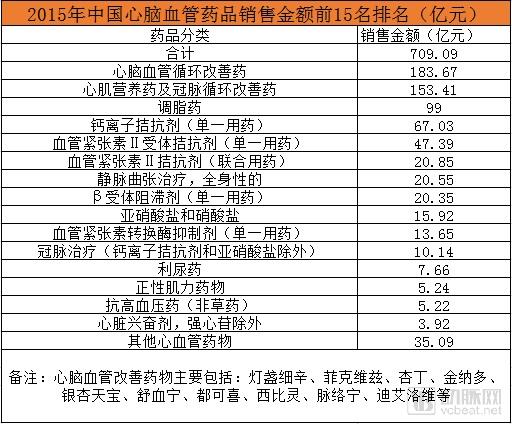
Postoperative patients with heart disease generally need to take anticoagulants and other medications to maintain their health. According to data from the "China Cardiovascular Disease Report 2016," the total pharmaceutical expenditure in Chinese hospitals with more than 100 beds reached RMB 645.158 billion in 2015. Among this, the total expenditure on cardiovascular and cerebrovascular drugs was RMB 70.909 billion. The top five drug categories were: drugs for improving cardiovascular and cerebrovascular circulation, myocardial nutritional agents and drugs for improving coronary circulation, lipid-regulating drugs, calcium channel blockers (single-agent), and angiotensin II receptor antagonists (single-agent).
The Core of Cardiac Rehabilitation Is Returning to Society
Cardiac rehabilitation is a long-term process. However, as most community healthcare workers in China lack the competence to deliver cardiac rehabilitation services and tertiary hospitals are operating beyond capacity, follow-up rehabilitation for many patients has not been effectively implemented.
Research data from Professor Hu Dayi’s team indicate that medication adherence is poor among many patients with heart disease, with 64% having missed doses. Physical activity levels are also insufficient: only 12.3% of patients regularly engaged in moderate-intensity exercise within a one-month period, and only 33% exercised more than three days per week. These factors contribute to an increased risk of disease recurrence.
Therefore, strengthening home- and community-based rehabilitation facilitates patients’ better reintegration into society.
With technological advancements and the increasing convenience of monitoring devices, leveraging new technologies to help patients better complete post-discharge rehabilitation has become a reality.
Lu Ji’en told VCBeat that when patients reach the home-based rehabilitation phase, their physical condition has largely recovered. The goal of home-based rehabilitation is to maintain a healthy state and prevent the recurrence of heart disease.Reihuaxinkang has developed a system that generates personalized rehabilitation prescriptions based on patient test data, allowing patients to carry out the regimen under family supervision.。
AnotherXuhong Medical, leveraging technologies such as nanomaterials and machine learning to provide an integrated “hardware + software + diagnosis + management” solution for the cardiovascular field, while utilizing the early warning capabilities of an AI cloud system to alert patients and enable preventive care.
Urgent Issues to Be Addressed in the Development of Cardiac Rehabilitation
Insufficient Public Awareness of Rehabilitation: Cardiac rehabilitation in China developed slowly in the past, with one of the main reasons being the lack of public awareness. Hu Dayi’s team once released survey data from a study involving 28,227 members of the public across different age groups and occupational backgrounds.
Only 17.7% of the public has a good understanding of cardiac rehabilitation, and there is a strong public expectation for access to more professional rehabilitation treatments and expert guidance on cardiac rehabilitation. Currently, the main factors influencing participation in cardiac rehabilitation are hospital tier (with 42.8% of the public willing to undergo cardiac rehabilitation at tertiary hospitals), insurance coverage, and whether the hospital has a dedicated rehabilitation center.
Absence of a Training System for Cardiac Rehabilitation Professionals: In the field of cardiac rehabilitation, there is a gap in the talent training system. Although China has a limited number of rehabilitation professionals, some universities have established rehabilitation programs, and there are specialists in speech therapy, occupational therapy, and physical therapy. However, due to the greater complexity and higher risks associated with cardiac rehabilitation compared to neurological and orthopedic rehabilitation, the requirements for professionals in this field are more stringent.
Currently, there is no specialized major in cardiac rehabilitation in China. Professor Li Jian’an, Director of the Rehabilitation Medicine Center at the First Affiliated Hospital of Nanjing Medical University, told VCBeat that most cardiac rehabilitation specialists in China are former cardiologists who have transitioned into this field. Training for cardiac rehabilitation professionals in China primarily takes the form of short-term courses lasting less than a week, whereas such training abroad requires at least six months. It is difficult to cultivate qualified cardiac rehabilitation professionals within just one week.
However, at this stage, it is important to recognize the current situation; the industry’s conscious efforts to provide cardiac rehabilitation training are a positive step, as having some training is better than none. As mechanisms improve in the future, more qualified cardiac rehabilitation professionals will emerge.
Recently, VCBeat has confirmed the news that the University of Rehabilitation will be established in Qingdao, with construction expected to begin this year. This is a significant boost for the cultivation of rehabilitation professionals.
Insufficient Support from Medical Insurance: China currently includes 29 rehabilitation items in its national medical insurance catalog, but few are related to cardiac rehabilitation. Lu Ji’en told VCBeat that in Germany, patients with heart disease cannot claim medical insurance reimbursement for postoperative treatment costs if they do not undergo a complete course of rehabilitation therapy. This is because patients who complete cardiac rehabilitation can return to work and create value, rather than becoming a burden on their families.
There is no unified standard system at the national level.: After Professor Hu Dayi assumed the role of Chairman of the Chinese Society of Cardiology, he gradually ignited a surge of interest in cardiac rehabilitation. Experts subsequently devoted themselves to the development of cardiac rehabilitation services.
However, due to the absence of unified national standards, experts have had to take the lead in establishing corresponding specialized committees. While these committees have made significant contributions to the field of cardiac rehabilitation, there remains a strong expectation within the industry for the state to take the lead in mobilizing experts and pooling resources to develop standards for talent development and assessment in cardiac rehabilitation that are tailored to China’s national conditions.
Reference to the German Cardiac Rehabilitation Model
Germany is a country with a mature and well-established cardiac rehabilitation system, and it is one of the earliest countries in the world to implement such programs. In Germany, if physicians fail to recommend cardiac rehabilitation for their cardiovascular patients, they will be investigated by the medical board, which can significantly impact their professional careers.
On the other hand, health insurance reimbursement mechanisms encourage or even mandate patients to undergo cardiac rehabilitation. Funding for rehabilitation primarily comes from pension insurance (based on years of employment) and health insurance. Health insurance covers the full cost of cardiac rehabilitation following the first cardiovascular event. If a patient fails to complete cardiac rehabilitation, the reimbursement rate for subsequent cardiac events will be reduced.
Cardiac rehabilitation in Germany is primarily divided into three phases:
Acute Inpatient Phase;
Cardiac Rehabilitation: Typically lasts for 3 weeks, sometimes extending to 4–5 weeks;
Post-Discharge Rehabilitation/Social Reintegration: 62%–80% of patients receive long-term follow-up.
Under institutional guidelines, cardiologists, rehabilitation specialists, and sports medicine physicians all possess a strong understanding of cardiac rehabilitation concepts and proactively recommend that patients enter rehabilitation programs immediately after completing acute-phase treatment.
In recent years, cardiac rehabilitation in China has experienced explosive growth, driven by strong support from experts across various fields. Public awareness of rehabilitation is being cultivated, and the training of cardiac rehabilitation professionals is gradually taking off. However, significant challenges remain in areas such as standard establishment and health insurance reimbursement, which require government-led solutions. The integration of Traditional Chinese Medicine with cardiac rehabilitation still warrants further research...
"The revolution is not yet complete; comrades must still strive!"
China Cardiovascular Health Alliance Releases List of the First Batch of Cardiac Rehabilitation Center Construction Units