

Tapping into a $3.5 Trillion Market: Nine 5G-Enabled Healthcare Use Cases Set to Roll Out in Hospitals
Preface
Clayton Christensen, the father of disruptive innovation, stated that the driving forces behind disruptive innovation in the business world primarily stem from three aspects: technological innovation, business model innovation, and value network restructuring. As a technological innovation in the field of mobile communications, 5G is a general-purpose technology that will comprehensively build the key infrastructure for the digital transformation of the business society. From online to offline, and from platforms to ecosystems, it will propel the global digital economy into a new stage.
Currently, 5G is in the phase of technical standard formation and industrial application trials, with countries worldwide regarding it as a key strategic initiative for the digital transformation of their national economies. China has taken the lead by actively promoting the implementation of 5G applications across various industries, with healthcare emerging as one of the key application areas. In 2013, the Ministry of Industry and Information Technology (MIIT), the National Development and Reform Commission (NDRC), and the Ministry of Science and Technology (MOST) jointly established the IMT-2020 (5G) Promotion Group to advance the development of 5G standards and commercial deployment. The "Government Work Report" released in March 2017 called for accelerating the development of 5G as an emerging industry. Subsequently, the MIIT formulated the "Guiding Document on 5G Development," which outlined the development path for 5G applications in sectors such as healthcare, transportation, and smart cities.
In 2019, as the pre-commercial year for 5G, healthcare institutions and enterprises actively embraced 5G technology, with pilot applications of “5G + Healthcare” already underway in select hospitals. Seizing this opportunity, VCBeat·VBInsight conducted research and interviews with 5G equipment suppliers, telecommunications operators, hospitals, and medical device manufacturers to produce the report “2019 5G+ Healthcare Special Report》, aiming to comprehensively, objectively, and authentically present the application of 5G in the healthcare sector.
In this report, you will learn:
Timeline of 5G Development in the Healthcare Sector
Application Scenarios of 5G+ in Healthcare
Deployment Details of 5G in Hospitals
The Future Development Prospects of 5G+ Healthcare
How Top-Tier (Grade 3A) Hospitals in China, Such as the First Affiliated Hospital of Zhengzhou University, Are Embracing 5G
Evolution: 5G Brings Revolutionary Changes
Based on the evolutionary trajectory of mobile communications, each generation of systems can be defined by its key technologies and the services it provides. 1G was primarily based on FDMA technology, offering voice services; 2G relied mainly on TDMA technology, adding low-speed data services such as SMS to voice services; 3G was built on CDMA technology, providing voice, SMS, and audio services. In the 4G era, OFDMA became the technological foundation, introducing various mobile broadband services such as live streaming and gaming on top of 3G capabilities. Looking ahead to the 5G era, the industry faces diverse and specialized usage scenarios, making it difficult to meet all application requirements with a single technology alone. 5G integrates a series of advanced communication technologies, including millimeter wave, small cells, network slicing, and beamforming. It provides mobile network support for applications across various industries—such as voice, audio and video, gaming, VR/AR, artificial intelligence, the Internet of Things (IoT), and robotics—thereby driving the digital transformation of the entire socio-economic landscape.
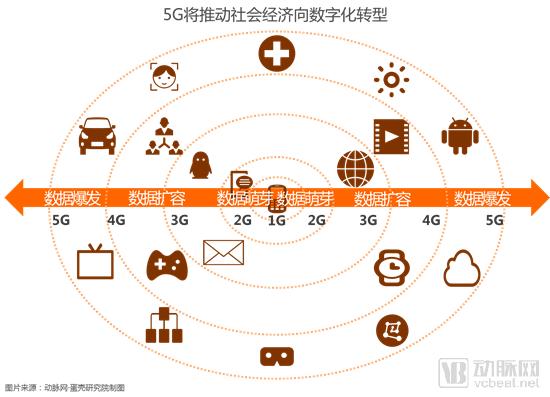
Based on the volume of data generated by each generation of mobile communication systems, we can broadly categorize their evolution into three stages: data inception, data expansion, and data explosion. During the 1G and 2G eras, services were primarily limited to voice calls and SMS, generating minimal data volumes with little demand for high transmission rates, marking the initial inception phase of data usage. In the 3G era, the introduction of mobile internet access, email, and instant messaging services such as QQ led to an increase in data volume and a certain requirement for transmission speed, with user peak data rates reaching 2 Mbps to tens of Mbps. The 4G era further enabled services such as video streaming, live broadcasting, and WeChat, which rely on high-speed connectivity; user peak data rates ranged from 100 Mbps to 1 Gbps, leading to a significant expansion in data volume. 5G provides mobile communication support for high-definition video, the Internet of Things (IoT), VR/AR, and robotics, and will be widely applied across industries such as smart transportation, mobile healthcare, cloud gaming, smart homes, and industrial automation. The resulting data volume is expected to grow exponentially, with user peak data rates reaching up to 10 Gbps, ushering in an era of data explosion.
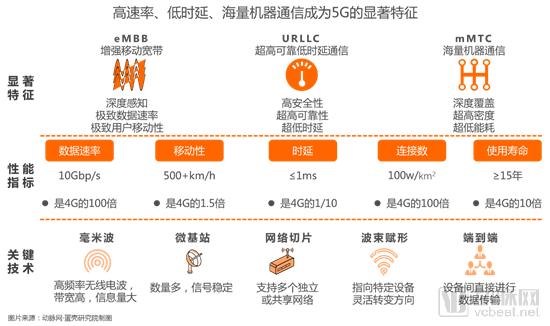
To further clarify what 5G truly is, we will elaborate on it from three major aspects: distinctive features, performance indicators, and key technologies.
## Significant Features
eMBB (Enhanced Mobile Broadband)
eMBB targets high-traffic mobile broadband services, such as 3D/ultra-high-definition video, HD voice, cloud-based office applications, and cloud gaming, meeting requirements for deep sensing, extreme data rates, and extreme user mobility.
URLLC (Ultra-Reliable Low-Latency Communication)
URLLC enables stable and reliable communication, significantly reducing latency between communicating entities. It can be applied in mobile healthcare, industrial automation, autonomous driving, and other fields, achieving high security, ultra-high reliability, and ultra-low latency.
mMTC (Massive Machine-Type Communications)
mMTC is primarily designed for large-scale IoT services, enabling massive communications among people, between people and devices, and among devices themselves. It supports applications such as smart transportation, smart homes, and smart cities, while meeting requirements for deep coverage, ultra-high density, and ultra-low power consumption.
Performance Indicators
5G users can achieve a peak data rate of 10 Gbps, which is 100 times that of 4G; mobility support exceeds 500 km/h, whereas 4G supports only 350 km/h; in terms of latency, 5G reduces it to one-tenth of 4G’s, achieving less than 1 ms; 5G can connect more than 1 million devices per square kilometer, while 4G typically supports only 10,000 connections; additionally, the service life of 5G infrastructure is more than ten times that of 4G. A comprehensive comparison across multiple indicators demonstrates that 5G performance has achieved a revolutionary leap.
Key Technologies
5G is able to provide communication support for technological applications across various industries, thanks to a series of key underlying technologies. For instance, high-frequency millimeter waves offer high bandwidth and large data transmission capacity. Network slicing allows the configuration of multiple independent or shared communication networks tailored to different application scenarios. Additionally, end-to-end technology enables direct device-to-device data transmission without relying on third-party base stations, thereby reducing latency.
Therefore, whether in terms of 5G’s new features or the key technologies on which it is based, its performance metrics are unmatched by previous generations of mobile communication systems. So, through what architecture does 5G realize its application value?
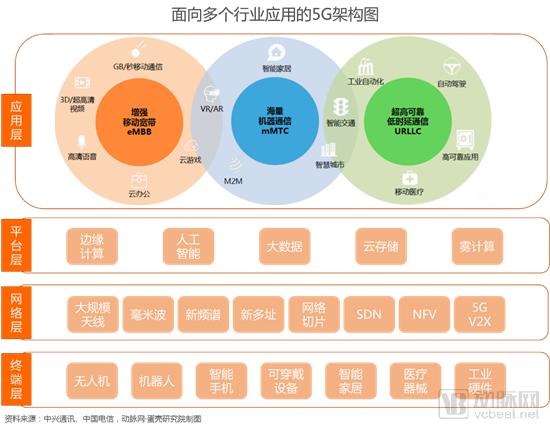
The 5G architecture is divided into four layers from bottom to top: the terminal layer, the network layer, the platform layer, and the application layer.
Terminal Layer
The terminal layer primarily serves as the source and recipient of information, functioning both as tools for data acquisition and as carriers for information applications. Data collection and visualization are achieved through smart terminals such as sensors, wearable devices, and sensing equipment. These include robots, smartphones, medical devices, industrial hardware, and other equipment.
Network Layer
The network layer serves as the transmission medium for information and is a key segment that fully demonstrates the superiority of 5G. By leveraging dedicated or shared networks allocated to different application scenarios, it enables real-time, high-speed, highly reliable, and ultra-low-latency information transmission between communicating entities.
Platform Layer
The platform layer is primarily responsible for data storage, computation, and analysis, serving as an intermediary that bridges the underlying infrastructure with upper-layer applications. By leveraging emerging technologies such as edge computing, artificial intelligence, and cloud storage, it processes fragmented and unstructured data to deliver valuable insights to front-end applications.
Application Layer
The application layer is the core embodiment of 5G value, supporting diverse application scenarios based on three distinct characteristics. eMBB is primarily applied in scenarios such as ultra-high-definition video, HD voice, and cloud gaming, enabling high-speed communication. mMTC is mainly used in smart transportation, smart cities, and VR/AR, connecting massive numbers of devices to meet their mutual communication needs. URLLC is predominantly applied in mobile healthcare, industrial automation, and autonomous driving, ensuring secure information transmission with low latency.
From the overall 5G architecture, it is evident that key technologies such as massive MIMO, millimeter wave, and network slicing underpin the efficient operation of the entire 5G communication network. Moreover, 5G can effectively integrate with other emerging technologies, including edge computing, big data, and fog computing, thereby enhancing the value of information and providing technical support for front-end applications.
Both the International Telecommunication Union (ITU) and the 3rd Generation Partnership Project (3GPP) have formulated detailed roadmaps for 5G implementation. They have divided the implementation process into three phases: 5G research, 5G standardization, and 5G product development. The ITU initiated preliminary studies on 5G standards as early as 2013, while 3GPP released Release 13 in 2015 to conduct exploratory standardization work in preparation for the emergence of 5G. Meanwhile, China explicitly stated in its 13th Five-Year Plan in 2015 that it would actively promote 5G infrastructure development and launch commercial 5G products by 2020.
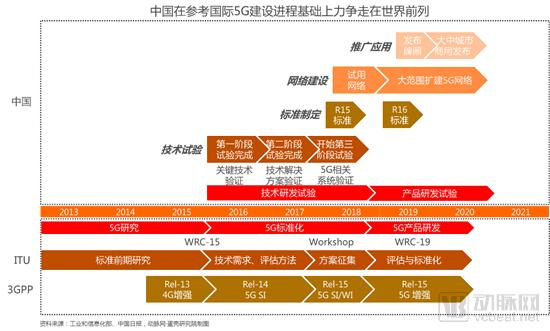
China's 5G development is primarily divided into four aspects:
Technical Testing: Primarily involves three phases, sequentially completing verification of key technologies, validation of technical solutions, and verification of related systems.
Standard Development: The R15 standard was finalized by the end of 2018, and the R16 standard was established in 2019.
Network Construction: Partial 5G trial network construction was completed in the second half of 2018, with gradual rollout of 5G network deployment commencing in 2019 and beyond.
Promotion and Application: It is planned to issue 5G licenses in the second half of 2019, and to launch commercial 5G services in major and medium-sized cities across China starting from 2020.
By comparing with the ITU and 3GPP in terms of 5G deployment progress, China is at the forefront of global 5G rollout, which will provide planning assurance for the implementation of 5G applications across various industries in the future. How is 5G applied in the healthcare sector, and what innovative changes can it bring to disease prevention, diagnosis, treatment, and rehabilitation? These questions warrant further analysis and discussion.
Empowerment: 5G Brings Good News to Healthcare
The superior performance of 5G enables its application across various industries, including smart transportation, healthcare, industrial internet, urban management, and smart environmental protection. As previously mentioned, in terms of transmission rate, the peak user data rate of 5G can reach 10 Gbps, with typical rates achieving 1 Gbps, thereby satisfying the requirements for high-volume data transmission. Regarding latency reduction, the 5G physical layer supports different subcarrier spacing configurations; larger frequency-domain subcarrier spacing is configured to shorten time-domain scheduling latency, while Minislot-based scheduling further reduces scheduling latency. In terms of enhancing reliability, the PDCP layer introduces a duplication function that maps the same bearer to different logical channels, with the physical layer transmitting over different carriers to ensure transmission reliability.
According to the “Bloom Cup” 5G Application Collection Competition hosted by the China Academy of Information and Communications Technology (CAICT) and the IMT-2020 (5G) Promotion Group in 2018, an analysis of over 300 participating projects revealed that 5G applications in the healthcare sector rank among the leading fields, both in terms of development stage and market prospects.
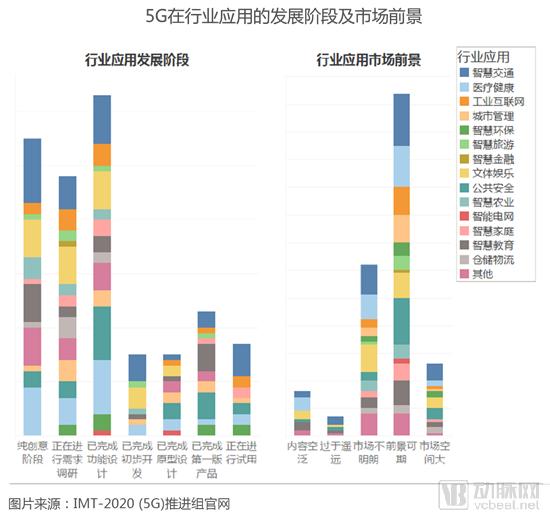
5G Applications in Healthcare: Performance Characteristics Across Different ScenariosThe performance characteristics of 5G technology play varying roles across different healthcare application scenarios, primarily in remote monitoring, remote consultation and guidance, and remote control operations. In remote monitoring and remote consultation/guidance scenarios, the high bandwidth of 5G can be fully leveraged to enable high-speed transmission of vital signs data, imaging diagnostic results, biochemical blood analysis reports, electronic medical records (EMRs), and other materials. During processes such as remote consultations and diagnoses, 5G supports high-definition video communication between specialists and primary care physicians, as well as between specialists and patients, thereby facilitating efficient consultations and diagnostics. Furthermore, due to the high reliability of 5G networks, the security of transmitted data—including EMRs and imaging diagnostics—is ensured, preventing data leaks and fully safeguarding patient privacy.
In the remote control category, to maximize the high bandwidth and low latency performance of 5G networks, User Equipment (UE) adopts a configurable scheduling method for uplink data transmission. This allows data to be sent directly on pre-allocated resources, thereby reducing latency. Furthermore, physical layer dedicated control channels employ redundancy mechanisms to ensure transmission reliability. During mobile emergency care and remote surgery, this ensures physicians maintain real-time dynamic awareness of the front-end situation, enabling accurate guidance and operation for emergency doctors or front-end robotic systems. Simultaneously, it is necessary to connect numerous devices such as vital signs monitors, electrocardiographs, defibrillator monitors, and blood analyzers, ensuring normal communication among all connected entities. This improves efficiency while minimizing the occurrence of medical safety incidents.
Therefore, for medical scenarios involving remote monitoring and remote consultation/guidance, 5G networks provide high bandwidth and high reliability. For mobile emergency care and remote-controlled medical procedures, 5G not only delivers high bandwidth and high reliability but also enables ultra-low latency and massive connectivity.
Currently, 5G technology in the healthcare sector remains in the pilot testing phase. China Mobile, China Unicom, and China Telecom, the three major telecommunications operators, are deploying 5G network infrastructure in select hospitals to explore its application scenarios, workflows, and effectiveness in medical settings. Through a combination of survey interviews and literature review, VCBeat has compiled a list of hospitals that have currently deployed 5G pilot networks, along with details on their related applications.
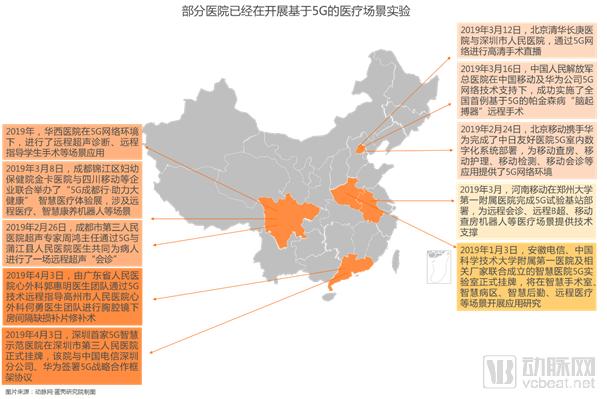
On January 3, 2019, the Smart Hospital 5G Laboratory, jointly established by Anhui Telecom, the First Affiliated Hospital of University of Science and Technology of China, and relevant manufacturers, was officially unveiled. The establishment of this laboratory marks that the First Affiliated Hospital of University of Science and Technology of China will take the lead in conducting 5G+ healthcare trials within the province. According to the published cooperation details, the participating parties will jointly carry out applications in scenarios such as smart operating rooms, smart wards, smart logistics, and telemedicine.
On February 24, 2019, Beijing Mobile, in collaboration with Huawei, completed the deployment of a 5G indoor digital system at China-Japan Friendship Hospital, providing a 5G network environment for applications such as mobile ward rounds, mobile nursing, mobile testing, and remote consultations.
On February 26, 2019, Dr. Zhou Hong, an ultrasound specialist and department director at Chengdu Third People’s Hospital, conducted a remote ultrasound consultation for a patient in collaboration with physicians at Pujiang County People’s Hospital, located nearly 100 kilometers away, via a 5G network. During this teleconsultation, Dr. Zhou and the county hospital physicians achieved real-time, high-definition, and seamless video and audio communication. Leveraging the high bandwidth of 5G technology, the remote ultrasound diagnostic system delivered image quality highly consistent with that of on-site ultrasound examinations, significantly improving the accuracy of the consultation.
In March 2019, China Mobile Henan completed the deployment of a 5G trial base station at the First Affiliated Hospital of Zhengzhou University, with Huawei Wireless X Labs also participating in this trial deployment. The relevant 5G base stations will primarily provide services for medical scenarios such as remote consultations, remote ultrasound examinations, and mobile ward-round robots.
On March 16, 2019, with the support of 5G network technology provided by China Mobile and Huawei, the Chinese PLA General Hospital successfully performed China’s first 5G-enabled remote surgery for implantation of a deep brain stimulation (DBS) device in a patient with Parkinson’s disease. From Sanya, Director Ling Zhipei of the Department of Neurosurgery at the First Medical Center and Hainan Hospital of the Chinese PLA General Hospital precisely controlled the surgical instruments at the Chinese PLA General Hospital in Beijing over the 5G network, with micrometer-level accuracy, successfully implanting the DBS electrodes into the optimal target area in the brain of a Parkinson’s disease patient.
On April 3, 2019, a team of cardiac surgeons led by Dr. Guo Huiming from Guangdong Provincial People’s Hospital remotely guided a team led by Dr. He Yong from Gaozhou People’s Hospital in performing a thoracoscopic patch repair of an atrial septal defect, leveraging 5G technology. The remote surgical guidance was conducted over a high-bandwidth, low-latency 5G network, enabling high-definition transmission of surgical footage and achieving low-latency live streaming between Guangzhou and Gaozhou.
From the perspective of 5G network deployment regions, localized trials have been conducted only in a few provinces, including Beijing, Sichuan, Henan, Anhui, and Guangdong, establishing pilot models for the subsequent nationwide deployment of 5G in hospitals. Furthermore, all collaborating hospitals are the leading Grade A tertiary hospitals in their respective provinces. This is primarily because these institutions possess comprehensive infrastructure, advanced medical equipment, and abundant expert resources, thereby providing robust technical and talent support for 5G trials.
In addition to hospitals that have already deployed 5G network environments, some other hospitals have signed cooperation agreements with the three major telecommunications operators. These include Guangdong Provincial People's Hospital, Zhongnan Hospital of Wuhan University, The First Affiliated Hospital of Nanchang University, Sir Run Run Shaw Hospital of Zhejiang University School of Medicine, Shenzhen People's Hospital, Union Hospital (Wuhan), and The Affiliated Hospital of Qingdao University. These institutions are also actively preparing for 5G network deployment. In the future, an increasing number of hospitals will transition toward becoming 5G-enabled smart hospitals.
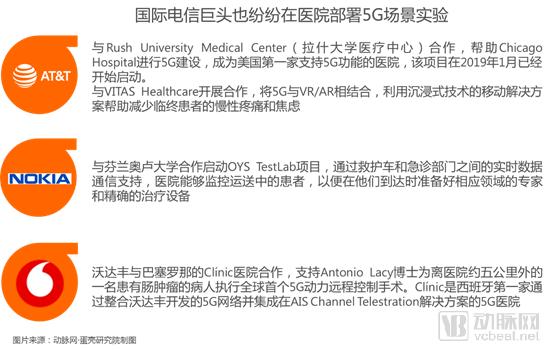
Domestic telecom operators are actively deploying 5G in hospitals, while international telecom giants, including AT&T, Nokia, and Vodafone, have also established 5G networks in select medical institutions. For instance, AT&T partnered with Rush University Medical Center to support 5G network infrastructure at Chicago-area hospitals. Launched in January 2019, this initiative aims to transform these facilities into the first smart hospitals in the United States equipped with 5G capabilities. Additionally, AT&T has collaborated with VITAS Healthcare to integrate 5G with VR/AR technologies for palliative care patients, leveraging mobile immersive solutions to help alleviate chronic pain and anxiety among those receiving end-of-life care.
Nokia, in collaboration with the University of Oulu in Finland, has launched the OYS TestLab project, a medical trial initiative based on a 5G network environment. Primarily applied in mobile emergency scenarios, the project provides communication support for real-time data exchange between ambulances and emergency departments. This enables hospitals to monitor patients during transport, deliver corresponding remote emergency guidance based on their conditions, and facilitate advance preparation by emergency specialists and medical equipment, thereby achieving precise matching between physicians and patients.
Vodafone partnered with Barcelona’s Clínic Hospital to conduct 5G-based remote surgery trials, enabling Dr. Antonio Lacy to perform the world’s first 5G-enabled telerobotic surgery on a patient with an intestinal tumor located approximately five kilometers from the hospital. The deployment of Vodafone’s 5G network at Clínic Hospital marks a pioneering initiative that could position it as Spain’s first 5G smart hospital.
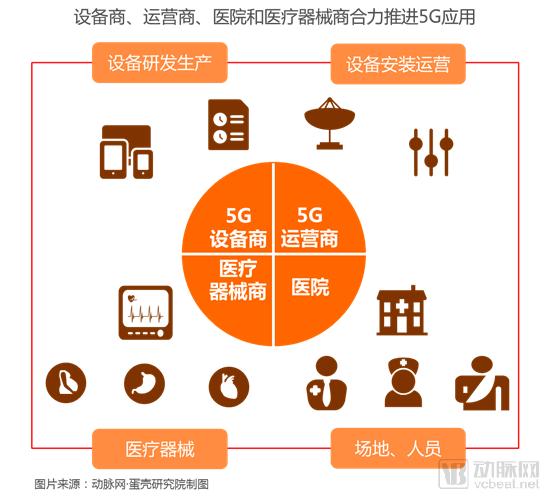
The deployment of 5G in hospitals is a complex systems engineering endeavor that requires rigorous scientific validation. It involves the careful selection of appropriate hospitals, suitable implementation strategies, rational deployment zones, and eligible clinical departments. Only through collaborative efforts among communication equipment vendors, telecommunications carriers, medical device suppliers, and hospitals can pilot applications of 5G in healthcare settings be effectively advanced.
Network Construction Pathway
Currently, there are two approaches to 5G communication network deployment: greenfield construction and network modernization. Greenfield construction involves building a 5G New Radio (5G NR) system with entirely new technologies and architecture in accordance with 5G communication requirements, without disrupting existing network infrastructure. 5G NR is a new radio interface that will support revolutionary improvements in data throughput, capacity, and efficiency.
First, millimeter-wave communication at frequencies above 6 GHz has gained access to additional new spectrum resources. According to the first version of the 5G NR standard (Release 15) by 3GPP, the defined global spectrum range has extended to 52.6 GHz, with efforts underway to secure more spectrum within the 100 GHz range, thereby significantly expanding communication capacity. On the application side, millimeter-wave technology requires compatible communication equipment, necessitating new technologies and product architecture designs, which will also pose new challenges for the design and development of medical devices.
Second, 5G NR massive MIMO base stations widely adopt beamforming technology, enabling the base station to rapidly locate terminal devices with communication needs via beams and subsequently establish information exchange services between communication devices through traffic beams.
Third, 5G NR employs CP-OFDM waveforms and supports flexible, configurable numerologies, enabling the multiplexing of services with diverse requirements and latency constraints. It also allows for larger subcarrier spacing in the millimeter-wave bands, thereby facilitating the transmission of greater data volumes simultaneously.
Fourth, the 5G NR core network is designed to be flexible, intelligent, and reconfigurable, enabling operators to dynamically optimize network parameter configurations for specific services or regions. This meets the communication network requirements of diverse service types, enhancing user experience while reducing operational costs.
The upgrade is primarily based on enhancements to 4G mobile broadband and represents an evolution of LTE Advanced Pro Release 14. By further upgrading LTE Advanced Pro, it meets the communication requirements of 5G. This new LTE standard was officially established by 3GPP at its 35th PCG meeting in 2015. Many features of LTE Advanced Pro Release 14 can satisfy the communication needs of 5G networks, such as consistent user experience, seamless handover, high coverage with low cost, and the demand for extended battery life in low-power wide-area applications.
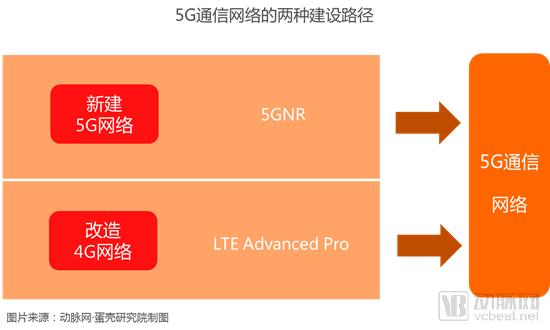
By comparing the two deployment approaches, building a new 5G network eliminates the need to consider compatibility with existing networks. By adopting cutting-edge technologies such as millimeter wave, beamforming, and network slicing, it can effectively achieve high data rates, high reliability, low latency, and massive connectivity. However, establishing a new network infrastructure entails significant investment in communication equipment, particularly in the construction of micro base stations, which requires substantial capital expenditure. In contrast, upgrading the 4G network does not require new equipment or base stations; instead, corresponding software upgrades can be implemented on the existing wireless infrastructure, thereby reducing construction costs. Nevertheless, the overall network architecture and technology remain unchanged, which constrains communication efficiency and quality. According to our interviews and surveys with relevant hospitals, current 5G network trials are conducted using newly built 5G NR (New Radio) systems to ensure that the substantive changes and efficiency improvements brought to healthcare can be accurately assessed under real-world 5G network conditions.
Network Deployment Process
Deploying 5G networks in hospitals is a complex systems engineering endeavor that requires multiple stages—including agreement signing, site survey and selection, network construction, network commissioning, and scenario-specific application—to achieve the practical implementation of 5G-enabled healthcare solutions.
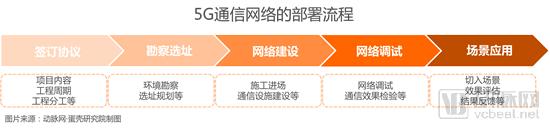
In the initial phase of 5G+ healthcare trials, hospitals maintained an open and inclusive attitude, welcoming capable domestic communication equipment suppliers and telecommunications operators to negotiate collaborations. These partnerships aimed to deploy 5G networks within hospitals, establishing the infrastructure necessary for various medical applications. Telecommunications operators would collaborate with communication equipment suppliers to jointly build 5G networks for the target hospitals. As a trial phase, it was common practice to select specific areas or departments within the hospital as 5G pilot zones. Telecommunications operators would conduct site planning based on the hospital’s existing infrastructure and willingness to participate. For instance, the First Affiliated Hospital of the University of Science and Technology of China designated an entire building as a 5G trial area, with Anhui Telecom responsible for constructing the 5G communication network.The construction difficulty primarily depended on the scope of the deployment area and the building’s structural characteristics. The 5G network infrastructure mainly included the construction of outdoor base stations and the installation of indoor micro base stations. Typically, the number of indoor stations far exceeded that of outdoor stations. To achieve optimal communication performance, a certain number of micro base stations might need to be installed on each floor. Once the entire network infrastructure was completed, a series of debugging procedures were conducted to verify whether the network communication quality met the requirements of relevant applications. Upon meeting these requirements, related medical scenarios (such as remote monitoring, mobile nursing, and remote diagnosis) could be implemented within the 5G network environment. Their performance was then compared and evaluated against previous communication methods, with feedback provided to telecommunications operators to facilitate further improvements. According to relevant experts, deploying 5G networks in hospitals constitutes a major project; however, the construction period generally does not exceed two months, with some hospitals completing their 5G network deployment within just one month.
Key Participants
The four main entities involved in the deployment of 5G networks in hospitals are:
5G communication equipment vendors are primarily responsible for supplying equipment and building related networks, including antennas, radio frequency (RF) modules, and small cells, as well as constructing the transmission network, bearer network, and core network. These enterprises occupy the upstream segment of the entire 5G industry chain.
5G operators are primarily responsible for the installation, operation, and maintenance of hospital-related 5G equipment. They also bear the investment costs for the entire 5G network construction, which typically amount to several million yuan, with indoor base stations accounting for more than two-thirds of this investment.
The hospital primarily provides the venues, medical staff, and patients required for 5G trials, offering the necessary human, material, and financial support for medical scenario tests conducted in 5G environments.
Medical device manufacturers have upgraded and retrofitted relevant medical equipment—including multifunctional monitors, electrocardiographs, ultrasound systems, and wearable devices—in accordance with 5G communication requirements.
The high bandwidth, low latency, and massive connectivity of 5G enable the rapid transmission of large volumes of medical data, including vital signs, imaging examination records, and electronic health records. They also facilitate high-definition video consultations between doctors and between doctors and patients, allowing for a comprehensive, real-time display of patients’ physiological status. This enables remote specialists to provide precise guidance to frontline physicians in administering emergency care. The diverse performance capabilities of 5G can meet the communication requirements of various medical scenarios. Some hospitals have already deployed 5G communication networks on their premises through collaborations with telecommunications equipment vendors and carriers, thereby promoting the development of mobile healthcare. What, then, are the specific application scenarios for “5G + Healthcare,” and how does 5G meet the demands of these scenarios? In the following section, we will provide a detailed account of 5G applications in specific medical contexts.
Implementation: An Analysis of Application Scenarios for 5G + Healthcare
In the healthcare sector, not all scenarios require 5G, nor is 5G sufficiently perfected to support every application scenario. Based on preliminary research and a review of relevant literature, we have found that 5G can fully leverage its advantages only in medical scenarios involving large-volume data transmission, requiring high-definition video, or demanding low-latency information transfer.
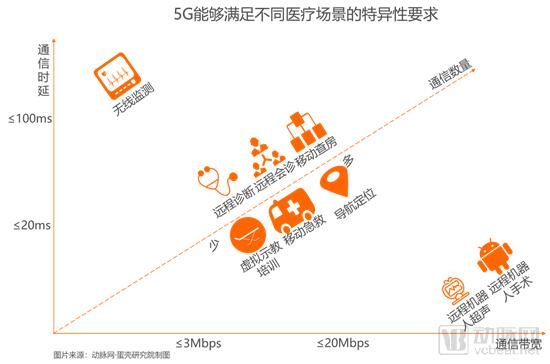
This report primarily outlines nine major application scenarios: wireless monitoring, remote diagnosis, remote consultation, mobile ward rounds, virtual teaching and training, mobile emergency care, navigation and positioning, remote robotic ultrasound, and remote robotic surgery. Furthermore, it maps the application landscape of 5G-enabled healthcare across three dimensions: communication bandwidth, communication latency, and connection density (the number of connected communication entities).
Remote Monitoring Category
Such applications do not impose high demands on communication bandwidth, as they primarily involve the transmission of vital sign data—including blood pressure, blood glucose, blood oxygen saturation, and heart rate. A bandwidth of 3 Mbps is generally sufficient to meet their information transmission needs. Nor do they require low communication latency; a delay of approximately 100 ms will not adversely affect related treatments. Furthermore, these applications mainly facilitate information exchange among vital signs monitors, wearable smart devices, infusion bags, and nursing staff, involving a relatively small number of connections.
Remote Consultation and Guidance
These applications have specific requirements for communication bandwidth, as they involve the transmission of large volumes of data such as biochemical analysis results, imaging examination results, and electronic medical records. The required bandwidth typically ranges from 3 Mbps to 15 Mbps. In scenarios such as remote consultations and VR/AR-based virtual teaching and training, low latency is essential to enhance consultation efficiency and training effectiveness, with latency needing to be maintained between 20 ms and 100 ms. Since these applications involve diagnostic and laboratory data, they require connectivity with relevant departments such as clinical laboratories and radiology departments, as well as with a diverse group of stakeholders including specialists, primary care physicians, nurses, and patients, resulting in a relatively large number of connections.
Remote Control Category
Remote robotic ultrasound and remote surgery require ultra-high-definition video feeds to enable physicians to perform procedures with precision. Consequently, bandwidth requirements range from 15 Mbps to as high as 1 Gbps to meet operational demands. Real-time synchronization is essential throughout the process to ensure procedural safety, typically necessitating a latency of less than 1 millisecond. This is particularly critical in remote surgery, which may involve simultaneous connections to multiple devices, including patient monitors, electrocardiographs (ECGs), defibrillator monitors, and high-definition video equipment, resulting in a large number of connected endpoints.
We categorize the ten major application scenarios into three groups—remote monitoring and care, remote consultation and guidance, and remote control—based on three metrics: communication bandwidth, communication latency, and communication volume. We will analyze each category to examine the specific requirements of every application scenario and how 5G solutions meet these needs.
Wireless Monitoring
Wireless monitoring refers to the real-time, continuous monitoring of patients’ vital signs—such as blood pressure, blood glucose, and heart rate—using vital signs monitors or wearable smart devices, with these physiological data transmitted wirelessly to healthcare professionals. Wireless monitoring is primarily targeted at postoperative patients and those with acute-onset diseases. Postoperative patients are prone to complications during recovery and face a high risk of clinical deterioration, necessitating real-time dynamic monitoring. For patients with acute conditions, particularly those with coronary heart disease and stroke, wireless monitoring enables real-time tracking of their activity levels, allowing for immediate emergency intervention in the event of abnormalities. Wireless monitoring must continuously, real-time, and dynamically reflect the monitored individual’s vital signs, transmitting analyzed and processed data to healthcare providers’ display terminals to facilitate real-time situational awareness. Especially for patients with acute-onset diseases, the alarm response time of wireless monitoring directly impacts the timeliness of rescue efforts.
According to relevant data released by KanYiJie, the average number of beds in China’s top 10 Grade A tertiary hospitals was approximately 4,900 in 2016. The corresponding number of connected devices—including vital signs monitoring equipment, wearable devices, sensors, and receivers—exceeded 10,000. Under existing network conditions, the maximum number of connections per square kilometer is less than 10,000. As the number of hospital beds continues to increase in the future, the number of connected devices will multiply, necessitating more advanced network technologies. 5G’s Massive MIMO technology offers higher spectral efficiency and improved spatial reuse, enabling up to 1 million connections per square kilometer, thereby achieving ultra-high-capacity connectivity.
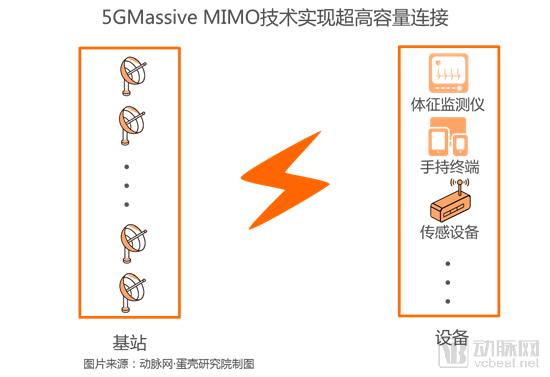
In addition to monitoring medical devices and patients’ vital signs, the system can also control certain devices. For instance, in wireless infusion monitoring, a 5G-based wireless infusion management system can leverage IoT devices such as infusion monitors to dynamically track patients’ infusion progress in real time. Thanks to the low latency of 5G networks, the system can rapidly alert nurses when issues such as needle dislodgement occur or when the infusion is nearing completion, enabling prompt intervention by nursing staff and helping prevent medical adverse events.
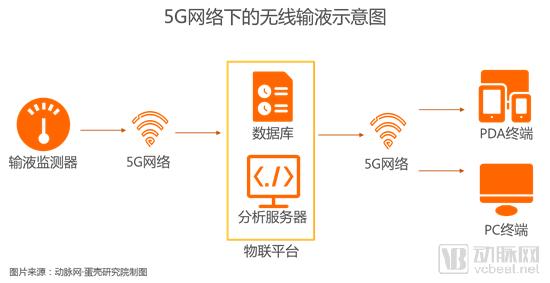
Telemedicine Diagnosis
Tele-diagnosis refers to a process in which the requesting medical institution provides patient clinical data and CR/DR imaging materials to the consulted medical institution via a communication network system, and the consulted institution issues a diagnostic report. This includes remote imaging diagnosis, remote electrocardiogram (ECG) diagnosis, remote ultrasound diagnosis, and remote pathological diagnosis. Throughout the diagnostic process, the requesting party uploads relevant examination and test data to the telemedicine platform. Experts from tertiary hospitals access these materials via mobile devices from the telemedicine platform, issue diagnostic reports based on the data, and then transmit the reports back to the telemedicine platform for use by the requesting institution and the patient.
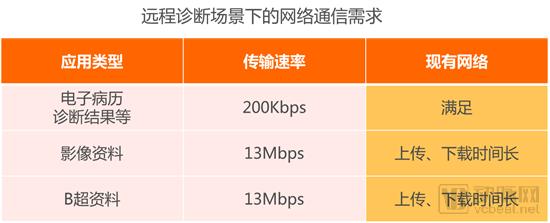
In remote diagnosis, the transmission rate for electronic medical records and diagnostic results is around 200 Kbps, which existing networks can basically accommodate. However, imaging data such as CR, DR, and MRI, as well as ultrasound images, require a communication rate of 13 Mbps. Since current network speeds are only about 10 Mbps, the transmission of these large files takes excessively long, often requiring several minutes for specialists to complete downloads, thereby reducing diagnostic efficiency. Compared with traditional communication infrastructure, 5G offers transmission rates up to 1 Gbps, providing greater convenience for data transfer through significantly higher upload and download speeds. Medical experts can enjoy ultra-fast downloads and access patient information anytime, whether in the office or traveling. Moreover, the high reliability of 5G ensures secure transmission of medical data outside hospital premises, minimizing the risk of data theft and safeguarding patient privacy.
Remote Consultation
Teleconsultation refers to the process where the inviting and invited parties share medical data via remote video systems over communication networks to conduct consultations and provide treatment for patients’ conditions. Similar to tele-diagnosis, teleconsultation requires the real-time upload of patient data—such as imaging reports, blood test analyses, and electronic medical records—to a telemedicine platform. Specialists can then download and review these materials in real time from the platform to offer diagnostic guidance to primary care physicians, thereby enhancing their diagnostic capabilities. This approach truly enables the management of serious illnesses within county-level jurisdictions, allowing patients to receive care at the grassroots level.
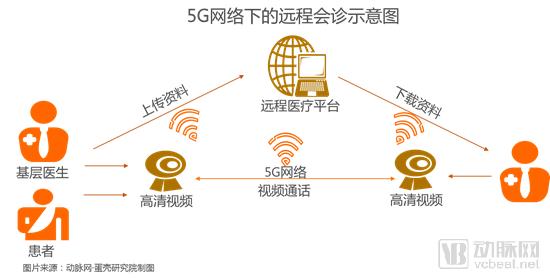
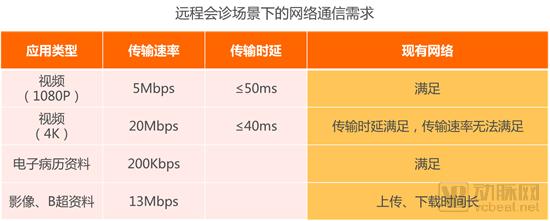
During remote consultations, high-definition video calls and data sharing are primarily involved. Under current network conditions, 1080P HD video equipment can be configured. However, with the future adoption of ultra-high-definition video devices such as 4K, which require a transmission rate of 20 Mbps, existing networks will be insufficient. In contrast, 5G offers data transmission rates of up to 1 Gbps, providing the technical foundation for ultra-HD video calls among primary care physicians, specialists, and patients. Furthermore, specialists can download patient records in seconds during video sessions. Meanwhile, the low latency of 5G ensures real-time communication without perceptible delay, thereby enhancing the smoothness and efficiency of interactions.
Mobile Ward Rounds
Mobile Ward Rounds refer to a form of ward round in which physicians use handheld mobile devices to connect to healthcare information systems via wireless networks, enabling real-time entry, query, or modification of electronic medical records (EMRs) and rapid access to medical examination reports.
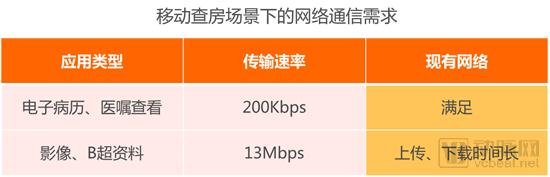
Although current network conditions have enabled online communication between doctors and patients, and mobile devices have integrated functions such as online querying of vital signs data and electrocardiograms (ECGs), challenges remain. These include the large volume of medical data, unstable transmission, and the risk of data leakage, making it difficult to achieve real-time collection and transmission of relevant information. The performance characteristics of 5G networks can effectively address these pain points. High bandwidth can resolve issues related to the large volume of medical data transmission (such as CT images, ultrasound images, and CR/DR images) and unstable transmission, while high reliability can effectively prevent data leakage during transmission. Additionally, doctors can download or review patient records in real time during ward rounds, facilitating preparation for subsequent diagnostic and treatment decisions.
Virtual Simulation Training
Virtual teaching and training refers to young doctors performing relevant medical treatment procedures, particularly surgical operations, with the assistance of VR/AR equipment under the remote or on-site guidance of training experts. In particular, virtual surgical teaching has become a crucial means for hospitals to enhance the skills of young physicians. AR/VR surgical training represents a high-interaction application scenario, where users can interact with either the virtual surgical environment or the real-world setting through interactive devices, enabling trainees to perceive changes in the virtual environment and achieve a stronger sense of immersion.
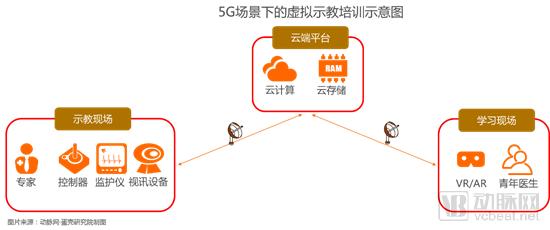
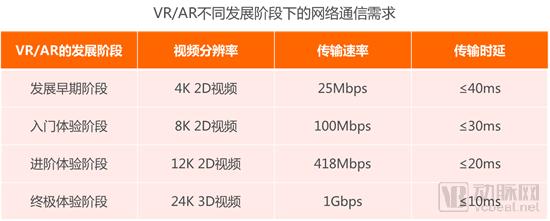
High-interactivity VR/AR imposes dual demands on bandwidth and latency. Enhancing immersion relies on comprehensive improvements in image resolution, rendering and interaction processing speeds, and data transmission rates, with the latter being particularly critical to the user experience. Across the four developmental stages of VR/AR, requirements for data transmission rate and latency have progressively increased: transmission rates have risen from 25 Mbps to 1 Gbps, while transmission latency has been reduced from 40 ms to 10 ms. Existing communication network conditions fail to meet these requirements, often causing cybersickness in users and resulting in poor comfort and accessibility. In contrast, 5G networks typically offer speeds of 1 Gbps, with peak rates reaching up to 10 Gbps, and maintain latency generally below 10 ms. This performance adequately meets the requirements for AR/VR surgical training, enabling a highly immersive experiential environment.
Mobile Emergency Care
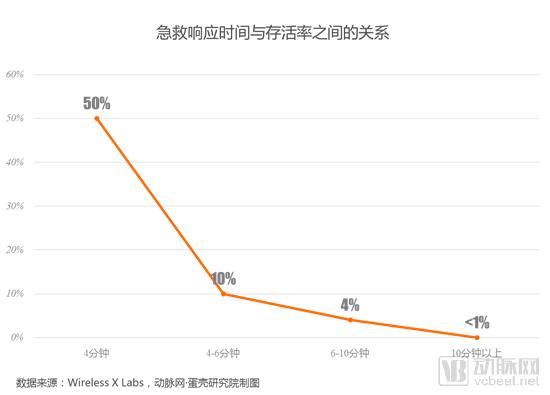
Mobile emergency care refers to medical emergency services delivered through communication and collaboration among emergency personnel, ambulances, emergency command centers, and hospitals. Emergency care is a race against time; the response time of emergency services directly impacts patient survival rates. According to international emergency care experience, each minute of delay in defibrillation reduces the patient’s survival rate by 7%–10%. If the emergency response time is within 4 minutes, the patient’s survival rate exceeds 50%. However, if the response time extends to 4–6 minutes, irreversible damage occurs to vital organs, and the patient’s survival rate drops below 10%.
Information acquisition, data processing, and transmission efficiency have become major challenges facing mobile emergency care. At the emergency scene, rescue personnel need to conduct preliminary examinations of patients and transmit the relevant results in real time to the emergency command center and hospitals. Meanwhile, based on the patient’s injuries and condition, hospital experts provide remote guidance via mobile devices, enabling rescue personnel to administer initial treatment and lay the foundation for subsequent hospital care. During transportation, patient vital signs data, electronic medical record information, and other relevant data must also be uploaded to remote systems, allowing experts to promptly grasp the patient’s condition.
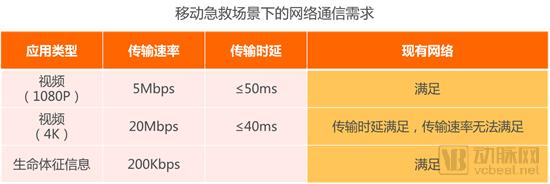
Currently, the clarity provided by 1080P high-definition video devices is insufficient for accurately depicting patient injuries, preventing medical experts from identifying subtle injury sites via video feeds. In the future, 4K ultra-high-definition equipment will enable medical experts to conduct more detailed assessments of injuries, thereby better guiding frontline personnel in delivering precise emergency care and avoiding improper treatment. Meanwhile, emergency responders need to maintain video calls with command centers and experts; low latency is essential to ensure real-time interaction and synchronization, which further underscores the need for the ultra-low latency performance offered by 5G technology.
Navigation and Positioning
Provides users with navigation and positioning services, primarily including in-hospital navigation and city navigation.
In-hospital navigation serves as a patient guidance system, which displays real-time information on registration counters, consultation rooms, examination and testing laboratories, and payment stations based on patients’ needs, while generating optimal routes to reduce search time and enhance the medical experience. Current in-hospital navigation systems primarily rely on GPS, which offers insufficient accuracy for indoor positioning requirements. Achieving precise indoor navigation necessitates positioning accuracy within a few meters, or even sub-meter levels, along with the capability to distinguish between floors. High-precision integrated positioning technology oriented toward 5G can accurately identify the user’s environment and select the appropriate positioning system accordingly. “Integrated positioning” represents the main trend in 5G high-precision localization; in indoor environments, Wi-Fi in-band signals combined with Pedestrian Dead Reckoning (PDR) are employed, whereas Ultra-Wideband (UWB) is prioritized in environments where UWB infrastructure is available.
Another type of navigation is user-oriented urban navigation. Current GPS navigation systems provide positioning and route guidance in a 2D plane, without considering the impact of the surrounding environment on navigation. In the future, navigation systems can achieve synchronized audio and video transmission on tracking devices. In addition to providing position and direction guidance, they can also correct navigation through image analysis to prevent unexpected situations. For example, CloudMinds’ smart helmet for the visually impaired collects surrounding sounds and images (such as buildings, cars, roadblocks, etc.), uploads them to the cloud for AI computation and analysis, and then converts the analysis results into voice commands to guide blind individuals through urban environments.
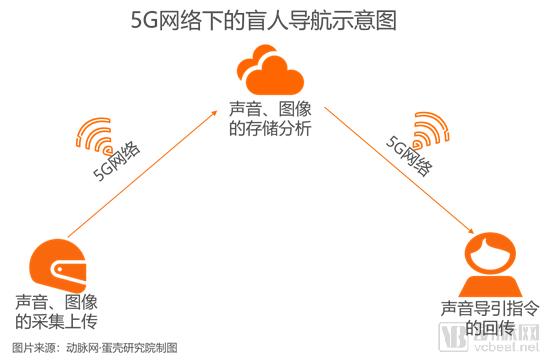
By integrating with AI technology, the guide dog helmet system enables AI-powered navigation, requiring a data transmission rate of 30 Mbps and a transmission latency of under 20 ms. While existing networks fail to meet these requirements, 5G technology can fulfill them through its high bandwidth and low latency.
Remote Robotic Ultrasound
Remote Robotic Ultrasound: A medical service based on communication, sensor, and robotics technologies, in which medical experts remotely control a robotic system to perform ultrasound examinations using video and haptic feedback from the patient side. This type of ultrasound examination does not require the dispatch of specialized physicians to the site; only nurses are needed to set up the equipment, with the procedure primarily conducted by medical experts through remote operation.
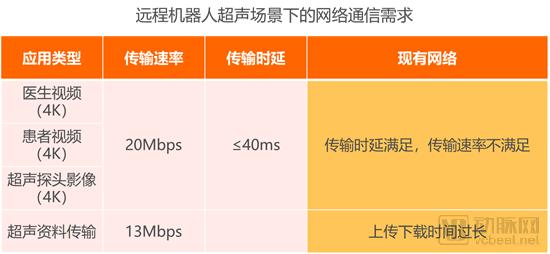
Remote robotic ultrasound involves two channels of video signals for joystick control commands and haptic force feedback, along with additional video feeds such as those of the physician, the patient, and the B-mode ultrasound probe. Under current network conditions, resolution is limited to 1080P, and the clarity of ultrasound images still requires further improvement to provide better reference data for physicians’ diagnoses. When resolution reaches 4K, ultrasound images can more clearly depict the examined area, thereby enhancing physicians’ observational effectiveness. Achieving this requires high-bandwidth, low-latency networks to effectively address challenges such as adaptive sensitivity of robotic arms, real-time transmission of operational commands, real-time transmission of ultra-high-definition video and audio, and dynamic transmission of B-mode ultrasound images. These requirements precisely highlight the superior performance capabilities of 5G technology.
Remote Robotic Surgery
Similar to remote robotic ultrasound, remote surgery is also based on communication, sensor, and robotics technologies, enabling medical experts to remotely control robots to perform surgical procedures using video feeds and feedback from the operating room.
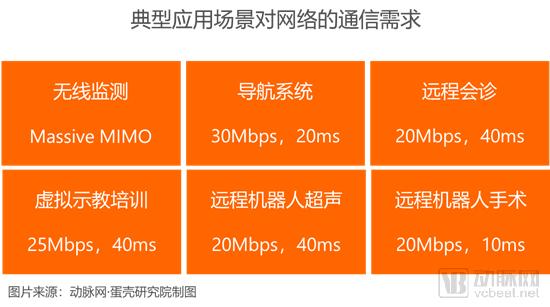
Although some hospitals have already introduced surgical robots (such as the da Vinci Surgical System), current communication infrastructure fails to meet the high data transmission rates and low-latency requirements necessary for large-scale data transfer, making it unsuitable for remote robotic surgery. During remote robotic procedures, surgeons must wear 3D glasses and other devices to monitor the surgical field in real time; this requires a data transmission rate of 25 Mbps to ensure a comprehensive, high-fidelity visualization of the operative site. Meanwhile, when surgeons control the robotic arms for surgical maneuvers, the system demands a transmission rate of 20 Mbps with a latency of less than 10 ms. Furthermore, the entire process involves the transmission of various types of data, including vital signs, electrocardiogram (ECG) readings, defibrillator monitor data, and blood supply metrics, all of which require a transmission rate exceeding 20 Mbps.
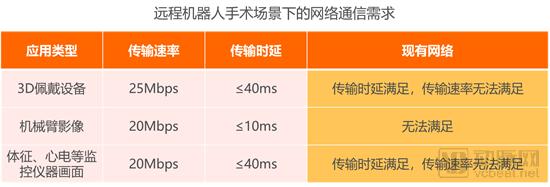
The high bandwidth of 5G can meet the transmission requirements of various types of data and support ultra-high-definition video, while its low latency ensures that the operation of on-site robotic arms is highly synchronized with the doctor's remote control. This prevents misjudgments by medical experts due to delay, thereby improving the success rate of surgeries.
Based on the analysis of the aforementioned application scenarios, we have identified five major requirements for 5G networks: (1) Continuous network coverage, achieving seamless wide-area wireless coverage both inside and outside hospitals to meet the mobility needs of medical services. (2) High-bandwidth communication; for instance, remote consultations require a transmission rate of 20 Mbps, while virtual teaching and training require a transmission rate of 25 Mbps. (3) Massive machine-type communications, where wireless monitoring necessitates 5G Massive MIMO technology to fulfill its requirements. (4) Navigation and positioning capabilities, with indoor positioning accuracy of less than 10 meters to meet the needs of patient location management. (5) Low-latency communication, such as in remote robotic surgery, which requires data transmission latency to be below 10 ms.
Although 5G can play a role in various medical application scenarios, the key 5G performance metrics relied upon differ across each scenario. To ensure the smooth conduct of related medical activities, the level of physician involvement and the quantity of equipment investment also vary. Furthermore, since each application scenario targets different stages of disease treatment, it entails varying degrees of medical safety risks. Based on interviews with relevant experts, VCBeat has conducted a comprehensive evaluation of the implementation difficulty of the aforementioned nine major application scenarios from four dimensions: 5G performance complexity, level of physician involvement, quantity of equipment investment, and medical safety risks (★ indicates low, ★★ indicates moderate, and ★★★ indicates high).
5G Performance Complexity
This primarily depends on the degree to which each application scenario relies on the three key 5G performance metrics: eMBB (enhanced Mobile Broadband), URLLC (Ultra-Reliable Low-Latency Communications), and mMTC (massive Machine-Type Communications). According to the 5G network deployment roadmap, eMBB performance requirements will be met first, with subsequent gradual improvements to infrastructure to satisfy URLLC and mMTC requirements. Therefore, application scenarios that primarily rely on eMBB exhibit lower complexity; those with strong dependencies on both eMBB and URLLC demonstrate moderate complexity; and those requiring eMBB, URLLC, and mMTC simultaneously entail higher complexity.
Level of Physician Intervention
Some application scenarios can be completed with nurse intervention alone, without physician involvement; others require physician participation to provide diagnostic and treatment guidance as well as diagnostic results; still other medical scenarios necessitate deep physician engagement for remote procedural operations.
Number of Devices Deployed
Equipment investment primarily refers to the communication and medical devices deployed across various application scenarios. Some scenarios require only basic investments in high-definition video conferencing equipment, while others necessitate a moderate level of investment in devices such as high-definition video conferencing systems, vital signs monitors, and PDA terminals. In certain other scenarios, in addition to the aforementioned equipment, investments are required in electrocardiographs, defibrillator monitors, blood analyzers, surgical instruments, and other devices, resulting in relatively higher equipment investment levels.
Medical Safety Risks
Medical safety risks are closely associated with medical procedures and the level of physician involvement. Application scenarios requiring only nursing intervention carry low safety risks. Scenarios requiring physician involvement but no invasive procedures on the patient’s body present moderate safety risks. Scenarios involving remote physician-controlled invasive procedures on the patient’s body carry high safety risks and require cautious implementation.
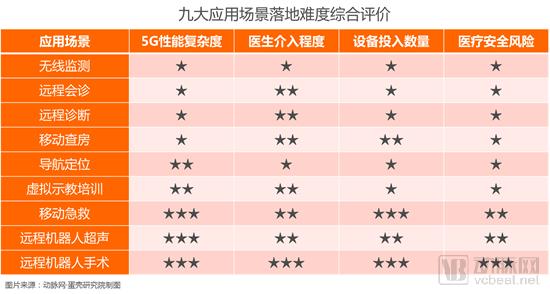
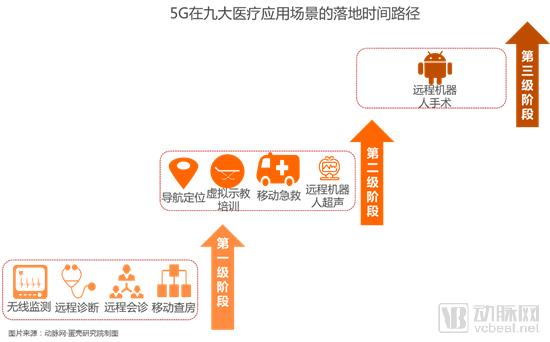
As shown in the table above, application scenarios such as wireless monitoring, remote consultation, remote diagnosis, and mobile ward rounds primarily address the challenges of medical data transmission volume and speed. These scenarios require relatively limited hardware investment, mainly consisting of high-definition video conferencing equipment and a small number of PDAs. Given their low medical safety risks, they are poised to be the first 5G application scenarios to be implemented.In contrast, navigation and positioning, as well as virtual teaching and training, have stringent latency requirements. Similarly, mobile emergency care and remote robotic ultrasound demand low latency; however, since frontline medical personnel are present on-site or patient contact is non-invasive, their safety risks are controllable. Therefore, these applications are expected to be deployed in the next phase of 5G adoption.Remote surgery, meanwhile, requires both high bandwidth and ultra-low latency. Furthermore, because physicians remotely control robotic systems to perform surgeries, significant safety hazards exist. Currently, no corresponding operational guidelines or regulatory standards have been issued. In the event of a medical accident, it would be difficult to determine liability. Consequently, the implementation of remote surgery awaits the introduction of relevant policies and standards.
Case Study: Creating a Standard Model for 5G+ Healthcare
In response to the application scenarios of 5G in the healthcare sector, hospitals have embraced 5G with proactive attitudes and actions. However, as previously mentioned, variations in requirements for 5G performance, physician involvement, investment in medical equipment, and medical safety risks across different application scenarios have led to differing timelines for implementation. So, how exactly is 5G being implemented in hospitals? We will illustrate this by examining the First Affiliated Hospital of Zhengzhou University and the First Affiliated Hospital of USTC (University of Science and Technology of China), showcasing how they are creating benchmark models for “5G+ Healthcare.”
The full report is structured as follows:
I. Evolution: 5G Brings Revolutionary Changes
1.1 The Concept of 5G
1.2 5G Architecture
1.3 Key Milestones in the 5G Process
II. Empowerment: 5G Brings Benefits to Healthcare
2.1 What 5G Brings to Healthcare
2.2 Milestones in the Application of 5G in the Healthcare Sector
2.3 How 5G Is Deployed in Hospitals
2.3.1 Network Construction Path
2.3.2 Network Deployment Process
2.3.3 Key Participants
III. Implementation: An Analysis of Application Scenarios for 5G + Healthcare
3.1 Overview of 5G+ Healthcare Application Scenarios
3.2 Application Scenario Requirement Analysis and 5G Solutions
3.2.1 Wireless Monitoring
3.2.2 Remote Diagnosis
3.2.3 Remote Consultation
3.2.4 Mobile Ward Rounds
3.2.5 Virtual Simulation Training
3.2.6 Mobile Emergency Care
3.2.7 Navigation and Positioning
3.2.8 Remote Robotic Ultrasound
3.2.9 Remote Robotic Surgery
3.3 Timeline for the Implementation of Major Application Scenarios
IV. Case Study: Establishing a Standard Model for 5G + Healthcare
4.1 The First Affiliated Hospital of Zhengzhou University
4.1.1 Background Introduction
4.1.2 Deployment Status
4.1.3 Application Scenarios
4.2 The First Affiliated Hospital of University of Science and Technology of China
4.2.1 Background Introduction
4.2.2 Deployment Status
4.2.3 Application Scenarios
V. Future: Promising Prospects, with Data Management and Key Technologies Awaiting Breakthroughs
5.1 The Market Prospects for 5G+ Healthcare Are Promising
5.2 Data Management and Operations Become a Key Initiative for Hospital 5G Deployment
5.3 Four Major Challenges Facing 5G Applications
Click here to get the full version of "20195G + Healthcare Special Report—A New Starting Point, New Opportunities》。
Special thanks to Zhai Yunkai, Director of the National Engineering Laboratory for Internet Medical Systems and Applications (Telemedicine Center of the First Affiliated Hospital of Zhengzhou University); Chen Liyuan, Healthcare Industry Manager of the Government and Enterprise Customer Department at China Telecom; Jiang Kan, Healthcare Industry Director at China Telecom Anhui Branch; as well as China Mobile and Huawei Wireless X Labs.XiangThe experts’ strong support for this report.
References:
1. Huawei Wireless X Labs: "5G Era: White Paper on Top 10 Application Scenarios"
2. China Academy of Information and Communications Technology, et al.: White Paper on Wireless Healthcare
3. IMT-2020 (5G) Promotion Group: “Bloom Cup” 5G Application Collection Competition White Paper
4. China Telecom: “5G Technology White Paper”
5. VCBeat: “With Support from Huawei and China Mobile, The First Affiliated Hospital of Zhengzhou University Completes Multiple Trials Including 5G Remote Consultations, Ultrasound, and Emergency Care”
6. VCBeat: “How Telemedicine Will Benefit from 5G Under the ‘Internet + Healthcare’ Trend”
7. VCBeat: “The ‘Year One’ of 5G Commercialization Has Arrived: How to Kick Off the Era of Smart Healthcare?”
Header image source: https://pixabay.com/