

Digital Pharma Era: 3D Printing Ignites the Customized Drug Market with FDM Technology as a Key Innovation
With the advent of 3D printing technology, the pharmaceutical industry is on the verge of the Fourth Industrial Revolution. Traditional pharmacies will achieve digital transformation through multiple channels; for instance, by leveraging 3D printers to facilitate remote medical care and adjust patients’ medication regimens.
In 3D printing technology, Fused Deposition Modeling (FDM) is a method that involves heating and melting thermoplastic filament materials to form objects. This technology can be used for the production of customized medications, offering significant advantages in fabricating tablets with specialized shapes, modulating the ratio of solid-state forms of drugs, and preparing combination drug formulations.
VCBeat (WeChat: vcbeat) has compiled a research report on 3D-printed pharmaceuticals. This report outlines the latest advancements in Fused Deposition Modeling (FDM) technology and discusses the challenges it faces. Only through the joint participation of the pharmaceutical industry and pharmacies can this technology be realized and its benefits maximized. Pharmaceutical companies can mass-produce printing materials containing active pharmaceutical ingredients (APIs) while ensuring quality and safety, whereas digital pharmacies can transform these materials into customized medications based on specific prescriptions.
Commercial 3D printers must meet the hygiene requirements for pharmaceutical formulations and comply with regulatory and patent protection standards. Although this technology is still in its early stages, 3D-printed drugs are poised to become the most significant technological leap in the history of the pharmaceutical industry, a goal that could be realized soon if progress continues smoothly.
With the development of the Industrial Revolution, particularly after the advent of soft capsule dosage forms, large-scale assembly line production has improved drug therapy. Since then, despite the emergence of modern industrial facilities and improvements in production quality, the fundamental processes of pharmaceutical manufacturing have remained unchanged.
Over the past few decades, 3D printing technology has transformed every aspect of human life, becoming one of the hallmark symbols of the Fourth Industrial Revolution. In recent years, this technology has also demonstrated significant application potential in the field of pharmaceutical formulations. Consequently, experts worldwide point out that after two centuries of development, the pharmaceutical industry finally has the opportunity to achieve a major technological leap.
Compared with traditional methods, 3D printing technology offers unique advantages in drug manufacturing. Its ability to form complex geometries freely enables it to meet the personalized needs of individual patients by fabricating tablets with specialized shapes, modulating the proportions of solid-state forms and release profiles of drugs, and preparing medications with precise dosages. Furthermore, in the fields of oral, transdermal, and implantable drug delivery, 3D printers can facilitate the production of intricate and sophisticated drug delivery devices.
However, applying 3D printing technology to large-scale drug manufacturing is not straightforward. In this regard, FDM printers may not be the optimal solution. This is due to several factors; for instance, tablet presses operate at speeds 60 times faster than 3D printers. Consequently, while 3D printers cannot match the throughput of industrial tablet presses, they certainly help address current limitations in therapeutic approaches by supplementing or replacing traditional drug manufacturing methods to meet the personalized needs of pharmacotherapy.
On the other hand, for pharmacies, the difference in speed between 3D printing and manual operations may not be as significant. 3D printers can connect to multiple terminals and perform multiple tasks simultaneously, thereby accelerating the overall process. Currently, the manual operational workflows adopted by traditional pharmacies to meet patients’ individual needs remain similar to those used hundreds of years ago. For instance, they cannot control drug release characteristics or customize specific dosage forms, and the medications produced fail to meet the quality standards stipulated by pharmacopoeias, thereby compromising patient safety.
The automation of the 3D printing process, particularly the high precision of Fused Deposition Modeling (FDM) technology, enhances the safety of pharmaceutical printing. It also helps prevent the production of substandard products and improves the quality of personalized medicines.
FDM is a 3D printing technology commonly used in the manufacture of drug delivery devices. This is due to the low cost of printers, the high printing accuracy that ensures drug quality, and the fact that hot-melt extrusion technology has been applied in the pharmaceutical field for over a decade.
The principle of FDM 3D printers is as follows: filamentary raw material is heated and softened as it passes through the heated extruder nozzle, then deposited directionally onto the XY plane of the build platform, where it cools and solidifies. After one layer is printed, the computer controls the build platform to descend along the Z-axis (or the extruder nozzle to ascend along the Z-axis), and the extruder continues printing on top of the previous layer. This process repeats until a three-dimensional object is formed. The filamentary printing materials commonly used in FDM are biodegradable solid polymer filaments.
Only through the joint participation of pharmaceutical companies and pharmacies in addressing challenges encountered during the research process can 3D-printed products truly enter the market and maximize their benefits. FDM 3D printers are portable and relatively easy to operate, making them suitable for compounding pharmacies. On the other hand, pharmaceutical companies can leverage hot-melt extrusion to mass-produce printing materials containing active pharmaceutical ingredients. These intermediate products are ultimately transformed into personalized medications for use by pharmacies.
Furthermore, 3D-printed personalized medications can address the challenges faced by telemedicine (Figure 1). As a future development trend in the healthcare sector, telemedicine offers broader prospects for the application of modern medicine. It fully leverages the advantages of medical expertise and equipment available at large hospitals or specialized medical centers, enabling physicians to provide remote diagnosis and treatment to patients in areas with limited healthcare resources. Meanwhile, 3D printing technology allows medications to be fabricated based on virtual prescriptions, facilitating the digital transformation of traditional pharmacies.
Despite the rapid development of 3D printing technology in the pharmaceutical field, and the market launch of SPRITAM® (levetiracetam), the first drug product manufactured using 3D printing technology, there remain certain technical and regulatory challenges to be addressed.
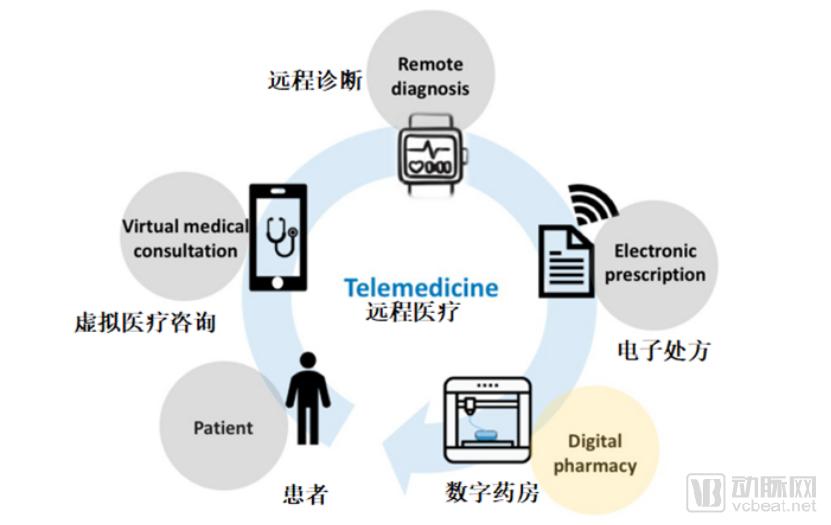
(Figure 1: Telemedicine with Digital Pharmacy Participation)
A recently published scientific report states that FDM 3D printers can fabricate a variety of drug delivery devices. A search in SciFinder using keywords such as “3D printing,” “FDM,” and “drugs” reveals that 54 related papers were published between 2014 and 2018, highlighting the application potential of this technology (Figure 2).
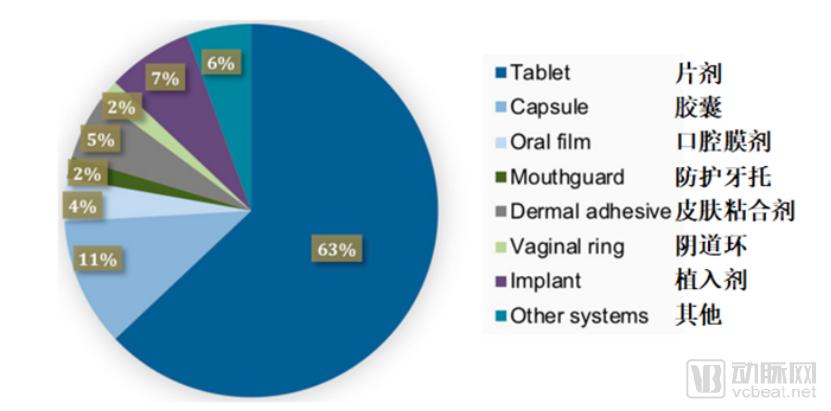
(Figure 2: In the SciFinder database, a total of 54 research papers on the use of FDM technology to print drug delivery devices were published from 2014 to 2018.)
Most reports focus on studies of oral dosage forms, with tablets accounting for the largest proportion (63%), followed by capsules (11%). Oral medications constitute more than 40% of all marketed drugs. The ability to control printing variables is an advantage of 3D-printed pharmaceuticals.
Furthermore, FDM technology can precisely formulate different medications according to patients’ individualized needs. For instance, 3D printing can be used to prepare sodium warfarin tablets with personalized dosages, as well as customized domperidone formulations that prolong gastric retention time, thereby reducing the frequency of tablet administration. Additionally, different polymers can be blended during the printing process to produce pharmaceutical products containing multiple active ingredients. For example, when printing a multi-effect “polypill,” the active pharmaceutical ingredients from paracetamol and caffeine tablets can be incorporated to ultimately modulate the drug’s release profile.
Fabricating specially shaped tablets via 3D printing can effectively improve patient adherence. Relevant studies have shown that patients are willing to try tablets of various shapes, such as donut-shaped (toroidal) ones. Candy-shaped medications can enhance children’s acceptance of oral formulations, while the incorporation of additional polymers can help mask the bitter taste of active pharmaceutical ingredients. Controlling tablet shape also aids in modulating drug release profiles, as these characteristics are related to the tablet’s surface area and volume.
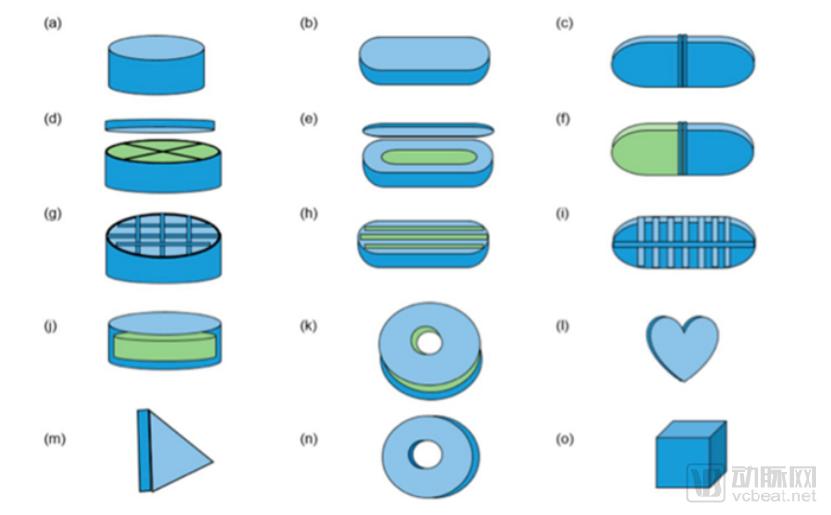
(Figure 3: Specially shaped tablets prepared via FDM 3D printing)
On the other hand, capsules fabricated using 3D printing technology exhibit superior drug efficacy. Researchers designed multilayer tablets (with two drug layers in direct contact) and two types of bilayer tablets, each containing two different active pharmaceutical ingredients, with high and low drug loading levels.
Experimental results indicated that the two components formed distinct, independent layers within the tablets, with no evidence of mutual mixing. The drug release profile from the multilayer tablets was similar to that of the individual drugs administered separately; tablets with higher drug loads exhibited slightly faster release rates. In the dual-compartment tablets, the inner layer began to release its contents only after the outer layer had been completely released. This suggests that Fused Deposition Modeling (FDM) technology can be employed to fabricate multi-component pharmaceuticals, allowing for the modulation of delayed or sustained-release characteristics through adjustments in geometry and other design parameters.
Other formulations fabricated using fused deposition modeling (FDM) technology include oral films and mouthguards. For instance, aripiprazole oral films accelerate drug dissolution through a porous polymer matrix; novel personalized drug delivery devices, shaped like mouthguards and containing clobetasol propionate, are used for the treatment of oral inflammation.
Furthermore, 3D technology can also be used to print adhesives for transdermal drug delivery. For instance, polylactic acid microneedle devices are capable of penetrating porcine skin and delivering a model drug.
In studies on the fabrication of drug delivery devices using fused deposition modeling (FDM) technology, vaginal rings and implants account for 2% and 7%, respectively (Figure 2). For instance, variations in the surface area or volume of progesterone vaginal rings can alter the drug release rate; poly(lactic acid) subcutaneous implants can provide sustained release of disulfiram; and ethylene-vinyl acetate intrauterine contraceptive devices containing indomethacin have also been developed.
In Figure 2, other complex drug delivery systems account for 6%. For example, 3D-printed devices can prolong the residence time of riboflavin tablets in gastric acid, thereby enhancing drug absorption and ensuring sustained release. Bilayer tablets can combine two drugs (rifampicin and isoniazid) for the treatment of tuberculosis.
Therefore, by leveraging 3D printing technology, we can manufacture multi-component drug formulations and modulate their release profiles by altering their shape and structure. However, although relevant trials and reports exist, research on this topic remains incomplete. Novel devices such as drug-eluting contact lenses for treating ocular diseases, polymeric pin-like implants for managing fungal infections, and head-mounted drug delivery systems for addressing alopecia are still awaiting testing.
As previously mentioned, compared with 3D printing technologies such as selective laser sintering and powder bed fusion, FDM is currently the most extensively studied technique for printing drug delivery devices. This is due to the lower cost, ease of operation, high printing precision, and good reproducibility of FDM printers. Printer brands used in several studies include MakerBot (United States), Multirap M420 (Germany), and Prusa i3 (Czech Republic). Their process variables, such as temperature, speed, and infill density, are all related to pharmaceutical production variables.
Nevertheless, there is currently no viable business model for the application of such formulations. A recent study pointed out that to meet the needs of pharmaceutical production, pharmaceutical companies must make extensive modifications to commercial machinery.
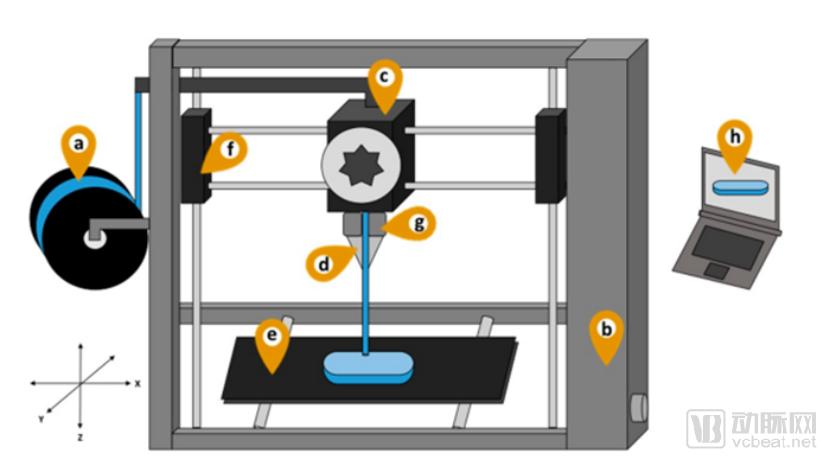
(Figure 4: FDM 3D Printer)
In Figure 4, the spool at position a contains drug-loaded filamentary material that has been heated and melted. It is connected to the printer via a catheter, then passes through a gear system to reach the device’s print head. However, during the printing process, the raw material on the spool may not be adequately protected, which can lead to cross-contamination of the spool.
To address this issue, researchers covered the entire spool with an enclosed compartment and applied continuous heating to achieve better printing results. The box for storing filament can be used in conjunction with 3D printers to prevent moisture absorption or dust contamination. The printer enclosure (Fig. 4b) should also be sealed to prevent contamination.
To comply with Good Manufacturing Practice (GMP) standards, all printer components that come into direct contact with drug-loaded filament materials, such as nozzles, should be made of inert materials that are easy to clean. Therefore, stainless steel is the most suitable material. Similar to hot-melt extruders, using cleaning polymers may be more efficient than using solvents and chemical agents (such as water and soap) for removing residues from the machine. Furthermore, mechanical components of FDM printers, such as motors (Figure 4f), need to be fully enclosed to prevent lubricant leakage.
The thermal processing involved in fused deposition modeling (FDM) printing can affect drug stability, a risk that cannot be overlooked. Indeed, in the initial applications of this technology, researchers have already noted stability issues with thermosensitive drugs. They have employed polymers with lower glass transition temperatures or plasticizers to reduce the nozzle temperature. Therefore, a key focus for pharmaceutical applications is the need for more precise and sensitive control of the heater temperature (Figure 4g). Excessive temperatures may alter the viscoelastic properties of the polymer and the drug release profile, ultimately compromising product stability.
Another operational issue is the lack of flexibility in nozzle size (Figure 4d), as the standard diameter for commercial filament materials is 1.75 mm. However, during pharmaceutical processing, many polymer materials exhibit viscoelastic properties, leading to inconsistent diameters after processing. In such cases, it is necessary to select a printer equipped with an adjustable nozzle.
Furthermore, FDM printers equipped with multiple nozzles can perform batch printing, thereby reducing production time. They can even be connected to multiple feeders, allowing continuous printing without the need to change raw materials. Currently, there are commercial printers that meet these requirements, such as the Stacker S4 (USA), a multi-nozzle 3D printer capable of executing four tasks simultaneously. Additionally, the Rova3D (Canada) features nozzles with diameters of 0.2 mm, 0.35 mm, 0.5 mm, 0.7 mm, and 1.0 mm, enabling it to perform five tasks concurrently.
To enhance the performance and automation of 3D printers, technicians need to use pistons or syringes compatible with the printer to load drug-containing liquids or semi-solids into the printer’s carriage. For instance, thermogelling materials such as poloxamers can modulate drug release profiles. Hyrel 3D, a U.S.-based company, has developed a product line featuring various printer nozzles. By assembling these nozzles onto the printer, different materials can be processed, including thermal nozzles for FDM filamentary materials, heated and cooled nozzles for pastes and resins, and cooled nozzles for liquids and gels.
The software used to control the printer (Figure 4h) can receive electronic prescriptions from physicians and recommend the most suitable printing parameters. Technicians, in accordance with the raw material manufacturer’s specifications, provide additional, more complex information such as nozzle diameter, build platform temperature, printing speed, layer height, and infill density. Relevant personnel should be trained and competent in operating the equipment. When designing product geometry, shapes should be pre-selected from a database to save time.
Currently, dozens of research groups worldwide are rapidly advancing FDM 3D printing technology for the fabrication of various drug delivery devices. However, in light of existing extrusion technologies, only through close collaboration between pharmaceutical companies and pharmacies to establish a complementary production chain can new markets be unlocked, thereby rendering this technology truly commercially viable.
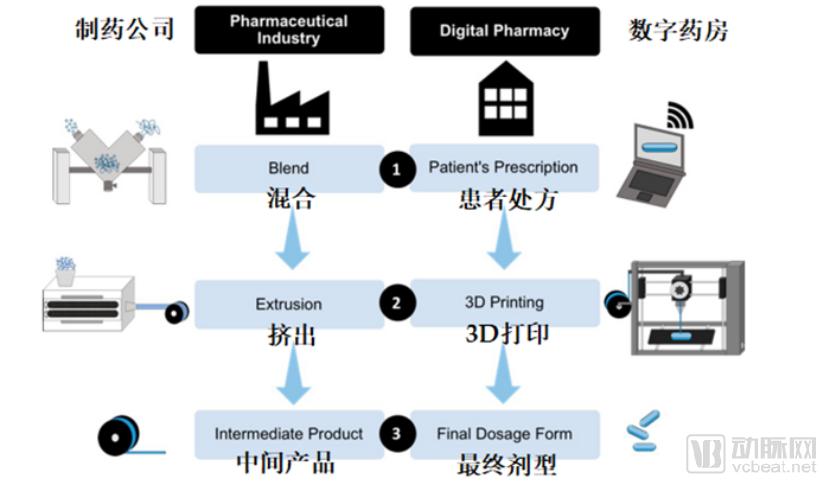
(Figure 5: Industrial production of filament materials and printing of personalized medicines)
Pharmaceutical Industry: Production of Filamentous Materials Using Hot-Melt Extrusion Technology
Drug-loaded polymer filaments for 3D printing can be fabricated using hot-melt extrusion (HME) technology. The entire production process primarily consists of three steps (Figure 5): First, all relevant materials are thoroughly mixed; then, the mixture is heated and extruded through a hot-melt extruder; finally, the resulting polymer filament is wound onto spools. This intermediate product should be sealed in packaging to prevent degradation until it is delivered to the pharmacy.
In the initial phase, pharmaceutical companies producing raw materials should develop products based on the selected drug and the required drug release characteristics. At this stage, the design of both the drug formulation and the hot-melt extrusion process should adhere to the following principle: Quality by Design.
In recent years, researchers have begun to focus on the application of hot-melt extrusion (HME) in the pharmaceutical field. Through studies of thermal and rheological properties, they have determined the compatibility among different components, as well as their suitability for hot-melt extrusion technology and 3D printing. Subsequently, researchers conducted stability tests on related products to determine their shelf life. They also employed polymers with certain solubilizing properties (such as dissolution rate and pH) to produce filamentous materials, thereby modifying the drug release profiles.
The diameter of filament is critical to the 3D printing process. Improper dimensions can lead to extruder clogging or reduced feed rates. Some highly hygroscopic polymers may experience an increase in diameter, hindering the smooth passage of raw material through the printer. Additionally, the heating process can affect the diameter; therefore, in certain cases, it is necessary to connect an external pulley equipped with a cooling system to the extruder.
Routine quality control tests include assessments of dimensions, rheological properties, tensile strength, thermal behavior, and drug composition. Furthermore, dissolution apparatus or Franz diffusion cells are employed to evaluate drug release characteristics.
Digital Pharmacy: Utilizing FDM Technology to Print Personalized Medications
Currently, some pharmacies have been equipped with the necessary infrastructure to manufacture 3D-printed drug delivery devices. In fact, FDM (Fused Deposition Modeling) 3D printers are the most suitable option, as they do not require significant modifications. In pharmacies engaged in compounding, pharmaceutical equipment can be set up on workbenches in the solid and liquid preparation rooms, as it requires electrical power to operate.
In the control room, printers can be connected to the network via one or more computers equipped with the necessary interfaces. Physicians remotely transmit prescriptions, which are then reviewed and modified by pharmacists upon authorization from the pharmacy management department, before being sent to available printers for printing. Thus, by purchasing printers and related software, along with providing staff training, conventional pharmacies can be transformed into digital pharmacies.
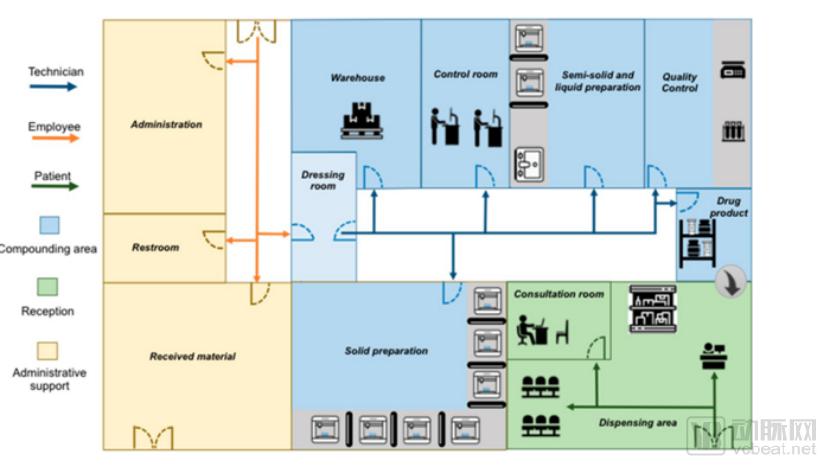
(Figure 6: Digital pharmacy equipped with an FDM 3D printer)
The pharmaceutical manufacturing process is primarily divided into three steps (Figure 5): First, based on information provided by the raw material manufacturer and the formulation, technicians use printer software to set relevant parameters, such as fill rate, speed, resolution, and temperature. Additionally, an appropriate dosage form geometry must be selected from the database. FDM printers must be compatible with the specifications of the raw materials to ensure that the intermediate products comply with process standards.
The second step involves spool connection and printing. During the printing process, to avoid waste and exposure of the filament, an appropriate amount of raw material should be selected and transferred onto smaller spools. The remaining filament should be sealed using a vacuum device. As previously mentioned, FDM 3D printers can produce personalized medications tailored to patients’ specific needs.
In Phase III, in accordance with relevant regulations, technicians package the manufactured drug delivery devices and then hand them over to patients in the reception area. The printer must be cleaned before reprinting with different materials.
In addition to selecting polymers with modulatory effects, drug release profiles can be controlled by adjusting printing parameters such as infill density, infill pattern, or printing speed. Without changing the dosage form, different filament materials can be selected to achieve the desired structure. For example, Mosaic Manufacturing, a Canadian company, has launched the Palette 2, a 3D printing device that combines different filament materials according to the required 3D structure.
Quality control of finished pharmaceutical products should align with current standards for solid dosage forms, including testing for average mass and organoleptic properties. Due to the high degree of automation in the 3D printing process, fewer production steps, and reduced risk of human error, product safety can be effectively ensured. Other characteristics of the drug delivery device, such as hardness, friability, drug composition, and drug release profiles, may be verified during testing or subject to sampling inspections in accordance with regulatory requirements in various countries.
Relevant studies have shown that errors in compounding pharmacies, such as weighing inaccuracies, can lead to patient poisoning, a problem that 3D printing technology can effectively address. Furthermore, several analytical methods are available for the quality control of three-dimensional structures. One approach involves tools capable of analyzing batch products, such as near-infrared spectroscopy (NIRS), which offers sensitivity comparable to chromatography in determining drug ingredients. Another method is terahertz imaging technology, which can perform depth scans within milliseconds to provide information on the product’s microstructure. These novel analytical methods can effectively ensure the safety of 3D-printed pharmaceuticals.
In recent years, 3D printing of medical products has garnered global attention, particularly for customized devices such as cranial implants, artificial knee joints, and spinal prostheses. These products are marketed in compliance with current FDA regulations. In 2017, the FDA issued a draft guidance on 3D printing for medical device manufacturers; beyond this, there are currently no specific regulatory provisions governing the 3D printing of other medical products.
In 2015, the FDA approved the first 3D-printed drug, Spritam® (levetiracetam). This technological advancement has drawn attention to 3D-printed drug delivery devices. However, despite rapid development in this field, certain legal and regulatory issues remain to be addressed.
Spritam is an orally disintegrating tablet for the treatment of epilepsy, approved under current regulations for large-scale industrial manufacturing. Its design enables rapid dissolution of a high dose of the active ingredient (1000 mg levetiracetam). Compared with other technologies such as tableting, 3D printing can address issues related to product shape design and promote the development of the pharmaceutical industry, for example by enabling customized formulations, designing multi-drug “polypills,” and facilitating small-batch production of orphan drugs.
Over the past decade, many 3D printing technologies have ceased to be the exclusive domain of a select few, enabling both the public and pharmaceutical companies to better utilize 3D printing equipment. In the patent application process, with regard to the intellectual property rights of 3D-printed drugs, they should be certified as either innovative processes or products. The patent holder enjoys patent rights over their product or process until the expiration of the patent term; meanwhile, no entity or individual may use, manufacture, or sell the patented product without the permission of the patent holder.
However, under the intellectual property laws of certain countries (such as the United Kingdom and Brazil), it is not considered infringement for licensed physicians to issue extemporaneous prescriptions for specific patients. Unlike in the United States and Europe, Brazil has approximately 16,000 compounding pharmacies, which account for only a small fraction of the market yet process more than 60 million prescriptions annually. If such pharmacies do not pose a threat to large pharmaceutical companies, the technological leap forward by digital pharmacies may nonetheless reshape the global market landscape.
However, this may also trigger serious legal disputes. Other patented technologies can regain their competitive advantage, not due to flaws in the new technology, but for economic reasons. Examples include microneedles utilizing iontophoresis or sonophoresis, and patches designed to enhance drug release.
It is well known that the pharmaceutical industry manages risk by expanding the scope of existing technologies rather than adopting new products. However, the distinction between these two approaches lies in their differing demand chains. This disparity does not originate from pharmaceutical companies responsible for product design and promotion, but rather from patients or healthcare professionals. They place demands on small pharmacies engaged in compounding, which are ultimately relayed back to the manufacturers supplying raw materials.
As research in this field expands and pharmacies begin to make small-scale investments in new technologies, the pharmaceutical industry may be compelled to respond to these demands. Consequently, the aforementioned risks will ultimately diminish, leading to a more optimistic outlook.
As a versatile technology, fused deposition modeling (FDM) 3D printing is widely used in the fabrication of various drug delivery devices. Currently, research teams worldwide are investigating the nuances of the manufacturing process. Despite significant progress made to date, it remains essential to develop practical strategies to enhance the performance of these products.
It is undeniable that 3D printing holds immense potential in the development of personalized medicines. However, technology remains the foundation for practical application. A viable production process requires the joint participation of pharmaceutical companies (for large-scale production of raw materials) and digital pharmacies (for printing medications according to patients’ specific prescriptions). Furthermore, regulatory agencies and patent offices should collaborate with pharmaceutical companies to jointly pioneer new markets for 3D-printed drugs.
[Original Link]