
Percutek Therapeutics
Developer of Minimally Invasive Cardiovascular Treatment Devices

Recently,Professor Minglin Zhu from Zhongnan Hospital of Wuhan University and Professor Jinjian Wang's team from Xianning First People's Hospital (Xianning Hospital of Zhongnan Hospital of Wuhan University)Joining hands, successfully completed two complex thoracic aortic dissection TEVAR surgeries, bringing new hope to the patients.
Two challenging cases: one with a chronic dissection that suddenly worsened, and another acutely triggered by a car accident, both facing the problem of insufficient proximal anchoring area. The surgical plan must completely seal off the lesion while preserving blood flow to key branches, posing extremely high demands.
After thorough evaluation, the team innovatively adopted the new process thoracic aortic stent graft system from Percutek Therapeutics, combined with meticulous CTO guidewire perforation technology, to perform an in-situ fenestration of the left subclavian artery for the patient. This procedure ingeniously isolated the lesion while reconstructing the blood flow channel of the important vessels.
The surgical procedure went smoothly, and postoperative angiography showed that the aortic lesion was completely isolated, with unobstructed blood flow in all branches. The success of these two surgeries not only eliminated the life-threatening risk for the patients but also provided a strong guarantee for their future quality of life.

Case1·Medical History Introduction
Gender:Male
Age:69 years old
Chief Complaint:Chest tightness and shortness of breath for 8 years, worsened in the past 2 months.
History of Present Illness:The patient began experiencing chest tightness and shortness of breath 8 years ago, with symptoms significantly worsening after physical activity, occasional coughing, and was diagnosed at another hospital with Type B aortic dissection, emphysema, and bullae. The dissection was managed conservatively. Symptoms worsened 2 months ago, leading to hospitalization at another facility (details unknown), without improvement. The patient has now come to our hospital for further diagnosis and treatment and was admitted through the outpatient department with "chest tightness."
Past Medical History:History of old pulmonary tuberculosis, history of emphysema and bullae, history of coronary heart disease, history of hypertension.
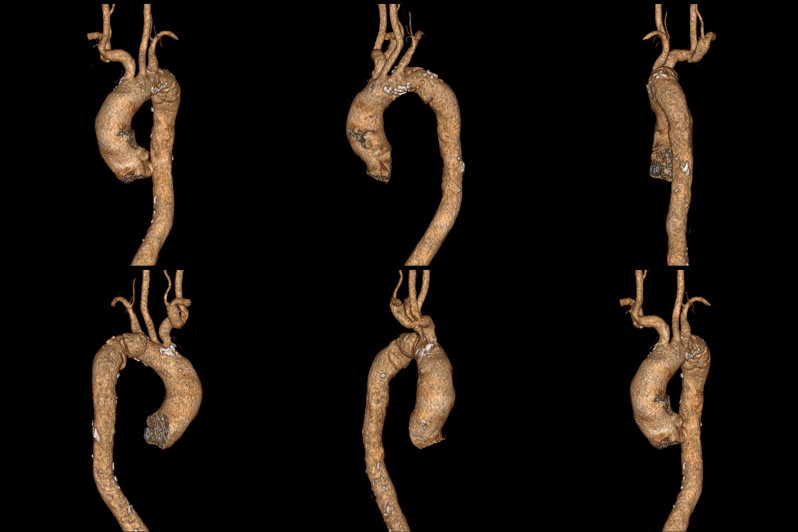
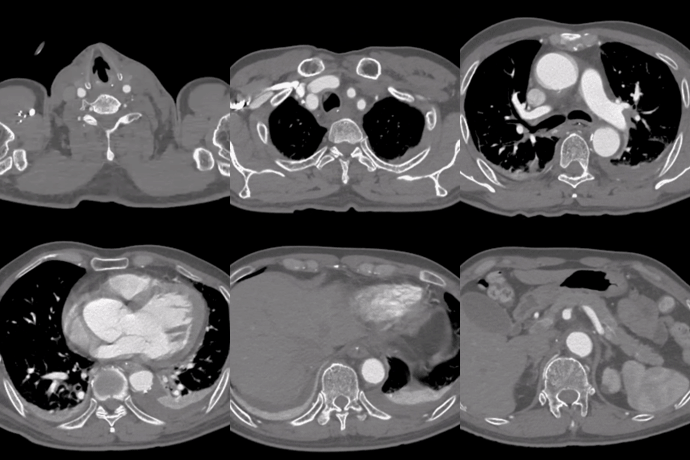
Detailed Explanation of CTA:Thoracic DescentAortic dissection aneurysm, localized thickening of bilateral pleura, dilated ascending aorta, mild aortic valve insufficiency; the first tear is approximately 18mm away from the LSA, retrograde involving the root of LSA with localized dilation of LSA; severe mural thrombus in the descending thoracic aorta, with a dilated diameter of about 67*61mm; the left common carotid artery (LCCA) is approximately 8mm away from the LSA, and the aortic diameter at the posterior edge of the LCCA root opening is about 35.5mm; left vertebral dominance.
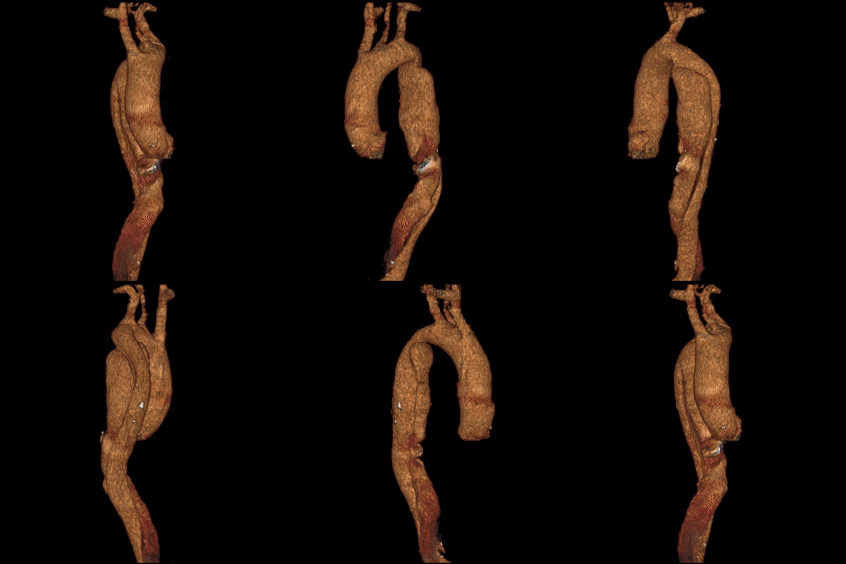
Preoperative Three-dimensional Reconstruction
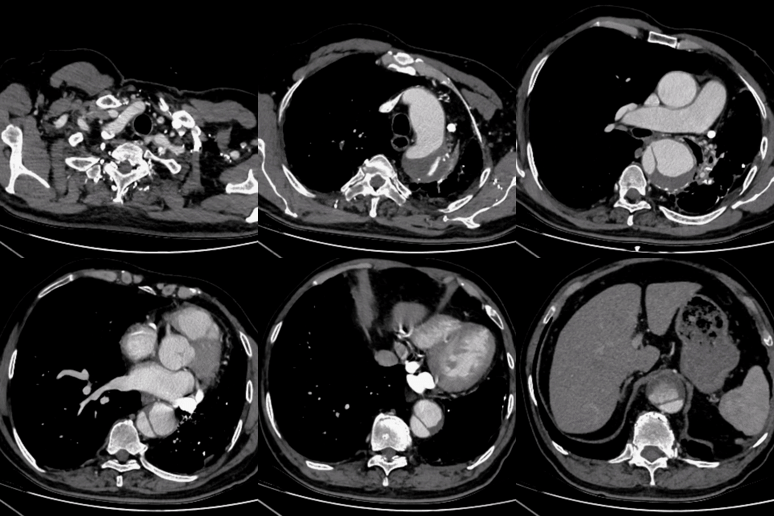
Preoperative CTA Cross-Section
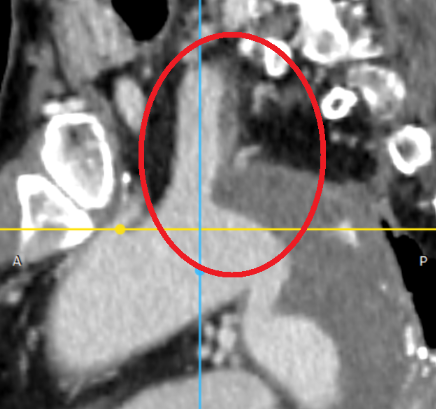
Lesion involves LSA
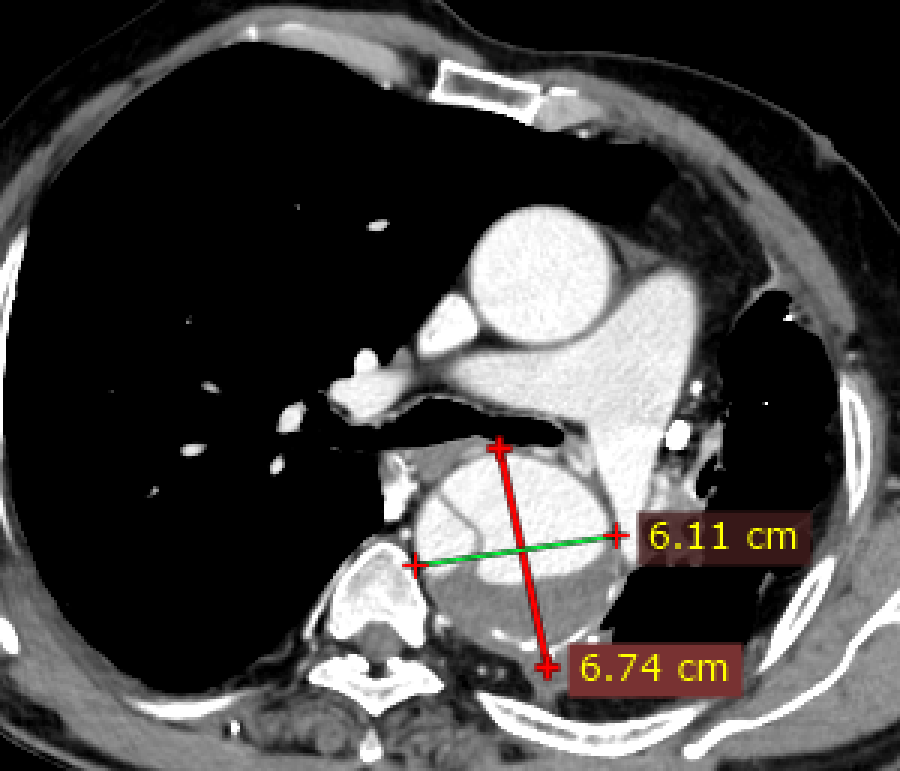
Severe thrombosis in the descending aorta, with diameter dilation

Chronic TBAD for 8 years, with recent exacerbation and rapid expansion. The expanded diameter has reached 67*61mm, clearly indicating the need for surgical intervention. Additionally, there is evidence of poor distal perfusion, making the condition complex with a high risk of progression.
Retrograde dissection involves the root of the LSA, leading to a severe shortage of the proximal anchoring zone. It is necessary to extend the anchoring zone proximally to ensure surgical outcomes, but during the extension, the LSA branch must be reconstructed simultaneously to avoid affecting the relevant blood supply.
The diameter of the first tear in the dissection is approximately 39mm, with a large opening, posing extremely high requirements for the sealing and stability of the covered stent. It is necessary to ensure that the stent can effectively isolate the lesion and prevent complications such as endoleaks.
The patient has multiple underlying diseases, such as old pulmonary tuberculosis, emphysema, bullae, coronary heart disease, and hypertension, which increase the risks during the perioperative period of surgery and the difficulty of postoperative recovery, thus demanding higher safety and tolerance for the surgical plan.

Treatment Strategy
To address the issue of insufficient proximal anchoring zones, the new technology thoracic aortic stent graft from Percutek Therapeutics is used in combination with in-situ fenestration techniques. This stent exhibits excellent flexibility and meets the need for gentle manipulation in calcified vessels. Fenestration is achieved by penetrating the membrane with the soft tip of a 0.018" CTO guidewire, extending the effective anchoring zone and ensuring the isolation of the lesion.
Select a covered stent with excellent occlusivity and stability to precisely seal the large 39mm rupture, ensuring effective isolation of the lesion and reducing the risk of postoperative endoleaks.
Comprehensive preoperative assessment of the patient's underlying conditions, formulation of an individualized perioperative management plan, gentle intraoperative procedures, enhanced postoperative monitoring of vital signs and prevention/control of complications, balancing surgical efficacy with patient safety, laying a foundation for postoperative recovery.

01.The patient was in the supine position, routinely disinfected and draped. A 5F vascular sheath was inserted through the left femoral artery puncture, and a pigtail catheter was advanced with a mucus wire to the ascending aorta. Angiography revealed a dissecting aneurysm of the descending aorta.
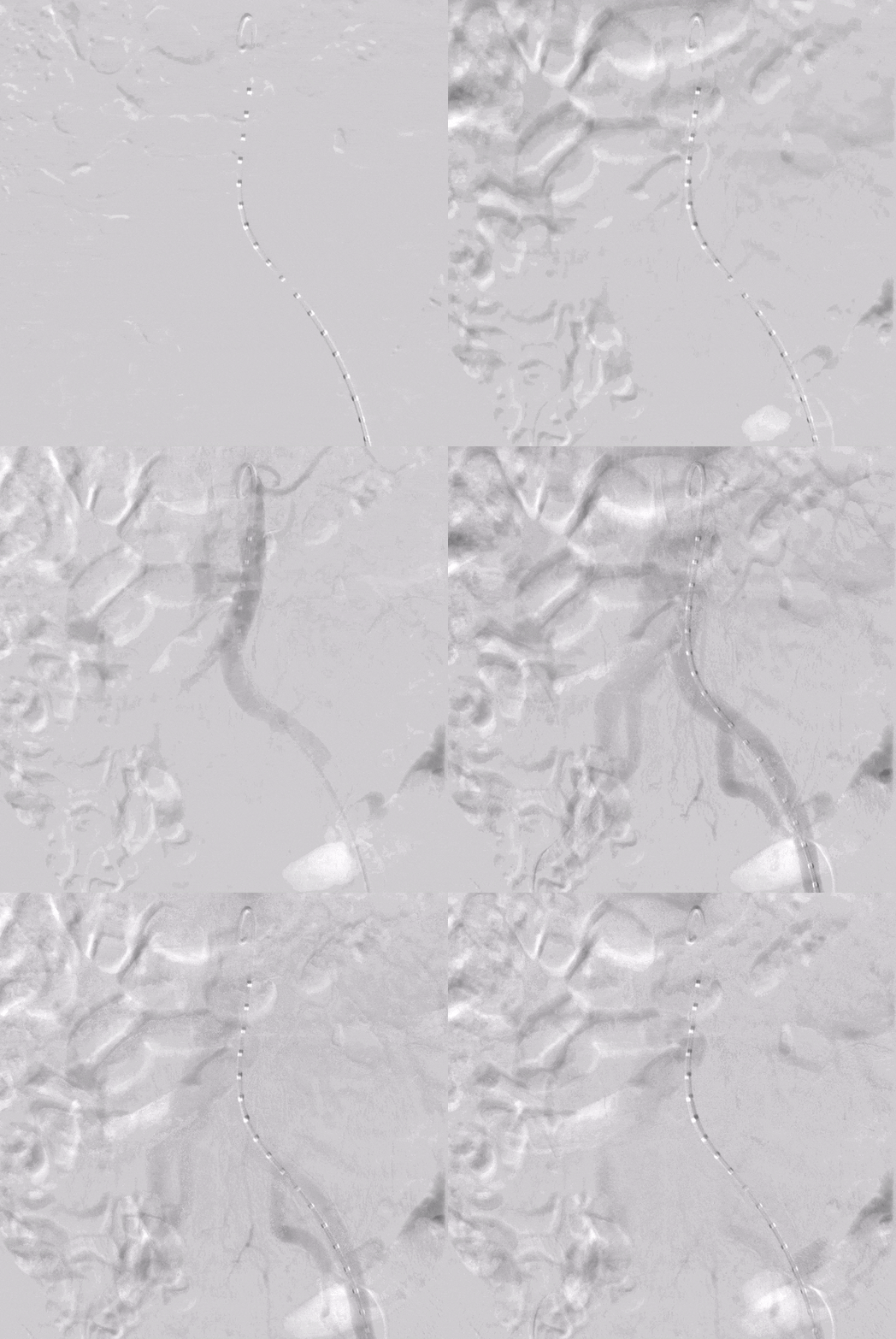
Abdominal Aortography
Angiography was performed during the advancement of the pigtail catheter to the ascending aorta to confirm its position.
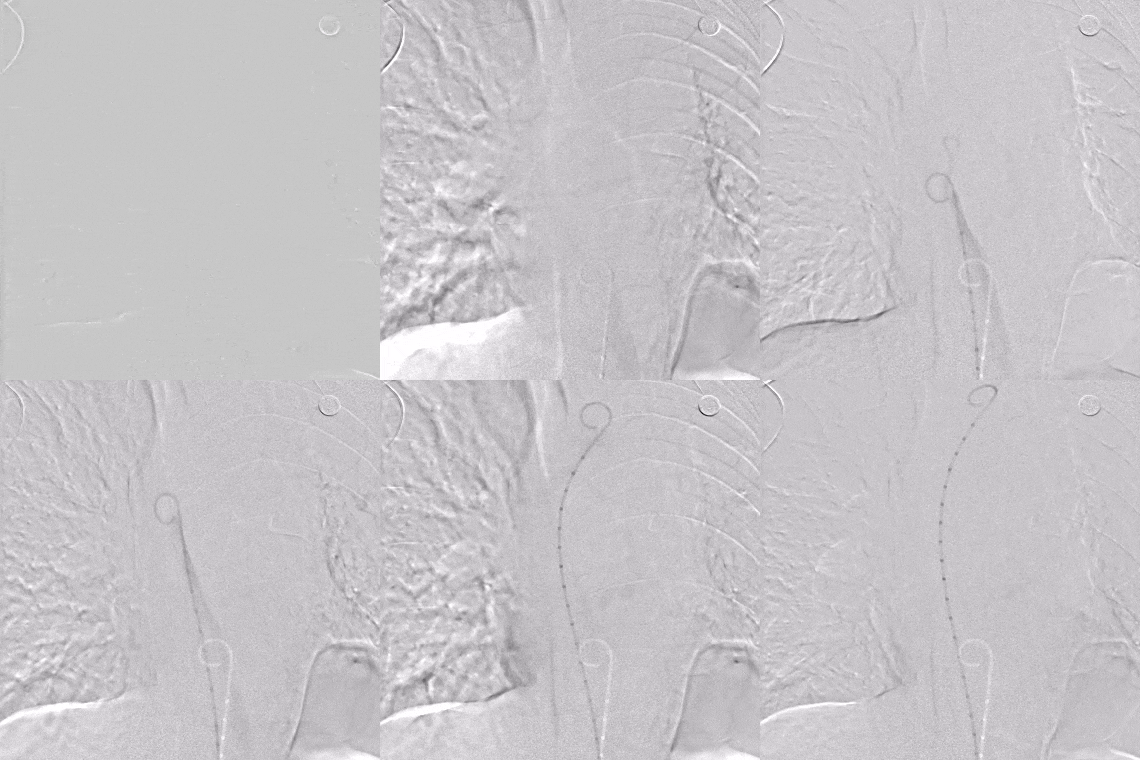
02.Puncture the left brachial artery, insert an MPA catheter and then introduce a pigtail catheter into the ascending aorta; Insert a stiff guidewire through the left femoral artery into the ascending aorta and exchange for a 22F large sheath; Puncture the right femoral artery to insert a 5F vascular sheath.
Pigtail catheter inserted through the left brachial artery into the ascending aorta
Thoracic Angiography
03.Implanted via the left femoral artery with Percutek Therapeutics®The thoracic aortic stent graft PTBS3834180 was positioned at the aortic arch. Angiography confirmed the proximal end of the stent graft membrane was aligned with the posterior edge of the LCCA root opening, after which it was released.
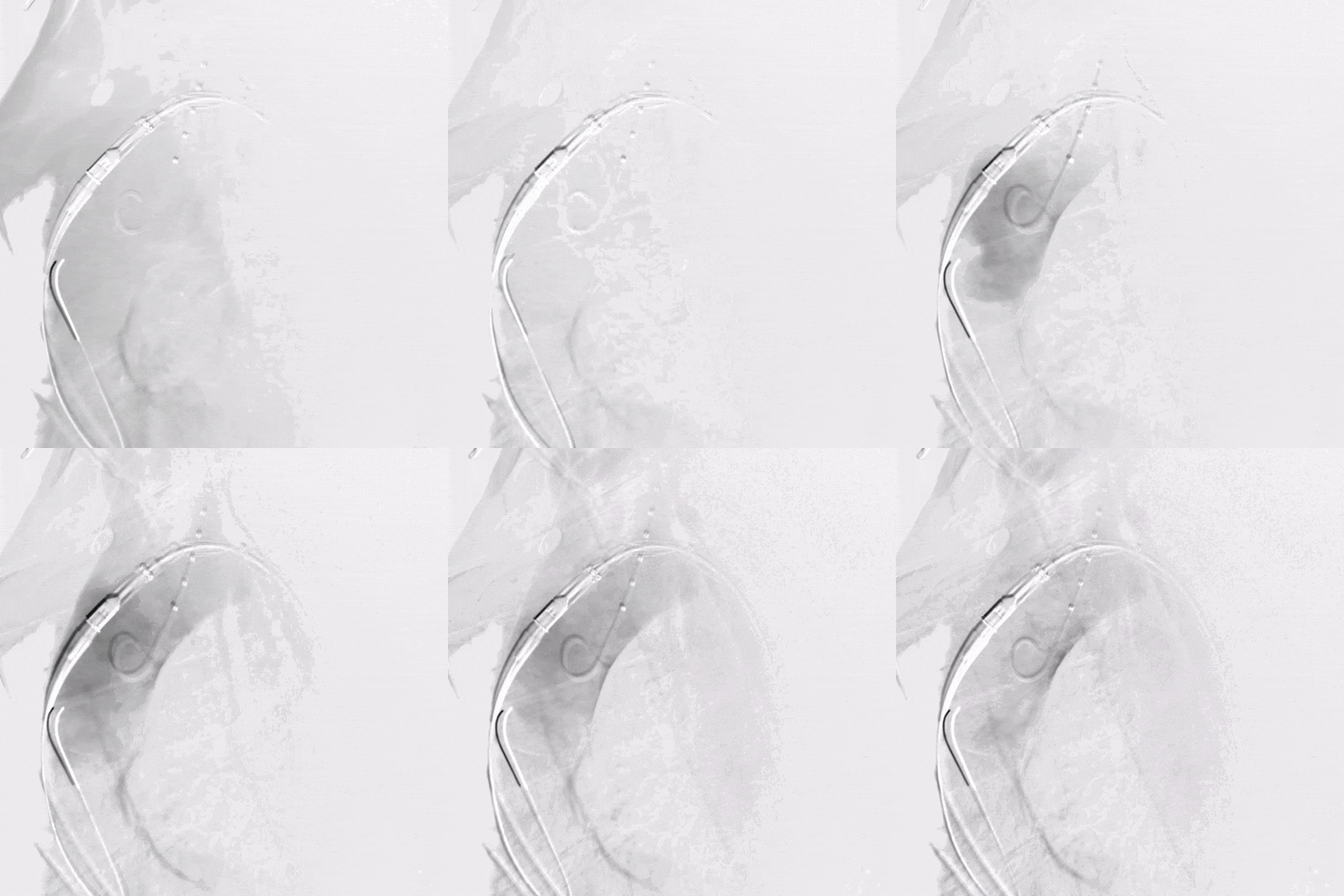
Implant Percutek, Angiographic Positioning
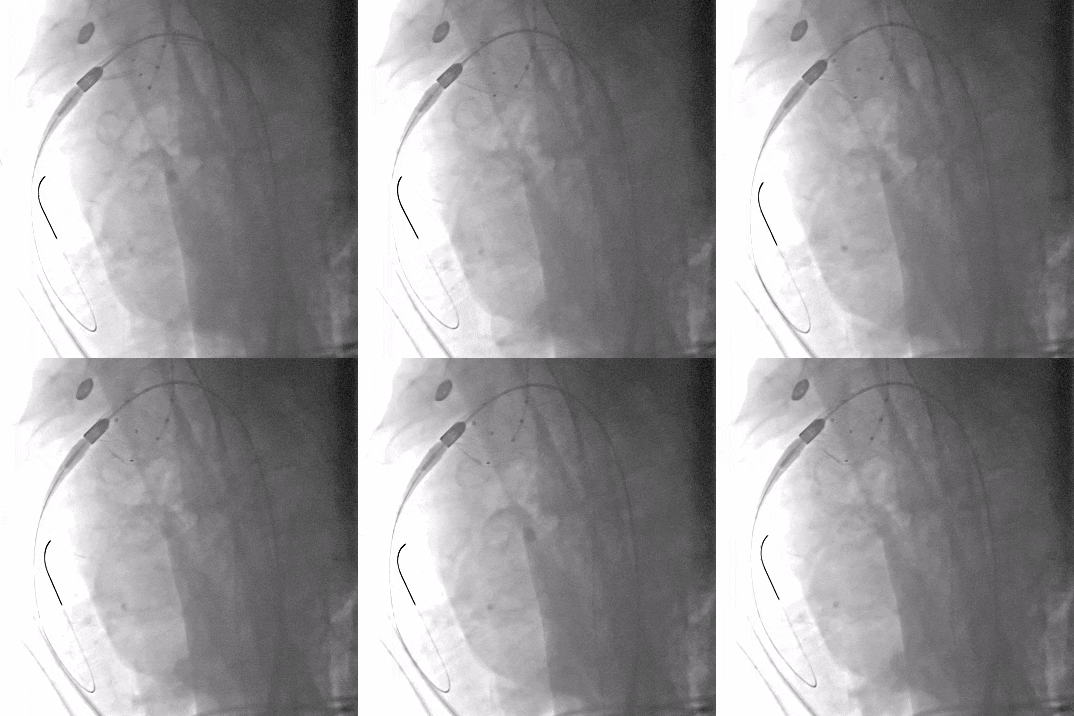
Release Percutek Therapeutics
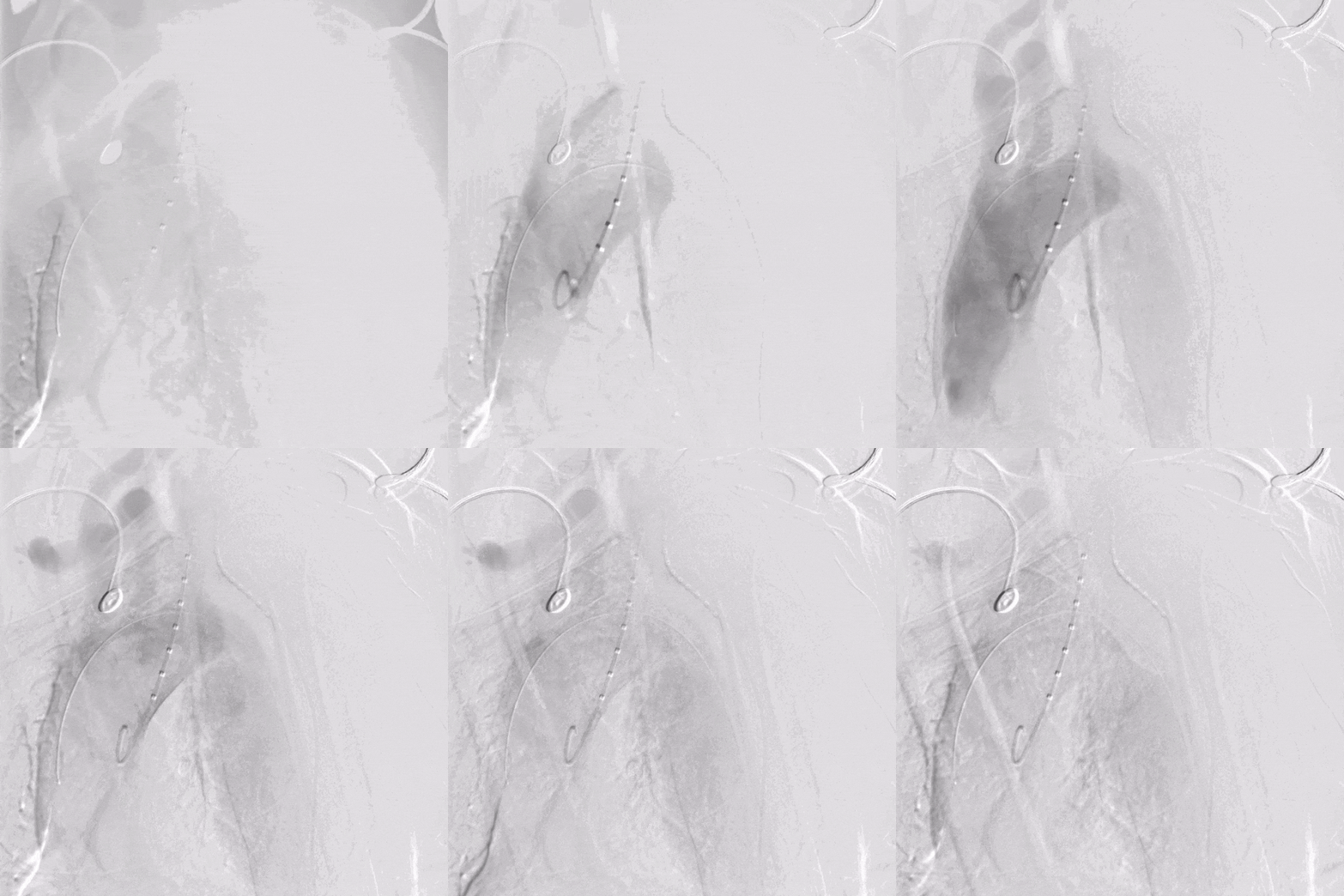
04.A 6F steerable sheath and Connect 250T guidewire were inserted through the left brachial artery. The guidewire, in conjunction with a single-curve catheter, successfully penetrated the membrane and created a fenestration. The guidewire was then adjusted to enter the distal descending aorta.
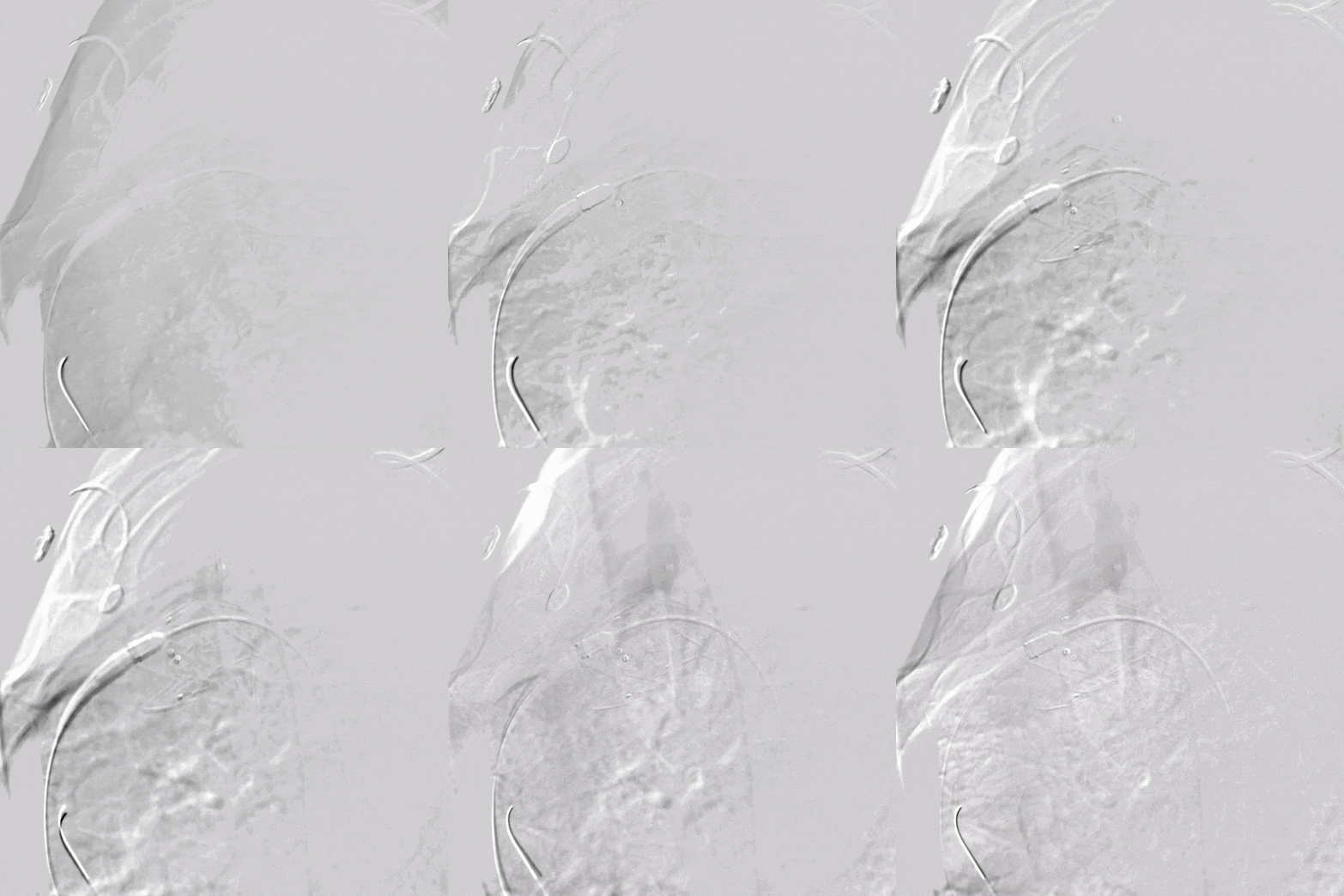
LSA Adjustable Bend Sheath Angiography
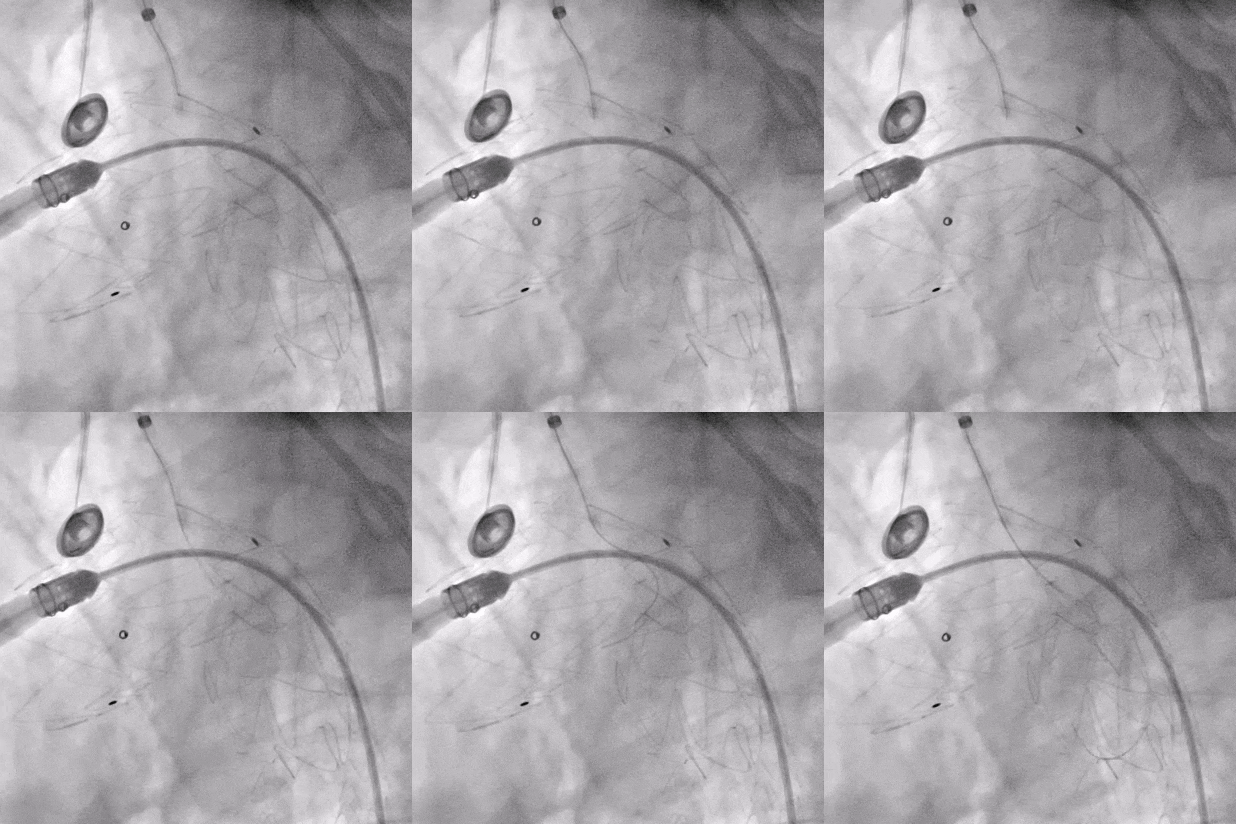
250T Guidewire Perforation and Fenestration
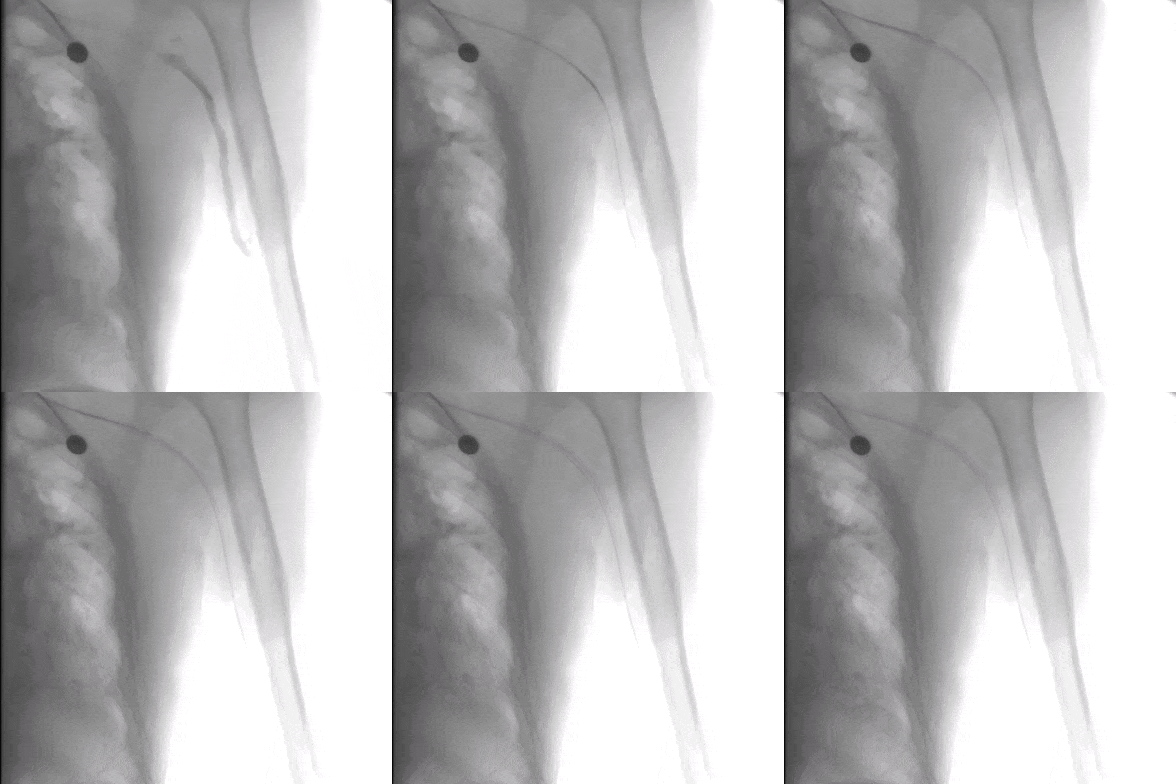
05.Sequentially place 2mm and 4mm balloon catheters to dilate the fenestration, then advance a single-curve catheter into the stent, exchange a 0.035" guidewire to the abdominal aorta, and introduce a 6mm balloon to further dilate the fenestration.
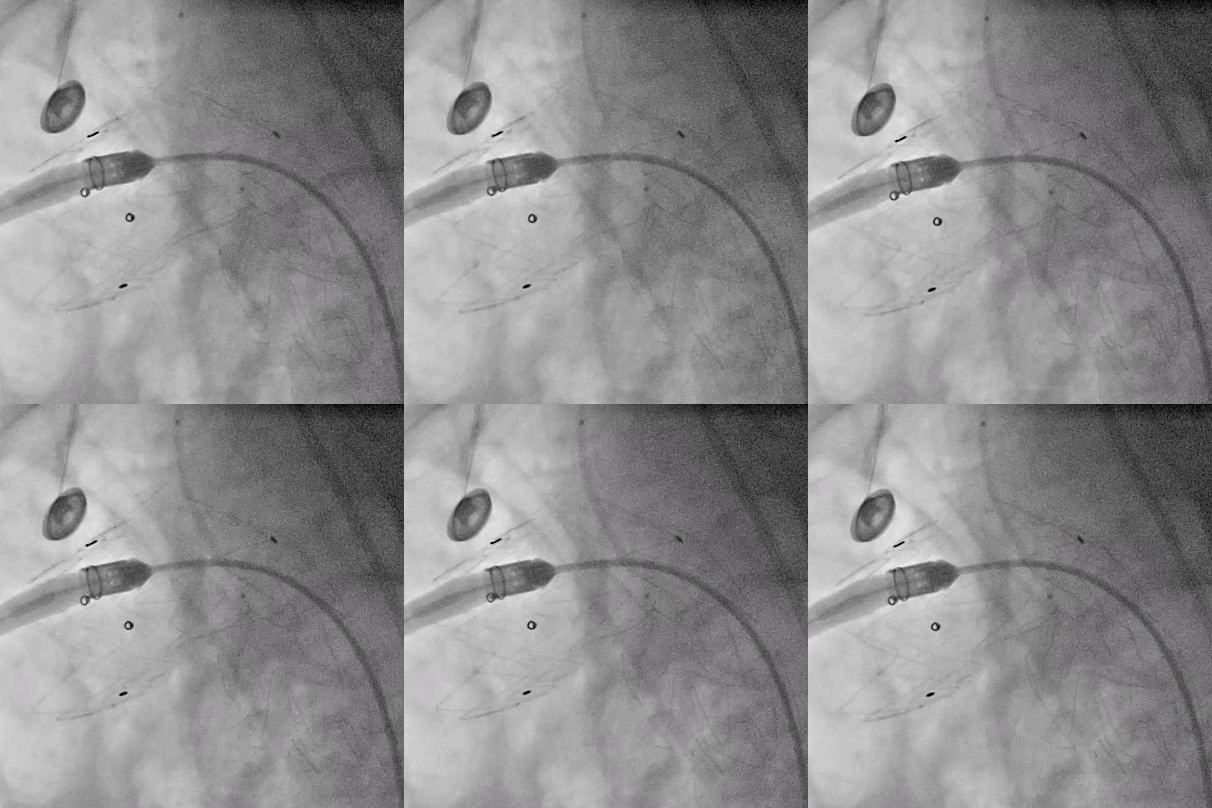
2mm Balloon Dilation Opening
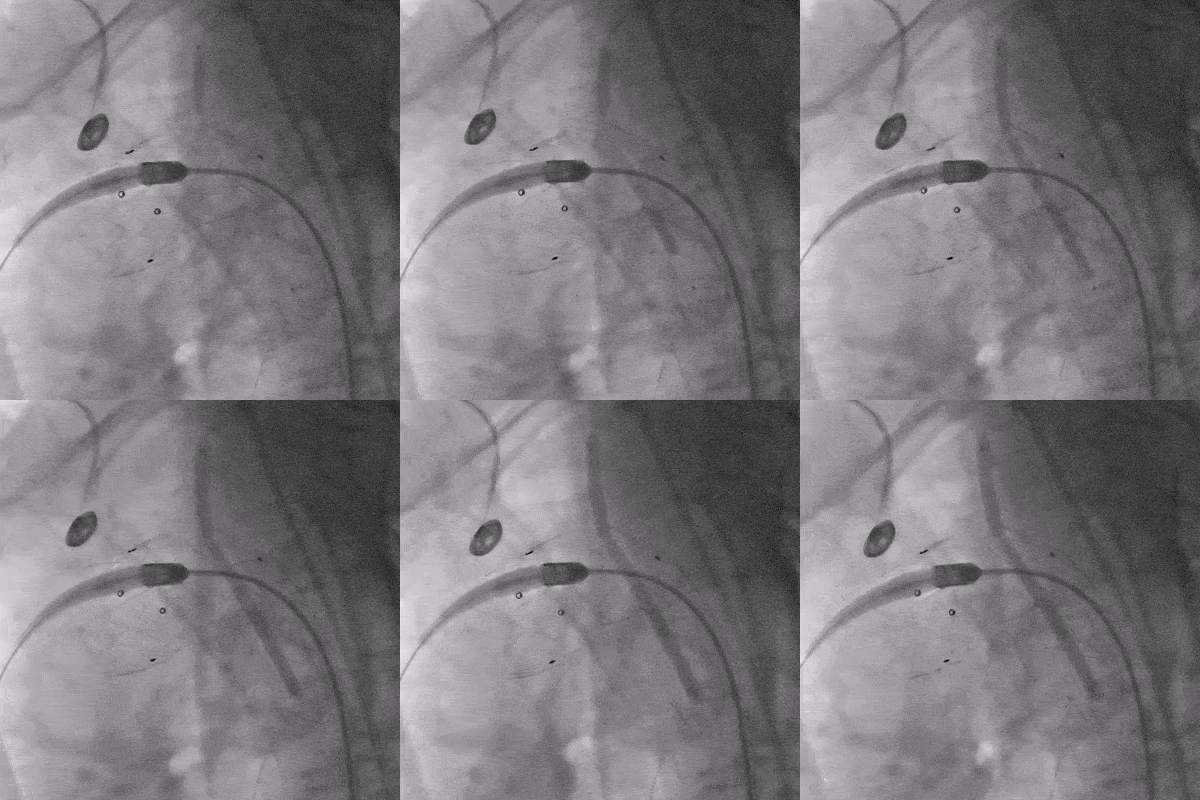
4mm Balloon Dilation Opening
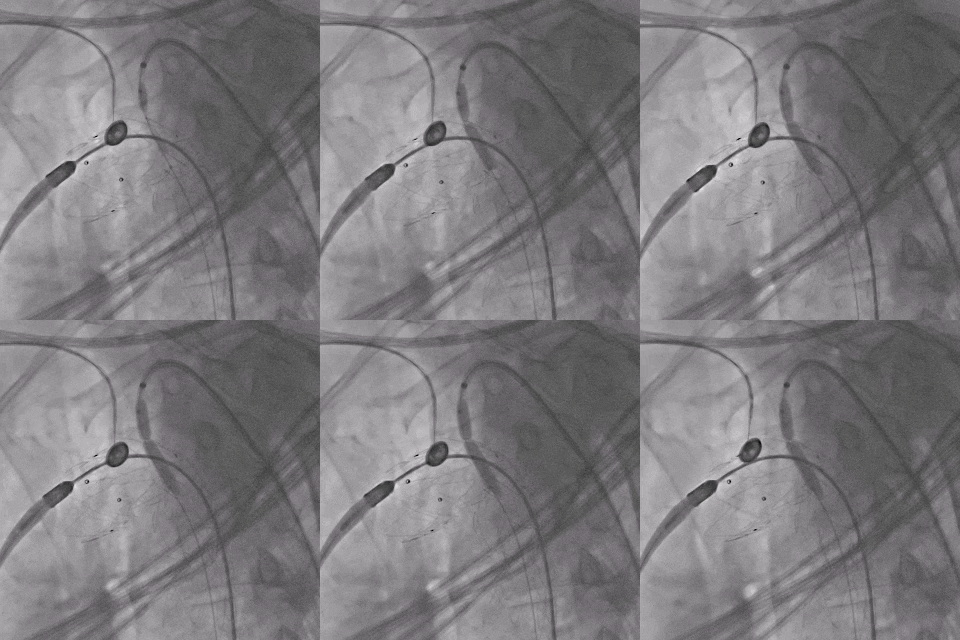
6mm Balloon Dilation Opening
06.A snare was inserted through the right femoral artery to capture the LSA approach mucus wire, and then extracted through the right femoral artery to create tension. An 8mm balloon was inserted over the tension wire to dilate and open the window.
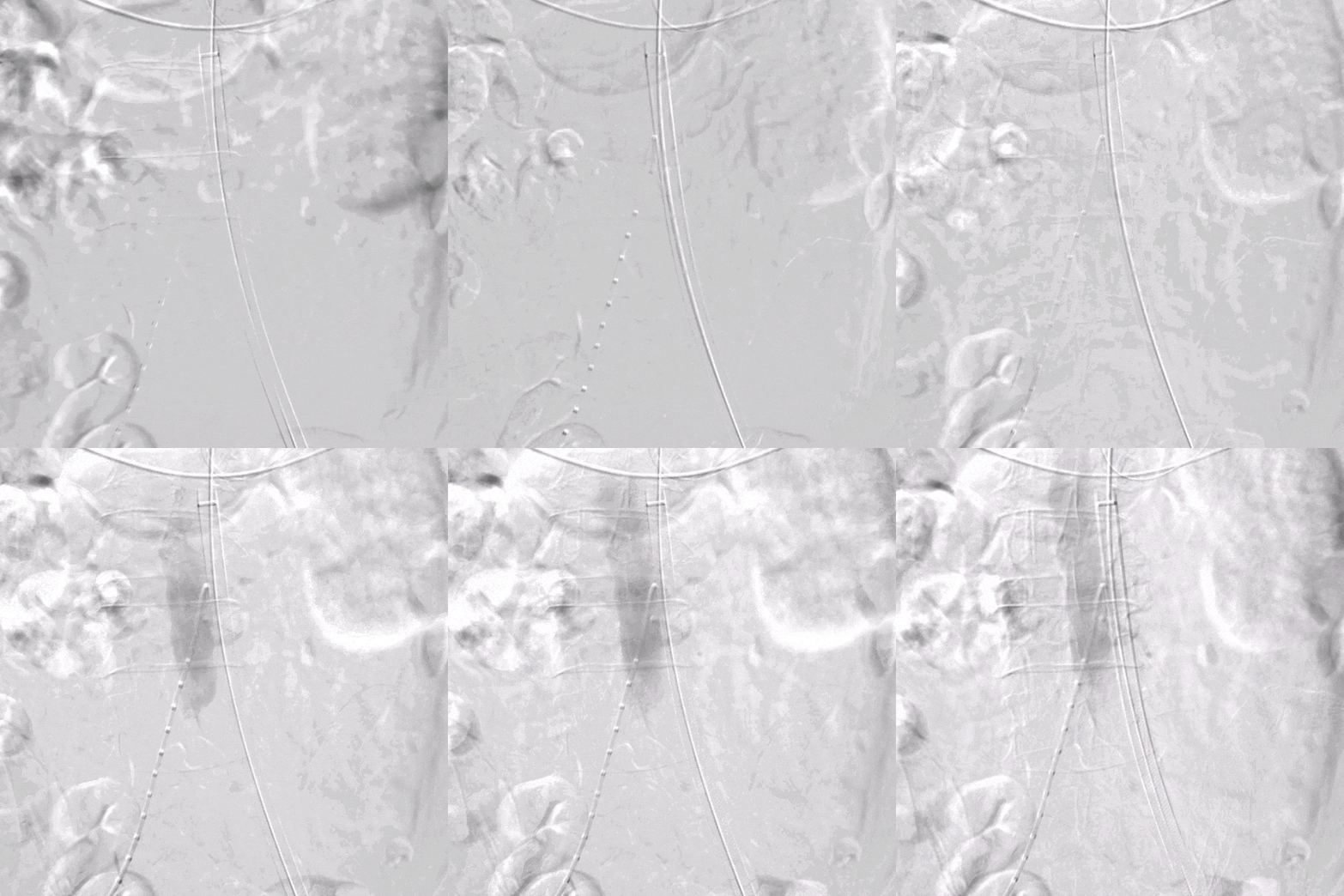
Import the catheter from the right side, and adjust the catheter to the true lumen after angiography.
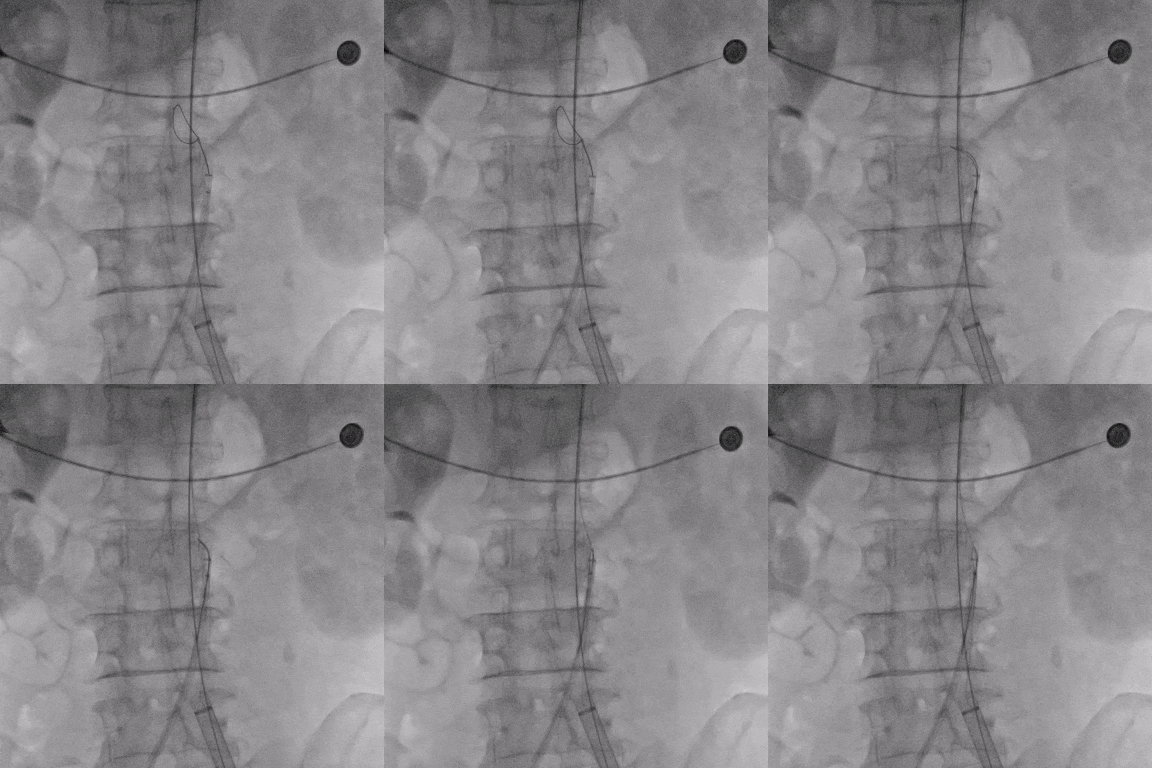
Capture Guidewire
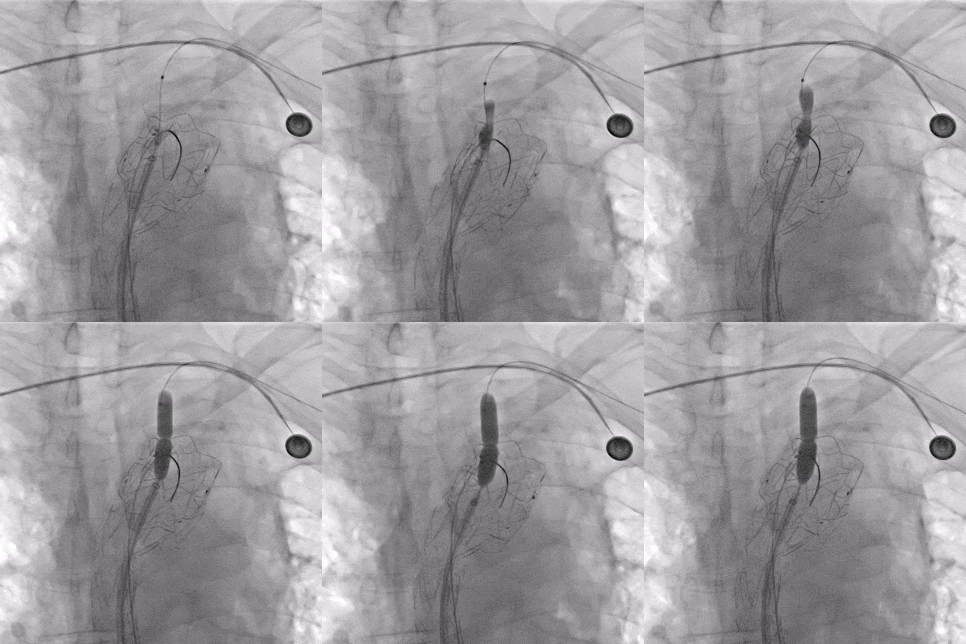
An 8mm balloon was inserted through the right femoral artery to dilate and open the window.
07.A 12mm*38mm balloon-expandable covered stent was placed in the LSA, with the proximal portion of the stent partially released within the thoracic aortic stent.
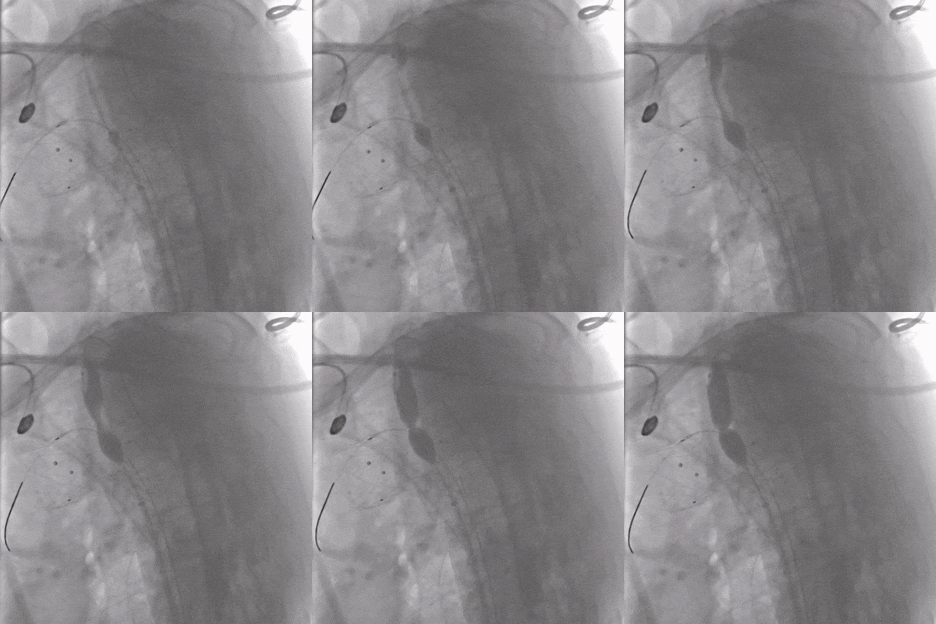
LSA Placement of Balloon-Expandable Covered Stent, Deployment
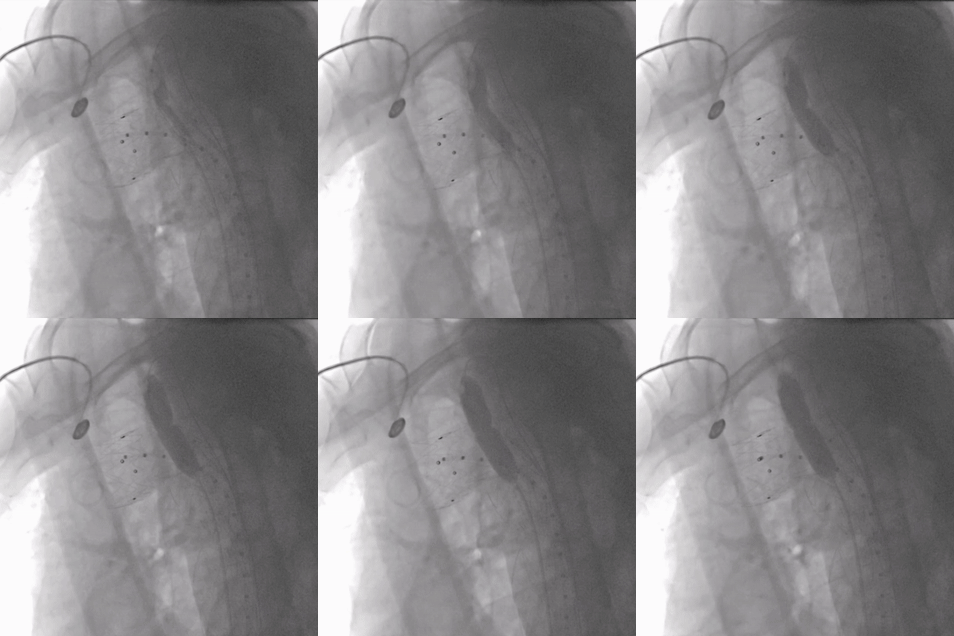
Post-dilation Balloon-expandable Covered Stent
08.Postoperative thoracic aortic angiography showed: accurate positioning of the thoracic aortic stent, satisfactory isolation of the dissection, and good visualization of the LSA; distal angiography of the thoracic aortic stent showed: good visualization of the true lumen of the descending aorta and femoral aorta.
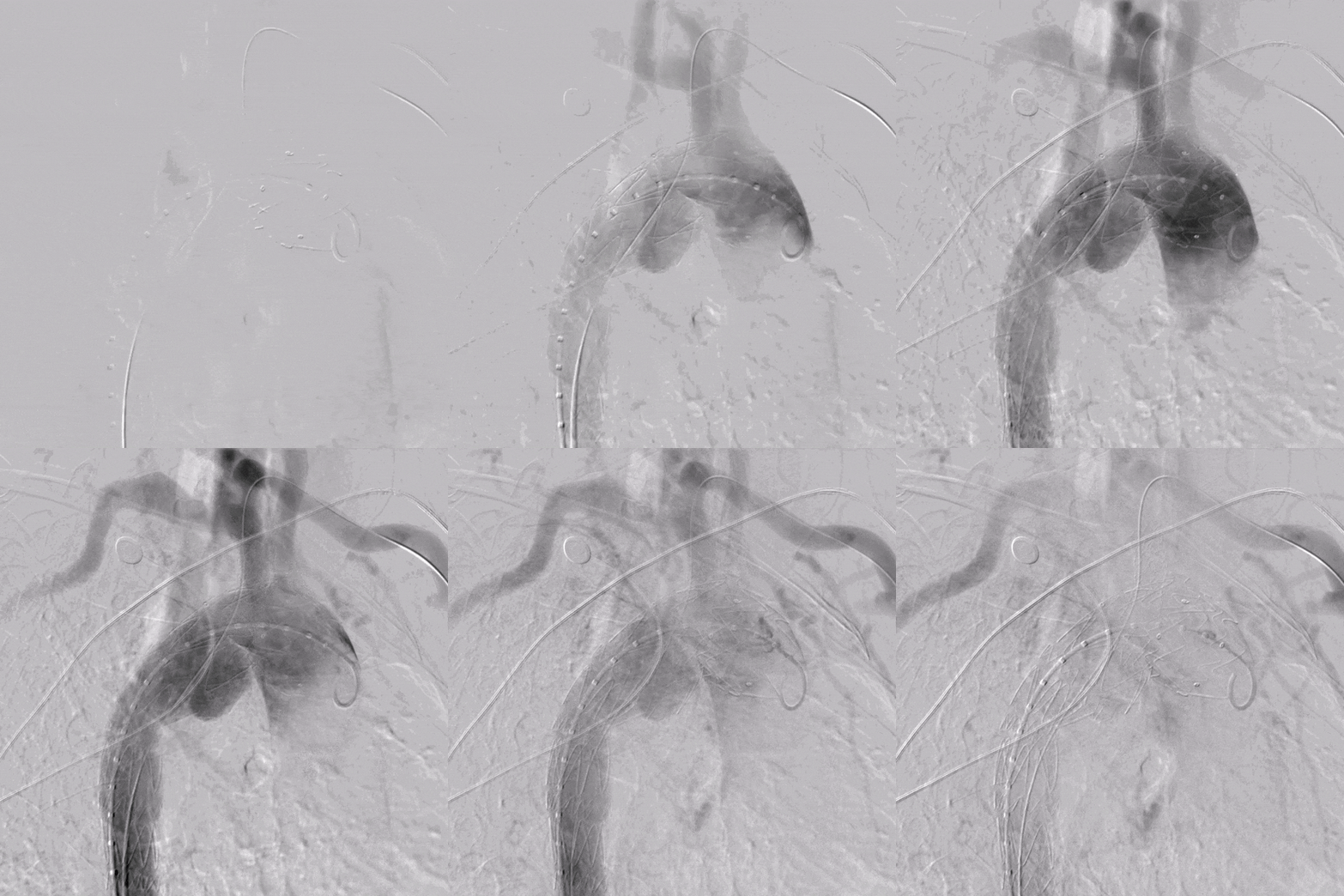
Postoperative Thoracic Angiography
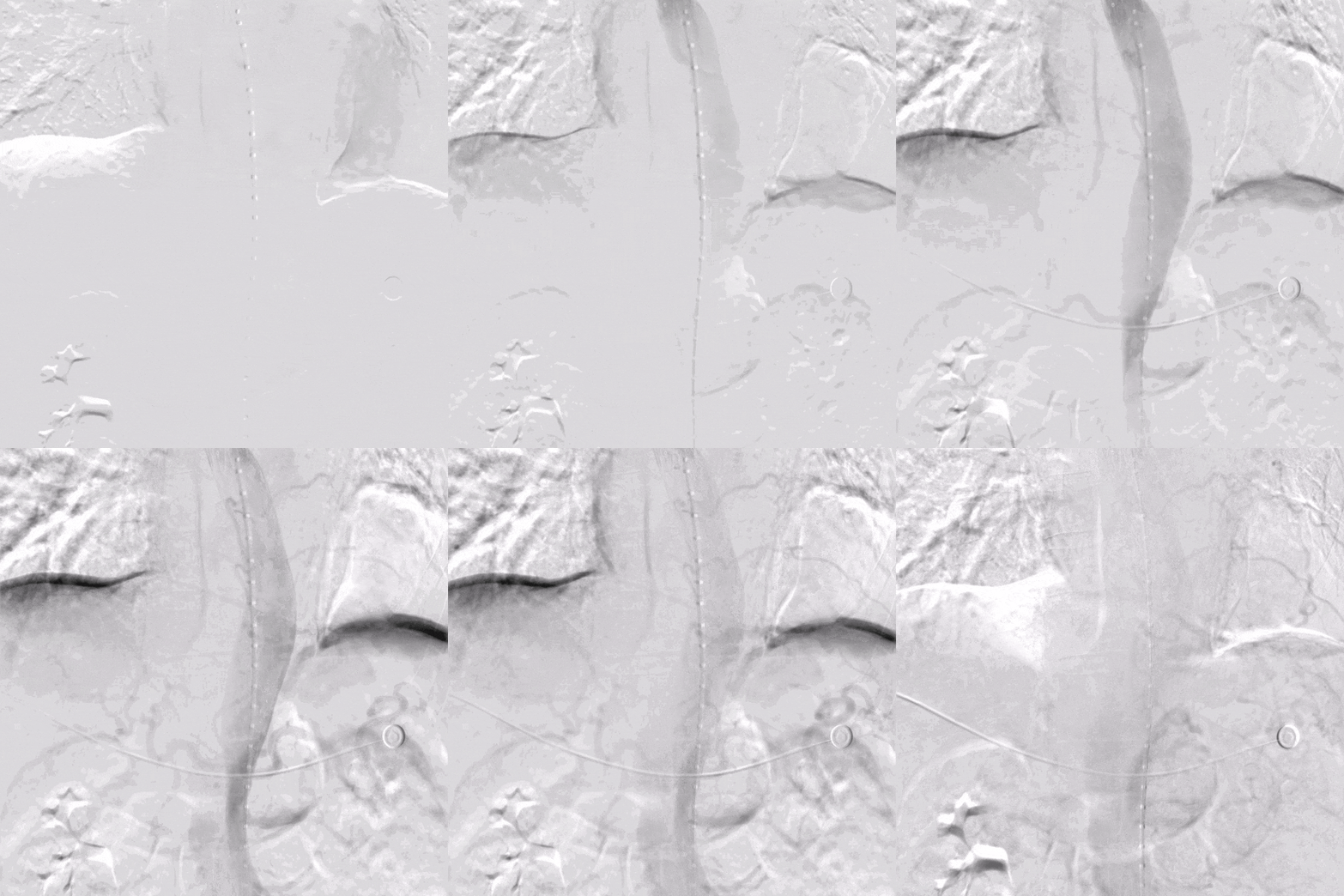
Postoperative stent distal angiography
09.Withdraw all guidewires, catheters, and sheaths, close the puncture site, apply pressure dressing to stop bleeding, and close the incision layer by layer. End of procedure.

Comparison Before and After Surgery
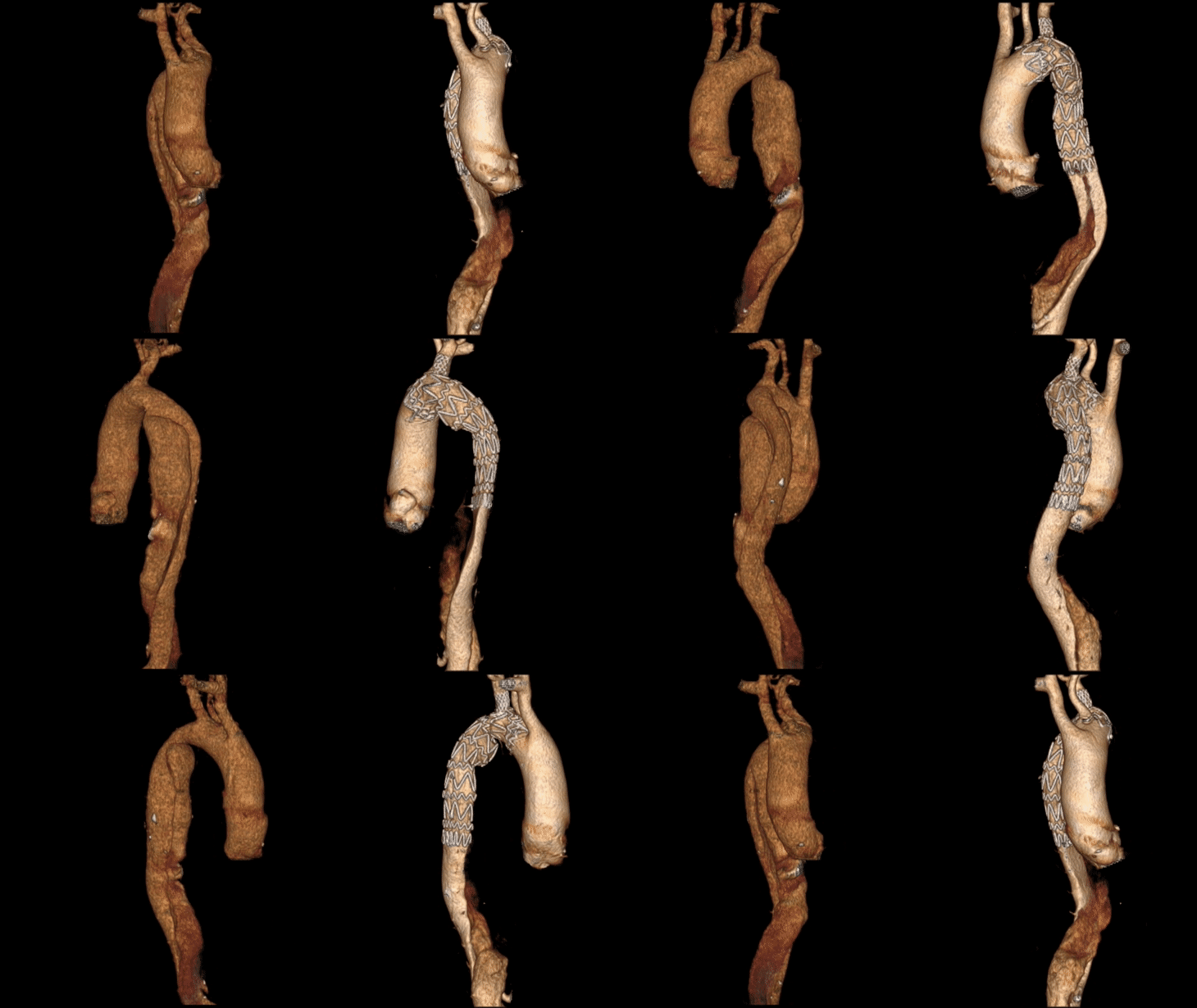
Preoperative/Postoperative 3D Reconstruction Comparison
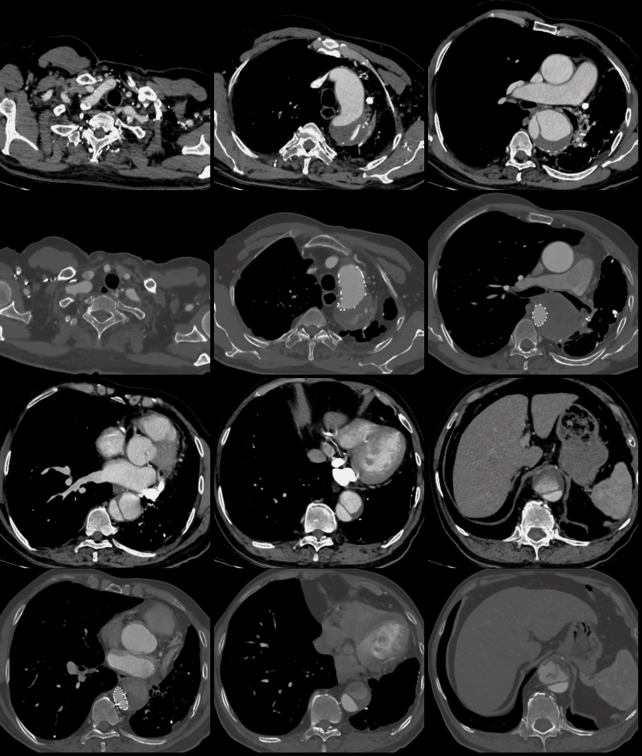
Preoperative/Postoperative CTA Axial Comparison
The patient recovered well. After a follow-up examination two months post-operation, all stents were in ideal positions, the lesion was effectively isolated, and the treatment outcome was satisfactory.。

Case2·Medical History Introduction
Gender:Male
Age:60 Years Old
Chief Complaint:Multiple Injuries and Pain Throughout the Body Caused by a Car Accident 1 Hour Ago.
History of Present Illness:One hour ago, the patient was involved in a car accident, resulting in multiple injuries and pain all over the body, accompanied by scalp laceration and bleeding, facial swelling, chest, head, and left upper limb pain, chest tightness, shortness of breath, and multiple abrasions. The patient was transferred to the emergency department by 120, and an emergency CT scan showed: mediastinal hematoma, subarachnoid hemorrhage, with the possibility of worsening condition at any time.
Past Medical History:History of hypertension and coronary heart disease for many years, treated with oral medications, specifics unknown.
CTA Details:Traumatic aortic injury of the chest, with lesions located at the posterior wall of the aortic arch and along the greater and lesser curvatures. The proximal end has involved the ostium of the left subclavian artery (LSA), and the lesion is only 5mm away from the ostium of the left common carotid artery (LCCA). The aortic diameter at the posterior edge of the LCCA ostium is approximately 28mm. Multiple calcified plaques are present in the aortic arch.
Preoperative Three-dimensional Reconstruction
Preoperative CTA Cross-Section
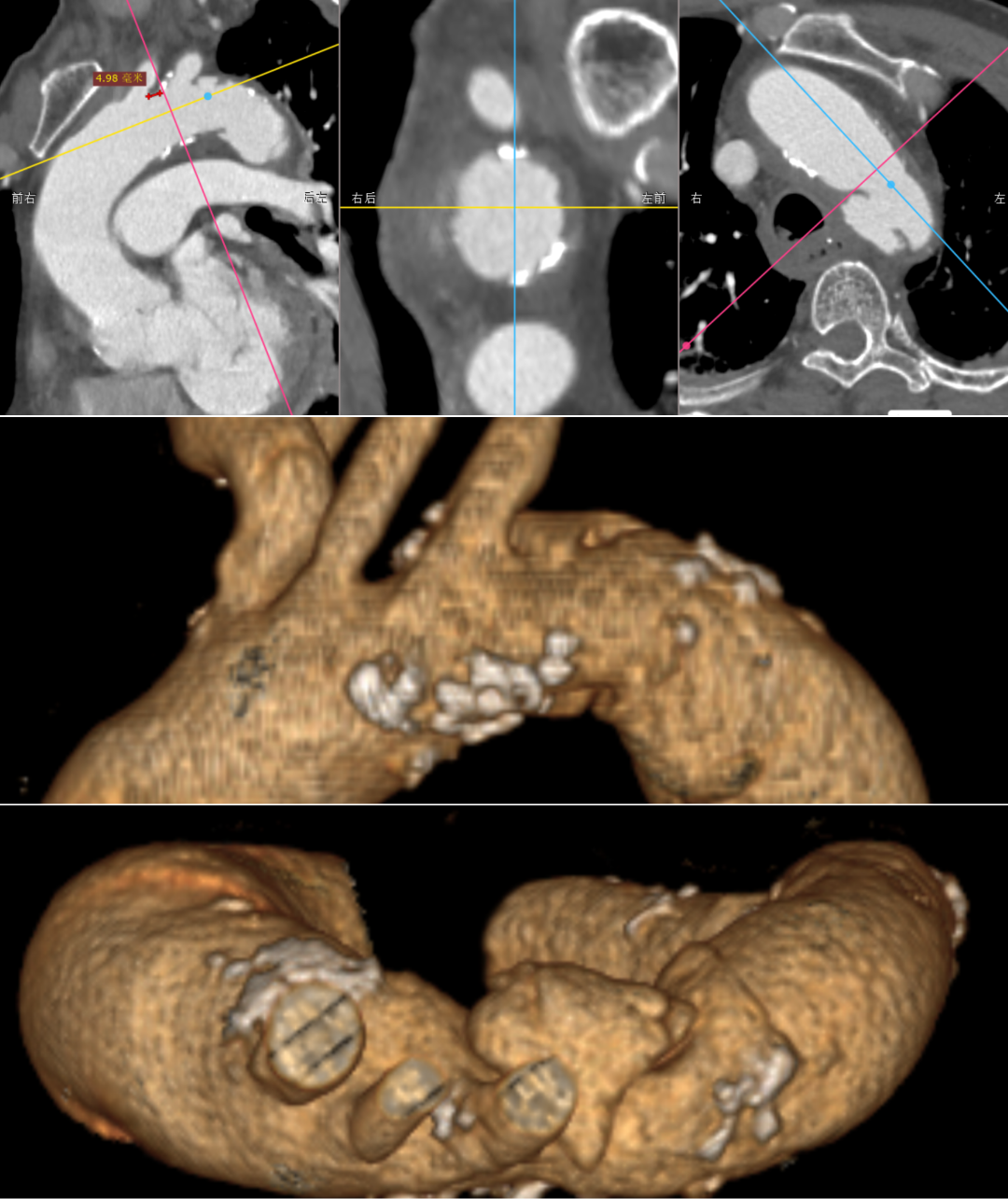
Arch Lesion Condition

The patient suffered from traumatic aortic injury (TAI) due to a car accident, with an acute onset and high 24-hour mortality rate. The patient also had multiple injuries including mediastinal hematoma, subarachnoid hemorrhage, and pleural effusion, making the condition extremely critical with a narrow treatment window.
The lesion is located at the posterior wall of the aortic arch and on both the greater and lesser curvatures, with the proximal end already involving the ostium of the LSA. The distance between the lesion and the LCCA opening is only 5mm, resulting in a severe lack of proximal anchoring zone. It is necessary to extend the anchoring zone while reconstructing the LSA, which presents a high level of treatment difficulty.
The lesion of the dissecting aneurysm is large, imposing strict requirements on the sealing of the covered stent. Moreover, there are multiple calcified plaques in the aortic arch, necessitating particularly gentle manipulation during the operation to avoid serious complications such as plaque detachment leading to embolism.
The patient's baseline health condition was suboptimal, and multiple injuries were sustained due to a car accident. Preoperative management required balancing the treatment of subarachnoid hemorrhage with the timing of emergency surgery for TAI, increasing the complexity of preoperative condition control.

Treatment Strategy
To address the issue of insufficient proximal anchoring zones, the new technology thoracic aortic stent graft from Percutek Therapeutics was used in combination with the in-situ fenestration technique. This stent exhibits excellent flexibility, meeting the need for gentle manipulation in calcified vessels. The effective anchoring zone is expanded through membrane fenestration using a 0.018" CTO guidewire with a soft tip, ensuring the isolation effect of the lesion.
Select a thoracic aortic stent graft with excellent occlusion, precisely position the proximal end of the stent graft at the posterior edge of the LCCA root opening during the operation, and combine it with step-by-step release to ensure the accuracy of the stent position.

01.The patient was in the supine position, routinely disinfected and draped. A 5F vascular sheath was inserted through the left femoral artery, and a pigtail catheter was placed into the ascending aorta. Angiography showed multiple dissections in the descending aorta, involving the LSA.
02.Puncture the left femoral artery, pre-place two sutures, then insert a stiff guidewire through the left femoral artery into the ascending aorta, and exchange for a 20F large sheath.
03.Implanted via the left femoral artery with Percutek Therapeutics®A thoracic aortic stent graft PTBS3026180 was placed up to the aortic arch. Angiographic positioning confirmed the proximal end of the stent graft at the posterior edge of the LCCA root opening before deployment.
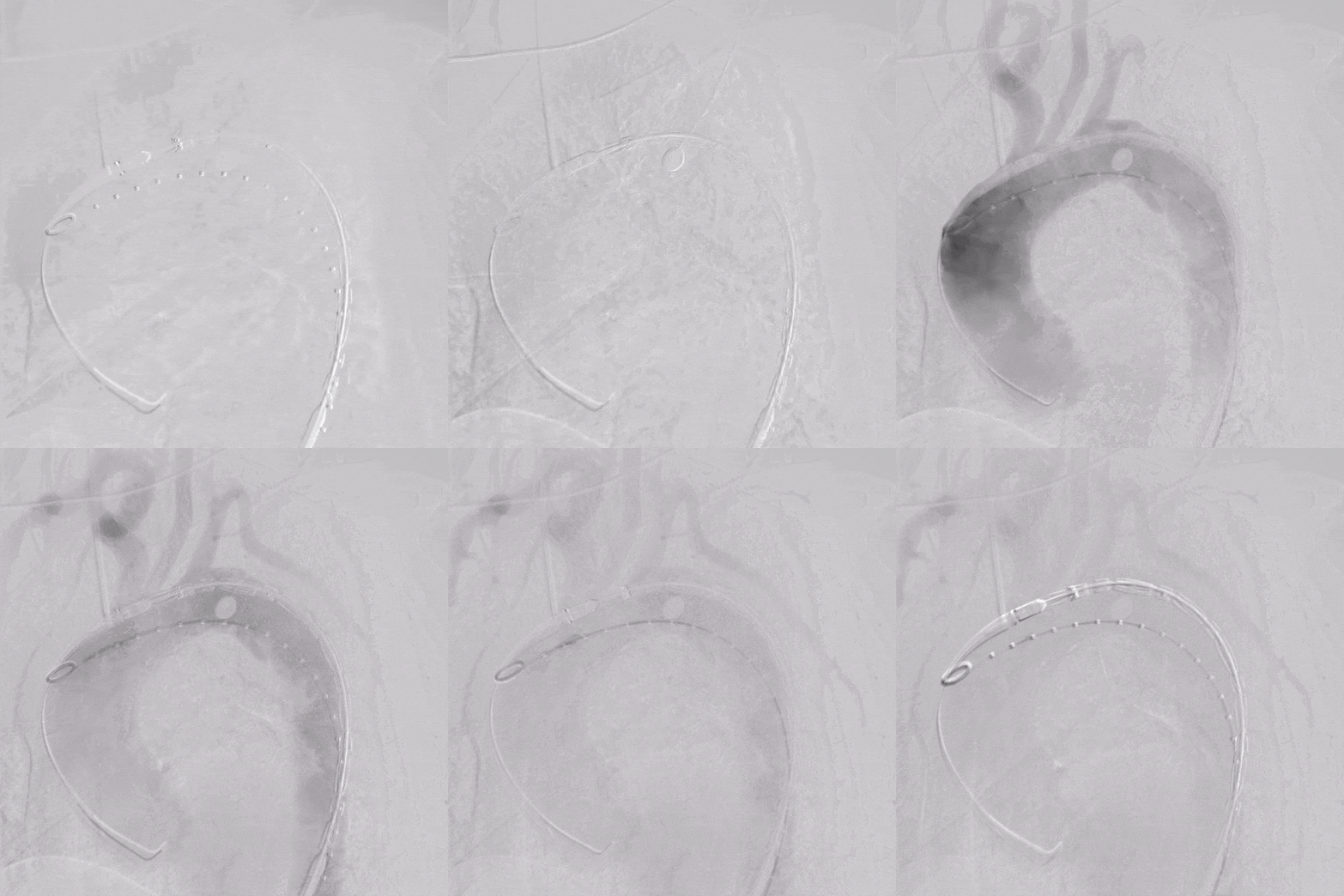
Implant Percutek, Angiographic Positioning
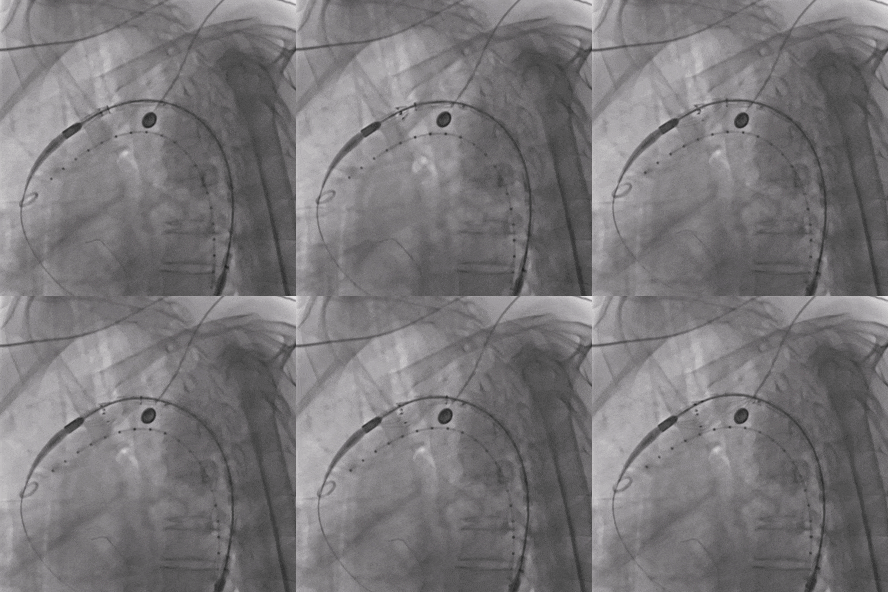
Slow Release of the First Three Sections
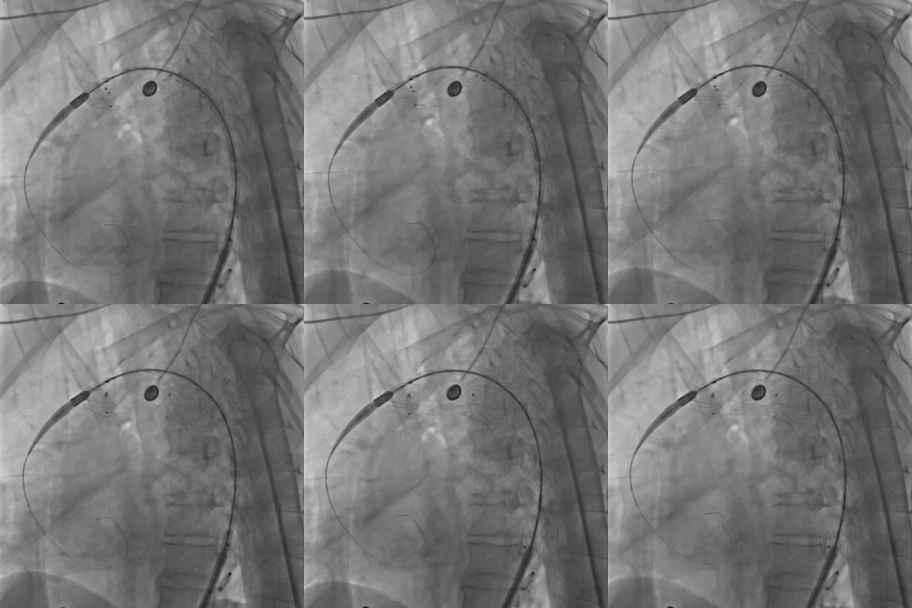
Quick release of the remaining stent, post-release of bare stent
04.A 6F steerable sheath and Connect 250T guidewire were inserted through the left brachial artery. The guidewire, in conjunction with a single-curve catheter, successfully punctured and fenestrated the membrane, and the guidewire was then advanced into the distal descending aorta.
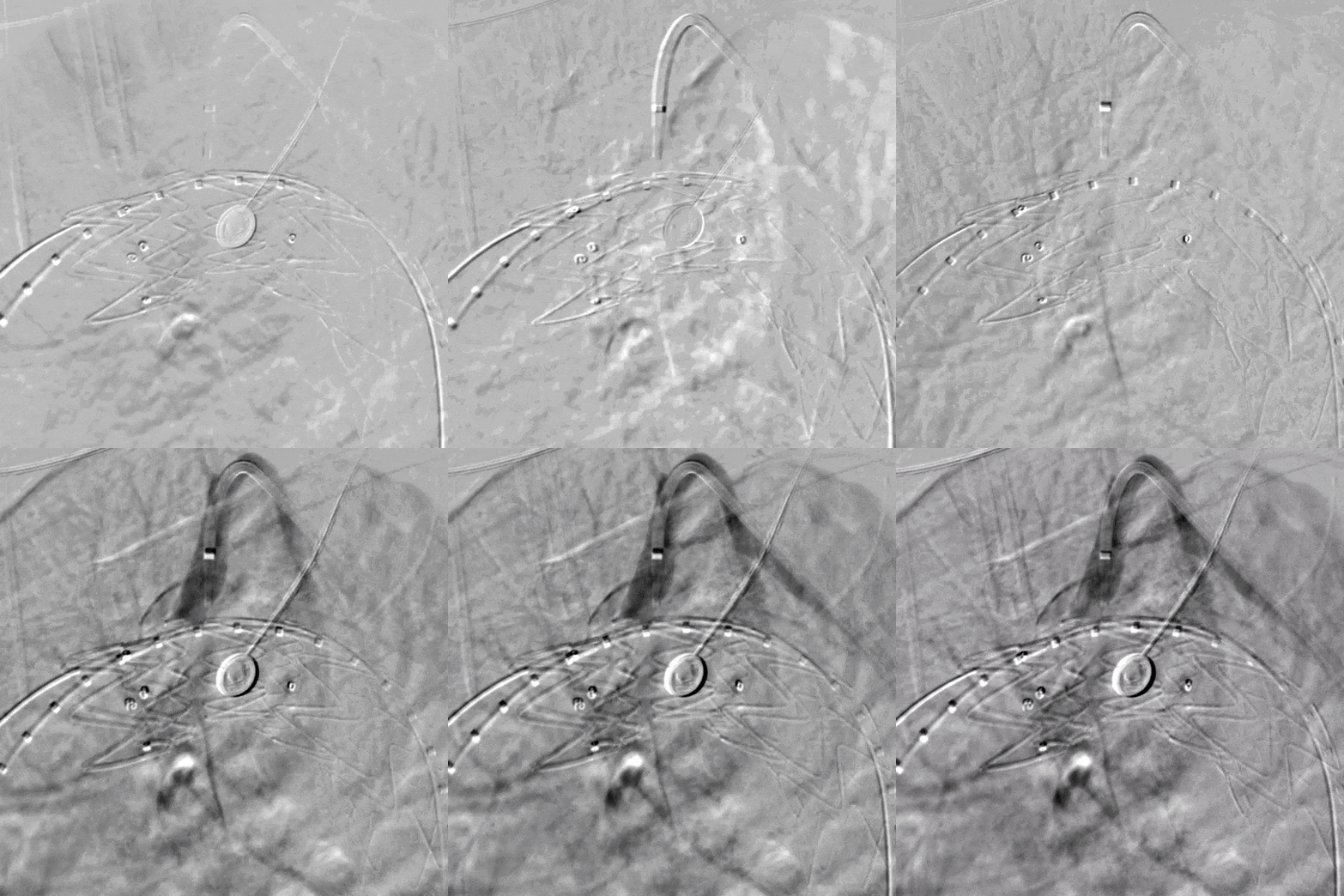
LSA Angiography, Adjusting the Angle of the Adjustable Bend Sheath
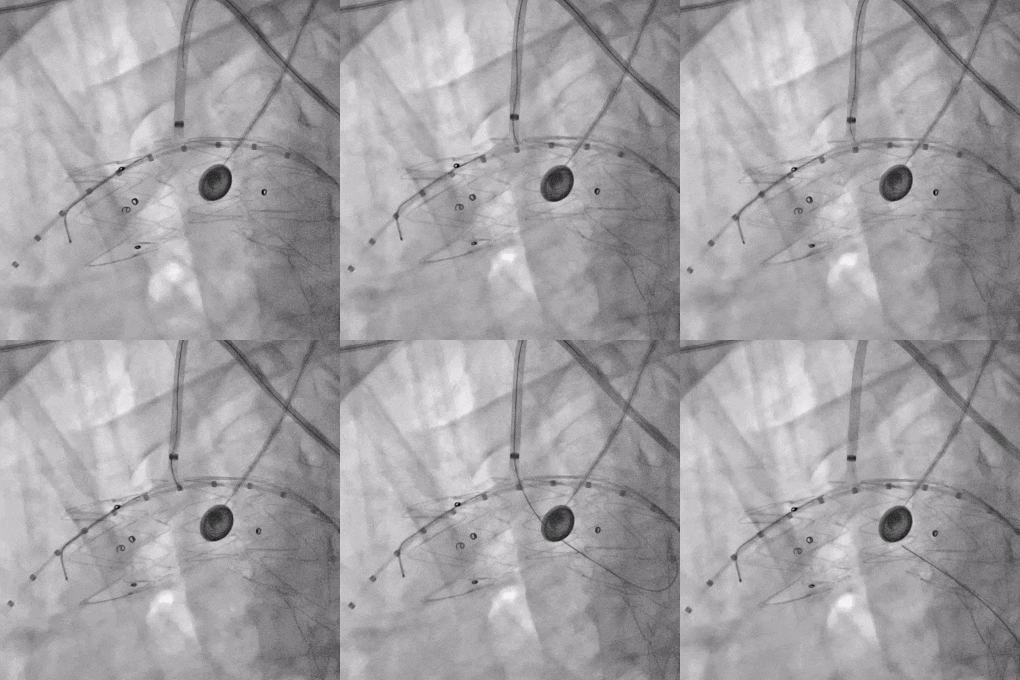
250T Guidewire Perforation and Fenestration
05.Sequentially introduce 2mm and 4mm balloon catheters to dilate the fenestration, then advance a single-bend catheter into the stent; exchange the 0.035" guidewire to the abdominal aorta and introduce a 6mm balloon catheter to further dilate the fenestration.
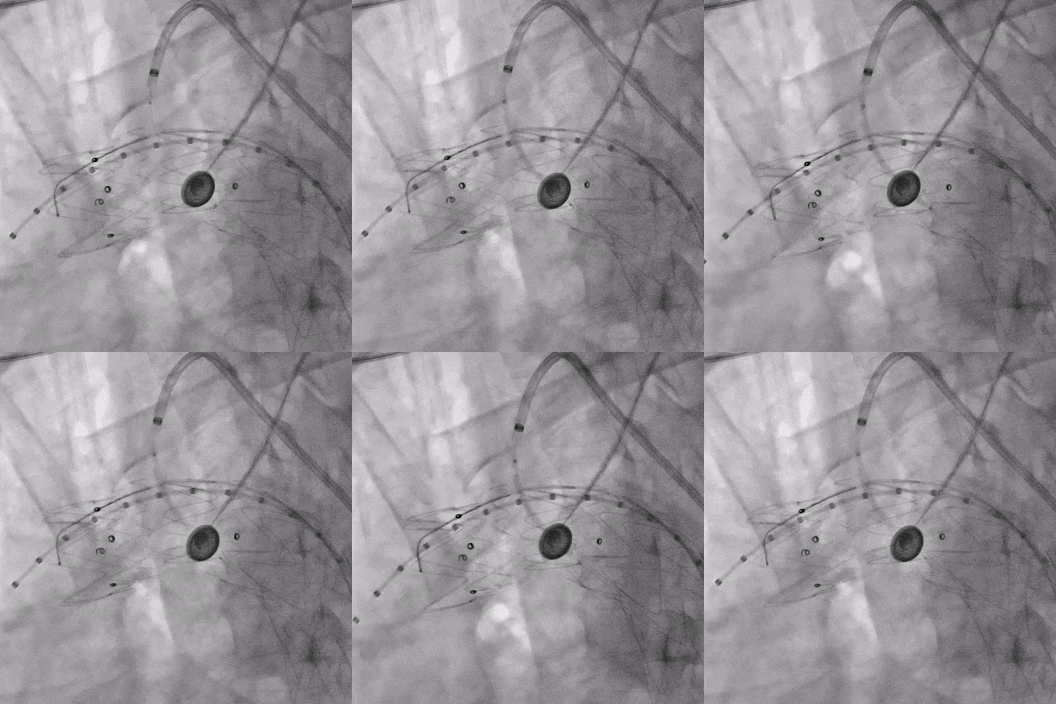
2mm Balloon Dilation Opening
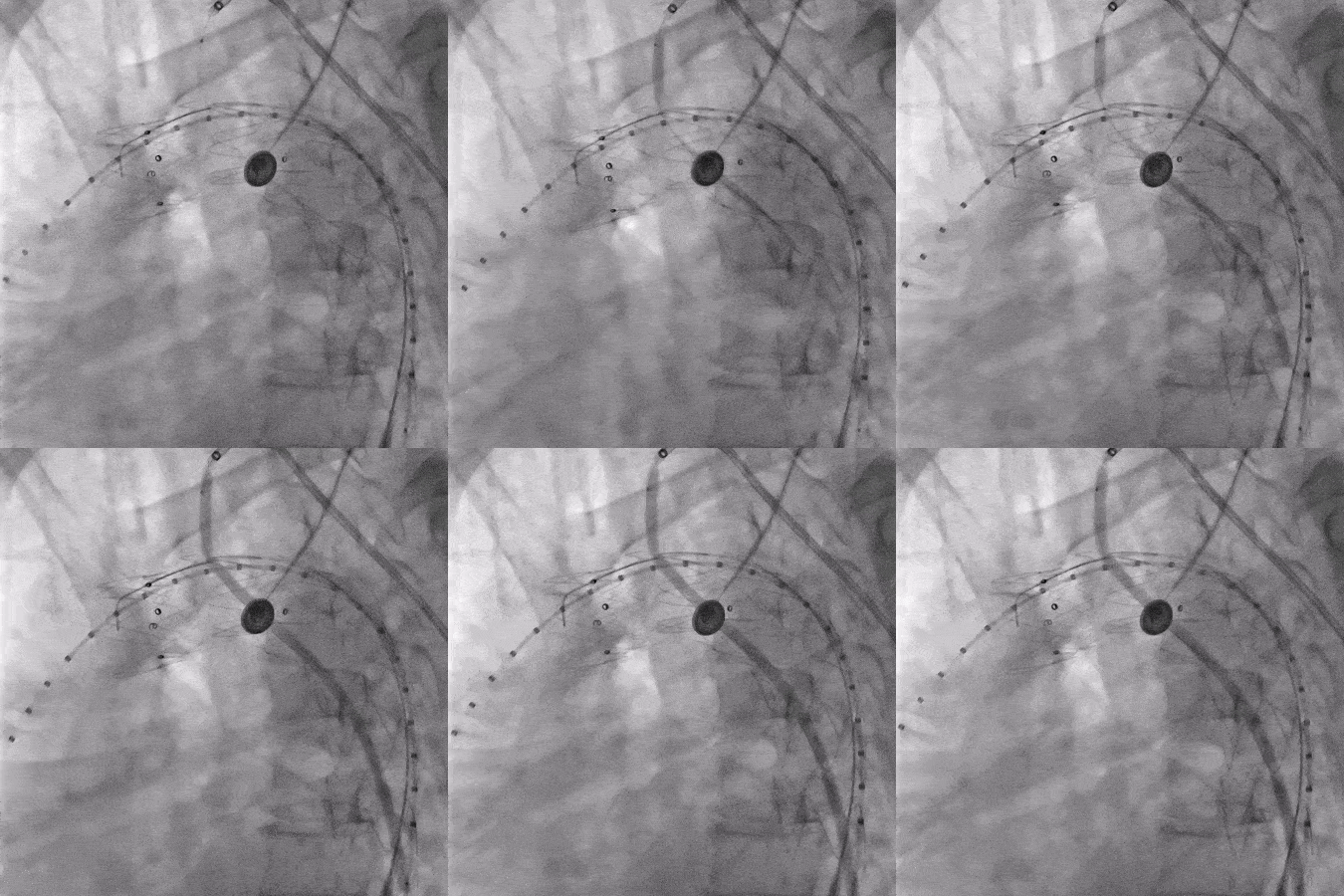
4mm Balloon Dilation Opening
06.A snare was inserted through the right femoral artery to grasp the LSA approach mucus wire, leading out of the right femoral artery to form tension; an 8mm balloon was inserted over the tension wire to dilate and create a fenestration; an 8F long sheath from the right femoral artery approach passed through the membrane with the balloon.
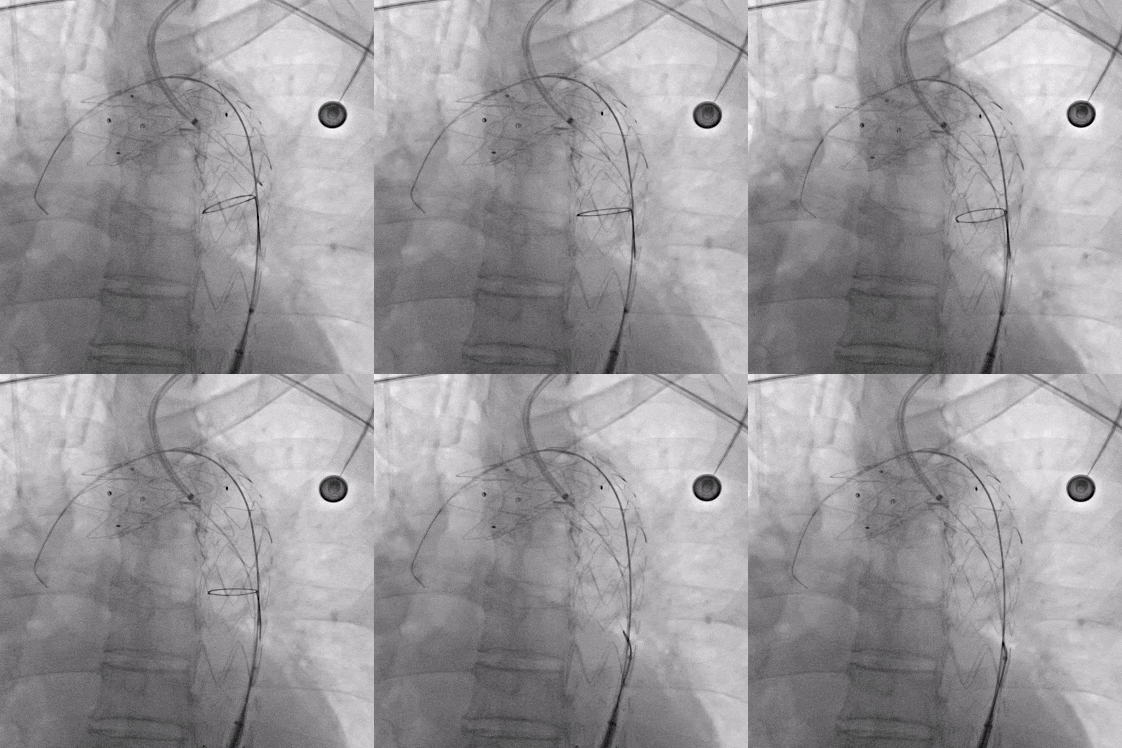
Grasping Guidewire
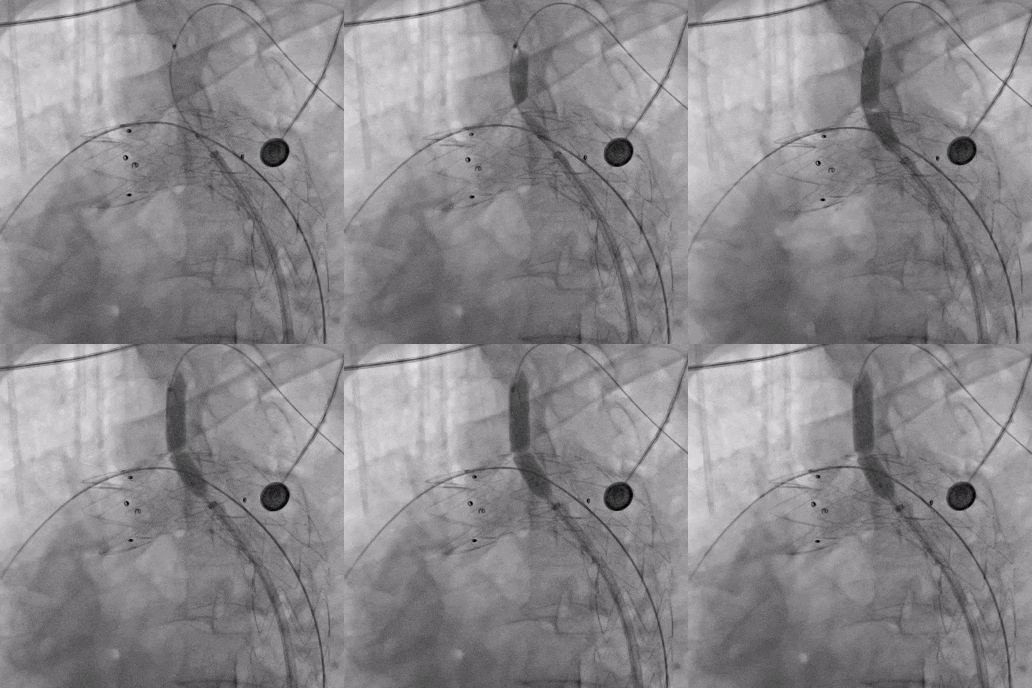
8mm Balloon Dilation Opening
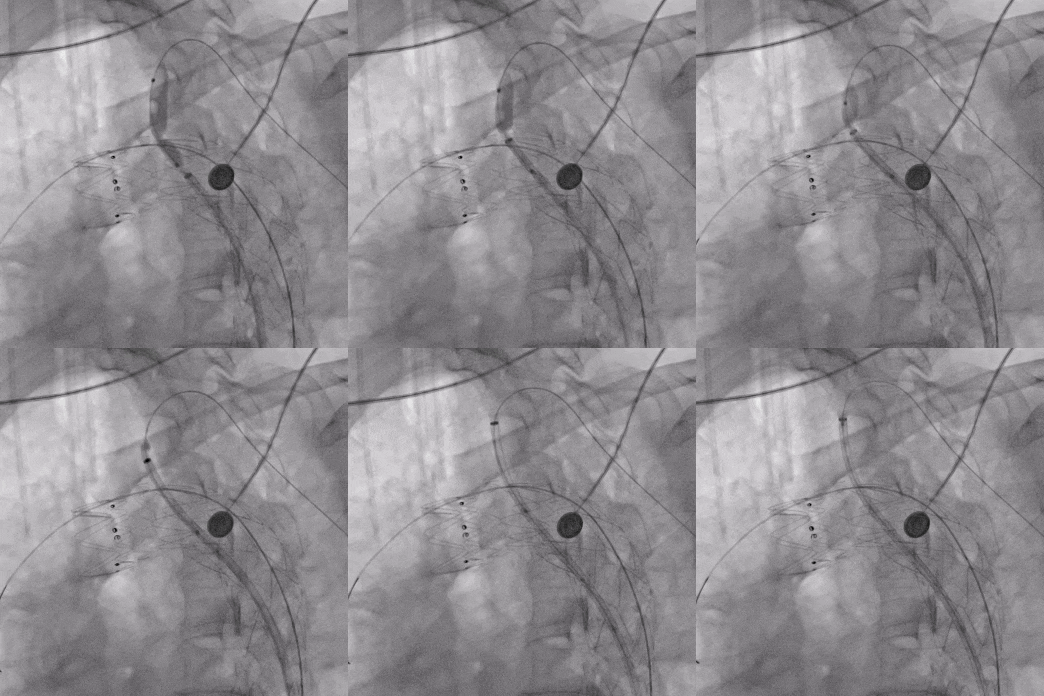
Balloon with Sheath
07.A 10mm*38mm balloon-expandable covered stent was placed through an 8F long sheath at the LSA. Angiography confirmed that the stent would not affect the blood supply of the LVA, and then it was deployed.
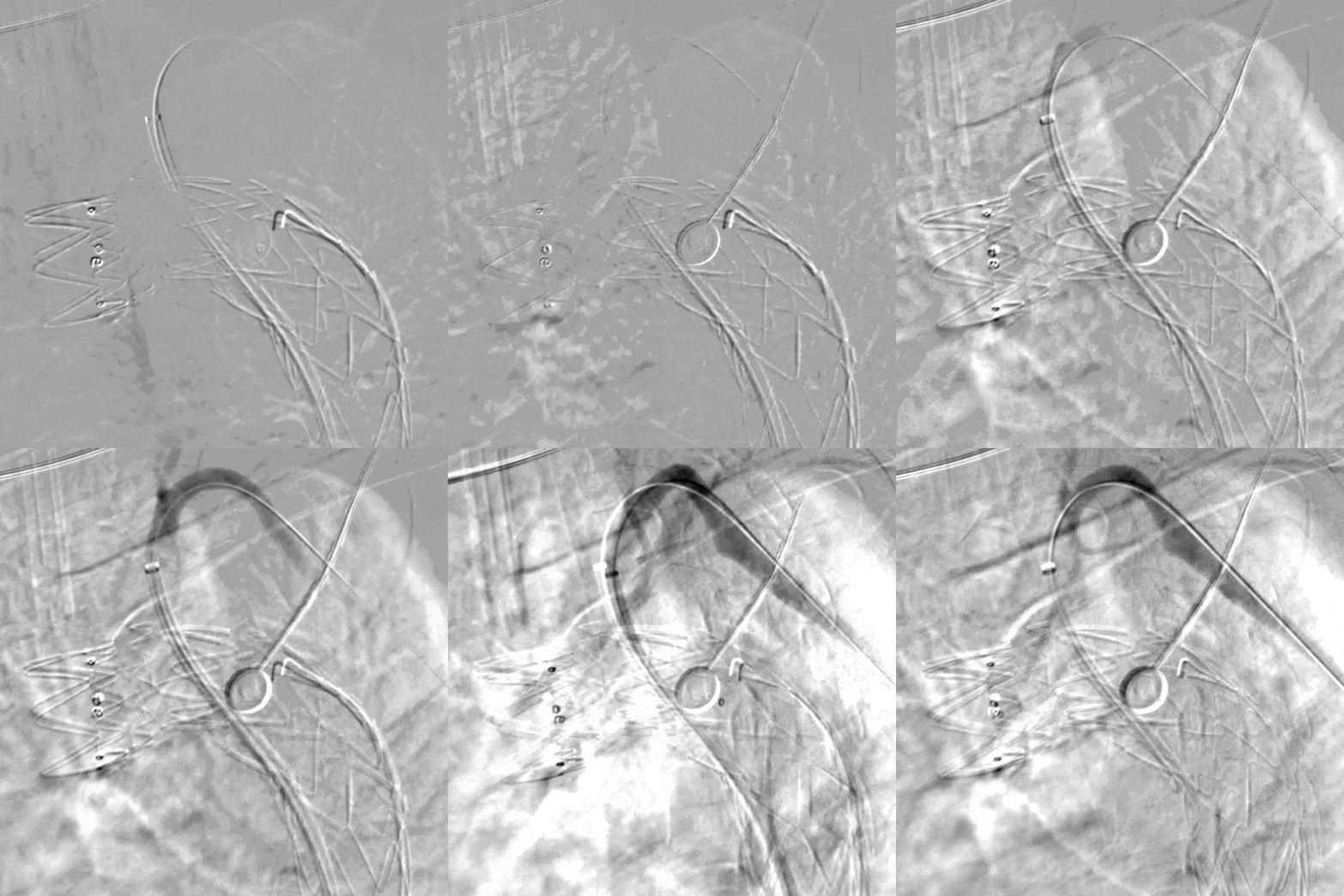
Contrast Localization LVA
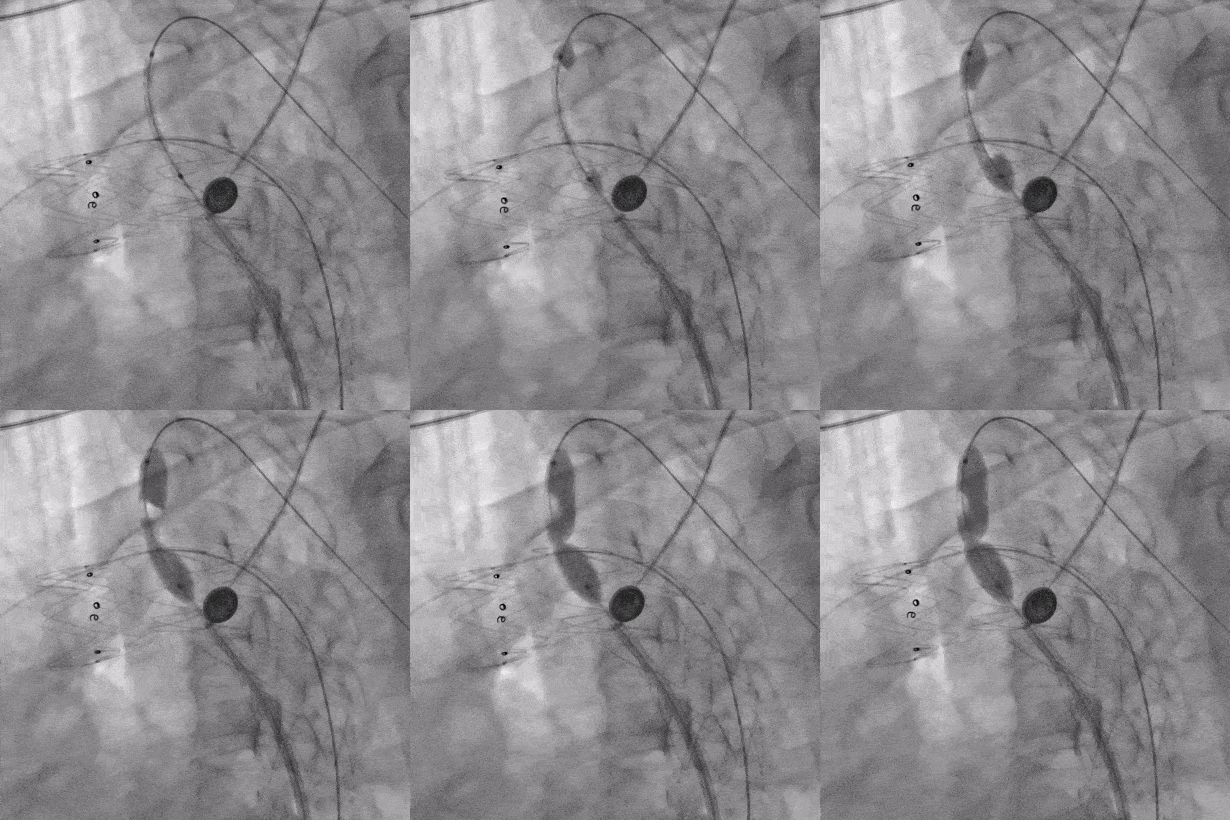
Placement of balloon-expandable covered stent, release
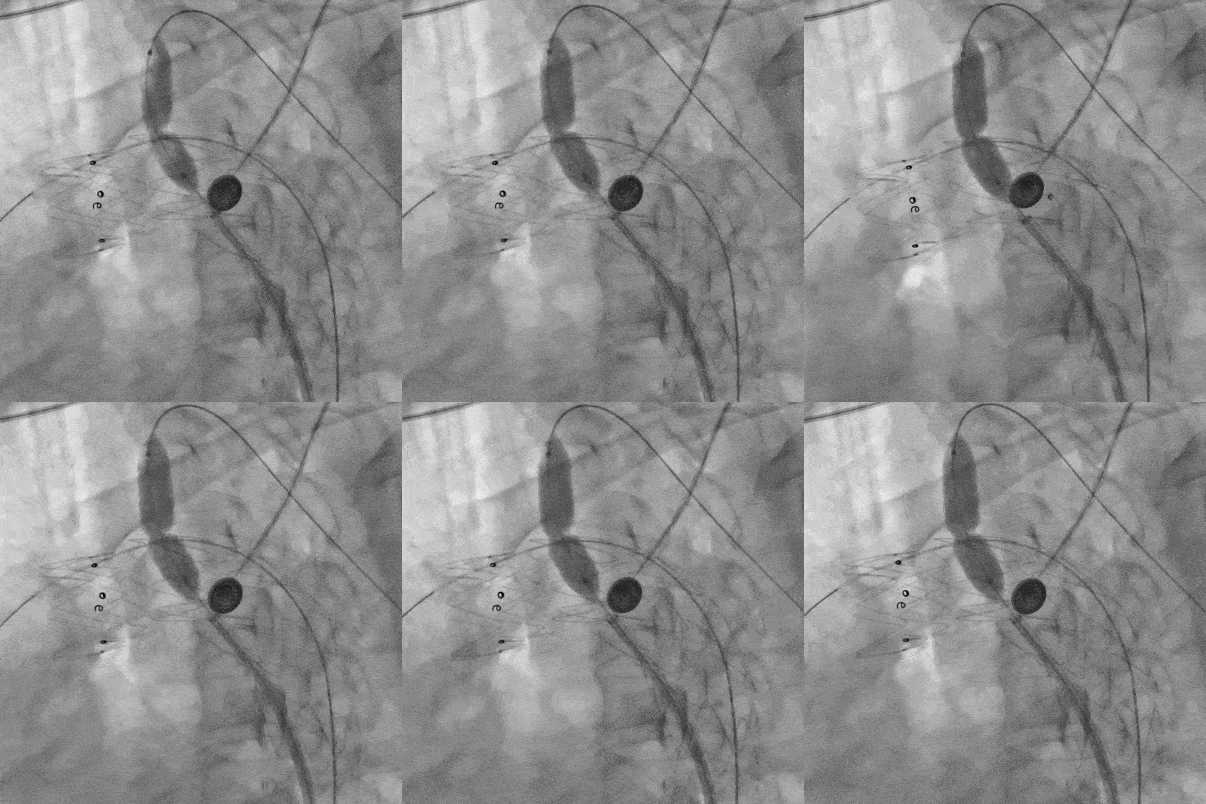
Post-dilation Balloon-expandable Covered Stent
08.Postoperative thoracic aorta angiography showed: accurate positioning of the thoracic aorta stent, satisfactory isolation of the dissection, good visualization of LSA; distal angiography of the thoracic aorta stent showed good visualization.
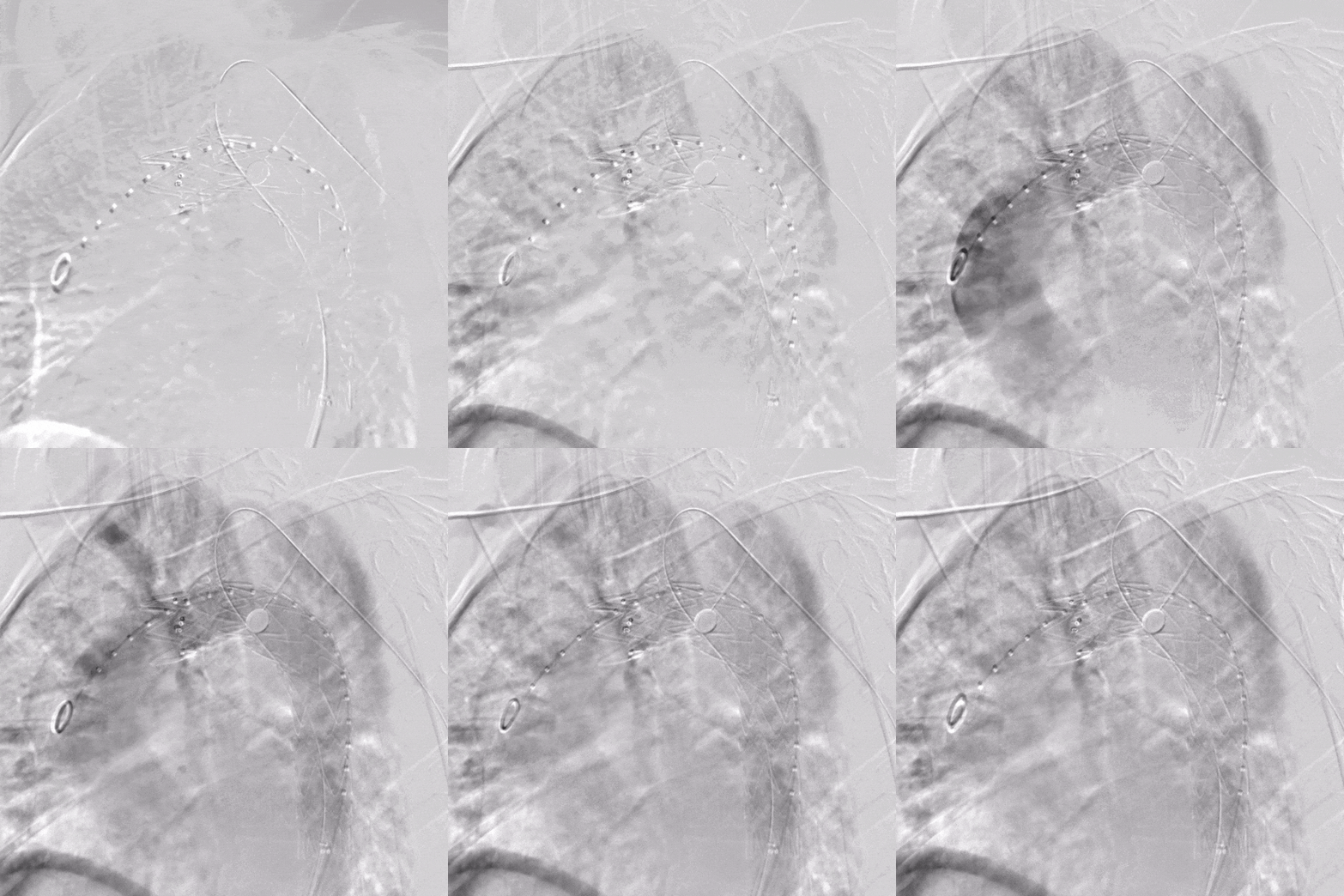
Postoperative Thoracic Angiography
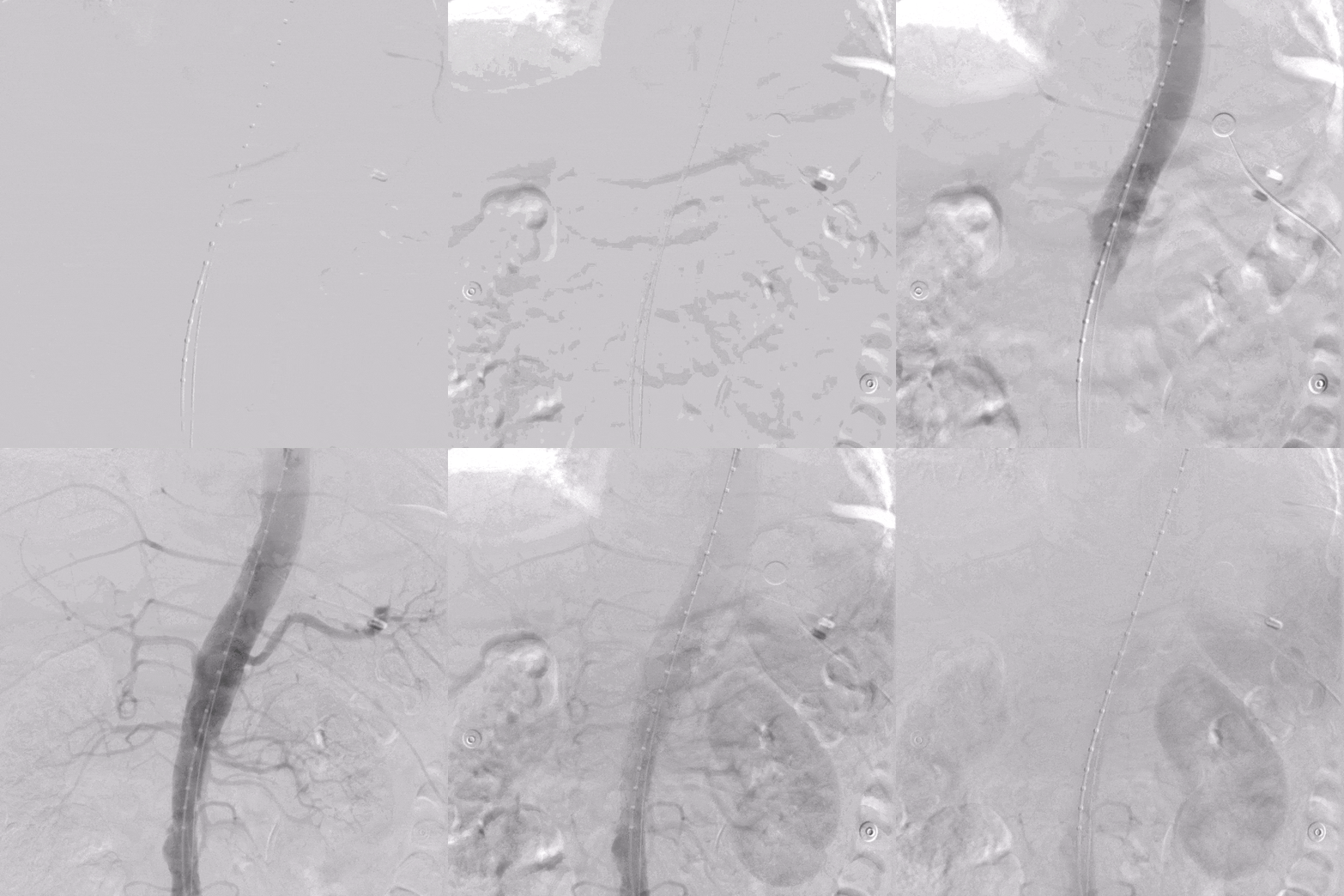
Postoperative Stent Distal Angiography
09.Withdraw all guidewires, catheters, and sheaths, close the puncture site, apply pressure dressing to stop bleeding, and close the incision layer by layer. Procedure completed.

Comparison Before and After Surgery
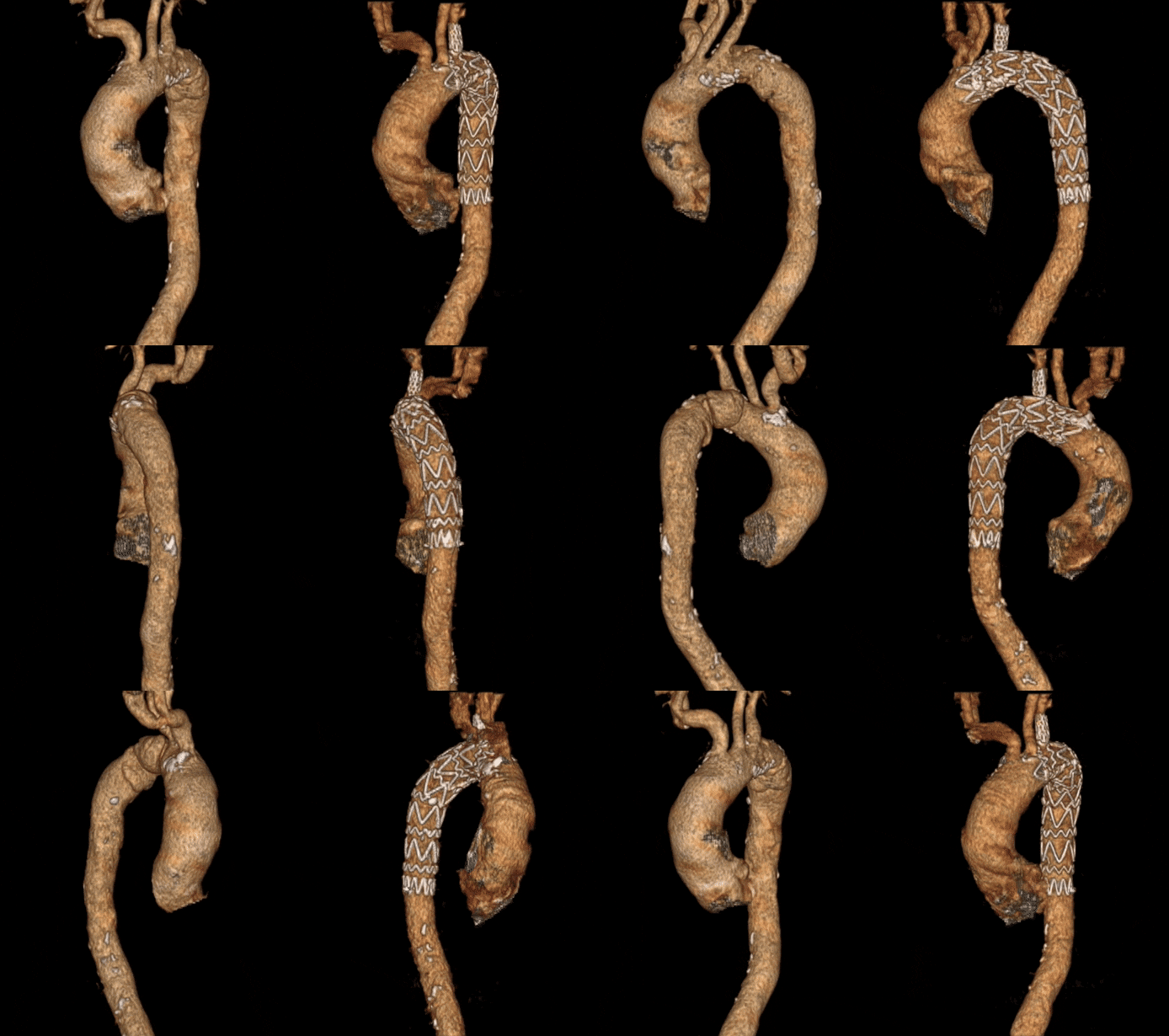
Preoperative/Postoperative 3D Reconstruction Comparison
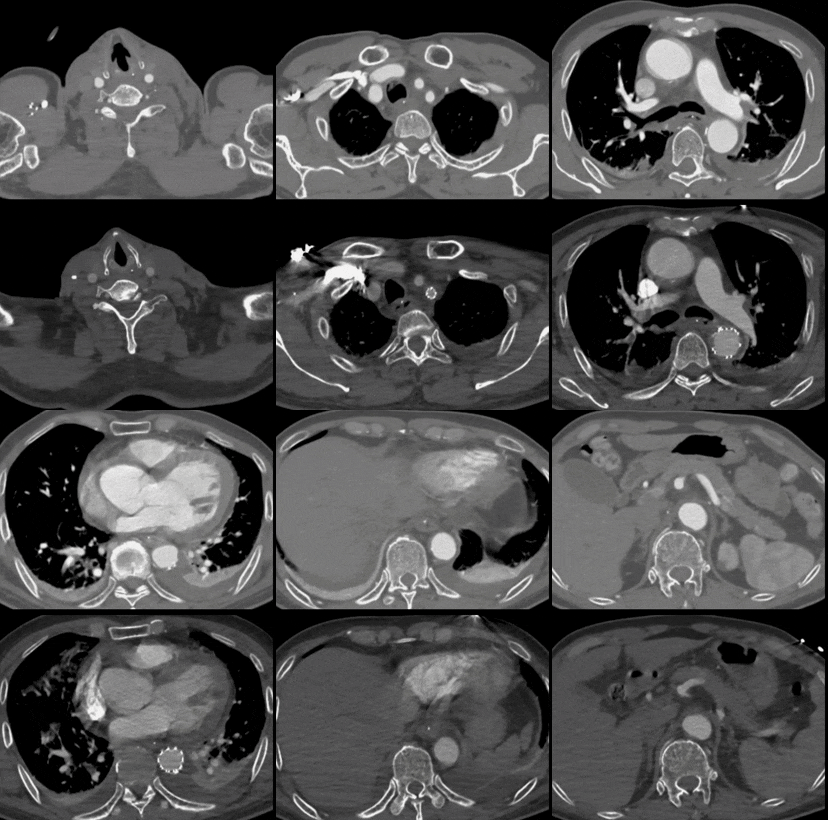
Preoperative/Postoperative CTA Axial Comparison
Postoperative recovery was good. Re-examination of CTA showed: the morphology of the aortic stent and LSA stent was good, blood flow was unobstructed, and there was no endoleak.

Summary of Case Experience
The two complex thoracoabdominal aortic dissection aneurysm cases shared here both face the core challenges of complex aortic lesions and insufficient proximal anchoring zones. Case 1 involves chronic dissection with progressive dilation, while Case 2 is an acute trauma. The lesions extend to the root of the left subclavian artery (LSA), and the vascular walls exhibit multiple calcified plaques, increasing the difficulty of surgical intervention.
In response to the challenges, the team chose Percutek Therapeutics' new technology thoracic aortic stent graft combined with in-situ fenestration technique, whose core advantages are reflected in three aspects:
First, this stent does not require special membrane-piercing instruments; it can penetrate the membrane and create a window using only a 0.018" CTO guidewire with a soft tip. This simplifies the surgical procedure, reduces operation time, and is particularly suitable for calcified vessel scenarios requiring gentle manipulation, as seen in Case 2.
Secondly, the stent is accurately positioned, combining balloon expansion with branch stent implantation to ensure the effectiveness of lesion isolation and arch branch reconstruction.
Thirdly, the postoperative follow-up results were ideal, fully verifying the excellent performance of this treatment plan in complex lesion closure, branch vessel protection, and medium- to long-term prognosis.
The successful implementation of such surgeries depends not only on the operator's precise assessment of the lesion anatomy and reasonable planning of the surgical approach, but also on the product advantages of Percutek Therapeutics' stent, including its sealing properties, flexibility, and ease of operation. This provides a safe and efficient minimally invasive treatment option for clinically handling similar complex aortic diseases.

Introduction of Experts
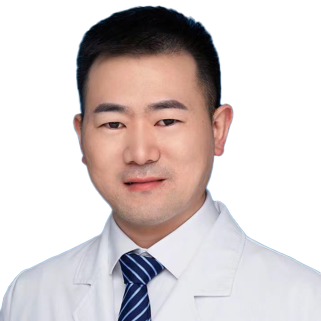
Professor Minglin Zhu
Deputy Chief Physician of Cardiovascular Surgery at Zhongnan Hospital of Wuhan University, Jointly Trained Ph.D. in Vascular Surgery at Brigham and Women's Hospital, Harvard Medical School, USA.
Expert in the diagnosis and treatment of aortic (dissection) aneurysms, pulmonary embolism, carotid artery stenosis, lower extremity arteriosclerosis obliterans, lower extremity arterial embolism, deep vein thrombosis, varicose veins of the lower extremities, hemangiomas, vascular malformations, lymphedema, and other related diseases.
Currently serving as a member of the Vascular Surgery Professional Committee of the Hubei Microcirculation Society, a member of the Thrombosis and Hemostasis MDT Special Committee of the Hubei Medical Biomedical Immunology Society, a member of the Peripheral Vascular Disease Professional Committee of the Hubei Integrated Traditional Chinese and Western Medicine Society, a member of the Sore Medicine Professional Committee of the Hubei Integrated Traditional Chinese and Western Medicine Society, a member of the Vascular Surgery Branch of the Wuhan Medical Association, and a youth member of the Chinese Division of the International Union of Angiology (IUA).
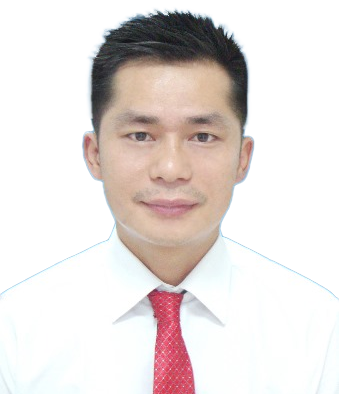
Professor Wang Jinjian
Associate Chief Physician of Cardiothoracic and Vascular Surgery at Xianning First People's Hospital, Member of the Youth Committee of Thoracic Minimally Invasive Surgery of Hubei Microcirculation Society, Member of Hubei Branch of Thoracic Surgery Rehabilitation Association.
Successively studied at the Department of Thoracic Surgery, Wuhan Tongji Hospital, Huazhong University of Science and Technology, and the Department of Vascular Surgery, Zhongnan Hospital of Wuhan University, among other places. Published several professional papers.
Proficient in the thoracoscopic and open surgical treatment of pneumothorax (pulmonary bullae), lung tumors, esophageal tumors, hiatal hernia (diaphragmatic hernia), mediastinal tumors (including thymoma), hyperhidrosis, pectus excavatum, pericardial diseases, rib and sternum fractures, and other chest traumas. Also experienced in the diagnosis, treatment, and interventional surgery for arterial and venous stenosis, thrombosis, vascular injuries, arteriovenous fistulas, varicose veins in the lower extremities, and related conditions.


Department Introduction
Xianning First People's Hospital (Xianning Hospital of Wuhan University Zhongnan Hospital)Cardiothoracic and Vascular Surgery
Xianning First People's Hospital, Department of Cardiothoracic and Vascular Surgery — A specialized department focusing on thoracic surgery and cardiovascular surgery diseases, providing patients with comprehensive treatment primarily through surgery. As a member of the Thoracic Surgery Specialty Alliance of Zhongnan Hospital of Wuhan University, the department has an independent medical unit with 30 open beds. Professors from Zhongnan Hospital regularly offer expert outpatient services, teaching rounds, consultations, and surgeries at our hospital. The department currently has 20 medical staff (including Professor Xu Ming, a thoracic surgery expert from Zhongnan Hospital of Wuhan University who is permanently stationed in our department, and Associate Professor Zhu Minglin, a cardiovascular surgery expert). The physician team includes 2 chief physicians, 1 deputy chief physician, 1 attending physician, 5 resident physicians, 2 with doctoral degrees, and 7 with bachelor’s degrees. It also has a high-level professional nursing team capable of providing safe, high-quality, and satisfactory nursing services to the public. Relying on the departments of thoracic surgery and cardiovascular surgery of Zhongnan Hospital of Wuhan University, it has become a large cardiothoracic and vascular surgery center based in Xianning, radiating to surrounding areas, integrating medical treatment, scientific research, teaching, and prevention. The department handles over 2,000 outpatient visits annually, admits more than 800 patients per year, and performs over 350 surgeries annually, with minimally invasive surgeries accounting for more than 80%, most of which are classified as Grade III and IV surgeries.
Scope of Diagnosis and Treatment in Cardiothoracic and Vascular Surgery:
1. In the field of thoracic surgery:
1. Pulmonary nodules, lung cancer, benign lung tumors, pulmonary tuberculosis balls, pulmonary fungal balls, pulmonary bullae, spontaneous pneumothorax, bronchiectasis, chronic empyema, pleural effusion and other pulmonary and pleural diseases;
2. Esophageal cancer, cardia cancer, esophageal leiomyoma, esophageal diverticulum, achalasia of the cardia and other esophageal diseases;
3. Mediastinal tumors such as thymoma, teratoma, and neurogenic tumors;
4. Chest trauma such as rib fractures, sternum fractures, hemothorax and pneumothorax, cardiac rupture, as well as funnel chest and palmar hyperhidrosis.
2. In the field of vascular surgery:
1.Venous Diseases: Varicose Veins of the Great Saphenous Vein, Deep Vein Thrombosis of the Lower Extremity, Chronic Venous Insufficiency of the Lower Extremity, Phlebitis
2. Arterial diseases include dilatation diseases (aneurysm, dissecting aneurysm, pseudoaneurysm) and ischemic diseases (arteriosclerosis obliterans, thromboangiitis obliterans, arterial embolism, carotid artery stenosis).
3. Others: Vascular trauma, erysipelas, lymphatic diseases, arteriovenous fistula, vascular malformations, etc.
Standards, norms, precision, and minimally invasive techniques are the characteristics of our diagnosis and treatment. Our department is one of the earliest specialties in Xianning City to carry out thoracoscopic minimally invasive surgery. Currently, the thoracic surgery department has performed thoracoscopic lobectomy, segmentectomy, sleeve resection of the lung, combined subsegmentectomy, esophagectomy with combined thoracoscopy and laparoscopy, mediastinal tumor resection under the xiphoid process via thoracoscopy, funnel chest correction (Nuss procedure) under thoracoscopy, thoracic sympathectomy for palmar hyperhidrosis under thoracoscopy, magnetic navigation-guided localization, diagnosis, and treatment of pulmonary nodules, CT-guided preoperative puncture localization, biopsy, and tumor ablation (microwave, cryoablation) for lung tumors. The vascular surgery department has carried out radiofrequency ablation, sclerotherapy, varicose vein stripping for varicose veins of the great saphenous vein, implantation and removal of inferior vena cava filters, thrombectomy and thrombolysis for deep vein thrombosis, excision of various types of hemangiomas, stent placement for peripheral vascular stenosis or occlusion, and stent placement for large vessels such as thoracic and abdominal aortic aneurysms and dissections.
Department Phone: 0715---8338354


END
Copyright Statement: This platform aims to help healthcare professionals better understand the latest developments in relevant disease areas. The information published on this platform does not imply agreement with its descriptions or viewpoints; it is solely for providing more information. If there are any copyright issues, we kindly request the rights holders to contact us, and we will address them as soon as possible. The information is intended for healthcare professionals to stay informed and should not replace professional medical guidance in any way, nor should it be considered as medical advice. If such information is used for purposes other than staying informed, this platform and the author shall not bear any related responsibilities.Contact email for collaboration:vascular@edoctor.work。