

2019 CHINC Innovation Showcase: Key Trends and Products Shaping the Future of Smart Hospitals
Today, the 2019 China Hospital Information Network Conference (CHINC) kicked off in Chongqing, the “Mountain City.” Since the General Office of the National Health Commission issued the notice on the Trial Standards for Graded Assessment of Smart Hospital Services on March 18, achieving Level 0–5 certification in smart hospital services has become a new goal for hospitals. At this CHINC conference, the development of smart hospitals naturally emerged as a core topic.
Big data, artificial intelligence, the Internet of Things (IoT), and other technologies are appearing with increasing frequency at medical exhibitions. In connection with this CHINC conference, VCBeat (WeChat ID: vcbeat) has examined the innovative products offered by leading enterprises. By assessing the current status of popular technologies in smart hospital development, we aim to grasp the future trajectory of smart hospitals, focusing on the following five key points:
1. Informatization: The construction of the internet hospital platform is the core;
2. Artificial Intelligence & Big Data: Clinical Decision Support Is in High Demand;
3. Cloud Computing: Enhanced security and multi-scenario applications will bridge the gap between cloud services and hospitals;
4. Internet of Things: One of the Biggest Beneficiaries of Smart Hospital Development;
5. Information Security: Dynamic Defense Safeguards Hospital Network Security.
Informatization: Construction of Internet Hospital Platform Is the Core
Winning Health and B-Soft, the two leading domestic healthcare IT enterprises, have both unveiled new products designed to support the development of internet hospitals. This indicates that the construction of internet hospitals for tertiary hospitals has become a key battleground fiercely contested by major players in China’s healthcare informatics sector this year.
Winning Health's Solution Iteration
Internet Hospital 2.0:Winning Health addresses the construction needs of internet hospitals by integrating information systems within hospitals and among collaborative institutions, proposing a “One Center, Two Platforms” model (i.e., Data Service Center, Internet Application Platform, and Internet Supervision Platform). While developing application services such as patient care services, health management, online diagnosis and treatment, remote medical collaboration, and family doctor services, it employs informatization tools to implement comprehensive, multi-dimensional, fully automated, real-time online supervision of internet hospitals, thereby facilitating the comprehensive digital transformation of physical hospitals.
The Zhejiang Provincial Internet Hospital Platform, built on Winning Health’s “Integrated Service and Supervision” system architecture, serves as the unified gateway for all internet hospitals and online diagnosis and treatment services across the province. It provides patients with online medical services, offers healthcare institutions the infrastructure necessary for establishing internet hospitals and online diagnosis and treatment capabilities, and conducts pre-, intra-, and post-event supervision of online diagnosis and treatment activities carried out by these institutions, thereby fostering a mechanism characterized by institutional collaboration, resource sharing, and data interoperability.
Among the first batch of medical institutions to join the platform, Sir Run Run Shaw Hospital has consistently served as a flagship case for Winning Health. Together, the two parties have built an internet hospital centered on medical institutions, featuring integrated online and offline services and continuous care across pre-consultation, during-consultation, and post-consultation stages. They have reconstructed a new healthcare ecosystem from two perspectives: First, service integration, which creates an effective closed-loop effect through the seamless connection of services spanning the user’s entire lifecycle, including online triage, consultations, appointment scheduling, report retrieval, payment processing, telemedicine, chronic disease follow-up, prescription delivery, and health management. Second, technological enhancement, which improves the quality of resources and output efficiency across the entire ecosystem; for instance, the continuous optimization of intelligent clinical decision support systems has significantly boosted the efficiency and accuracy of online consultations.
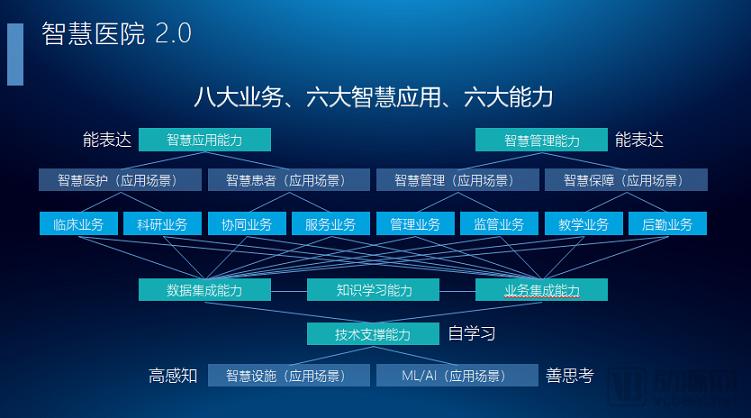
Smart Hospital 2.0:Winning Health’s Smart Platform is built on a modular AI engine, covering eight major business domains: clinical care, scientific research, collaboration, services, management, regulation, education, and logistics. It supports six smart applications: smart medical and nursing care, smart patient services, smart management, smart support, smart facilities, and ML/AI. The platform features four core capabilities: data integration, knowledge learning, business integration, and technical support. It aims to build a smart hospital that is expressive, self-learning, highly perceptive, and thoughtful. Winning Health assisted the General Hospital of Shanxi Datong Coal Mine Group in building a next-generation smart hospital, which successfully passed the Level 6 evaluation of the Electronic Medical Record (EMR) system.
Regional Health 3.0:Winning Health’s County-Level Medical Community Solution, guided by the national “13th Five-Year Plan” for healthcare system reform and the “Healthy China 2030” policy framework, leverages information technology to standardize data, integrate medical resources, and unify data supervision. It drives innovation in data sharing, healthcare management, and patient care services, optimizing and redistributing high-quality medical resources from county-level general hospitals down to communities, townships, and villages. This enhances the service capacity and quality of primary healthcare institutions, establishing a three-tiered hierarchical diagnosis and treatment system characterized by “strong counties, vibrant townships, and stable villages.” The solution gradually realizes the model of “minor illnesses treated at the community level, major illnesses referred to hospitals,” promoting the upgrading of the healthcare service chain within counties. Winning Health’s County-Level Medical Community Solution provides support for the integrated county-township healthcare reforms in Shanxi Province.
B-Soft Renamed, with Three Major Business Units Joining Forces
B-Soft has been renamed to B-Soft Health, and has established three major business groups: Healthcare IT, Healthcare Internet, and Healthcare IoT. It is expanding its industrial layout around medical big data operations, digital healthcare, smart healthcare, and healthy cities. Among them, the Healthcare Internet Business Group showcased core products of significant importance at this conference.
The goal of launching internet-based medical and health products is to establish a citywide universal information service system, promote the interconnection, integration, and open sharing of government health and medical information systems with public health and medical data, and build a new service model of “Internet + Medical Health.” This provides strong impetus for deepening healthcare system reform, advancing full-lifecycle health management, and constructing a smart and efficient medical and health service system. Typical cases include: Healthy Zhongshan, Healthy Wuhan, Jiangsu Province Hospital of Traditional Chinese Medicine, Dongtai Internet Hospital, Rong Jiayi, and Shanghai Minhang Jieyi Platform.
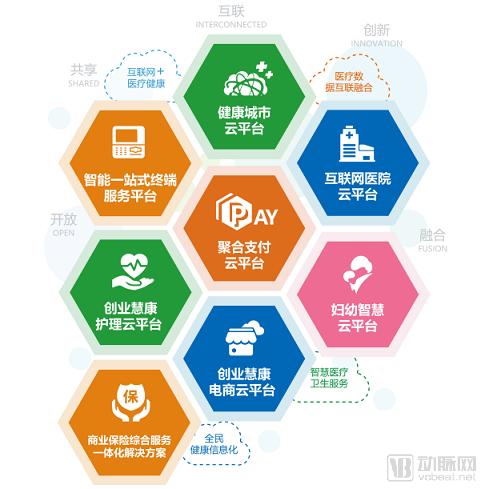
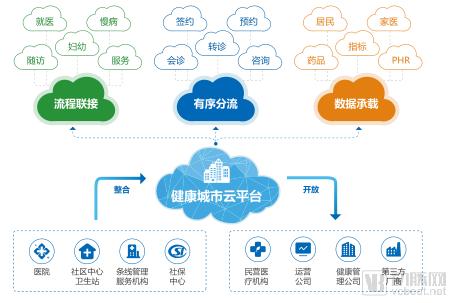
Healthy City Cloud Platform:The Health City Cloud Platform, government-led, integrates urban medical and health resources, enhances openness through internet-based transformation, optimizes and restructures service processes, and builds a city-level healthcare service platform to provide residents with precise, convenient, and trustworthy one-stop services. Its featured services include family doctor contract services, an O2O closed-loop for medical care, precision health management, and comprehensive Personal Health Records (PHR).
Internet Hospital Cloud Platform:Centered on high-quality medical resources, we provide patients with a suite of innovative healthcare services, including convenient access to care, health consultations, online diagnosis and treatment, and prescription refills for follow-up visits. Meanwhile, the Internet Hospital facilitates interaction among collaborative medical institutions. By leveraging cloud-based bidirectional referrals and remote consultations, it strengthens cooperation with partner organizations within the Medical Consortium, fostering integrated medical service delivery and expanding the influence of healthcare institutions. Its featured services include: Online Consultations, Prescription Refills for Follow-up Visits, Out-of-Hospital Health Management, and Remote Collaboration.
AI & Big Data: Clinical Decision Support Is Hot
Big data and artificial intelligence are indispensable technologies in the construction of smart hospitals. As representatives of China’s big data and AI sectors, Senyi Intelligent and Infervision have both launched new products. Senyi Intelligent has built a new-generation big data center powered by AI, focusing on hospital data governance to facilitate refined management and clinical research. Infervision has introduced its AI research platform, InferScholar® Center, providing physicians with accessible AI-driven research capabilities. Following its collaboration with BMJ, Jiahemed leverages BMJ’s evidence-based medicine knowledge base and clinical practice guidelines to offer decision support across key clinical stages, including pre-diagnosis, intra-diagnosis, and post-diagnosis.
Thus, it is evident that data governance and utilization constitute the most fundamental and core component in the development of smart hospitals. Clinical decision support can effectively enhance physicians’ performance in clinical practice and scientific research, thereby naturally becoming a key application scenario of interest to big data and artificial intelligence enterprises.
Senyi Intelligence Launches AI-Based Hospital Information Platform
Currently, hospital information systems generally suffer from a lack of optimization in overall business processes. The traditional "point-to-point" mesh interface approach poses significant risks to the stability, security, reliability, and efficiency of these systems. Data cannot be effectively interconnected, leading to an increasingly severe "information silo" phenomenon. This has gradually become a major obstacle constraining hospital development, while simultaneously causing operational and maintenance costs to multiply.
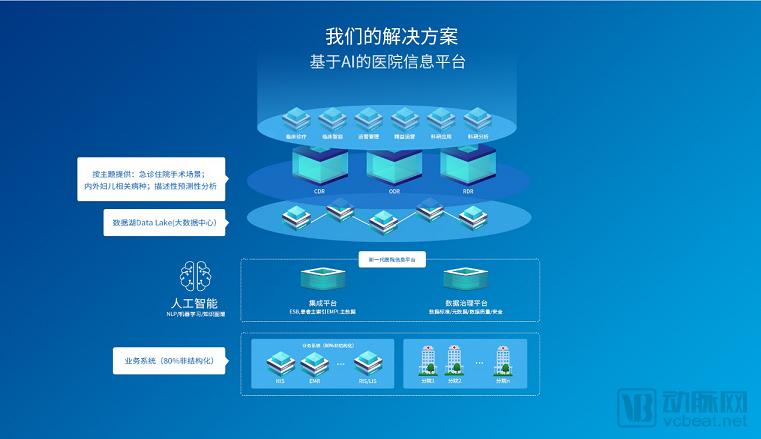
Senyi Intelligence’s AI-powered hospital information platform solution encompasses all the functionalities of traditional hospital information platforms while advancing data governance to a deeper level. It not only meets the practical operational needs of hospitals but also ensures compliance with interoperability assessments, laying a solid foundation for their future smart hospital development.
1. Selection Criteria: Truly Unburdening Hospitals
We have chosen to partner with Orion, a well-known international third-party ESB vendor widely adopted in China. Its key features include robust functionality, compliance with international HL7 standards, high cost-effectiveness, and ease of use.
2. Architectural Innovation: Backward Compatible, Forward Leading
A leading provider of intelligent hospital information system solutions that pioneered the adoption of container cloud architecture. Compared to traditional IT architectures, such as dual-server setups or virtual machines, container clouds offer more efficient operations and maintenance management, faster architecture deployment, and more effective resource utilization. Container clouds demonstrate significant improvements over virtualization in terms of memory footprint, startup speed, and partition size.
3. In-Depth Governance: Enhancing Data Quality Across Multiple Dimensions
Through various governance methods, including technical measures such as standardization, alerts, completion, and removal, data governance is conducted to form high-quality data. This enhances data availability and provides a foundation for further applications.
4. AI-Empowered Applications: Intelligent Deployment Across Multiple Scenarios
Compared to traditional CDR, ODR, and RDR solutions, this approach integrates Senyi’s artificial intelligence technology across clinical, administrative, and research domains, fully meeting the application scenarios of refined hospital management, clinical decision support, and big data-driven scientific research analysis.
5. Final Value
For the Information Technology Department: Break down information “silos” to achieve hospital-wide data interoperability; for Hospital Management: Comprehensively enhance refined management and medical service quality; for Clinical Departments: Empower smart applications with AI, ensuring that clinical operations across diverse scenarios are evidence-based.
Infervision's AI Scholar Research Platform
InferScholar® Center combines Infervision’s AI infrastructure with its scientific research service capabilities, providing doctors with barrier-free access to AI-driven research tools and empowering every clinician to leverage AI. With InferScholar® Center, physicians can rapidly integrate cutting-edge technologies such as Deep Learning and Radiomics into their clinical research practices.
InferScholar® Center is an integrated medical artificial intelligence device combining software and hardware, designed for research applications including medical imaging big data management and analysis, data annotation, deep neural network model construction, radiomics feature extraction, omics feature analysis, and machine learning model development. It supports deep learning and radiomics modeling for various imaging modalities, such as X-ray, CT, MRI, PET/CT, pathological slides, and digestive endoscopy. In addition to medical imaging data, InferScholar® Center can also integrate structured clinical text information to investigate a wide range of medical topics.
Deep learning is currently the mainstream artificial intelligence approach for big data mining and analysis in medical imaging. Radiomics employs automated algorithms to extract a large volume of feature information from regions of interest (ROI) within medical images as research subjects, and further utilizes statistical analysis or machine learning methods (such as support vector machines, decision trees, Bayesian algorithms, etc.) to identify key informative features from large-scale datasets.
InferScholar® Center provides tools for the research and incubation of deep learning and radiomics models, which can be widely applied to intelligent and precise imaging studies in oncology, cardiovascular, neurological, and respiratory diseases. It holds significant value for artificial intelligence-based imaging research, particularly in early disease diagnosis, treatment monitoring, and prognosis prediction.
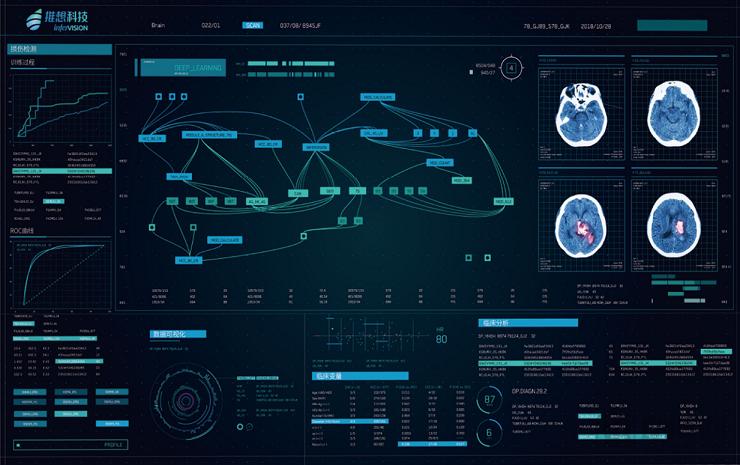
Physicians can leverage InferScholar® Center to build proprietary AI models for research, infusing medical practice with a human touch. Medical experts can autonomously select the data, models, logic, parameters, and other elements used to train their AI, ensuring it aligns more closely with the specific characteristics of healthcare operations and yields greater scientific achievements from a clinical perspective. The AI models incubated by InferScholar® Center are not merely independent, cold, and unfamiliar machines; rather, they serve as assistants that physicians can control and understand.
Jiahe Meikang Develops Clinical Decision Support System
Jiahe Meikang Clinical Decision Support System (CDSS) is an information system designed to support clinicians and other healthcare practitioners by providing auxiliary decision-making assistance at key clinical workflow stages, including pre-diagnosis, during diagnosis, and post-diagnosis. Leveraging high-quality historical medical records as data sources, supported by the BMJ Evidence-Based Medicine knowledge base and clinical practice guidelines, and employing machine learning techniques on historical high-quality medical records, the system utilizes big data and artificial intelligence technologies to generate precise algorithmic models. It constructs rule bases for assisted diagnosis, assisted treatment, and clinical early warnings, thereby achieving precise, personalized decision support throughout the entire patient care journey.
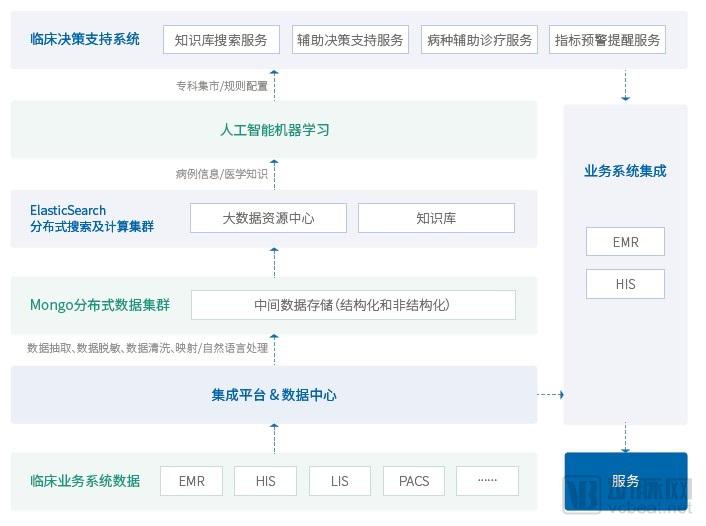
1) Auxiliary Diagnosis
Key Features: Diagnostic probability lists, differential diagnosis recommendations, recommended laboratory/imaging tests, and report interpretation. Advantages: BMJ Evidence-Based Medicine knowledge base ⇒ authoritative standard diagnostic and treatment guidelines; machine learning on historical medical records ⇒ prioritized recommendations for diagnoses and differential diagnoses.
2) Assisted Diagnosis and Treatment
Key Features: Treatment Plan Recommendations, Similar Case Recommendations, and Rating Scale Recommendations. Advantages: BMJ Best Practice (Clinical Practice) + Hospital Best Clinical Practices = Precise, Personalized Treatment Plan Recommendations.
3) Clinical Alerts
Key Features: Diagnostic alerts, medication alerts, and laboratory/test alerts. Advantages: Provides real-time alerts for medical interventions that deviate from clinical guidelines, based on dynamic information such as actual changes in patient condition, test/examination results, and clinical medication usage.
4) Knowledge Search
**Core Features:** Drug information inquiry; laboratory test item inquiry; surgical knowledge inquiry; evidence-based medicine evidence inquiry; medical literature and data inquiry; disease and medical terminology knowledge base inquiry. **Advantages:** Semantic-based multi-dimensional knowledge retrieval with millisecond-level search speed; aligns with clinical workflows for rapid and accurate information positioning.
1) Authoritative Evidence-Based Medicine Knowledge Base + Support for Best Clinical Practices To further enhance the authority and objectivity of data within its knowledge base, Jiahe Meikang has partnered with BMJ, a leading global medical publisher. Leveraging BMJ’s robust evidence-based medicine knowledge base, the collaboration provides concise, precise, and standardized logical support grounded in the best available medical evidence for subsequent diagnostic processes and treatment plan recommendations.
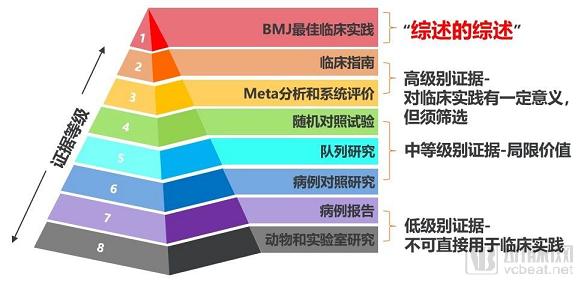
BMJ Best Practice represents the distilled essence of knowledge at the apex of the evidence-based medicine hierarchy. It features comprehensive coverage, timely updates, convenient searchability, full localization, and high-level structuring. As a foundational data support for clinical decision-making, it provides a series of standard treatment principles encompassing diagnosis, medication, examinations/tests, and follow-up, serving as a navigational beacon to guide fundamental diagnostic and therapeutic directions.
During clinical diagnosis and treatment, the system adheres to BMJ’s best medical evidence as the standard principle, while leveraging high-quality electronic health record-based machine learning models to ensure personalized recommendations. This approach achieves differentiated and individualized decision support for diverse patients, addressing the limitations of traditional Clinical Decision Support Systems (CDSS), which often provide singular recommendations without weighted prioritization. Consequently, it helps physicians effectively reduce the time required for clinical confirmation, improve diagnostic efficiency, and enhance the precision of treatment plans.
2) Machine Learning for High-Quality Medical Records
By leveraging over a decade of clinical knowledge mining and accumulation, along with in-depth expertise in the field of electronic medical records (EMR), Jiahe Meikang utilizes machine learning on extensive high-quality historical medical records to continuously transform “knowledge” into “decision-making.” This approach prevents flat and singular outcomes, enabling Clinical Decision Support Systems (CDSS) to achieve genuine “meaningful use” in clinical practice.
IoT: One of the Biggest Beneficiaries of Smart Hospital Construction
In 2019, the National Health Commission defined the scope of smart hospitals, which mainly includes three major areas:
1. "Smart Healthcare" for Medical Professionals;
2. "Smart Services" for Patients;
3. “Smart Management” for Hospital Administration.
The Level 0–8 grading evaluation of Electronic Medical Records (EMR) corresponds to “Smart Healthcare,” while the Level 0–5 grading in the recently released Hospital Smart Service Grading Assessment Standard System (Trial) corresponds to “Smart Services.” During an official interpretation meeting held by the National Health Commission, a preview was given of the rating standards for “Smart Management,” with experts indicating that these standards were expected to be issued in 2019.
“Smart management” typically encompasses the management of hospital supplies such as pharmaceuticals, consumables, laboratory reagents, medical waste, and patient linens, and even extends to utility management (water, electricity, and gas) for hospital facility operations. Thus, medical IoT enterprises are poised to become among the biggest beneficiaries in the development of smart hospitals.
Yihui Technology's Comprehensive Smart Hospital Solution
Yihui Technology, a leading domestic smart healthcare enterprise, made a significant appearance with its comprehensive smart hospital solutions, showcasing application scenarios for smart outpatient and emergency services, smart nursing, smart wards, and smart logistics.
Smart Outpatient and Emergency Services leverage mobile internet as the carrier and adopt a service-oriented philosophy. By integrating “Internet + Healthcare” services, they create an all-in-one online platform that consolidates consultation, appointment scheduling, registration, triage guidance, clinical consultation, payment, intelligent customer service, health education, indoor navigation, chronic disease prescription refills, health records, satisfaction surveys, follow-up visits, medical record delivery, and electronic invoicing. This establishes a high-quality, efficient, convenient, and intelligent online diagnosis and treatment channel, enabling AI-driven control over every node of the patient journey—from pre-visit appointment registration to the completion of care and departure from the hospital.
Smart nursing leverages mobile computing, the Internet of Things (IoT), and artificial intelligence to build a comprehensive hospital smart nursing service platform that integrates IoT connectivity, data fusion, and intelligent sensing applications. The platform encompasses clinical nursing, nursing management, smart wards, and nursing big data. By deeply integrating nursing operations, it enables multi-scenario, multi-terminal assisted nursing and full-process, multi-loop closed-loop management. This reshapes smart service design for clinical departments, providing patients with high-quality nursing care and whole-process health management, thereby helping hospitals comprehensively enhance their overall strength.
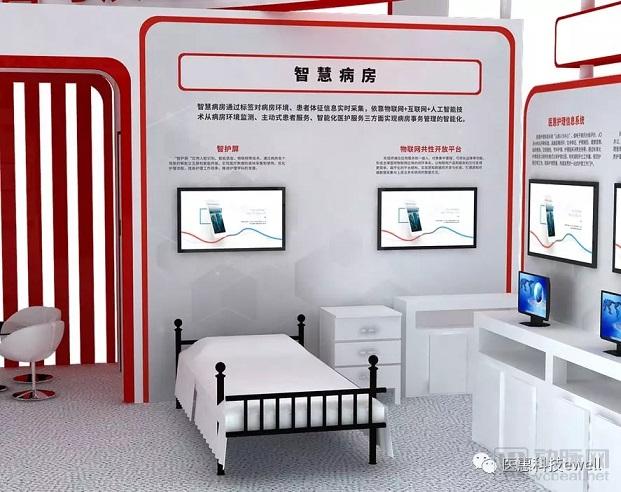
Smart wards are built on a common IoT platform, enabling real-time collection of ward environmental data and patient vital signs via tags. By leveraging shared platform capabilities, the system serves the entire medical workflow, seamlessly connecting wards, patients, healthcare staff, and medical devices. Integrating IoT, internet, and artificial intelligence technologies, it achieves coordinated emergency call responses among personnel positioning systems, smart bedside cards, bedside interaction terminals, smart ward displays, nursing dashboards, and nurses’ smartwatches. This ensures timely response to patient needs and enhances inpatient safety.
Smart Logistics is a new concept and model that leverages next-generation information technologies—such as the Internet, the Internet of Things (IoT), cloud computing, big data, and positioning technology—to enhance the operations, services, and management of hospital logistics support. By employing various advanced technologies to build smart logistics systems and “reengineer” hospital logistics processes, hospitals can establish a standardized, refined, and intelligent logistics service system. This approach truly achieves closed-loop management of hospital logistics, improves logistical management efficiency, optimizes work performance, enhances managerial standardization, reduces operational costs, and ultimately boosts the overall operational effectiveness of the hospital.
Rongke Technology's Remote Specialty Outpatient Clinic
Remote Specialty Outpatient Clinics are one of the key product lines launched by Shenzhou Shihan, a subsidiary of Rongke Technology. This product series was also showcased at the CHINC conference.
# Methods for Establishing Remote Specialty ClinicsRemote specialty clinics can be established within multiple leading disciplines of a hospital. The remote consultation center at a tertiary hospital arranges daily expert schedules, while remote clinic rooms are set up in downstream primary care hospitals to conduct examinations. This enables patients to “consult renowned specialists from Grade A tertiary hospitals without traveling far,” thereby achieving the goal of “initial diagnosis, examination, and treatment all at the primary care level.”
Functions of lower-tier hospitals include: registration system, queue management system, audio-video consultation system, remote auxiliary examination equipment, and physician workstations.
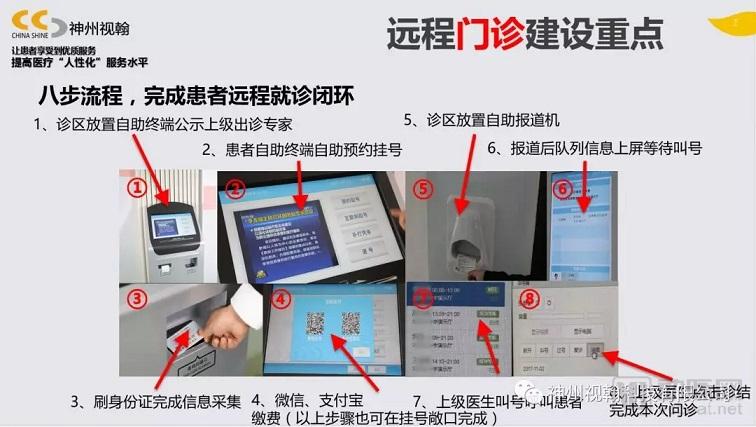
In addition to remote consultations, Shenzhou Shihan also showcased video collaboration-based medical service applications. The medical video collaboration platform includes the following subsystems: inter-departmental consultation system, ICU visitation system, and surgical demonstration system.
Central Conference Room: Integrated design delivers face-to-face video communication effects. Commonly used in high-end teleconsultation centers, it features 70-inch dual-screen or triple-screen all-in-one teleconsultation units that provide life-size (1:1) images, creating an immersive experience for consulting specialists. Suitable for conference rooms under 100 square meters, the integrated deployment ensures a tidy and organized environment, facilitating data collaboration. This is the most common teleconsultation room configuration, offering easy and flexible deployment along with comprehensive functionality.
![T2QVG3QUTEFBF7QTZ0]AS~P.png](http://cdn.vcbeat.top/upload/image/13/04/11/07/1554988043224453.png)
In terms of remote ward rounds, Shenzhou Shihan’s ward round system is not limited by geographical constraints and supports real-time synchronized access to patient scenarios, medical records, and vital signs.
Construction content includes:
1. Utilizes a trolley-mounted, single-screen design for easy mobility, facilitating passage through doorways and elevators;
2. Energy-saving design with a built-in lithium battery that ensures at least 8 hours of use on a single charge;
3. Utilizes carrier 4G networks, independent of in-hospital Wi-Fi; facilitates deployment;
4. The in-vehicle encoding device requires at least three channels of synchronous encoding, supporting the synchronized acquisition and encoding of video feeds from HD cameras, doctor workstation computers, and patient monitors;
5. Adopts H.265 high-efficiency coding technology to save network bandwidth;
6. Equipped with a pan-tilt camera, allowing nurses to freely adjust the angle; supports touch-controlled zoom in (+) and out (-);
7. Directional sound pickup ensures clearer patient voice;
8. Physicians at superior hospitals can review medical records and control the camera lens on the workstations of subordinate physicians using a mouse.
Cloud Computing: Security, Multi-Scenario Applications, and Bridging the Gap with Hospitals
In the development of smart hospitals, various internet applications require cloud computing support. Hybrid cloud has become the prevailing trend in hospital cloud platform construction, as it balances security and scalability. Huazhuo Information’s next-generation medical hybrid cloud architecture addresses hospitals’ apprehensions about cloud adoption through enhanced security and intelligence. Kingsoft Cloud has launched its “One Cloud, Three Endpoints” service, comprising a single cloud computing data center that delivers cloud services to three user groups: administrators, healthcare institutions, and residents. This approach offers diverse solutions tailored to different scenarios, facilitating the deployment and implementation of cloud products in hospitals.
Huazhuo Technology Unveils Next-Generation Hybrid Cloud
At this CHINC conference, Huazhuo Information Technology proposed a new generation of medical hybrid cloud architecture that is more secure, resilient, and intelligent. Based on this architecture, the company launched a comprehensive smart hospital solution integrating clinical operations, overall hospital management, and internet-based hospital applications. Empowered by an artificial intelligence platform, the solution fully realizes the digitization of medical information, simplification of medical processes, and humanization of service communication, thereby meeting the needs of hospitals for intelligent management and decision-making.
Huazhuo Information Technology’s hybrid cloud architecture was fully deployed at Shulan Healthcare, facilitating its official JCI accreditation on October 5, 2017.
Huazhuo Hybrid Cloud integrates cloud computing, distributed storage, and system management platforms into a single, fully self-developed hybrid cloud system architecture, featuring the following characteristics:
1. Leverage robust resource pool technology to achieve unified, efficient, and scalable management of cloud-based and on-premises servers, storage, computing, and other resources;
2. Provide unified elastic orchestration for virtual machines and containers, supporting high reliability, high availability, and high concurrency during application runtime;
3. Leverage distributed storage services to implement application interfaces better aligned with industry needs, lower the barrier to storage adoption, provide hybrid synchronization solutions, and enhance storage utilization efficiency;
4. Based on the microservices architecture, it significantly reduces module coupling and development cycles for application systems, and enables rapid deployment and iteration through continuous integration technology.
Facing medical institutions of varying types and scales, the demand for informatization is diverse. Particularly for sensitive applications and data, there remains a strong preference for deployment within on-premises private cloud environments. To meet these needs, Huazhuo’s hybrid cloud architecture fully enables hybrid deployment and unified management of public and private clouds, ensuring application and data security while significantly reducing hardware investment.
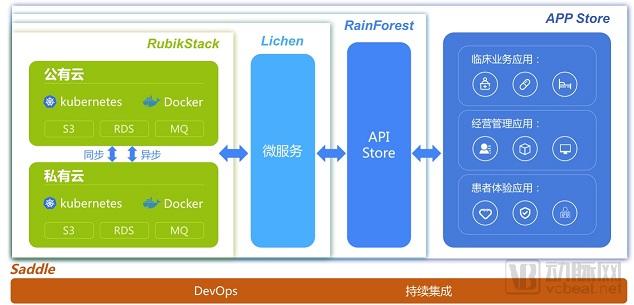
Huazhuo Hybrid Cloud Overall Architecture Diagram
Huazhuo Hybrid Cloud connects public and private clouds via VPC (Virtual Private Cloud) networks, deploying a unified management platform, RubikStack, to centrally orchestrate resources such as computing and storage, thereby making the underlying infrastructure transparent to application systems. Leveraging a continuous integration platform, it enables rapid deployment and iteration of microservices-based applications, while dynamically scaling service nodes according to application usage, thus delivering highly reliable, highly available, and scalable platform services.
Kingsoft Cloud’s “1 Cloud, 3 Terminals”
Kingsoft Cloud, guided by its core “ABC” philosophy (Algorithm, Big Data, and Cloud Computing), leverages top-tier cloud resources, a comprehensive portfolio of cloud products, and high-quality cloud services to build a new medical cloud architecture for users. Referred to as the “1-Cloud, 3-Ends” model, it comprises one cloud computing data center and cloud services tailored to three user groups—administrators, healthcare institutions, and residents—delivering diverse solutions adapted to various scenarios.
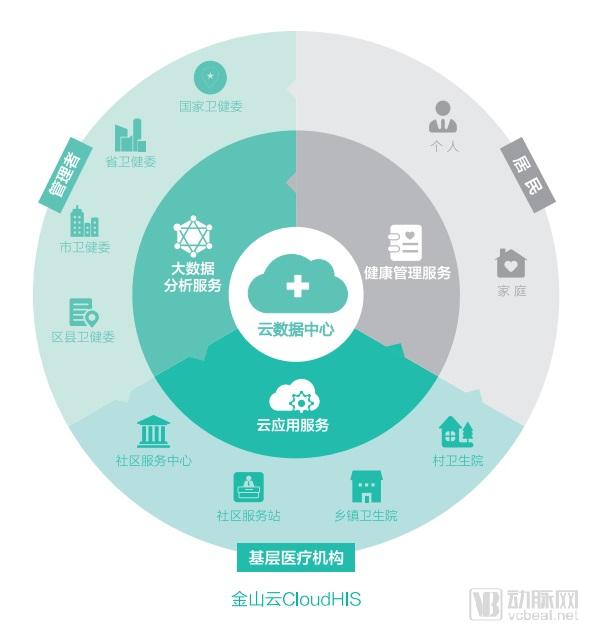
Enhancing Public Health Decision-Making Capabilities:Break down information silos among primary healthcare institutions within the region to achieve the aggregation and standardization of personal health and medical data. By leveraging big data analytics, develop individual health profiles and further generate urban health maps. This enables administrators to maintain real-time awareness of health information within their jurisdiction, shifting the management of medical and health events from post-event response to pre-event prediction and in-process monitoring, thereby effectively enhancing public health decision-making capabilities.
Improving the Efficiency of Primary Healthcare Services:Leveraging technologies such as mobile payments, voice input, facial recognition, prescription templates, print templates, and intelligent follow-up packages to assist physicians in their work, thereby comprehensively enhancing service efficiency at primary healthcare institutions.
Extend the Service Radius of Healthcare:Extend healthcare services to residents’ doorsteps by leveraging terminal devices such as mobile phones and digital TVs to provide personal health records, health information, and medication reminders, enabling residents to benefit from a closed-loop health management service that integrates in-hospital and out-of-hospital care.
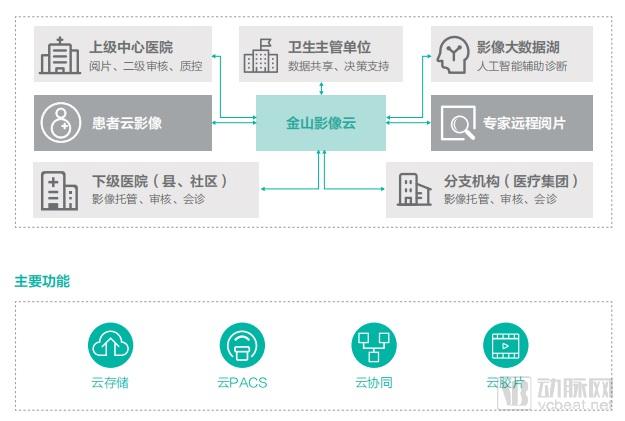
Kingsoft Imaging Cloud, built on the secure and flexible Kingsoft Cloud platform, integrates high-quality industry resources to provide comprehensive imaging services to diverse clients, including government agencies, hospitals, private medical institutions, and patients. By leveraging regional medical resources, it facilitates the decentralization of premium healthcare resources, optimizes imaging diagnosis workflows, enhances diagnostic quality, and simplifies the patient care journey, thereby supporting healthcare reform.
In accordance with the requirements for overall framework design outlined in the National Health Commission’s “Guiding Opinions on Accelerating the Development of Population Health Informatics,” Kingsoft Cloud has developed a “1115” top-level planning solution for Xiantao’s smart healthcare initiative, aiming to achieve coordinated resource planning, data integration, business collaboration, evidence-based regulation, and convenient, people-centered services.
![%WYSW(N_(_P[YV]]]MD~(MW.png](https://cdn.vcbeat.top/upload/image/07/04/10/41/1554882118195547.png)
As of the end of March 2019, Kingsoft Cloud’s CloudHIS had provided integrated cloud services to 757 primary healthcare institutions in Xiantao City, establishing 1.21 million personal health records. It achieved interconnectivity among three municipal hospitals, integrated 415 million data records from medical institutions at all levels, and facilitated over 100,000 remote diagnoses within the medical consortium.
Information Security: Dynamic Defense Safeguards Hospital Network Security
The frequent release of major policies and standards has propelled hospital informatization into its next stage of development. Whether for Internet hospitals or smart hospitals, data security remains an indispensable concern. At this year’s CHINC exhibition, Ruijie Networks, a leading domestic information security enterprise, launched a dynamic defense system based on next-generation cybersecurity frameworks to counter increasingly rampant cyberattacks.
Ruijie Networks' LAN Security Solution
It is positioned for LAN security, enhancing the security level of local area networks by constructing a virtual, dynamic, and randomly shifting LAN environment. By dynamically altering network topology, it presents attackers with an ever-changing "network maze." Any misstep by an attacker is immediately detected by the system, depriving them of the basis for further attacks. Leveraging technologies such as Software-Defined Networking (SDN), cloud computing, and big data, it conducts in-depth analysis and identification of cyberattack behaviors, enabling comprehensive and effective defense, detection, and localization of various network attacks, including Advanced Persistent Threat (APT) attacks.
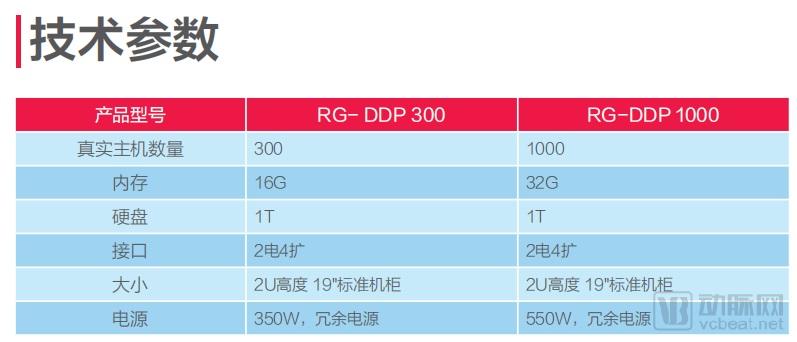
Dynamic Defense SystemBy leveraging the concept of deceptive defense, the Dynamic Defense System deploys a large number of virtual hosts around real hosts. When attackers initiate infiltration attempts, they interact with these virtual hosts, which then trigger alerts to the system. The system automatically and in real-time locates and blocks the attackers. Virtual hosts allow flexible configuration of host types, ports, port response rates, and MAC identifiers, making it impossible for attackers to distinguish the open ports of real hosts. This setup triggers active interception by the device during port scanning and probing, thereby blocking attacks.
Dynamic Defense System: It virtualizes a large number of dynamically changing virtual hosts and randomly alters their attributes and network topology, presenting a dynamically shifting network environment to each host that intrudes into the system. This prevents attackers from stealthily identifying their targets, thereby achieving the goal of preventing network penetration.
It is fully compatible with existing network architectures, allowing hosts within the protection scope to communicate seamlessly with external hosts while under real-time protection. The IP addresses for hosts within the protection scope can be assigned either by this system or by the existing address distribution server, depending on the specific network environment. The IP addresses of hosts within the protection scope can be dynamically changed based on configuration settings.
Each host connected to the device is assigned a separate network segment, preventing direct communication between hosts via network addresses. This effectively blocks attackers from carrying out ARP spoofing, network sniffing, and other activities within the local area network. For necessary data communication, the dynamic defense system introduces support for domain name mechanisms, enabling hosts to establish communication through each other’s domain names using the operating system’s built-in DNS protocol.
The 2019 CHINC Conference has kicked off, with most enterprises no longer focusing heavily on traditional information systems. The development of internet hospitals and smart hospitals is in full swing at tertiary hospitals. Technologies such as big data, artificial intelligence, cloud computing, and the Internet of Things have also become powerful tools for hospitals to strengthen themselves in this new phase.
The hospital is nestled in the center, surrounded by clusters of flowers, while the market is booming and bustling with activity. As one industry practitioner put it, the second wave of healthcare informatization has arrived!