

AI Without Distance, Parkinson's Patients Without Fear: Tencent's First Documentary on AI-Powered Parkinson's Diagnosis
“Can you imagine a person walking in the middle of the road who suddenly freezes and becomes immobile as a car approaches, as if a switch inside their body had been abruptly turned off?” For Mr. Zhou, this marks his tenth year living with Parkinson’s disease, facing daily the possibility of sudden “off” episodes (“off” refers to motor fluctuations, a complication that may arise after long-term pharmacological treatment).
This scenario is a microcosm of some patients among the 3 million people with Parkinson’s disease in China. In stark contrast, there are only slightly more than 1,000 specialists in the field of Parkinson’s disease nationwide. On April 11, World Parkinson’s Day, Tencent’s first micro-documentary on Parkinson’s disease, “AI Without Distance, Patients Without Fear,” was officially released. The three-minute short film authentically portrays the lives of patients with Parkinson’s disease and highlights the power and hope that technology brings to medicine. Mr. Zhou is one of the main protagonists.

As if the body had its “pause button” pressed
“During a gathering with colleagues, they asked, ‘Old Zhou, why are you moving so slowly?’ I felt as if dozens of people were staring at me with strange looks.” For Old Zhou, a patient with Parkinson’s disease, the discomfort following his diagnosis began with enduring the unusual gazes of those around him. At that time, he had just retired and suddenly noticed an involuntary tremor in his left foot.
For patients with Parkinson’s disease, a lingering sense of “stigma” is often deeply ingrained in their hearts. While other chronic conditions such as hypertension, diabetes, and even cancer can be openly acknowledged by patients, Parkinson’s disease often carries a shame that makes individuals feel reluctant to face others. The condition left Mr. Zhou feeling helpless. The tremors and rigidity made him perceive his limbs as unsightly, and he eventually fell into depression. “For two full years, I completely isolated myself, as if the world were ending tomorrow.” For Mr. Zhou, that was the most difficult period; his willpower crumbled, and loneliness and fear threatened to engulf him at any moment.
One poignant detail in the documentary stands out: Mr. Sun, who has been living with Parkinson’s disease for 24 years, loves making dumplings. Holding a plate of freshly wrapped dumplings, he suddenly “froze” in front of the refrigerator and said to his wife, “Give me a hand; I can’t turn around.” His tone was filled with helplessness and melancholy.

“The on-off phenomenon” is one of the motor complications in patients with Parkinson’s disease, characterized by sudden generalized rigidity and severe immobility, as if the body’s “pause button” has been pressed regardless of time or situation. More common symptoms of Parkinson’s disease include tremor, limb rigidity, bradykinesia, hyposmia, sleep disorders, depression, and constipation.
The palpable progression of Parkinson’s disease has become a growing source of anxiety for Mr. Zhou and his fellow patients. In the documentary, Mr. Sun recalls his 24-year journey with the illness: “It started with slight tremors in my hands, which gradually worsened over time. Eventually, my legs began to tremble as well, filling me with increasing fear.”
Doctor-Patient Ratio of 1:3,000: A “Dilemma on Both Sides” Like a Seesaw
Early detection, diagnosis, and treatment, combined with scientific and effective disease management, can significantly help slow the progression of Parkinson’s disease and control its symptoms.
However, the reality is that early diagnosis and comprehensive management of Parkinson’s disease are far from easy, posing two major challenges. On one hand, as a severe neurodegenerative disorder that jeopardizes the health of middle-aged and elderly individuals, Parkinson’s disease affects a large population in China. With nearly 3 million patients served by only slightly more than 1,000 specialists, the ratio amounts to just one physician for every 3,000 patients. This imbalance between doctors and patients resembles a “seesaw,” and the increasingly aging population will continue to widen this disparity.
On the other hand, there are inherent limitations in the assessment methods for the primary motor symptoms of Parkinson’s disease. Unlike chronic conditions such as diabetes and hypertension, which can be quantitatively measured using medical devices, the main assessment approach for Parkinson’s disease is relatively rudimentary. Internationally, the Unified Parkinson’s Disease Rating Scale (UPDRS) or its revised version, the Movement Disorder Society-sponsored UPDRS (MDS-UPDRS), is commonly used to evaluate patients’ condition. Physicians conduct manual observations and assign scores based on the fluency with which patients perform specified movements, thereby providing a comprehensive clinical assessment. A complete evaluation process takes more than half an hour, which is not only time-consuming and labor-intensive, increasing the burden on both doctors and patients, but also introduces obvious subjectivity.
For Parkinson’s disease, the longer the disease course, the more evident the clinical signs become, facilitating clinicians in making treatment adjustments and conducting comprehensive assessments. However, for patients with a disease duration of less than five years, studies have reported that even in the United States, the diagnostic accuracy of non-specialists, such as family physicians and community doctors, is only around 57%.

“Scores assigned by different doctors may vary considerably, and even the same doctor might give different scores on different days, reflecting a degree of subjectivity. For patients in the early stages, these symptoms can be so subtle that minute changes in movement are indistinguishable to the naked eye,” explained Professor Wang Jian, Chief Physician of the Department of Neurology at Huashan Hospital Affiliated to Fudan University and Principal Investigator for Parkinson’s Disease at the National Clinical Research Center for Geriatric Diseases (Huashan).
“Conducting a single assessment is quite time-consuming.” Professor Wang Jian also expressed his helplessness, noting that currently, only a small number of special patients, such as subjects in certain studies, have access to sufficient professional medical staff to perform comprehensive and regular assessments for them. Parkinson’s disease is both a common and chronic condition, and there is a long-term need for objective, quantitative evaluation of the severity of patients’ conditions. “However, we are unable to conduct regular assessments for the majority of patients due to insufficient manpower.”
AI Technology Brings a New Dawn
Improving the accuracy and efficiency of Parkinson’s disease diagnosis and management has become an urgent priority, and the integration of artificial intelligence (AI) is making this possible. The Tencent Medical AI Lab, in collaboration with Professor Wang Jian’s team, has jointly developed the “Intelligent Assessment System for Motor Function in Parkinson’s Disease.” In preliminary small-scale tests, the motor scores calculated by this system were closely aligned with those assessed by specialist physicians. This system simplifies the assessment process for Parkinson’s disease: patients do not need to wear any sensors; they simply stand in front of a smartphone camera and perform a series of instructed movements. The analysis of the patient’s motor video can be completed within just three minutes.
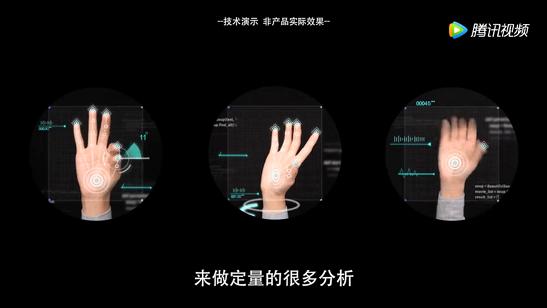
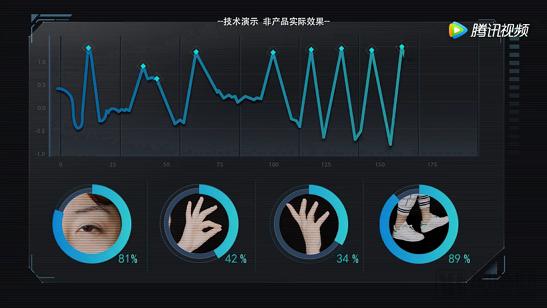
Professor Wang Jian stated, “We encourage patients to regularly record themselves performing these movements every three months in accordance with our instructions and upload the videos via their mobile phones. This provides clinicians with crucial data for diagnosis, while AI assists physicians in quantitatively assessing the severity of Parkinson’s disease.”
AI not only assists in movement assessment but also provides support in the management of Parkinson’s disease. Dr. Fan Wei stated that in the middle to late stages, patients with Parkinson’s disease generally require caregiving support, which significantly impairs their quality of life. With professional assessment tools, patients can engage in the management of their chronic conditions via mobile devices. “AI helps physicians gain a better understanding of patients’ conditions and enables patients to comprehend the efficacy of diagnosis and treatment for Parkinson’s disease, thereby facilitating collaborative efforts between doctors and patients to improve quality of life.”
“Artificial intelligence can help physicians save time while potentially providing clinically validated standards that are repeatedly verifiable, thereby reducing the incidence of low-probability events. For instance, assessing disease progression in Parkinson’s patients, evaluating medication efficacy, determining whether improvement has occurred and to what extent, and deciding whether treatment plans need adjustment—these aspects have historically been difficult for clinicians to quantify and assess, but AI offers promising solutions,” said Dr. Fan Wei, Head of Tencent Medical AI Lab.
This is the world’s first AI-assisted diagnostic technology for Parkinson’s disease that leverages video motion capture analysis, representing a technological breakthrough from Tencent Medical AI Lab. “We have pioneered an unprecedented path, aiming to harness the power of technology to fill gaps in medical practice and help physicians overcome current bottlenecks that are difficult to surmount.”
The convergence of the internet and technology is continually enabling people to experience the benefits of an improved quality of life. In the healthcare sector, Tencent is leveraging technology to alleviate suffering, reaching more individuals in need, reducing pain for patients, easing burdens on families, and enhancing efficiency for physicians, thereby better giving back to society.
More importantly, technology is gradually narrowing the distance between doctors and patients. As physicians and scientists devote themselves to exploring how technology can advance medical research, patients are equipped with appropriate tools and have increasingly assumed a more proactive role in managing their own health. As medical research becomes more accessible, patients find it easier to understand diseases. Meanwhile, AI is building a bridge of communication and trust between doctors and patients.

At the end of the documentary, a Parkinson’s patient expressed his hopes to the camera: “It (AI technology) will continue to improve along this path; I am full of confidence.” As the subtitles gradually appeared in the film, “AI Knows No Distance, Parkinson’s Patients Fear No More,” this new dawn of technology is illuminating the lives of a growing number of people, injecting greater vitality into the healthcare sector, and jointly lighting the way forward for life. This stands as the finest interpretation and tribute to the principle of “Tech for Social Good.”