

Cullgen Secures $16 Million Series A Financing to Advance Targeted Protein Degradation Therapeutics

Cullgen
Developer of Small Molecule-Induced Protein Degradation Technology
HongShan
Business Consulting, Enterprise Management Consulting Investment Institutions
VCBeat (WeChat ID: biobeat1) has learned that on April 10, U.S. drug development company Cullgen announced the completion of a $16 million Series A financing round, co-led by HongShan and Hui Capital. Cullgen will use the proceeds from this round to advance its pipeline of targeted protein degraders for diseases such as cancer.
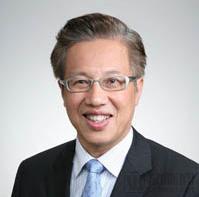
Cullgen Founder and Chairman Ying Luo (Source: Cullgen Official Website)
Cullgen is a drug development company dedicated to the development of targeted protein degraders, with a focus on researching new therapies for cancer, genetic disorders, and autoimmune diseases. Founded in 2018 and headquartered in San Diego, USA, the company operates an R&D center in Pudong, Shanghai. It was established by Dr. Ying Luo, a Chinese scientist trained in the United States. Dr. Luo holds a bachelor’s degree from Peking University and a Ph.D. from the University of Connecticut, and conducted postdoctoral research on HIV gene regulation at the University of California, San Francisco. In 2001, Dr. Luo founded Shanghai Ruixing Gene, which was later acquired by GNI Group.
In recent years, induced protein degradation has emerged as a new highlight in drug research, significantly expanding the scope of potential drug targets and providing new avenues for innovative drug discovery. By leveraging the body’s own ubiquitin-proteasome system to achieve targeted induction of protein degradation, this approach enables effective inhibition of numerous non-enzymatic proteins.
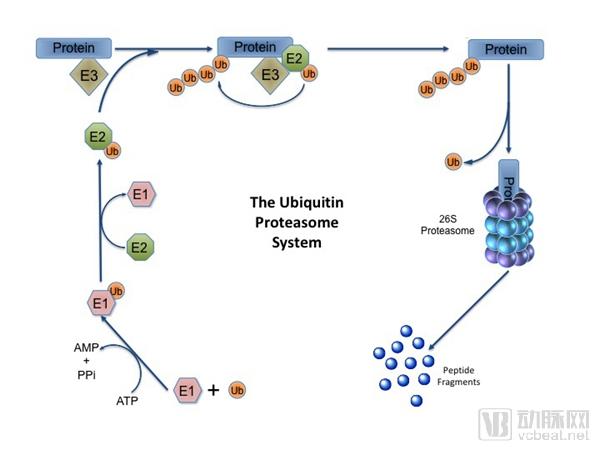
Basic Principles of Developing Induced Protein Degradation Conjugates Based on Ubiquitin E3 Ligases (Source: Cullgen Official Website)
During the ubiquitin-proteasome degradation of intracellular proteins, ubiquitin molecules are first activated by E1 ubiquitin-activating enzymes. The activated ubiquitin is then transferred to E2 ubiquitin-conjugating enzymes. The E2 enzyme forms a ubiquitination complex with an E3 ubiquitin ligase via scaffold proteins. The E3 ubiquitin ligase binds to the target protein and catalyzes its ubiquitination. The ubiquitinated target protein is ultimately recognized by the proteasome, degraded into peptides and amino acids, while ubiquitin molecules are released for recycling.
uSMITE (Ubiquitin-mediated Small Molecule Induced Targeted protein Elimination) is a patented targeted protein degradation platform developed by Cullgen. uSMITE can identify degradation complexes bound to pathogenic proteins and then signal the body’s proteasome system to eliminate these pathogenic proteins. The platform comprises novel E3 ligand discovery, protein target identification, and linker small molecule design.
This platform is capable of designing conjugates for targeted protein degradation. These conjugates contain bifunctional units that can specifically recognize and bind to both the protein of interest and the E3 ubiquitin ligase, thereby facilitating the ubiquitination of the target protein and ultimately inducing its degradation.
Dr. Ying Luo, Founder and Chairman of Cullgen, stated, “Since our inception in early 2018, we have made significant strides in our protein degradation platform and identified several preclinical drug targets. In addition to these technological advancements, the company has established a Scientific Advisory Board and an outstanding senior management team, as well as built an R&D laboratory staffed by more than 40 professionals.”
About HongShan China
HongShan focuses on equity investments in four sectors: technology and media, healthcare, consumer upgrades, and industrial technology. Since its establishment in 2005, the firm has invested in more than 500 companies, including numerous unicorns such as Alibaba, Toutiao, BGI, and Didi Chuxing.
About Honghui Capital
Honghui Capital is an investment fund focused on the healthcare industry, currently managing dual-currency funds in RMB and USD, with total assets under management of approximately $1 billion. Since its establishment in 2014, Honghui Capital has successfully invested in more than 40 companies, including Mindray Medical (300760), Yuwell Medical (002223), WuXi AppTec (603259), Linhua Medical (835637), Pharmaron (300759), Baiyang Pharmaceutical, Borui Biology, Sansure Biotech, and other outstanding enterprises.