Q1 2019 Global Healthcare Investment Report: 311 Deals and $8.94 Billion in Funding Set New Record
HongShan
Business Consulting, Enterprise Management Consulting Investment Institutions
Investment and financing activities in the healthcare sector have always been a primary focus for enterprises and investment institutions. As soon as the first quarter of 2019 concluded, major institutions began releasing their healthcare investment and financing data for Q1 2019. VCBeat compiled and organized data published by StartUp Health, Rock Health, and MobiHealthNews, conducting a comparative analysis from the perspectives of the number of financing deals and total financing amounts. Discrepancies exist among the data released by these institutions, likely due to differences in statistical methodologies and geographic scopes. These organizations primarily focus on companies in the digital health sector, with Rock Health and MobiHealthNews covering only U.S.-based digital health companies. To provide a more comprehensive reflection of the growth and evolution of the healthcare industry, VCBeat expanded its statistical scope to cover ten sub-sectors, including biotechnology, pharmaceuticals, medical devices, and healthcare informatics. By adopting a global perspective, VCBeat has mapped out the trends in healthcare investment and financing, offering an objective and comprehensive analysis.
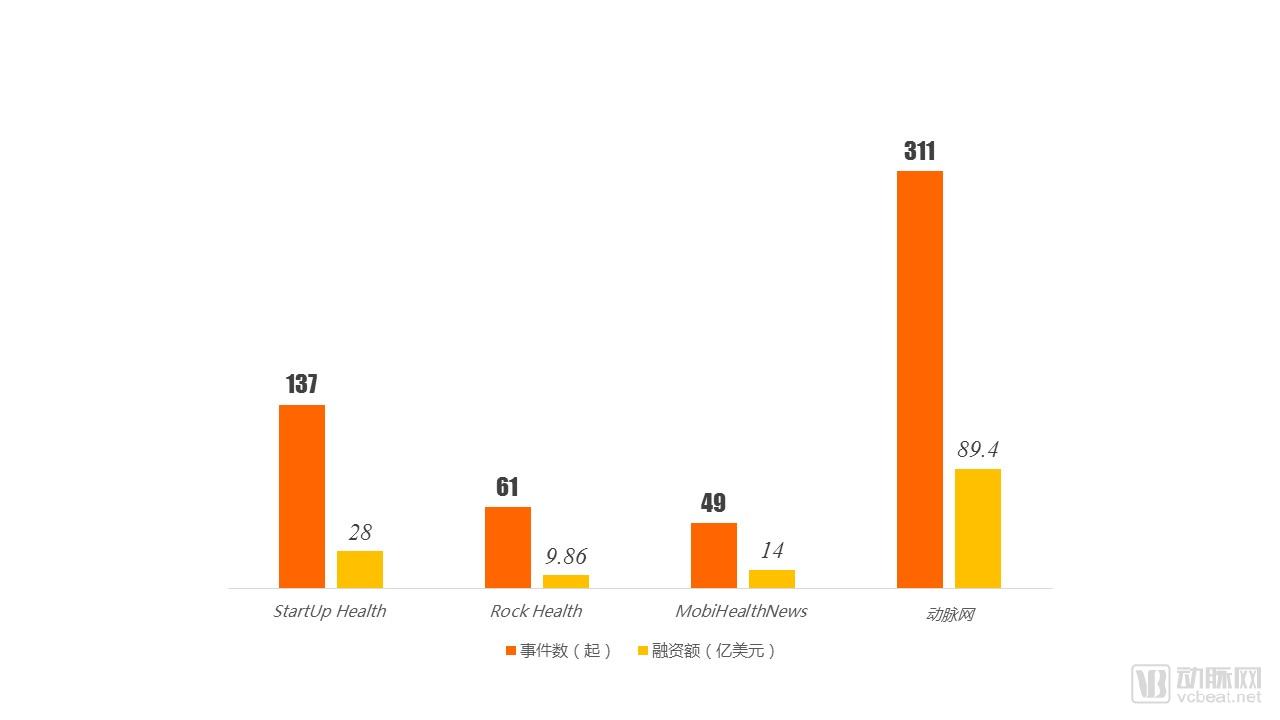
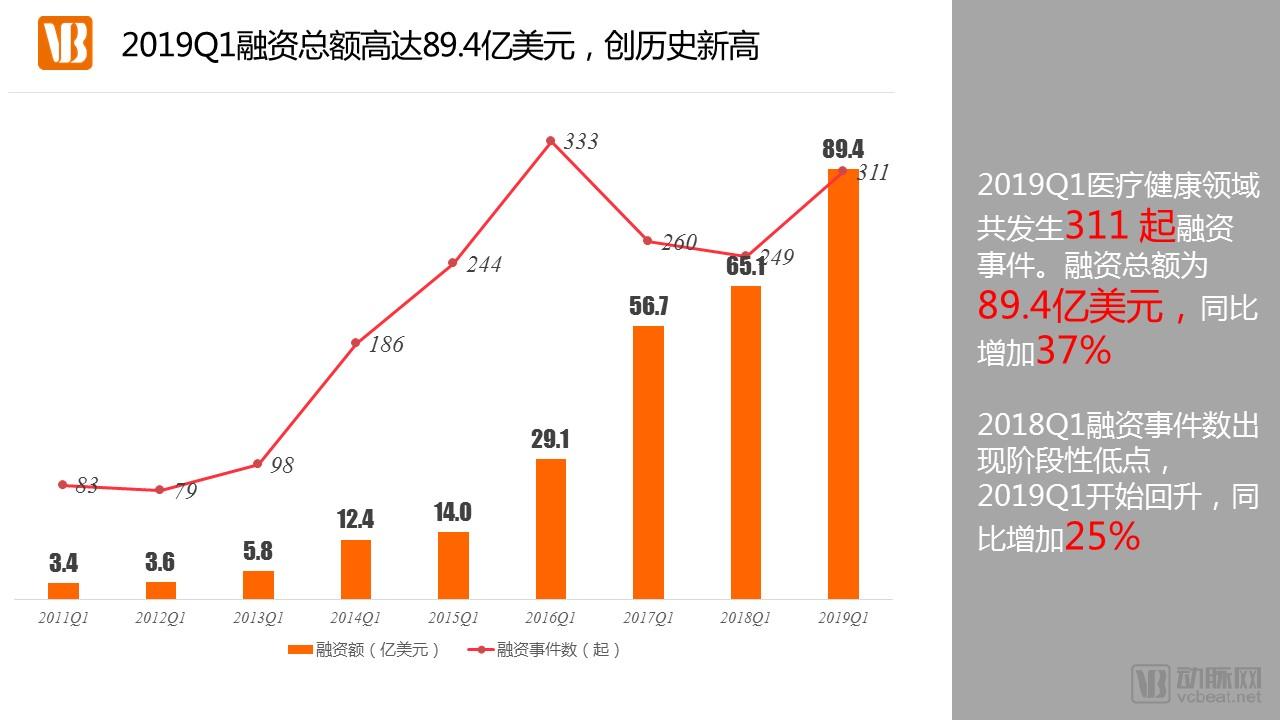
Rock Health pointed out in its report that the financing trend in the healthcare sector slowed down in Q1 2019, with relatively small year-on-year increases in both the number of financing deals and the total amount. However, VCBeat holds a different view based on its compilation and analysis of relevant data. We believe that investment and financing in the healthcare sector continued to grow in Q1 2019. The global total financing amount reached a record high of $8.94 billion, with 311 financing deals, representing a 25% year-on-year increase.
We also reached the following conclusions:
1. Globally, Series A financing events were the most frequent, totaling 96 deals, while Series B financing recorded the highest amount, reaching $2.18 billion.
2. 87 projects were from the biotechnology sector, with a total financing amount of $3.31 billion, accounting for 37% of the quarter's total financing.
3. The total financing amount for domestic projects reached $1.79 billion, setting a new record for the first quarter of any year; however, the number of financing deals, at 104, showed a declining trend compared to the same period in previous years.
4. The average financing amount for domestic projects was $17.23 million, a year-on-year increase of 51%.
5. Pharmaceuticals and biotechnology are tied as the hottest investment sectors in China, collectively accounting for 40% of the total number of domestic financing deals.
6. The United States remains the global leader in healthcare, with 142 financing deals accounting for 46% of the global total
The National Healthcare Security Administration, the National Health Commission, and the National Medical Products Administration (NMPA) were successively established in 2018, marking a new phase in healthcare reform that is bound to exert new influences on the development of the healthcare sector in 2019. For instance, the establishment of the STAR Market, with biopharmaceuticals as a key focus area, will propel the biopharmaceutical industry to a new level. Encouraging applications for AI-based medical devices will drive device manufacturers to increase their R&D investment in artificial intelligence technologies. Meanwhile, requirements to further strengthen hospital informatization and accelerate the development of internet hospitals will spur the rapid growth of healthcare IT enterprises. Policy shifts are influencing adjustments in capital investment directions. A review of the financing and investment market in the first quarter of 2019 reveals that changes in the number and volume of financing events reflect shifting attention across various healthcare subsectors and changes in corporate financing rounds.
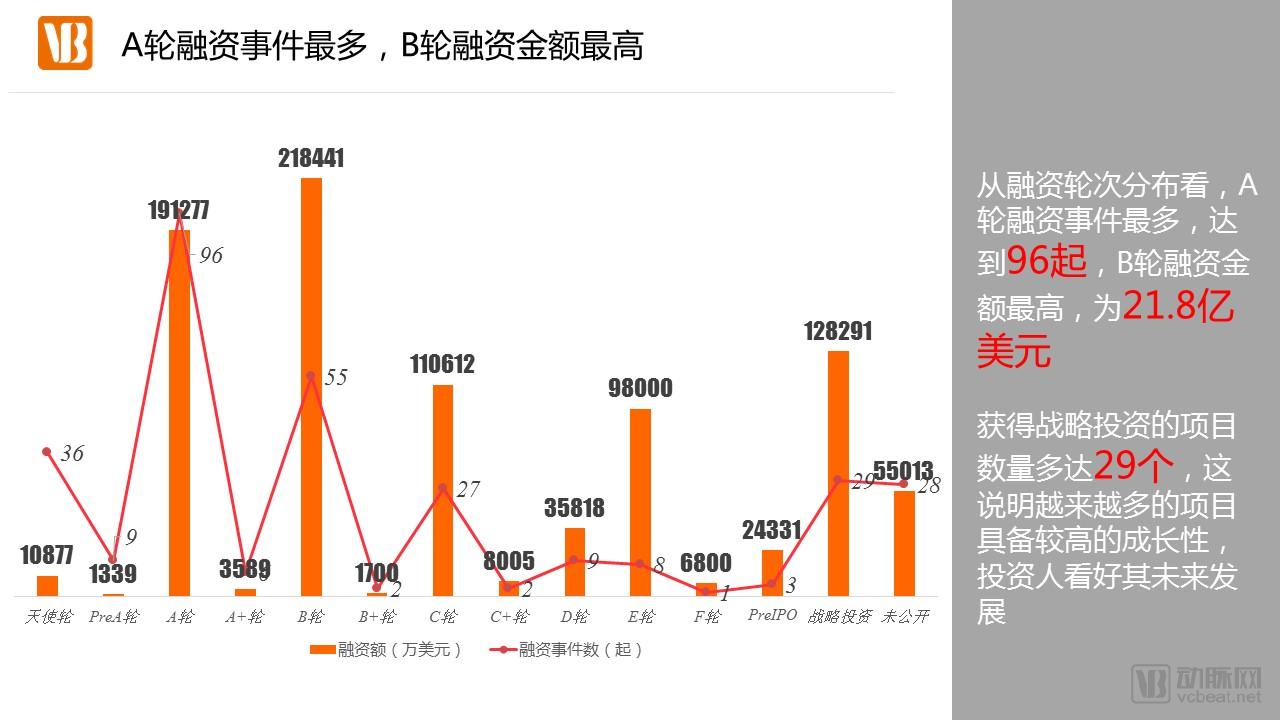
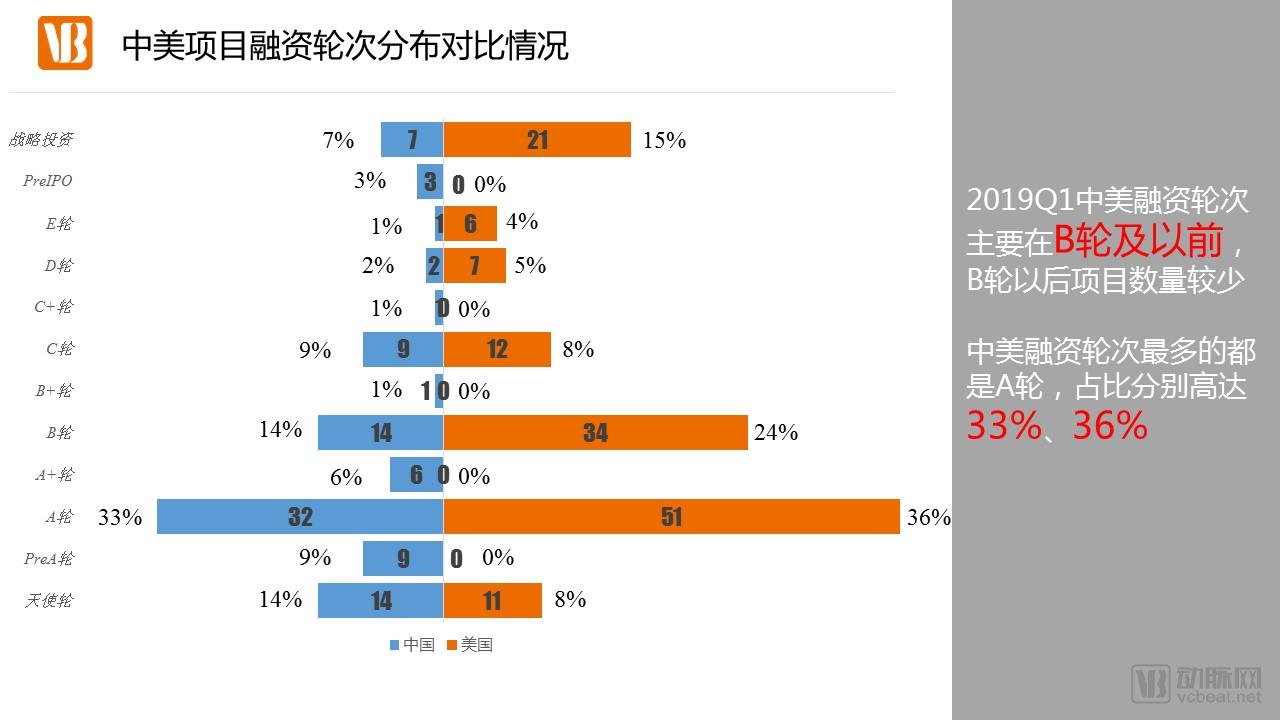
From the perspective of financing rounds for projects in Q1 2019, the projects demonstrated strong growth potential, with an increased proportion of financing events occurring after Series A and a significant decrease in the proportion of events prior to Series A.
Calypso Biotech secured the largest Series A funding round, raising €200 million. Founded in 2013 and headquartered in Amsterdam, the Netherlands, Calypso Biotech is an immunotherapy biotechnology company dedicated to researching and developing novel biologics to address unmet medical needs in immune-mediated diseases, particularly gastrointestinal indications.

Technological innovation has always been a key driver in advancing the healthcare sector. Technologies such as genetic engineering, cell engineering, protein engineering, artificial intelligence, and big data have been widely applied in areas including disease screening, drug development, medical devices, and healthcare informatics, thereby reducing risks and costs while improving quality and efficiency. As a result, biotechnology, pharmaceuticals, medical devices, and healthcare informatics have become focal points for investment institutions, accounting for a total of 250 financing events, which represents over 80% of the total.
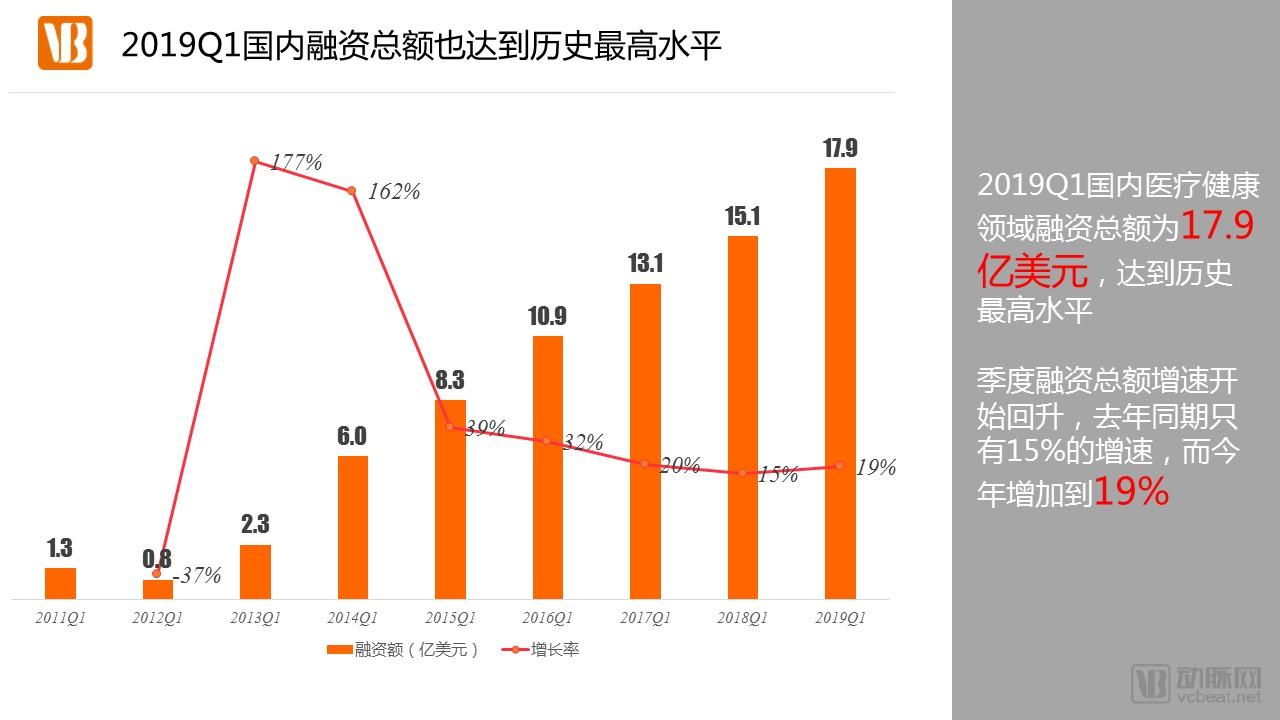
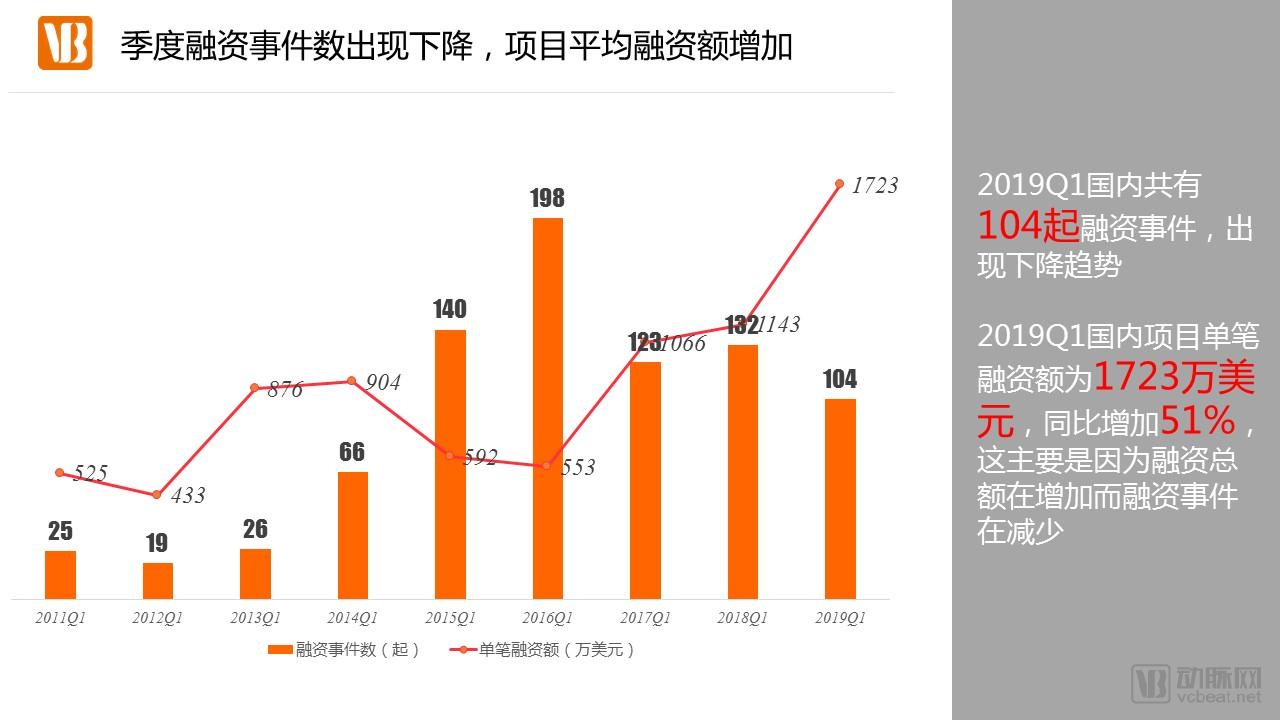
Domestic healthcare investment and financing trends are in sync with the global market, with total funding reaching $1.79 billion, the highest level for any first quarter on record. However, the number of financing deals has declined, resulting in a higher average funding amount per project. This likely reflects that investors are placing greater emphasis on selecting high-quality projects and increasing their investment in them.
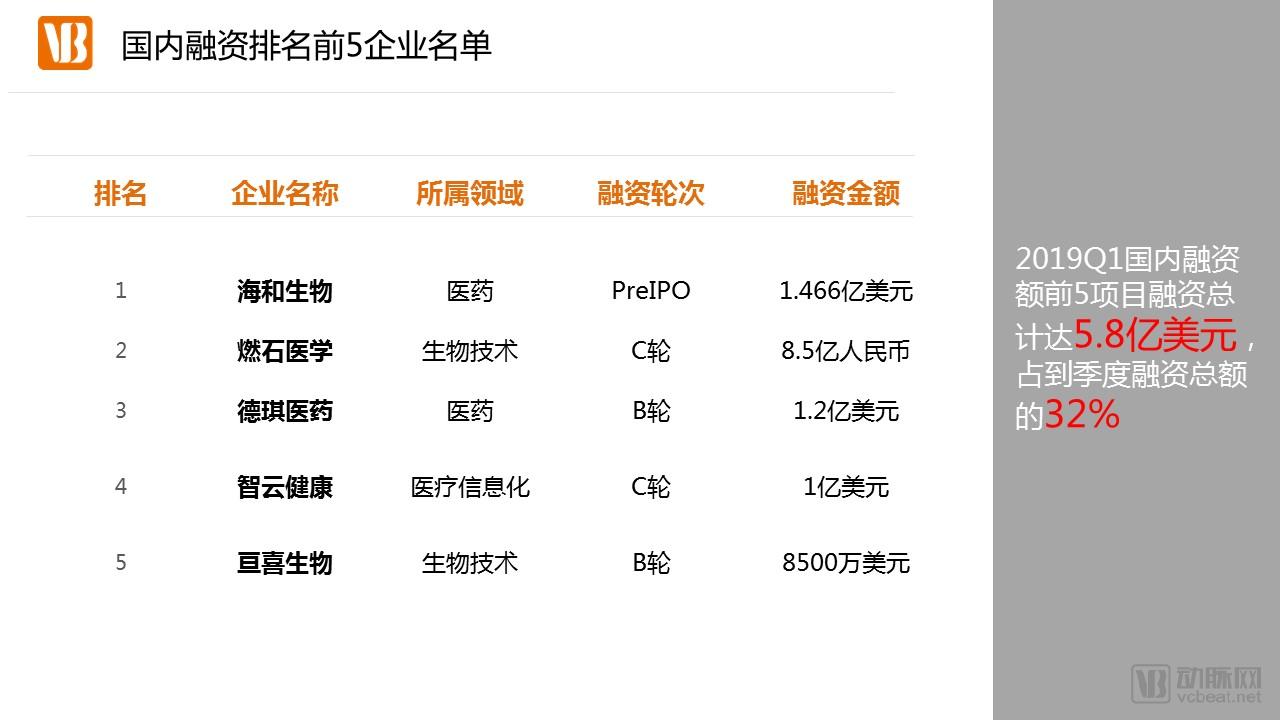
For instance, Haihe Biopharma secured $146.6 million in financing, becoming the top fundraiser in China for the quarter, while Burning Rock Biotech and Antengene followed closely, raising RMB 850 million in Series C funding and $120 million in Series B funding, respectively.
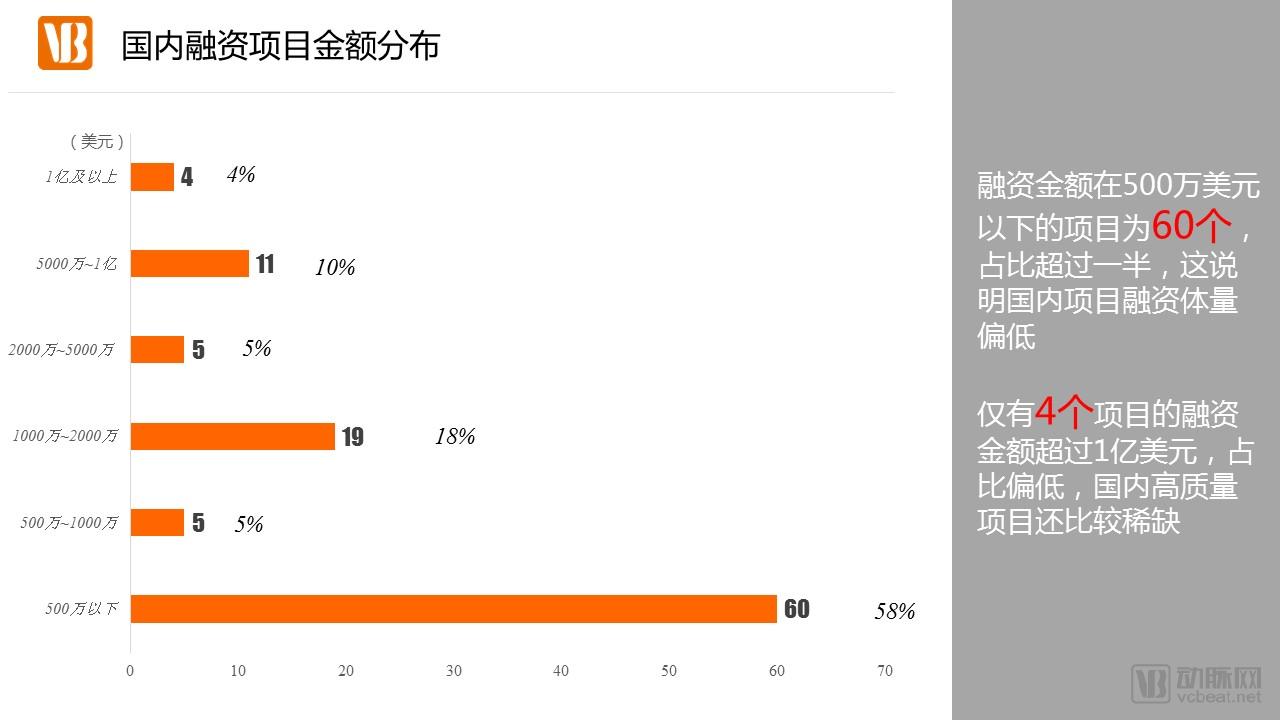
In terms of financing amount distribution, over 50% of domestic projects secured less than $5 million in funding. Only four companies raised more than $100 million: Haihe Biopharma (Pre-IPO, $146.6 million), Burning Rock Biotech (Series C, RMB 850 million), Antengene (Series B, $120 million), and Zhiyun Health (Series C, $100 million). These companies operate in the three major sectors of pharmaceuticals, biotechnology, and healthcare informatics.
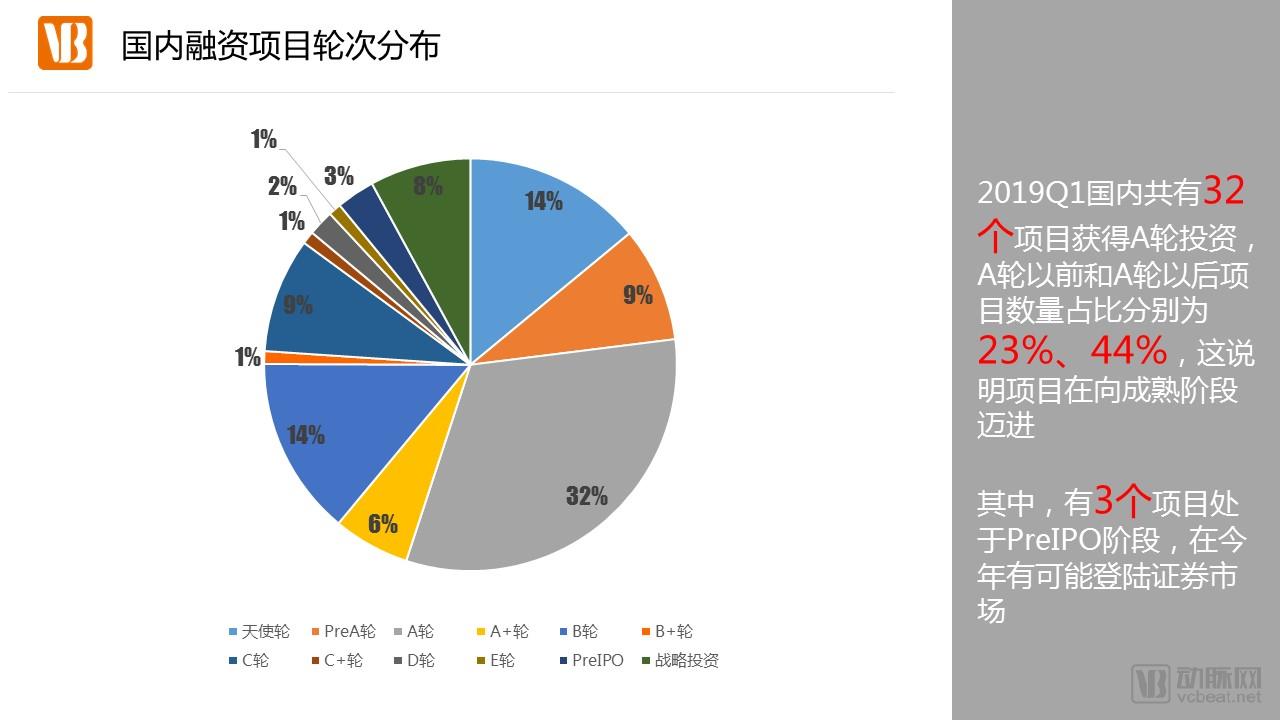
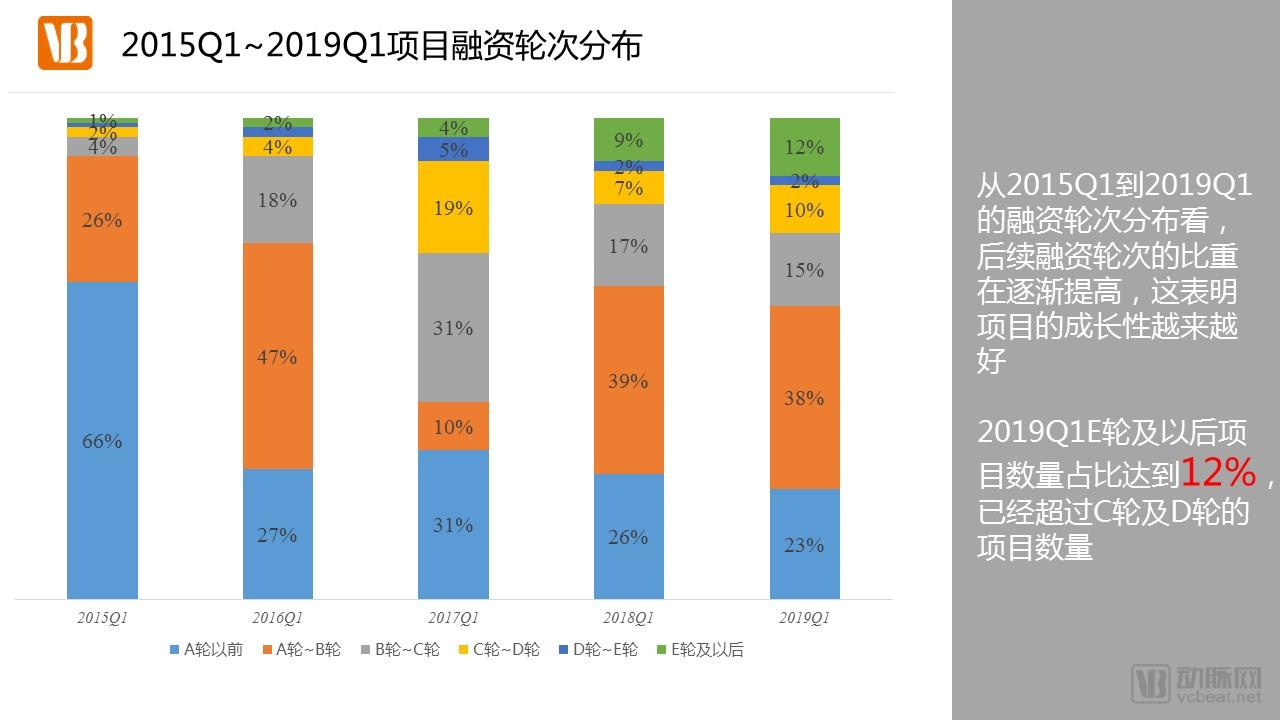
By comparing the distribution of project financing rounds in the first quarter over the past five years, we have observed a gradual increase in the proportion of later-stage financing rounds. This indicates improving growth potential of projects, with an increasing number of high-quality projects attracting interest from investment institutions, which is conducive to the long-term development of the healthcare industry.
In its Series A financing round, Yantai MabPlex International Biopharmaceutical Co., Ltd. secured RMB 400 million, claiming the top spot in China for the first quarter. This also represents the largest single financing deal in China’s large-molecule CDMO (Contract Development and Manufacturing Organization) sector in recent times. The funds will be used to enhance MabPlex’s technology platforms, expand capacity for Phase III clinical trial samples and commercial production of antibody drugs, and advance the company’s international strategic layout.
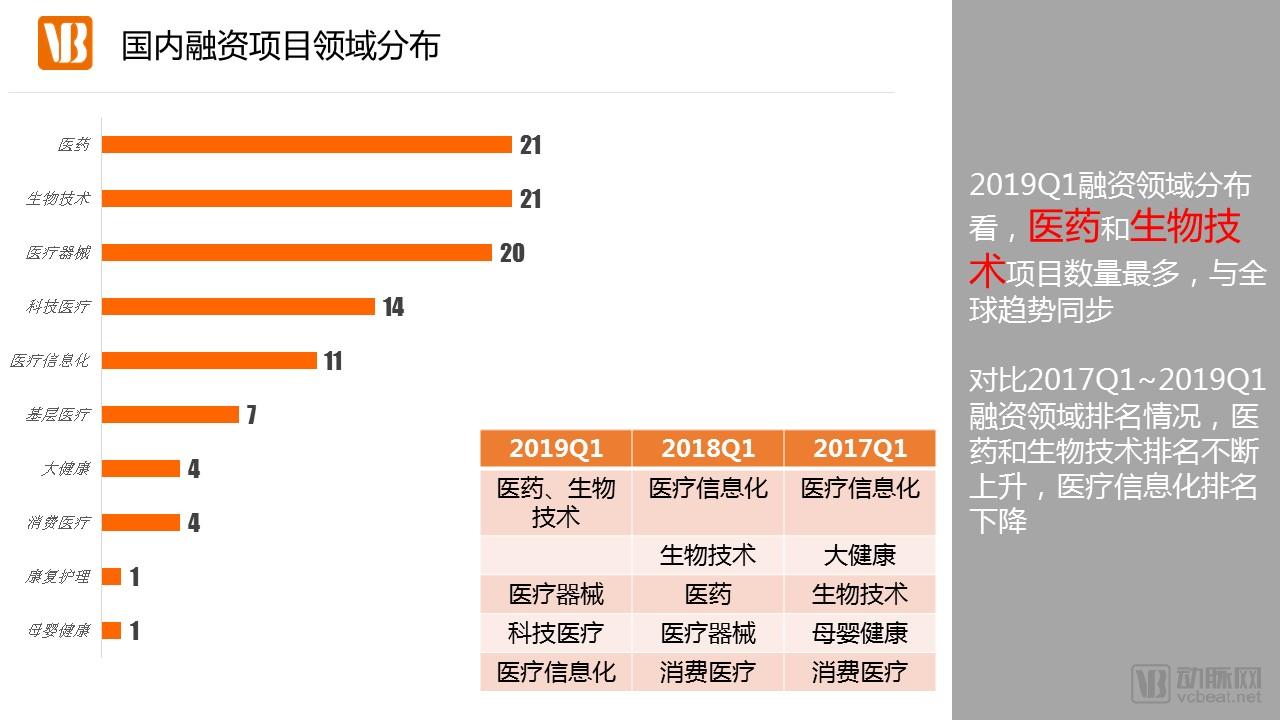
Pharmaceuticals and biotechnology have emerged as the hottest investment sectors in China. In particular, financing deals for biopharmaceutical companies accounted for 90% of the total number of deals involving pharmaceutical companies. Beyond the long-standing favor shown by investment institutions toward the biopharmaceutical sector, the launch of the STAR Market has further intensified capital attention on biopharmaceutical companies. A comparison of the top five hottest sectors over the past three years reveals a decline in the popularity of healthcare informatics, while interest in biotechnology and pharmaceuticals has risen.
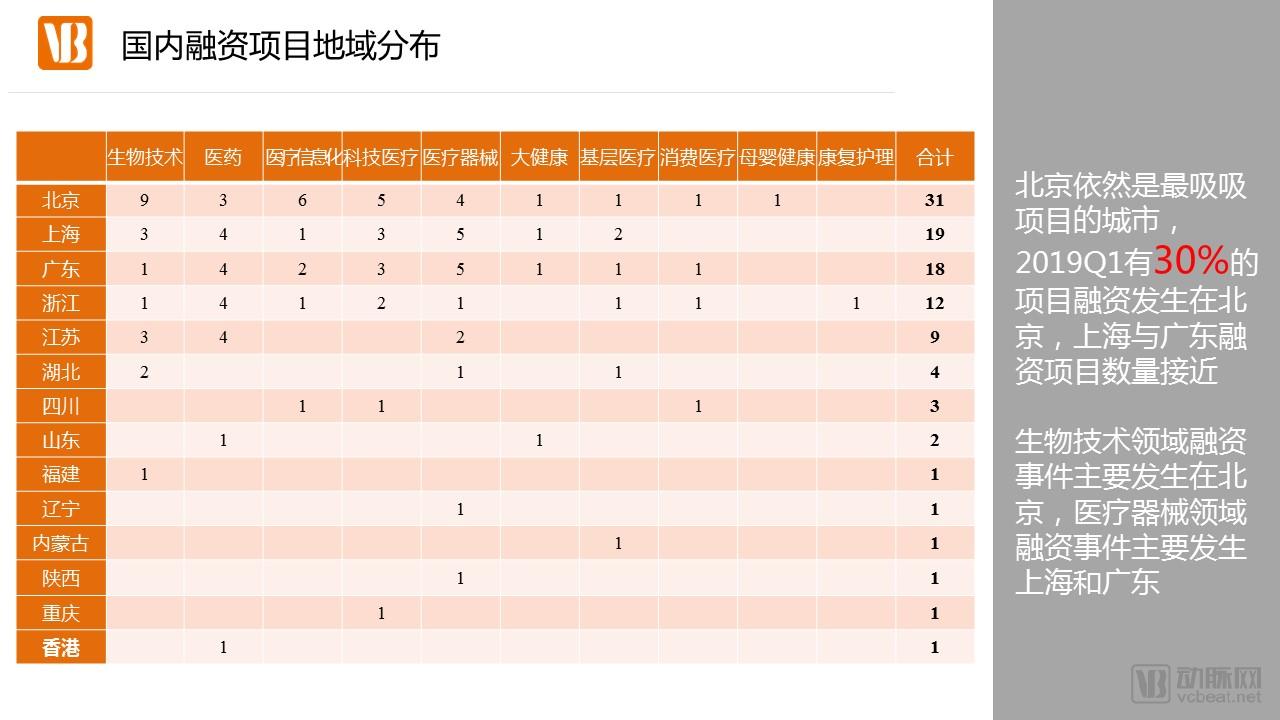
Companies in the Beijing-Shanghai-Guangzhou region continue to exert strong appeal to capital, with Beijing alone accounting for 30% of all financing deals. A combined analysis of financing by region and sector reveals that biotechnology projects dominate fundraising in Beijing, whereas medical device projects are more prevalent in Shanghai and Guangdong. The central and western regions remain underfunded, primarily due to deficiencies in technology and talent.
Haihe Biopharma, founded in 2011 in Zhangjiang Science City, Shanghai, specializes in the discovery, development, and commercialization of innovative oncology drugs. On February 11, 2019, the company announced the closing of a $146.6 million financing round, led by Huagai Capital, with participation from Yingke Capital, CSPC Pharmaceutical Group, Hillhouse Capital, CAS Venture Capital, Liansheng Venture Capital, Boyuan Capital, Caijin Capital, and Dalian Pharma. The company has established a preclinical evaluation technology platform and clinical research system encompassing drug synthesis, quality research, formulation studies, pharmacological and efficacy evaluation, biomarker discovery and validation, medical strategic planning, and clinical trials. It currently has 10 compounds in clinical development and 5 in preclinical stages, nine of which are novel first-in-class drugs.
Burning Rock Biotech is dedicated to providing next-generation sequencing (NGS) products and services with the highest clinical value for precision oncology. Its current business spans three major sectors: testing for cancer patients, early cancer screening and detection, and a big-data ecosystem for tumor genomics. Whether through innovative technologies, clinically oriented product design, or accredited quality control systems, Burning Rock Biotech has consistently maintained a leading position in the industry. On February 14, 2019, the company announced the completion of an RMB 850 million Series C financing round, primarily aimed at increasing investment in the research and development of early screening and detection products and expanding the scale of testing for cancer patients. While continuing to lead China’s tumor genetic testing industry, the company strives to build an internationally leading brand in precision oncology, making genetic testing accessible to a broader population.
Antengene is dedicated to the development and commercialization of first-in-class novel drugs worldwide, emphasizing differentiation and uniqueness in its clinical product pipeline and clinical R&D. The company focuses on the development of innovative oncology therapeutics and combination therapies, with an existing pipeline covering three major therapeutic areas: solid tumors, hematologic malignancies, and viral infections. On January 2, 2019, Antengene announced the completion of a $120 million Series B financing round.
Zhiyun Health, a healthcare informatics company headquartered in Hangzhou, has built a chronic disease management ecosystem centered on “treatment” and “therapy,” leveraging a data-driven chronic disease management model. The company has developed Zhiyun Yihui, a hospital-oriented SaaS open platform featuring a modular and customizable architecture to meet the diverse needs of various medical institutions. On January 7, 2019, the company closed its $100 million Series C financing round. According to CEO Kuang Ming, the Series C round was completed in two tranches: the Series C-1 round was closed in 2017, and the Series C-2 round was completed at the beginning of 2019. The Series C-2 round was co-led by CICC Capital and CEIC Health Fund, with participation from Ping An Insurance, Tasly Group, and Samsung Ventures.
Gracell Biotechnologies is an innovative biopharmaceutical company founded in 2017, dedicated to developing next-generation cell therapies. The company aims to address technical challenges in the field of cell and gene therapy, including complex manufacturing processes, the lack of off-the-shelf products, and short duration of efficacy. On February 25, 2019, the company completed an $85 million Series B financing round, led by Temasek, with participation from Lilly Asia Ventures, Wingtech Capital, King Star Capital, and Chengdu Miaoji.
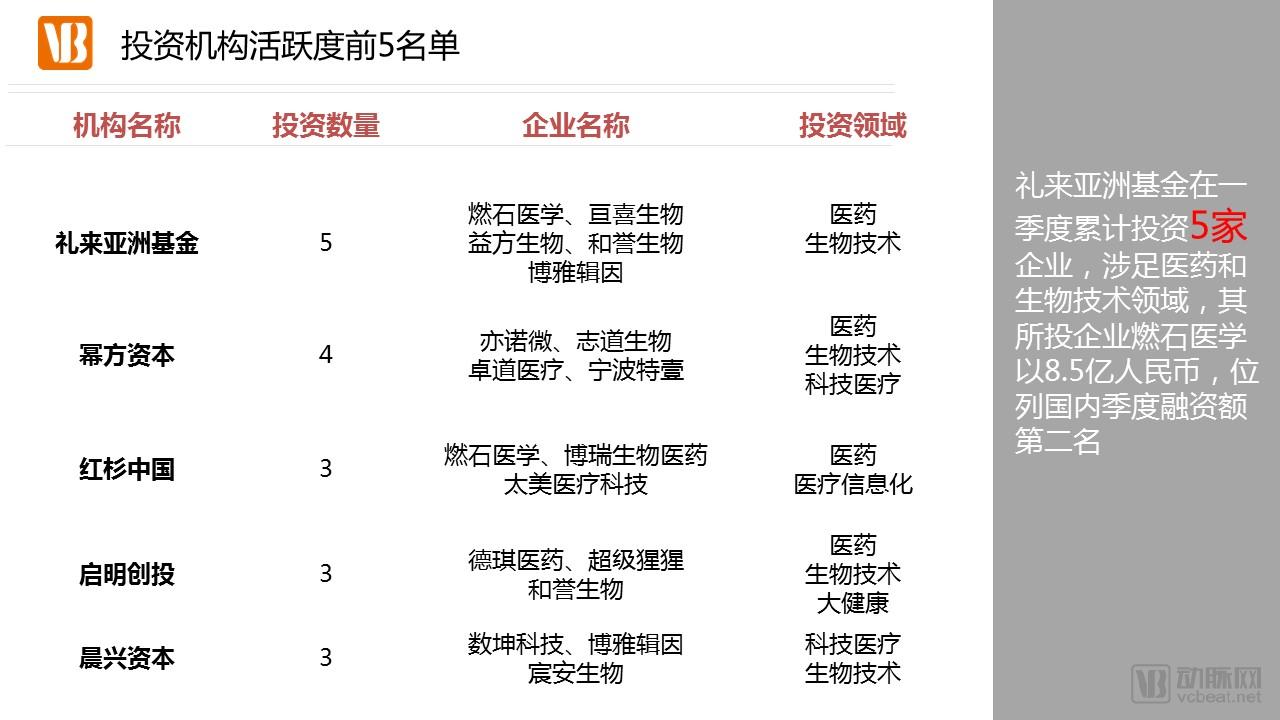
Pharmaceutical giant Eli Lilly established Lilly Asia Ventures (LAV) in 2007 to invest in life sciences companies across Asia, particularly in China. Since its inception, the fund has made 40 investments in domestic startups. Given its parent company’s pharmaceutical background, LAV’s investments in China are concentrated in the biotechnology and pharmaceutical sectors, which account for approximately 92% of its total portfolio.
Headquartered in Shanghai, Mifang Capital’s fund management team possesses deep expertise in the pharmaceutical and healthcare industry as well as extensive venture capital experience. The firm focuses on investments in the pharmaceutical, healthcare, and life sciences sectors, with a particular emphasis on early-stage and growth-stage companies. It has completed investments in more than twenty emerging biopharmaceutical companies, including TGR Biotech, Jingzhun Medical, Bohui Ruijin, SinoMicro, Hanyu Medical, Ansong Technology, Jiajian Medicine, Qiuzhen Medicine, Lingke Pharmaceuticals, Zanrong Pharma, Chengyi Biologics, Taili Biologics, and InnoMicro.
HongShan, founded in 2005 by Neil Shen and Sequoia Capital, focuses on investment opportunities in four sectors: technology/media, healthcare, consumer goods/services, and industrial technology. Within healthcare, it prioritizes artificial intelligence and antibody/targeted therapies. Over the past 13 years, HongShan has invested in more than 500 companies, with a preference for later-stage financing rounds; most portfolio companies are potential leaders in niche frontier segments. In 2018, HongShan made 21 investments in the healthcare sector, including nine in biopharmaceuticals, primarily at Series B and C stages.
Qiming Venture Partners was established in 2006 as one of the few investment firms focusing on sectors such as the internet and healthcare. The fund has successively invested in companies including Tigermed, Gan & Lee Pharmaceuticals, Berry Genomics, Lianying Medical Technology, Nurotron, and WeDoctor. Among the healthcare companies backed by Qiming Venture Partners, more than half of the founders have overseas backgrounds, reflecting the firm’s preference for startups with a global perspective.
Morningside Venture Capital is an early-stage venture capital firm that entered China in 1992. It currently manages dual-currency funds in both US dollars and Chinese renminbi, with assets under management totaling several billion US dollars. Its limited partners include internationally renowned sovereign wealth funds, family offices, funds of funds, and university endowments. The firm’s key investment sectors are biopharmaceuticals, medical devices, and healthcare services.
Contrary to the conclusions drawn by Rock Health, the momentum of healthcare investment and financing abroad has not slowed down but has maintained a continuous growth trend. In the first quarter of 2019, both the total amount of financing and the number of financing events reached record highs.
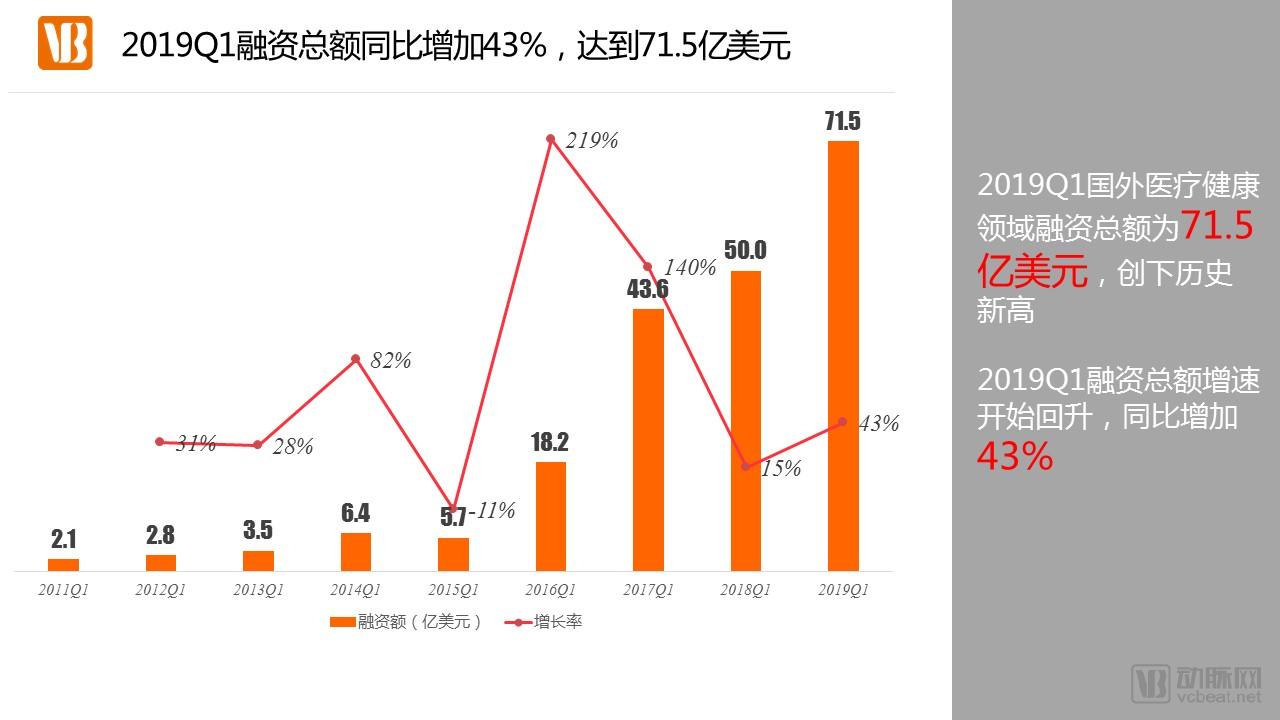
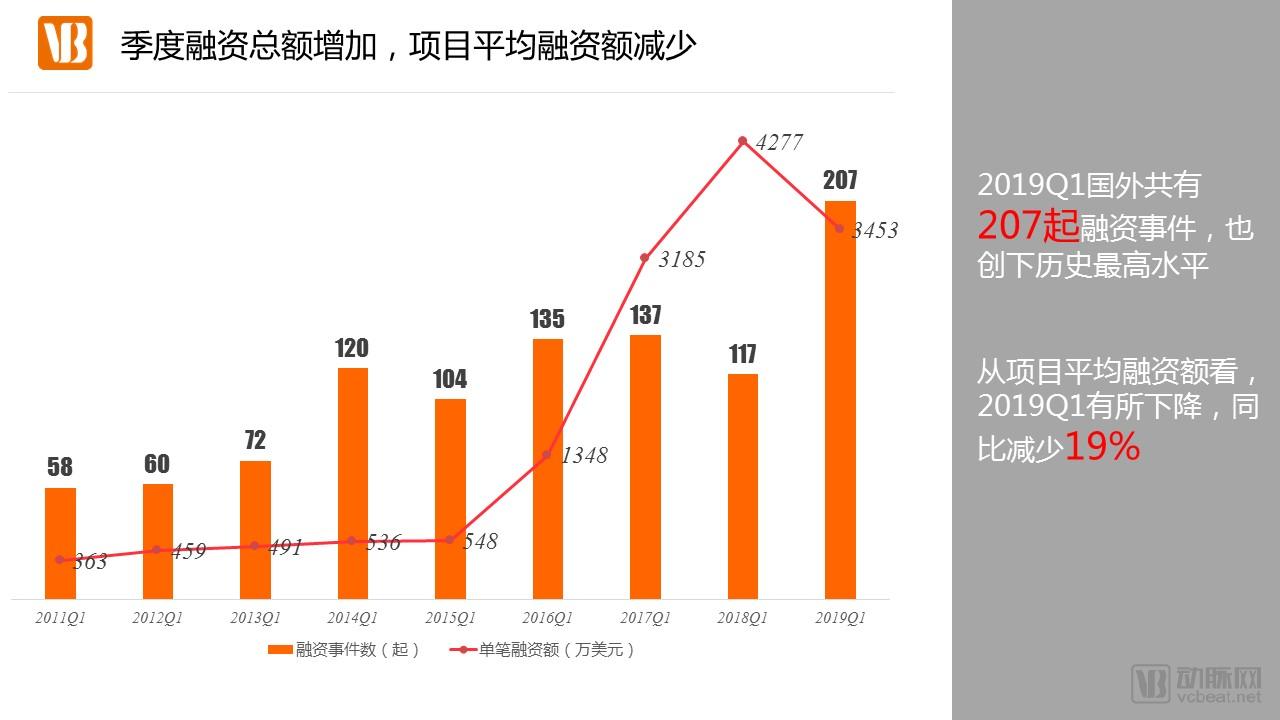
In the first quarter of 2019, total overseas financing increased to $7.15 billion, a year-on-year increase of 43%. Meanwhile, the number of financing deals reached 207, leading to a decline in the average financing amount per project, which stood at $34.53 million, a year-on-year decrease of 19%.
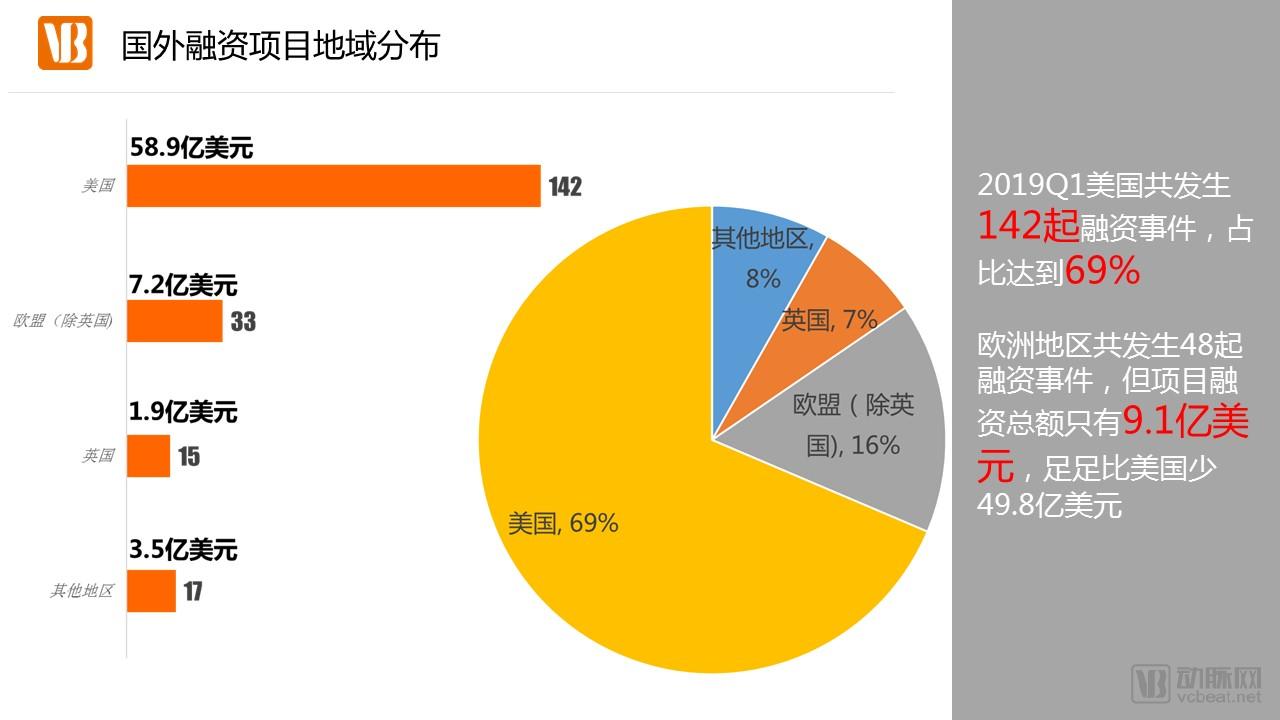
The United States remains the country with the highest level of financing, with a total of 142 financing events in the first quarter of 2019, accounting for 69%. The total financing amount reached $5.89 billion. Supported by its advanced technological level and strong scientific research capabilities, the U.S. has nurtured a large number of outstanding startups. In Europe, there were a total of 48 financing events, with the financing amount less than $1 billion, far behind the United States.
As two major global powers, the trends in the healthcare sectors of China and the United States largely reflect the broader direction of worldwide healthcare development. Therefore, a comparative analysis of healthcare investment and financing activities in both countries provides insight into the progress of their respective healthcare industries.
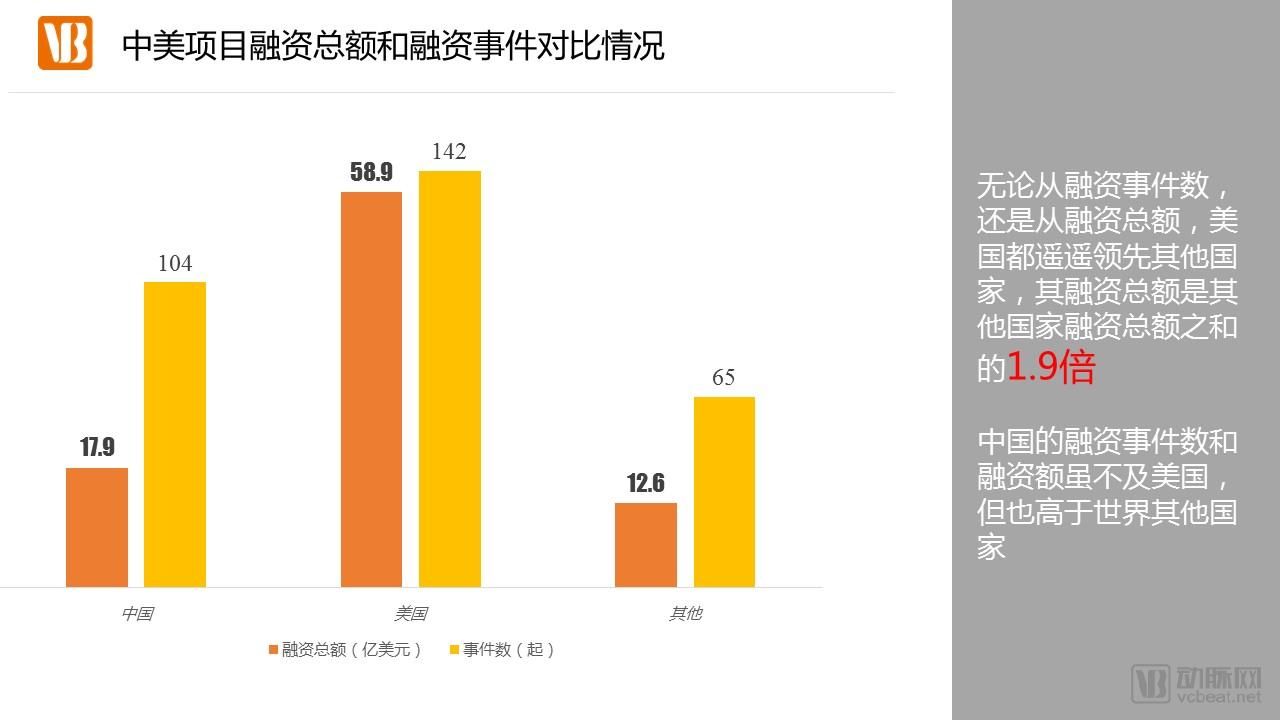
The total financing volume in the United States is 1.9 times the sum of that in all other countries combined, underscoring the current leading position of the U.S. in the healthcare sector. Meanwhile, we also observe the development of China’s healthcare industry. Although there remains a certain gap between China and the U.S. in terms of total financing volume and number of deals, China’s figures are significantly higher than those of other countries worldwide, indicating the continuous improvement and progress of China’s healthcare sector.
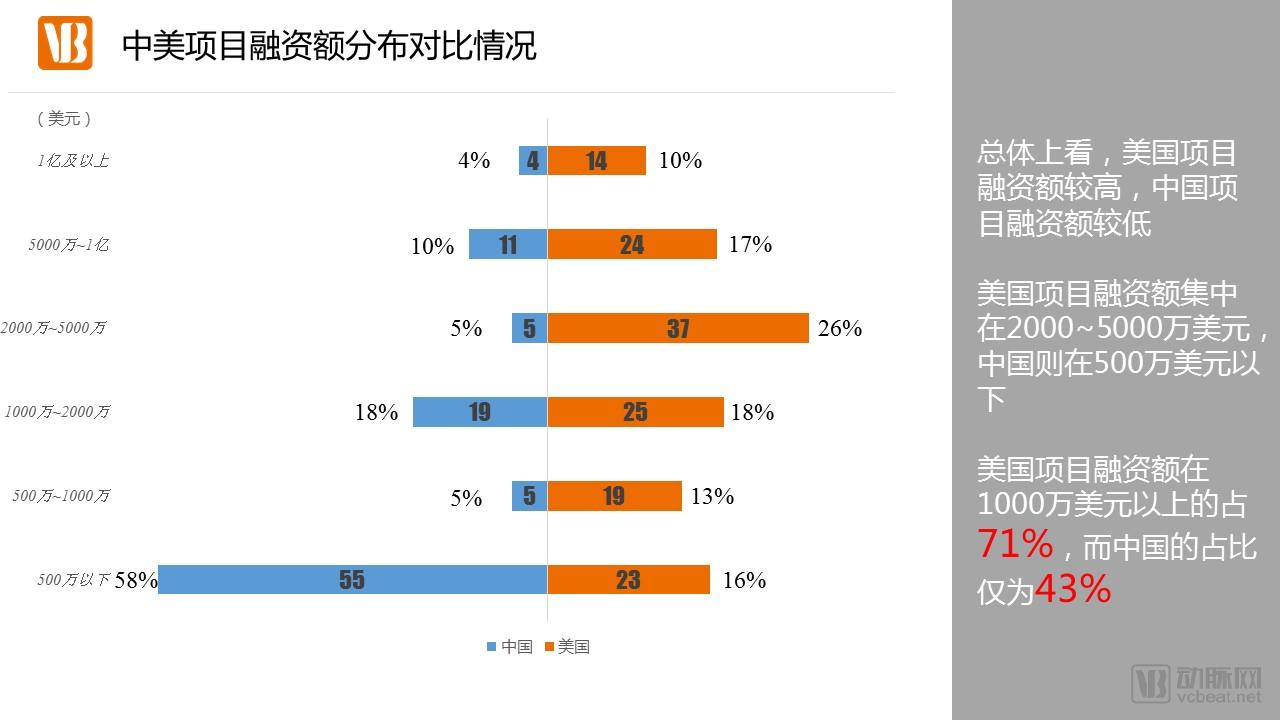
The financing amounts for U.S. projects are higher than those in China, partly because foreign institutions place greater emphasis on long-term development. They are willing to increase investment in selected targets to foster their growth, resulting in longer investment horizons compared to domestic institutions. As shown in the chart, the proportion of projects with financing exceeding $100 million has reached 10%.
In both China and the United States, Series A represents the most frequent round of project financing, accounting for 33% and 36%, respectively. Series A can be regarded as a watershed moment for assessing a project’s growth potential, indicating that such potential is increasingly robust.
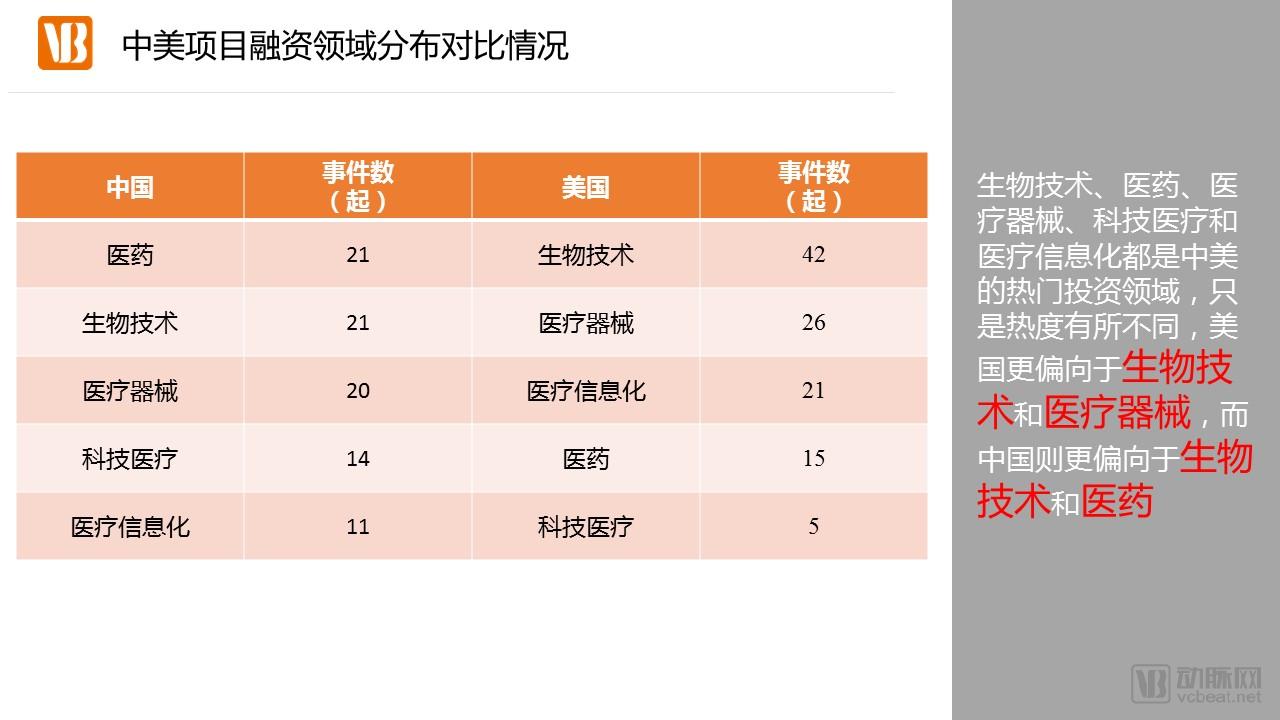
Investment institutions in both China and the United States are optimistic about biotechnology, as it indeed represents a significant breakthrough direction in healthcare. Biotechnology projects account for 30% of the total in the United States and 20% in China. Overall, the U.S. market leans more towards biotechnology and medical devices, while the Chinese market favors pharmaceuticals and biotechnology.
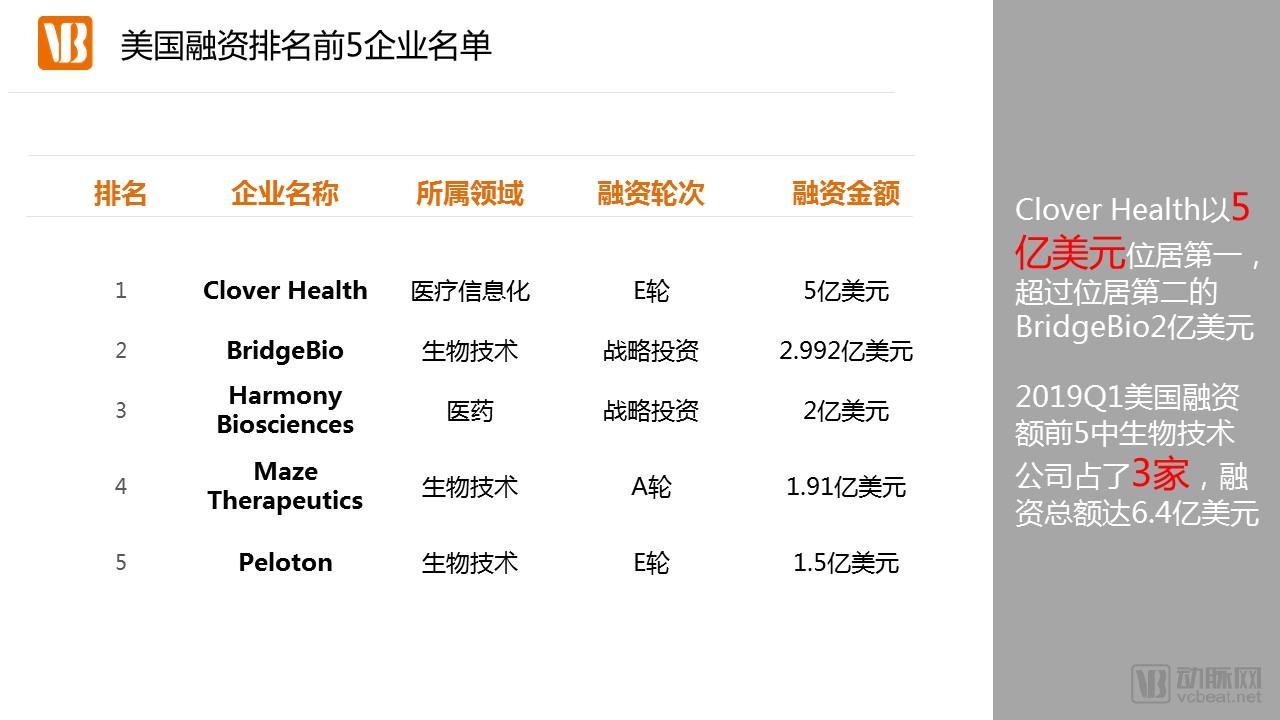
Clover Health, a healthcare informatics company based in California, USA, is dedicated to enhancing healthcare services and ultimately improving patient outcomes through its software platform and big data analytics. This approach aims to provide users with affordable and efficient insurance and healthcare options, thereby reducing medical costs and saving expenses for both policyholders and insurers. The company’s competitive edge lies in its primary focus on low-income populations and the elderly. On January 29, 2019, Clover Health completed a $500 million Series E financing round. Having secured six major funding rounds over six years, with cumulative financing reaching $925 million, the company rapidly emerged as a unicorn in the industry.
BridgeBio is a biotechnology company focused on developing therapies for genetic diseases. The team employs gene-targeted therapies to address the root causes of genetic disorders and currently has 15 programs in development. It has invested in multiple subsidiaries, each dedicated to researching genetic diseases within specific therapeutic areas, including dermatology, oncology, endocrinology, neurology, and cardiology.
Harmony Biosciences, a biopharmaceutical company based in Pennsylvania, is committed to providing new therapeutic options for patients with rare orphan diseases. The company’s primary focus is on central nervous system (CNS) disorders, and its flagship product is pitolisant, a medication primarily used to treat narcolepsy. On March 14, 2019, the company entered into a $200 million financing agreement with CR Group LP.
Maze Therapeutics, a biotechnology company founded in 2018, has developed a proprietary technology for identifying modifier genes. This technology analyzes how modifier genes influence the expression of disease-causing genes and identifies protective modifiers, which are then applied to biopharmaceutical development to ultimately create novel therapeutic approaches for genetic disorders. Its most advanced project focuses on drug development for classic Mendelian diseases. On February 28, 2019, the company completed a $191 million Series A financing round.
Peloton is dedicated to developing novel small-molecule drugs for the treatment of cancer and other life-threatening diseases. The company is investigating PT2977, a small-molecule inhibitor of hypoxia-inducible factor HIF-2α, as its lead candidate drug that blocks HIF-2α for the treatment of renal cell carcinoma. On February 20, 2019, the company completed a $150 million Series E financing round, which will be used to advance the Phase III clinical trial of PT2977, an HIF-2α inhibitor for the treatment of advanced renal cell carcinoma.
An analysis of global, domestic, and international investment and financing data in the healthcare sector reveals that healthcare remains one of the most capital-intensive industries. In the first quarter of 2019, the healthcare investment and financing market did not cool down; instead, it maintained strong momentum, with both financing amounts and the number of financing deals reaching historic highs. Changes in the distribution of financing rounds indicate that the healthcare industry is gradually maturing. Investment institutions are placing greater emphasis on project growth potential and are willing to increase investment in high-quality projects. Although a development gap still exists between China and the United States, Chinese healthcare enterprises continue to grow and strengthen. In the future, they should focus on product research and development and market expansion, aligning with national policy trends in healthcare regulation, seizing opportunities, and adapting to broader industry dynamics. Looking ahead, the biotechnology sector will continue to attract significant capital attention, with biopharmaceutical companies emerging as a key investment focus.
NowLong-press to identifyScan the QR code below to get "2019 Q1Healthcare Industry Investment and Financing Report》. Furthermore, you can join the VCBeat membership platform, where you will have unrestricted access to the completeIndustry Trends Report, timely grasp the latest globalInvestment and Financing Information, with a comprehensive range ofMedical Enterprise Database,And there is also the sea.Resource matching.