

Sunshine Riverhead Capital Highlights 'Three New' Themes in Healthcare Investment: New Payment, New Technology, and New Models
Recently, VCBeat (WeChat ID: vcbeat) interviewed Huang Shengxuan, Managing Director of Sunshine Ronghui Capital. He summarized the current themes in healthcare investment as the “Three New’s”: new payment models, new technologies, and new business models. Applying the “Three New’s” framework to evaluate the myriad of complex healthcare projects can yield more precise judgments.
Sunshine Ronghui Capital Investment Management Co., Ltd. was established in January 2015 as one of the first pilot entities for insurance private equity funds approved by the China Insurance Regulatory Commission (CIRC), with assets under management exceeding RMB 17 billion.
Sunshine Ronghui Capital was initiated by Sunshine Insurance, a relatively “young” insurance company established in 2005. Currently, it operates businesses spanning property insurance, life insurance, asset management, credit and guarantee insurance, and medical investment and operations. Over the 14 years since its establishment, Sunshine Insurance Group has become the eighth-largest insurance group in comprehensive rankings, with annual premium income of approximately RMB 100 billion. It has provided insurance protection to more than 350 million customers, assumed a total social risk exposure of RMB 540 trillion, and paid out over RMB 138 billion in various claims.
Sunshine Insurance has achieved considerable success in its healthcare sector investments. Its subsidiary, Sunshine Ronghe Hospital, is the first large-scale general hospital established through investment by China’s insurance industry and the nation’s first hospital to pioneer the innovative “insurance + healthcare” service model. In March and December 2018, the hospital successfully obtained Joint Commission International (JCI) Accreditation (6th Edition), the globally recognized standard for international medical services and management, as well as Level 6 certification in the HIMSS EMRAM (Inpatient and Emergency) assessment.
Hailing from a prestigious lineage, Sunshine Ronghui Capital has also achieved remarkable investment performance. It has actively deployed capital across healthcare, emerging industries, new consumption, and real estate. Its star investments in emerging industries include 360, Didi Chuxing, SenseTime, Full Truck Alliance, Ant Financial, and JD Finance, while its standout projects in the healthcare sector include Mindray Medical, Yuwell Medical, 3SBio, Bikang Pharmaceuticals, and Ruipeng Pet Healthcare.
Mr. Huang Shengxuan has over a decade of experience in industrial investment. He joined Sunshine Ronghui Capital in 2016 as Managing Director, where he oversees investment activities and fund management for the healthcare industry fund and emerging industries fund. He has led investments in projects including Mindray Medical, Ruipeng Pet Healthcare, Chaoju Eye Care, Full Truck Alliance, SenseTime, QingCloud Technologies, and Lionbridge Group, with total financing amounting to nearly RMB 10 billion.
Mr. Huang Shengxuan graduated from Peking University in 1997 with a Bachelor’s degree in Economics. After graduation, he joined the China Council for the Promotion of International Trade. He later pursued further studies in the United States, earning an MBA from Yale University. His professional career includes positions at PwC, Chongde Investment (Hong Kong), CVC Capital, and CITIC Securities.
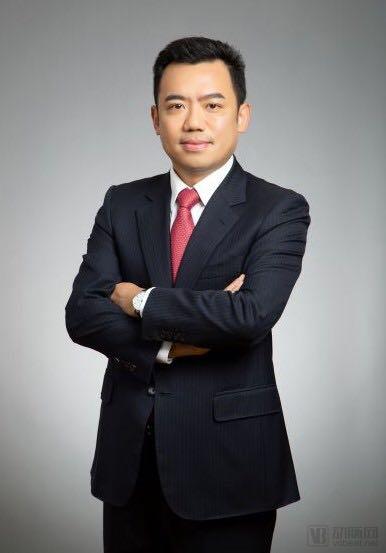
Huang Shengxuan, Managing Director of Sunshine Ronghui Capital
“I am originally from Sichuan. I went from Sichuan to Peking University for my undergraduate studies, and then from Peking University to Yale, where I gained access to more information and knowledge, continuously broadening my horizons,” said Huang Shengxuan. He noted that the humanistic spirit of Peking University has profoundly influenced his outlook on life. During his university years, he was most inspired by Zhang Zai’s “Four Sentences of Hengqu” from the Northern Song Dynasty: “To ordain conscience for Heaven and Earth; To secure life and fortune for the people; To continue lost teachings for past sages; To establish peace for all future generations.” “Now, through investment, we can not only promote the development of portfolio companies but also enable them to create greater social value. For example, Sunshine Ronghui has currently invested in nearly 50 companies, which collectively employ over 70,000 people and generate annual revenues exceeding RMB 200 billion.”
During his tenure as Managing Director of the Australia team at CITIC Securities International, Huang Shengxuan met Mr. Zhang Weigong, Chairman of Sunshine Insurance Group. He was drawn to Sunshine Insurance’s corporate culture, as well as Mr. Zhang’s personal charisma and entrepreneurial spirit. At that time, Sunshine Ronghui Capital had just been established; as one of the first insurance private equity funds, its significant growth potential prompted Huang to decide to return to China and join the firm.
Beyond academic exchange and career development, we also conducted a casual “quick-fire Q&A” session with Mr. Huang. (D: VCBeat; H: Mr. Huang Shengxuan.)
D: Do you place importance on grooming and appearance? What is your usual style of dress?
H: Professional attire is the norm for daily work, while sportswear is preferred during off-hours.
D: Do you prefer Chinese cuisine, Western cuisine, or other types?
H: I eat Chinese food more often, and as a Sichuan native, I have a preference for Sichuan cuisine.
D: Do you drink alcohol? Red wine, baijiu, or beer?
H: Primarily red wine, regarded for its diverse and rich connotations.
D: Do you prefer living in a bustling city with vibrant street life, or in a secluded mountain retreat?
H: It offers a relatively balanced lifestyle; living in bustling urban areas keeps one grounded, while residing in secluded places is conducive to detached reflection.
D: Do you drive yourself? Do you enjoy the pleasure of driving?
H: Occasionally takes road trips, with a flexible itinerary that allows for enjoying the scenery along the way.
D: What do you usually do in your spare time, and what are your hobbies?
H: Travel, hiking, outdoor activities.
D: What are your favorite books, movies, and music?
H: If I could only bring one book, it would be Three Hundred Tang Poems, as Tang poetry embodies humanistic aesthetics; for movies, The Shawshank Redemption and Forrest Gump, which represent the power of perseverance.
D: What are your usual ways to relieve stress?
H: Mountain climbing, getting close to nature.
D: Who is your favorite entrepreneur?
H: Warren Buffett’s investment philosophy is exemplary, and his attitude toward life is equally admirable.
Sunshine Ronghui Capital currently manages three industry-focused funds, with primary investments in healthcare, emerging industries, and real estate. The healthcare fund focuses on sub-sectors such as medical services, pharmaceuticals, medical devices, and elderly care. The emerging industries fund covers areas including innovative financial services, internet-enabled transformation of traditional industries, and consumption upgrades. Real estate investments primarily target commercial properties and major infrastructure projects.
As a private equity fund backed by insurance capital, Sunshine Ronghui Capital adheres to a relatively prudent investment philosophy. Huang Shengxuan told VCBeat that his criteria for screening projects can be summarized as “favorable timing, favorable location, and favorable human relations.” “Favorable timing” refers to industry sectors with cross-cycle growth characteristics, such as healthcare and technology. Huang emphasized that “investment success requires aligning with the broader trends of industry development and identifying structural investment opportunities within these trends.” “Favorable location” means that the target company has already established core competitiveness, aiming to “secure victory before engaging in battle” by capturing leading enterprises in niche markets or high-potential leaders with rapid iterative growth. “Favorable human relations” entails collaborating with outstanding and trustworthy entrepreneurs and management teams, serving as a “trusted” long-term partner to the enterprises.
A typical case is Ruipeng Pet Healthcare Group, a company in which Huang Shengxuan led the investment. The pet industry is a rare emerging sector experiencing rapid growth. Under this broader trend, pet healthcare presents excellent structural opportunities due to its high operational barriers and the industry’s rapid consolidation. According to a research report by GF Securities, China’s pet industry market size was approximately RMB 134 billion in 2017, with pet food and pet healthcare being the two largest sub-sectors within the industry.
Huang Shengxuan emphasized that the investment industry is no longer about the simple arbitrage of “picking low-hanging fruit” as it was a decade ago; instead, it requires investors to make forward-looking judgments based on superior insights and to position themselves early. It is increasingly critical for investment firms to provide tangible post-investment value-added services, thereby creating value for their investments.
After Sunshine Hui Capital invested in Ruipeng Pet, it implemented a post-investment value-added service strategy centered on “proactive effectiveness and win-win cooperation.” Leveraging Sunshine Insurance Group’s innovative capabilities in insurance product development and Ruipeng Group’s extensive clinical data, the two parties jointly developed pet medical insurance, thereby enriching payment options for pet owners.
By leveraging the extensive sales channels and customer base of Sunshine Insurance Group, we drove patient traffic to the pet hospitals under the Ruipeng Group, thereby achieving cross-selling. Furthermore, we actively facilitated collaboration between Ruipeng and Hillhouse Capital, integrating over 700 pet hospitals from brands invested in by Hillhouse Capital—including Babitang, An’an, Chongyisheng, and Najia—with the Ruipeng Pet Healthcare Group. This integration established a new “aircraft carrier”-scale pet healthcare conglomerate with a chain network exceeding 1,000 stores.
“Sunshine Ronghui Capital’s investment goes beyond mere financial support. We focus on sectors we thoroughly understand and where we can add tangible value, placing particular emphasis on post-investment resource injection, business synergy, and ongoing companionship. This is the hallmark and competitive advantage of Sunshine Ronghui Capital,” said Huang Shengxuan.
When summarizing the core competencies of Sunshine Ronghui Capital, in addition to the robust business resources of Sunshine Insurance Group, an experienced investment team, and established sector-specific investment capabilities, Huang Shengxuan particularly emphasizes the pivotal role of corporate culture in the fund’s long-term development. “I place great importance on the corporate culture of the companies I evaluate. A team driven by a sense of mission, shared vision, and common values constitutes the core competitiveness of an enterprise. This principle equally applies to investment institutions.”
Since its inception, Sunshine Ronghui Capital has established its corporate culture. “Our mission is to make life better. This is not just a slogan; it fundamentally shapes Ronghui’s investment philosophy and strategy. Our team must genuinely believe in our mission, exercising discernment in the selection of industries and companies—knowing what to pursue and what to avoid.”
Ronghui Capital’s vision is to become a premier investment institution that is “trusted and value-creating.” Huang Shengxuan stated, “The entrustment from our LPs represents immense trust, and we aim to be a long-term partner trusted by our portfolio companies. This is the foundation of Ronghui’s existence. Creating value means directing resources to the most valuable enterprises to facilitate their growth, while delivering superior returns to our LPs.”
Ronghui Capital’s core values are professionalism and rigor, coupled with confidence and reverence. Huang Shengxuan explained, “Professionalism and rigor mean ‘aiming for the highest standards,’ maintaining professional curiosity and integrity. Confidence and reverence entail independent thinking, respect for win-win collaboration, and adherence to investment discipline. We aspire to build a distinctive corporate culture and become a respected partner and value creator.”
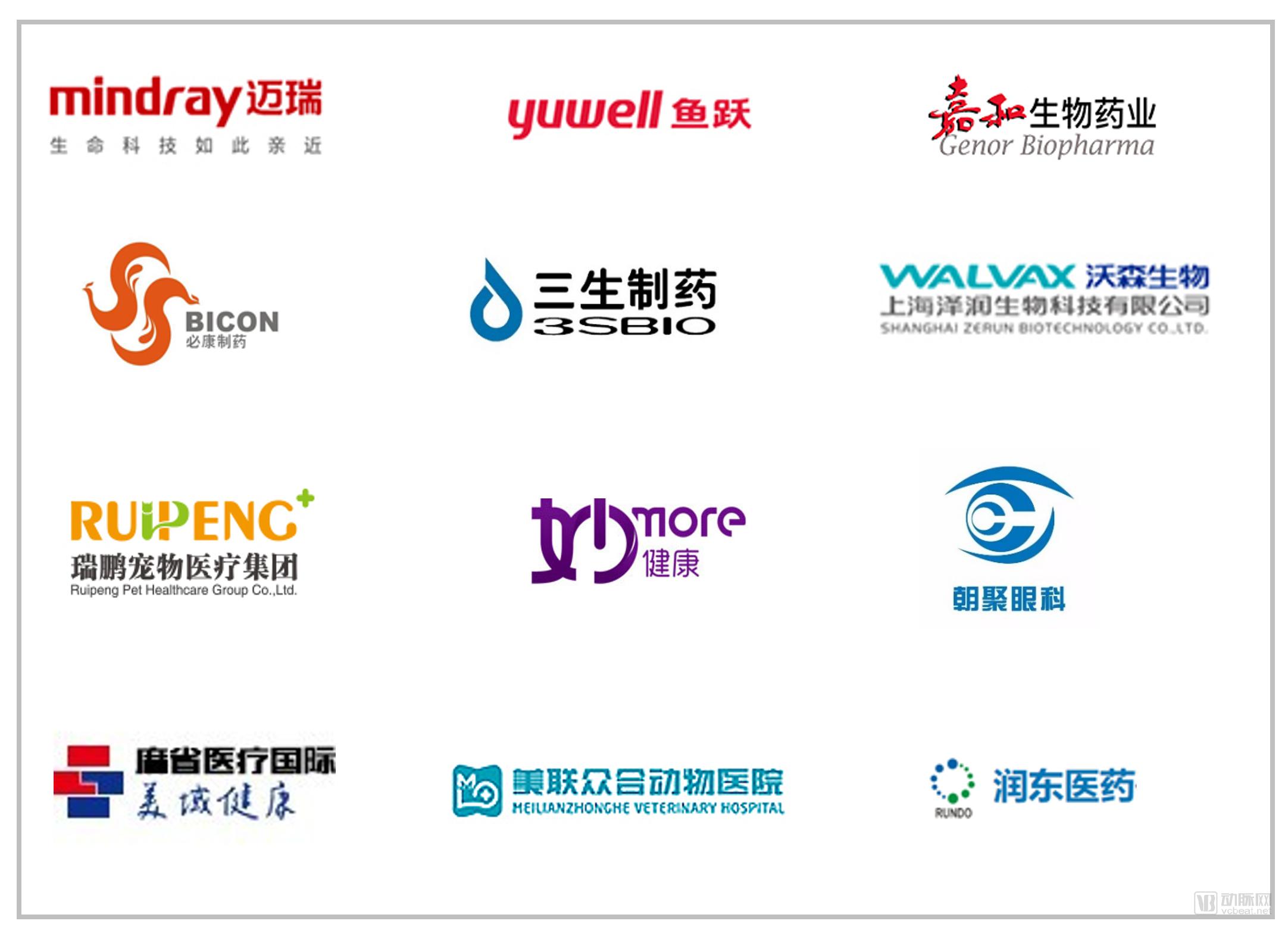
Sunshine Ronghui Capital’s consistent investment logic and philosophy are also evident from its existing portfolio. In the healthcare sector, it has invested in industry leaders such as 3SBio, Mindray Medical, Yuwell Medical, and Chaoju Eye Care, all of which are top-tier companies in their respective niches with strong growth potential. In the realm of innovative healthcare, Sunshine Ronghui Capital has invested in Miao Health, which integrates internet-based medical services and big data technologies with health management, pioneering new models such as health management platforms and interactive insurance products.
Overview of Healthcare Projects Co-Invested by Sunshine Ronghui Capital
Source: Sunshine Ronghui
Medical projects are highly specialized and intricate. How can one quickly clarify the strategic logic behind healthcare investments? Huang Shengxuan has summarized the “Three New” themes of healthcare investment: new payment models, new technologies, and new business models. Applying this “Three New” framework to evaluate complex medical projects enables more precise investment judgments.
Huang Shengxuan believes that payment is one of the most important driving forces behind transformation in the healthcare sector. Highly aligned with “healthcare reform” policies, it serves as a key lever for medical reform, with health insurance, as the payer, exerting growing influence on the healthcare service delivery side. Since the establishment of the National Healthcare Security Administration, it has spearheaded initiatives such as volume-based procurement of pharmaceuticals and diagnosis-related group (DRG) payment. With a clear cost-containment logic, these efforts aim to achieve “replacing old with new” through resource reallocation, thereby providing support for innovative technologies.
On the other hand, commercial health insurance has rapidly developed into a major payer, playing a key role in optimizing the allocation of medical resources and meeting the demands for healthcare coverage and services. Driven by “new payment” models, the healthcare industry is transitioning from an extensive growth-oriented model to one focused on improving efficiency within existing resources, creating numerous investment opportunities in areas such as B-side healthcare informatization, big data, artificial intelligence, and internet-based healthcare.
“New technologies” are another driving force behind the development of the healthcare industry. Propelled by new diagnostic and treatment philosophies and technological innovations, the supply of high-quality medical products and services is being enhanced. On the consumer (C) side, the focus is on superior therapeutic outcomes, as seen in precision medicine, immunotherapy, biotechnology, and regenerative medicine. On the business (B) side, the emphasis is on technologies that improve efficiency and control costs, such as digital solutions and insurance cost-containment tools. Huang Shengxuan further noted that technology-driven projects require a high level of professional expertise and should not be pursued indiscriminately; investment institutions must allocate capital within their areas of competence.
From the perspective of a “new model,” Huang Shengxuan believes that new opportunities arise from the reconfiguration of medical resources. For instance, healthcare services are shifting from a centralized to a distributed model, with China’s healthcare system transitioning from concentrated services provided by large public hospitals toward tiered diagnosis and treatment as well as medical outsourcing. On one hand, consumer-oriented specialties such as ophthalmology, dentistry, and dermatological aesthetic medicine are being separated from public general hospitals, which can enhance consumer experience and create investment opportunities in chain-based commercialization. On the other hand, functions such as diagnostics, pathology, and medical imaging are being spun off from comprehensive healthcare providers to establish chained third-party service networks.
Under the theme of “Three New,” two main threads also deserve attention. Huang Shengxuan pointed out that one key thread for identifying valuable models is the transition from stock-based to incremental models, creating additional value through innovation rather than merely redistributing existing benefits. The other thread involves new opportunities arising from the shift in healthcare services from “centralized” to “distributed.” The interplay between the “Three New” and the “Two Main Threads” clearly outlines the evolving landscape of the healthcare industry and provides a foundation for accurately identifying high-quality projects.
“Investment requires clear judgment of industry trends and the ability to seize forward-looking opportunities, with research preceding investment,” emphasized Huang Shengxuan.
With a strong track record, Sunshine Ronghui Capital plans to raise a new Innovation and Growth Fund in 2019, targeting investments in the healthcare and technology sectors. The new fund’s investment strategy will continue to focus on synergies with insurance operations, leveraging the Ronghui team’s insights to build competitive expertise in selected sectors, and supporting growth-stage projects driven by product, technological, and business model innovation. Huang Shengxuan stated, “Building on Ronghui’s established foothold in healthcare and technology, we will continue to invest in and support high-quality enterprises.”