Investment Opportunities in China's Medical and Health Industry Amid Severe Challenges in 2019
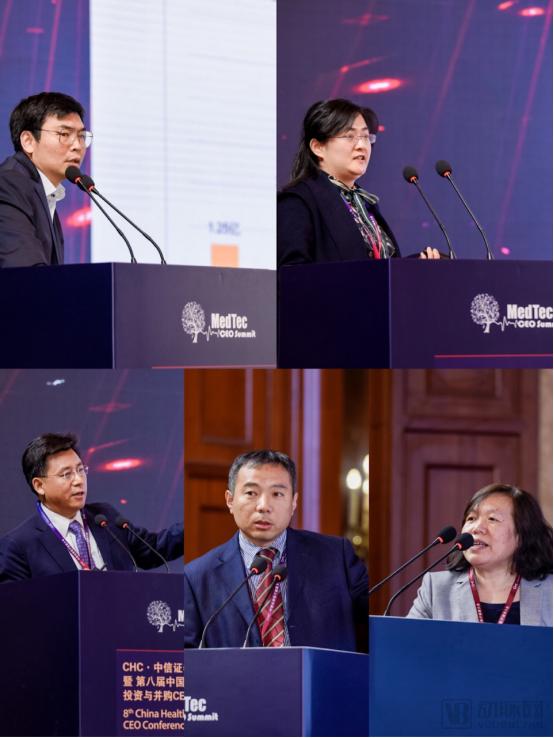
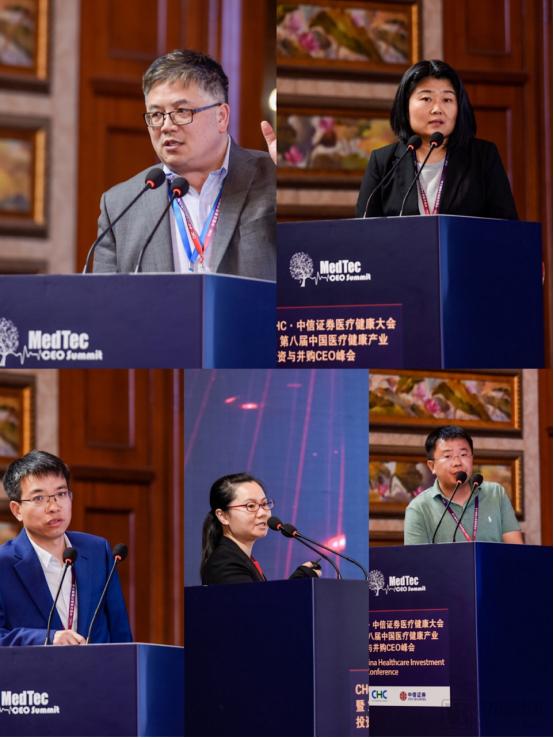
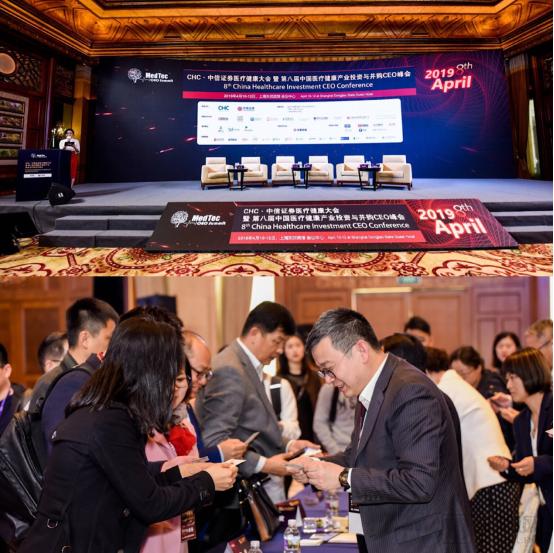
From April 10 to 12, 2019, the 2019 CHC·CITIC Securities Healthcare Conference and the 8th China Healthcare Industry Investment & M&A CEO Summit were held at the Dongjiao State Guest Hotel in Shanghai. Professionals from various sectors of the healthcare industry, both domestic and international, gathered in Shanghai for this springtime event to discuss the development of the healthcare sector, proactively seize emerging trends and dynamics, and accelerate the advancement of new technologies, models, and business formats in the healthcare field.
The three-day conference featured two main venues on the mornings of April 11 and 12, along with parallel sessions including the Nankai Medical Health Alumni Forum, the Medical Devices and In Vitro Diagnostics Session, the Biopharmaceuticals Session, the Healthcare Services Session, and the Premier Pitch Event for Medical Health.
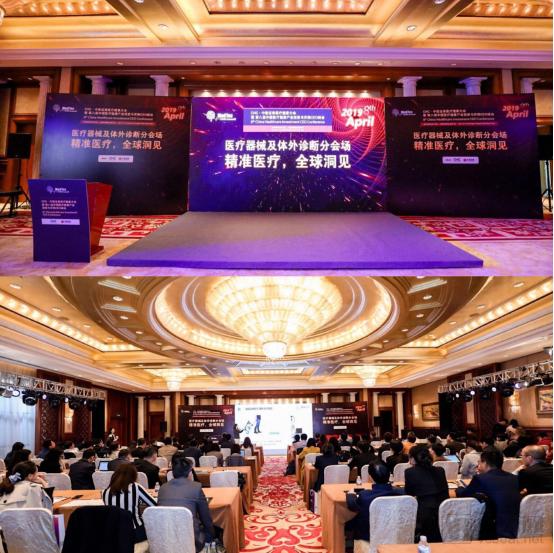
Medical Devices and In Vitro Diagnostics Sub-venue
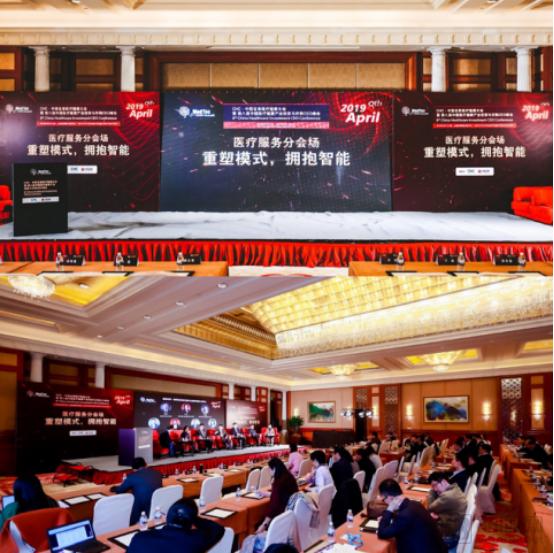
Medical Services Sub-venue
Biomedical Sub-venue
As this is a summit on investment and M&A in the healthcare industry, it is imperative to discuss future investment trends, a topic of considerable interest to attendees. Regarding emerging trends, Dr. Liu Daozhi, Chairman of the conference, stated, “We are facing unprecedented challenges, but also opportunities.” The first challenge is the Sino-U.S. trade friction, which will have a significant impact on intellectual property protection and China’s high-tech industrial policy, regardless of the outcome. This constitutes the most critical factor influencing investment in our sector. Meanwhile, investment and M&A activities targeting U.S. high-tech firms are cooling down rapidly, with particularly high barriers being erected for top-tier talent returning to China to launch startups. Both the capital community and entrepreneurs are confronting severe challenges to their viability.
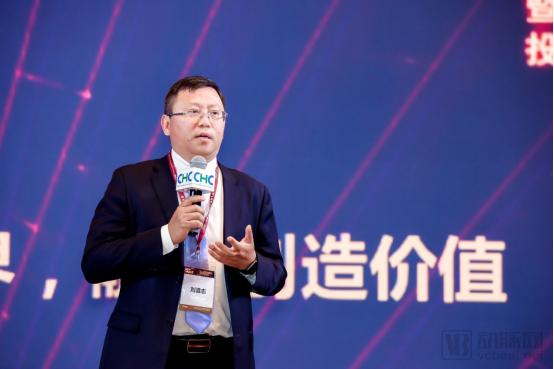
Conference Chair, Founding and Managing Partner of Shanlan Capital, Liu Daozhi
Opening Remarks
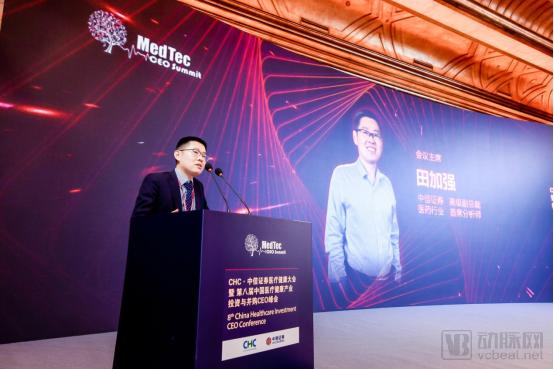
Conference Chair, Senior Vice President of CITIC Securities, and Chief Analyst for the Pharmaceutical Industry, Tian Jiaqiang
Fan Wenguang, Executive Director of SDIC Chuanghe Fund, analyzed the overall landscape of equity investment in China, noting that there are already 14,000 investment entities in China’s healthcare sector, managing funds totaling RMB 10 trillion, with a workforce of 145,000 professionals. The performance of this industry has begun to influence various aspects of China’s development. “In 2018, total capital raised reached RMB 133 billion, a year-on-year decrease of 25.6%, representing a significant decline compared to 2017. However, this level was basically flat compared to 2016 and still remained at a historical high relative to earlier years.” Considering the passage of time and the evolution of capital markets, Fan Wenguang attributed the notable drop in 2018 to certain difficulties encountered in fundraising.
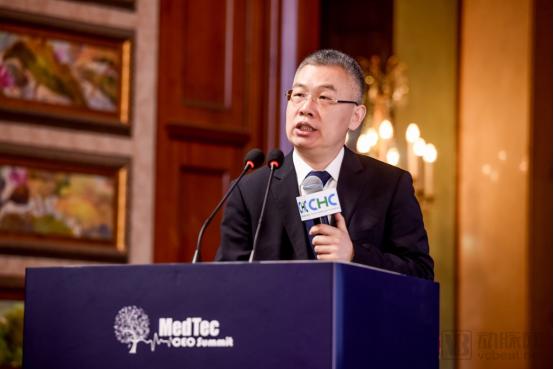
Fan Wenguang, Executive Director of Guochuang Touhe Fund
Liu Ying, a partner at SoftBank China Capital, stated, “While the capital winter may be more pronounced in the TMT sector, I believe the situation is not as severe in the healthcare field.” However, healthcare is a unique consumer good; regardless of technological talent or business models, it ultimately hinges on consumer spending. Therefore, entrepreneurs should pay close attention to the current economic landscape. Jiang Xiaodong, a managing partner at Changling Capital Management, remarked that an economic downturn is not necessarily a bad thing, as limited funding forces resources to be allocated more efficiently to where they are most needed. Meanwhile, Zhang Suyang, founding partner of Volcano Stone Capital, believes that high-quality projects will always secure funding, regardless of whether it is a “winter” period or not.
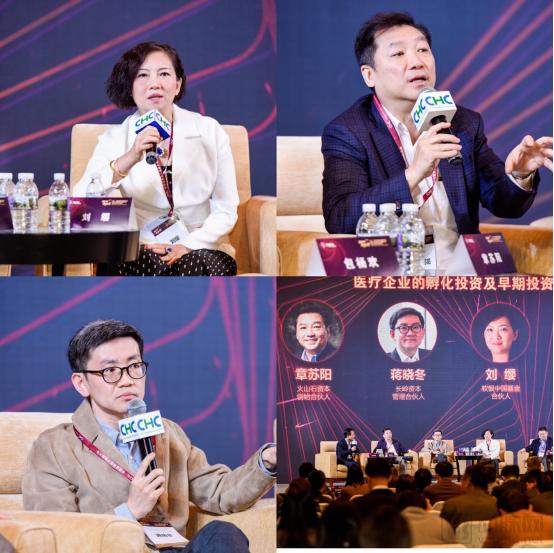
Roundtable Forum: Incubation Investment and Early-Stage Investment in Healthcare Enterprises
Given the broad consensus on major trends, which specific subsectors are viewed favorably? Liu Daozhi provided an analysis from three perspectives: medical devices, pharmaceuticals, and healthcare services. He noted that the gap between China and international markets in the medical device industry is substantial, making it a highly promising sector for investment over the next decade. In terms of specific subfields, import substitution remains a formidable challenge for various cardiovascular therapeutic devices and orthopedic consumables such as joint, spine, and sports medicine products. The application of biodegradable biomaterials in implants and in sports medicine are also key areas attracting investor attention. Minimally invasive surgery, surgical robots, and cell therapy have emerged as hot sectors both domestically and globally in recent years. Within the pharmaceutical realm, subsectors such as anti-tumor drugs, diabetes medications, anti-infectives, and vaccines are widely favored. In biotechnology, areas including gene editing, RNA-based therapeutics, and stem cell-related technologies are also worthy of investment, especially as the government formulates policies to guide their development. Regarding healthcare services, Liu Daozhi believes that community health centers, general practice clinics, specialized physical examination centers, ambulatory surgery centers, and high-barrier specialties such as neurology present viable investment opportunities.
Yu Rong, Chairman of Meinian Onehealth, stated while discussing the company’s industrial layout in the healthcare sector, “Our fundamental understanding and judgment of the future medical industry center on the challenges posed by population aging. Significant challenges arise primarily from chronic diseases, cancer, and cardiovascular and cerebrovascular disorders. Given that the trend of population aging is accelerating and represents an irreversible global phenomenon, future opportunities and challenges are closely intertwined with this demographic shift.”Xie Xin, Executive Director and Vice President of Sino Biopharmaceutical Limited, expressed optimism about the oncology sector. Similar to Meinian Onehealth, Sino Biopharmaceutical also sees promise in age-related conditions, such as cardiovascular and cerebrovascular diseases, diabetes, and pain management. He noted that cardiovascular disease and diabetes are their key investment areas, where they have established a deep strategic presence.Liu Zhanjun, President of Neptunus Bio-engineering Co., Ltd., places significant emphasis on targeted cancer therapies, stating that this field will offer substantial market potential in the future.
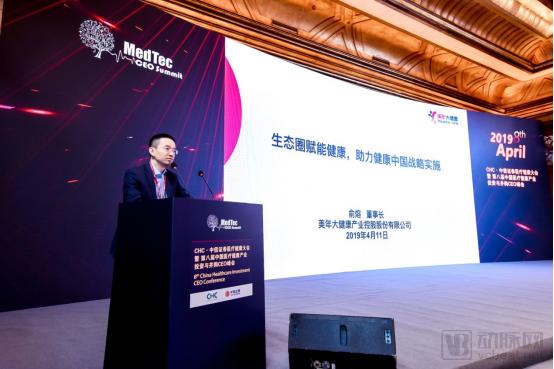
Yu Rong, Chairman of Meinian Onehealth
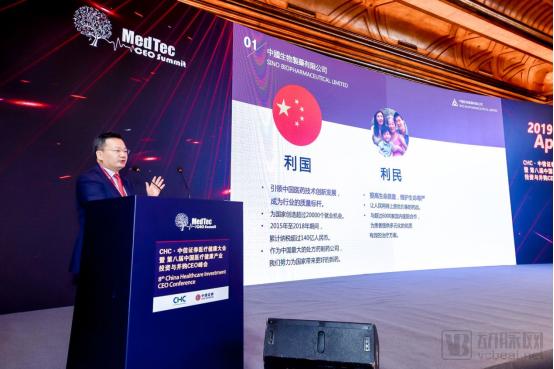
Xie Xin, Executive Director and Vice President of Sino Biopharmaceutical
Lin Liang, a partner at Lilly Asia Ventures, expressed optimism about the ophthalmology sector. “For instance, diseases affecting the ocular surface and fundus, including macular degeneration, could create a market worth tens of billions of dollars.” He also cited China’s aging population and the fact that 90% of Chinese adolescents are nearsighted, with the Ministry of Education having incorporated myopia reduction among teenagers into its performance evaluation metrics. These factors are poised to drive substantial future market growth. Furthermore, given the broad yet highly specialized nature of ophthalmology, there are numerous promising opportunities in ophthalmic pharmaceuticals, medical devices, and combination products worthy of attention. Lin added, “Dry eye disease is another area of focus; while widespread use of smartphones and computers has increased its prevalence, no drug for treating dry eye disease has yet been approved in China.”
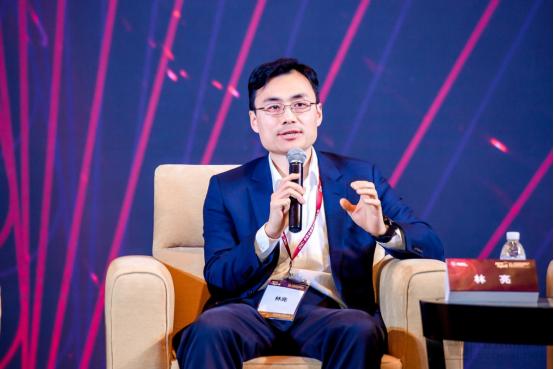
Lin Liang, Partner at Lilly Asia Ventures
Beyond major investment trends and hot subsectors, the two most discussed topics among attendees at this conference were the STAR Market and the “4+7” volume-based procurement program.
Tian Jiaqiang, Senior Vice President and Chief Healthcare Analyst at CITIC Securities, stated in his thematic presentation, “Whether it is the launch of the STAR Market this year or the policy focus over the past few years, the aim has been to guide society and the industry as a whole toward innovation-driven growth.” In 2017, overall R&D expenditure by pharmaceutical companies increased by 44% year-on-year, reflecting sustained enthusiasm on the R&D front. The introduction of the STAR Market this year may provide a platform for many innovative enterprises that are not yet profitable or have products in early stages to access the capital market. Fu Feng, Managing Director and Head of the Healthcare Fund at China Everbright Limited, believes this is a significant positive development. At the strategic level, the state is not only implementing new regulations on drug registration administration and supporting policies such as volume-based procurement and the elimination of outdated production capacity, but also injecting vitality into the market by providing highly favorable conditions in the capital markets, thereby allowing the market to select and foster high-quality products, teams, and enterprises for development.

Tian Jiaqiang, Senior Vice President and Chief Analyst of the Pharmaceutical Industry at CITIC Securities
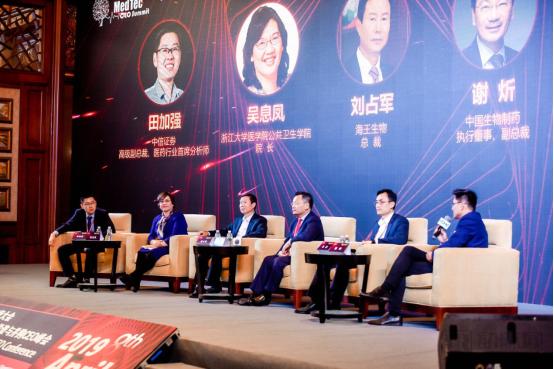
Leader's Perspective Forum: Healthcare Industry and Investment
Liu Zhanjun stated that the STAR Market should be viewed from two perspectives. First, this institutional reform represents a crucial pathway for value realization for all innovative enterprises. The introduction of the STAR Market has brought about the most significant change for pharmaceutical and medical device companies by shifting value recognition from being solely determined by private equity (PE) firms and venture capital (VC) in the primary market to being recognized earlier in the capital markets. Second, it provides an excellent channel for future restructuring, acquisitions, and mergers related to new drug development in the capital markets. Many drugs and medical devices in clinical stages will have their values fully and accurately reflected through the long-term public disclosure and transparency of information in the capital markets, despite market fluctuations and changes. Of course, while acquisition costs may rise for large enterprises, the associated risks will relatively decrease, thereby fostering a highly beneficial ecosystem overall.
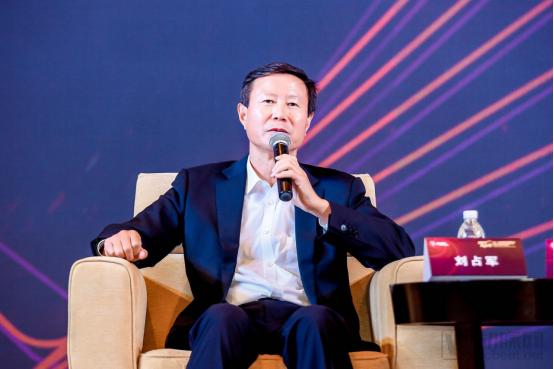
Liu Zhanjun, President of Neptunus Bio-engineering
Meanwhile, the conference also invited Han Yingjiao, Senior Vice President of the Listing Issuance Services Department at the Hong Kong Stock Exchange, and Zhou Zuyu, Head of Healthcare for Corporate Finance and Capital Markets at CLSA, to share insights on Hong Kong IPO procedures for healthcare companies from different perspectives.
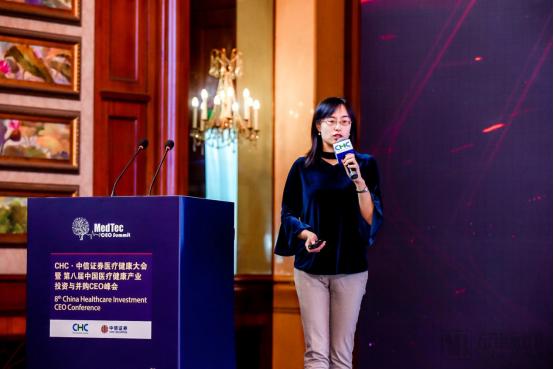
Han Yingjiao, Senior Vice President of Listing and Issuance Services Department, Hong Kong Exchanges and Clearing Limited
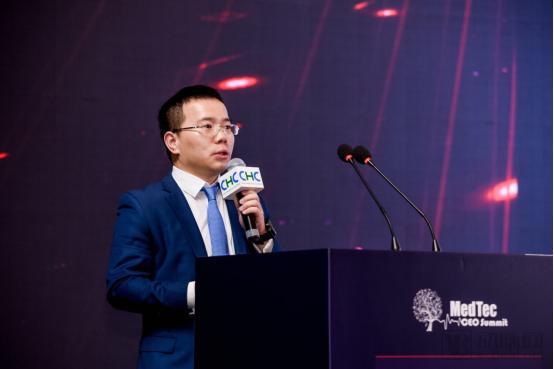
Zhou Zuyu, Head of Healthcare, Corporate Finance and Capital Markets, CLSA
The profound impact of the "4+7" volume-based procurement policy on the industry was a key topic at the conference, where many industry insiders expressed their concerns. Following the implementation of volume-based procurement for pharmaceuticals under the "4+7" pilot program, it is widely anticipated within the industry that volume-based procurement for medical consumables will be rolled out shortly.
Han Yu, Board Secretary of AK Medical, believes that the impact of last year’s “4+7” centralized drug procurement on business operations was less significant than its impact on the capital market. “Our understanding is that the two most critical aspects of the ‘4+7’ policy are: first, price comparison for homogeneous products, and second, volume-based price negotiation,” Han analyzed. Currently, foreign brands generally price their similar products at roughly twice the level of domestic brands; even for homogeneous products, their prices are about one-third higher than ours. For domestic brands, participating in volume-based procurement presents a greater opportunity. Yu Zhengkun, Managing Partner at Jifeng Capital, stated that the “4+7” policy has had a structural impact on China’s healthcare sector. As healthcare expenditure continues to grow annually, the reduction in drug prices under the “4+7” initiative will bring about certain structural changes.
At the conference, Hao Deming, Founder and Executive Vice President cum Secretary-General of the Chinese Non-State Medical Institutions Association, discussed how private healthcare institutions can achieve healthy and sustainable development, emphasizing that international exchange and cooperation are essential pathways for brand building and growth. Zong Xiaolin, Deputy Director of the Assessment and Achievement Transformation Division at the Health Development Research Center of the National Health Commission, introduced the background of China’s reform in science and technology program management, a series of corresponding reform measures, and the resulting basic framework. Wu Xifeng, Dean of the School of Public Health at Zhejiang University School of Medicine, delivered a report on leveraging big data, artificial intelligence, and precision health to predict patients’ tumor risks. Yan Honghui, Founder of Bohou Huici Medical, also shared insightful perspectives on capturing patients’ differentiated needs and the replicable growth logic underlying successful community-based healthcare.
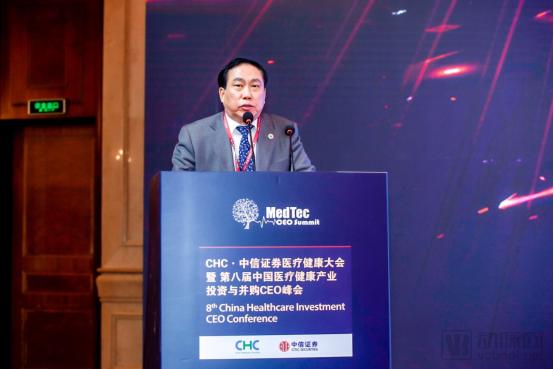
Hao Deming, Executive Vice President and Secretary-General of the China Non-Public Medical Institutions Association, Founder
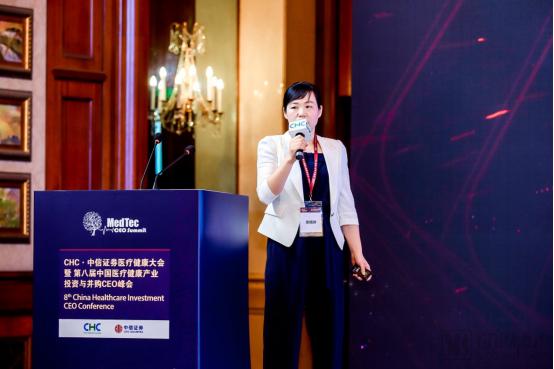
Zong Xiaolin, Deputy Director of the Evaluation and Achievement Transformation Division, Medical and Health Science and Technology Development Research Center, National Health Commission
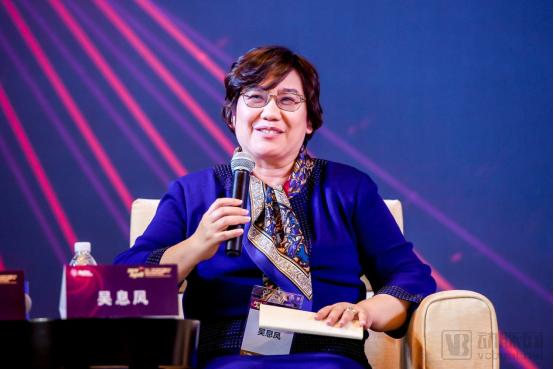
Wu Xifeng, Dean of the School of Public Health, Zhejiang University School of Medicine
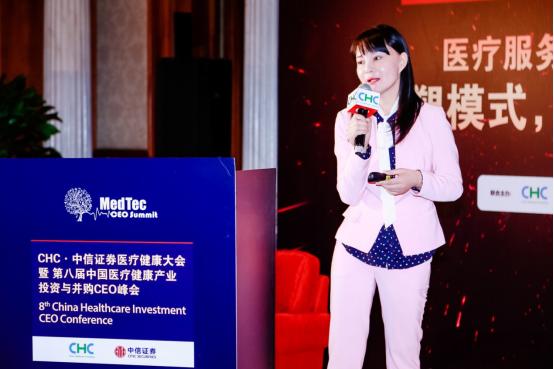
Yan Honghui, Founder of Bohou Huici Medical
Dr. Liu Daozhi, Chairman of the Conference, stated that the China Healthcare Industry Investment and M&A CEO Summit has been held for eight sessions, marking its eighth year and achieving a significant milestone. “This year’s conference is guided for the first time by three organizations jointly: the Health Development Research Center of the National Health Commission, the Chinese Non-Public Medical Institutions Association, and the China Medical Devices Industry Association. Previously, our arrangements were more market-oriented; however, with the support of these three institutions this year, we have achieved an organic integration of professionalism, market orientation, and national policy guidance. I believe this represents a milestone transformation.”
At the conference, Nankai University alumni also established the Nankai Medical and Health Alumni Association, aiming to create a platform for comprehensive exchange, interaction, and mutual assistance among alumni in the medical and health sectors. Upholding the Nankai spirit of “Dedication to Public Interests, Acquisition of All-round Capability, and Aspiration for Progress with Each Passing Day,” the association seeks to further consolidate alumni strength, keep pace with the times, and pioneer a promising new chapter for China’s medical and health industry.