

Perception, Computation, and the Living Organism: BV Bio-Intelligence Investment Keywords and Portfolio Insights
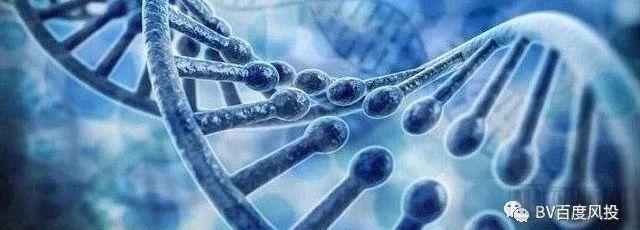
Intelligent biology and healthcare have long been a key focus of BV Baidu Ventures’ in-depth investment strategy. From AI-driven drug discovery to next-generation surgical robots, and from single-cell sequencing to in-body sensors, BV has visited countless laboratories across China and the United States in its two years since inception, investing in more than 30 cutting-edge biotech and healthcare companies. Below are insights on investment keywords shared by BV’s Intelligent Biology Team.
As an AI-focused fund, we hold both deep admiration and profound reverence for the biomedical industry. At a time when facial recognition technology has been extensively deployed across the “vascular” networks of our cities, we are also driven to explore the microscopic biological world—to examine human blood vessels and study the body’s true cellular structures. Just as we have distilled patterns from urban behaviors and deliberated on how to implement precise compensation and proactive intervention, we believe that similar lines of thinking can be applied to the healthcare sector. If a city is a large living organism, then let us discuss today how AI is transforming each and every one of us as individual living beings.
Most people are familiar with AI. Since we began systematically investing in AI about a decade ago, it has evolved into a prominent field of study and application.So, what are the core capabilities of AI? Opinions vary widely. From our perspective, AI ultimately stems from data and aims to enhance the efficiency of the entire system. The key to AI lies in its comprehension capability—deepening understanding rooted in computation, perception, and disciplinary foundations at a technical level. At its core, AI is about enhancing the flexibility of data processing.A critical aspect of this process is that AI does not require highly structured, objective data to perceive, understand, and distill information; instead, it can effectively process images, medical imaging, and other forms of ambiguous data. To use the human body as an analogy, no two cells are exactly alike. Rule-based recognition systems might misclassify slightly different cells as distinct types. In contrast, AI’s ability to handle ambiguous data and leverage raw data introduces a new capability. By analyzing massive datasets—characterized by large sample sizes, multiple data dimensions, and extended timeframes—AI can uncover patterns that surpass human imagination or logical deduction. Its core strength lies in heuristically discovering probability-based patterns, which defines its capacity for understanding and pattern recognition. As AI gradually reshapes our cities with this capability, it is also transforming our understanding of future life forms.
Returning to the topic of healthcare, although the concept of AI sounds impressive, many challenges in the medical field remain unresolved. Take a simple example: what is contained in 5 milliliters of blood? We know there are approximately 10^10 red blood cells, 10^7 white blood cells, and 10^8 platelets. When multiplied by the number of individuals, this data volume far exceeds that of the urban population. Therefore, neither medical laboratory testing nor AI currently has a deep understanding of this issue. In my view, this is precisely where infinite space and potential lie. Today, whether using AI or other testing methods, most approaches focus on identifying a few strong features of the target. When the target’s features are sufficiently prominent, we can locate and identify it based on these features. Currently, our understanding of cells remains at the level of overall changes in cell populations. For instance, many blood tests still treat a specific type of cell as a whole to observe aggregate changes within that cell category. In the future, we believe that individual analysis of each cell will replace holistic perception. We are firmly convinced that the future belongs to an era of single-cell sensing data.
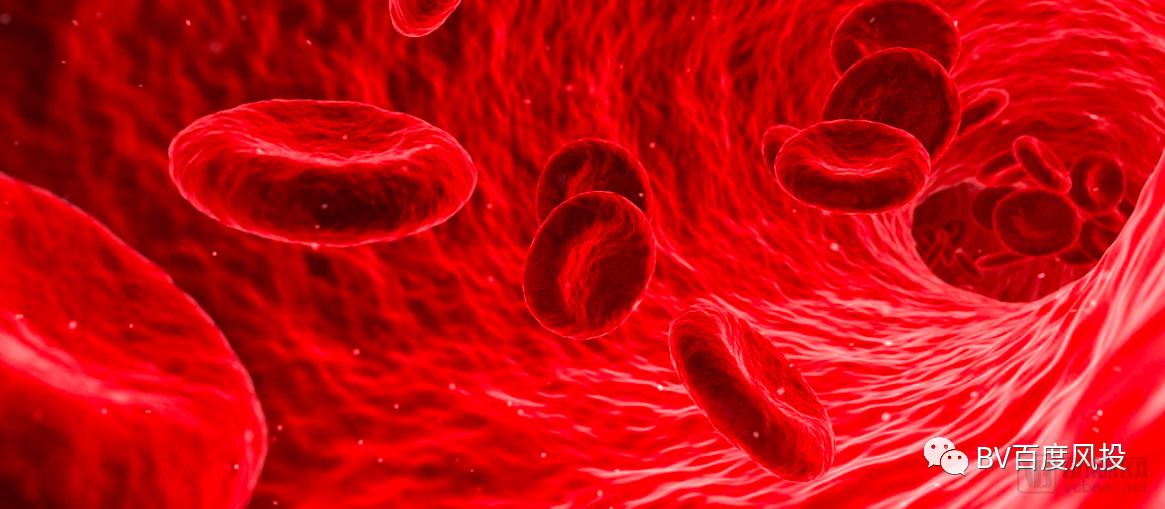
The integration of AI and healthcare is already accelerating, with many experts and entrepreneurs beginning to uncover significant business opportunities in this field. Looking ahead over the next 20 years, I believe the rapid advancement of foundational AI technologies will provide new driving forces for the industry. This progress benefits from AI’s applications across various sectors, as well as the cumulative effects of developments in microscale materials science, physical sciences, and other fields over the past two to three decades, coupled with advances in high-performance computing and novel algorithms.
New underlying technologies empower AI, starting with perception.The data currently used by AI systems is, in a sense, still largely the same data originally developed for human use. For instance, contemporary images—whether the urban security footage discussed earlier or medical imaging—are primarily designed to be interpretable by humans. Consequently, emphasis is placed on image quality relevant to human perceptual capabilities, often at the expense of capturing extensive physical information. As a result, non-visible light spectra and very high-frequency signal variations were overlooked during the era dominated by human visual perception.In the era of AI perception, the next-generation foundational sensing devices we have invested in, which are developed specifically for AI, will deliver ultra-high-speed, nanosecond-level, high-resolution data.Super-resolution sensing capabilities will generate substantial amounts of additional structural data—information that humans originally could not or would find difficult to process and interpret, such as three-dimensional or higher-dimensional imaging, or spectral information beyond the visible light range. This data will gradually permeate our systems, building a more robust bridge between the raw physical world and AI’s perceptual and computational capabilities. The driving force behind these data acquisition advancements stems from developments and changes in foundational technical disciplines, including micro- and nano-electronics and quantum physics. We believe that over the next two decades, these more detailed and higher-dimensional sensing technologies will progressively enter the healthcare industry through various entry points, creating greater opportunities for entrepreneurs.

Here, we discuss several cases, some of which are currently unfolding, others that we have invested in, and still others that have been featured in academic journals.For example, the enhancement of spatial dimensionsAs previously mentioned, AI’s greatest advantage lies in its ability to uncover patterns that remain elusive due to the limitations of human understanding, thereby fostering a novel comprehension of diseases, rather than merely replicating tasks already well-performed by human physicians. Consequently, as an AI-focused institution, our investment strategy in the healthcare sector centers on introducing additional data dimensions to the field. Analogously, if we view the human body as a city, deploying various sensors can generate richer data dimensions. This enables healthcare professionals to discover new patterns by building upon and cross-referencing their existing accumulations of data and methodologies. A typical example of enhancing spatial dimensions is the 3D pathology system. By employing finer pathological sectioning, 3D scanning, and 3D reconstruction, this technology captures continuous information along the Z-axis—data absent in traditional 2D imaging—and is increasingly being applied in new drug development and preclinical research. Similarly, there is a demand for such fine-grained structural insights across different scales. For instance, in genomics, while we currently primarily rely on sequence information based on base pair arrangements, observational technologies for the 3D structure of DNA have the potential to introduce entirely new informational dimensions.
In addition to the enhancement in spatial dimensions,Information changes can also stem from an increase in granularity.A typical example is super-resolution microscopy of live cells. Super-resolution structural perception precisely requires the development of compressed sensing technology within AI. By employing multiple rounds of orderly controlled imaging,叠加 calculations, and error elimination, this approach surpasses the optical diffraction limit. Taking a step further, these methods still merely satisfy the imaging information collected for human visual perception. If we remove this burden and instead optimize data collection to better serve machine system recognition, resolution could potentially be enhanced even further. We firmly believe that in the future, an increasing amount of microscopic structural data from within cells, combined with AI-driven refinement, will bring us new insights. For instance, a company we have already invested in in the United States uses intervention methods to enhance the dynamics of data. Through visual analysis of individual cells and the application of external forces to induce compression and deformation, it collects data on changes in cell morphology and establishes new models associated with diseases in the process. This is a typical case that goes beyond the traditional axes of cellular data.
Additionally,Increasing the number of different data axes is also an area of our focus., which has also been a hotspot in the field of frontier bioinformatics investment in recent years. For instance, building upon the human genome to observe the gut microbiome genome will bring a wealth of new informational dimensions to the medical field.
In addition to improvements in spatial resolution, data axis granularity, and volume, another core driving force also includesImproved Temporal ResolutionToday, the primary challenge facing traditional medical data is its insufficient temporal resolution. This is an area that requires rapid development over the next five to ten years, and it is precisely where AI-enabled sensing technologies can provide significant support. AI-driven sensing technologies are rapidly advancing toward low power consumption, self-powering capabilities, and ultra-miniaturization. For instance, ultra-miniature, low-power sensors based on the circulatory system, which harness light and ambient energy for both power and sensing, are already being used for intraocular pressure monitoring in glaucoma. These sensors integrate not only sensing and signal transmission capabilities but also basic computational functions.In the pursuit of online data acquisition with the highest possible temporal resolution, a paradox always exists. In the first scenario, although the power consumption per individual data transmission is very low, the cumulative power demand becomes substantial due to the need for continuous data streaming. In the second scenario, if data is not transmitted continuously, temporal resolution is effectively lost; instead, one must rely on conventional rule-based sensing systems that activate only when particularly strong signals are detected. In practical applications, neither extreme is conducive to effective data analysis and monitoring. Therefore, the ideal solution involves low-power in-body sensing and computation, where edge devices perform preliminary data analysis and pattern recognition with minimal energy expenditure. Only data conforming to identified patterns are then transmitted, enabling monitoring capabilities that last five to seven years or more. Over the next decade, such miniature sensors will gradually permeate various aspects of human physiology, providing high-value data with superior temporal resolution.
From our perspective, whether it is enhancing raw perception or better leveraging multi-turn, multimodal interactions, both represent the direction of development in the healthcare sector. By integrating diverse sources of information, even if accurate medical diagnoses cannot be made in the short term, the overall efficiency of medical diagnosis will be significantly improved. This is precisely where new perceptual opportunities will emerge over the next ten to twenty years.
After acquiring new data, the next challenge is computation.This represents the shared challenges and opportunities that AI currently faces across various industries. We believe that the rapid advancement of computing power over the next two decades will be a driving force we can trust and leverage.Among themOne perspective is cloud-based., or ultra-high-speed computing without power consumption constraints. For instance, our strategic deployment in optical computing leverages the speed advantages of optical cross-connects to deliver new data processing capabilities. Only when computational power achieves an improvement of dozens of orders of magnitude over current levels can it truly match the data volume generated by the 10^20 single cells in the human body.Another Perspective, is edge computing capability: how to enable edge AI computing with ultra-low power consumption within or near the human body, achieving performance superior to that of today’s large-scale AI computations and supercomputers.Taking all factors into consideration, we believe that the integration of emerging edge and cloud computing will ultimately form a unified AI computational framework. This framework will enable more effective utilization of the aforementioned data, thereby facilitating the reclassification and deeper understanding of diseases.Step one involves enhancing our sensitivity to signals based on existing medical rules and knowledge, enabling the early detection of trends and critical indicators. This proactive perception not only benefits patients but also facilitates comprehensive data recording from the onset of disease through its entire progression. As data accumulates, we will gradually gain new insights into disease diagnosis, deconstructing and clustering previously understood issues to drive novel medical breakthroughs. In this context, AI, combined with the aforementioned data axes, serves as the fuel and engine for such advancements. Over the next two to three decades, we will gradually enter an era where the costs of data acquisition and computation become exceedingly low, leading to significant over-allocation across various data axes. Vast amounts of medical data will function like a large crucible, within which researchers will continue to leverage temporal axes and observations of target populations to identify and discover new patterns. We firmly believe that the next 20 years will witness an explosion of new medical discoveries, ushering in opportunities and promise for academic research and technological entrepreneurship.
In recent years, we have witnessed the advancement of generative algorithms, which have made new strides in drug discovery. In the future, as technologies for micro-organs or organ simulations progress and a closed-loop system is established—where hypotheses are proposed via generative adversarial networks and rapidly validated in vitro—the pace of scientific discovery will accelerate significantly. Admittedly, the development speed in the biological and medical fields may be constrained by numerous ethical issues and physical technological limitations. Nevertheless, we believe that digital twins of at least certain parts of the human body will eventually become feasible, driven by rapid advancements in sensing and computational capabilities. Currently, industries such as manufacturing, architecture, and urban planning are embracing the concept of digital twins, which essentially involves creating a complete, real-time mirror reconstruction of the physical world. This enables countless simulations and tests, making possible the unified sensing and computing, as well as proactive compensation and intervention mentioned earlier. We believe that in the long-term future of healthcare, technological developments will also move in this direction, enabling every individual to have their own digital version.
The relationship between AI and any industry ultimately involves reshaping a living entity, and the medical field is no exception.Novel sensing and computing technologies will break down existing boundaries, giving rise to a vast, hybrid life form characterized by deep human-machine integration and high-level collaboration. When we look back from 50 or 100 years in the future, we may realize that today’s humans are merely the previous generation of life forms.
Today, a wide variety of hardware can be implanted within the human body. Many of these devices are functional but lack decision-making capabilities, while others operate based on rule-based triggers or predefined functions.In the future, if implanted hardware within the human body develops strong autonomous capabilities and continuously updates and evolves, would it, in a sense, become integrated as part of the human organism?For instance, could a small unit such as a capsule endoscope, which possesses certain capabilities for sensing, decision-making, classification, and intervention, be considered part of a living organism when implanted in the human body and capable of continuous updates in the future?
Over the next 50 years, we firmly believe that programmable implants will help us solve many of today’s challenges in real time. For instance, these systems could assess in real time whether drug delivery targets are accurate and monitor patients’ immediate drug tolerance. As these capabilities become a reality, we must reconsider the fundamental question: What are the true boundaries of human potential?
One study suggests that the number of human fatalities from snake bites has decreased since the invention of eyeglasses, as glasses have enhanced humans’ ability to spot snakes in tall grass. This can be interpreted as humans being continuously compensated by external sensors akin to eyeglasses. We believe that in the next 30 to 50 years, similar to urban Internet of Things (IoT) systems, it will become commonplace for external sensors to automatically compensate for specific human body parts by bypassing the brain, based on real-time conditions.
By way of analogy, our city’s V2X (Vehicle-to-Everything) system—specifically, the roadside traffic monitoring infrastructure—can predict car accidents earlier than any human eye. Although the collision may be physically unavoidable, the system can issue real-time warnings to vehicles and adjust seatbelt settings to better protect passengers. In this scenario, humans are essentially passive. If we draw an analogy between this system and the human body, given that such information transmission and connectivity with the human body are technically feasible, it follows that certain physiological responses within the body could be triggered. This would enable the body to proactively initiate compensatory mechanisms, such as releasing specific biological hormones, thereby better preparing itself for impact. While the example of a collision represents an extreme scenario, implantable sensors that modify and augment human physiology by receiving external environmental sensing signals—particularly through precise, preemptive compensation—will help alleviate human suffering and enhance human capabilities.
Furthermore, we believe that as the boundaries of perceptual computing are broken through, humanity will ultimately enter a new stage of co-evolution.As capabilities in sensing, computing, and connectivity improve, we believe that such collective synergistic evolution—particularly in collaborative planning, defense, and data transmission among various implanted devices within different human bodies—will occur with increasing frequency. The ultimate future of human consciousness will revolve around brain-computer interfaces and interconnected brains, a process that will simultaneously dissolve the boundaries of narrowly defined life forms. New life entities, or symbiotic unions of life, will constitute the long-term future of AI-driven healthcare.

BV Baidu Fengtou has actively expanded its footprint in the healthcare sector, investing in more than 30 early-stage AI-driven biomedicine and data-enabled healthcare service companies in China and the United States. Notable portfolio companies include: Sherlock Biosciences, a world-leading CRISPR diagnostics platform founded by the Zhang Feng laboratory; Qitan Technology, a next-generation nanopore sequencing platform independently developed by a team of Chinese scientists; CytoVale, which leverages single-cell morphological data acquisition for rapid and precise sepsis detection; Rootpath, a Harvard/MIT-affiliated company specializing in personalized precision medicine with TCR-T therapies; Engine Biosciences, a drug discovery platform combining high-throughput single-cell wet-lab experimentation with AI algorithms; and Subtle Medical, the first medical imaging company to receive FDA clearance for AI-enhanced medical imaging.
Meanwhile, this year, BV partnered with the Medtronic China Fund and VCBeat to co-host the “2019 Medtronic China Fund · BV Baidu Ventures Medical Robot Competition,”We look forward to welcoming you, who are equally committed to contributing to the advancement of biological and medical intelligence!
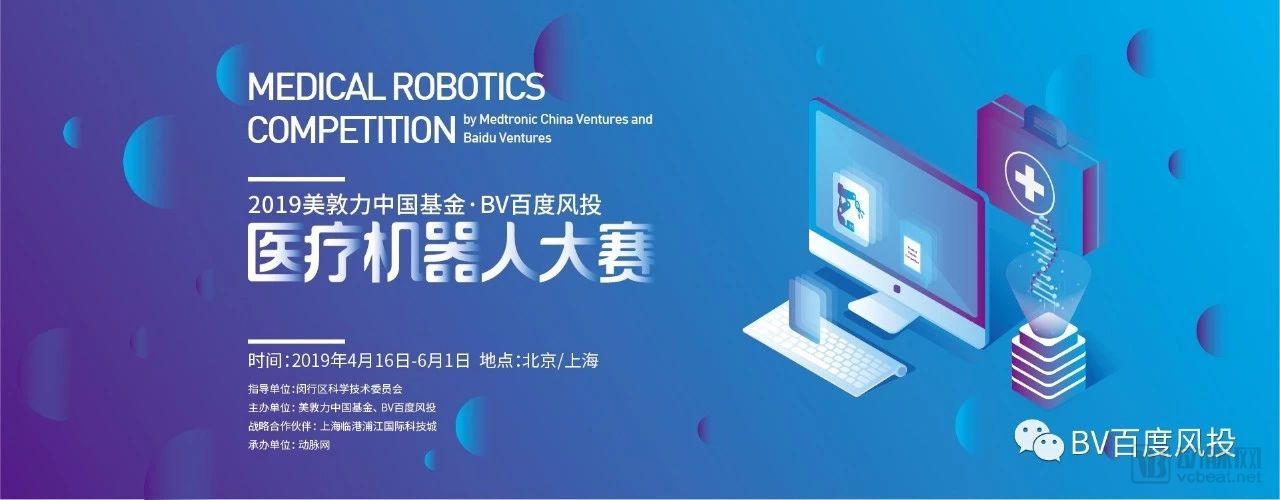
Click the link to register for the competition.
Note: This content is provided by the BV Bio-Intelligence Team. Reproduction is prohibited without prior permission.