Can Robots Fulfill the Dual Needs of Companionship and Healthcare for Seniors When Children Are Away?
Driven by the aging of the baby boomer generation and increased life expectancy, the elderly population is growing. According to calculations based on data from the Sixth National Population Census, the number of people aged 60 and above in China reached 249 million by the end of 2018. Under the influence of more than three decades of the one-child policy, the pace of population aging in China has continued to accelerate. With accelerated population mobility, improved housing conditions, and shifting family values, “empty-nest elders” have become the group most in need of care, placing increasing pressure on individuals to provide for the elderly.
As the basic necessities of life—clothing, food, housing, and transportation—evolve to prioritize “medical” care alongside daily living, key questions have emerged as defining issues of the new era: What well-being can technology deliver to the elderly? And can technological solutions address the shortage of human resources in caregiving?
From a statistical perspective, in the 1990s, an average of five working-age individuals supported one elderly person; by 2016, this ratio had shifted to 2.6; and by 2050, it is projected to decline further to 1.3. This trend underscores the mounting pressure on elderly care. Currently and for the foreseeable future, the most significant challenge posed by population aging lies in the health and wellness care of the elderly.
The continuous decline in fertility rates has led to a shrinking ratio of younger to older family members, resulting in a shortage of family caregivers. The traditional model of children caring for their parents under the same roof is gradually becoming a thing of the past. “Having someone to rely on and keep them company in old age” has become the greatest wish of elderly people living alone.
On the other hand, in the face of China’s vast population and substantial healthcare demands, high-quality medical resources remain relatively limited and unevenly distributed. The “siphon effect” of Tier 3 Grade A hospitals has led to persistent difficulties in securing appointments and accessing medical care. For elderly individuals unfamiliar with digital technologies, online appointment registration can only be completed with the assistance of their children or relatives and friends, while many others resort to queuing in person at hospitals, a process that is even more physically and mentally taxing.
Elderly individuals living alone often experience deficits in psychological well-being, physical health, and social belonging. The emotional and healthcare needs of this demographic have created a market with significant potential, making eldercare robots the new favorite in the industry. With appropriate technology, seniors can remain in their own homes for longer periods even when their children are not nearby. This also allows family members, who would otherwise be dedicated to full-time caregiving, to rejoin the workforce, thereby reducing the cost associated with concentrated elderly care.
As global population aging intensifies, shifts in the age structure are profoundly influencing all aspects of human social life, making population aging a major demographic issue of growing concern to countries worldwide. Riding the wave of artificial intelligence development, robotics is regarded as a key technological solution to address the challenges of elderly care.
Leveraging artificial intelligence technology, Mangu Technology, which focuses on developing services for the elderly population, is a pioneer in exploring the integration of “AI + Big Health.” Its core product, the “Zhengtai Health Service Robot,” is positioned as an “AI + Big Health” robot, capable of delivering functions across four domains: health services, daily life assistance, children’s education, and entertainment companionship.
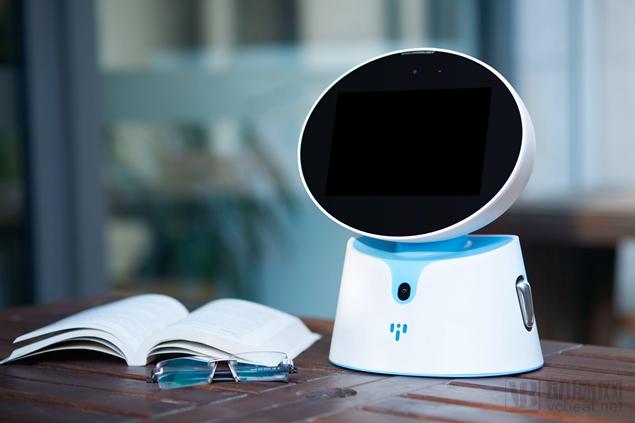
Mangu Technology's Zhengtai Health Service Robot
In addition to common age-related conditions such as diabetes, hypertension, Alzheimer’s disease, and Parkinson’s disease, psychological issues like depression and loneliness are also taking a toll on the physical and mental well-being of the elderly. To address pain points such as difficulties in accessing medical care and poor patient experience, the Zhengtai Health Service Robot serves as a “family doctor” in home settings, providing seniors with one-stop comprehensive home healthcare services.
By offering features such as online consultations, appointment scheduling, vital signs monitoring, online medication purchases, and health education, the Zhengtai Health Service Robot covers a closed-loop disease management process ranging from disease consultation and diagnosis to health management. Specifically, its health functions include:
1. 24/7 online consultation services enable patients to consult doctors from home, engage in face-to-face video interactions with physicians, receive prompt responses from medical professionals, access real-time health advice, and obtain timely guidance on medical care. The service also secures ample appointment slots at top-tier (Grade A tertiary) hospitals for elderly patients, assisting them with registration and scheduling.
2. To address the common chronic disease management needs of the elderly, users simply need to say “I want a check-up” to Zhengtai and follow the prompts. Within just 60 seconds, the system can detect 12 physiological indicators, including blood pressure, blood oxygen saturation, and heart rate, while recording daily data trends to provide personalized health recommendations.
3. In terms of health Q&A functionality, the Zhengtai Health Service Robot boasts a vast knowledge base of professional health videos. Seniors can simply ask “Zhengtai” questions via voice interaction and receive immediate answers.
4. The Zhengtai Health Service Robot features a built-in online medication purchasing function, allowing users to obtain prescription medications under the guidance of licensed physicians, with home delivery available.
When children are not around and the elderly need companionship, the Zhengtai Health Service Robot, equipped with abundant entertainment resources, can provide content such as storytelling and folk arts, video calls, news updates, and karaoke based on voice commands, bringing spiritual enjoyment to seniors living alone at home.
Zou Jinglu, Co-founder and CEO of Mangu Technology, emphasized that when children are unable to care for their parents in person due to work or lifestyle commitments, the Zhengtai Health Service Robot effectively addresses the challenges of elderly care caused by distance through three key functions: First, it continuously transmits parents’ health data, enabling children to stay promptly informed about their health status. Second, it facilitates effective communication between children and their parents via video calls and remote monitoring features. Third, with health services as the entry point, children can remotely set medication reminders for their elderly family members through the app; in case of safety emergencies such as falls, the robot allows one-touch calling to notify their children for immediate assistance.
Notably, the Zhengtai Health Service Robot also features personalized health management capabilities leveraging data it collects. Sun Chonghui, Co-founder and COO of Mango Valley Technology, told reporters that, on one hand, its professional medical team can provide comprehensive health management advice based on collected physiological data; on the other hand, by analyzing users’ historical data, the Zhengtai Health Service Robot can deliver personalized recommendations for health education and entertainment.
Health science popularization at the content level involves leveraging user health records to algorithmically recommend authoritative educational content or videos relevant to their health status. For instance, if vital sign monitoring identifies an elderly individual as a hypertension patient, the Zhengtai Health Service Robot can directly push hypertension-related health tips, preventive knowledge, and information on commonly used medications.
On the entertainment front, by collecting data on elderly users’ preferences for on-demand content, the system can deliver personalized recommendations during subsequent sessions, featuring various types of video content such as storytelling, crosstalk comedy, and variety shows.
For companion robots that also function as smart speakers, products like the Zhengtai Health Service Robot serve as a major entry point for collecting health data, as well as for delivering home-based health features and a variety of health services. As these devices become widely adopted in consumer households, they can integrate more diverse functionalities within the health ecosystem, thereby becoming another significant channel for reaching targeted customers.
According to Zou Jinglu, the big health data collected by the Zhengtai Health Service Robot has three major applications beyond daily health management and monitoring: first, feeding data back into product development, where user behavior preference data enables more refined product iterations; second, accumulating data for health-related e-commerce to more accurately assess users’ purchasing needs; and third, integrating the big data into insurance companies’ decision-making systems, which is the preferred destination for most devices with health monitoring capabilities.
In terms of its business model, the company is not solely focused on consumer-facing (C-end) users. In later stages, Manggu Technology will also launch customized enterprise solutions for clients such as healthcare institutions and elderly care communities, offering features like service appointment scheduling and service introductions. These offerings aim to strengthen user stickiness with healthcare institutions, facilitate user retention, and drive offline customer traffic.
Zhengtai Health Service Robot is poised for its official market launch, with comprehensive preparations completed across all distribution channels. Qu Yi, Chief Strategy Officer (CSO) of Mangu Technology, told reporters that the Zhengtai Health Service Robot targets consumers born in the 1970s, 1980s, and 1990s. Accordingly, Mangu Technology will offer the product through online e-commerce platforms such as JD.com and Tmall, as well as via WeChat Mini Programs. Offline sales will primarily be conducted through agents and retail stores, while strategic deployment targeting business-to-business (B2B) clients, such as senior living communities, has also been progressively rolled out.
As the health and companionship needs of the elderly evolve into significant public welfare concerns, society as a whole is focusing on viable solutions. Zou Jinglu stated, “Currently, while there is a wide variety of robots available on the market, few intelligent solutions specifically target the niche segment of elderly health management by deeply addressing user needs and resolving physical and psychological health issues among older adults.” Therefore, Manggu Technology aims to leverage the launch of its Zhengtai Intelligent Health Service Robot to integrate high-quality medical resources from its platform and directly address the genuine health needs of elderly users.
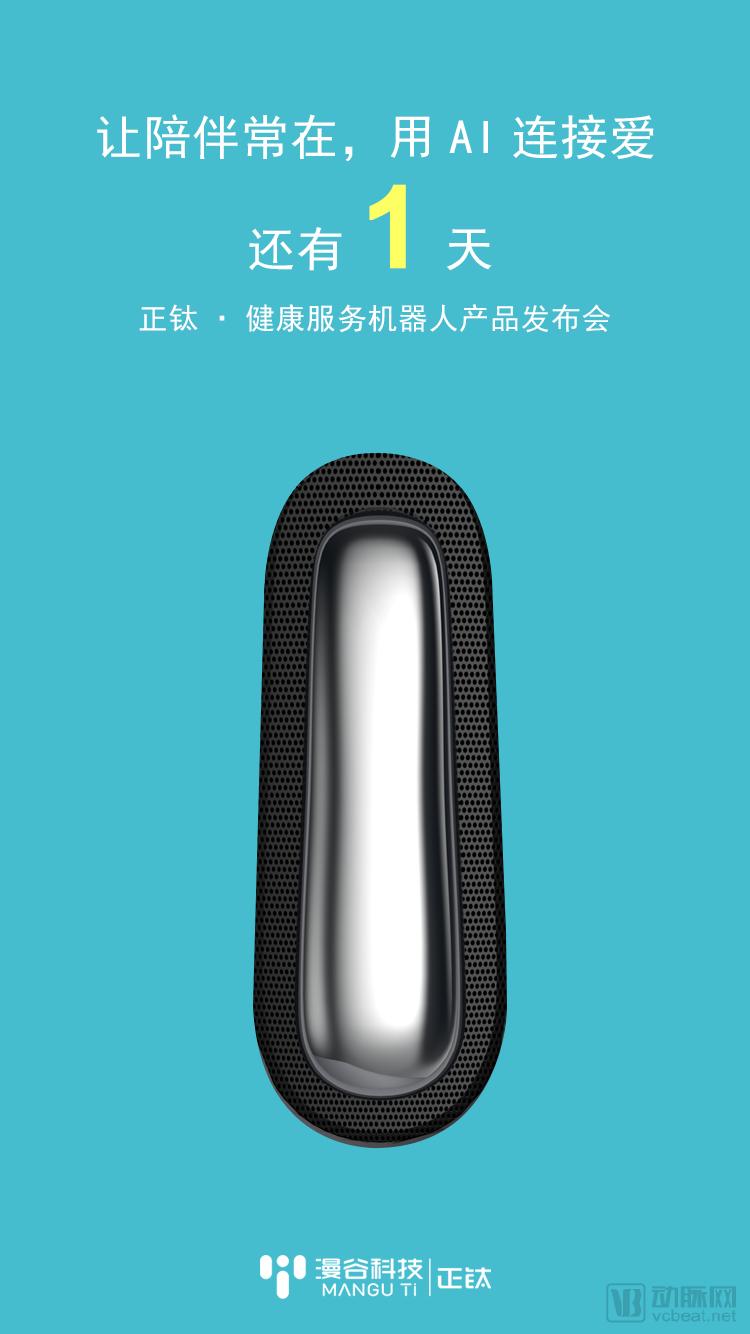
On April 23, Manggu Technology will hold the product launch event for the Zhengtai Health Service Robot, themed “Connecting Love with AI,” at the Wanda Vista Beijing. This marks the official debut of the Zhengtai Health Service Robot, an all-in-one intelligent solution integrating health services, daily life assistance, children’s education, and entertainment companionship. The event will bring together experts and researchers from PLA General Hospital (301 Hospital), AISpeech, the Robotics Association, and Science and Technology China, among others, spanning fields such as speech technology, robotics, medicine, and industry, to jointly explore how “technological innovation can empower healthy aging.”
As China’s population aging trend intensifies, companionship for the elderly is inevitably a demand with huge growth potential. “AI + Big Health” robots, such as the Zhengtai Health Service Robot, serve as life assistants by providing necessary physical and emotional care to the elderly, while also assessing health risks in real time and issuing timely alerts. In essence, they address two critical needs of the elderly population: companionship and health management.
Amid the vast market size of specialized robotic functions, Manggu Technology will focus on serving the elderly population, empowering general health with AI. By continuously refining and enhancing its products, the company aims to bring its high-frequency, high-experience Zhengtai Health Service Robots into every household.