

China's Top Healthcare Investors Reveal Strategies to Navigate Tough Times in Newly Filed Prospectus

HAOYUE CAPITAL
Financial Advisory Service Agency
The “2019 3rd Healthcare Investment Excellence Awards Summit,” hosted by Haoyue Capital, was held in Shanghai on April 10. The roundtable discussion, themed “Breaking the Impasse,” served as the inaugural and most prominent agenda item of the day, featuring in-depth insights from representatives across academia, industry, research institutions, multinational corporations, and investment firms.
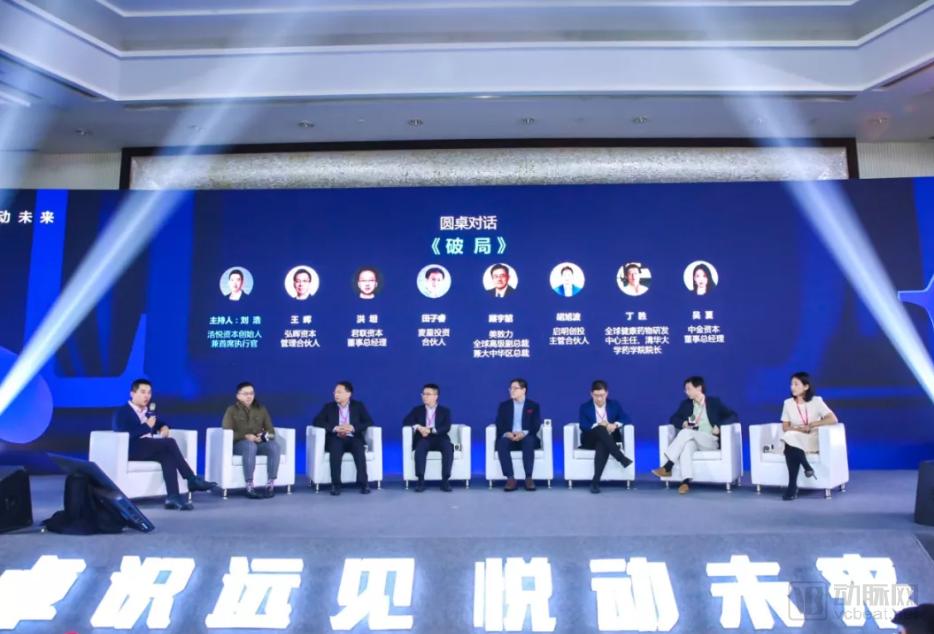
Below is the full transcript of the guest’s remarks:
Roundtable Discussion:“Breaking the Deadlock”
Dialogue Moderator:Liu Hao (CEO and Founder of HAOYUE CAPITAL)
Guest Speakers:
Wang Hui (Managing Partner, Honghui Capital)
Hong Tan (Managing Director, Legend Capital)
Tian Zirui (Partner, Maixing Investment)
Gu Yushao (Senior Vice President of Medtronic and President of Greater China)
Hu Xubo (Managing Partner, Qiming Venture Partners)
Ding Sheng (Director, Global Health Drug Discovery Institute; Dean, School of Pharmaceutical Sciences, Tsinghua University)
Wu Xia (Managing Director, CICC Capital)
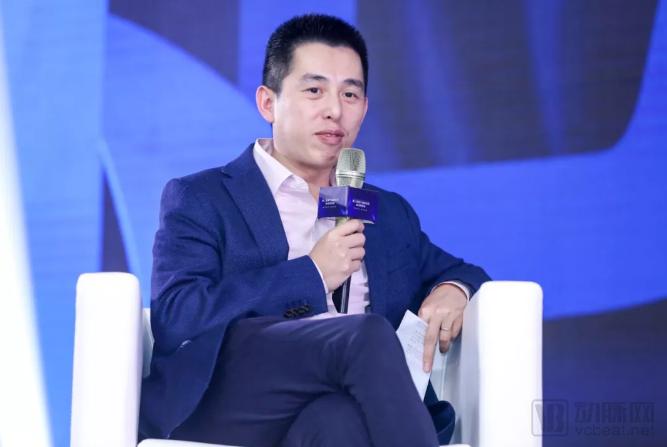
Liu Hao, CEO and Founder of HAOYUE CAPITAL
Host Liu Hao:The major opportunities in healthcare investment undoubtedly stem from policy dividends. Last year, the pace of healthcare reform policies accelerated significantly. The past decade of medical insurance development has ushered in a “golden decade” for investment. With the establishment of the National Healthcare Security Administration and the aggressive rollout of policies such as the “4+7” volume-based procurement program, we invite you to share your institutions’ fresh insights, differing perspectives, and most profound reflections on these recent policy-driven opportunities.
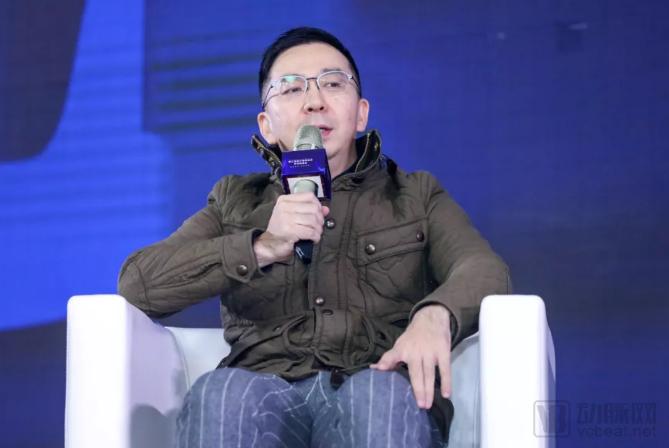
Wang Hui, Managing Partner at Honghui Capital
Wang Hui:As a professional institution managing five funds, Honghui Capital has felt the impact of the successive waves of drastic policy changes in 2018. In a market environment like China’s, change is relatively normal, given that the country is still at a stage of robust economic growth driven by its young and middle-aged population. Such shocks and changes are beneficial, as they create new investment opportunities for those who can stand out amidst the turbulence.
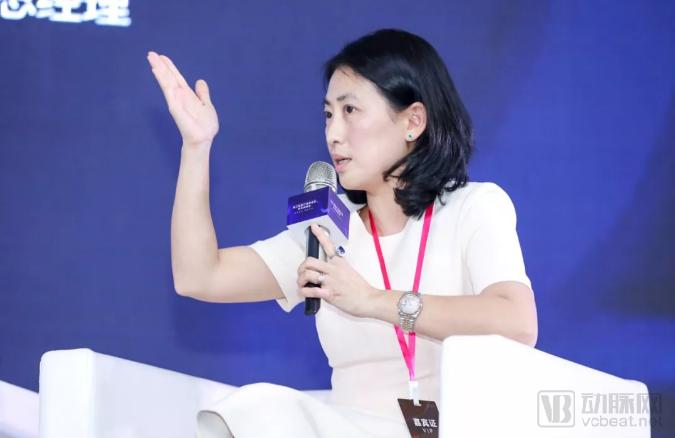
Wu Xia, Managing Director of CICC Capital
Wu Xia:Macroeconomic policies have a significant impact on the healthcare industry. Previously, as a chief macroeconomist, I conducted extensive industry research and found that per capita GDP and industrial growth follow a 45-degree line, with the healthcare sector performing the best. This makes the industry a promising career investment. After transitioning into the healthcare sector, I discovered that policy has a profound influence on the industry. Over the years, we have been engaged in healthcare investments,First, assess the macro landscape: examine policy directions, industry trends, and overall capital market dynamics, before turning to corporate development.. This is quite important.
For CICC Capital, a comprehensive transformation was undertaken in 2014: first, moving upstream by not limiting itself to IPOs; second, moving downstream to engage in industry consolidation; and third, scaling up operations by leveraging group-level capital. Currently, CICC Capital manages RMB 300 billion in assets, comprising fund-of-funds, comprehensive funds, overseas funds, and specialized spin-off funds, thereby enhancing its overall risk resilience. Since positioning itself on the demand side in 2014–2015, the firm has adhered to the principle that emerging technologies and products must ultimately penetrate the demand side to succeed in competition.
I. The demand from business professionals in first- and second-tier cities has driven a series of strategic layouts spanning chain outpatient clinics, mobile testing, third-party laboratory services, third-party medical imaging, molecular diagnostics, specialized chain hospitals, healthcare big data, and health information system management companies. We have waited for several years and evaluated numerous companies, but hesitated to invest due to prohibitively high valuations. However, since the capital winter of 2018, new opportunities have emerged; many enterprises have struggled to secure financing, leading to a gradual decline in their valuation expectations. Within the broader landscape, if one area underperforms, another may thrive. The healthcare industry comprises numerous subsectors: when pharmaceuticals become overheated, we shift focus to medical devices; when devices become saturated, we move into healthcare services. Ultimately, this cyclical approach aims to build an “allied fleet.” This represents our current strategy for breaking through market bottlenecks.
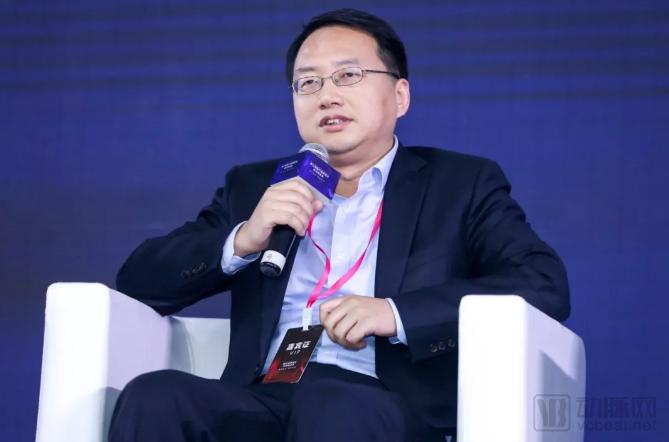
Hong Tan, Managing Director of Legend Capital
Hong Tan:From our perspective, policy changes last year were substantial; yet, viewed from another angle, they were relatively straightforward. Previously, China’s healthcare landscape—particularly regarding payers and what was considered the “golden age” of pharmaceutical industry development—was highly distinctive with Chinese characteristics. At that time, medical insurance funds were growing rapidly, and many adjuvant drugs expanded quickly for various reasons, while innovative drugs were largely absent in China. The core shift over the past two years is that these so-called “Chinese characteristics” are no longer unique. What medical insurance should have been doing all along is effectively managing generic drugs.
Second, the review standards of the CFDA should indeed align with those of the FDA and ICH.The core logic, in my view, is to transform China into a market that does not place excessive emphasis on “Chinese characteristics.”This also applies to innovative drugs. Since last year, several companies have listed on the Hong Kong Stock Exchange, allowing us to discern which firms are truly worthy of investment and which may not be well-received by the secondary market. By comparing their R&D pipelines with those of NASDAQ-listed companies, we can assess what their valuations should reasonably be. While this may seem highly disruptive, the underlying logic is actually quite standard: it involves diluting the distinctiveness of originally unique assets, making them less differentiated.
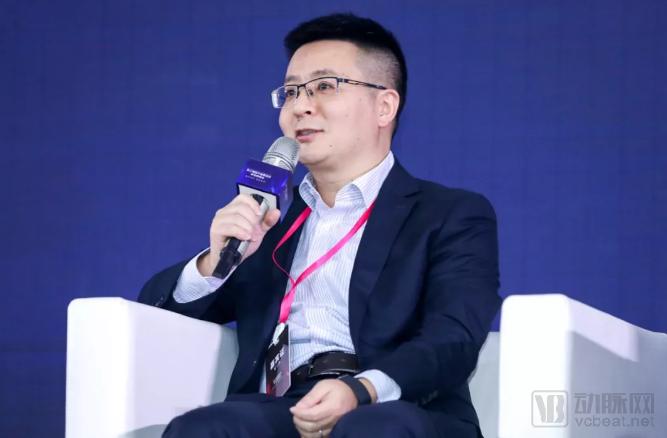
Tian Zirui, Partner at Maxstars Investments
Tian Zirui:Maixing Investment has been active in the healthcare sector for ten years, a field and industry that undoubtedly demands a long-term perspective. We believe our strategic moves last year were directionally correct; from a long-term standpoint, it is merely a matter of timing—whether certain trends arrive slightly earlier or later. Macroeconomic factors serve only as a reference; when investing in individual companies, we place greater emphasis on micro-level fundamentals.In the healthcare sector, taking a long-term view reveals that short-term fluctuations are unlikely to significantly impact the industry’s long-term development trends; therefore, it is advisable to accept these changes with equanimity.
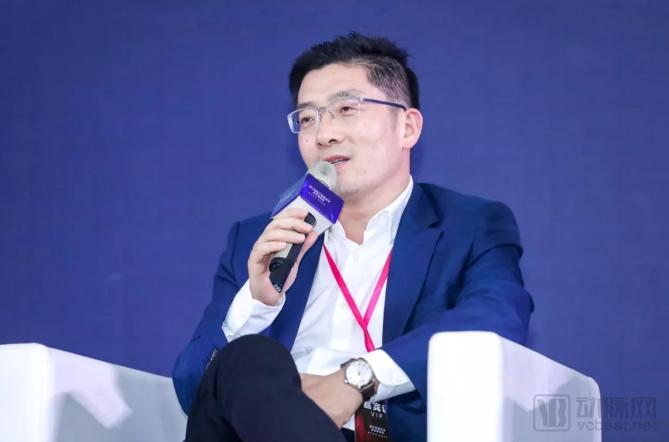
Hu Xubo, Managing Partner of Qiming Venture Partners
Hu Xubo:The “4+7” policy last year was within our expectations; from the perspective of the National Healthcare Security Administration, its primary aim was cost containment. However, for us,More importantly, it is crucial to confirm one thing: innovative drugs have truly become an investable asset class.China has no history of investing in innovative drugs. Two innovative drug companies that listed first in the U.S. set a precedent, while the Hong Kong market is culturally more aligned with the Chinese entrepreneurial community. We hope to see biopharmaceutical innovation enterprises list on the STAR Market in the coming years, which will unlock the landscape for innovative drug investment. After all, in the U.S. pharmaceutical industry, approximately 50% of capital is invested in innovative drugs—a significant advancement. For investors, this means an additional asset class, enabling us to systematically build our capabilities and invest in high-quality innovative drug companies, which is highly meaningful.
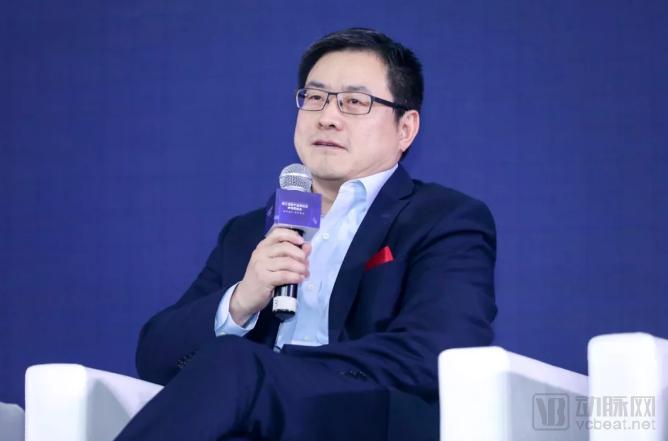
Gu Yushao, Senior Vice President of Medtronic Worldwide and President of Greater China
Gu Yushao:Last year witnessed significant changes, including tariff issues in Sino-U.S. trade. We are closely monitoring policy developments, such as the “4+7” volume-based procurement program for pharmaceuticals. However, during discussions within the Medical Device Industry Association, we recognized that medical devices differ from pharmaceuticals. The value of medical devices is realized primarily at the “last mile” of delivery or through physician training. We remain focused on this area and hope to leverage global case studies to inform policy-making, thereby fostering sustainable development across the industry.
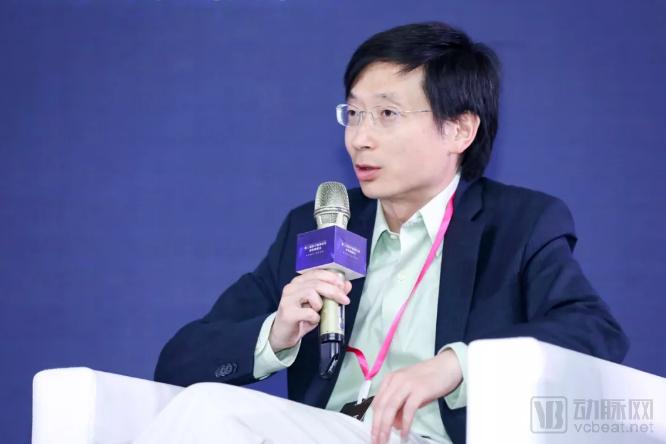
Ding Sheng, Director of the Global Health Drug Discovery Institute and Dean of the School of Pharmaceutical Sciences at Tsinghua University
Ding Sheng:“The panelists have all highlighted that the primary impact of recent policies has been a heightened focus on innovation, driven by a series of reforms in both medical insurance and drug regulatory review processes. This trend has not only emerged last year but has accelerated gradually over the past two to three years, fostering a more robust environment for innovation. Innovative drugs, along with their market prospects and other related aspects, are showing very promising outlooks.”
In this segment on innovation, I would like to pose two questions:As an investor, how do you evaluate innovation? What is contrarian thinking within the context of following major trends?
Hong Tan: Professor Ding raised an excellent question, which is also a major consideration for us when investing in innovative drugs. My understanding is as follows: For China’s current innovative drug sector, many companies have not yet fully resolved this issue. Why are many overseas innovative enterprises, whether funded by venture capital at the preclinical stage or acquired by large pharmaceutical companies, ultimately acquired? The fundamental reason is that their technologies are truly innovative. Large companies leverage these assets to continuously generate performance results, thereby supporting their stock prices. I believe this constitutes a complete ecosystem. Once such an ecosystem is well established, innovation ultimately manifests at the commercialization level and, more importantly, in terms of tangible clinical benefits. In China, however, market valuations have not yet been transmitted to the consumption end. Whether current valuations can be sustained remains a significant challenge.
If many of China’s startups todayBeing fully acquired by a large corporation, or achieving significant economic benefits in the market with the company’s ultimate future product., in turn, when we look at innovative drugs, on the one hand, we hope that China can make innovations, and on the other hand, Chinese innovative drugs do have the opportunity to reach the global market. A complete ecosystem is very important.
Gu Yushao:From Medtronic’s perspective, our focus is on clinical performance and the resulting impact, which, in a sense, serves as the sole criterion for evaluation. Secondly, as a long-term industry player, we assess whether we are the most capable long-term owner or if we can effectively execute integration. Regarding innovation, Medtronic established a venture capital fund in partnership with third parties in the Greater China region three years ago. We have begun making investments from Series A to Series A+ rounds, completing seven to eight deals to date. We evaluate both product innovations and business model innovations, reflecting our confidence in this stage of innovation in China. We have already observed several innovations with global significance. I believe that, through continued accumulation, these efforts will eventually yield substantial results, proving highly beneficial to the innovation of medical devices in China.
Second, how should we view innovation? The nature of this industry calls for medium- to long-term investment; one cannot rush for immediate results. This is particularly true in the medical device sector, where obtaining registration approval for samples is one thing, and achieving large-scale production is another. When it comes to the products you develop, ask yourself whether you would be willing to have your family and friends use them when needed. What truly matters are clinical efficacy and quality. We look atInnovation comprises three pillars: iteration, originality, and disruption。
Host Liu Hao:# Theme: Breaking Through ImpassesToday’s theme is “Breaking Through Impasses.” This concept primarily addresses the challenges faced by enterprises, and investors also encountered significant difficulties last year. First, I would like to ask Mr. Wang Hui: You have now launched five funds in total. Notably, you began fundraising for your third fund in Q3 of last year, which was the most challenging period for the market, yet you successfully completed the capital raise by year-end. Could you please share your strategies for breaking through impasses when facing fundraising difficulties?
Wang Hui:First and foremost, we extend our sincere gratitude to our investors for their support, as well as to the state for its various supportive policies. Over the past five years of entrepreneurship, I have come to deeply appreciate the principle of “speak less, think more.” It is essential to thoroughly deliberate before taking action, remain vigilant to any deviations during implementation, and make timely adjustments. Fundraising follows the same logic: we do not raise capital simply because it is difficult to do so, but rather because we have a clear plan. When our Fund II completed its RMB 1.5 billion fundraising in 2016, we already determined the timing and target size for Fund III, and engaged in early communications with our investors. Based on our performance over the past five years, the growth of our team, and the development of our new generation of partners, investors seek certainty. Despite the complex macroeconomic environment, given the substantial pool of available capital in China, investors will commit capital to funds that demonstrate such certainty.
Host Liu Hao:Second, a question for Mr. Hong Tan: Legend Capital’s Healthcare Fund I has completed its fundraising, and Philips has announced its commitment to the second fund. What is your strategy for breaking through in fundraising?
Hong Tan:Last year, fundraising difficulties represented a major trend. The introduction of the new asset management regulations, in my view, also marked a return to fundamentals. In terms of both the number of institutions and the total volume of capital, the figures from 2017 to the first half of 2018 were many times higher—generally speaking, around fourfold. Following the issuance of the new regulations in 2018, the primary change was in the broader policy environment.
Second, during the fundraising process, as a long-established institution, we have been contemplating how to achieve differentiation. After all, although Legend Capital’s first healthcare fund was launched in 2015, we had already begun investing in healthcare companies and witnessed the growth of some portfolio companies since 2006. We have also been considering how to enhance institutional systematization and improve our systematic capabilities. Our strategy is built upon these two considerations.
Host Liu Hao:Those outside the healthcare sector may not be very familiar with Maixing Investment. It is a relatively low-profile, Shenzhen-based RMB-denominated domestic fund that has consistently maintained a pragmatic approach. According to this year’s statistical data, it has achieved relatively high investment returns. Could Mr. Tian Zirui please share insights on how to break through and compete effectively against USD-denominated funds?
Tian Zirui:We are low-key and pragmatic. While being low-key may not necessarily be advantageous in the current environment—a point we are reflecting upon—pragmatism remains the right approach. We highly value the Best Investment Return Award received today, as generating investment returns is the primary objective for any market-oriented RMB or USD-denominated fund. In the context of venture capital (VC) and private equity (PE), pragmatism essentially boils down to buying low and selling high. Regarding innovation, as mentioned earlier by President Ding, we believe that whether it involves emerging technologies or mature business models, any opportunity that offers promising long-term investment returns constitutes a valuable investment.
Maixing has been engaged in the healthcare sector for over a decade, and we have come to increasingly recognize it as a long-term endeavor. When communicating with USD-denominated funds and investors, the core focus is on data. In recent years, there has been growing emphasis on investment returns, with long-term return remaining the top priority.
Host Liu Hao:For the final question, we invite Mr. Hu Xubo to share his insights. As a seasoned venture capital firm, Qiming Venture Partners has won the Award for Best Annual Investment Return on the Zhuoyue List for three consecutive years. According to the HAOYUE CAPITAL database, it is highly rare for a VC to have portfolio companies successfully complete IPOs across the A-share, Hong Kong, U.S., and even Taiwan stock markets. In such a fiercely competitive environment, how has Qiming maintained its consistent excellence? What is the secret to its success?
Hu Xubo:Our Taiwan-listed company hasn’t been very profitable.
Host Liu Hao:No profits were made; the key is exit. The primary challenge for many investors lies in exiting their investments.
Hu Xubo:Qiming Venture Partners has been in operation for twelve or thirteen years. One aspect worth sharing is our inclusive internal culture. Among the partners, we recognize each other’s strengths as well as areas where we can improve. We approach these matters positively, offering mutual support to bring out the best in one another. Above all, we strive for strong mutual understanding and support, which we consider paramount. We do not allow perceived shortcomings to be used as grounds for suppressing or rejecting a project. Consequently, for many projects reviewed internally at Qiming, consensus among all partners is rarely achieved.
The team leverages complementary strengths, fostering mutual understanding and support. We strive to build long-term consensus, prioritizing the company’s interests above all else. Only through deep understanding and alignment can strategies remain consistent—a principle we have upheld consistently over the years.
Host Liu Hao:Thank you all for your contributions.
Amidst a series of challenges driven by the accelerating and dramatic shifts in policy, it is crucial to accurately identify one’s own strengths.Mastering the Three Key Points to Break Through: First,Focus on Integration, focusing on the track to maintain its leading position in the industry; second,M&A Integration, expanding product line coverage through acquisitions or joint ventures; thirdly,Continuous Innovation, not only focusing on innovation in China, but also boldly attempting global innovation.