

New Drug Investment: Chinese Characteristics or Global Innovation?

HAOYUE CAPITAL
Financial Advisory Service Agency
The “2019 3rd Haoyue Capital Healthcare Investment Excellence Summit,” hosted by Haoyue Capital, was held in Shanghai on April 10. Themed “Global Innovation,” the biopharmaceutical roundtable dialogue brought together biopharmaceutical entrepreneurs and seasoned investors, who shared their insights and wisdom on topics ranging from how companies drive innovation and how institutions invest in innovation, to the evolution from China-based innovation to global innovation.
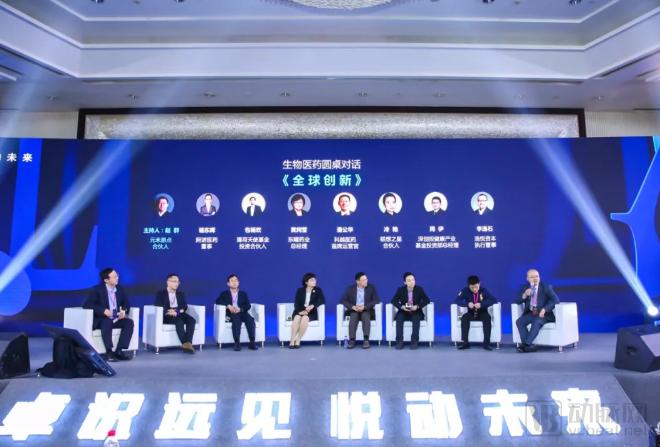
The following is the full transcript of the guest’s remarks:
Roundtable Discussion:"Global Innovation"
Moderator:Zhao Qun (Partner, Yuanhe Yuandian)
Guest Speakers:
Yang Donghui (Director of Annuo Pharmaceutical)
Bao Yanghuan (Investment Partner, Mint Angel Fund)
Huang Chunying (General Manager of TopAlliance Biosciences)
Pan Gonghua (Chief Operating Officer, Keyue Pharmaceutical)
Leng Yan (Partner at Legend Star)
Zhou Yi (General Manager, Investment Department, Shenzhen Capital Group's Health Industry Fund)
Li Yishi (Executive Director, HAOYUE CAPITAL)
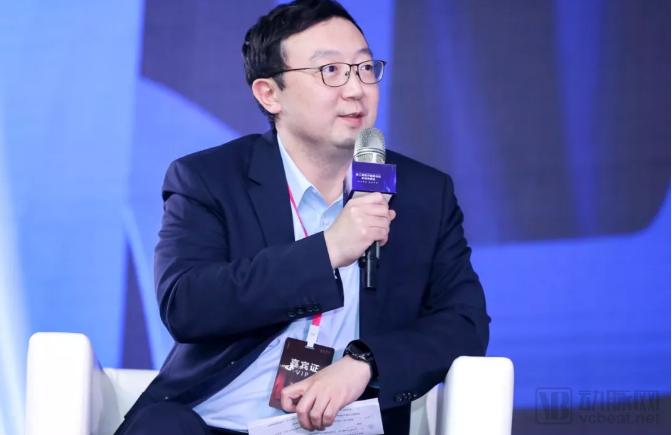
Zhao Qun, Partner at Yuanhe Yuandian
Host Zhao Qun:At the main roundtable of this summit, although the theme was “Breaking Through,” 70% of the time was spent discussing innovation, which stole much of our spotlight. We hope that the subsequent shares by the distinguished guests here will be even more compelling. Since we are talking about innovation, what exactly is innovation? I recall that when I first started in investment, the definition of innovation changed every year, seemingly iterating every 24 months, particularly in the biopharmaceutical sector. There are several early-stage investors present today; we invite you to share your perspectives on how to define innovation.
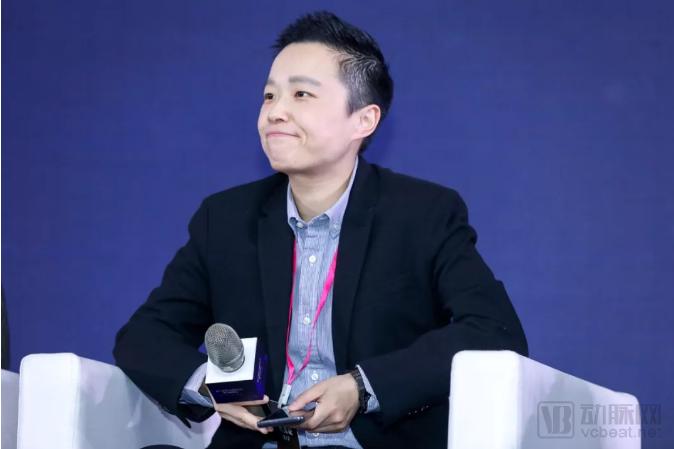
Leng Yan, Partner at Legend Star
Leng Yan:Everyone has a different understanding and definition of innovation. From an investor’s perspective, the companies invested in by Legend Star are at a very early stage, ranging from the angel round to Series A.We prioritize three key aspects of innovation: First, does it address unresolved challenges, or is it delivered to end-users more rapidly than competitors? Second, does the innovation deliver tangible value? Finally, does it establish genuine technological barriers that are not easily overtaken by latecomers?If others achieve the same objective through alternative approaches, their innovations are considered rather ordinary.
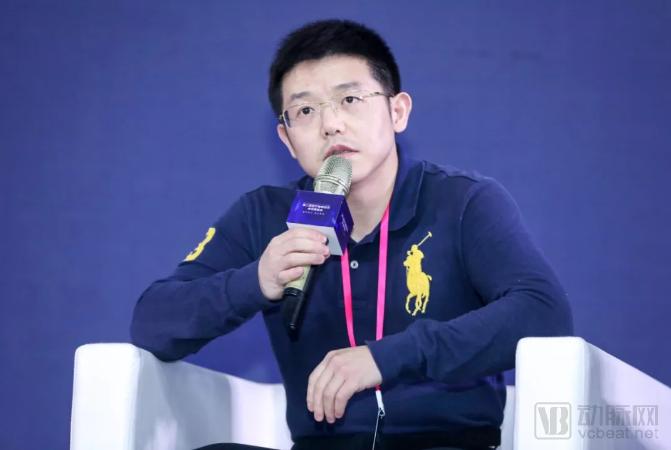
Zhou Yi, General Manager of the Investment Department, SCGC Health Industry Fund
Zhou Yi:As you can see, our company’s name is Shenzhen Capital Group. While Shenzhen is a city known for its concentration of innovation, it lags behind the Jiangsu-Zhejiang-Shanghai region in terms of industrial ecosystem and talent pool within the biopharmaceutical sector. I believe that innovation means addressing unmet clinical needs by delivering solutions faster and better than competitors, thereby establishing high technological barriers that are difficult for others to overcome.
Much has been said about pharmaceutical innovation. Let me cite another example: the mechanical devices used in common sprays and aerosols are highly complex. Only a few companies worldwide can manufacture them, and no domestic company in China has yet achieved this capability. This constitutes a significant barrier to entry. Currently,Domestic small and medium-sized enterprises are increasingly valuing patents, with many engaging in license-in and license-out transactions; foreign companies prioritize the global coverage of these patents.
As an investment institution primarily led by government guidance funds, Shenzhen Capital Group (SCGC) has been focusing on and investing in innovative drugs for the past decade. We emphasize independent thinking, prioritizing innovative drug companies based on criteria such as global patent coverage and novel targets. We avoid crowded investment hotspots, such as PD-1 inhibitors, where herd behavior often leads to a lack of competitive barriers. Instead, we seek out novel therapeutic areas while comprehensively considering risk diversification and management.
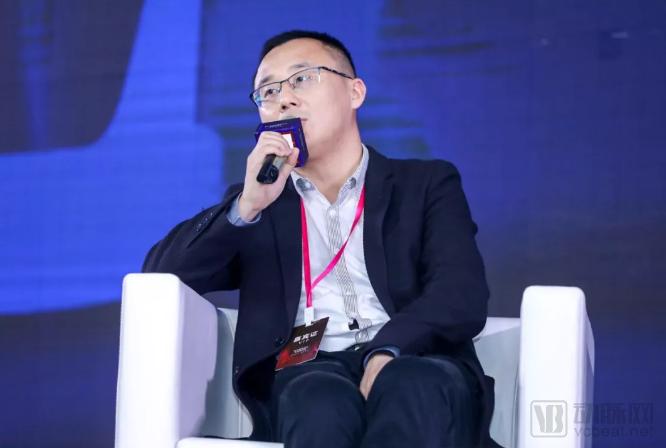
Arno Therapeutics Director Yang Donghui
Yang Donghui:Anno Therapeutics has achieved rapid growth in recent years. Its clinical-stage pipeline, while not necessarily all first-in-class, demonstrates innovation in niche markets and differentiation. For instance, our collaboration with Merck & Co. on combination therapies highlights this strength; Merck’s Keytruda currently ranks first in sales among anti-PD-1 tumor immunotherapies. Merck’s willingness to partner with us reflects their recognition of our innovative assets, including the EP4 inhibitor AN0025, which is advancing at the fastest pace globally in the field of tumor immunology. During Phase Ib clinical trials, AN0025 has demonstrated promising efficacy when combined with radiotherapy and chemotherapy.
Arno is a very young company, fostering a highly diverse culture that embraces innovation and strives to demonstrate its value. Our collaboration with Keytruda initially focused on clinical combination therapy, but this is merely the beginning. Moving forward, we aim to expand into additional indications and conduct extensive basic research, with Merck & Co. supporting us through comprehensive biomarker analysis. Following indication expansion, we plan to pursue regional licensing opportunities and broader future collaborations, all grounded in innovation and value creation.
Therefore, I believe that enterprises must conduct robust basic research, with a solid foundation in biological sciences. Beyond this, innovation in collaborative approaches and models is also critically important for companies.
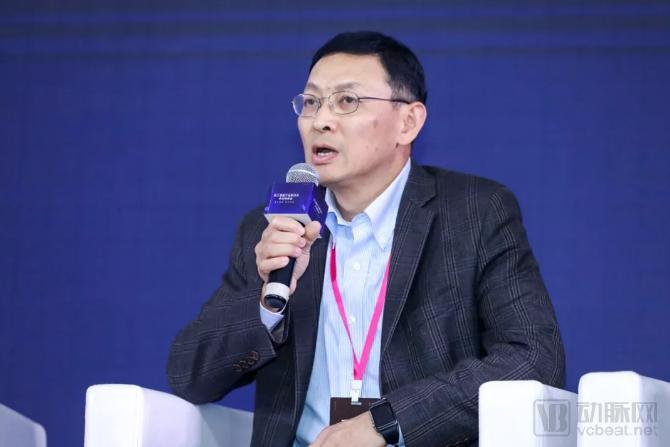
Pan Gonghua, Chief Operating Officer of Keyue Pharma
Pan Gonghua:Regarding the innovation model of pharmaceutical companies, Keyue Therapeutics is positioned to develop first-in-class and best-in-class innovative drugs targeting the complement system. Leveraging the scientific achievements and technology platform established by the company’s founders at the University of Pennsylvania, we conduct subsequent preclinical and clinical development. By introducing research outcomes and technologies from overseas universities and carrying out their translation and commercialization in China, we have adopted an innovation model with a global orientation.
The drugs developed by Keyue primarily target rare diseases associated with the complement system. From an international perspective, particularly in the United States, the highly mature healthcare reimbursement model creates favorable market prospects for our products within the orphan drug sector. In the Chinese market, although the national catalog of rare diseases includes over 100 conditions, only a small fraction have clinically available treatments. Consequently, there remains a substantial unmet medical need in the field of rare diseases in China.
Orphan drug development in China faces relatively less competition, presenting a significant opportunity for Keyue. Keyue’s pharmaceutical candidates aim to provide new therapeutic options for patients with rare diseases in China. From a policy perspective, government initiatives such as expedited regulatory review pathways (“green channels”) and future inclusion in the national medical insurance system will serve as strong drivers for orphan drug development domestically. Overall, orphan drug development not only offers substantial market returns internationally but also benefits more patients in China by addressing unmet medical needs. This is one of the key reasons why Keyue gained recognition from numerous prominent investment institutions during its Series A financing round.
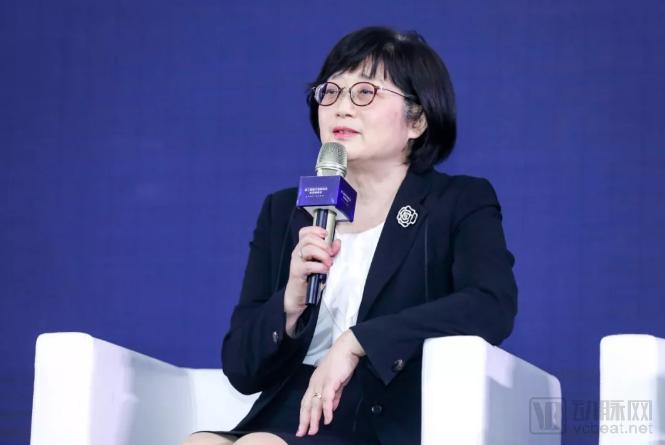
Huang Chunying, General Manager of TopAlliance Biosciences
Huang Chunying:TopAlliance Biosciences is positioned as a high-tech enterprise dedicated to the research and development, manufacturing, clinical trials, and marketing of anti-tumor drugs. Having been established in the Suzhou Industrial Park for over eight years, the company has primarily rooted its operations in platforms that include three independently developed proprietary technologies. The company’s long-term business strategy emphasizes the necessity of maintaining its own R&D capabilities. Currently, TopAlliance is undergoing further development and repositioning by opening up its platforms, positioning itself as the premier platform for anti-cancer endeavors to adapt to environmental changes. The policy landscape has undergone significant shifts since the year before last, with the most critical change being the imperative for the industry to expand globally and align with international standards. Whether it pertains to ICH guidelines or imported foreign pharmaceuticals, these factors have exerted substantial impact on domestic pharmaceutical companies, presenting both challenges and opportunities. While strengthening our core competencies, we must undergo extensive practical experience; excessive self-protection is not viable. This period serves as an opportunity for renewed experience and growth. With the introduction of new policies and regulations, our products will be launched sequentially.
I view the “4+7” volume-based procurement program and policies opening up to foreign competition in a positive light, as they promote reasonable drug pricing and expand patient access.From a corporate perspective, two imperatives must be addressed: first, pursuing transformation, development, and reinnovation within the domestic market; second, prioritizing alignment with international standards and accelerating R&D speed. Most critically, as enterprises develop and integrate into the global landscape, they must embrace continuous innovation and meet the challenges of an expanded market environment.We operate an open platform and collaborate with R&D companies in the early stages of innovation, as well as companies in the production, clinical, and marketing phases, given our comprehensive capabilities across these areas.
I strongly concur with Mr. Liu Hao’s perspective that enterprises should focus on specialization, integration, and innovation. At Allpharm, we maintain a strategic focus on oncology. In 2017, we licensed out an ophthalmic drug candidate in the IND stage precisely because it fell outside our oncology focus; ophthalmic therapeutics are better suited for development by companies with specialized expertise in that field.
Healthy China 2030: By 2030, we aim to increase the five-year cancer survival rate by 15 percentage points. This will require substantial efforts, but the government is committed to moving in this direction. Currently, our five-year cancer survival rate stands at only 36.7%; a 15-percentage-point increase would raise it to approximately 52%. For comparison, Japan’s current five-year survival rate is 56%, while that of the United States is 70%.
Our approach to the oncology drug market is distinct: we look beyond merely the drugs themselves or a few innovative targets, focusing primarily on patient needs. Consequently, our product portfolio is broad, encompassing both globally innovative therapies and those nearing market launch, all driven by patient demand. Patient needs extend far beyond medication alone, spanning the entire journey from disease onset to end-of-life care. There remain numerous therapeutic areas and substantial unmet market needs awaiting our collective exploration.
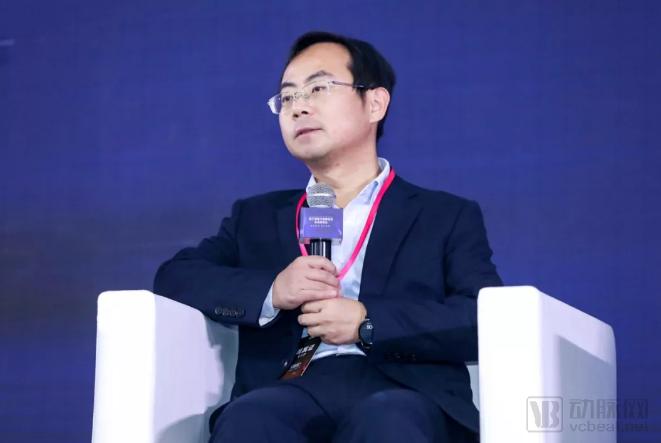
Bao Yanghuan, Investment Partner at Mint Angel Fund
Bao Yanghuan:Mint Angel Fund is an angel investment fund primarily focused on investing in and incubating early-stage innovative enterprises. Over the past three years, it has invested in more than twenty early-stage companies, with two-thirds in biopharmaceuticals and one-third in medical devices and diagnostics. Regarding our investment criteria, Mr. Liu Hao has previously provided a highly accurate summary: global innovation. The current challenges mainly include insufficient innovativeness and clustering around popular targets, necessitating a foundation built on international innovation.
We strongly concur with this view: investable companies must possess the capacity for sustained innovation. This perspective has been validated over the past five years by historical trends in the valuation changes of innovative enterprises. In 2014, key areas of interest included precision medicine, cancer immunotherapy (primarily represented by PD-1), cell therapy, biologics, and biologic CDMOs. In 2013, Science magazine listed cancer immunotherapy as one of the Top Ten Scientific Breakthroughs. In 2014, Mint Angel Fund invested in an early-stage company developing a PD-1 monoclonal antibody.
In 2014, companies now at the forefront of the cell therapy sector were valued at only RMB 80–90 million. In early 2014, when investing in biologics, a single indication was typically valued at RMB 100–200 million. Over the past five years, driven by clinical progress, expansion from single to multiple indications, and strategic license-in and license-out transactions, these companies have built comprehensive drug pipelines. The enterprises we invested in back then, although not yet publicly listed, have achieved substantial valuations and are planning listings in Hong Kong and the United States.
In 2014, Innovent’s valuation was less than RMB 1 billion. Therefore, from an investment return perspective, it is essential to invest in leading companies among early-stage innovators. We also strongly agree with the theme “Global Innovation” set by Mr. Liu Hao for this roundtable discussion. The time window for fast followers is indeed becoming increasingly narrow.Given that domestic original scientific research may still be insufficient and the environment for innovation remains imperfect, achieving complete innovation is quite challenging. Investing in wholly novel innovations also carries relatively high risks. Therefore, we believe that the term “global innovation” should be qualified with the words “partial” or “localized,” evolving into “partial global innovation” or “localized global innovation,” followed by continuous innovation.
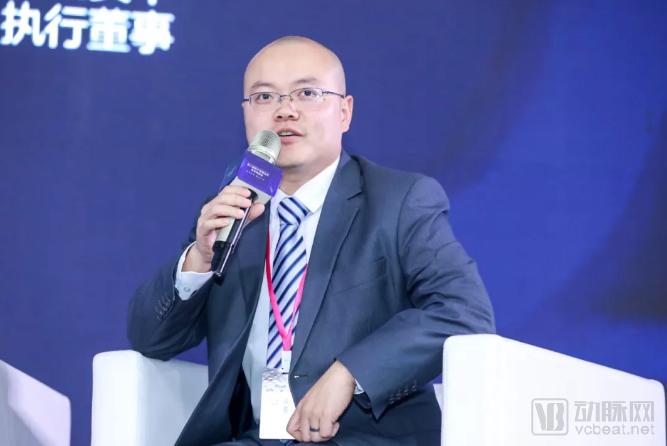
Li Yishi, Executive Director of HAOYUE CAPITAL
Li Yishi:HAOYUE CAPITAL is an institution that provides diversified capital market services during the growth process of innovative enterprises. In the course of serving numerous companies, we have observed that investors’ expectations of enterprises are constantly evolving alongside changes in the capital market landscape. Taking medical healthcare projects, a traditional focus area for HAOYUE CAPITAL, as an example, a clear trend emerged from the first half of 2018 to the first half of 2019: investors shifted their focus from evaluating overall models and business frameworks to examining performance variations among individual outlets, with investment considerations becoming increasingly granular.
In the biopharmaceutical sector, we have observed a consistent pattern: early-stage projects are evaluated primarily based on the team, mid-stage projects focus more on data, and late-stage projects place greater emphasis on sales performance or sales potential.During the golden age of the capital markets, most investors operated under a broadly similar logic. Today, investors are more cautious. Even at early stages, they map out the entire pathway, assessing everything from the current competitive landscape of a drug candidate to whether alternative competitors will emerge that can meet clinical needs in later stages. In the mid-to-late stages, they evaluate how much stronger the data for an impending product is compared to rivals, the time advantage it holds, and the gap between its launch and that of already marketed competitors—determining whether it can capture market share. Investors hold diverse perspectives on these matters. We have observed the continuous evolution of their thinking, reflecting a maturation from relying primarily on broad thematic logic supplemented by data, to making judgments based on a multitude of complex information. This is a highly positive development. HAOYUE CAPITAL has grown alongside investors throughout this process.
Zhao Qun:With the development of China’s biopharmaceutical industry, the investment landscape has shifted significantly. Six or seven years ago, when I first began investing, a mentor shared an ironclad rule: “Do not invest in targets that cannot be developed into drugs.” Today, this rigid principle no longer holds true. Innovation must, on one hand, address unmet medical needs, and on the other, leverage capabilities that are unique to you and difficult for others to replicate. Entrepreneurs and investors alike are continuously pursuing innovation. The entire ecosystem of China’s healthcare industry is undergoing constant transformation. Regardless of the type or long-term horizon of the innovation, every attempt contributes to the progress of the overall ecosystem. The era of innovation in China has arrived; however, the valuations of innovative drugs have not yet fully reflected their true potential. There is immense promise for China’s innovative pharmaceutical sector!