Puerui Bio Submits IPO Prospectus: Revolutionizing Personalized Oncology with SuperPDTX Technology That Establishes Human Tumor Xenograft Models in Just Two Weeks
Each person has only one life, and everyone hopes to fully enjoy their limited time. For cancer patients, however, life is rapidly slipping through their fingers. Consequently, an increasing number of treatment regimens are being formulated, and more drug combinations are being developed. Faced with this overwhelming array of options, not only do patients struggle to make decisions, but physicians may also feel uncertain. This is because every cancer patient is unique, making it difficult to determine which treatment plan will pull them back from the brink of death. The right treatment regimen can rescue a patient from the verge of death, whereas an inappropriate one may lead to unpredictable and severe consequences.
“The high cost of trial and error” is the core issue in the current treatment process for cancer patients. Faced with precious lives, we cannot afford the exorbitant costs of treatment failure. However, without “trial and error,” we cannot accurately determine which of the various treatment options is superior. Since we cannot test drugs on ourselves, what if someone else could test them for you? While using other “people” may be unrealistic, “mice” certainly are not. This is exactly what Pu Enrui Bio can do for you: let mice test the drugs for you, perfectly avoiding the “cost of trial and error.”
Zhu Yanping, founder of Nanjing Pu Enrui Biological Technology Co., Ltd., graduated from the School of Public Health at Nanjing Medical University. After obtaining her master’s degree in 2004, Zhu did not follow her classmates into hospitals or research institutions to continue working in the medical field; instead, she joined Simcere Pharmaceutical Group as a pharmaceutical sales representative. Thanks to her shrewdness and competence, Zhu thrived at Simcere and, in 2006, became the first product manager for Endostar, China’s first targeted therapy and a Class 1.1 novel oncology drug. This role marked Zhu’s entry into the field of oncology. Since then, her career has remained focused on oncology, a trajectory that continues to this day.
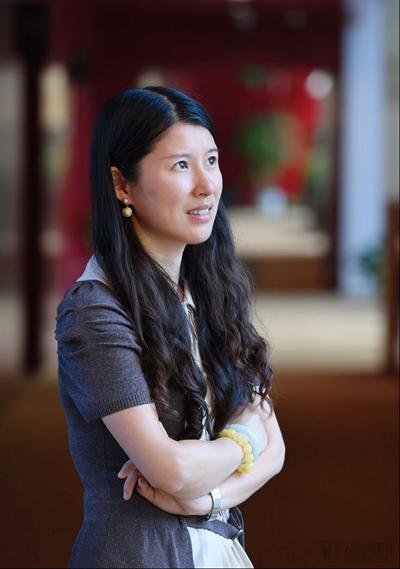
Ms. Zhu Yanping, CEO of Pu Enrui Biotechnology
In 2014, driven by higher aspirations for herself, Zhu Yanping chose to temporarily step away from the industry to pursue an Executive MBA (EMBA) at China Europe International Business School (CEIBS). At that time, Zhu was already planning to start her own business, and pursuing the EMBA was intended to lay a solid foundation for her subsequent entrepreneurial endeavors. In an interview, she told us, “I believe my life should hold more meaning than just selling pharmaceuticals.” Zhu had a clear vision for the field she intended to explore: first, it had to be within her area of expertise; second, the industry needed to have promising future prospects; and third, she would absolutely not engage in producing generic copies.
Before founding Nanjing Pu Enrui Biological Technology Co., Ltd., Zhu Yanping examined nearly all sectors related to oncology. Many industries, including genetic testing and cellular immunotherapy, were under her consideration. However, after conducting comprehensive due diligence, Zhu concluded that these sectors were not suitable for her entrepreneurial venture at that particular time. As she continued her search, an American company named Champions Oncology came into her view.
Champions Oncology’s service-oriented product, “Patient-Matched PDX Models,” caught Zhu Yanping’s attention. This product utilizes Patient-Derived Xenograft (PDX) mouse models to provide personalized treatment plans for cancer patients, achieving a clinical guidance efficacy rate of up to 80%, far surpassing the current guideline-based empirical treatments (which typically have an efficacy rate of around 20% for second- and third-line therapies). Such a high efficacy rate immediately made Zhu Yanping realize the application prospects of this product. After gaining an in-depth understanding of the industry, she also believed that this technology had already matured enough to follow a viable commercialization path. Consequently, she swiftly registered and established Nanjing Pu Enrui Biological Technology Co., Ltd., dedicating herself to this field.
Nanjing Pu Enrui Biological Technology Co., Ltd.’s core technology is PDTX (Patient-Derived Tumor Xenograft) technology, also known as patient-derived tumor xenografting. This technique involves transplanting a patient’s tumor tissue samples into fully immunodeficient mouse models, followed by chemotherapy or targeted therapy in the mice, to evaluate the efficacy of different drug combinations for tumor patients. Ultimately, this approach helps physicians and patients determine the optimal treatment regimen.
As the model most closely resembling the human body, Patient-Derived Tumor Xenograft (PDTX) models are among the preferred recommended technologies for applying Real-World Evidence (RWE) to the diagnosis and treatment of human tumors. During the transplantation process, PDTX models directly utilize patient tissue samples rather than cultured tumor cells. This approach first prevents the impact of tumor heterogeneity on test results; secondly, the tissue retains the intact tumor microenvironment, preserving a series of factors within it—such as fibroblasts, stromal cells, and lymphocytes—that may influence tumor therapy. This methodology enables PDTX models to replicate the in vivo tumor conditions in patients to the greatest extent, thereby enhancing the accuracy of subsequent assessments. Through further technological development, the PDTX models employed by Nanjing Pu Enrui Biological Technology Co., Ltd. can now comprehensively maintain various characteristics of the patient’s tumor after transplantation, including biological features and molecular marker expression.
Model | Tissue Type | Tissue Heterogeneity | Matrix | Growth Time | Efficacy Detection | Result Interpretation | PDTX Consistency | Clinical Consistency | Cost (CNY) |
PDTX | Tissue Block | +++ | Mouse/Human Mixed | February–April | P2-P4 Surrogate Mice | Tumor Volume | -- | >90% | 200,000 |
Super PDTX | Tissue Block | ++++ | Human-derived | 2-3 weeks | P1 Generation Mouse | Histology and Molecular Pathology | Approximately 80% | >70% | 40,000 |
Comparison of Various Metrics Between PDTX and SuperPDTX Technologies
Building on PDTX technology, Nanjing Pu Enrui Biological Technology Co., Ltd. has further developed SuperPDTX, a new-generation technology that offers comparable precision while being faster and more affordable. SuperPDTX significantly reduces the testing time from 2–4 months to just 2–3 weeks, while maintaining a consistency rate of over 80% with conventional PDTX technology.
Generally, the PDTX technique involves culturing tumor tissue in P1 generation mice for passaging, followed by efficacy testing in P2–P3 generation mice. Furthermore, traditional PDTX technology primarily assesses drug efficacy based on tumor volume, necessitating that tumors grow to a diameter of 150 mm before efficacy evaluation can commence. This testing workflow results in a prolonged assessment cycle for PDTX technology.
In contrast, the SuperPDTX technology directly utilizes P1-generation mice for pharmacodynamic evaluation, thereby significantly reducing the time required to complete the assessment. Regarding detection targets, the SuperPDTX technology approaches the evaluation from both histopathological and molecular pathological perspectives. It comprehensively assesses therapeutic efficacy by analyzing tumor cell morphology, tumor cell techniques, the proportion of necrotic cells within tumor tissue, and tumor cell proliferative activity per unit volume (assessed via Ki67 activity). These diagnostic indicators require only a small amount of tissue, enabling rapid generation of results shortly after tumor transplantation.
Due to the shortened turnaround time, the cost of SuperPDTX technology has been significantly reduced. Previously, Pu Enrui Bio priced its PDTX technology products at RMB 200,000 per patient, whereas the current SuperPDTX technology has brought the cost down to RMB 40,000 per patient. This pricing level makes it accessible to virtually all cancer patients, truly transforming it into a technology that benefits the entire population.
To date, Nanjing Pu Enrui Biological Technology Co., Ltd. has accumulated successful experience in solid tumor modeling and drug efficacy testing for hundreds of patients. The success rate for modeling digestive tract tumors from surgical specimens exceeds 90%, while that for other solid tumors reaches over 70%. For advanced-stage patients who are not candidates for surgery, the company has also developed inoculation techniques using minimal tumor tissue samples. The modeling success rate is 70% for needle biopsy samples and exceeds 80% for endoscopic biopsy samples.
Nanjing Pu Enrui Biological Technology Co., Ltd. also provides solutions for drugs or therapies that activate immune system responses. The company has developed a technology to reconstruct the human immune system in mice; however, due to the currently high costs, its services are primarily offered to CRO companies and are not yet available to end consumers.
Nanjing Pu Enrui Biological Technology Co., Ltd. is currently located in the Science Park of Jiangning District, Nanjing. It possesses China’s first internationally standardized tumor biobank and databank that integrates clinical phenotypes, pharmacodynamic phenotypes, and omics data, along with a PDTX mouse resource bank. After more than four years of development, Pu Enrui has accumulated over 1,000 clinical cases, nearly 600 pharmacodynamic models, and 40,000 tumor tissue samples (P0–P3), establishing collaborative partnerships with dozens of Grade A tertiary hospitals across China.
Financing Date | Financing Amount | Financing Round | Investors |
June 2015 | 1.96 million yuan | Seed Round | Not disclosed |
December 2015 | RMB 5 million | Angel Round | Undisclosed |
May 2017 | RMB 18 million | Pre-Series A | Yueyin Medical Fund, Puhua Capital |
December 2018 | RMB 30 million | Series A | Haier Capital, TuoJin Capital |
Nanjing Pu Enrui Biological Technology Co., Ltd.'s Financing History
Benefiting from the advanced and unique nature of its proprietary technology, Nanjing Pu Enrui Biological Technology Co., Ltd. has enjoyed a smooth fundraising journey. Shortly after its establishment, the company secured millions in seed and angel investments, followed by RMB 18 million in its Pre-A round. In December 2018, amid what was widely recognized as a “capital winter,” Nanjing Pu Enrui Biological Technology Co., Ltd. continued to advance against the headwinds, closing an RMB 30 million Series A financing round with investors including Haier Capital and Tuojin Capital.
Zhu Yanping told us that during the development of Pu Enrui Biology, in addition to capital support, the government also played a very important role. “We would like to express our special gratitude for the strong support from the government. In the process of establishing our biobank, the local government provided us with substantial assistance, whether in terms of land allocation, equipment introduction, or access to public platforms,” she said. In addition, the Laude International Translational Medicine Research Institute, jointly funded by the Norwegian party and established in Nanjing, has provided Pu Enrui with an international first-class R&D and technology platform, helping the company accelerate its growth during the start-up phase.
B2B services have always been a significant component of Pu Enrui’s business portfolio. Leveraging its Patient-Derived Tumor Xenograft (PDTX) models, Nanjing Pu Enrui Biological Technology Co., Ltd. provides pharmaceutical companies with support across multiple R&D stages, including pharmacodynamics, drug tolerance assessment, and simulated clinical trials. Meanwhile, the company collaborates with research institutions, applying its extensive expertise in murine model applications to advance scientific research. Compared to studies involving clinical patients, research using PDTX models yields results closely approximating clinical outcomes while reducing research costs, offering a dual benefit.
Following the official launch of SuperPDTX in May 2018, Nanjing Pu Enrui Biological Technology Co., Ltd. shifted its primary business focus to promoting this next-generation technology. Currently, nearly 90% of the company’s business growth stems from its new products. According to Ms. Zhu Yanping, Pu Enrui Biological’s revenue is projected to reach RMB 50 million in 2019, with an expected growth rate of 100%–150%. “SuperPDTX is our proprietary technology, ranking at an internationally advanced level. Our U.S. counterparts have also expressed strong interest in our technology. However, we do not wish to expose our technology to competitors prematurely. We are continuously innovating and are currently engaged in the research and development of SuperPDTX 2.0,” said Ms. Zhu Yanping.
Currently, the majority of testing operations at Nanjing Pu Enrui Biological Technology Co., Ltd. are conducted at its experimental center in the Nanjing headquarters. Samples from major cities across China, including first-tier and near-first-tier cities such as Beijing, Shanghai, Nanjing, and Hangzhou, are shipped to Nanjing for analysis. To ensure sample integrity during transit, the company has developed specialized transportation technologies and employs a dedicated logistics team to manage the entire sample delivery process.
For Nanjing Pu Enrui Biological Technology Co., Ltd. (Pu Enrui), although the road ahead remains long, they are no longer directionless. Clinical data clearly demonstrate that the application model of PDTX models in oncology has become highly mature. Zhu Yanping informed us that they have established collaborative partnerships with multiple authoritative hospitals across China, striving to promote SuperPDTX technology so that this innovative approach can benefit a broader patient population. As the weather warms up after enduring the harsh winter, Pu Enrui is poised to carve out its own niche in the complex and intricate field of tumor pathology.