

Tempus: The AI-Powered Precision Medicine Unicorn That Rose in Just Four Years
We believe with the right data and tools, we can accelerate patient care and usher in an area of precision medicine.
——Tempus
In August 2018, Tempus completed a $110 million Series E financing round, bringing its total funding to $320 million. In February 2019, CB Insights included Tempus in its list of AI unicorns, recognizing it as an AI unicorn valued at $2 billion in the field of drug development. In March 2018, Tempus secured $80 million in Series D funding, with PitchBook predicting its valuation had exceeded $1 billion, doubling within six months. How did this precision medicine company, founded in 2015, become a newly minted unicorn in just four years?
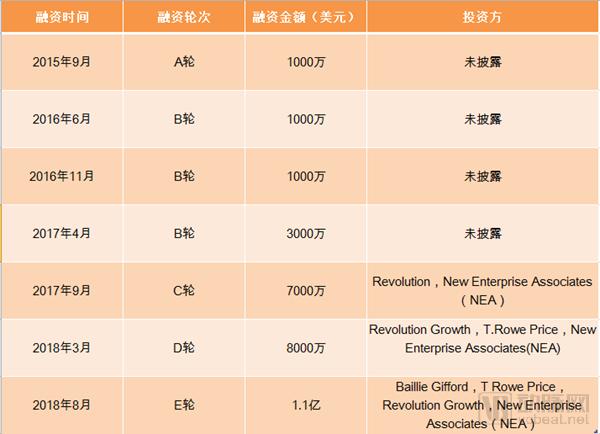
Tempus Funding History
Tempus is dedicated to AI-driven precision medicine, leveraging the extensive collection and analysis of clinical and genomic data to help all cancer patients ultimately identify the most suitable personalized treatment plans, thereby realizing the promise of precision medicine. Tempus’s mission is: “To enable every cancer patient in the world to benefit from the experiences of similar patients.”
In 2019, Tempus had already assembled one of the world’s largest cancer databases, covering approximately 25% to 30% of cancer patients in the United States. Tempus has also established collaborations with leading U.S. academic medical centers, NYU Grossman School of Medicine, NCI-designated cancer centers, and community oncologists. The company partners with more than 250 hospitals and has collected two million clinical records.
On the surface, Tempus’s rapid growth is attributable to its integration of clinical and genomic data; but behind these data, what do Tempus’s investors and partners truly value?
Before founding Tempus, Eric Lefkofsky had already established five companies, including Groupon, which Forbes ranked as the fastest-growing group-buying company in history; Echo Global Logistics (ECHO), a freight logistics company; InnerWorkings (INWK), which provides print procurement services; Mediaocean, which offers advertising management services; and Uptake, an industry analytics firm. Meanwhile, Lefkofsky is also the co-founder and CEO of Lightbank, a Chicago-based venture capital firm. However, none of these companies were involved in the healthcare sector.
It was not until a few years ago, when Lefkofsky’s wife was diagnosed with breast cancer, that he realized a critical gap in oncology care. During her treatment, Lefkofsky observed that while genomic sequencing could accurately profile the genomic information of cancer patients to guide targeted therapy regimens, there was a lack of robust clinical data to ensure the efficacy and safety of these targeted drugs. This led Lefkofsky to ponder whether integrating these two elements could provide patients with more precise treatment strategies.
In 2015, Lefkofsky founded Tempus in Illinois, USA. Tempus acquires structured clinical data by building the technological infrastructure necessary for precision medicine, and integrates it with structured molecular data, machine learning, AI, and other analytical technologies.
To create such a clinical and molecular diagnostics database, Lefkofsky assembled a team of data scientists, software engineers, bioinformaticians, computational biologists, and research scientists. The team includes Tempus’s current president, Kevin White, founder of the University of Chicago’s Institute for Genomics and Systems Biology; the company’s current chief technology officer, Shane Colley, former vice president of R&D at R1 RCM (a leading U.S. healthcare revenue cycle management company); and the company’s current chief scientific advisor, Arul Chinnaiyan, an investigator at the Howard Hughes Medical Institute and professor of pathology and urology at the University of Michigan.
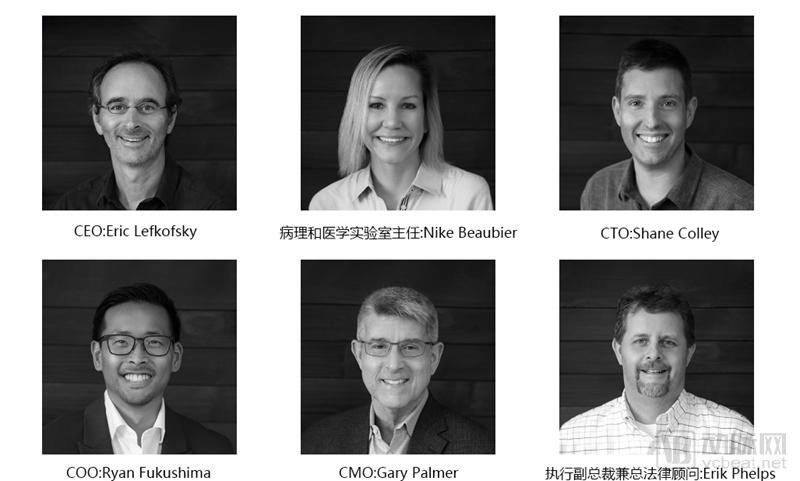
Selected Members of the Tempus Team
“He is well aware of the importance of platforms, technology, and scalability,” said Ted Leonsis, co-founder of Revolution Growth. A long-time investor in Lefkofsky’s ventures, Revolution Growth backed him from the inception of his ad-tech company MediaBank (the predecessor to Mediaocean). Through a series of acquisitions, both large and small, MediaBank steadily expanded its scale, becoming a unicorn valued at $1.5 billion by 2012.
Tempus is a technology company focused on the collection and analysis of molecular and clinical data. To advance precision medicine, it is committed to establishing a series of data pipelines and conducting large-scale data collection, cleaning, and analysis.
“The foundational data infrastructure for cancer care is still insufficient, and there is no reliable and actionable integration with treatment regimens for oncology patients, which means that healthcare institutions do not have a comprehensive understanding of disease mechanisms,” said Lefkofsky.
To address these pain points, Tempus decided to build its own genomics and clinical database and began seeking low-cost, high-quality clinical and genomic data. Although numerous players have flooded the clinical and genomic data sector, no company has been able to meet Tempus’s cost and quality expectations for such data.
Tempus has chosen to pursue self-reliance. First, it established its own CLIA-certified automated laboratory to provide low-cost sequencing services to patients, capable of serving over 100,000 patients annually and completing sequencing within two to three weeks after sample receipt. Notably, Tempus does not manufacture its own sequencing hardware, nor does it offer sequencing services directly to consumers. Instead, it utilizes Illumina hardware and other sequencers for high-throughput next-generation sequencing (NGS) and has developed its proprietary bioinformatics pipeline leveraging machine learning and artificial intelligence.
Collecting and analyzing genomic information is the cornerstone of Tempus’s precision medicine approach. While collecting patient genomic data, Tempus’s bioinformatics pipeline leverages AI to analyze data on patients’ genomic and transcriptomic expression levels, including variant analysis, potential therapeutic options, and possibly suitable clinical trials. By integrating rich molecular data with structured clinical data, Tempus provides physicians with comprehensive diagnostic tools, highlights key data in real-time clinical reports, and suggests potentially actionable treatment plans. Its interactive platform enables physicians to access real-world evidence (RWE) from similar patients to analyze relevant therapies and outcome data.
Subsequently, Tempus provides cost-effective data structuring, image analysis, and biological modeling services to hospitals, oncologists, and cancer centers, thereby collecting and integrating various types of patient clinical data. Previously, Tempus invested substantial resources in building its own data science team; notably, founder Eric Lefkofsky brings over 20 years of experience in technical fields such as data construction and cleaning. By leveraging Optical Character Recognition (OCR) and Natural Language Processing (NLP), Tempus structures textual data from pathology and radiology reports and stores the data in the Fast Healthcare Interoperability Resources (FHIR) format.
“EHRs (Electronic Health Records) do not account for medical research; they are large-scale billing payment systems. Their design predates the development of gene sequencing technology, leaving them incapable of handling real-world data,” Lefkofsky pointed out. Typically, patients’ electronic health record data exist in silos. Critical clinical information is often documented in physicians’ notes, pathological reports from laboratory tests, and radiological images, making it difficult to collect, organize, and integrate into information systems.
NLP technology serves as the core engine behind Tempus’s clinical data structuring. Natural Language Processing (NLP) is an interdisciplinary field integrating linguistics, computer science, and mathematics. It encompasses multiple processes, including tokenization, part-of-speech tagging, syntactic parsing, natural language generation, text classification, information retrieval, information extraction, spell checking, question-answering systems, machine translation, and automatic summarization. Due to its high technical barriers, NLP applications in the medical domain are particularly complex. Medical texts contain numerous specialized terms with varied nomenclature—for instance, drugs have both brand and generic names, and diseases present multiple subtypes—making them significantly more challenging to process than general text. Furthermore, clinical narratives are lengthy; beyond keyword extraction, they require deep semantic “understanding” of sentences.
Initially, Tempus had hoped to partner with just one or two top-tier medical centers, but its growth exceeded Lefkofsky’s expectations. Over the past four years, Tempus has established collaborations with more than 200 hospitals. “Partners have told me that choosing not to work with Tempus would mean having to collaborate with three or four different companies. Our competitive edge lies in integrating genomic and clinical data onto a single platform,” Lefkofsky shared.
Finally, by leveraging these hybrid technologies and the collected data, Tempus has been able to manage processes at scale, expand data quality initiatives, refine its algorithms, and build large-scale datasets. Based on this data infrastructure, it has spawned multiple business models:
1. In terms of diagnosis and treatment, provide reliable data and recommendations on patient volume and potential therapeutic options;
2. In terms of clinical trials, these real-world data (RWD) are synthesized and processed to generate real-world evidence (RWE), enabling physicians and researchers to analyze drug efficacy and adverse reactions in similar patient populations and design in vivo clinical trials. Furthermore, biological modeling services can be provided externally to support the design of in vitro experiments;
3. In terms of drug approval, the real-world evidence provided by Tempus can support FDA drug reviews. This is evident from Tempus’s collaborations with CancerLinQ and the FDA.
In December 2017, CancerLinQ and Tempus reached an agreement under which Tempus would assist the U.S. Food and Drug Administration (FDA) in analyzing a dataset of cancer patients treated with immune checkpoint inhibitors provided by CancerLinQ. CancerLinQ, a wholly owned nonprofit subsidiary of the American Society of Clinical Oncology (ASCO), announced in June 2017 that it would establish a long-term collaboration with the FDA to explore the real-world application of emerging and newly approved therapies. This initiative includes investigating the optimal sequencing of various treatments, the impact of comorbidities in cancer patients on treatment tolerance and efficacy, and the effectiveness of combination immunotherapy versus monotherapy.
Cory Wiegert, CEO of CancerLinQ, stated, “We are delighted that Tempus can leverage its AI technology and outcomes analysis to support the FDA’s evaluation of therapies beyond clinical trials.” On April 4, 2019, the FDA approved Pfizer’s Ibrance based on real-world evidence (RWE), further demonstrating the broad potential of Tempus’s business model, which integrates genomic and clinical data, in drug review.
For the past four years, Tempus has remained committed to its original mission: “We believe that by leveraging precise data and AI tools, we can enhance patient care and lead the world into a new era of precision medicine.”
Overall, Tempus has risen to become a $2 billion unicorn within just a few years. This success is attributable not only to its team of top-tier talent across multiple disciplines but also to its business model that integrates genomic data with structured clinical information, as well as its development of a big-data platform for precision medicine and its scalable product offerings. By combining genomic data with clinical phenotypes and leveraging natural language processing (NLP) technologies to structure clinical data, Tempus has successfully applied its technology across various domains, including clinical trials, clinical diagnostics, formulation of personalized treatment plans, and drug review processes. Furthermore, through collaborations with oncologists and hospitals nationwide, as well as with CancerLinQ, a subsidiary of the American Society of Clinical Oncology (ASCO), Tempus has redefined “precision medicine” through data-driven approaches.
In China, precision medicine has also emerged as a prominent focus in recent years. Since the inclusion of precision medicine in China’s 13th Five-Year Plan for Major Science and Technology Projects in 2015, the government has provided corresponding policy support at both macro and specialized levels. In April 2015, the National Health and Family Planning Commission (NHFPC) announced the first batch of pilot institutions for the clinical application of tumor gene sequencing. Subsequently, the NHFPC released the initial lists of clinical pilot programs for gene sequencing in four specialties: genetic disease diagnosis, prenatal screening and diagnosis, preimplantation genetic diagnosis, and tumor diagnosis and treatment. Furthermore, in 2017 alone, the central government approved nearly RMB 600 million in fiscal funding to support 36 projects under the “Key Special Project on Precision Medicine Research.”
Consequently, in the domestic arena, many players dedicated to precision medicine have emerged in recent years. These include medical big data companies that entered the market from the hospital side, such as Yidu Cloud, LinkDoc Technology, SP Network, and Senyi Intelligence, as well as gene sequencing companies led by BGI Genomics, Berry Oncology, CapitalBio Corporation, Genetron Health, and Burning Rock Biotech. However, few enterprises have successfully integrated clinical data with omics information.
Gennlife is one of the few precision medicine big data companies in China that integrates structured clinical data with molecular data. Founded in 2015, Gennlife has, over four years of steady development, assembled a highly interdisciplinary team covering clinical medicine, biostatistics, bioinformatics, medical natural language processing (NLP), and molecular genetics. All core founding members are graduates of Peking University. Among them, Professor Shi Yu serves as Chair of the Department of Biostatistics at Vanderbilt University in the United States and is a voting member of the U.S. Food and Drug Administration (FDA). Dr. Zhang Zemin, formerly Chief Bioinformatics Scientist at Genentech, is a Changjiang Scholar. CEO Liu Liyu served as CEO of PKU Health Information for five years and led efforts to help Peking University People’s Hospital become the first hospital in China and the second in Asia to successfully achieve HIMSS Stage 7 certification for healthcare information technology. CTO Dr. Xu Hui is an expert in natural language processing and the chief architect of Baidu’s Fengchao advertising system. CSO Dr. Tong Weiwei brings over 20 years of experience in biostatistics and large-scale bioinformatics data analysis from multinational pharmaceutical companies.
Life Singularity aims to integrate healthcare, AI, and big data to address inherent bottlenecks in clinical and medical data, such as massive volume, diverse sources, lack of standardization, and unstructured formats. It consolidates rich clinical and molecular data for in-depth governance, breaks down information silos, and builds a healthcare big data platform tailored to the characteristics of clinical research.
Similar to Tempus, Life Singularity does not manufacture its own sequencing hardware. Instead, it leverages established high-throughput NGS sequencing platforms, combined with proprietary gene panels and interpretation databases, to build its own bioinformatics workflow. This system measures patients’ genomic variants and transcriptome expression levels, providing clinicians with interpretations of their clinical significance. Its domestically leading medical natural language processing (NLP) team enables accurate and efficient semantic understanding and post-structured information extraction, transforming large volumes of text into variables ready for statistical analysis. The platform supports the processing of massive datasets, encompassing billions of clinical records and hundreds of billions of data items. By integrating structured clinical data with rich molecular data, Life Singularity provides high-quality real-world data for clinical research and supports various applications, including the generation of data-driven evidence-based medicine, therapy and efficacy evaluation, adverse event analysis, queries of clinical guidelines and literature repositories, and clinical decision support.
In January 2016, Life Singularity partnered with Tianjin Medical University Cancer Institute and Hospital, a national-level clinical research center for oncology, to jointly establish China’s first “Big Data Center for Precision Oncology.” By the end of 2016, it launched VitArk, the country’s first commercialized big data platform for precision medicine. VitArk integrates proprietary medical natural language processing (NLP) technologies with bioinformatics analysis techniques, consolidating multi-omics biomedical big data resources from 2.3 million cancer patients, information on nearly 100,000 tumor biological specimens, and whole-exome sequencing data from approximately 1,000 cases.
Recently, Life Singularity has successively secured key national clinical big data platform construction projects with prestigious institutions such as the First Affiliated Hospital of Xi’an Jiaotong University, Jiangsu Cancer Hospital, and Zhongnan Hospital of Wuhan University. The company has established collaborations with nearly 200 hospitals and was appointed as a Vice-President Unit of the Artificial Intelligence and Smart Applications Branch of the China Communications Industry Association (CCIA) in August 2018. Furthermore, by integrating clinical data with genomic and other omics data, Life Singularity has several high-impact collaborative papers forthcoming. Through its robust business model that combines advanced technology with gene-clinical integration, Life Singularity is truly transforming dormant medical data into valuable clinical research outcomes.
Although China’s precision medicine big data industry started relatively late, it is vibrant and, supported by policy initiatives, has ushered in significant development opportunities with substantial room for growth. The emerging field that integrates genomics data with clinical data will open up new possibilities for drug research, disease diagnosis, and personalized treatment. Whether new unicorns akin to Tempus will emerge in the future remains to be seen.