

Internet-Enabled Primary Care Diagnostics: A High-Potential Sector with Leading Players Surpassing Hundreds of Millions in Revenue and Processing Over 20,000 Specimens Daily
As a medical discipline, clinical laboratory medicine plays a vital role in the diagnosis and examination of clinical diseases. It is a primary task and responsibility of hospital clinical laboratories to apply modern testing technologies to provide timely, accurate, and reliable diagnostic evidence for clinical practice.
Generally speaking, the Department of Clinical Laboratory is an indispensable and vital department in hospitals at all levels. Its relationship with clinical practice is becoming increasingly close, with the two complementing and promoting each other. For the Department of Clinical Laboratory to achieve better development, it requires support from clinical departments; meanwhile, the accuracy of clinical diagnosis is increasingly dependent on the sensitivity and specificity of clinical laboratory tests.
However, primary healthcare institutions rarely have clinical laboratories; in particular, remote village clinics and health stations are equipped with only stethoscopes. Under such circumstances,Village doctors are unable to differentiate patients.Certain diseases. If this continues, the failure to achieve early detection and early treatment will cause financial and physical harm to patients.
Since 2009, the State Council has issued policy documents on the tiered diagnosis and treatment system for consecutive years, which also mention vigorously developing third-party services such as independent medical laboratories. With the opening of policies and hospitals' demands for improving diagnostic and treatment levels, the country has gradually opened up the third-party testing industry. For the first time, third-party independent testing has been elevated to the policy level of the State Council. Therefore, since 2013, many independent medical laboratories have been established, and the industry has entered a period of rapid development.
Although large third-party medical testing laboratories currently assist grassroots medical institutions in China with sample transportation, these entities do not provide nationwide coverage across the vast Chinese market. Village clinics located in remote mountainous areas, in particular, are the grassroots medical facilities that most urgently need solutions to their diagnostic testing challenges.
Because these village clinics are widely distributed and scattered, and the daily volume of test samples is low, it is insufficient to support the establishment of new local third-party central laboratories. Although specimens can be transported via logistics vehicles, the small sample volume results in disproportionately high inbound and outbound costs. Meanwhile, operational staff are required to continuously promote this new model. As a result, most third-party medical testing companies are reluctant to serve these areas, preferring instead to focus on primary healthcare institutions in urban areas with convenient transportation.
According to the Health Statistics Yearbook, in 2016, the examination revenue of public hospitals nationwide reached RMB 251.859 billion, with the penetration rate (market share) of the third-party medical laboratory industry at approximately 4.2%. In 2017, the market size of China’s medical laboratory industry was approximately RMB 276 billion, while the market size of the third-party medical laboratory industry reached RMB 13.8 billion. Based on the current geographic coverage of these third-party medical laboratory companies, most serve urban medical institutions, with limited involvement in the rural grassroots healthcare market.
With the advent of “Internet Plus” technologies, people’s habits regarding travel and shopping have been transformed. Could this also transform grassroots laboratory testing in rural areas? Specifically, by transporting specimens via logistics services and transmitting test reports back to physicians at primary healthcare institutions through the internet, while"The entire process is fully controllable, truly enabling patients to receive diagnosis and treatment close to home."
On the other hand, statistical data from the National Health and Family Planning Commission shows that by the end of 2016, the total number of medical and health institutions in China reached 983,394, a decrease of 134 from the previous year. Among them, there were 29,140 hospitals,There were 926,518 primary healthcare institutions and 24,866 specialized public health institutions. Compared with the previous year, the number of hospitals increased by 1,553, and the number of primary healthcare institutions increased by 5,748.The number of specialized public health institutions decreased by 7,061. This indicates that with the advancement of tiered diagnosis and treatment and the decentralization of high-quality medical resources, the testing demand in the primary healthcare market will surpass the current market size.
It is precisely in response to this business opportunity that capital and entrepreneurs have flocked to the primary healthcare sector, aiming to leverage internet technology and logistics to connect third-party medical laboratories with primary healthcare institutions, thereby addressing diagnostic testing pain points at the grassroots level and truly empowering these facilities.
Currently, the number of enterprises in this field is gradually increasing. Not only have large companies such as Ping An Wanjia Medical, Meinian Onehealth, and Sichuan Good Doctor entered the market, but alsoA cohort of visionary entrepreneurs has grown into industry-leading enterprises, alongside others that are rapidly catching up.
To understand the current status of these companies, VCBeat collected public data,From service recipients, financing, business models, etc.Dimensions: A Summary of 28 Companies Deconstructing the Current Development Status of Internet-Enabled Primary Care Medical Enterprises.The details are as follows:
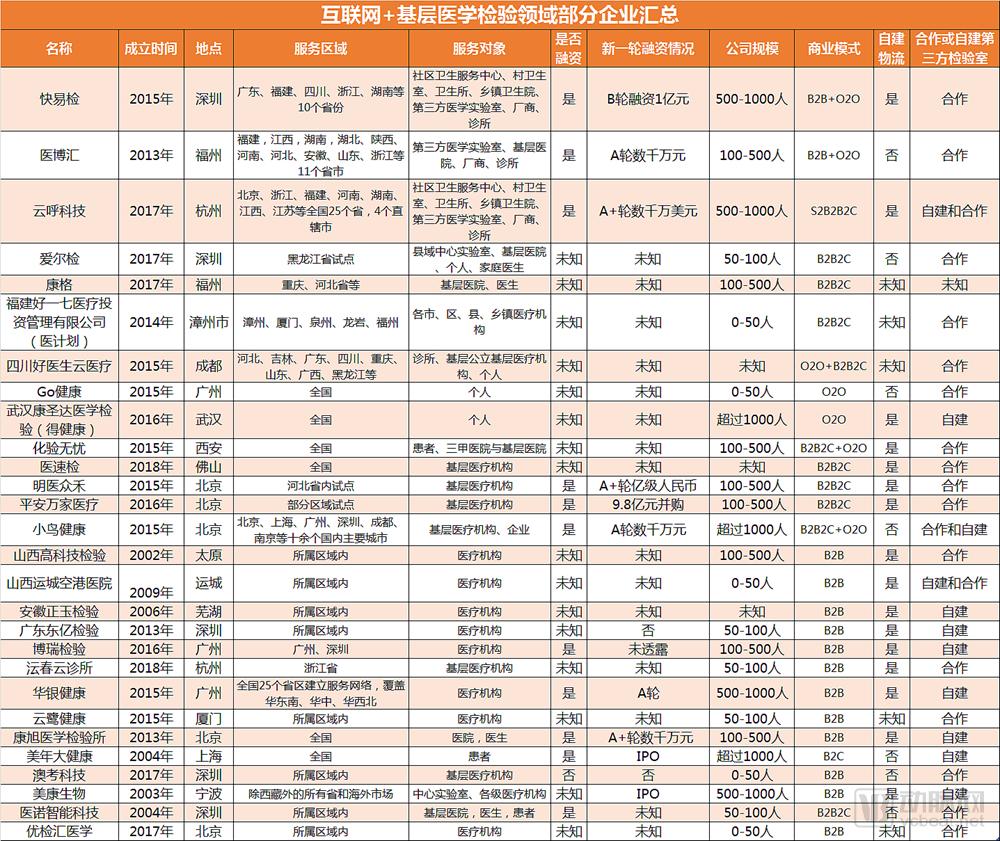
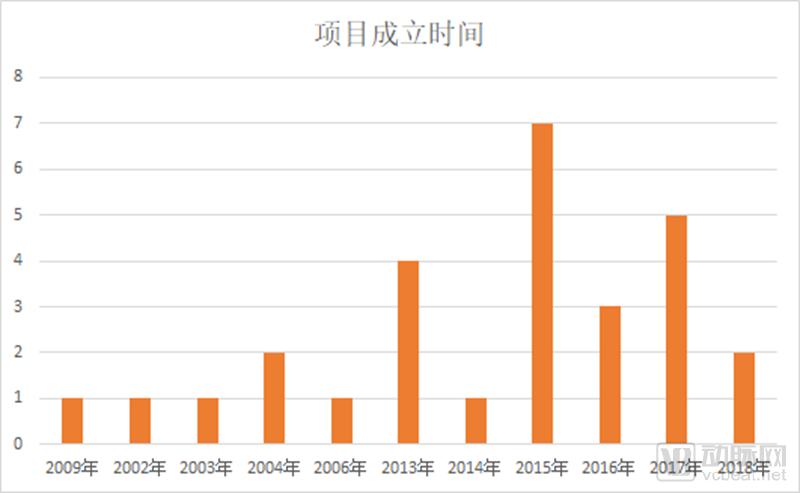
The years that saw a surge in the emergence of companies engaged in “Internet +” grassroots medical laboratory testing were 2013, 2015, and 2017.
We analyze this from two perspectives: one is “Internet + Primary Care,” and the other is “Medical Laboratory Testing.”
First, let us examine the “Internet + Primary Care” sector. The years 2013 and 2015 marked the peak of growth in internet healthcare, attracting significant capital attention and giving rise to numerous enterprises. During this period, there were a total of 388 investment projects, with total financing amounting to RMB 16.3 billion. At that time, multiple national policies were increasingly directed toward primary care levels. Benefiting from policy support and the continuous opening-up of the industry, “Internet + Primary Care” projects emerged in large numbers.
“Medical laboratory testing” is a traditional field with relatively mature development. In 2017The state has successively issued policies such as the “Notice on the Plan for Deepening the Reform of the Medical and Healthcare System during the 13th Five-Year Plan Period,” the “Notice of the State Council on Issuing the Plan for Health and Wellness during the 13th Five-Year Plan Period,” the “Decision on Amending the Detailed Rules for the Implementation of the Regulations on the Administration of Medical Institutions,” the “Notice on Effectively Implementing the Work of Family Doctor Contracted Services in 2017,” the “Opinions of the General Office of the State Council on Supporting Social Forces to Provide Multi-level and Diversified Medical Services,” and the “Guiding Opinions on Further Deepening the Reform of Basic Medical Insurance Payment Methods” issued by the General Office of the State Council. These policies have, objectively, been of great significance in promoting the development of third-party medical testing.
In particular, the report to the 19th National Congress of the Communist Party of China reiterated and emphasized the implementation of the Healthy China Strategy, calling for the improvement of national health policies and the provision of comprehensive, full-cycle health services to the public. This has profound implications for driving the third-party medical testing industry to engage more broadly and deeply with current healthcare reform priorities, thereby advancing supply-side reforms in the healthcare service sector, enhancing service quality, and expanding market size.
It can be said that 2017 was a year of “explosive” growth for China’s third-party medical testing industry. As an emerging business model, helping these traditional third-party medical laboratories penetrate the rural primary healthcare market has been well received, leading to rapid natural development.
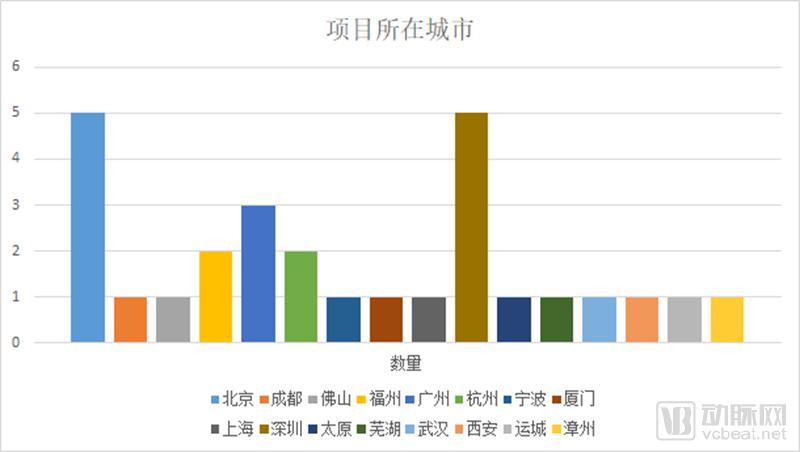
Currently, the headquarters of these companies are distributed across 16 cities in China, with the highest concentration in Beijing, Guangzhou, and Shenzhen. We have summarized the following reasons:
First, healthcare professionals at primary care institutions in first-tier cities are more receptive to the new model of "Internet + Medical Laboratory Testing."
Second, the third-party medical laboratories we collaborate with are predominantly concentrated in first-tier cities. These locations not only handle a high volume of specimens but also benefit from well-developed road infrastructure, resulting in shorter specimen transport times and faster turnaround for test reports.
Third, primary healthcare institutions in first-tier cities have relatively comprehensive medical equipment, and their medical staff enjoy a higher level of acceptance among residents. Each year, the Department of Primary Healthcare under the National Health and Family Planning Commission conducts nationwide evaluations to select high-quality community health service centers.
Data from the 2017 campaign to establish community health service centers as demonstration sites for high-quality services satisfying the public show that, inFollowing procedures including local nominations, document review, and on-site re-evaluation, 753 candidate community health service centers recommended by the provincial (autonomous region, and municipality) Health and Family Planning Commissions have been designated as “Model Community Health Service Centers for Quality Service.”In China, Guangzhou has19 Selected, Shenzhen Has13 CompaniesSelected.
Taking Guangzhou as an example, we found that the award-winning community health service centers exhibited various strengths: some had robust health information technology systems, others established green channels for two-way referrals, some retained healthcare professionals at the primary care level through competitive compensation, and others effectively integrated medical and elderly care services. For instance, the Baiyun Street Community Health Service Center in Yuexiu District, Guangzhou, was the first pilot unit in Yuexiu District to serve as a demonstration clinic for digitalized immunization planning.
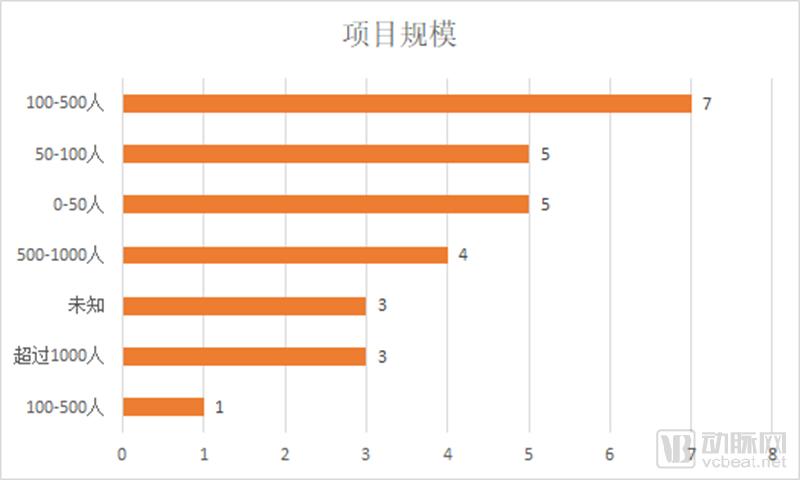
After years of development, these enterprises have grown from small initial teams into organizations with hundreds of employees. The majority have workforces ranging from 100 to 500 people. While there are also large companies with more than 1,000 employees, most of these entered the “Internet + primary care medical testing” sector at a later stage.
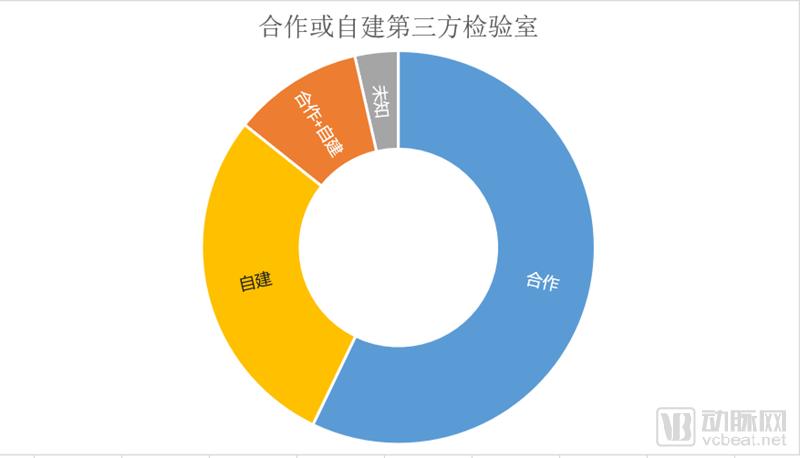
In establishing clinical laboratories, most of these companies collaborate with third-party medical testing laboratories, which not only reduces costs but also facilitates the decentralization of high-quality medical resources to primary care settings.
Some laboratories are self-built. Some enterprises originated from traditional third-party medical laboratory networks, while others established central laboratories in relatively concentrated areas due to the high volume of specimens and the dense distribution of primary healthcare institutions in those regions, such as Yunhu Technology in Hangzhou.
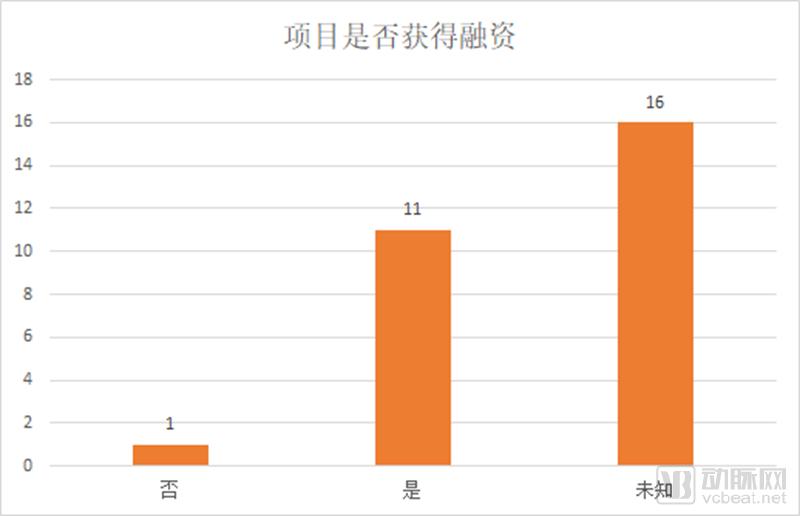
From a capital perspective, such companies have attracted significant attention; however, regrettably, they faced considerable difficulties in securing financing at that time, as investors were hesitant about new projects.
However, as several years passed, investment institutions have become increasingly favorable toward such projects. In July 2018, KuaiYiJian completed the largest financing round in the industry—a RMB 100 million Series B round led by Nokia Growth Partners, co-led by SoftBank China Capital, and participated in by Chende Capital. Many institutions began to hope for investing in the next "KuaiYiJian."
Wu Kai, a partner at SoftBank China Capital, has stated that village doctors are a particularly critical link in the entire value chain. Unlike the distant doctor-patient relationships often seen in urban areas, village doctors are an integral part of the rural community, having lived alongside villagers for generations. This fosters a stable relational bond between villagers and their local doctors. When village doctors on the KuaiYiJian platform are willing to recommend KuaiYiJian’s medical services to patients, it effectively unlocks the final barrier in the grassroots healthcare market.
Compared with other medical sectors, the financing amount for primary care laboratory testing projects remains relatively low. However, for an emerging field, it is no small feat that capital injected by investment institutions has grown from zero to hundreds of millions of yuan within just two years.
In the current landscape of “Internet +” grassroots medical testing, most companies have entered the market from a logistics perspective, with over 50% establishing their own logistics networks. Given the widespread adoption of e-commerce and the relatively mature development of the logistics industry, why do these companies still invest heavily in building proprietary logistics systems?
First, unlike e-commerce logistics, the cold-chain logistics for medical laboratory specimens imposes extremely stringent requirements on every link, including specimen handling, delivery personnel, temperature control, and transportation. Although test samples are collected at primary care clinics, to ensure the quality of specimen delivery, they must be delivered to third-party testing institutions on the same day, with reports reaching physicians by the following day.
Second, self-operated logistics enable enterprises to exert strong control over the supply chain, facilitating close coordination with other segments to deliver dedicated services to primary healthcare institutions. Meanwhile, by establishing an in-house logistics system, the internal supply chain transforms from an integrated network spanning multiple enterprises into a network composed of various functional departments within the enterprise. As these departments are not independent profit centers but share common objectives, supply chain coordination becomes more efficient.
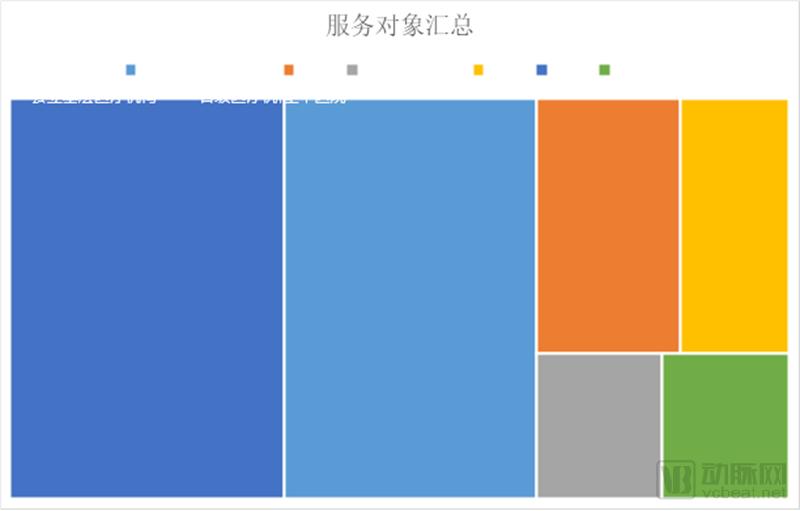
The most fundamental and grassroots level of the healthcare system in society is composed of township health centers, village clinics, private clinics, community health centers, and community health stations.
High-tier hospitals typically outsource testing items—such as blood tests, urine tests, stool tests, and histopathological examinations—to third-party diagnostic laboratories, relying on well-developed logistics systems and after-sales services. This market has previously experienced a period of rapid growth.
Taking this as an example, primary healthcare also requires such systematic services. After years of development, enterprises specializing in “Internet + Primary Care Laboratory Medicine” have extended these services to tens of thousands of clinics and public primary healthcare institutions, effectively translating “empowerment” into tangible outcomes and facilitating the decentralization of high-quality medical resources.
In terms of business models, these companies primarily serve B-side institutions and enterprises, with limited C-side services, mainly because these testing items are driven by clinical diagnostic needs rather than consumer demand.
Meanwhile, this is also a business with robust cash flow. The process involves medical testing for each project, where patients pay fees to primary healthcare institutions. These institutions then place and pay for orders through an internet-based medical laboratory platform, while simultaneously notifying logistics personnel to collect samples on-site. The samples are transported by logistics staff to partnered third-party medical laboratories. Once the test reports are generated, electronic versions are first sent to physicians at the primary healthcare institutions, followed by the delivery of hard-copy reports the next day.
As more enterprises enter the “Internet + Medical Laboratory Testing” sector, both large corporations and startups have seen their businesses and products evolve after several years of market trials. Regardless of the initial entry point they chose into the primary healthcare sector, they are gradually transitioning into a phase where competition is based on core competencies.
From traditional third-party medical testing to “Internet +” primary-care medical testing, the domestic third-party medical testing market could be ignited to its fullest potential. In this process, companies serving the primary-care sector will also give rise to industry giants akin to KingMed Diagnostics, Adicon, and Dian Diagnostics.
"Internet + Primary Care Laboratory Medicine" has gradually entered a phase of rational development since 2018. Specific manifestations include:
1) Leading enterprises are standing out. Represented by Kuai Yi Jian, these companies have shifted their focus from merely pursuing business coverage to prioritizing business growth and conversion rates following a new round of financing. Their product offerings are also becoming more diversified, marking a transition from service-oriented to technology-driven enterprises.
2) Companies that previously entered this field sought to use diagnostic testing as a “golden key” to unlock access to primary healthcare institutions. Once this foothold was established, they aimed to gradually gain control over drug supply, commercial insurance, consumables, and medical devices within these institutions. Current evidence suggests that many of these business models have proven viable, ultimately leading to an inevitable competition for resources.
3) The competition for resources is a contest of strength. Those with more substantial capital, broader channels, stronger connectivity, and more mature systems in products, technology, and services are poised to gain a competitive edge in the “Internet +” grassroots medical testing sector;
4) Internet Plus primary care medical laboratory services are helping to channel high-quality medical resources down to the grassroots level, i.e., leveraging internet-based tools to empower primary healthcare institutions and enhance the diagnostic and treatment capabilities of primary care physicians. As data accumulates across various platforms, the role of big data will gradually become more prominent;
Based on the above assessment, we believe that “Internet + Primary Care Laboratory Testing” has evolved beyond merely meeting the testing needs of primary healthcare facilities to becoming a strategic entry point. Currently, it primarily addresses the clinical laboratory testing demands of primary care institutions; in the future, it may expand to include consumer-grade testing services for end-users and related post-testing industrial services, all of which hold significant promise.
Many players have entered the primary healthcare sector from a logistics perspective, with KuaiYiJian emerging as the fastest-growing. Processing over 20,000 specimens daily, it has become a leading enterprise in this field.
Wang Zheng, the founder of KuaiYiJian, resigned from SF Express in March 2015 to establish the company. By leveraging logistics and information technology, KuaiYiJian entered the primary healthcare market from a logistics perspective, providing medical specimen transportation and related services. The platform helps primary care physicians enhance their clinical skills, supports brand promotion, drives patient acquisition, improves operational efficiency, reduces costs, and increases revenue.
The core mission of KuaiYiJian is to enable high-quality medical resources to flow more effectively into grassroots markets. VCBeat has been tracking and reporting on this company for over three years. Compared with the past, its team has now expanded to nearly 1,000 employees, its product offerings have become increasingly diversified, and its business volume has grown tenfold.
Meanwhile, KuaiYiJian is gradually transitioning from a service-oriented enterprise to a technology-driven one. Beyond its original core services of specimen transportation and report delivery, it has expanded into specialized testing offerings, including cancer screening and genetic testing, and plans to further introduce more medical resources to primary care settings.
Due to the accumulation of a large volume of laboratory test report data in recent years, KuaiYiJian has developed an AI-assisted system for interpreting lab orders and integrated this module into physicians’ workstations to aid in diagnosis. Feedback from primary care physicians has been positive.
“Of course, this is merely a small engine driving KuaiYiJian’s development toward artificial intelligence. There is much more that can be done in the future, such as in the pharmaceutical sector. For instance, when primary care physicians diagnose certain conditions for which their facilities lack the necessary medications, KuaiYiJian can help them identify pharmaceutical suppliers or locate better suppliers within the existing market. Therefore, ‘pharmaceuticals are our key focus this year, and we have made extensive preparations to launch this business line, including obtaining the required qualifications for pharmaceutical distribution,’ said Wang Zheng.”
From Wang Zheng’s perspective, pharmaceutical distribution differs from testing services; it is essentially a supply chain operation. By integrating a cold-chain logistics system that complies with Good Supply Practice (GSP) standards, this business can be operated with high efficiency. Over the past one to two years, efforts have been made to engage upstream pharmaceutical manufacturers. Several internationally renowned drug companies and domestically listed enterprises have expressed their willingness to collaborate with KuaiYiJian.
Furthermore, KuaiYiJian is assisting insurance institutions with intelligent underwriting, helping them reduce costs. Insurance companies are highly optimistic about the rural demographic in towns and villages. Regarding how to develop insurance products that resonate with this group, KuaiYiJian is well-positioned to provide data support.
Today, KuaiYiJian is a major client for many third-party medical laboratories and genetic testing institutions in China. Although its business performance is already strong, Wang Zheng still believes that the grassroots market holds significant potential, particularly in rural primary healthcare, which offers vast opportunities but remains only at an early stage of development.
Wang Zheng plans to collaborate with companies offering diverse products to rapidly deploy high-quality solutions at the primary care level. Currently, numerous teams are developing various medical service products. KuaiYiJian provides application scenarios and distribution channels within the healthcare sector. Wang is open to collaboration, whether to meet testing needs at primary healthcare institutions or to address other requirements.
Each new product launch entails increased costs, but Wang Zheng stated that KuaiYiJian has established a comprehensive sales and logistics system. Any product added to or sold through this infrastructure can rely on its robust support. As the product portfolio expands, benefits increase while marginal costs decline. Meanwhile, users become more reliant on the platform due to the greater value derived from purchasing multiple products, creating a virtuous cycle.
In stark contrast to Kuaiyijian’s development trajectory is Mingyi Zhonghe, which originally entered the market through the pharmaceutical channel, aiming to address the shortage of medical resources and medications in primary healthcare institutions.
On August 6, 2015, Jiang Qiang and a group of like-minded partners founded Mingyi Zhonghe Technology, a company dedicated to the service and operation of medical software and service platforms for primary care clinics. Committed to improving the primary care environment, enhancing the professional management capabilities of grassroots clinics, and upgrading the healthcare experience for local residents, the company aims to build an integrated online-offline ecosystem for primary healthcare services under the “Yidebang” brand.
After more than three years of working at the grassroots level, Jiang Qiang has become friends with “village doctors.” As he continued to gain deeper insights, Jiang discovered that many needs in primary healthcare institutions remain unmet, such as medical laboratory testing.
To this end, Mingyi Zhonghe has launched a new product based on its existing offerings: the Mingyi Zhonghe Medical Laboratory Testing Solution. The Shared Laboratory Center is more accessible to grassroots healthcare facilities. After health rooms and clinics submit samples for testing, Mingyi Zhonghe provides online-to-offline connectivity, with the Shared Laboratory Center collaborating with submitting parties and responsible for equipment deployment.
As a qualified primary care institution, it covers 32 common primary care conditions, five major disciplines of laboratory medicine, and more than 400 laboratory tests. Yidebang provides it with an information system that integrates clinic testing needs, sample delivery information, laboratory equipment and the Laboratory Information System (LIS), transmission of test results, and online consultation for complex cases.
“We have currently launched operations in certain areas of Hebei Province, where more than 40 village clinics are clustered nearby, enabling centralized distribution and reducing delivery time,” said Jiang Qiang.
Among the primary healthcare institutions experiencing the most rapid growth, Hangzhou Yunhu Technology deserves special mention. Established in January 2017, Yunhu Technology has risen to become a leading enterprise in the grassroots medical testing sector within just over two years. It has developed a highly distinctive internet-based service platform for the primary healthcare industry and has garnered favor from numerous top-tier investment firms.
Yunhu Technology secured three rounds of financing within two years: a Pre-A round of tens of millions of yuan in 2017, an A round of RMB 50 million in 2018, and an A+ round of tens of millions of US dollars in early 2019.
Yunhu Technology has not only garnered favor from multiple investment institutions but also established several subsidiaries: Hangzhou Yunhu Medical Technology Co., Ltd., Hangzhou Yunhu Cold Chain Logistics Co., Ltd., Hangzhou Yunhu Medical Laboratory Co., Ltd., and Hangzhou Yunhu Cloud Information Technology Co., Ltd.
Chen Xiaobing, Founder and CEO of Yunhu Technology, stated that the establishment of four subsidiaries with distinct service entities is designed to be guided by the needs of primary healthcare institutions and patients. By continuously strengthening Yunhu’s corporate infrastructure, leveraging scientific and technological innovation, focusing on improving operational efficiency, and centering on a diverse product portfolio and specialized services, the company aims to genuinely and sustainably empower primary healthcare institutions. This empowerment will enhance their operational efficiency, management capabilities, diagnostic accuracy, and service quality. Furthermore, by building a network for primary healthcare services and a comprehensive product matrix, Yunhu seeks to facilitate the decentralization of medical technology and resources to lower-tier cities, thereby increasing the revenue of primary healthcare institutions and reducing healthcare costs for the general public.
Over the past two years, Yunhu Technology’s frontline professional service staff has grown to over 1,000 employees. Its medical testing service network has expanded to 25 provinces, four municipalities directly under the central government, and nearly 350 prefecture-level regions. The company has partnered with more than 65,000 primary healthcare institutions, cumulatively serving millions of patients. Monthly revenue has exceeded RMB 20 million and continues to grow at a rapid pace.
Yunhu Technology will integrate triage and consultation, diagnostic testing, pharmaceutical and medical device delivery, rehabilitation therapy, post-visit follow-up, health insurance payment, and commercial medical insurance, thereby streamlining the entire primary care journey. This enables primary healthcare institutions to deliver more professional services effectively to grassroots patients. By leveraging the seamless integration of its online and offline operational service systems, Yunhu Technology builds a more convenient communication bridge between primary healthcare institutions and patients, fostering substantial growth.
It is understood that Yunhu Technology is accelerating the expansion and deepening of its nationwide channel network, upgrading product research and development, broadening supply-side product resources, and strengthening its sales team. The company is also stepping up efforts to advance informatization in primary healthcare institutions, comprehensively empowering them, and promoting the implementation of smart clinic solutions at the grassroots level.