

Zhangjiang Cell Industrial Park Unveils Ambitious Blueprint to Become Global Hub for Cell Therapy Innovation
Today, the Zhangjiang Cell Industry Park was officially unveiled for the first time. Leveraging the 400,000-square-meter space of “Med Valley” as its starting point, the park aims to become a core hub for China’s cell industry and a world-class center for technological innovation in this field. According to reports, by 2030, it will have established a globally influential full-cell-industry chain and emerged as a leading domestic base with international impact for the research and development of cell raw materials and supporting equipment.
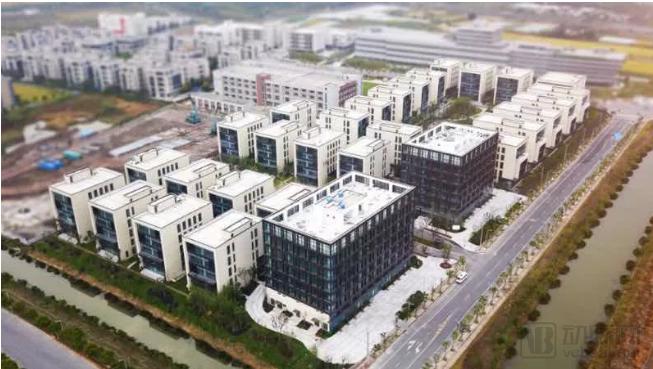
Cell therapy is a hot topic in the field of life sciences. In the coming years, Zhangjiang will focus on establishing itself as a leader in the cell therapy industry and use this as a starting point to advance Zhangjiang’s medical industry to a higher level. Zhangjiang has launched the construction of the Zhangjiang Cell Therapy Industrial Park, starting with 400,000 square meters of space in “Medical Valley,” gradually forming a complete cell therapy industrial chain encompassing storage, R&D, production, transportation, treatment, and equipment manufacturing. The goal is that by 2030, Zhangjiang’s cell therapy industry will gather 500 companies and achieve an output value of RMB 50 billion.
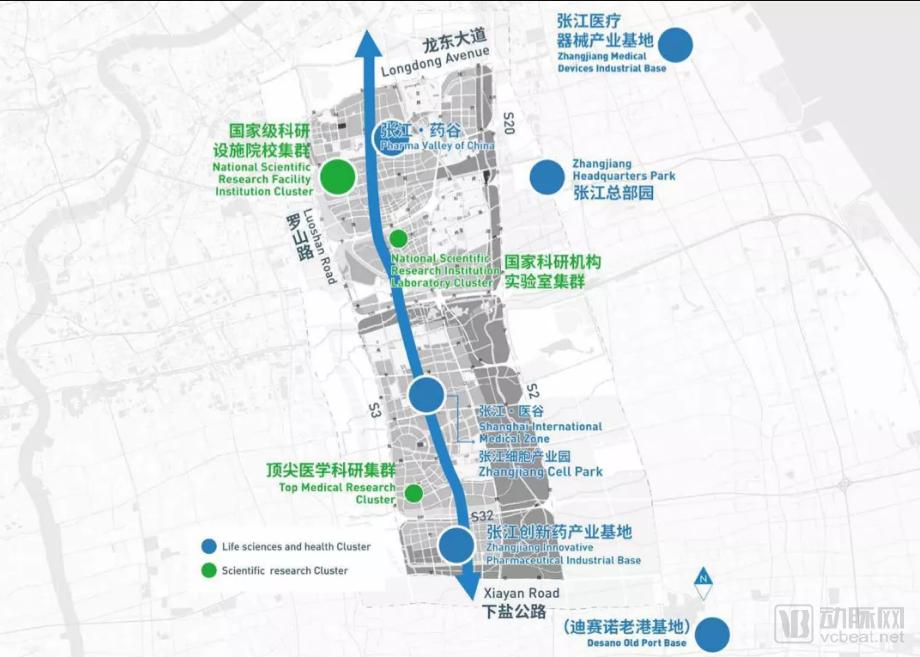
Xia Duo, General Manager of Shanghai International Medical Zone Group Co., Ltd., introduced that the Zhangjiang Cell Industry Park will be geographically centered on the “Biopharmaceutical Base + Shanghai International Medical Zone,” while synergizing with other areas of Zhangjiang Science City. Functionally, it will promote medical clustering to drive demand and build application scenarios for the cell therapy industry, while gradually establishing platforms for cell R&D, manufacturing, and third-party industrial support, thereby achieving tight integration among clinical needs, R&D and manufacturing, and application development.
By 2030, this area will be developed into the core hub of China’s cell industry and a world-class innovation center for scientific and technological advancement in the cell industry. Specifically:
The plan is to initially establish a complete cell therapy industry chain within the district from 2019 to 2022, and strive to launch China’s first new cell therapy drug on the market in Zhangjiang Science City;
Establish a complete and mature cell industry chain from 2023 to 2026;
By 2027–2030, the entire cell industry chain will achieve global influence, with a target related output value exceeding RMB 50 billion.
Cell therapy technology is currently one of the hottest sectors in the biopharmaceutical industry. Integrating cutting-edge technologies such as gene technology, tissue engineering, and regenerative medicine, it represents a major trend shaping the future of the life and health industry. It is projected that the global market for CAR-T cell therapy will reach $8.5 billion by 2028, with the future market size estimated to range between $35 billion and $100 billion.
The Zhangjiang area is one of the most promising regions in China and globally for the development of the cell therapy industry, having already established a first-mover advantage in this field.
According to incomplete statistics, there are more than 50 enterprises in Zhangjiang Science City involved in the upstream and downstream industrial chain of cell therapy. Among them, over 20 are cell therapy R&D companies, more than 15 specialize in cell therapy equipment such as reagents, instruments, consumables, and cell culture media, and over 15 are engaged in related cell application assessment and genetic testing. As of March 2019, Zhangjiang-based companies accounted for more than one-fifth of all enterprises in China that had submitted applications for cell therapy drug projects, representing three-quarters of Shanghai’s total.
Currently, three of the four global CAR-T giants—namely Novartis, Kite Pharma, and Juno Therapeutics (Juno)—have established a presence in Zhangjiang, Shanghai. Most leading domestic CAR-T companies are also based in Zhangjiang, including WuXi Juno/Mingju Biologics, Fosun Kite, Hengrun Dasheng, UcarTher, and CytoMed Therapeutics.
JW Therapeutics
In December last year, JW Therapeutics China announced the official completion of its R&D center located in Zhangjiang, Shanghai. The R&D center will focus on innovative and practical research in cell therapy, striving to address major scientific and application issues in basic R&D, industrial production process development, and quality management systems for cellular immunotherapy.
Fosun Kite
Fosun Kite is a joint venture established by Shanghai Fosun Pharmaceutical Group and U.S.-based Kite Pharma in Zhangjiang in April 2017, dedicated to expanding the T-cell immunotherapy market. In December of the same year, Fosun Kite held the groundbreaking ceremony for its CAR-T cell therapy facility in Zhangjiang, facilitating technology transfer and process validation for Yescarta in China. In January 2019, the commercial manufacturing base for Yescarta was officially established in Zhangjiang.
Hengrundaisheng
Hengrundaisheng was established in July 2015. As an international R&D-focused pharmaceutical company, it specializes in the research and product application of innovative CAR-T cell technology for cancer immunotherapy. To date, Hengrundaisheng has obtained three CAR-T clinical trial approvals in China, and clinical trials for these three approved products have been initiated at three respective hospitals.
Ucard
Shanghai UniCAR Biopharmaceuticals (UniCAR) is a company dedicated to the research and development of CAR-T technologies and products. It has filed more than 30 patents worldwide and had four product applications accepted by the Center for Drug Evaluation (CDE). Last November, UniCAR established a Terumo BCT Technology Center of Excellence in Shanghai, collaborating with Terumo BCT to advance CAR-T therapies.
Sibiman
Cellular Biomedicine Group is a clinical-stage biopharmaceutical company dedicated to developing immune cell therapy products for cancer treatment and stem cell therapy products for degenerative diseases. It is reported that Cellular Biomedicine Group has partnered with Novartis on the manufacturing of Kymriah (the world’s first CAR-T therapy) in China, with Cellular Biomedicine Group responsible for the manufacturing process and Novartis primarily handling distribution, regulatory affairs, and commercialization in China.
In addition to the Cell Industry Park, Zhangjiang is also building a life and health industry cluster. Yuan Tao, Party Secretary and Chairman of Shanghai Zhangjiang (Group) Co., Ltd., introduced that Zhangjiang has expanded its life and health industry layout across the entire Science City, centered on the “Three Parks”: the Core Park of Pharma Valley, the Medical Device Park, and the International Medical Park. Within the spatial area of these “Three Parks,” Zhangjiang has formed a “Four-Med Integration” pattern—encompassing medicine, pharmaceuticals, medical devices, and healthcare services—establishing complete industrial, value, and innovation chains, and gathering various industrial factors.
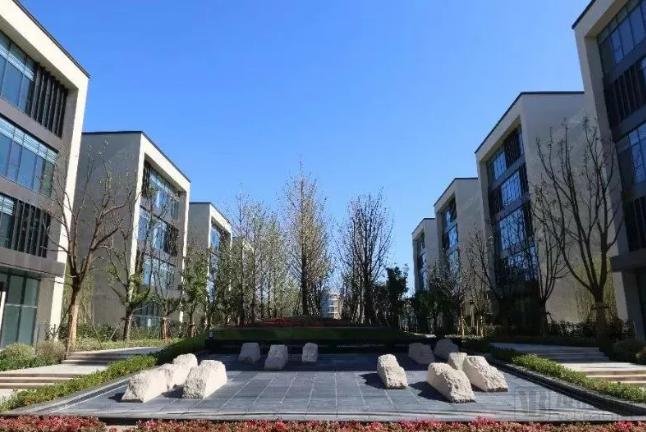
As recently as April this year, Pudong New Area upgraded its biopharmaceutical industry map, allocating nearly 10 square kilometers of land in one go to develop four major bases, including the Zhangjiang Innovative Drug Industrial Base, the Zhangjiang Medical Device Industrial Base, and the Zhangjiang Headquarters Park. This initiative aims to further enhance the competitiveness and influence of the new area’s biopharmaceutical industry, accelerating the emergence of more innovative drugs and medical devices in Shanghai.
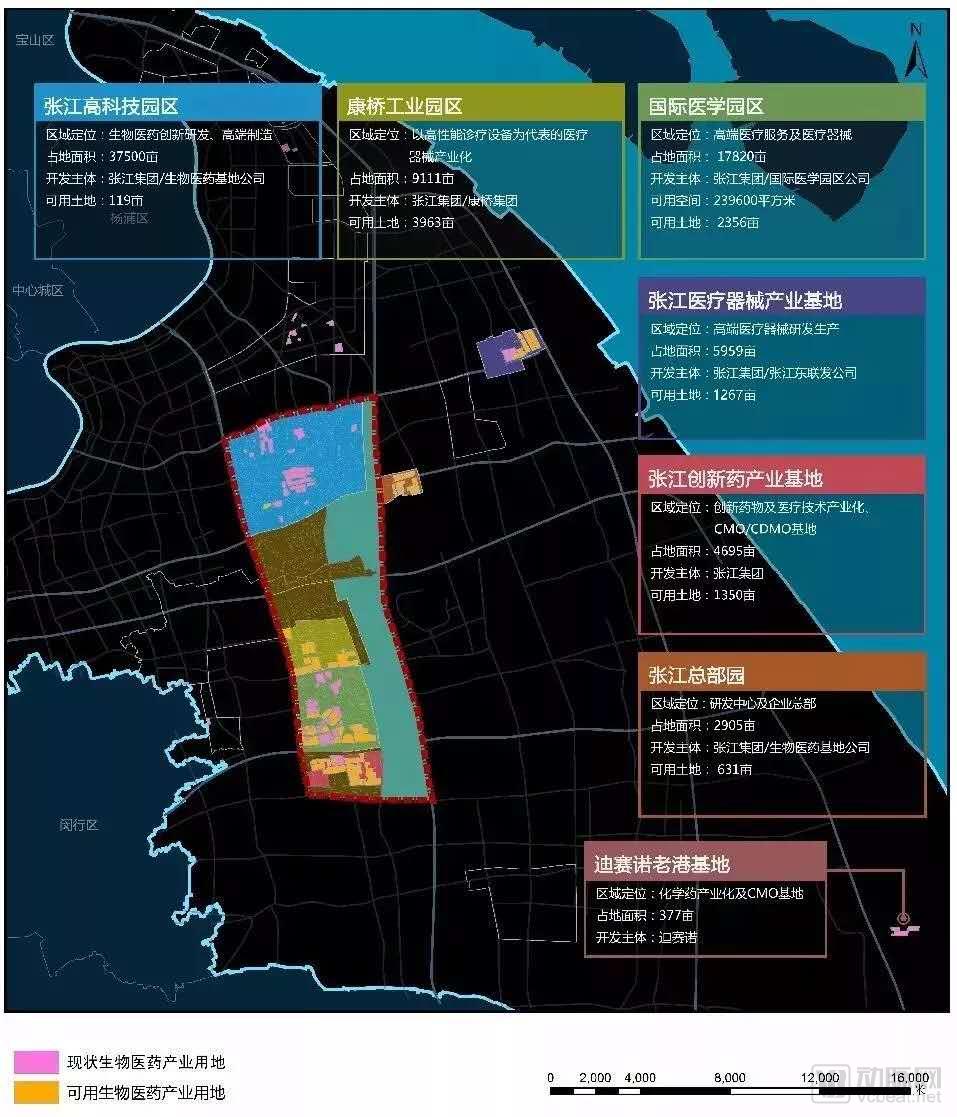
Pudong Biopharmaceutical Industry Map
● The Zhangjiang Innovative Drug Industrial Base (Zhangjiang South Area) covers an area of approximately 3 square kilometers. It is positioned as an industrialization base for innovative drugs and medical technologies, as well as a contracted manufacturing organization/contract development and manufacturing organization (CMO/CDMO) production base, with a focus on undertaking the transformation of scientific and technological achievements in innovative drugs and high-end manufacturing within Zhangjiang Science City.
● The Zhangjiang Medical Device Industry Base (Zhangjiang East Zone) covers an area of approximately 4 square kilometers. It is positioned as a hub for the R&D and manufacturing of high-end medical devices, focusing on niche sectors such as in vitro diagnostics, imaging diagnostics, and minimally invasive interventional and implantable medical devices.
Elevating industrial capabilities and striving to build Zhangjiang Science City into an innovation hub for the life and health industry, both nationwide and globally, is its future goal. Today, the blueprint for Shanghai’s biomedical industry has been drawn and is being implemented steadily and swiftly. Zhangjiang is continuously upgrading its industrial capacity: the southern area is developing into a base for innovative drug manufacturing, establishing production lines to undertake contract manufacturing of innovative drugs. In due course, the R&D activities in the northern Pharmaceutical Valley, the clinical applications in the central Medical Park, and the manufacturing operations in the southern base will jointly drive the upgrading of Zhangjiang’s biomedical industry, fully supporting Shanghai’s ambition to become an internationally influential source of biomedical innovation and a world-class biomedical industry cluster.
According to statistics, Zhangjiang has gathered more than 600 innovative enterprises in the life and health sector, with over 400 drug candidates under development and more than 130 projects entering clinical trial stages. It is home to nearly 150 national-level R&D institutions, holds more than 1,000 granted patents, and has a storage capacity of 10 million biological samples.