

American Well Survey of 800 U.S. Physicians Reveals Tipping Point for Telemedicine Adoption
As key stakeholders in the healthcare industry, physicians’ acceptance of specific niche sectors exerts a decisive influence on the development prospects of those sectors. American Well, a telemedicine platform, recently released a report on the development of the telemedicine industry. The report surveyed 800 physicians across the United States to gauge their perceptions of telemedicine and explore the drivers behind its rapid growth.
The report indicates that physicians’ attitudes toward telemedicine are at a turning point, driven by their desire to expand patient access to care, improve clinical outcomes, and attract and retain patients. Furthermore, a more favorable reimbursement landscape and supportive healthcare systems are further helping to realize the vision of telemedicine, thereby creating significant growth opportunities for telemedicine in the future.
VCBeat has organized and compiled the contents of this survey report. The key highlights are as follows:
I. 69% of Physicians Are Willing to Adopt Telemedicine
II. The number of patients seen via telemedicine increased by 500%
3. Psychiatrists are the only group with both high willingness and high adoption rates in telemedicine
IV. In 2020, 61% of Physicians Will Adopt Telemedicine
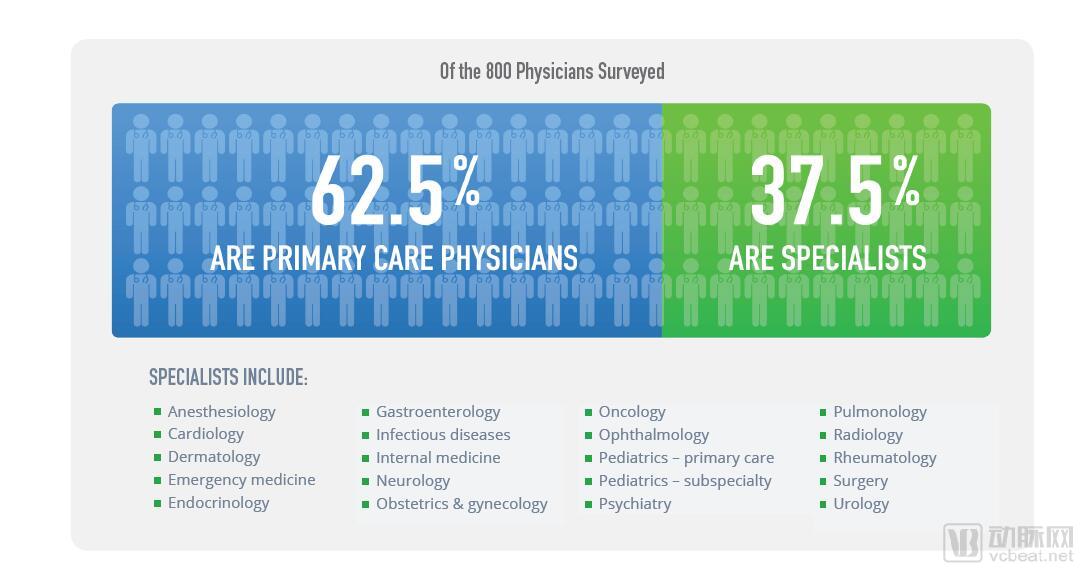
Figure 1: A survey on telemedicine conducted among 800 physicians in the United States
Currently, more than 75% of U.S. hospitals are implementing telemedicine programs, and telemedicine is becoming increasingly common in the United States. In American Well’s latest survey report, 69% of physicians stated that they are willing to use telemedicine, a figure higher than the 57% recorded in 2015.
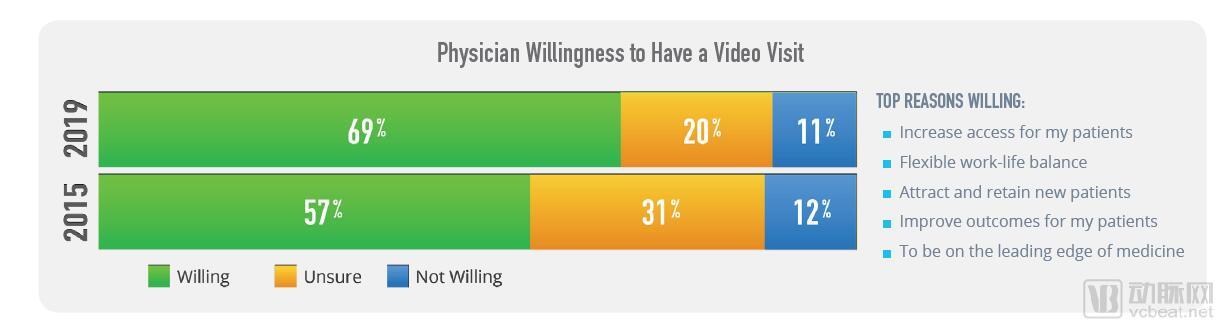
Figure 2: Survey of Physicians’ Willingness to Adopt Telemedicine (Comparison Between 2015 and 2019)
Age may be a key factor influencing physicians’ willingness to adopt telemedicine. Physicians aged 25–34, who have just entered the medical profession and are still in a learning phase, lack confidence in new technologies and are less inclined to adopt telemedicine. However, in the long run, as they accumulate professional expertise and industry experience, these younger physicians (aged 25–34) will become more willing to adopt telemedicine than their counterparts aged 35–44.
Furthermore, as senior physicians gradually enter retirement, the number of doctors willing to adopt telemedicine will continue to rise, while the number of those who are uncertain about or resistant to telemedicine will decline.
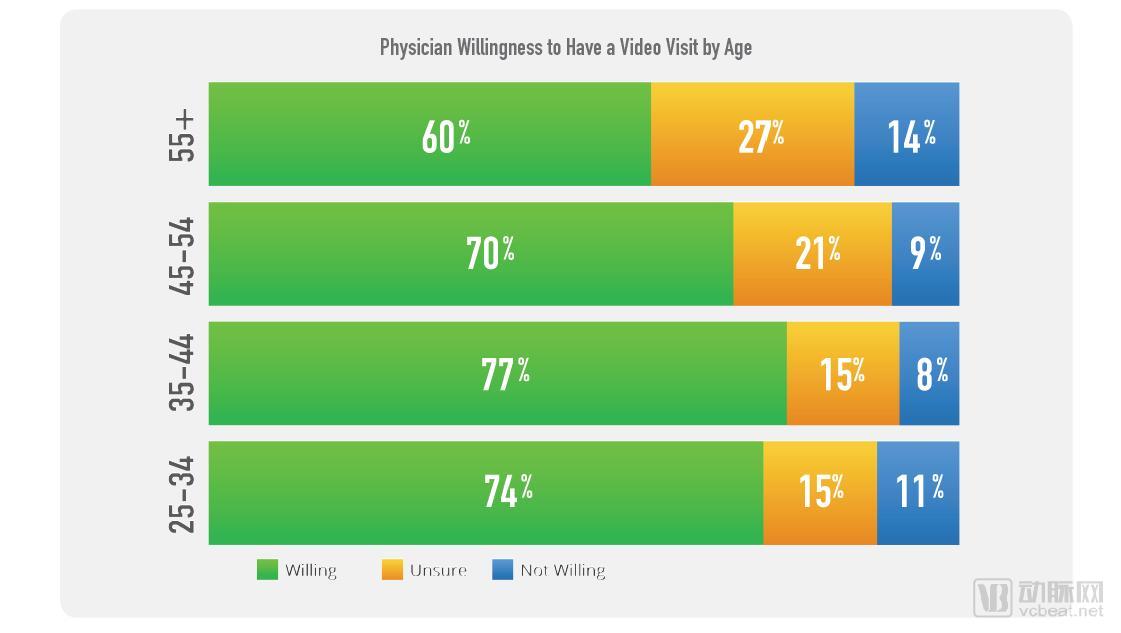
Figure 3: Survey on Physicians’ Willingness to Adopt Telemedicine (by Age Distribution)
Factors influencing physicians’ willingness to adopt telemedicine include:
More Convenient Patient Access to Medical Care:Telemedicine enables physicians to provide patients with enhanced access, making healthcare more convenient. Through video consultations, distance and time are no longer barriers.
Doctors Can Achieve Work-Life Balance:Doctors can achieve work-life balance to cope with occupational stress. Telemedicine enables physicians to work remotely and maintain flexible schedules while upholding high-quality medical care.
Attracting and Retaining New Patients for Hospitals:Video consultations help create a patient-centered care environment, which facilitates communication between doctors and patients while preventing privacy data leaks through effective technical measures.
PatientTreatment outcomes obtainedImprovement:Telemedicine can provide more timely and high-quality medical services, positively impacting patient treatment outcomes.
Doctors at the Forefront of Medical Technology:Many physicians believe that video consultations represent the next major breakthrough in medicine, and they aspire to be at the forefront of telemedicine innovation.
According to the latest report, 22% of physicians have adopted telemedicine, representing a 340% increase compared with 2015. This growth is remarkably faster than the early adoption rate of electronic health records (EHRs). Between 2003 and 2006, EHR adoption increased by only 68% over a three-year period. Although it remains uncertain whether telemedicine will become as integral to physicians’ daily practice as EHRs have, it is evident that physicians are embracing telemedicine at a considerably faster pace than they did EHRs. 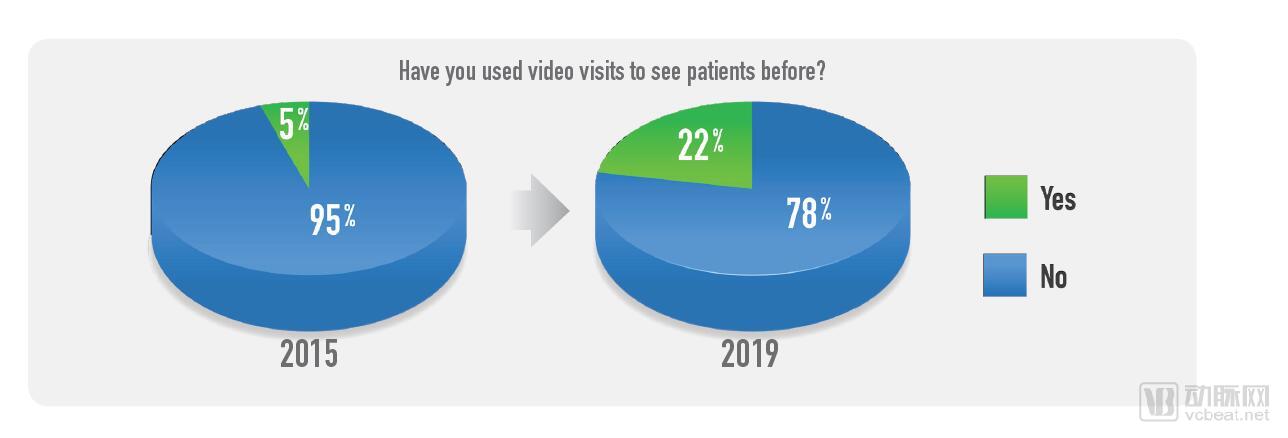
Figure 4: Use of Telemedicine for Diagnosis and Treatment
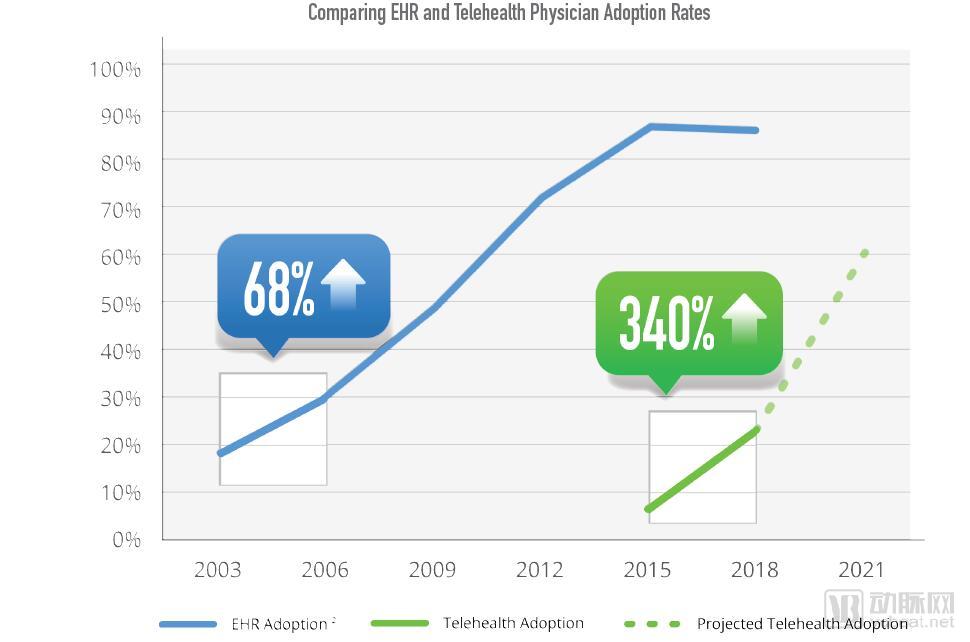
Figure 5:EComparison of HR and Telemedicine Adoption Rates
Telemedicine Patient Visits Increase by 500%
The willingness of physicians to adopt telemedicine stems from its ability to overcome the limitations of traditional healthcare delivery.
Expand patient access to care:Many patients living in remote areas, particularly rural regions, are unable to access high-quality healthcare services due to the lack of professional care infrastructure locally. Healthcare providers or patients often need to travel long distances to deliver or receive specialized care. If patients fail to receive timely treatment, it may lead to worsening of their condition.
Due to limited pediatric psychiatry resources in Nebraska, patients faced round-trip drives of up to six hours. Dr. Jennifer McWilliams of Children’s Hospital & Medical Center in Omaha began providing care via telehealth. Through a telepsychiatry program tailored for children, Dr. McWilliams conducted more than 600 remote consultations, saving 26 hours of commute time per week and reducing the no-show rate for follow-up appointments by 50% within one year.
More Effective Use of Time:By reducing round-trip travel time and enhancing the productivity of healthcare providers, telemedicine enables physicians to deliver medical services more efficiently. BayCare Health System, a healthcare organization headquartered in Clearwater, Florida, launched a virtual wound care program to help improve the efficiency of wound care specialists. Through this program, BayCare reduced the wait time for wound care consultations by 85% and increased the number of patients seen per week by 500%.
Reducing Healthcare Costs:Telemedicine can reduce associated healthcare costs. Intermountain Healthcare, an integrated healthcare system in Utah, conducted a claims analysis of its telemedicine program, Intermountain Connect Care, and found that each telemedicine claim saved $367.
High-Quality Communication with Patients:The gap between video-based communication and face-to-face interaction for healthcare providers is minimal. Providers can evaluate patients, diagnose conditions, prescribe medications, and schedule follow-up appointments. Both physicians and patients regard telemedicine as an effective communication tool. In fact, 97% of patients participating in the Nemours Children’s Health telehealth program reported being “very satisfied” with the service.
Improving the Doctor-Patient Relationship:Telemedicine Actually Strengthens the Doctor-Patient Relationship. The Southwest Medical Association (SMA), a multi-specialty medical group based in Nevada, USA, recently released a study on virtual visits for upper respiratory tract infections. In this study, SMA found that patient satisfaction scores were higher for virtual visits (95%) than for in-person care (85%).
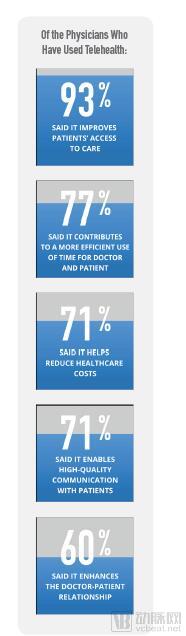
Figure 6: Physicians’ Evaluation of Telemedicine Use
Applicable to emergency situations:Historically, video visits were almost exclusively used for treating urgent conditions. However, as more physicians adopt telemedicine, the scope of services delivered via video will expand significantly, encompassing:
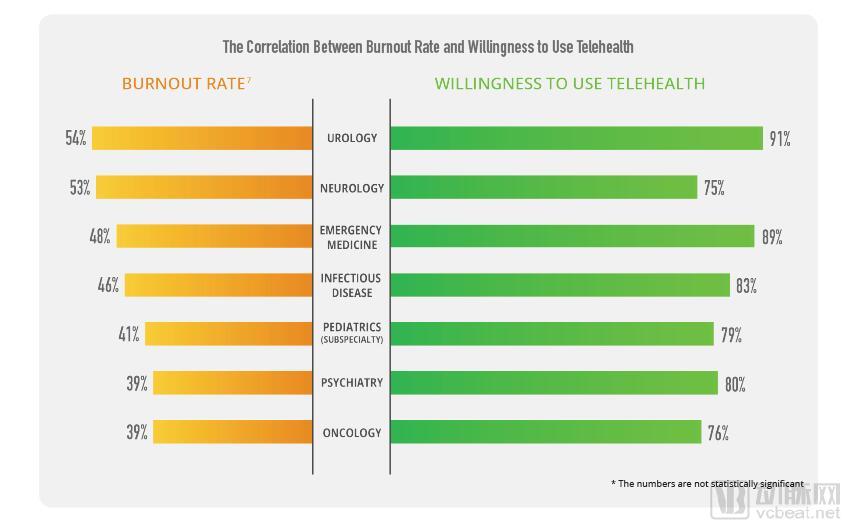
Figure 7: Correlation between Physician Burnout Rates and Willingness to Adopt Telemedicine
Interestingly, although urologists, emergency medicine physicians, and infectious disease specialists exhibited the highest willingness to adopt telemedicine, their actual utilization rates remained low. Psychiatrists were the only group demonstrating both high willingness and high adoption rates. In fact, nearly every psychiatrist interested in telemedicine is actively using this technology. Neurologists constituted the second most likely group to utilize telemedicine, a trend likely attributable to the numerous successful telemedicine training programs implemented across the United States. 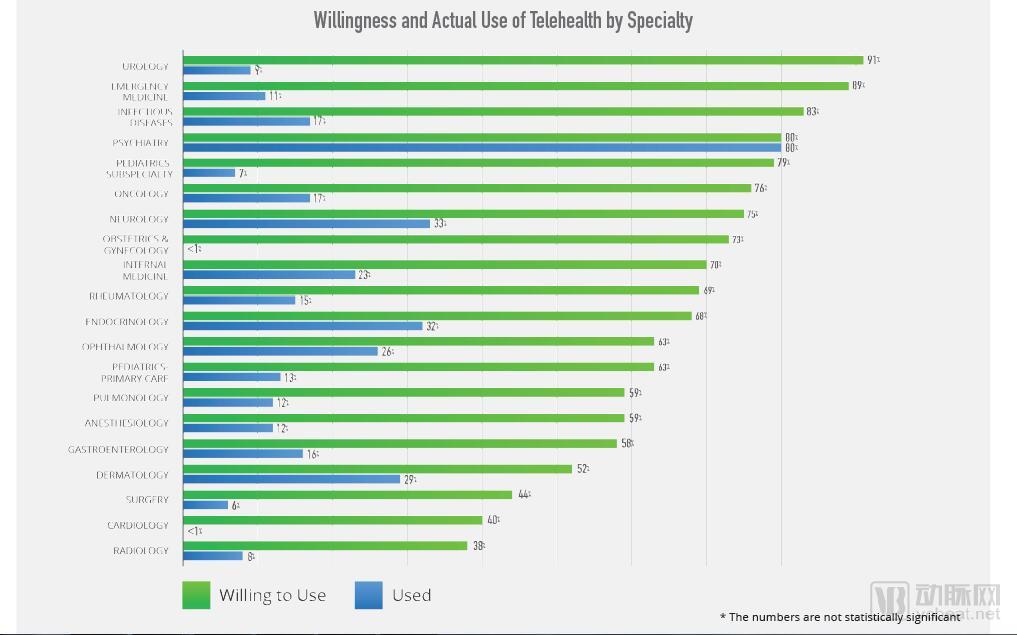
Figure 8: Physicians’ Willingness to Adopt Telemedicine vs. Actual Usage Rates
For most physicians across specialties, there is a significant gap between their willingness to use telemedicine and their actual adoption of it. To better understand this discrepancy, this report investigates physicians who initially expressed willingness to use telemedicine but ultimately did not adopt it. 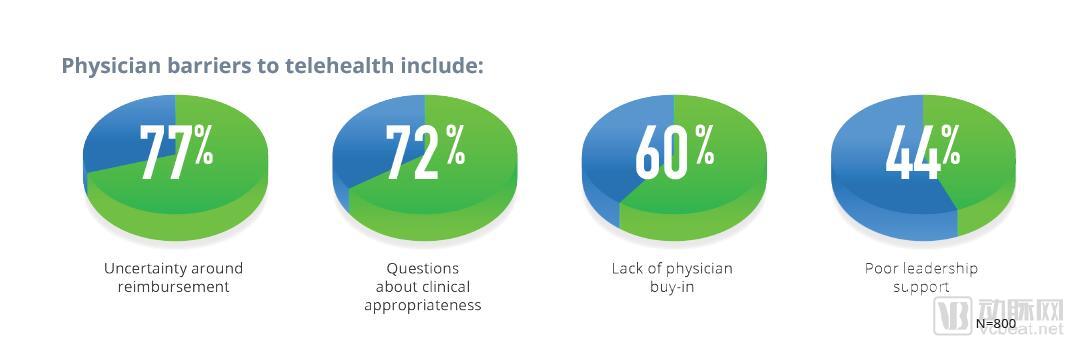
Figure 9: Analysis of Barriers to Physicians’ Adoption of Telemedicine
Uncertainty in Reimbursement:This has been the biggest obstacle for physicians in adopting telemedicine, but this trend is beginning to shift as reimbursement processes for telemedicine improve. For example, the Centers for Medicare & Medicaid Services (CMS) recently issued a proposed rule that would allow Medicare Advantage plans to include telemedicine services as part of their basic benefits.
Concerns Regarding Clinical Quality:Physicians who remain in a wait-and-see mode are paying closer attention to the clinical applicability of telemedicine; however, many healthcare systems have implemented measures to address clinical quality issues. For instance, in a case study at the Cleveland Clinic, the healthcare system outlined the steps taken to ensure clinical quality during telemedicine visits, primarily including quality assessments of video consultations and ensuring complete medical record documentation.
Lack of physician support:Telemedicine often encounters resistance from healthcare providers, who believe it will replace in-person care and compromise the quality of medical services. In a case study, Avera Health, an integrated health system based in South Dakota, addressed physicians’ resistance through face-to-face meetings and extensive media coverage.
Insufficient Attention from Leadership:Support from hospital leadership is critical to telemedicine initiatives and has a significant impact on physicians’ willingness to adopt these technologies as well as on staffing. American Well has begun collaborating with clients to provide organizational support for clinical transformation centered around telemedicine.
50% of physicians indicated they would adopt telemedicine within the next three years. Given that 22% of physicians were already using telemedicine, this implies that the overall telemedicine adoption rate among physicians would reach 61% in 2022, with 340,000 to 590,000 physicians diagnosing and treating patients via telemedicine.
Furthermore, more than half of physicians expressed a desire to use telemedicine more than twice per week within three years. In contrast, only 15% of physicians were frequent users of telemedicine throughout 2018. This transition from occasional to frequent use indicates that telemedicine will become an integral part of these physicians’ daily practice. 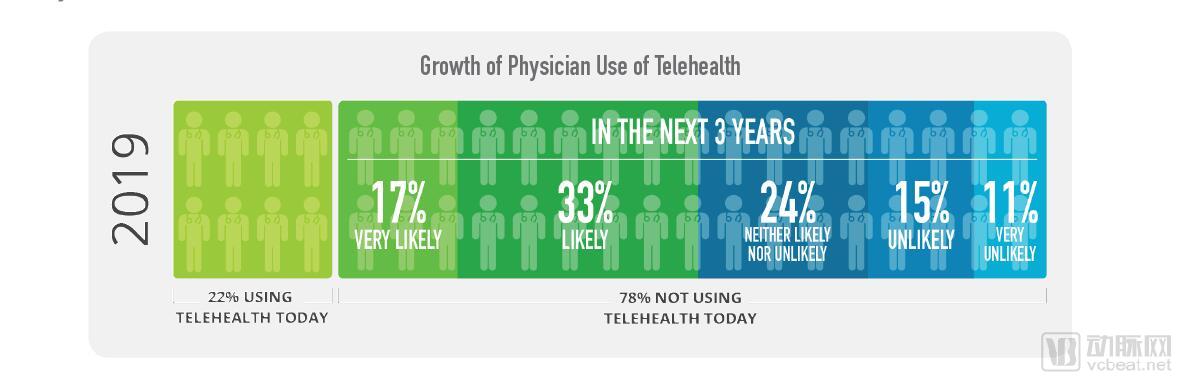
Figure 10: Growth Trends in Physician Adoption of Telemedicine
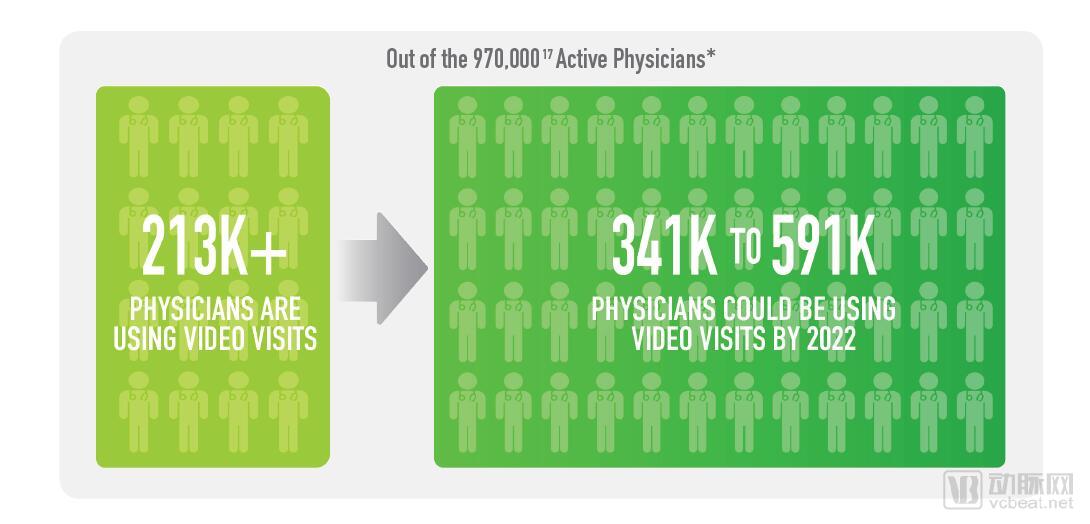
Figure 11: Projected Number of Physicians Frequently Utilizing Telemedicine
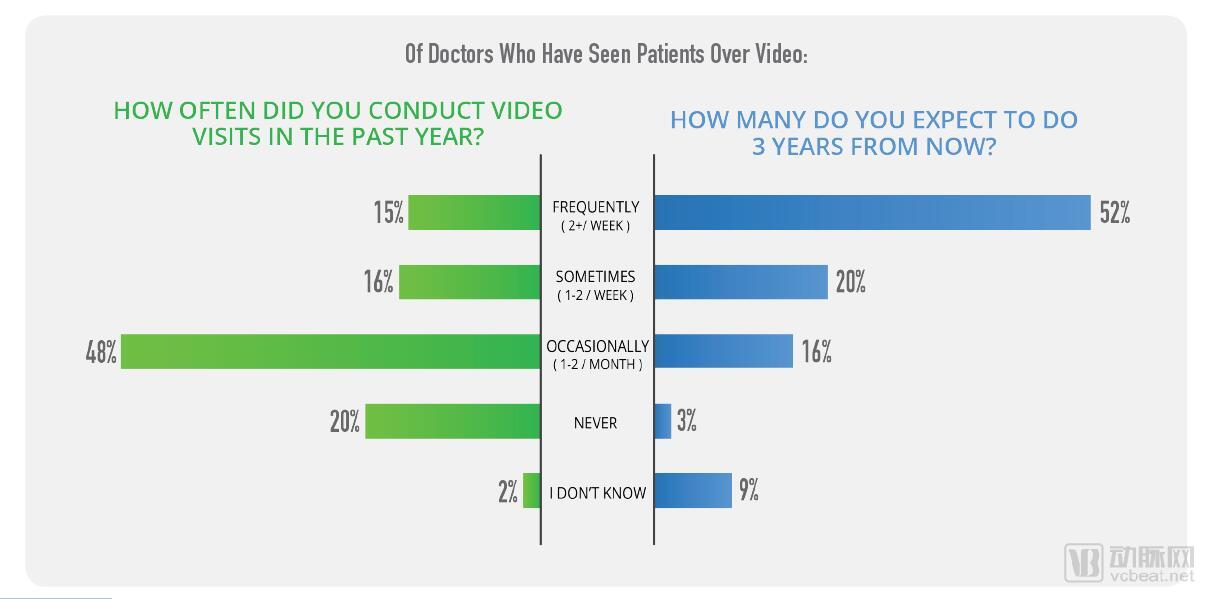
Figure 12: Analysis of the Frequency of Telemedicine Adoption by Physicians
This report clearly outlines the shifting attitudes of physicians toward telemedicine adoption and the pivotal role played by key healthcare organizations in this process. Driven by physician shortages, high workloads, and improvements in complex reimbursement procedures, physicians’ willingness to adopt telemedicine continues to rise, signaling a surge in video consultations in the coming years. Telemedicine is making healthcare more accessible for a greater number of patients.
Meanwhile, the healthcare system will also implement a series of measures to accelerate the adoption of telemedicine:
Create an integrated workflow:Physicians anticipate more frequent use of video visits in the coming years, making an integrated workflow experience more critical than ever. When initiating and conducting video visits, physicians must be able to document in real time within the EHR.
Determine Clinical Applicability:Clinical applicability is the second most significant factor influencing physicians’ adoption of video visits; expanding medical school curricula and residency programs can help address this issue. Allowing physicians to participate in the development and implementation of telemedicine clinical guidelines will also help assure healthcare providers of high-quality medical care.
Allow senior management of healthcare institutions to participate in plan formulation:Senior leadership involvement in telemedicine initiatives at hospitals or health systems can secure additional funding for marketing and expansion, while signaling to physicians that telemedicine is a priority. American Well has developed a clinical transformation program designed to help health systems establish internal coordination and organizational structures that promote provider adoption of telemedicine programs and drive service innovation.
Develop a Plan to Find a Specialist Physician:It is projected that by 2030, the United States will face a shortage of approximately 100,000 physicians, with the majority being non-primary care specialists, which will further drive the development of telemedicine. The Specialist Physician Initiative aims to identify and encourage specialist telemedicine providers, helping them find suitable telemedicine programs for practice and establish achievable metrics to gain momentum, thereby encouraging their long-term adoption of telemedicine.
Furthermore, the use of telemedicine will have a positive impact on U.S. Accountable Care Organizations (ACOs), enabling them to provide high-quality care to patients. Combined with recent changes in CMS’ Medicare telemedicine reimbursement policies, telemedicine will become a convenient pathway to help patients access high-quality care while reducing healthcare costs.
(Compiled by Xu Shengnan)