Smart Family Doctor Workstations: Addressing Five Key Pain Points in Primary Care and Boosting Service Efficiency by 5–10x
On May 14–15, 2019, the 3rd Summit on Innovative Practices in Primary Healthcare was held at the Hilton Guangzhou Wanfu Hotel. At the summit, VCBeat and VBInsight, in collaboration with Guoan Guangchuan and the Medical and Health Industry Branch of the China Information Association, jointly released the “Report on Smart Family Doctor Services Driven by Digitalization.”
In this report, we provide a detailed discussion of the characteristics and current development status of smart family doctors, as well as the construction, management, and operational aspects of smart family doctor workstations. Drawing on practical case studies from Shiyan and Xiantao in Hubei Province, Hechi in Guangxi Zhuang Autonomous Region, and Xuancheng in Anhui Province, we conduct a comparative analysis with traditional family doctors to highlight the improvements achieved by smart family doctors in terms of service delivery models, service content, service efficiency, and service quality.
In order to comprehensively, objectively, and authentically demonstrate the superiority of smart family doctor solutions, providing reference and insights for government agencies, medical institutions, enterprises, and other stakeholders. The following is the main content of the report.
>>>>
Preface
Improving healthcare quality, expanding access to services, and reducing medical costs constitute the "impossible trinity" of the healthcare sector. As a key component of innovations in the tiered diagnosis and treatment system, the family physician system aims to enhance residents’ access to medical services and lower costs without compromising care quality, thereby promoting public health and well-being.
In 2011, family doctor services were first launched in Shanghai, establishing family doctor service teams centered on general practitioners and comprising public health physicians, community nurses, and other professionals to provide residents with basic medical care, public health, and health management services.
However, due to China’s large population and the substantial size of key groups such as the elderly and patients with chronic diseases, coupled with a shortage of general practitioners and low levels of service digitalization, family doctors face heavy workloads. This has led to the prominent issue of “signed but not serviced” contracts, resulting in insufficient sense of gain among residents.
To address the pain points in family doctor services, local governments and medical institutions have developed smart family doctor service solutions by leveraging new technologies such as artificial intelligence, the Internet of Things (IoT), and big data. These initiatives have alleviated the workload of family doctors, improved the efficiency of medical services, and enhanced residents’ healthcare experience.
Key Findings:
The potential market size for family doctor service consumption in 2020 was approximately RMB 170 billion.
Smart Family Doctor Solutions Address Five Major Pain Points: High Workload, Poor Service Compliance Quality, Low Physician Motivation, Difficulties in Supervision and Assessment, and Data Silos
Interconnectivity of Multi-Platform Data Is the Focus of Building and Operating Smart Family Doctor Workstations
Smart Family Doctor Empowers Health Management, Making It More Refined and Intelligent
Smart Family Doctors Expand from Basic to Personalized Services, Driving Changes in the Industry Landscape
Family doctors refer to medical professionals who establish long-term, stable service relationships with contracted families through agreements, in order to provide comprehensive, long-cycle health services. Family doctor services mainly consist of three categories: basic medical services, public health services, and health management services. These services cover the diagnosis and treatment of common and frequently occurring diseases using both traditional Chinese medicine and Western medicine, rational drug use, medical consultation guidance, establishment of health records for urban and rural residents, health education, health assessment, and health intervention.
Family doctors typically deliver services in a team-based model. In addition to essential general practitioners and nursing staff, the team may optionally include public health physicians, specialists, pharmacists, health managers, and rehabilitation therapists, thereby establishing a comprehensive service team structure. Family doctors should better implement the national tiered diagnosis and treatment policy, guide residents to use medical resources rationally, help establish a scientific and orderly tiered healthcare system, and effectively serve as gatekeepers of health.
VBInsight: Family Medicine Enters a New Phase of Development
China’s family doctor services were first launched in Shanghai. In 2011, Shanghai gradually promoted pilot programs for the family doctor system citywide, establishing family doctor service teams centered on general practitioners and comprising public health physicians, community nurses, volunteers, and other professionals, to establish long-term, stable contracted service relationships with residents.
In March 2012, six ministries and commissions, including the National Development and Reform Commission and the Ministry of Finance, jointly issued the Work Plan for Pilot Reforms in General Practitioners’ Practice Models and Service Delivery, requiring the establishment of ten family doctor service pilot sites across China to create standardized models for family doctor services.
On June 1, 2016, the National Healthcare Reform Office issued the "Guiding Opinions on Promoting Family Doctor Contract Services." The opinions required that family doctor contract services be implemented in 200 pilot cities for comprehensive reform of public hospitals in 2016, encouraged other eligible regions to actively carry out pilots, and marked the entry of family doctor services into a period of comprehensive promotion.
On October 8, 2018, the National Health Commission and the National Administration of Traditional Chinese Medicine jointly issued the Guiding Opinions on Standardizing the Management of Family Doctor Contracted Services. The opinions provided detailed specifications and requirements across nine aspects, including entities providing contracted services, target populations and agreements for contracted services, content of contracted services, and service fees, marking the entry of China’s family doctor services into a stage of standardized development.
Figure 1. The Development History of Family Doctors
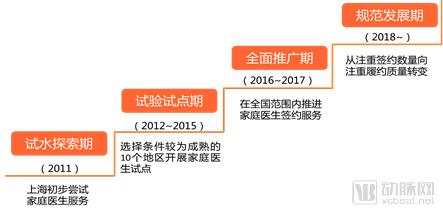
Image source: VCBeat
As can be seen, over the past eight years, family doctor contract services have made steady progress. The management systems and service content of these programs have been progressively refined, better facilitating the implementation of the national tiered diagnosis and treatment policy and tangibly improving residents’ experience with primary care services.
1. The proportion of outpatient and inpatient visits at primary healthcare institutions exceeds 50%
As a vital component of primary healthcare services, family doctors primarily provide residents with convenient access to basic medical care, public health services, health management, as well as health education and counseling. Primary healthcare plays a pivotal role in China’s overall healthcare system, accounting for more than 50% of total clinical visits. In particular, the rising proportion of elderly population and the growing number of patients with chronic diseases have generated strong market demand for family doctor services, thereby accelerating the implementation of family doctor contract-based services.
However, the proportion of outpatient visits at primary healthcare institutions decreased by 6.6 percentage points between 2011 and 2017. This decline is primarily attributed to the insufficient clinical competence of primary healthcare providers, which has led residents to doubt treatment efficacy and prefer seeking care at tertiary hospitals despite long waiting times. Therefore, there is an urgent need for a large workforce of rigorously trained family doctors to deliver high-quality medical services and meet the substantial market demand for primary healthcare.
2. The market demand for family doctor services reaches 170 billion yuan
In 2020, China aimed to achieve full coverage of family doctor contract services. According to the “13th Five-Year Plan for National Family Planning Development,” the country’s total population was projected to reach approximately 1.42 billion by 2020. Based on a subsidy standard of RMB 120 per person per year, the potential market size for basic family doctor services in 2020 was estimated at around RMB 170 billion.
From the perspective of the family doctor service supply market, the construction cost of a smart family doctor workstation in one district (county) ranges from 2 million to 8 million yuan. With China currently having 2,851 county-level administrative divisions, the total market size for supporting equipment is estimated at 6 billion to 23 billion yuan.
Information technology infrastructure is a critical component of the Smart Family Doctor Workstation, encompassing cloud platform architecture design, gateway installation, integration of multi-terminal devices, and localized server deployment. The entire IT infrastructure project primarily revolves around data acquisition, data upload, data storage, data analysis, and data output.
Family doctors can provide online contract signing, medical record inquiries, remote consultations, health management, and online follow-ups. Contracted residents can engage in electronic contracting, online consultations, health education, and online evaluations. Local regulatory authorities can conduct real-time monitoring, dynamic spot checks, and online assessments. Currently, the total number of community health service centers (stations) and township health clinics in China stands at 71,746. These two types of primary healthcare institutions will become the primary focus of informatization development.
Therefore, there is substantial potential market demand for family doctor services in China. To better advance these services, a large number of primary healthcare institutions need to establish smart family doctor workstations, requiring significant participation from family doctors and health IT enterprises to meet residents’ needs.
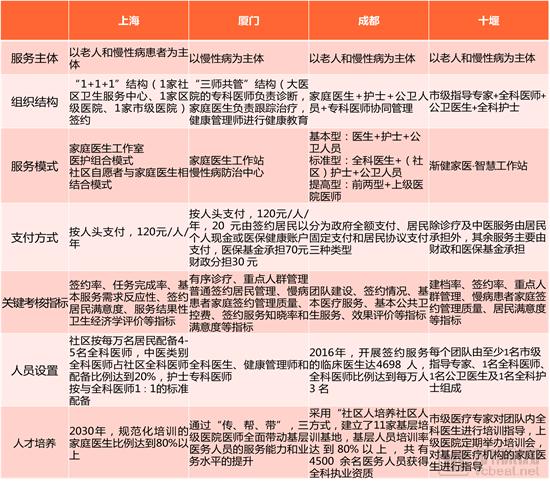
VCBeat · Eggshell Research Institute, based on field surveys and visits, collected and compiled data on family doctor contracting services in Shanghai, Xiamen, Chengdu, and Shiyan, and conducted a comparative analysis from the perspectives of service providers, organizational structure, service models, payment methods, key performance indicators, staffing, and talent development.
Table 1 Main Models of Family Doctor Services in China
Source: Public data, compiled by VCBeat
As the first city in China to pilot family doctor contract services, Shanghai primarily prioritizes meeting the healthcare needs of individuals aged 60 and above and those with chronic diseases. It provides medical services to enrolled residents through a “1+1+1” organizational structure comprising one community health service center, one district-level hospital, and one municipal-level hospital. Furthermore, the family doctor service model is flexible, adopting various approaches such as family doctor studios, physician-nurse team models, and collaborations between community volunteers and family doctors.
To better ensure the effectiveness of family doctor services, regulatory authorities strictly evaluate performance based on metrics such as contract signing rates, task completion rates, responsiveness to basic service needs, satisfaction among contracted residents, and service outcomes. In terms of staffing, there are 4–5 family doctors per 10,000 residents, ensuring that contracted residents can genuinely benefit from the services provided. Furthermore, Shanghai places significant emphasis on the training of family doctor personnel; by 2030, more than 80% of family doctors will have undergone standardized training.
Xiamen has adopted a “three-specialist co-management” model, in which specialists from large hospitals are responsible for diagnosis, family physicians oversee follow-up treatment, and health managers provide health education. Contracted services are delivered through mechanisms such as family physician workstations and chronic disease prevention and control centers. Regarding fees for contracted services, residents pay RMB 20 in cash or from their medical insurance accounts, the medical insurance fund covers RMB 70, and fiscal subsidies contribute RMB 30. In terms of talent development, Xiamen employs a mentorship approach characterized by “passing on knowledge, providing assistance, and offering guidance,” with physicians from tertiary hospitals comprehensively driving improvements in the service capabilities of primary care personnel.
Chengdu has adopted a collaborative management organizational structure comprising “family physicians, nurses, public health personnel, and specialist physicians.” Based on the varying circumstances of contracted residents, it implements contracted services by selecting from basic, standard, or enhanced service models. Regarding service payment, three types are distinguished: full government payment, fixed resident payment, and negotiated resident payment. Full government payment primarily covers public health programs; fixed resident payment mainly applies to citywide recommended service items; and negotiated resident payment is primarily directed toward personalized services for residents.
Shiyan provides services to residents through a team model comprising “one municipal-level supervising expert, one general practitioner, one public health physician, and one general practice nurse.” To enhance the efficiency of family doctor services, Shiyan City has introduced smart family doctor workstations to empower service delivery. By adopting electronic contracts for both signing agreements and establishing health records, work efficiency has increased by 5–10 times. The overall community signing rate has reached 47%, significantly exceeding the policy benchmark of 30%. Furthermore, the coverage rate for health management has achieved 82%, with follow-up rates for key populations surpassing 90%, thereby enhancing the sense of gain among enrolled residents.
We observe that family doctors are confronted with substantial market demand. If traditional medical approaches continue to be employed, the resulting supply–demand imbalance will inevitably place significant pressure on family doctors, thereby constraining the efficiency of contracted services and the quality of medical care. This predicament necessitates the adoption of new technological tools and models to empower family doctors and more effectively address the critical challenges they face.
Evolution: Family Doctors Take on New Meaning
In contrast to the numerous drawbacks of traditional family doctors, smart family doctors have redefined the service model for family physicians.
Smart Family Doctor refers to a new model supported by “Internet+” and artificial intelligence technologies, integrating medical Internet of Things, data fusion transmission and exchange, cloud computing, and metropolitan area network technologies. It merges medical infrastructure with IT infrastructure to enable the assignment of family doctor teams and foster collaborative practice between general practitioners and specialists.
Smart Family Doctor Solutions address the inefficiencies of traditional family doctor services, including low productivity, physician shortages, inconsistent medical quality, and nominal contract signings without actual service delivery, thereby effectively enhancing the service capacity of family doctors and improving operational efficiency across all service stages.
As exemplified by the “Intelligent Family Doctor Optimized Coordination (IFOC)” model explored and established by the Fangzhuang Community Health Service Center in Fengtai District, Beijing, IFOC refers to an integrated health management model that provides contracted residents with comprehensive services—including medical care, rehabilitation, and nursing—through artificial intelligence and internet-based technologies, following the signing of family doctor service agreements between family doctors and residents within their designated catchment areas.
Data collection and upload required for the IFOC model rely on hardware devices introduced by the Smart Family Doctor program, including follow-up kits, all-in-one public health terminals, mobile phones, family doctor tablets, and physical examination vehicles. Through informational data processing, residents’ comprehensive health data are uploaded to the cloud platform of the Family Doctor Integrated Service Management System, and then synchronized with the public health management system.
Compared with traditional family doctors, smart family doctors enable residents to access low-cost, high-quality, sustainable, and personalized medical services through information technology.
With the rapid implementation of smart healthcare technologies, smart family doctor services have become one of the key areas driving the widespread adoption of tiered diagnosis and treatment in China. The entire smart family doctor industry chain is built upon the traditional family doctor industry, forming a “To B + To C” industrial ecosystem.
On the B2B side, the supply end primarily covers small medical devices, household essential medicines, and information technology hardware; the information end currently refers to service providers that integrate various information technologies to offer one-stop solutions for family doctors; and the service end comprises family doctors, primary healthcare institutions, and secondary and tertiary medical institutions that deliver grassroots medical services. On the B2C side, the demand end consists of contracted families/patients who receive final home-based services.
Figure 2. Industry Chain Map of Smart Home Doctor
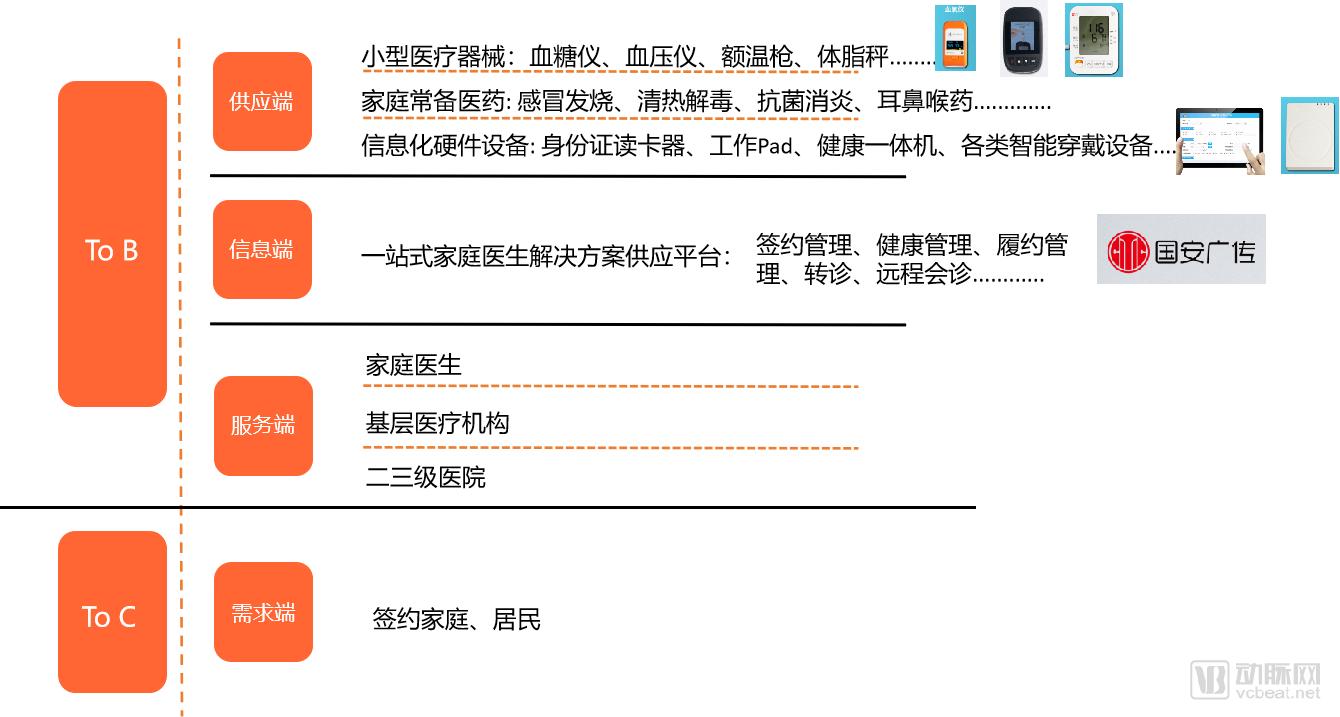
Image source: VCBeat.
The core value of the entire smart family doctor industry chain lies in “intelligence,” which is the ultimate manifestation of “Internet Plus” and artificial intelligence. Among the various stakeholders in the smart family doctor industry chain, the information-side providers offering one-stop family doctor solutions to family doctors play the most critical role. This article focuses on these one-stop solution providers at the information end, providing an in-depth analysis of the smart family doctor industry.
The service workflow of traditional family doctors is as follows: resident enrollment → health assessment and establishment of health records → selection of service packages and formulation of health plans → implementation of health plans → initial consultation for enrolled patients with abnormal physical findings → upward referral for treatment and downward referral for rehabilitation → routine health consultations. The service workflow of smart family doctors has not fundamentally changed, still centering on these seven core processes.
Meanwhile, in terms of service content, the focus remains on providing three core services: basic medical care, public health, and health management. The concept of the "Smart Family Doctor" simply introduces various "information technology" solutions to these existing services, thereby integrating digital technologies with traditional family doctor services.
Figure 3Comparison Between Smart Family Doctors and Traditional Family Doctors
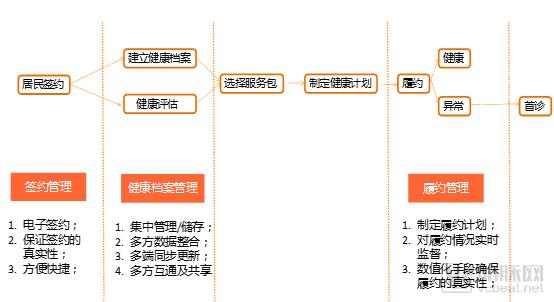
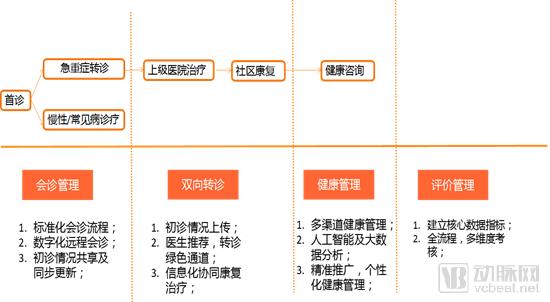
Image source: VCBeat
Compared with traditional family doctors, the core advantage of smart family doctors lies in leveraging various information technologies, such as artificial intelligence and the internet, to drive the continuous evolution of family doctor contracting toward “paperless operations, digitalized information data, and interoperable platform systems.”
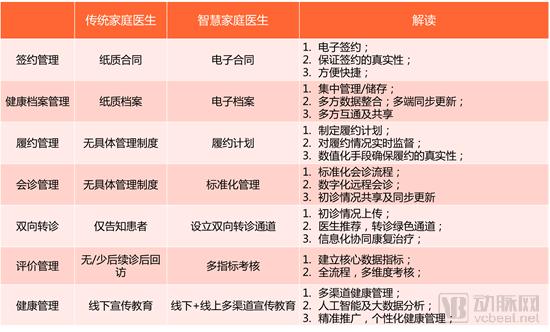
Table 2 Comparison between Smart Family Doctors and Traditional Family Doctors
Data Source: Survey Interviews, Compiled by VCBeat
Compared with traditional family doctor services, smart family doctors demonstrate significant advantages in areas such as patient enrollment, health record establishment, service delivery, and health management. The following section provides a further analysis of how to build and operate smart family doctor services.
Implementation: How to Build and Operate a Smart Family Doctor Workstation
(1) Five Major Pain Points Facing Family Doctor Services
Traditional family doctor services face five major pain points: heavy workload for contract signing and record creation, poor quality of service delivery, low physician motivation, lack of effective supervision and assessment, and data silos.
Heavy Workload for Contract Signing and Record Establishment
After family doctors sign paper-based contracts with residents and complete the relevant health record documentation, they must return to their offices to manually re-enter all the data. Only after all data entry is completed can personal electronic health records (EHRs) be established for the contracted residents. This entire process consumes a significant amount of family doctors’ time, thereby reducing the time available for providing other contracted services. Moreover, the manual data entry process is prone to errors and omissions, which compromises the quality of residents’ electronic health records.
Poor Performance in Contract Fulfillment
Family doctors provide services to enrolled residents. However, due to the inconvenience of transporting medical equipment, residents are required to visit local healthcare institutions to receive care. For instance, during public health check-ups, residents must go to different departments for various tests and then wait a considerable amount of time after completion to obtain their results. They must then present these results to their contracted family doctor for assessment of any potential health issues. This entire process is time-consuming and cumbersome, leading some residents to forgo public health check-up services due to the perceived hassle.
Furthermore, regarding follow-up care, the primary method is telephone-based. This reliance on a single audio-only modality has two main drawbacks: first, it limits the frequency of follow-ups; second, residents are unable to adequately describe their physical conditions, which adversely affects family physicians’ treatment decisions.
Low Physician Motivation
Family doctors primarily deliver primary care services, and their clinical competence directly affects the quality of healthcare. Although relevant policies have established collaborative mechanisms between tertiary hospitals and grassroots medical and health institutions, hospital specialists face heavy workloads and find it difficult to allocate time for on-site guidance and training of family doctors at the grassroots level, thereby constraining the improvement of their clinical skills.
Meanwhile, tasks such as data entry and record organization consume a significant amount of family doctors’ time, thereby reducing the time available for disease treatment. Furthermore, the current performance evaluation mechanism struggles to accurately reflect each family doctor’s actual workload and contract fulfillment effectiveness, resulting in a mismatch between income and effort. These factors collectively contribute to low motivation among family doctors.
Lack of Effective Supervision and Assessment
Family practice managers primarily evaluate family doctor contracted services through upward reporting and aggregation, which prevents dynamic monitoring of the service delivery process and hinders assessment of resident satisfaction. The lack of real-time, effective regulatory data leads to biased evaluation results and frequent occurrences of unfairness.
Data Silos
During the service delivery process, family doctors maintain detailed records of contract signing, health record establishment, disease treatment, health management, and follow-up visits. However, the data recorded in these separate systems cannot be shared in real time, leading to poor information exchange and hindering the effective provision of related services.
Figure 4. Five Major Pain Points Facing Family Doctor Services
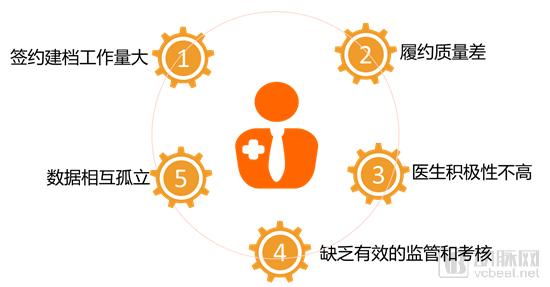
Image source: VCBeat chart
(2) Smart Family Doctors Address Pain Points and Improve Services
The establishment of Smart Family Doctor Workstations effectively addresses the current pain points in family doctor contract services. By leveraging digital technologies to enable paperless contracting, it reduces the administrative burden on family doctors, clarifies the scope of contracted services, promotes scientific performance evaluation, and stimulates professional motivation. Furthermore, it facilitates effective monitoring of service delivery, thereby reducing the incidence of signed-but-unfulfilled contracts.
Alleviate Burdens, Enhance Sense of Gain
In terms of contract signing and record establishment, smart family doctors can achieve paperless contracting and the creation of electronic health records through digital means. There is no need to fill out paper forms; contract signing and record creation are carried out simultaneously, saving time on form completion and reducing the workload of family doctors. Contracted residents can also conveniently and quickly query the contents of the service agreement via their mobile phones, which helps them fulfill their various obligations and pay fees in a timely manner.
In terms of service offerings, multi-channel health data sharing enables a suite of services—including home visits, appointment scheduling, online consultations, health record access, expedited referral pathways, and end-to-end medical care navigation—thereby ensuring contracted residents receive an optimal healthcare experience.
In health management, family doctors leverage Internet of Things (IoT) technology to provide real-time management of the health status of enrolled patients, enabling high-frequency data collection and continuous monitoring to achieve “prompt prevention and immediate treatment.”
Meanwhile, smart family doctors can scientifically formulate health management plans based on big data, with personalized customization across multiple dimensions such as the management cycle, related content, and outcomes. Targeting the individual health status of contracted users, and taking into account factors like seasons, temperature, and disease prevalence, they provide personalized health education and consultations through the digital capabilities of the Family Doctor Comprehensive Service Management System’s cloud platform.
Therefore, smart family doctors outperform traditional family doctors in terms of service methods, content, and quality, making services more intelligent, convenient, and efficient, thereby significantly enhancing residents’ sense of gain.
Scientific Assessment, Resource Sharing
Performance assessments are conducted in accordance with the principle of distribution according to work, so as to motivate family doctors. The fees for family doctor services are primarily borne by three parties: enrolled residents, the medical insurance fund, and basic public health service funding. As one of the main sources of income for family doctor contract services, the remuneration distributed to family doctor teams adheres mainly to the fundamental principle of distribution according to work.
Smart family doctor services leverage information technology to digitize various performance indicators and processes, making the assessment method more convenient and rational. While facilitating the evaluation process, this technological integration ensures the effective implementation of the family doctor performance appraisal system, embodying the fundamental principles of fairness, impartiality, and transparency in compensation distribution.
Meanwhile, the smart family doctor leverages digital technologies to build a communication bridge between tertiary medical institutions and primary care providers, offering technical support and professional guidance to grassroots medical facilities through digital means such as remote diagnosis and tele-mentoring demonstrations.
Furthermore, the cloud-based platform for the Comprehensive Family Doctor Service Management System enables the co-construction and sharing of multi-level healthcare information, gradually achieving integration and connectivity with the National Data Sharing and Exchange Platform. By leveraging the cloud platform to interface with the basic resource information database, it will significantly enhance the service capacity and work efficiency of primary care family doctors, substantially alleviating the current shortage of family doctors at the grassroots level.
Strengthen Regulation, Focus on Outcomes
Smart family doctor services can leverage digital tools to facilitate data collection and sharing, significantly enhancing the efficiency of data acquisition for government regulatory authorities. This enables regulators to promptly obtain information on the number and composition of enrolled individuals, service quality, health management outcomes, and the proportion of enrolled residents seeking primary care at grassroots facilities, thereby supporting health administrative departments at all levels in advancing the assessment and evaluation of family doctor services.
Moreover, the smart family doctor platform establishes a rapid communication channel among government regulatory authorities, contracted users, and physicians via a cloud-based platform, facilitating the handling of complaints and suggestions related to family doctor services. This enables timely detection and resolution of any non-compliance with national laws, regulations, and policy requirements.
Figure 5 Smart Family Doctor Workstation Addresses Pain Points and Improves Services
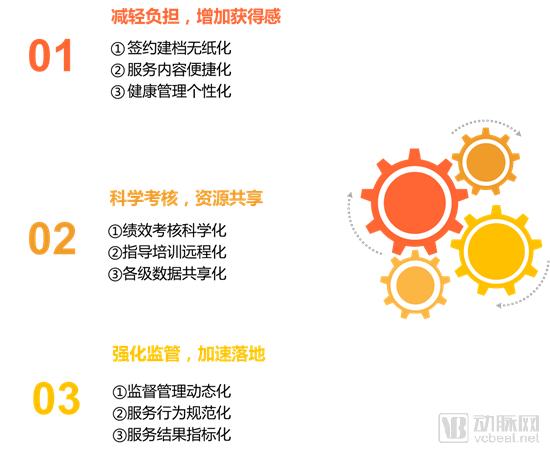
Image source: VCBeat.
The construction of the Smart Family Doctor Workstation mainly goes through five stages: site selection, agreement signing, platform development, equipment debugging, and scenario application.
Figure 6. Construction Process of the Smart Family Doctor Workstation

Image source: VCBeat Research Institute
(1) Site Selection and Evaluation
Deploying smart family doctor workstations in primary healthcare institutions requires alignment with local family doctor service conditions, including the number of covered residents, distribution of key populations, the number of family doctor service teams, and the staffing structure of family doctors. It is also essential to consider the level of acceptance by local governments and healthcare institutions. The deployment of smart family doctor workstations can only be promoted under the premises that the number of residents enrolled in contracted services reaches a certain scale, the government is willing to procure related services, and healthcare institutions cooperate in their use.
(2) Signing of Agreement
After selecting the deployment sites for the Smart Family Doctor program, the process moves to the agreement-signing stage. The agreement outlines the rights and responsibilities of all parties involved, including the government, medical institutions, and enterprises, and also specifies the delivery methods, timelines, and scope of the entire project. In particular, the government places emphasis not only on project construction but also, more importantly, on post-delivery management and operations. The aim is to tangibly improve the quality of family doctor contract services through the establishment of Smart Family Doctor workstations, thereby providing residents with a better healthcare experience.
(3) Platform Construction
Platform construction primarily consists of hardware configuration and software deployment. Hardware configuration includes providing family doctor teams with dedicated tablets for family physician services and follow-up kits, as well as equipping primary healthcare institutions with mobile health examination vehicles. The software component mainly involves server deployment; enterprises are generally required to deploy servers at the information centers of local health authorities to facilitate regulatory oversight.
In addition, it is necessary to integrate various device terminals, including tablets for family doctor services, mobile devices, follow-up kits, all-in-one public health machines, and servers, to achieve data interoperability. According to interviews with relevant experts, if the project involves only platform construction without localized server deployment or system integration, the entire implementation cycle typically takes about one month.
However, field surveys indicate that 80% of the deployment regions require localized server deployment and multi-platform interoperability, thereby extending the overall project construction timeline. In terms of project construction costs, calculated based on regional population and the total number of family doctor teams, the total investment for a smart family doctor workstation in a district or county ranges from RMB 2 million to RMB 8 million.
(4) Test Commissioning
Following the completion of server deployment and integration with various platforms, it is necessary to conduct trial runs and debugging of the entire Smart Family Doctor Workstation. This process involves verifying the proper functionality of related equipment, ensuring the stable operation of the platform, and confirming seamless data interoperability among all terminals.
(5) Scenario Applications
Scenario-based applications serve as a critical phase for evaluating project outcomes, encompassing various stages such as contract signing and record establishment, medical services, health examinations, health interventions, resident follow-ups, and service performance assessments. By comparing key metrics—including efficiency in record creation, compliance rates for priority populations, follow-up rates, and resident satisfaction—it is essential to verify whether the Smart Family Doctor Workstation has alleviated physicians’ workload and enhanced the efficiency of contracted family doctor services, thereby truly demonstrating the platform’s value.
The Smart Family Doctor Workstation is dedicated to supporting the entire family doctor contract service process through a comprehensive contract management system. Centered on the Smart Family Doctor Workstation, it leverages intelligent devices such as tablets, follow-up kits, mobile examination vehicles, and integrated public health terminals to deliver various family doctor services. By connecting major terminal devices, healthcare institution information systems, and government health information platforms, it achieves interoperability across multiple platforms and systems, ultimately providing a one-stop solution for family doctor services.
Figure 7. One-Stop Smart Family Doctor Solution
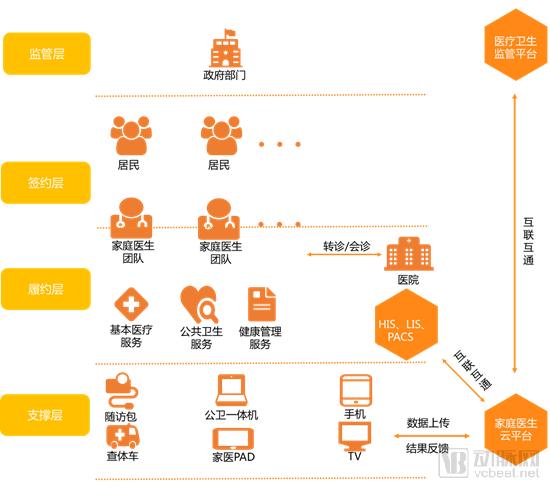
Image source: VCBeat.
# The Components of the One-Stop Smart Family Doctor SolutionThe components of the one-stop smart family doctor solution primarily include the regulatory layer, the contracting layer, the service delivery layer, and the support layer. After superior regulatory authorities sign a cooperation agreement with the supplier of the one-stop smart family doctor solution, they establish smart family doctor workstations. Family doctor services are then delivered through primary healthcare institutions, such as community health service centers (or stations), within the jurisdiction of the regulatory authorities, where contracts are signed with residents in the respective areas.
Throughout the smart family doctor service, various types of health big data are generated and uploaded to the Family Doctor Cloud Platform via data streams. Simultaneously, real-time synchronization is employed to achieve interoperability with the local healthcare regulatory platform, enabling regulatory authorities to oversee all family doctor contracted services through the platform.
(1) Regulatory Authorities
Superior regulatory authorities supervise and evaluate primary healthcare institutions, such as community health service centers (and stations), within their jurisdictions through the Healthcare Supervision Platform. They conduct dynamic monitoring of contract fulfillment services provided by family doctors, review entities with anomalous data displays, and promptly correct any identified issues. Meanwhile, they assess the family doctor contract signing services offered by primary healthcare institutions, focusing primarily on indicators such as contract fulfillment rate, progress of service delivery, adherence to service standards, follow-up visit rate, and health examination coverage rate.
The Smart Family Doctor Solution is formulated in accordance with the regulations of the local Health Commission, adopting a tiered account structure wherein privileges vary by level, with higher-tier accounts granted greater access. It replaces traditional family doctor performance evaluation methods with approaches such as contracted service statistics, follow-up management, statistical analysis, and a point-based system.
(2) Contracted Tier
Residents can complete electronic contract signing and profile creation with their family doctors via mobile apps, TV OTT services, and other platforms. Once residents enter the relevant information, it is uploaded in real time to the healthcare database for backup and archiving. By logging into their accounts, residents can query and modify their contract information at any time. Family doctors can access the backend system to view the number of contracted residents, their health records, and other related information, thereby gaining a comprehensive understanding of the basic status of their contracted patients.
(3) Performance Layer
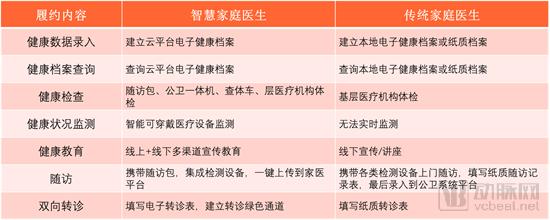
The fulfillment layer of the Smart Family Doctor System involves family doctor teams providing basic and value-added service packages to enrolled residents in accordance with the contracted services. Traditional family doctor fulfillment relies on establishing local electronic health records or paper-based files to document the health status of enrolled residents. Meanwhile, annual physical examinations, service records, and follow-up visits are documented through paper-based records, capturing every aspect of the family doctor services provided.
Smart family doctor services completely eliminate the drawbacks of paper-based processes. By leveraging interfaces such as physician-facing mobile apps and work tablets, they enable integrated data operations, meeting the needs for efficiency, precision, and portability in fulfilling family doctor contracts. This facilitates timely and efficient communication between doctors and patients, empowering family doctors to deliver comprehensive, full-cycle basic medical care, public health, and health management services to enrolled residents, thereby ensuring that contractual obligations are implemented thoroughly and meticulously.
Furthermore, residents can access a diverse range of health management services via television, mobile devices, and all-in-one terminals. These services encompass monitoring, education, intervention, and self-management, thereby comprehensively enhancing residents’ sense of benefit from the family doctor contract service policy.
Table 3 Comparison of Service Delivery Content Between Smart Family Doctors and Traditional Family Doctors
Data source: Survey interviews, compiled by VCBeat.
(4) Support Layer
As the core of the entire Smart Family Doctor Workstation, the support layer provides hardware and software support for the services of the regulatory layer, contract signing layer, and service delivery layer. Hardware devices include follow-up kits, all-in-one public health terminals, mobile phones, family doctor tablets, and physical examination vehicles. The software system is embedded in the hardware devices, with main functions including the collection, upload, storage, analysis, and feedback of health data.
The follow-up kit is equipped with portable medical devices such as a work tablet, ID card reader, blood pressure monitor, glucometer, pulse oximeter, forehead thermometer, and body fat scale. It enables functions including electronic contract signing, routine examinations, and diagnosis of common diseases. Meanwhile, it can synchronize and upload relevant data to the Family Doctor Cloud Platform. The platform leverages artificial intelligence computing to provide analytical feedback, offering reference support for family doctors’ clinical decision-making.
Public health all-in-one kiosks provide services such as rapid ECG monitoring, blood glucose and blood pressure monitoring, and constitution identification. Residents can use these kiosks to access their health records and self-assess their health status. All public health all-in-one kiosks are connected to a data management platform to enable data sharing.
The mobile app offers features such as e-signing, free consultations, health record inquiries, and health education. Signed-up residents can sign contracts online, consult doctors online, rate services online, and engage in online learning. Family doctors can also conduct online follow-ups and health monitoring.
The Family Doctor Pad serves as a mobile office for family doctors, offering portability and comprehensive functionality. Through the Pad, family doctors can perform tasks such as contract management, service fulfillment management, consultation management, and health management.
The mobile examination cart is equipped with standard medical devices, such as ultrasound machines, blood biochemistry analyzers, complete blood count (CBC) analyzers, urinalysis systems, and electrocardiogram (ECG) monitors. Its primary application scenarios include household contract-based services, public health examination services, specialized screening programs (e.g., for breast and cervical cancers, HIV, and tumors), remote medical diagnosis, and health management.
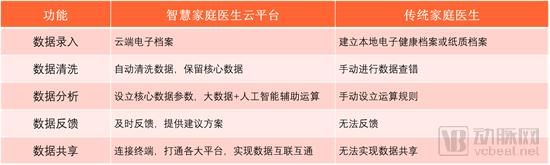
The Family Doctor Cloud Platform comprises an Appointment Center, Data Center, Performance Center, and Consultation Center. It fulfills the seven core functions required in the smart family doctor ecosystem: contract management, health record management, service fulfillment management, consultation, two-way referral, evaluation management, and health management. The platform can receive in real time data uploaded from other terminals—including signed agreements, health records, physical examination results, consultation data, and health management data—perform analytical computations, and promptly feed back the relevant results to the terminals.
Meanwhile, the Family Doctor Cloud Platform achieves interconnectivity with hospital information systems and health regulatory platforms. This enables hospitals to access referred patients’ health records and basic medical service information in real time, thereby facilitating more effective treatment. Additionally, health authorities can retrieve data on family doctor services provided by primary care institutions at any time, streamlining supervision and performance evaluation.
Table 4 Service Functions of the Support Layer for Smart Family Doctors
Data source: Survey interviews, compiled by VCBeat.
Below, we will provide a detailed analysis of how smart family doctors empower primary healthcare services, drawing on implementation cases from Shiyan, Hubei Province, and Hechi, Guangxi Zhuang Autonomous Region.
Case Study: Creating a Standard Template for Hui Family Doctor Services
Family doctor contract services are implemented against the backdrop of further advancing tiered diagnosis and treatment. Starting in 2016, these services have been gradually rolled out across 200 pilot cities for comprehensive public hospital reform nationwide. Breakthroughs are prioritized in areas such as service delivery models, content, payment and charging mechanisms, performance evaluation, and incentive structures. Priority coverage is given to elderly individuals, pregnant and postpartum women, children, persons with disabilities, as well as patients with chronic diseases such as hypertension and diabetes, and those with severe mental disorders.
In accordance with the government’s plan for family doctor contract services, the coverage rate of contracted services exceeded 30% in 2017, with the coverage rate for key priority populations exceeding 60%. By 2020, contracted services were expanded to the entire population, basically achieving full coverage of the family doctor contract service system.
In the implementation of traditional family doctor contracting services, traditional family doctors face numerous challenges, including low service efficiency, a shortage of family doctors, poor patient satisfaction, and difficulties in standardized management, which have placed immense pressure on the promotion of traditional family doctor services.
In the process of rapid informatization development, the smart family doctor optimization model based on "Internet + Family Doctor" can fully utilize information technology to address many pain points that traditional family doctors cannot solve, and explore a one-stop solution for smart family doctors based on national basic public health services and family doctor services.
Starting in the second half of 2017, Shiyan City fully launched its family doctor contract services, with the goal of ensuring that all 3.5 million residents in the city would have their own family doctors. Shiyan released the “Work Plan for Family Doctor Contract Service Activities in Shiyan Urban Areas in 2017.” According to the plan, the city aims to achieve an overall family doctor contract service coverage rate of over 30% and a coverage rate of over 60% among key populations within the next three months. By establishing general practitioners as the mainstay, service teams as the foundation, community health service centers (township health centers) as the platform, collaboration among medical and health institutions as support, and coordination between departments and communities as assurance, comprehensive health management services will be provided within the jurisdiction based on resident needs.
While vigorously promoting the family doctor contract service, Shiyan City introduced the Jianjian Family Doctor Smart One-Stop Solution in 2018. It pioneered smart family doctor contracting pilots in Maojian District and Zhuxi County of Shiyan City. After a 31-day pilot program, on November 3, 2018, the relevant regulatory authorities successfully completed the acceptance inspection of the Shiyan Smart Family Doctor Project.
(1) Service Overview
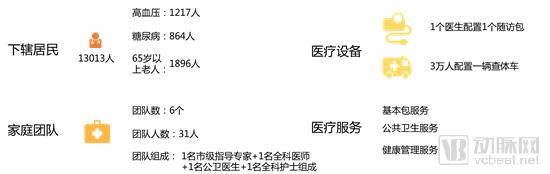
The Shiyan pilot community covered 13,013 registered residents, including 1,217 patients with hypertension, 864 patients with diabetes, and 1,896 elderly individuals aged 65 and above. Field surveys revealed a total of six smart family doctor teams in the Shiyan pilot area, comprising 31 team members in total. Each team consisted of at least one municipal-level supervising expert, one general practitioner, one public health physician, and one general practice nurse.
(2) Service Features
For the configuration of smart family doctor equipment, a model is adopted in which each team is equipped with at least one follow-up kit, and one medical examination vehicle is allocated per 30,000 officially registered service recipients. The prices of the follow-up kits and medical examination vehicles are determined based on local configuration requirements.
Figure 8 Overview of Smart Family Doctor Services in Shiyan Pilot Communities
Data Source: Survey Interviews, Chart by VCBeat
Figure 9On-Site Situation of the Smart Family Doctor Service Pilot in Shiyan Communities
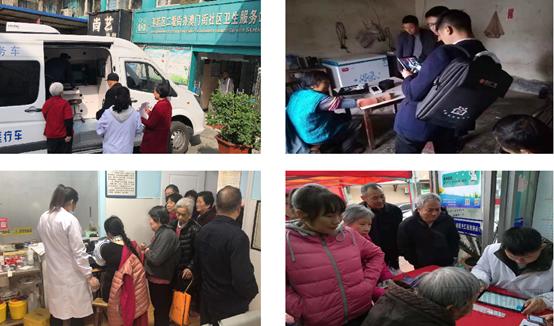
Image source: On-site survey photography
In terms of family physician contract services, Shiyan has adopted a categorized approach, refining service offerings into three categories: basic service packages, public health services, and health management.
The Basic Service Package primarily provides diagnostic and treatment services, traditional Chinese medicine (TCM) services, specialist appointments, and referral services. The Public Health Service Program includes establishing health records for the entire population and disease management for key populations and patients with specific conditions. The Health Management Service Program encompasses various initiatives, including routine health consultations, surveys, assessments, intervention guidance, and health education.
From a fee perspective, apart from offering contracted residents discounts of over 20% on diagnosis, treatment, and traditional Chinese medicine services, Shiyan’s family doctor contracting service items are basically provided free of charge.
Table 5 Smart Family Doctor Service Project in Shiyan Pilot Communities
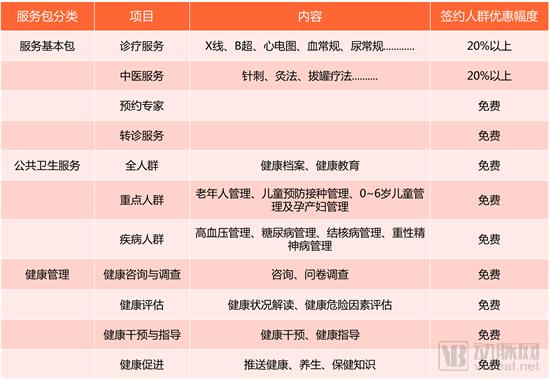
Data Source: Survey Interviews, Compiled by VCBeat
(3) Comprehensive Evaluation
VCBeat Research Institute evaluated the Shiyan Smart Family Doctor Project based on partial data. Prior to the implementation of the Smart Family Doctor solution, pilot communities maintained paper-based health records for family doctors, covering 8,764 individuals. The process of signing contracts and creating records relied on paper agreements, averaging 30 minutes per person. Physical examinations required residents to visit medical institutions in person. Furthermore, physical examination reports necessitated waiting for test results, manual compilation of the reports, and subsequent manual uploading, resulting in indeterminate processing times.
High Work Efficiency
Following the introduction of smart family doctor workstations, pilot communities transitioned to electronic health records for family doctors, covering 11,347 individuals—a 29.5% increase. The combination of contract signing and record creation was conducted via electronic contracts, averaging 3–5 minutes per person, which improved work efficiency by 5–10 times. Physical examinations were carried out using mobile examination vehicles, with an average time of 8 minutes per person. All examination results were automatically synchronized and aggregated by the system, allowing upload to the public health system on the same afternoon.
Table 6 Effectiveness of Smart Family Doctor Services in Shiyan Pilot Communities
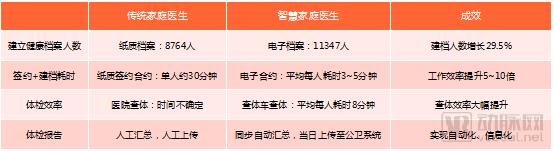
Data Source: Survey Interviews, Compiled by VCBeat.
The signing rate for key populations reached 66.1%.
In addition, following the introduction of the Smart Family Doctor program, the number of contracted key populations in the Shiyan pilot area has increased significantly. To date, a total of 2,629 individuals from key populations have been enrolled in the contract-based services, including 841 patients with hypertension, 432 patients with diabetes, and 1,356 elderly individuals aged 65 years or older. The contract coverage rate for key populations has reached 66.1%.
Figure 10. Status of Smart Family Doctor Contracting in Shiyan Pilot Communities
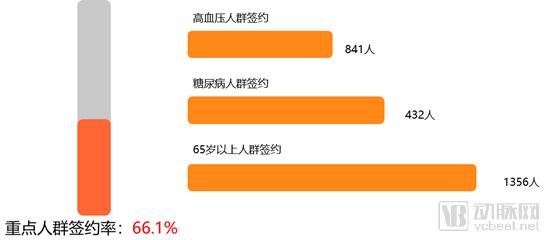
Data source: Survey interviews; Chart by VCBeat
Resident satisfaction rate reaches as high as 98%
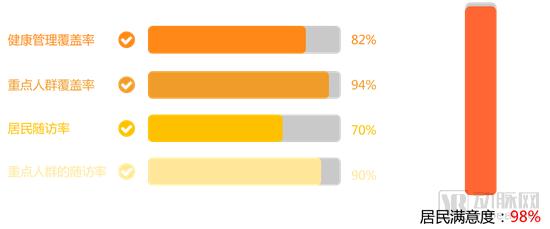
The coverage rate of health management reached 82%, while the coverage rate for key populations reached 94%. Meanwhile, from the perspective of service delivery, the follow-up rate for residents reached 70%, and the follow-up rate for key populations reached 90%. Overall, during the pilot period of the Smart Family Doctor program, both contract enrollment and service delivery saw significant improvements, with resident satisfaction reaching 98%.
Figure 11 Effectiveness of Smart Family Doctor Services in Shiyan Pilot Communities
Data source: Survey interviews; chart by VCBeat.
Currently, the pilot program for family doctors in the Shiyan region has been completed, and efforts are now focused on expanding the integration of smart family doctor services. In the future, all 14 community health service centers and their 82 subordinate community health service stations in the Shiyan region will be key targets for the deployment of smart family doctor systems.
(1) Service Overview
To implement the spirit of the National Health Commission and the National Administration of Traditional Chinese Medicine’s “Guiding Opinions on Standardizing the Management of Family Doctor Contracted Services” (Guo Wei Ji Ceng Fa [2018] No. 35), the Guangxi Zhuang Autonomous Regional Health Commission’s “Notice on Issuing the Work Plan for Family Doctor Contracted Services for Chronic Diseases among the Registered Poor Population in the Region” (Gui Wei Ban Fa [2018] No. 72), and the “Key Points for Primary Healthcare Work in the Region in 2019,” and in light of the actual conditions in Yizhou District, Hechi City, this measure aims to further standardize family doctor contracted services.
Hechi has been working to transform the primary healthcare service model by implementing contracted services through family doctor teams, establishing stable contractual relationships with residents, and providing comprehensive, continuous, and whole-process health management services. This effort is gradually fostering a new pattern of medical care characterized by initial consultation at the primary level, two-way referrals, differentiated treatment for acute and chronic conditions, and coordinated care between upper- and lower-tier medical institutions.
The promotion of the family doctor signing service in Hechi is divided into three phases: the initiation phase, the full implementation phase, and the summary and improvement phase. By the end of April 2019, Hechi had completed the deployment for the initiation phase.
Figure 12 Progress of Family Doctor Contract Services in Hechi
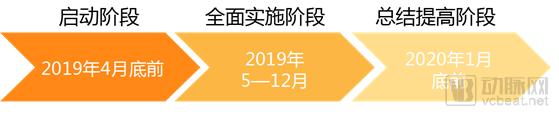
Image source: Survey interviews; graphic by VCBeat.
During the initial phase, Hechi City concurrently advanced pilot programs for smart family doctors. In the pilot areas, Hechi City implemented the construction and application of "Jianjian Family Doctor · Smart Family Doctor Workstations," strengthened information technology support from secondary-and-above medical institutions to primary healthcare facilities, and promoted information integration among medical institutions of different levels and categories within medical consortia. This approach gradually achieved shared construction and access to health data for enrolled residents within the medical consortia. By fully leveraging the smart family doctor workstations, the city managed, assessed, and evaluated key performance indicators such as the volume of contracted services, service fulfillment rates, and resident satisfaction, thereby enhancing the managerial efficiency of contracted service delivery.
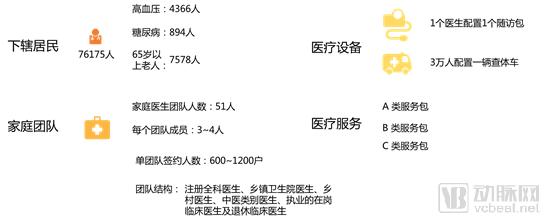
The Hechi Smart Family Doctor Project was piloted in two subordinate regions, covering a total of 76,175 registered individuals. Among the key populations, there were 4,366 patients with hypertension, 894 patients with diabetes, and 7,578 elderly individuals aged 65 and above.
Figure 13. On-site view of the smart family doctor health education services in the Hechi pilot area
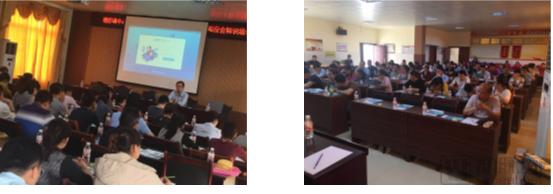
Image source: On-site survey photography
(2) Service Features
Introducing Jianjian Family Doctor · Smart Workstation
Based on service radius and population, contracted service responsibility areas should be reasonably delineated. Each family doctor team shall consist of registered general practitioners, physicians from township health centers, village doctors, traditional Chinese medicine (TCM) physicians, practicing on-duty clinicians, and retired clinicians. Each family doctor team shall comprise 3–4 members, with at least one village doctor included among the team members. The number of households under contract with each family doctor team shall be controlled within the range of 600–1,200.
Figure 14. Characteristics of Smart Family Doctor Services in the Hechi Pilot Area
Data source: Research interviews, chart by VCBeat.
For the configuration of smart family doctor equipment, a model is adopted in which each team is equipped with at least one follow-up kit, and one mobile examination vehicle is allocated per 30,000 registered service recipients. The prices of the follow-up kits and mobile examination vehicles are determined based on local configuration requirements.
Figure 15 Schematic Diagram of the Smart Family Doctor Workstation and In-Hospital Physical Examination in the Hechi Pilot Area
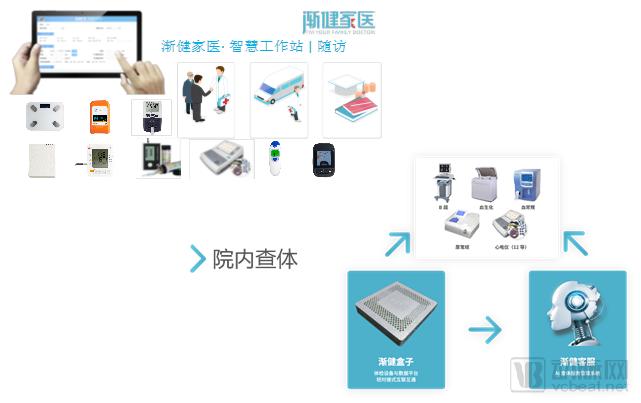
Image source: Guoan Guangchuan
Unlike smart family doctor contracting pilots in other regions, the Hechi Smart Family Doctor Project not only introduces “Internet+” but also places greater emphasis on leveraging smart family doctor workstations to facilitate the integration of public health systems and the implementation of AI clinical decision support systems.
Integrated Public Health System
Public Health System Integration can be structurally categorized into three aspects. Departmental integration emphasizes the consolidation of funding, personnel, and regulatory oversight among various health-related departments. Institutional integration primarily focuses on the horizontal and vertical integration of medical institutions across different categories and tiers. Service integration encompasses the consolidation of related service categories and functions; specifically, service category integration refers to the integration of primary healthcare, general practice, specialized care, rehabilitation, and nursing services, while functional integration targets the consolidation of information regarding personnel, payment, health information systems, big health data, and diagnostic results.
Focusing on the three aspects of departments, institutions, and services, the Hechi region has innovatively introduced the Jianjian Box and Jianjian Customer Service functions into its Smart Family Doctor Workstation project. By integrating existing medical equipment and systems across four dimensions, the project enables automated generation, entry, aggregation, uploading, and networked transmission of laboratory test results, as well as file printing and collection of fingerprint and ID card data, thereby maximizing savings in procurement and construction costs.
Figure 16. Integrated Public Health System in the Hechi Pilot Area
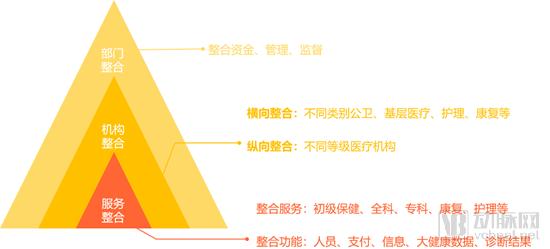
Image source: VCBeat.
Deep Integration of Public Health Examinations with Family Doctor Services. The Jianjian Family Doctor Project has achieved notable results by integrating the management of public health examinations with family doctor contract services. This deep integration combines health data collection with national basic public health examination programs and family doctor contracting. All examination results are entered into the public health system, achieving 100% multi-platform sharing of these results.
Optimization of Public Health Examination Processes. Traditional public health examinations involve multiple steps, including notification, examination, and collection of examination reports. The Jianjian Family Doctor Project leverages information technology to efficiently manage the pre-examination, intra-examination, and post-examination phases, comprehensively optimizing and streamlining the traditional public health examination process. By implementing measures such as advance notifications, coordinated scheduling, and centralized report retrieval, the project has significantly improved the efficiency of public health examinations and greatly reduced time costs.
Achieving Informatization of Public Health Examinations. In addition to applying “smart” enhancements to the traditional family doctor model, the Jianjian Family Doctor Project leverages smart family doctor hardware and software solutions to automate and digitalize the conventional public health examination system. By replacing outdated manual data entry methods with an integrated hardware-software approach, the project enables real-time informatization upgrades for public health examination data and workflows. This ensures permanent archival of medical records, thereby significantly facilitating residents’ access to medical care and improving grassroots public health management.
Integrate Existing Equipment. The Jianjian Family Doctor Project leverages the integration of existing medical equipment in hospitals as one of the entry points for combining smart family doctor services with public health systems. The core of smart family doctor services lies in "informatization," which imposes high requirements on both hardware and software. In previous solutions, implementing regions had to introduce compatible informatization hardware and software, inevitably increasing the cost of smart family doctor solutions and reducing their feasibility for implementation.
By connecting examination devices via the “Jianjian Box (Gateway),” medical data such as ultrasound, electrocardiogram (ECG), and routine urine test results can be collected in real time and uploaded to the public health system database during resident health check-ups. This effectively resolves the pain point of data incompatibility between devices and platforms, enabling family doctor teams to collect and transmit data more conveniently and efficiently. Moreover, this solution allows existing equipment to meet the informatization requirements of smart family doctor systems and public health examinations without the need for additional hardware.
Application of AI Clinical Decision Support Systems
The AI Clinical Decision Support System represents another innovation in the smart family doctor pilot program in Hechi. By leveraging artificial intelligence, this system transforms the traditional family doctor model. Through multiple AI functionalities, it enhances physicians’ diagnostic and treatment capabilities and efficiency, standardizes clinical workflows, and minimizes diagnostic and therapeutic risks to the greatest extent possible:
Covers over 2,000 diseases and the full spectrum of general practice diagnosis and treatment processes; serves primary care providers, general practitioners, and young physicians;
Introduce knowledge bases and clinical pathways, integrating the latest domestic guidelines and literature to build an authoritative and leading knowledge base;
Real-time alerts for suspected diseases and acute critical conditions. Reminders for rare diseases and cross-disciplinary conditions, intelligent diagnostic assistance, and improved diagnostic capabilities;
Facilitates the establishment of standardized and regulated clinical diagnosis and treatment protocols, thereby reducing medical risks;
Plug-in integration with the Electronic Medical Record (EMR) system, seamlessly embedded into physicians' clinical workflows, with intelligent auto-population to alleviate documentation burden.
Commonly used clinical functions, including assisted diagnosis, medication review, chronic disease management, and disease knowledge bases.
Figure 17 AI Clinical Decision Support System in the Hechi Pilot Area
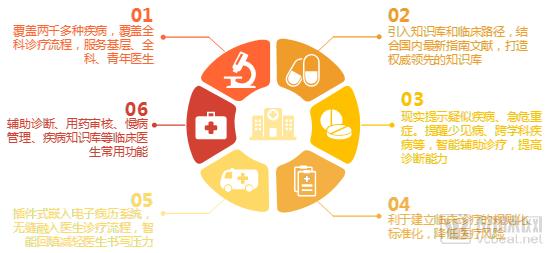
Image source: VCBeat Research Institute
(3) Comprehensive Evaluation
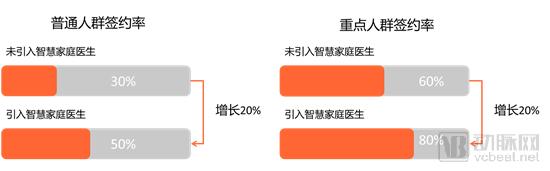
Following the introduction of the Smart Family Doctor pilot project in Hechi in 2019, initial successes in family doctor contract enrollment were achieved within a short period. Prior to the implementation of the Smart Family Doctor system, the contract signing rate was 30% for the general population and 60% for key populations. The process relied on paper-based contracts and manual data entry, resulting in poor service fulfillment and a significant discrepancy between signed contracts and actual services delivered. After the introduction of the Smart Family Doctor system, the contract signing rate increased to 50% for the general population and exceeded 80% for key populations. Furthermore, the adoption of digital processing methods ensured the authenticity and validity of all records and data.
Figure 18. Smart Family Doctor Contracting Status in the Hechi Pilot Area
Data source: Research interviews; chart by VCBeat.
Data shows that the introduction of smart family doctor services has led to a significant increase in resident enrollment rates, with both the general population and key priority groups seeing a 20% rise in sign-up rates. In the future, once the smart family doctor project is fully implemented, it will enable smart family doctor enrollment services across all local people’s hospitals, traditional Chinese medicine hospitals, and township health centers.
The above constitutes part of the report. The report also provides a detailed discussion of practical case studies in Xiantao, Hubei Province, and Xuancheng, Anhui Province, and analyzes the investment and financing landscape of smart family doctor enterprises along with future development trends. The structure of the entire report is as follows:
I. Insight: The Development of Family Doctors Enters a New Phase
1.1 Development History of Family Doctors
1.2 Market Demand for Family Doctor Services
1.3 Main Models of Family Doctor Services
II. Evolution: Family Doctors Take on New Meaning
2.1 Family Doctors Are Being Redefined
2.2 Analysis of the Smart Home Doctor Industry Chain
2.3 Comparison between Smart Family Doctors and Traditional Family Doctors
III. Implementation: How to Build and Operate Smart Family Doctor Workstations
3.1 Smart Family Doctor Workstation Addresses Five Major Pain Points in Family Doctor Services
3.2 Construction Process of the Smart Family Doctor Workstation
3.3 Operational Model of the Smart Family Doctor Workstation
IV. Empowerment: Smart Family Doctors Empowering Health Management
4.1 Urgent Need to Meet Market Demand for Health Management
4.2 Four Major Pain Points Plaguing Health Management
4.3 Smart Family Doctor Health Management Solution
V. Case Study: Establishing a Standard Model for Smart Family Doctor Services
5.1 Shiyan, Hubei: Refining Service Categories to Enhance Service Quality
5.2 Xiantao, Hubei: Five-Screen Integration to Create a New Model of Interconnectivity
5.3 Hechi, Guangxi: Introducing AI Technology to Innovate Service Models
5.4 Xuancheng, Anhui: “1+1+2” Model Enhances Service Capacity
VI. Capital: Increase Attention to Smart Family Doctor Enterprises
6.1 30 Companies Have Cumulatively Secured RMB 996 Million in Financing
6.2 Early-stage financing rounds; the industry is in its growth phase
6.3 IT Solution Service Providers Will Become a Key Investment Focus in the Future
VII. The Future: Development Trends of Smart Family Doctors
7.1 Expansion from Basic Services to Personalized Services
7.2 The Volume of General Outpatient Visits at Tertiary Hospitals Will Become an Incremental Market for Smart Family Doctor Services
7.3 Private Clinics (Outpatient Departments) Will Fill the Gap in Smart Family Doctor Service Supply
Scan the QR code of the mini-program below to get the full version of "Report on Smart Family Doctor Services Driven by Digitalization" for free. AndMoreover, by joining the VCBeat membership platform, you will enjoy unrestricted access to comprehensive industry trend reports over the next year, stay abreast of the latest global investment and financing developments, leverage a comprehensive database of healthcare enterprises, and gain access to extensive resource-matching opportunities.