

2019 Primary Care Innovation Summit: Who's 'Swimming Naked' and Who's 'Deep Diving'?
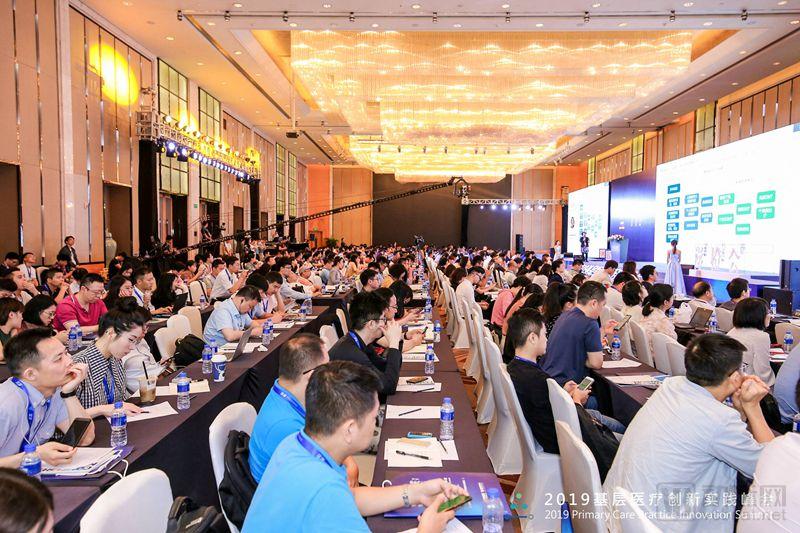
From May 14 to 15, the 2019 Primary Healthcare Summit, themed “Deep Dive,” was held as scheduled at the Hilton Guangzhou Wanfu Hotel. The conference was organized by VCBeat and Eggshell Research Institute, under the guidance of the Guangdong Hospital Association. Co-organizers included Legend Capital, BV Baidu Ventures, Probe Capital, Yifu Tianxia, and Kangshang Medical Group. The event received support from organizations such as the Guangzhou Youth Entrepreneurship Federation, the Guangdong Primary Health Care Association, the Guangdong Family Doctor Association, and the Socially-Run Healthcare Branch of the Guangdong Health Economics Society.
The conference partners include Comper, iFlytek Healthcare, Shenzhen Du'anquan Health, Jianjian Family Doctor, Jiayou Health, Legend Star, Miao Health, SoftBank China Capital, Chengdu Siduoke Medical, WeDoctor, Xinyi International, Yizhan Medical, and Hangzhou Zhuojian.
At the conference, dozens of experts—including Zhou Gongwei, Deputy Director of the Information Center of the National Health and Family Planning Commission; Liao Xinbo, former Deputy Director of the Guangdong Provincial Department of Health; Ning Wei, Chair of the Insurance Department (and Secretary-General of the Insurance Research Center) at Beijing Technology and Business University; and Huang Yixiang, Vice President of the Performance Management and Evaluation Branch of the Guangdong Health Economics Association—analyzed the factors, challenges, and solutions affecting the development of primary healthcare. Their discussions covered various aspects such as policy interpretation, enhancement of primary care physicians’ skills, and building patient trust, examining issues from the perspectives of policy, hospitals, physicians, and technology.
As an increasing influx of policies, capital, new technologies, and new products enters the market, popular sectors such as internet hospitals, third-party medical laboratories, artificial intelligence, novel clinics, hospital innovation, pharmaceutical distribution, and the maternal and infant industry are also increasingly penetrating the grassroots level.
Government policies and strategic directions profoundly influence the development of the entire primary healthcare sector. VCBeat has found that digitalization of primary healthcare is one of the core initiatives driven by the government.
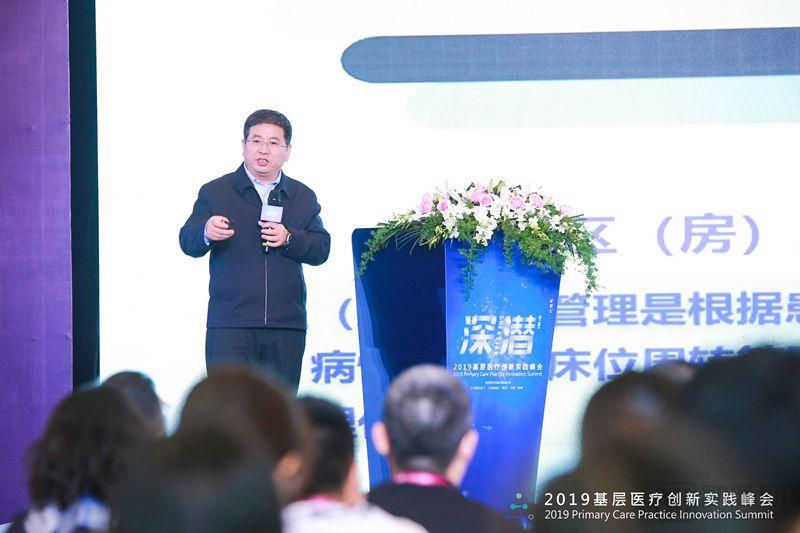
Zhou Gongwei, Deputy Director of the Statistical Information Center, National Health Commission
Driven by the new healthcare reforms and after several years of effort, China has achieved certain breakthroughs and progress in health and medical big data. Building upon the “1+5+x” framework—where “1” refers to the establishment of one national center, “5” refers to the construction of five regional centers, and “x” denotes the development of multiple national application centers—and expanding on the pilot programs launched in Fujian, Jiangsu, Shandong, Anhui, and Guizhou, the Ningxia Zhongwei (National) Big Data Center has been added.
Zhou Gongwei, Deputy Director of the Statistical Information Center of the National Health Commission, stated that the development of hospital informatization is also a process of promoting the accumulation and consolidation of big data. By leveraging the hospital information integration platform, external data—such as health examination data, behavioral data, biobank data, wearable device data, and public data—as well as internal data—including clinical data, diagnostic records, physician order records, surgical records, medication records, imaging reports, laboratory test reports, and electrocardiogram (ECG) reports—can be aggregated to establish a hospital big data center.
Of course, in the era of big data, hospital informationization faces challenges in storage capacity, computing power, and operational assurance. Hospitals, medical staff, and hospital administrators must adapt to the various changes brought about by the big data era during the period of new healthcare reform, and meet the challenges posed by adapting to new processes, breaking down old authorities, standardizing information, scientific management, and comprehensive supervision.
Liao Xinbo, Former Deputy Director of the Guangdong Provincial Health Department
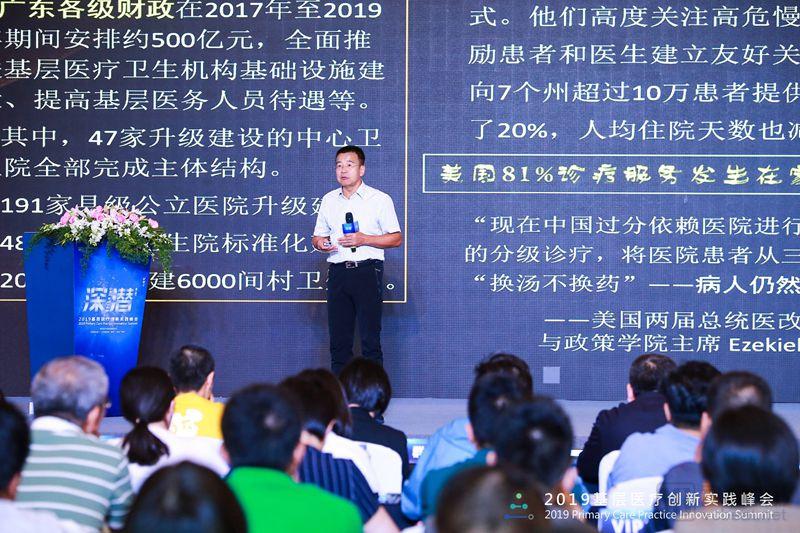
Liao Xinbo, a well-known internet influencer and former Deputy Director of the Guangdong Provincial Health Department, argues that the opportunities for tiered diagnosis and treatment lie in the out-of-hospital management market. This model involves a service team composed of physicians and non-physicians (referred to as “Extensivists”) delivering extended care services outside hospital settings by implementing clinical protocols established by hospitals. It differs from the traditional, fragmented, and inefficient hospital service models.
Liao Xinbo cited the CareMore model in Los Angeles, USA, as an example. CareMore places significant emphasis on high-risk patients with chronic diseases. It supervises and encourages the establishment of a positive patient-physician relationship across the pre-hospital, in-hospital, and post-hospital phases, and provides medical, nursing, and rehabilitation services in patients’ homes. This service has been delivered to over 100,000 patients across seven U.S. states, resulting in a 20% reduction in hospital admissions, a 23% decrease in average length of stay per patient, and a 4% shortening of overall hospitalization duration in the served regions.
By analogy, 81% of diagnostic and treatment services in the United States are provided in family physicians’ clinics, whereas China currently relies excessively on tertiary hospitals. The tiered diagnosis and treatment system promoted by healthcare reform aims to divert patients from tertiary hospitals to secondary or community hospitals, but it has not yet achieved the desired outcomes—patients continue to receive care within hospitals.
With the National Health Commission issuing the "Notice on Launching Pilot Programs for Community Hospital Construction," the goal is to ensure that all county, township, and village-level medical and health institutions meet standards by 2020, with the majority of diagnoses and treatments to be conducted at primary healthcare facilities.
Liao Xinbo stated that from 2017 to 2019, fiscal authorities at all levels in Guangdong Province invested approximately RMB 50 billion to comprehensively advance infrastructure development for primary healthcare institutions and improve compensation for grassroots medical personnel. Among these efforts, the main structural construction of 47 upgraded central township health centers was fully completed; 191 county-level public hospitals underwent upgrading; 488 township health centers were standardized; and 6,000 new village clinics were scheduled to be built in 2019.

Wu Kai, Partner at SoftBank China
“In our view, the key constraints on the development of primary healthcare are the lack of infrastructure and the limited capabilities of village doctors. Only by building the ‘expressway’ can we unleash”All carriers (drugs, devices)role.” said Wu Kai, a partner at SoftBank China.
In terms of grassroots infrastructure development, Wu Kai cited the case in Danlin Town, Luzhou City, Sichuan Province, where a facility previously located on Maling Street in Danlin TownOld Township Health Center, with a construction area of only slightly over 1,000 square meters and increasingly aging facilities and equipment.
In 2017, the Danlin Town People’s Government selected a new site and constructed a replacement facility in accordance with the standards for a central township health center. The project commenced in November 2017 and has been completed. The newly built health center covers a floor area of 6,570 square meters. According to the hospital director, the former health center handled approximately 20,000 outpatient visits and hospital admissions annually.
Improving the competency of village doctors is inseparable from laboratory testing. Wu Kai noted that, by comparison, while urban tertiary hospitals handle 3.34 billion outpatient and emergency visits annually with 2 billion blood draws, primary healthcare institutions perform fewer than 20 million blood draws annually despite handling 4.43 billion patient visits.
It can be seen that,Primary care laboratory testing represents a massive incremental market. While third-party laboratory testing has already become a huge market worth over RMB 10 billion, the current penetration rate of such services in primary care settings remains below 1%.。
Based on this, SoftBank China Capital invested in KuaiYiJian, an integrated service platform connecting rural clinics with third-party testing laboratories. Leveraging robust logistics and information technology, the platform delivers high-quality primary healthcare services, including specimen transport and health management. CurrentlyCovered 9 provinces + 1 municipality across China, with a total of 65 cities issuing policies.
Meanwhile, SoftBank China has also prioritized innovations in primary healthcare, focusing on two key areas: medical devices and services, and pharmaceuticals.
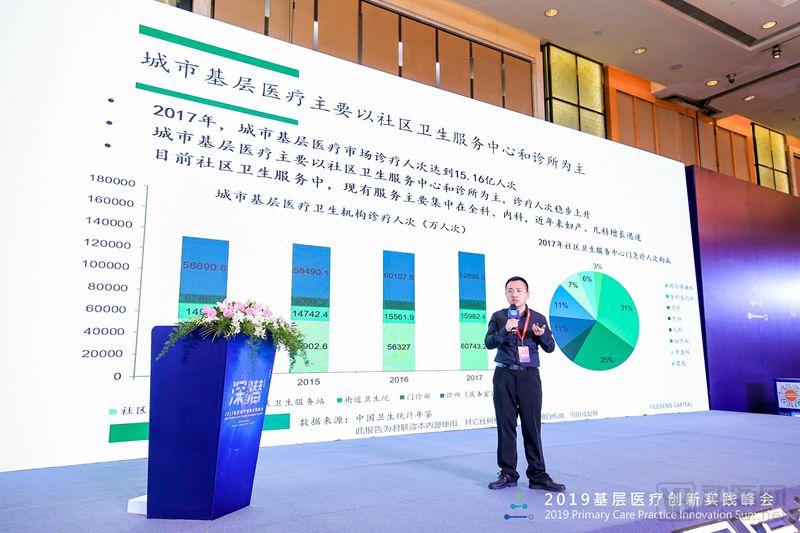
Qi Fei, Investment Director at Legend Capital
Legend Capital’s Focus Areas in Primary Healthcare Investment: Empowerment and Upgrading, with a Particular Emphasis on Empowering Public Primary Healthcare Institutions and Upgrading Private Clinics.
“China’s grassroots market is vast, with significant variations in scenarios. Tiered diagnosis and treatment, along with consumption upgrading, are the primary drivers of development in grassroots healthcare. Focusing on empowering public grassroots institutions, we have invested in multiple projects involving internet tools, diagnostics and equipment suitable for clinics, insurance partnerships, and third-party services, such as Gerui Technology and Ai Yisheng. In support of the upgrade of new private clinics, we have invested in several consumer healthcare chain service providers, including Johnson Medical and Happy Dentistry,” said Qi Fei, Investment Director at Legend Capital, during his speech.
Healthcare reform aims to make primary care the mainstay of the healthcare system, with family physicians serving as gatekeepers. QiFei stated that if internet healthcare’s role in healthcare reform is more akin to that of a pathfinder and light cavalry, then primary care serves as the true “infantry corps.”
“Infantry units” are the main force on the battlefield, but they cannot exist and develop independently; healthcare is a complex system that requires the coordinated efforts of various forces.
“The infantry corps’” marching speed is subject to various constraints; the development of primary healthcare will not proceed smoothly, inevitably undergoing a prolonged period of exploration and setbacks. What we are witnessing now is merely the first step in a long march.
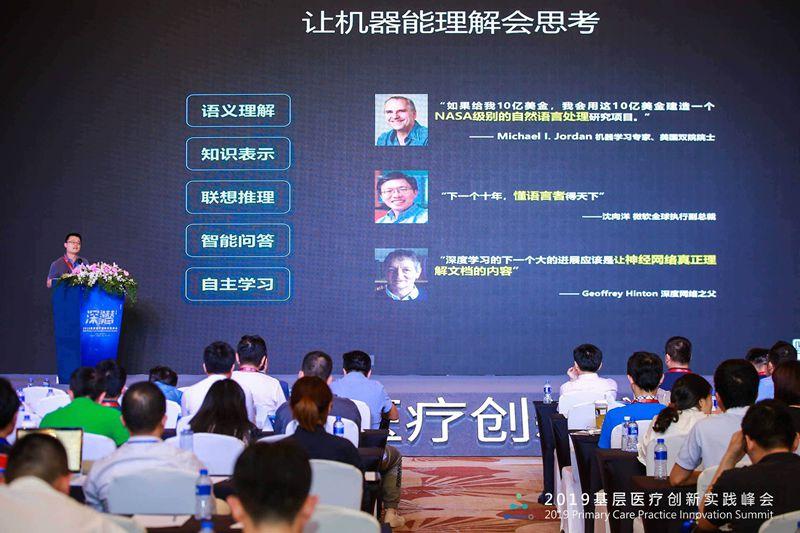
Lu Xiaoliang, Executive President of iFlytek Medical
In the long march of primary healthcare, technology is indispensable. Currently, artificial intelligence and Internet of Things (IoT) technologies have been widely implemented, empowering primary healthcare institutions.
When it comes to artificial intelligence, iFlytek’s initiatives deserve mention. According to Lu Xiaoliang, Executive President of iFlytek Medical, the company’s AI products have already been implemented at the primary care level,The product is mainly reflected in three aspects:
One approach is to leverage core artificial intelligence technologies, such as medical text understanding, multi-semantic deep learning, and medical knowledge graphs, to provide primary care physicians with auxiliary diagnostic support and treatment recommendations.
The second is to assist family doctors in follow-up work through core voice technology and intelligent interaction technology;
Third, precise health data collected via smart hardware is used to assess and stratify residents’ health status, thereby assisting primary care physicians in health management.
Not only that, iFlytek has also undertaken extensive explorations. Lu Xiaoliang stated that the positioning of artificial intelligence is very clear; iFlytek aims to build human-machine coupling technology,From in-consultation to post-consultation, provide certain safeguards for primary care physicians, thereby enhancing the level and capability of their diagnostic services.Enable physicians with baseline competency to perform at a higher level, automate 80% of administrative tasks through artificial intelligence, and allow doctors to focus on delivering more specialized medical services.
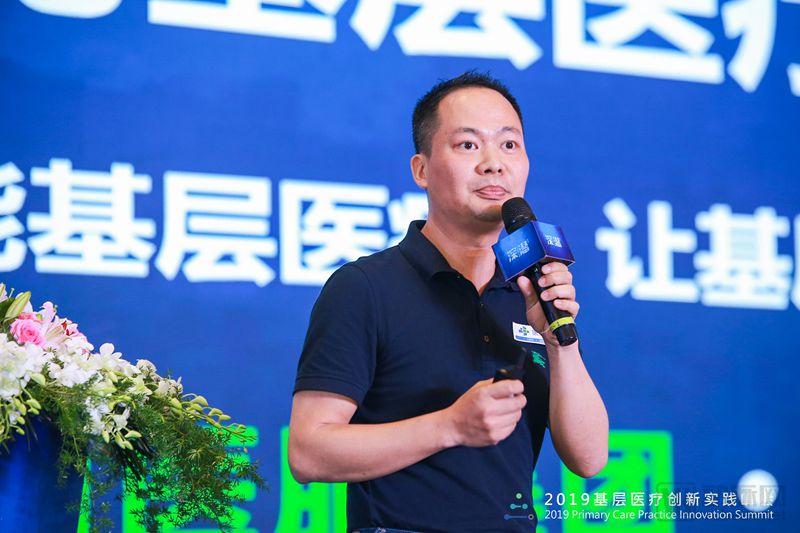 Zhuang Hangzhou, CEO of Yifu Tianxia
In the realm of industrial IoT, Yifu Tianxia, the industrial internet subsidiary of Kangshang Medical Group, is pioneering an innovative, integrated IoT service platform for primary healthcare—empowering grassroots medical institutions and enhancing their professionalism.
During his speech, Zhuang Hangzhou, CEO of Yifu Tianxia, stated that while resources for senior physicians are abundant, primary care physicians lack corresponding service platforms. Yifu Tianxia focuses on the primary healthcare sector—including primary care physicians, private clinics, chronic disease management institutions, and pediatric clinics—by providing IoT-enabled medical diagnostic devices required for high-frequency clinical scenarios (such as POCT rapid testing equipment, including fully automated dry chemistry analyzers, white blood cell analyzers, hemoglobin analyzers, urinalysis analyzers, and uric acid analyzers). By integrating self-developed key IoT diagnostic devices for primary care (e.g., white blood cell and ECG monitors), self-developed connected home medical devices, and an internet-based healthcare service platform, along with clinic operational support (medical assistance, diagnostic and treatment aid, and patient education on testing), Yifu Tianxia has become the only one-stop, comprehensive provider of primary care medical device services in China.
Based on Yifu Tianxia’s extensive field experience, the vast majority of primary care physicians and private clinics urgently desire access to more professional diagnostic equipment to enhance their medical expertise. However, they are constrained by the lack of a suitable platform. There is a strong demand for assistance in diagnosis and treatment, medical services, and laboratory support, grounded in core medical areas such as test data. This aims to transform the current situation where primary care physicians rely heavily on empirical judgment and the “old three” tools (mercury sphygmomanometer, stethoscope, and thermometer), leaving them unable to effectively capture and utilize patient data. Through the Yifu Tianxia platform, support can now be provided for the diagnosis and treatment of common and high-frequency medical conditions (such as bacterial infections, inflammation, and chronic diseases). This effectively complements government public health investments by offering more precise support for the specific clinical activities of primary care physicians. As a result, professional diagnostic equipment is no longer deployed in isolation; instead, it becomes part of an intelligent diagnostic service operation and support system that integrates service connectivity and meets the specialized needs of grassroots healthcare.
Yifu Tianxia operates with a focus on grassroots clinics, private practices, integrated traditional Chinese and Western medicine institutions, elderly care facilities, community healthcare centers, and pediatric clinics. It has established a grassroots healthcare service model that empowers clinics, connects with household medical scenarios, and covers the “last mile” of primary care. Yifu Tianxia has expanded its presence across 15 provinces in China. Among its network of 60,000 collaborating grassroots physicians, the company is accelerating the establishment of POCT (Point-of-Care Testing) rapid testing partner sites, providing robust support for empowering primary care. Its product selection has been validated through rigorous argumentation and practical application, ensuring that the developed testing panels better align with the actual operational needs of grassroots medical services.
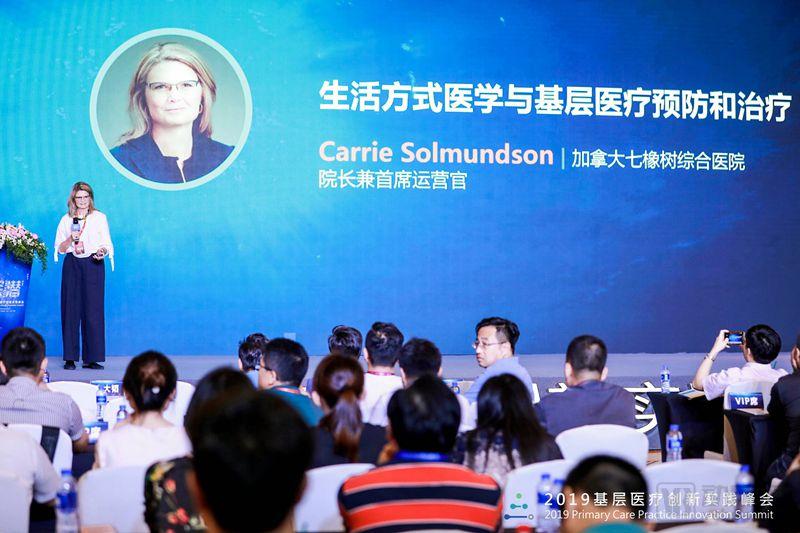
Ms. Carrie, CEO of the Canadian Wellness Institute (CWI)
In addition to technological empowerment, enhancing primary healthcare services is also crucial. At the conference, Ms. Carrie, CEO of the Canadian Wellness Institute (CWI), shared Canada’s experience in health management.
CWI primarily conducts screenings through two major categories: medical indicators and lifestyle changes, aiming to provide a health management model for the prevention and management of chronic diseases. To introduce this model to China, CWI and Miao Health established a joint venture in 2018—the Canadian Wellness Institute (China)—which was officially founded. Building on CWI’s existing model, they developed a digital health management platform centered on lifestyle medicine intervention programs. By combining CWI’s offline clinical expertise with Miao Health’s internet-based health management tools, the platform integrates health behavior data, health management, and artificial intelligence to explore new models of health management. CWI (China) plans to operate 400 offline lifestyle medicine centers across the country in the future, with the first one scheduled to open in Beijing in May.
Building on this foundation, Miao Health has also developed an artificial intelligence system capable of tracking users’ health behaviors and providing assessments and predictions. Currently, CWI has established close collaborations with numerous Grade A tertiary hospitals in China, including Peking Union Medical College Hospital, Rizhao Traditional Chinese Medicine Hospital, Taihe Hospital, Sanya People’s Hospital, and Beijing Tiantan Hospital.
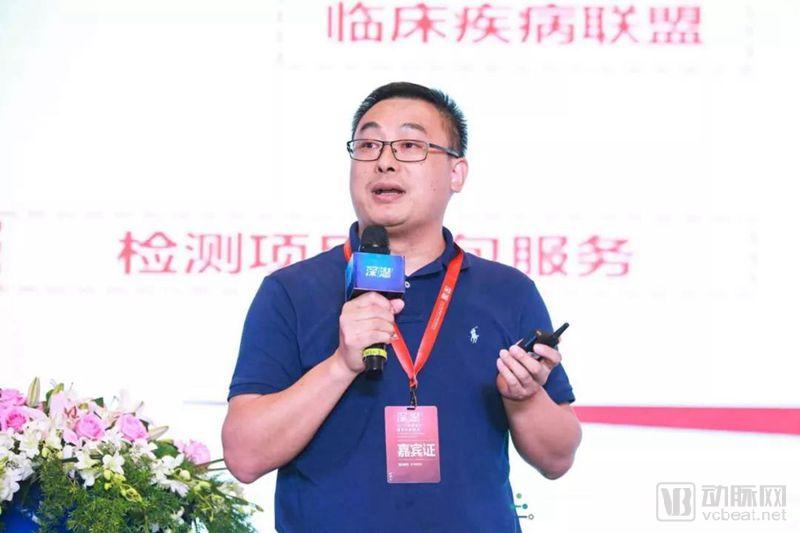
Yang Wanfeng, Vice President of KingMed Diagnostics Group
KingMed Diagnostics, a leader in the third-party medical testing industry, has also established a presence in the sector of services for primary healthcare institutions.
Yang Wanfeng, Vice President of KingMed Diagnostics Group, stated that KingMed Diagnostics supports the enhancement of clinical service capabilities in primary healthcare through its “KingMed Solution,” which is built upon six key pillars: a service network covering primary care settings, a standardized quality management system, a comprehensive range of disciplinary platforms, a strong talent pipeline, advanced information technology, and a well-established medical cold-chain logistics system. In light of the weak laboratory testing and pathological diagnostic capabilities in primary healthcare, KingMed Diagnostics particularly empowers primary medical institutions in the areas of laboratory medicine and remote pathology. Furthermore, the company is currently working to improve the diagnosis and treatment standards of primary medical institutions by strengthening clinical communication.
In the field of pathological diagnosis, Yang Wanfeng stated that KingMed Diagnostics has established China’s largest group of pathologists (comprising over 600 specialists) and built a three-tier pathological consultation network spanning global, national, and regional levels. The company is committed to leveraging its remote pathology collaboration network to enhance the pathological diagnostic capabilities of primary healthcare institutions.
By enabling the sharing of pathology resources through digital pathology, we assist primary healthcare institutions across China in establishing pathology centers and enhancing their competitiveness. To date, we have provided comprehensive solutions for the construction of regional laboratory and pathology diagnostic centers to over 200 county-level primary healthcare regions nationwide.
In terms of laboratory testing, Yang Wanfeng cited the Yanjiang District Regional Medical Laboratory Center in Sichuan Province as an example. This regional laboratory center was established through a collaboration between the Yanjiang District People’s Hospital and KingMed Diagnostics (Sichuan), under the promotion of the district government. As of December 2018, the regional center had completed nearly 380,000 clinical specimen tests, providing convenient access to nearby medical services for approximately 100,000 patients in Yanjiang District and helping them save at least RMB 10 million in laboratory testing costs. Additionally, it had completed 56,000 public health specimen tests for the Yanjiang District.
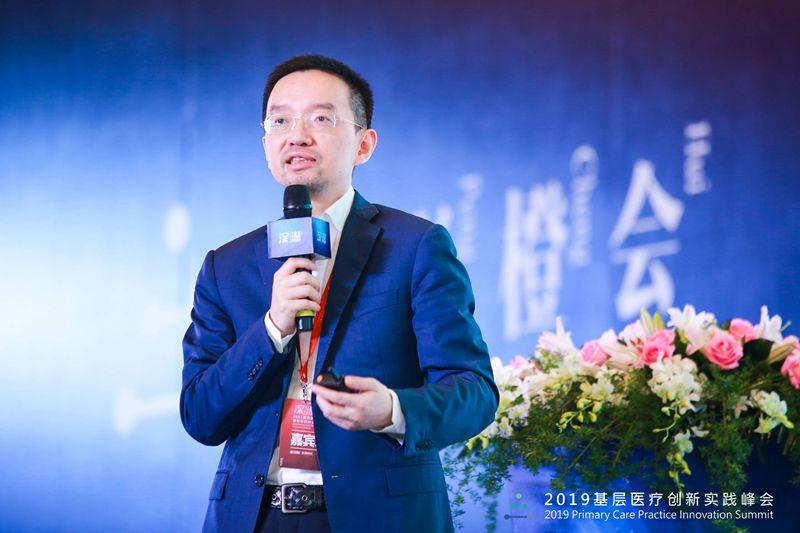
Yu Rong, Chairman of Meinian Onehealth Healthcare Group and Tianyi Investment Group
Other enterprises in the primary healthcare sector are also experiencing rapid development, such as health checkup centers. According to Yu Rong, Chairman of Meinian Onehealth Healthcare Group and Tianyi Investment Group, health checkups serve as one of the measures for disease prevention. Meinian Onehealth conducts approximately 30 million health checkups annually, accumulating genetic data from millions of individuals and millions of imaging records, thereby facilitating effective disease detection and treatment and transforming the current landscape of preventive medicine.
Regarding efforts to facilitate early screening for major diseases, Yu Rong stated that Meinian Onehealth focuses intently on developments in early-screening products and technologies. The company has adopted a multi-tiered strategic layout for its early-screening product portfolio, closely monitors the latest technological trends, and pays close attention to regulatory policy evolution concerning the registration and testing of AI algorithm-based multi-site/multi-biomarker early-screening products. This approach enables timely anticipation of emerging opportunities for translating scientific research into commercial products.
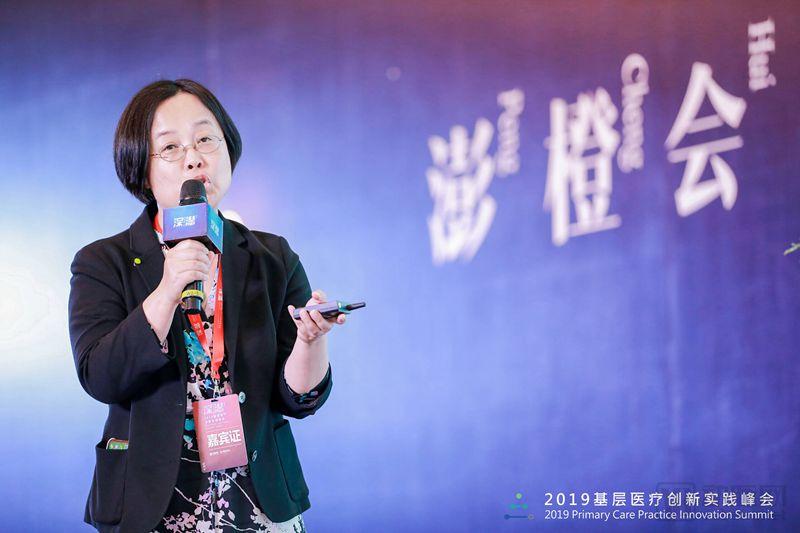
Zheng Qun, Partner and Leader of Deloitte China’s Healthcare Industry Practice
Beyond physical examination centers, what other trends and opportunities exist in China’s primary healthcare industry? Zheng Qun, Partner and Leader of Deloitte China’s Healthcare Industry Practice, has focused on four key areas:
First, the global economic downturn has presented historical opportunities for the healthcare industry as a counter-cyclical sector, particularly in the Asia-Pacific region;
Second, the three major engines of demographic structural changes, improved regulatory efficiency, and increased capital investment are driving the Chinese healthcare industry to maintain medium-to-high-speed growth;
Third, new technologies, new models, and digital transformation will reshape the future healthcare industry system. Digital technologies such as artificial intelligence and big data have already begun to be applied in various scenarios within the healthcare sector.
As the penetration rates of electronic medical records (EMRs) and electronic health records (EHRs) continue to rise, technologies for acquiring health data have largely matured; the next challenge lies in translating these data into clinical value.
The telemedicine service system constructed through point-of-care testing (POCT), the Internet of Things (IoT), and medical informatics technologies is a critical pathway for upgrading future hospital operational services; the 5G-enabled telemedicine system is the core of future smart hospitals.
Fourth, cross-industry collaboration is driving the expansion of the healthcare ecosystem, making the establishment of strategic cooperation mechanisms and the selection of long-term partners a cornerstone for success.
New healthcare business models will attract numerous cross-industry market participants. Catalyzed by platforms provided by the government, investment funds, and consulting firms, their cross-industry collaboration with traditional market players will facilitate the expansion of the healthcare industry ecosystem.
As a long-term observer of the primary healthcare sector, Li Datao, founder of VCBeat, attempts to analyze primary healthcare from three dimensions: technology, ecosystem, and policy, aiming to offer some independent recommendations to practitioners in this field.
This year, Li Datao uses a question-and-answer format to articulate his reflections on primary healthcare.
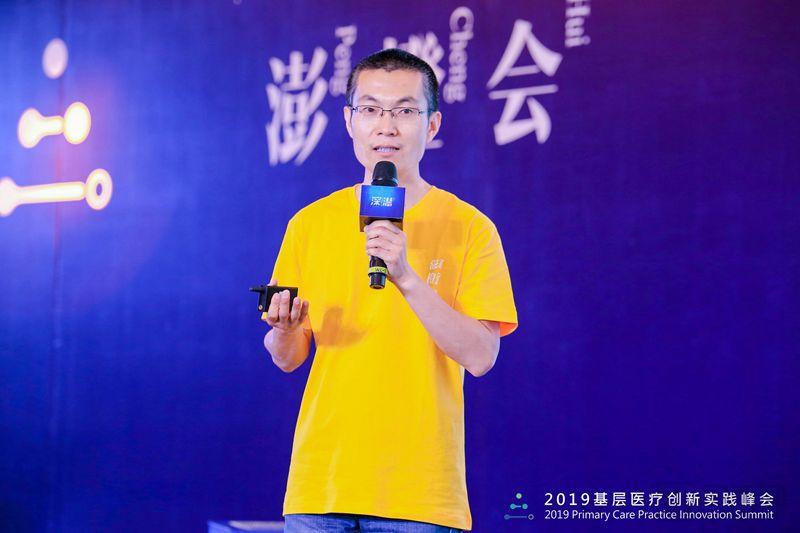
Li Datao, Founder of VCBeat
Li Datao:Since 2015, how should we evaluate the use of "Internet Plus" technology to help primary healthcare institutions provide laboratory testing services? What progress has been made, and what unmet needs remain?
Wang Zheng, Founder of KuaiYiJian:From 2015 to the present, the most intuitive reflection of market or customer evaluation of our company is business volume, which has grown by no less than 200% annually. We have expanded from initially serving only Fujian and Guangdong provinces to currently operating in 10 provinces, collaborating with tens of thousands of family doctors, and transporting over 10,000 specimens daily.
Our three key insights are as follows: First, quality is paramount; therefore, KuaiYiJian has made substantial investments in cold-chain logistics infrastructure, including transport vehicles and a comprehensive monitoring and management system for the entire cold chain. Second, we provide village doctors with an end-to-end service portfolio, ranging from routine tests to biochemical assays, as well as specialized testing services such as early cancer screening and genetic testing. Third, this year we integrated an artificial intelligence module into our physician app to assist doctors in better interpreting laboratory reports, while also offering access to pharmaceuticals, medical devices, and other healthcare services.
Going forward, we aim to collaborate with more companies dedicated to primary healthcare services, thereby enabling high-quality medical products and services to reach the grassroots level more effectively and rapidly.
Li Datao:What profound changes have occurred in the drug supply landscape at the primary care level, what challenges have been encountered, and what are the future trends?
Wang Lijue, Chairman of Akang Health:We are building a road—a path toward rural health. Pain points in primary healthcare, including access to medicines, laboratory testing, diagnostic and treatment standards, and physicians’ income, can all be addressed through “this road.”
The future pharmaceutical market will be tripartite, divided among hospitals, retail channels, and primary care institutions. In the primary care segment, nearly 700 million people in China reside in rural areas. A village with a population of 1,000 has an annual drug expenditure of approximately RMB 1.2–1.5 million, yet current pharmaceutical penetration stands at only around 3%. If we categorize medication use into treatment and rehabilitation phases, 70% of medication scenarios can be managed within the village doctor system.
Village clinics are particularly scattered in distribution, so our daily grassroots outreach efforts have yielded a net increase of 500 village doctors. We expect to add another 1,000 village doctors in the second half of this year. The range of medications available at the primary care level has been refined to include over 12,000 drug varieties, with nearly 1,000 treatment protocols now adequately supported.
Moreover, the complex primary healthcare system requires the integration of medical services with diagnostics, the integration of medical services with pharmaceuticals, and the broader convergence of resources.
Li Datao:How Can Clinics Achieve Chain Expansion and Standardization? How Should We View the Repeated Financing of Ambulatory Surgery Centers?
Zou Kai, General Manager of Du'anquan Medical:Whether pursuing standardization or chain expansion, primary-care clinic chains face significant challenges. We believe that standardization must precede chain expansion.
Standardization requires five steps: First, medical services must be productized. Second, pricing must be standardized. Third, processes and operational guidelines must be unified across all clinics, with consistent implementation of safety documentation to ensure medical quality control. Fourth, technical platforms and systems must be partially unified. Fifth, talent models should be aligned toward a single direction as much as possible.
Chain expansion requires three key actions: first, internal operational standardization, such as establishing a centralized procurement and logistics platform; second, unifying platforms and standards; and third, developing distinctive products and platforms tailored to local markets in the chain’s layout. Not every clinic needs to be identical; this differentiation allows customers to perceive the true benefits of a chain organization, thereby achieving genuine chain-scale operations.
Li Datao:Without the support of information technology and the internet, neither doctors nor patients could bear the capability required to tightly integrate every aspect of healthcare. Recently, we interviewed an internet hospital that has connected more than 10,000 small and micro medical institutions across China, handling 100,000 tiered diagnosis and treatment cases within six months. Here, Wu Hao, CEO of Taozi Internet Hospital, shares insights on achieving business growth.
Wu Hao, CEO of Taozi Internet Hospital:Our core business is the development of a tiered diagnosis and treatment platform. Our strategy involves onboarding a large number of small and micro medical institutions as regional partners. By leveraging their inherent patient base and demand for digital solutions, we rapidly implement a grid-based coverage across China’s 9.6 million square kilometers, connecting medical institutions and practitioners to serve as primary care nodes within the tiered diagnosis and treatment system.
In less than nine months since the product launch, the project has been deployed in 15% of China’s districts and counties, connecting over 6,000 townships and 500 million villages, enabling the company to achieve profitability across all business lines.
Currently, Taozi Internet Hospital is undergoing rapid large-scale replication, with plans to cover 40% of China’s rural areas, over 60% of its townships, and 70–80% or more of its county-level cities this year, thereby addressing the healthcare needs of 800 million people in China.
Li Datao: What are the major opportunities and core challenges brought by the tiered diagnosis and treatment system to primary healthcare institutions?
Huang Yixiang, Vice President of the Performance Management and Evaluation Branch of the Guangdong Health Economics Association / Deputy Director of the Department of Health Management, School of Public Health, Sun Yat-sen University:Major opportunities are reflected in three aspects: First, China’s healthcare reform has entered a critical phase, with the government attaching great importance to primary care and moving into a stage of substantive implementation. Second, the state is making substantial investments in primary care, currently focusing on institutional development and hardware, while investment in software remains insufficient. Third, social attention and interest continue to rise.
Its core challenges are mainly reflected in:
First, personnel: how can grassroots levels attract, retain, and cultivate talent? Without people, everything is mere empty talk.
Second, policies permit enterprises to provide management support to hospitals, as many hospitals are unable to enhance their managerial capabilities on their own;
Third, the service model: the public has long-standing healthcare-seeking habits; unless these patterns change, primary care hospitals will not be able to develop.
Fourth, although quality is standardized, vertical services cater to different populations; therefore, hospitals at all levels must provide personalized services.
Fifth, there is an urgent need to address issues in refined management, health information system development, medical insurance payment methods, and patient education. Meanwhile, collaboration among hospitals, government agencies, enterprises, and universities is required to jointly provide comprehensive primary healthcare services.
Overall, 2019 was aptly described as a year of “deep diving” for China’s entire primary healthcare industry—like the vast ocean, where abundant water supports large fish, and beauty increases with depth; similarly, the deeper one goes into primary healthcare, the greater its potential becomes.
Primary healthcare constitutes the most fundamental and critical component of the overall medical system. Its industrial upgrading and transformation follow the dynamics of oceanic movements. Only the strong can withstand the ebb and flow, enduring the mounting pressure and risks associated with continuous deep diving; and only true “deep divers” stand a chance of plunging into the depths to seize the vast market opportunities in the “deep-water zone.”
The Weakest Areas in Healthcare Are Quietly Undergoing Change. Let’s Work Together!