

Three Key Criteria to Identify Genuine Internet Hospitals Among China's 158 Platforms
In September 2018, the State Council issued the “Opinions on Promoting ‘Internet Plus’ Healthcare,” ushering in a golden period of development for internet hospitals. According to statistics from VCBeat’s VBInsight, as of April 28, 2019, the number of internet hospitals operational across China had expanded to approximately 158.
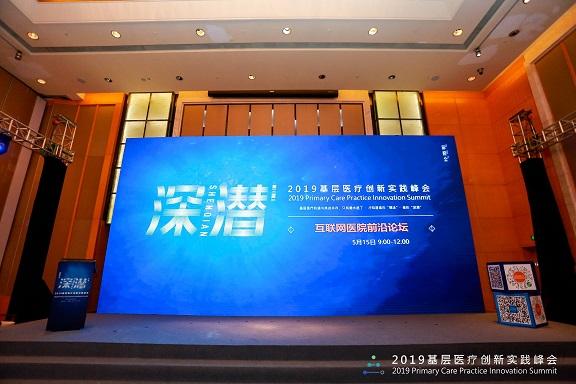
As the window for industrialization opens, what is the overall landscape of internet hospital development? Which models have been validated? How can genuine internet hospitals be built? On May 15, at the Frontier Forum on Internet Hospitals held during the 2019 Primary Healthcare Summit, multiple experts shared their perspectives. Below are highlights excerpted by VCBeat.
Innovative Practices in Internet-Based Full-Course Disease Management Services
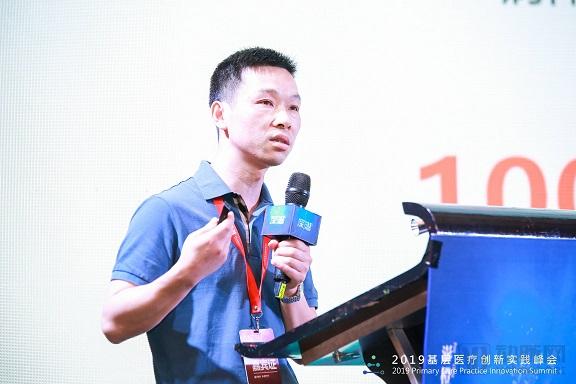
Ying Huayong, Director of the Information Center, Jinhua Central Hospital
Why Implement Information Management? Using an iceberg as a metaphor, innovation is the tip visible above the water, while its foundation lies beneath the surface. Therefore, if the underlying work is not done well, the iceberg will struggle to stand firmly.
Jinhua Central Hospital has established a 26-member leadership group for informatization, which operates under the direct supervision of the hospital president. Subordinate to this group is the Information Center, comprising clinical department information coordinators, nursing information coordinators, medical technology department information coordinators, and administrative and logistics information coordinators. All information flows through these coordinators to the Information Center, allowing for the filtration of unnecessary data. This structure ensures greater efficiency in information management and results in solutions that better align with clinical applications.
The Internet has undergone more than a decade of development, evolving in the healthcare sector through three distinct stages:
The first stage is the self-service model, in which patients can enjoy the convenience of online appointment and consultation services from home without leaving their houses; this represents the initial phase of internet-based healthcare.
The second phase of "Internet + Healthcare" is interactive. Patients can access light consultation services from the comfort of their homes, marking an initial foray into core medical operations.
The third stage is the future development phase, which leverages internet technologies to extend the entire diagnosis and treatment process to home-based care services, including chronic disease management and health check-up management. This enables patients to access highly structured diagnostic and therapeutic services without leaving their homes.
Internet hospitals, in fact, also have three levels:
First, mobile end-to-end payment and convenient mobile healthcare access constitute the first value system of the internet. Second, a service system based on telemedicine technologies enables remote medical consultations, online diagnosis, and external prescription dispensing. Third, disease-specific segmentation provides personalized healthcare experiences tailored to different conditions and patient populations, with all services delivered through an integrated online-offline model.
Only through these three systems can an internet hospital be jointly established, which also represents the future development trend of internet hospitals.
In 2017, Jinhua Central Hospital began preparing for the establishment of an internet hospital. Currently, the number of registered users has exceeded 560,000. Among them, more than 50% of patients have used the internet hospital for online appointments, payments, or consultations.
Traditional Hospital Care Process IV: When patients fall ill, they visit a hospital to register for an appointment, consult with physicians, obtain medications, and undergo examinations. The entire process is completed within the hospital, after which patients return home for recovery. Jinhua Central Hospital aims to leverage “Internet+” technologies to enhance the patient experience during medical visits. Not all steps need to be performed in the hospital; some can be completed at home, while others can be conducted online, thereby improving healthcare efficiency and patient satisfaction. Furthermore, through triage systems, postoperative patients can be transferred to primary care facilities for continued care.
Service workflows, such as those in pediatrics, reproductive medicine centers, obstetrics and gynecology, internal medicine, and health examination centers, are also key focus areas for internet hospitals.
The hospital offers a range of online and offline services for 32 major disease categories, including medication guidance, clinical consultations, and online prescribing. These services are delivered online through text, image, and audio-video communications.
Hospitals have not altered the doctor-patient relationship as a result; rather, they have extended it beyond hospital walls or into the online realm, building upon the foundation of mutual trust. This extension provides value to patients and helps physicians save time.
Since 2015, Jinhua Central Hospital has leveraged information technology to accelerate operations and enhance patients’ healthcare experience. In 2019, the hospital introduced a series of innovative services, including integrated birth-related services, one-stop processing for posthumous affairs, and facial recognition-linked Alipay payments for medical expenses. Coupled with the national promotion of electronic health cards and facial recognition technology, these initiatives ultimately enable patients to navigate the entire healthcare journey using only their face.
Exploration and Practice of Yinchuan Internet Hospital
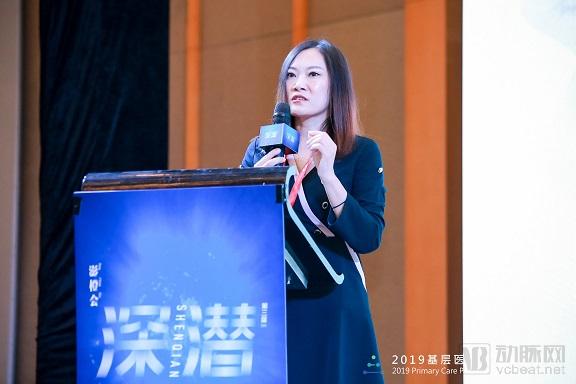
Yuan Fang, Director of the Information Department, Yinchuan First People's Hospital
What is the core issue of healthcare reform? It lies in medical resources—specifically, their uneven distribution and the imbalance between supply and demand. Developing “Internet + Healthcare” means delving into the substantive aspects of healthcare reform.
In implementing the “Internet + Healthcare” initiative, Yinchuan City conducted explorations in eight key areas in accordance with Document No. 26 issued by the State Council.
First, by leveraging internet-based methods and approaches, we explore end-to-end medical services and integrate all healthcare resources—such as reengineering outpatient and inpatient workflows—to provide all patients with a novel model of medical care. This constitutes “Internet + Healthcare Services.”
Second, “Internet +” remote medical consultation: By integrating “Internet +” remote specialist outpatient services, hospitals achieve the integration of diagnostic systems, treatment systems, and chronic disease management systems.
Other areas include Internet+ drug supply, Internet+ integrated medical and elderly care, Internet+ medical education and science popularization, Internet+ family doctor contracting, and Internet+ public health.
Only after integrating these eight aspects can we truly achieve the enhancement of the primary healthcare service system.
In implementing the “Internet + Healthcare” initiative, Yinchuan City has adopted an overarching strategy of fostering ecosystem integration at the regional level while extending into health services, ultimately establishing a healthy ecosystem and driving innovation—specifically, innovation in healthcare delivery models.
The three pillars involved include interoperability support, policy support, and security and regulatory support.
Within innovative service models, the core Internet mindset lies in establishing mechanisms. When an egg is broken from within, it heralds new life; when broken from without, it is simply destroyed. Therefore, a widely discussed perspective is that for “Internet + Healthcare” and new medical care models to sustain themselves, they must achieve self-drive. In a mahjong game with four players, it is impossible for everyone to win; however, it is possible to ensure that all four players are satisfied.
By leveraging internet-based thinking, along with new methods and healthcare reform approaches, we aim to achieve four objectives: first, to ensure public satisfaction; second, to meet government expectations; third, to enhance physician satisfaction and grant them greater professional autonomy; and fourth, to establish a multi-stakeholder win-win model.
In terms of regional medical integration, the Yinchuan Model extends beyond the “Internet + Healthcare” initiatives of a single hospital to encompass citywide “Internet + Healthcare” services across all of Yinchuan.
We can envision a future in which Yinchuan City has only one hospital, with all medical institutions operating as a single entity that shares all resources, including hardware, software, and various medical service resources.
The concept of the “Internet+” regional healthcare service system, from a horizontal perspective, involves establishing remote consultation centers for critical and complex cases based on disease types and patients’ geographic locations—namely, a national network of remote expert outpatient clinics.
Ningxia, located in northwest China, is an economically underdeveloped region with a small population and a severe scarcity of high-quality medical resources. For residents of Ningxia, it is difficult to consult specialists in major cities such as Beijing, Shanghai, and Guangzhou.
With the advent of “Internet+,” residents no longer need to leave Ningxia. Yinchuan First People’s Hospital has brought specialists from all provincial capital cities onto its platform to address outpatient care for major diseases at the county level.
Residents in county-level areas no longer need to travel outside their counties; they can directly access remote specialist consultations and case discussions through provincial expert outpatient clinics. They can even benefit from the services of specialists in Beijing, Shanghai, and Guangzhou across China, truly achieving preliminary disease screening and tiered diagnosis and treatment.
In addition, Yinchuan’s 24/7 online outpatient service enables local specialists to maintain round-the-clock schedules, providing medical services to primary care institutions, community health service centers, community health stations, and village doctors, thereby delivering genuine medical empowerment to village doctors.
From a longitudinal perspective, the regional healthcare service system has integrated the processes of pre-diagnosis, diagnosis, and post-diagnosis care, standardizing online post-diagnosis management, online follow-up mechanisms, and collaborative frameworks between specialists and family doctors. This top-down model comprehensively empowers primary care institutions by enhancing their capacity to deliver medical services. Telemedicine is not merely an informational tool but represents a holistic concept of service delivery systems.
In addition to remote outpatient services, Yinchuan City has also made explorations in the areas of examinations, tests, and diagnosis. For example, it has established a Remote Diagnosis Center, a Chronic Disease Management Center, and a Specialty Treatment Center. These three centers leverage multidisciplinary teams (MDT), along with telemedicine systems and remote outpatient services, to jointly empower chronic disease management and family doctor services.
The Yinchuan Family Doctor Model follows a “1+X” framework. Here, “1” refers to each individual service recipient, while “X” denotes various service models and service teams. Through these diversified service models, comprehensive disease management and health services are provided to all covered populations. This architectural model fully empowers primary care institutions by enhancing their capacity to deliver medical services.
Currently, internet hospitals generally fall into two categories: the first involves physical medical institutions establishing internet hospitals through internet-based means; the second involves third-party companies collaborating with offline physical medical institutions to establish internet hospitals.
Currently, the specialized internet hospital jointly operated by Yinchuan First People's Hospital and Weiyi Orthopedics can be regarded as Version 2.0 of internet hospitals. Compared with Version 1.0, it offers four key advantages:
First, achieve deep online-offline integration with third-party companies, centered on informatization and electronic health cards. Second, introduce professional managerial approaches to operations management, breaking through the traditional mindset and structural limitations of hospital administration. Third, apply internet-based thinking to enhance patient service experience. Fourth, establish a specialized and personalized physician service system.
Furthermore, the hospital collaborates with third-party partners in three key areas. First, it provides incentives and empowerment through initiatives such as internal ward renovations, performance appraisal scheme reforms, and support for physicians, assistants, operating rooms, and remote teaching. Second, it pursues architectural innovation by exploring the integration of Group Purchasing Organizations (GPOs) with hospital operations, as well as optimizing clinical pathways and controlling health insurance costs. Third, it adopts internet-based strategies for hospital brand marketing, which constitutes the Internet Hospital 2.0 model.
Deep Internet Empowerment: Building a New Ecosystem for Primary Healthcare
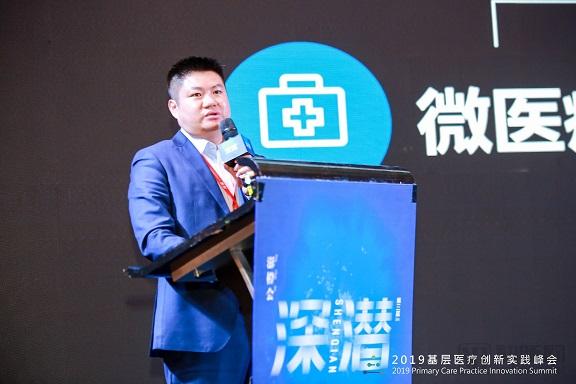
Yang Jianchun, Executive Dean of Wuzhen Internet Hospital
What is the core of a hospital? Without support from health insurance and third-party payers, it is impossible to independently develop an industry; no country’s healthcare system is entirely funded by out-of-pocket payments from patients.
For internet hospitals to achieve scaled development, breakthroughs, and replication, they must have support from medical insurance, with third-party payers covering the medical services provided by these platforms. However, this remains a highly challenging endeavor in China.
The third stage of internet hospitals is the integration of medical services, pharmaceuticals, and health insurance. To become a major healthcare provider, it is essential to secure support from local medical insurance schemes across China. Since obtaining its first license in 2015, WeDoctor has expanded aggressively nationwide to gain online access and integration with medical insurance systems.
In this regard, internet hospitals should focus on establishing close synergy with local healthcare systems and the regional pharmaceutical industry chain, thereby generating value through quantitative comparison. In doing so, hospitals will not only avoid wasting medical insurance resources but also help retain medical insurance beneficiaries within the system.
Targeting grassroots medical institutions, WeDoctor aggregates advanced medical technologies, enabling local hospitals to deliver high-quality healthcare services comparable to those in first-tier cities without patients needing to travel. It helps local hospitals enhance their technical capabilities and supports the implementation of family doctor contract services, thereby solidifying the role of family doctors as gatekeepers of health.
In urban areas, WeDoctor also establishes its own general practice bases, aiming to build a health management system by serving as health gatekeepers and promoting proactive health maintenance. This approach extends disease care forward into health management, thereby reducing local medical insurance expenditures through the cost savings generated.
Through its pharmaceutical trading platform, WeDoctor directly connects pharmaceutical manufacturers, healthcare institutions, and medical insurance programs, thereby completely dismantling the traditional multi-tiered distribution system involving first-, second-, and third-level agents and intermediaries. Currently, WeDoctor is undertaking the development of the National Healthcare Security Administration’s integrated pharmaceutical platform, helping to establish a comprehensive anti-fraud monitoring system covering the entire medical insurance process.
WeDoctor addresses payment disparities by decentralizing medical technology, reduces circulation and transaction costs through centralized drug bidding, and establishes a closed-loop service across the pharmaceutical industry chain, thereby enabling internet-based medical services to achieve scalable breakthroughs.
In the realm of Western medicine, Wuzhen Internet Hospital has standardized its technology to create a “21st-Century Barefoot Doctor” system, designed to assist grassroots medical institutions with prescription and diagnosis. Currently, it has connected more than 1,200 hospitals across China, handling over 80,000 patient consultations daily.
In terms of expert resources, Wuzhen Internet Hospital maintains close collaborations with over 1,000 physician groups across China, transforming their specialized expertise into service offerings and fostering cooperative relationships between medical consortiums and hospitals nationwide. All data is integrated through a cloud-based Hospital Information System (HIS) as the core infrastructure, maximizing both temporal efficiency and value creation.
Bridging the “Last Mile” of “Internet + Healthcare”
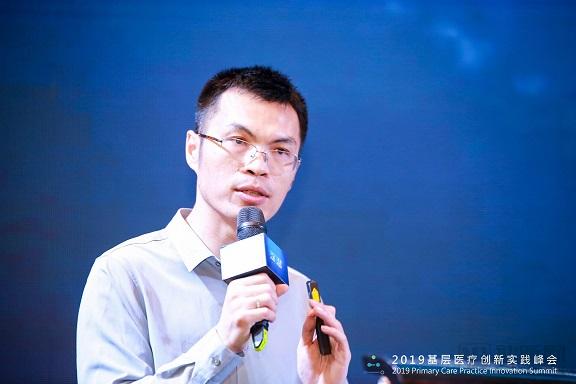
Chairman of Chunyu Doctor, Zeng Boyi
When developing internet hospitals, everyone should consider where the patient traffic actually originates: does it come from the hospital’s existing channels, or is it acquired from external sources?
Chunyu Yisheng believes that medical services should be brought closer to users and integrated into more appropriate scenarios. By delivering services within these contexts and establishing a strong presence, user traffic will naturally follow.
Building trust primarily hinges on two key factors: first, consistently delivering reliable services; and second, fostering closer engagement with users by maintaining a visible and tangible presence in their daily lives.
For the past eight years, Chunyu has been dedicated to online services. Starting last year, it began exploring offline initiatives, such as co-establishing Health Stations with real estate developers. This approach brings services closer to users and serves as one of the methods to build trust in the offline setting, with its core being Chunyu’s family doctor services based on trusted relationships.
Chunyu Family Doctor Service provides users with family health management services through health consultants. The role of Chunyu’s health consultants primarily encompasses two aspects: first, serving as emotional supporters; and second, acting as medical interpreters. By building friendly relationships with users, they triage and refer patients’ medical needs to appropriate specialists, thereby resolving their health concerns.
"Based on online consultations and with family doctors as the hub, Chunyu Doctor has established an internet-based tiered diagnosis and treatment service."
Unlike the tiered diagnosis and treatment system comprising national Level I, Level II, and Level III hospitals, Chunyu Doctor starts from user needs to help users achieve health at the lowest cost.
Why Choose Community-Based Care? Chunyu Doctor’s assessment of major healthcare trends is that future medical services will shift toward patient-centric care scenarios. Hospitals are best suited for delivering highly specialized services, such as specialist consultations, diagnostic workups for complex and rare diseases, and major surgeries. Meanwhile, routine medical services will migrate to the most appropriate settings, such as online platforms.
Community medical service points are the first public area users encounter when stepping outside, and they can support a wide range of medical services.
Core Features of Chunyu Doctor’s Community Health Kiosks: First, they offer a warm, personalized experience. Family health consultants from Chunyu Doctor deliver services in accordance with the online 4A service philosophy and standards. Backed by a robust system infrastructure, these consultants gain deep insights into users, ensuring that patients feel genuinely cared for.
Second, the asset-light (operation-intensive) model: Chunyu Health Stations operate on a “small front-end, large back-end” system. The front end requires minimal staff and equipment. Chunyu’s core competitive advantage lies in its robust capabilities in medical resource allocation, distribution, and operations behind the scenes. This structure enables each station to maintain a compact front-end presence while delivering a comprehensive range of services, effectively addressing numerous healthcare needs for the general public.
Third, it is highly scalable and can be rapidly deployed in grassroots communities and large residential developments. It takes approximately 15 days from establishment to operation for a Health Station. Chunyu Doctor has collaborated with numerous real estate developers, employing a wide variety of cooperation models.
Chunyu Health Kiosk, within the Chunyu ecosystem, is positioned as an offline experience center for Chunyu’s online services. At the Health Kiosk, users can experience a variety of services provided by Chunyu online, such as online consultations, family doctor services, specialist consultations, internet-based diagnosis and treatment, and green-channel access to medical care.
Chunyu Doctor aims to retain users and build deeper relationships with them by establishing local micro-platforms in a cost-effective manner, ensuring that users recognize the platform as a reliable solution for their health concerns. This is a key objective for Chunyu Doctor.
As of 2018, Chunyu Doctor had established 61 health stations across China, covering nine provinces and providing medical services to over 20,000 households.
"Internet + Smart Hospital: Building an Internet Service Bus for Internal and External Hospital Operations"

Zhai Xuelian, Vice President and Chief Strategy Officer of Zhuojian Technology
In recent years, the number of internet hospitals has surged. Zhuojian Technology has built a product ecosystem for “Internet + Hospital” services centered around physician teams. Although it does not involve the most critical in-hospital clinical services, it covers nearly all business areas and scenarios related to hospital-connected digitalization.
Zhuojian’s internet hospital platform derives its capacity to deliver medical services from partner hospitals. In addition to serving public hospitals, it offers “Internet + Medical Consortium” solutions that connect offline hospitals with primary healthcare institutions, integrate bed and medical-technical resource pools, and facilitate two-way patient referrals. Furthermore, it provides an online-offline integrated solution for physician education, addressing challenges in traditional medical education and deepening reforms in the training of clinical medical professionals.
Zhuojian’s products cover the entire value chain of all stakeholders in the “Internet + Healthcare” ecosystem, under the brand name “Rubik All in One.” By leveraging its integrated capabilities, Zhuojian has currently developed four flagship products:
Among these, Rubik C is a cloud-based management platform designed for clinics and communities. Large pharmacy chains can transform their flagship stores into clinic-like facilities. By converting pharmacies into clinics, they can extend their reach and serve the surrounding local population. This approach equips pharmacies with medical capabilities, thereby addressing challenges such as customer retention and growth.
Rubik T is an open platform for internet hospitals tailored to small and medium-sized healthcare institutions. By leveraging a SaaS-based app marketplace to establish an open information platform, it strongly addresses the needs of secondary hospitals and community health centers. These institutions seek to source relevant software solutions much like users browse the Apple App Store, selecting apps to install directly onto their service accounts or mini-programs for immediate use. Zhuojian’s Rubik T provides this open platform, enabling such users to build compact internet hospitals efficiently, rapidly, cost-effectively, and with high quality.
Rubik U and Rubik S are the Standard Internet Hospital and the Super Internet Hospital, respectively.
In addition to enabling patients to register, inquire, pay, engage in text-and-image consultations and video consultations, obtain prescriptions, and receive medication delivery through internet hospitals, the Super Internet Hospital can integrate the hospital’s entire appointment resource pool. By adopting an integrated appointment system, it consolidates resources such as appointment slots, hospital beds, medical technology services, X-rays, and other assets into this pool, thereby front-loading all medical capabilities. This approach allows hospitals to significantly improve operational efficiency while providing patients with a superior healthcare experience.
In addition, Zhuojian offers the Rubik S+ product, which provides intelligent, end-to-end health management. It delivers smart, round-the-clock management across pre-consultation, during-consultation, and post-consultation stages. Through capabilities such as disease screening, intelligent triage, intelligent follow-up, and chronic disease management, it ensures a consistent patient experience for both online and offline medical visits, achieving seamless integration between the two channels and extending the value of medical services. The seamless online-offline integration enables comprehensive lifecycle management, with all medical records overseen by physicians.
Discussion on the Application of Artificial Intelligence in Internet Hospitals
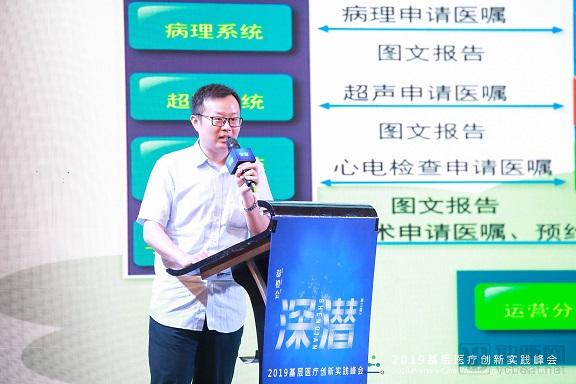
Liu Guangjian, Director of the Intelligent Information Research Office, Data Center, Guangzhou Women and Children's Medical Center
To lay the information technology foundation for the interconnectivity of people, objects, and data, Guangzhou Women and Children’s Medical Center has first established an information integration platform. This platform connects more than 50 databases within the hospital, enabling the collection, integration, and interoperability of every piece of data generated throughout the entire patient journey, from registration to arrival at the hospital.
Following the establishment of an internet hospital, the institution integrates its online services to create a patient-centric mobile hospital. This encompasses scenarios such as appointment registration for tiered diagnosis and treatment, mobile medical insurance payments, collection of patient vital signs, doctor-patient interaction, intelligent navigation, and inpatient services.
"Patients can stay informed about their condition in a timely manner during the consultation and experience the thoughtful care provided by the physician."
Regarding the execution of medical orders, the process has transitioned from paper-based methods to comprehensive digitalization, allowing staff to complete execution records simply by scanning QR codes. The hospital has also established a closed-loop management system encompassing data generation, pre-event prevention, in-process monitoring, and post-event traceability, thereby ensuring improved quality of medical services.
Regarding the unified platform for multidisciplinary consultations, it enables text, audio, and video sharing as well as data exchange among patients, specialists, and different hospitals. For physicians, access is available not only via desktop computers but also through mobile devices.
In terms of decision support systems, the focus is primarily on two areas: First, a comprehensive Clinical Decision Support System (CDSS) has been established, featuring a knowledge base with 7 major categories and 35 subcategories, providing information and decision-making assistance to physicians during diagnosis and treatment. Second, various artificial intelligence models have been trained based on multimodal data, including historical electronic medical records and medical imaging, and integrated into information systems to enable intelligent triggering, thereby delivering seamless decision support to healthcare professionals.
Taking the hospital’s “Mimu Bear” intelligent family as an example, it currently includes Imaging Bear, Auxiliary Diagnosis Bear, Consultation Bear, and Triage Bear, thereby enabling the reshaping and replication of top-tier medical resources.
The Background of the Smart Consultation Bear Design: After patients register, there is a waiting period before they enter the consultation room. During this time, parents often feel anxious. Additionally, if doctors begin writing medical records only after entering the consultation room, it significantly compresses the time available for patient consultations.
By leveraging AI-powered products to capture this information, conduct preliminary consultations, and generate intelligent electronic medical records, physicians can save consultation time and engage in more effective communication with patients.
From May 2018 to the present, Wen Zhen Xiong has recorded a cumulative total of 64,000 patient visits and engaged 33 serving physicians.
Measuring the Value of Internet Hospitals
As Yang Jianchun, Executive Dean of Wuzhen Internet Hospital, stated, regardless of the technology adopted or the business model employed, a genuine internet hospital must possess capabilities in at least three areas.
First, whether there is genuine integration and refinement of medical technologies. Whether it can exert an impact on the supply side of healthcare through platforms, systems, and AI.
Second, whether it can improve the service efficiency of the healthcare industry. This includes enhancing patient hospitalization efficiency, optimizing the doctor-patient system, and improving capital flow, information flow, and service flow, all of which should be quantifiable with numerical benchmarks.
Third, whether the medical experience of the general public has been optimized. Whether hospitals have created a humane medical environment and truly implemented improvements in the patient experience.
If an internet hospital lacks these three elements, it will struggle to take root within the healthcare service system and deliver genuine core value to both patients and physicians.