

Navigating Pitfalls in Clinic Establishment Post-NHC Policy Support: Insights from Industry Leaders and Operational Models
The Development History of Private Clinics: From 2011 to 2015, It Can Be Described as the Beginning of a SparkIgnite, from 2016 to 2018, began to flourish. This is supported by data: according to the National Health Commission’s official website, in 2017, 11,624 new clinics were added nationwide, while the number of public hospitals decreased by 373, with the growth rate of clinics increasing year by year.
In 2019, the development of clinics also saw significant favorable policies. On May 13, the National Health Commission, the National Development and Reform Commission, the Ministry of Finance, the Ministry of Human Resources and Social Security, and the National Healthcare Security Administration jointly formulated the “Guiding Opinions on Launching Pilot Programs to Promote Clinic Development.”
The key words in the “Opinions” are standardization and normalization. The benefits brought by these Opinions include allowing clinics to be incorporated into family doctor contract services and removing restrictions on clinic establishment imposed by medical institution setting plans.
Currently, there are nearly 220,000 registered and operational clinics across China, with an average of over 7,000 clinics per province. The average staffing level per clinic is 2.6 personnel, comprising 1.4 physicians and 1.2 nurses on average. Diagnosis and treatment of common and frequently occurring conditions in internal medicine, stomatology, traditional Chinese medicine (TCM) internal medicine, TCM surgery, orthopedics, and gynecology account for more than 90% of clinic services, playing a significant role in primary healthcare delivery.
However, clinics also face major challenges, including staffing shortages, limited medical service capacity, and difficulties in industry regulation.
At the Private Medical Innovation Forum of the 2019 Primary Healthcare Summit held in Guangzhou, Mr. Lin Feng, Chairman of Best uniMed; Ms. Yan Honghui, Founder of Bohou Medical; Mr. Tian Fenglin, Co-founder of Jiayou Health; Mr. Zou Kaichang, Co-founder and CEO of Du’anquan Medical; Ms. Sun Xiaoyi, Founder of UP Clinic; Mr. Ren Songqing, Co-founder and COO of Shukang Clinic; and Mr. Xu Yuanping, Managing Director of Fortune Capital, engaged in discussions on several hot topics. Drawing from practical experiences in clinic operations, they shared cutting-edge perspectives and the latest insights. The following are excerpts of their core viewpoints:
Single-Cell Development Fails to Scale, Clinics Face Numerous Barriers
At the forum, many attendees highlighted a key point: while opening a single clinic is relatively easy, replicating its success poses a significant challenge. Standalone clinics struggle to break free from the fragmented, disorganized landscape characterized by small scale and scattered operations, failing to meet consumers’ increasingly sophisticated healthcare demands. How clinics can achieve high-quality expansion, implement standardized replication, and reduce customer acquisition costs has become a major hurdle for the industry’s advancement.
Lin Feng, Chairman of Best uniMed, stated: “The development of individual clinics is akin to single-celled organisms; while they exhibit strong vitality and exist in large numbers, they operate at a relatively low level. There are 200,000 licensed clinics in China, with rapid growth. However, another data point shows that patient visits increased by only 5.7%, indicating that patient demand is lagging behind the expansion of clinics. As the number of clinics rises, customer acquisition has become significantly insufficient, and many clinics may even struggle to secure a steady patient base.”
He went on to explain, “In terms of expansion, clinic development often takes many detours. First, healthcare exhibits strong regional characteristics; while a clinic may enjoy considerable recognition within its local area, it is difficult to achieve nationwide reach. Second, regarding patient retention, the key lies in building trust, and the core of building trust is addressing needs—specifically, whether you can help patients when they have more profound healthcare needs. If this issue is not resolved, it will be difficult to enhance public trust in primary care, clinics, or general practitioners.”
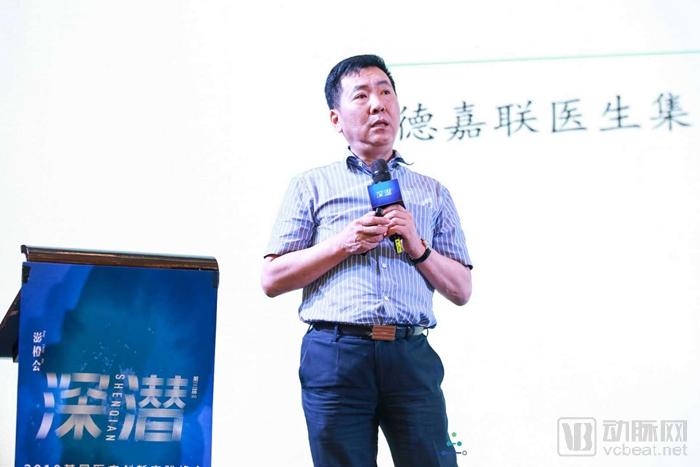
Lin Feng, Chairman of Best uniMed
In addition to patient acquisition, establishing high-frequency engagement with patients is equally important. From a service perspective, clinics must also strive to meet patient needs to the greatest extent possible.
Yan Jingjing, founder of Probe Capital, pointed out: “Probe Capital has produced three industry research reports on primary-care pediatric clinics. In preparing these reports, two key issues remained unresolved. First, the service radius of primary-care clinics: similar to community-based commercial businesses, community clinics typically serve a radius of three kilometers, and this constraint has not been broken through. Second, when modeling the unit economics of an individual clinic, the limited range of services offered creates a growth ceiling for the clinic. We have also been continuously exploring how high-performing clinics can break through this ceiling.”
To break down these barriers, specialization represents a critical pathway for differentiation. Xu Yuanping, Managing Director at Fortune Capital (Dachen Venture Capital), stated: “The needs at the primary care level differ from those at tertiary Grade A hospitals. From the demand side, first, there is significant demand for pediatric services, particularly emergency care; second, chronic disease management; third, rehabilitation and nursing, which we also consider a major direction; and fourth, Traditional Chinese Medicine (TCM). What is often overlooked is that once TCM is implemented at the primary care level, it generates substantial revenue and profits. In terms of technical classification, there are more specialized fields such as sexual health, orthopedics, and reproductive medicine. Looking to the future, healthcare will evolve according to the needs of the general public. Currently, accessing tertiary Grade A hospitals is inconvenient; if there were highly standardized treatment clinics nearby, people would be more inclined to utilize them.”
Differentiated Development: Reaching Where Tier-3 Hospitals Cannot Go
How to Leverage the Role of Clinics in the Healthcare System to Establish a Multi-tiered and Diversified Medical Service Model, Address the aforementioned Challenges in Clinic Development, and Meet Primary Care Needs. At the forum, representatives from Best uniMed, Jiayou Health, BoHou Medical, UP Clinic, Shukang Clinic, and DuAnquan Medical—each specializing in different niche areas—shared their strategies for pursuing differentiated development paths.
Since its establishment in 2013, Bohou Medical has operated 40 community healthcare institutions. Of these, 11 were self-built, while the remainder were acquired. The key factor enabling successful acquisition and management is the implementation of standardized operations. Furthermore, Bohou Medical’s traditional Chinese medicine, general practice, dental care, and home-based healthcare services are growing at an annual rate of over 80%.
Yan Honghui, founder of Bohou Medical, stated: “The true value and competitive moat of a clinic lie in patient experience and its platform. If the essence of patient experience and medical services is not well executed, no amount of technological empowerment or sophisticated business models can yield any value—it all amounts to zero. Beyond addressing genuine patient needs, we have established a professional training system for talent to ensure continuous improvement in medical quality. By adhering to a patient-centric approach, delivering high-quality medical services, and implementing refined operational management, we can unlock greater commercial value.”
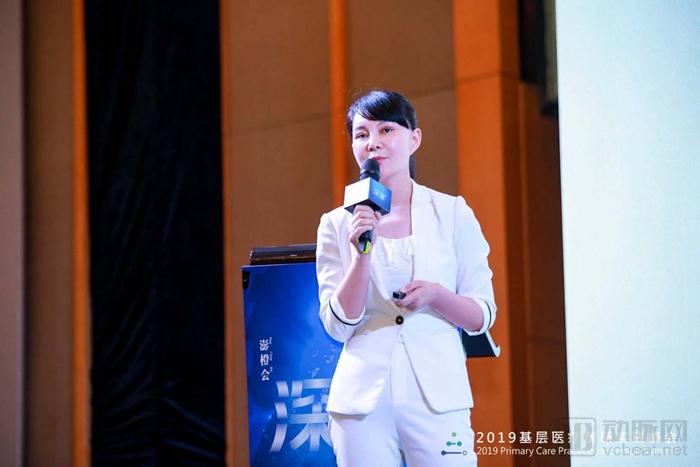
Yan Honghui, Founder of BoHou Medical
In addition to providing basic medical services, another critical function of primary care is prevention and health management—an area where tertiary hospitals fall short. In this regard, Jia You Jian Kang has leveraged community-based operations as its strategic focus and empowered its model with technology, pioneering innovative multi-radius coverage solutions for the operation of grassroots clinics.
Tian Fenglin stated, “We are likely the only chain organization in the clinic sector that focuses primarily on disease prevention and detection, rather than on clinical treatment. Our service model is based on family physician services. To this end, we have established a Family Physician Service Center, and provide property owners with family physician service cards as part of their community amenities. In terms of service innovation, we have two key initiatives: one is nutritional prescriptions, and the other is a Children’s Health Management Center. Medical care is a relatively low-frequency need; therefore, we are attempting to engage in higher-frequency activities that precede medical intervention.”
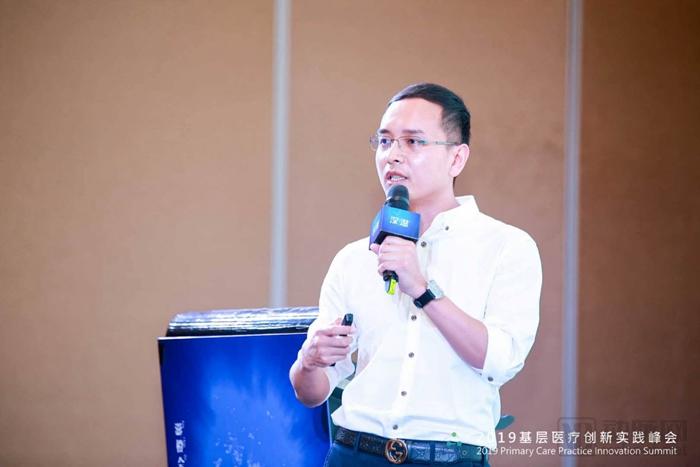
Tian Fenglin, Co-founder of Jia You Jian Kang
On its path to differentiation, Du Anquan Medical has entered the field of sexual health, a domain previously dominated by the “Putian system.”
Zou opened by stating, “Many of our services are not delivered within the clinic premises; our scope of practice extends far beyond the traditional three-to-five-kilometer radius. We represent a somewhat different kind of clinic—an exploration of the new-model clinic. From the perspective of tiered diagnosis and treatment, we are not moving downstream; rather, within the tiered system, we aim to meet certain high-end needs that have recently emerged. For example, we now offer rapid testing for high-risk infectious diseases and an integrated three-tier prevention mechanism for HPV, providing comprehensive coverage that spans prevention, screening, and insurance claims processing.”
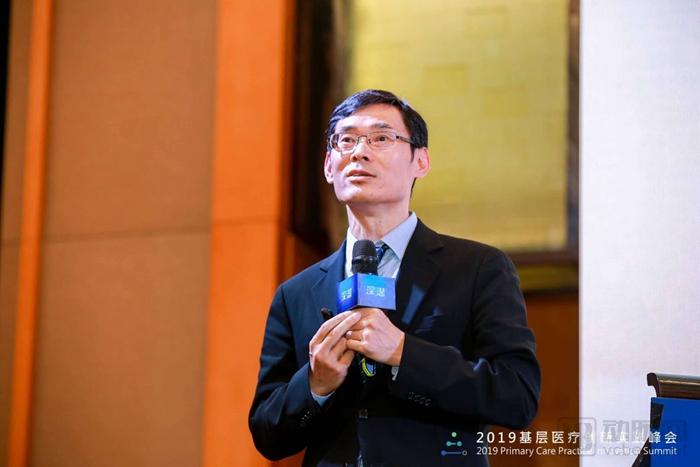
Zou Kaichang, Co-founder and CEO of Du'anquan Medical
In the capital-intensive sector of clinic development, UP Clinic achieved positive cash flow and profitability within its first month, recouped all initial investment costs within nine months, and secured a foothold in the rehabilitation field through a lean yet high-quality operational model.
Sun Xiaoyi stated, “We have proposed an operational management model called UPSO. ‘UP’ is the abbreviation for UP Clinic (Youfu) and represents our approach to data-driven management through professional managers, enabling the replication of all our clinics and outpatient departments. At any UP Clinic outpatient department, there are no ‘star doctors.’ Under a comprehensive UPSO framework, we bring together the four key stakeholders mentioned earlier—doctors, therapists, patients, investors, and managers—to fully leverage professionalism and economies of scale. This alleviates the commercial and managerial burdens on our chain of outpatient clinics, reduces operational costs, and allows medical professionals to focus more on patient care, thereby achieving greater specialization.”
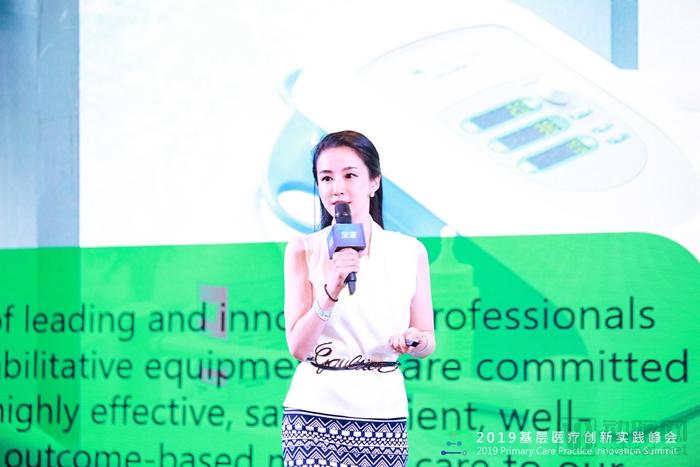
Sun Xiaoyi, Founder of UP Clinic
Identifying a Differentiated Path: Shukang Clinic Enters the Field Through Chronic Disease ManagementRen Songqing, Co-founder and COO of Shukang Clinic, stated, “I have summarized the role of primary healthcare: it focuses on services that the current public healthcare system, particularly large tertiary hospitals, is unable to provide. This defines the direction for primary healthcare. Chronic disease prevention and postoperative rehabilitation are our primary areas of focus. In more mature models abroad, such institutions are accessible within local communities. They typically involve a multidisciplinary team—including specialized therapists, dietitians, nurses, and internists—who collaboratively prescribe treatment plans, significantly reducing costs. We aim to achieve early intervention to delay or control the progression of complications in later stages.”
Regarding another major challenge in clinic development—the talent cultivation system—Ren Songqing stated: “In the future, Weilai Shukang will gradually develop actionable and quantifiable 'e-prescriptions' for seven major categories of chronic diseases, including diabetes, obesity, hyperuricemia, and osteoarthritis.’The product shortens the learning curve for doctors, nurses, and case managers in exercise physiology and disease-related knowledge, enabling the Shukang APP to serve as a home-based therapist and trainer for patients.”
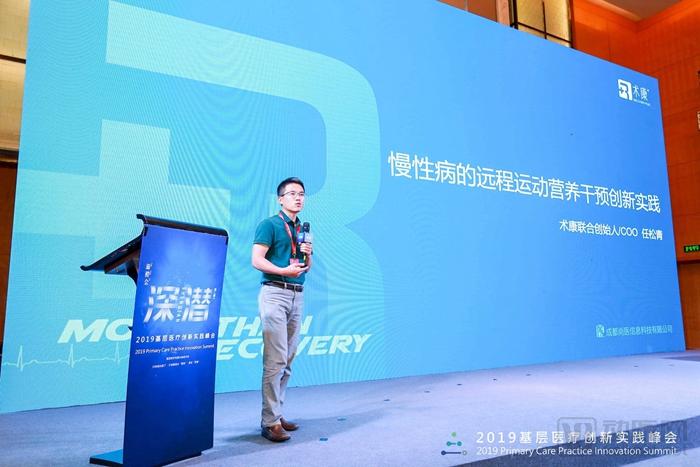
Ren Songqing, Co-founder & COO of Shukang Clinic
Botho Medical, UP Clinic, and Du’anquan Medical have chosen to cover areas beyond the scope of tertiary hospitals, thereby achieving differentiated development. However, supplementation does not mean fragmentation; primary care clinics also need to establish connections with higher-level medical services.
Lin Feng stated, “This is completely different from abroad. Overseas, it is well known that physicians are all independent practitioners, and there is strong connectivity among general practitioners, specialists, and the hospital platforms where specialists practice, forming a highly integrated closed loop. In contrast, we currently operate as isolated silos.”
This also represents the core of Best uniMed’s strategic focus: placing physicians at the center and leveraging their years of accumulated expertise, professional capabilities, and advantageous resources to facilitate patient referrals and extend service offerings.
Lin Feng concluded by explaining, “Therefore, among the key elements of physicians, equipment, and pharmaceuticals, we prioritize physicians. In core medical services, service capability often takes a back seat; the critical factor is problem-solving. Only when this is done well will patients trust us. Because lives are at stake, it is evident that within the current ecosystem comprising clinic medical centers, private hospitals, and public hospitals, the closed loop remains fragmented and unintegrated. The only solution is for all entrepreneurs to consolidate resources and establish their own closed loop. If such a self-sustaining closed loop can be formed, China’s private healthcare sector will see robust development.”