

AstraZeneca, Bayer, and Chia Tai Tianqing Target Grassroots Healthcare with 'Internet + Pharma', Hospital-Adjacent Stores, and DTP Pharmacy Strategies
Recently, the “2019 China Primary Healthcare Innovation Practice Summit,” co-hosted by VCBeat and VBInsight, was held in Guangzhou. Experts, scholars, entrepreneurs, and investors from the healthcare industry gathered to discuss topics related to primary healthcare.
As the consistency evaluation continues to advance, the “4+7” volume-based procurement programs have been implemented across various regions, and the two-invoice system has been enforced nationwide. With healthcare reform entering a critical phase, the scope for pharmaceutical marketing has been significantly constrained. Regarding the future trends of pharmaceutical marketing, several participating experts shared their insights:
Mr. Yin Dongyu, Chief Consultant of Pharmacy Management Consulting;
Mr. Li Shanwei, National Commercial Director of Chia Tai Tianqing;
Mr. Li Wei, Senior Manager of Strategic Cooperation in Non-Public Healthcare at AstraZeneca;
Ms. Yu Jing, Head of Market Access and Tendering at Bayer Consumer Health;
Mr. Xie Fangmin, CEO of Jianke;
Mr. Zhang Ying, Investment Director of GF Xinde;
This article is compiled from the guest’s shared stenographic notes.
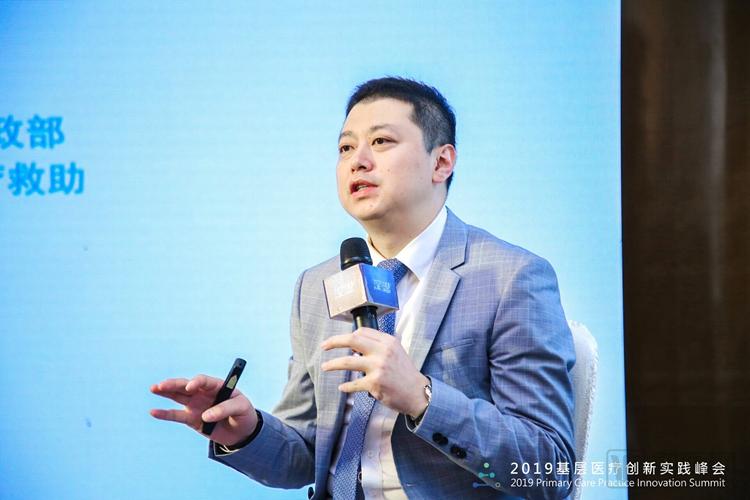
Mr. Yin Dongyu, Chief Advisor of Pharmasy Management Consulting
The establishment of the Super Medical Security Bureau marks a turning point in healthcare reform, consolidating the functions previously held by the National Health and Family Planning Commission’s New Rural Cooperative Medical Scheme, the Ministry of Human Resources and Social Security’s basic medical insurance for urban employees and residents as well as maternity insurance, the National Development and Reform Commission’s management of medical service and drug prices, and the Ministry of Civil Affairs’ medical assistance programs.
Healthcare insurance has transitioned from a payer to a purchaser, with volume-based procurement serving as a landmark event in healthcare reform led by healthcare insurance. Meanwhile, the National Reimbursement Drug List will undergo gradual adjustments; in the future, medical institutions, pharmacies, and primary care providers will all adopt the same formulary. The elimination of outpatient pharmacies in hospitals has become inevitable, which will bring favorable opportunities for retail pharmacies.
How Can the Pharmacy Industry Adapt to Changes and Seize Opportunities? The first phase is ensuring survival. First, address tax risks, including responding to tax legislative reforms, taxation data systems, adjustments to tax rates, and stricter tax enforcement, while evaluating profitability under financial compliance standards. Second, focus on personnel reserves in pharmacies, cultivating professional capabilities for licensed pharmacists, store managers, and staff. Third, after pharmacy classification, meet the mandatory requirements for business scope and designated medical insurance coverage.
Next is the stage of poised growth, centered on a high-growth team and robust internal management systems, thereby establishing leading category management, stable customer relationships, systematic operational methods, and a recognized brand.
Furthermore, in terms of development stages, there are critical resources manifested as terminal management capabilities, procurement and supply chain management, and financing and financial management. These capabilities can be leveraged to continuously expand the scale of the enterprise through direct store operations, franchising, and mergers and acquisitions.
Finally, the transformation stage transcends traditional pharmacy business models by embracing category diversification, networked terminals, cross-industry operations, and specialized services. By leveraging innovative thinking, this approach achieves greater efficiency and superior outcomes.
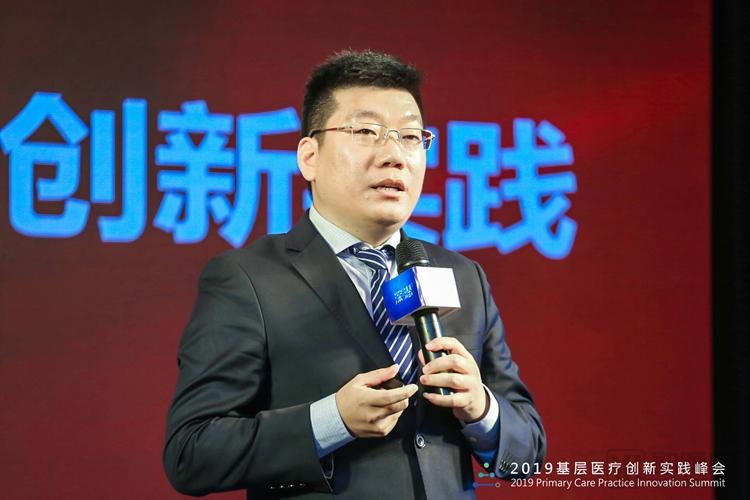
Mr. Li Shanwei, National Commercial Director of Chia Tai Tianqing
In recent years, prescription outflow has become a hot topic. The separation of prescribing and dispensing is an overarching trend; in the United States, approximately 70% of prescriptions are filled outside hospitals. In China, the sales composition of prescription drugs is 75% from tertiary hospitals and 25% from out-of-hospital retail channels. Many policies have been introduced domestically to encourage the separation of prescribing and dispensing and to promote prescription outflow. Channel transition will take time, providing pharmaceutical companies with ample opportunity to adjust and adapt.
The specific approach involves establishing a patient-centered pharmaceutical care and pharmacy service system. Being patient-centered means that even if individuals suffer from the same disease and receive the same medication, their responses and treatment regimens can vary significantly; therefore, we place great emphasis on each individual. Through pharmacy services, pharmaceutical care, and chronic disease management, a complete closed-loop system is formed.
Hospital-adjacent pharmacies are a critical component of the healthcare system, offering both convenience and professionalism. With over 2,300 tiered hospitals in China, and the potential to locate two pharmacies near each hospital, the market capacity is approximately 5,000 stores. These pharmacies can provide staff training tailored to specific disease areas and enhance patient adherence through commercial health insurance.
The Development of Professional Pharmacies Under Prescription Outflow: Three Stages—Competing for Resources, Expertise, and Service. The first stage primarily hinges on resources such as pharmacy location and qualifications, corporate product portfolios and workforce capabilities, public welfare initiatives, and medical insurance reimbursement coverage.
The second phase primarily focuses on assessing licensed pharmacists’ capacity to handle prescriptions, the development of hardware infrastructure in pharmacies, and professional training for store staff. The final phase centers on service excellence, with key performance indicators including the professionalism of patient customer service and database maintenance, the level of recognition and reliance from physicians, and the degree of trust from enterprises and government agencies.
DTP pharmacies represent a manifestation of professional service capabilities and possess distinct characteristics. For instance, similar to hospital-adjacent stores, their site selection primarily favors locations near hospitals, with each store serving a specific geographic area. Their product portfolio mainly consists of clinical support medications for conditions such as cancer, hematological disorders, rheumatic and immune diseases, and rejection reactions following organ transplantation. Customers are largely referred by hospitals, exhibiting high loyalty and driving a pull-based sales model. These pharmacies emphasize service attributes and professional expertise, providing one-on-one pharmaceutical care, health management, and patient community management.
For industrial enterprises laying out DTP pharmacy channels, our recommendation is to establish a comprehensive system. This includes guiding prescription outflow from hospitals, ensuring that designated pharmacies adhere to standardized service protocols, and requiring chain operators to build membership systems, point-based reward programs, and patient education activities. Furthermore, the medical affairs department within the enterprise must provide coordinated support.
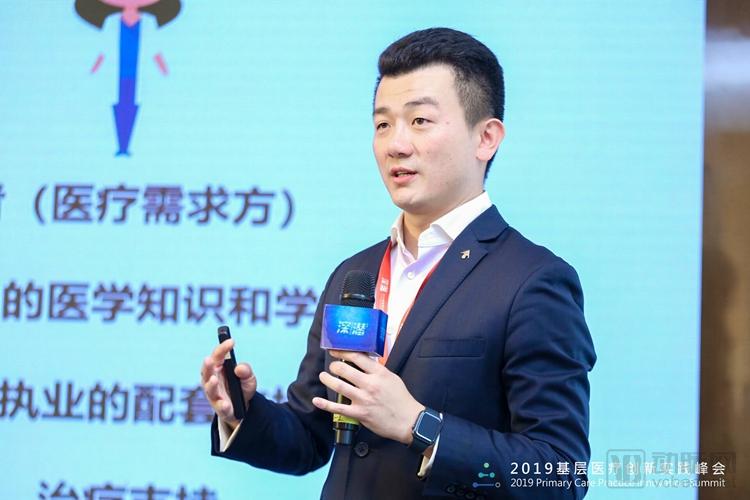
Mr. Li Wei, Senior Manager of Non-Public Healthcare Strategic Cooperation at AstraZeneca
AstraZeneca is a science-led global biopharmaceutical company dedicated to the research, development, manufacturing, and marketing of prescription medicines, with a primary focus on three key therapeutic areas: oncology, respiratory, and cardiovascular, renal, and metabolism. Operating in more than 100 countries, AstraZeneca’s innovative medicines benefit millions of patients worldwide.
AstraZeneca entered the Chinese market in 1993. China is currently AstraZeneca’s second-largest market globally. AstraZeneca China employs more than 13,200 people, and its total sales in China reached nearly RMB 26 billion in 2018, making it the second-largest multinational pharmaceutical company operating in China.
How to enable patients to access diagnostic and therapeutic services more conveniently and efficiently, how to enhance diagnostic precision and treatment personalization, and how to help patients better understand and manage their diseases have become shared needs for both patients and physicians in China today.
AstraZeneca’s commercial innovation strategy is to create “patient-centric” whole-disease management solutions. By advancing artificial intelligence, big data, and digitalization strategies, it continuously unlocks greater value for the industry and patients, drives the local healthcare sector toward a value-based, intelligent, and experience-oriented transformation, and builds an innovative health ecosystem platform that delivers shared benefits for all stakeholders.
China’s primary healthcare market holds immense potential, and AstraZeneca has been exploring the most grassroots segments to serve as many patients as possible. We have observed that while there are numerous small-scale medical institutions, a new-era phenomenon of “insufficient medical resources and limited drug availability” persists. On the supply side, there is inadequate accessibility to medical services and a scarcity of high-quality products. On the demand side, there is a lack of practical medical knowledge and learning opportunities, along with restricted channels for drug supply.
AstraZeneca’s innovations at the primary care level are twofold. The first is a comprehensive solution for healthcare service management, encompassing strategic supply chain partnerships, services for establishing primary care institutions, and enhancements in both management and academic capabilities. The second is a comprehensive solution for healthcare service technologies, such as assisting primary care institutions in setting up nebulization rooms or corners. Additionally, more technology-based comprehensive solutions tailored to primary care and non-public medical institutions—such as early screening for gastric cancer, community-based chronic disease management, and innovations in traditional Chinese medicine—are also being advanced.
Furthermore, we have observed that grassroots non-public institutions account for a significant proportion and exhibit a high degree of marketization. Therefore, from an operational perspective, we aim to comprehensively understand the development needs of clinics and stimulate their willingness to collaborate. Our specific focus areas include enhancing clinical capabilities, strengthening brand credibility, expanding service reach, and improving operational efficiency.
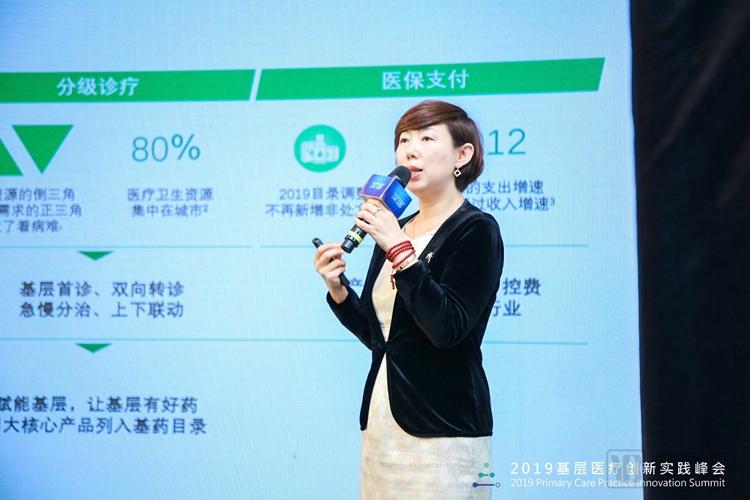
Ms. Yu Jing, Head of Market Access and Tendering, Bayer Consumer Health
Bayer is a life sciences company founded in 1863 and a global leader in the fields of health and nutrition. Our innovative products will contribute to helping overcome the major challenges posed by global population growth and aging. Guided by our corporate mission, “Science for a Better Life,” we are committed to helping prevent, alleviate, and treat diseases.
Bayer’s Consumer Health Division markets a portfolio of influential brands in the Chinese market, spanning multiple therapeutic categories including allergy relief, analgesics, cough and cold remedies, dermatology, foot care, digestive health, nutritional supplements, and sun protection, among others, including Kangwang.®Elevit®, Talcid®, Claritin®, Beikangwang®, Dan'e®, Curology®, Eloson®, Baijiahei®, Canesten®, Redoxon®, Meike®etc.
The Chinese market is playing an increasingly important role in the global pharmaceutical industry. Data from research firm QuintilesIMS shows that China’s pharmaceutical market ranked second worldwide in 2017. According to monitoring data from Sinohealth CMH, the total size of China’s retail terminal market reached RMB 384.2 billion in 2018. ResearchAndMarkets data indicates that China is the world’s third-largest OTC market.
The Chinese pharmaceutical market faces challenges stemming from population aging, tiered diagnosis and treatment, and health insurance payment reforms, while new retail, "Internet Plus," and tiered pharmacy management present new opportunities, with both challenges and opportunities coexisting.
Bayer has undertaken several innovative initiatives, one of which is its strategic presence on e-commerce platforms to drive market growth through new retail models. As of 2018, Bayer Consumer Health had established strategic partnerships with AliHealth, JD.com, and 1Drug.cn to jointly explore more innovative consumer engagement approaches, leverage data to empower business operations, and enhance Bayer’s brand penetration via 24/7 content on leading e-commerce platforms.
Second, partner with chain pharmacies to achieve win-win outcomes through dual-brand marketing; third, leverage premium medical resources to drive retail terminal growth; and fourth, focus on self-care, empower consumers, and enhance health literacy.
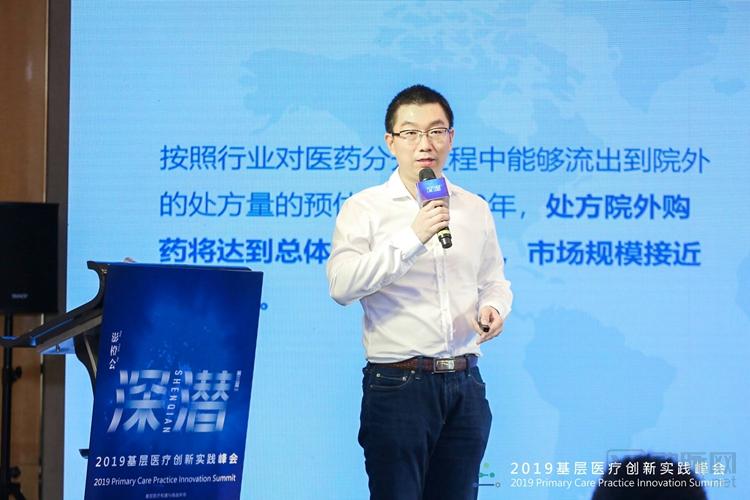
Mr. Xie Fangmin, CEO of Jianke
Frequent policy initiatives in the pharmaceutical industry have seen the Chinese government tackle supply-side structural reform by employing a dual-pronged approach—through consistency evaluations and the “4+7” volume-based procurement program—to squeeze out long-standing malpractices within pharmaceutical marketing channels.
A profound transformation is reshaping China’s pharmaceutical industry landscape. The traditional marketing systems of pharmaceutical companies are facing significant challenges, and the medical representative sector is in crisis. Both multinational and domestic pharmaceutical enterprises require innovative approaches to academic promotion and pharmaceutical new retail. With the rise of the pharmaceutical new retail ecosystem, many companies are already building or initiating such systems, typically focusing on pharmaceutical e-commerce and offline pharmacies. However, most firms remain in the exploratory phase.
Based on industry estimates of prescription volumes expected to shift outside hospitals during the separation of prescribing and dispensing, by 2020, out-of-hospital prescription purchases will account for one-third of the total prescription volume, with a market size approaching RMB 800 billion. Common household medications, emergency drugs, specialty drugs, high-priced patented medicines, adjuvant therapies, and chronic disease medications will migrate from hospitals to external channels, with chronic disease prescription refills being the primary focus.
Internet hospitals serve as a crucial channel for accommodating the outflow of prescriptions, enabling remote online consultations and the issuance of electronic prescriptions, with medication fulfillment facilitated through pharmaceutical e-commerce platforms, O2O pharmacies, or traditional brick-and-mortar pharmacies. Jianke has strategically deployed internet hospitals, physical hospitals, and future-oriented pharmacy models, establishing a comprehensive online-to-offline infrastructure to effectively prepare for and capitalize on the trend of prescription outflow.
In 2017, Jianke successively acquired Guangzhou Jingtai Hospital, Wuhan Xiongchu Hospital, and Hangzhou Chang’an Hospital. In July 2018, Guangdong Jianke Internet Hospital Co., Ltd. obtained the first internet hospital business license in Dongguan. In October 2018, the Jianke Internet Hospital project at Tumxuk City People’s Hospital was officially launched in Tumxuk City, Xinjiang, becoming the first medical institution in the entire Xinjiang region to obtain an internet hospital practice license.
Jianke has also partnered with Alipay in Chongqing to co-create the “Future Pharmacy,” offering a range of “warm tech” features such as “face-scan medication purchases,” “24-hour unmanned medication sales,” and “interactive intelligent pharmacist robots,” thereby exploring new retail development models in the pharmaceutical industry.
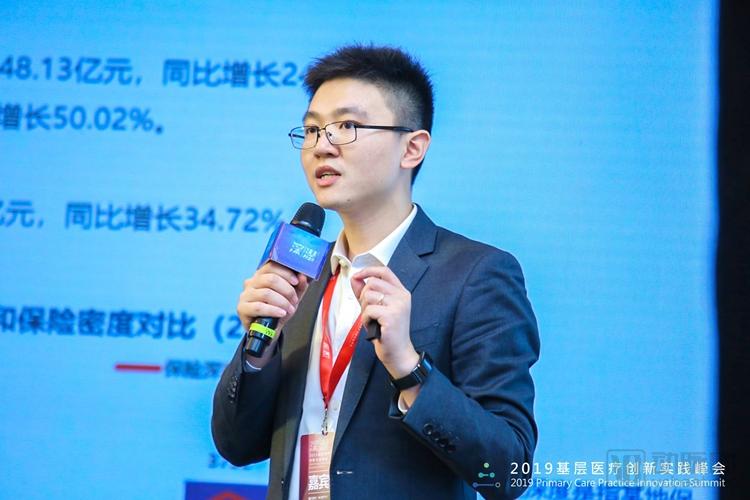
Mr. Zhang Ying, Investment Director of GF Xinde
For participants in the pharmaceutical market, we have previously categorized them broadly into five roles: payers, providers, distributors, technology enablers, and regulators. The traditional pharmaceutical market was primarily structured around a “four-corner relationship” involving pharmaceutical manufacturers, pharmaceutical agents, physicians, and fragmented health insurance entities. The new pharmaceutical market is characterized by a “new five-corner relationship” comprising Marketing Authorization Holders (MAHs), regulators, Contract Sales Organizations (CSOs), physicians and pharmacists, and dominant health insurance payers.
Unlike pension insurance, medical security is characterized by and faces challenges in the payment for and management of pharmaceutical and medical services. As passive payers struggle to ensure the rational, secure, and controllable use of medical insurance funds, it is essential to proactively fulfill the role of strategic purchasers. Following the establishment of the National Healthcare Security Administration, price and procurement levers have been employed to advance value-based healthcare, aiming to achieve better health outcomes, service quality, and patient safety at lower costs.
Another change in the payment landscape is the rapid advancement of commercial health insurance, which is accelerating its efforts to catch up. According to data from the China Banking and Insurance Regulatory Commission (CBIRC), the original premium income of life insurance companies reached RMB 2.63 trillion in 2018, a year-on-year increase of 0.85%. The original premium income from health insurance business amounted to RMB 544.813 billion, representing a year-on-year growth of 24.12%. With drug prices under control, claims and benefit expenditures by commercial insurers are becoming more manageable, positioning commercial health insurance to play an unprecedentedly significant role in safeguarding public health.
From a regulatory perspective, the key priorities are ensuring quality, maintaining capacity, securing supply, and strengthening innovation. Specifically, ensuring quality involves initiatives such as consistency evaluations, the Vaccine Administration Law, and striving to achieve “Internet + drug regulation” coverage across the entire product lifecycle. Strengthening innovation focuses on accelerating reforms in the review and approval of new drugs, fostering biomedical industry clusters, and improving the punitive damages system for intellectual property infringement.
Collaboration between physicians and pharmacists represents the future direction, shifting from physician dominance to a parallel model of medicine and pharmacy. The number of licensed physicians (excluding assistant physicians) stands at 2.899 million, while the number of licensed pharmacists is 453,000. Pharmacists must transition from being mere “figureheads” to becoming “gatekeepers,” and ultimately “promoters.”
In the future pharmaceutical landscape, strategic choices will matter more than sheer effort for pharmaceutical companies. New drug development is a protracted process; according to IQVIA’s statistics on new drugs launched in the United States in 2018, the median time from patent application to market approval was 13.7 years. This figure represents a six-month reduction compared to the average median of the preceding five years. Meanwhile, prices for innovative drugs are declining, making blockbusters increasingly rare.
It can be inferred that low-level, or even high-level, repetitive R&D has little significance; “Me-too” and “Me-worse” innovations are not worthwhile. First-to-file generics, those with advantages in active pharmaceutical ingredients (APIs) and bioequivalence evaluation capabilities, are expected to secure a certain market share through centralized procurement. High-quality improved formulations also represent a viable strategy. In the future, specialty drugs addressing unmet clinical needs and possessing a certain market scale may become the most promising product categories.
Furthermore, regarding the evolution of pharmaceutical Contract Sales Organizations (CSOs), they must accelerate iteration to enhance their operational and compliance capabilities, extend their reach into R&D and capital sectors, and expand into “emerging channels.” The future trend will see hospital-centric services extending to pharmacies adjacent to hospitals, which in turn will extend further to primary care institutions.
Let’s align on GF Xinde’s strategic layout in the primary healthcare and pharmaceutical sector, which includes investments in Zhixiang Network, Akang Health, and Community 580, all of which are driving industry development through diverse approaches.
Similar to other consumer goods, the pharmaceutical sales market is governed by “demand” and “supply.” When demand remains stable—i.e., when there are no significant changes in the disease spectrum or treatment pathways—the overall pharmaceutical sales market will not experience substantial fluctuations. The primary change lies in the structure of pharmaceutical end-points, with medication usage in tiered hospitals being gradually “diverted” to primary healthcare institutions and retail chain pharmacies.
Policies include a series of measures to “strengthen primary care,” such as increasing investment in equipment for primary healthcare institutions, encouraging private capital participation, and promoting the development of third-party medical services like laboratory testing. These initiatives will enhance the service capacity of primary healthcare institutions and help retain patients. Meanwhile, primary healthcare institutions are permitted to “retain surpluses” as part of their performance evaluation framework; such effective incentive mechanisms will stimulate the enthusiasm of primary healthcare professionals.
Against the backdrop of tiered diagnosis and treatment, volume-based procurement (VBP), and the outflow of prescriptions from hospitals, the service capabilities of primary healthcare institutions have continued to improve. Patients are “returning” to these primary care settings, driving up demand for pharmaceuticals. Coupled with the flow of VBP-listed drugs into the primary care market, this sector has become a highly sought-after opportunity for pharmaceutical companies. Meanwhile, the “Internet + Healthcare” model has introduced new applications such as internet hospitals, prescription-sharing platforms, and cloud pharmacies, further boosting the primary care market. With growth on both the supply and demand sides, the scale of the primary care pharmaceutical market is poised for further expansion in the future.