

YiFuTianXia: Driving Rural Healthcare Transformation Through IoT and Building a Modern Clinic Service Loop
In recent years, with the vigorous promotion of the tiered diagnosis and treatment system, the government has increased investment in primary healthcare resources, medical enterprises have provided complementary support through differentiated positioning, and rural healthcare has also boarded the fast train of “Internet+.” In rural areas, which are furthest removed from the forefront of modern medicine, how can technology be leveraged to reduce labor burdens and improve medical efficiency and service quality? This is a key issue in current innovations in primary healthcare.
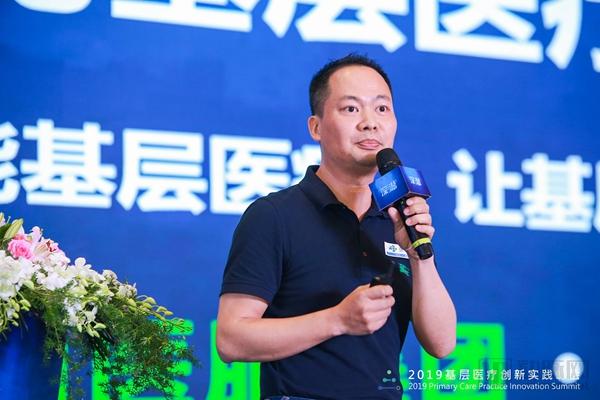
Zhuang Hangzhou, Yi Fu Tian Xia
At the 2019 Summit on Innovative Practices in Primary Healthcare hosted by VCBeat, Zhuang Hangzhou, CEO of Yifu Tianxia, delivered a speech titled “Innovating an Integrated Primary Healthcare Service Platform to Empower Primary Care,” sharing his insights on the current challenges and potential solutions in primary healthcare.
In its early stages, Kangshang Medical Group focused extensively on the primary healthcare sector across provinces in China, achieving the deployment of all-in-one machines in over 60,000 village clinics nationwide and accumulating extensive market experience in serving primary care physicians. Leveraging the group’s strengths in industrial hardware and software technologies as well as its market expertise, the Yifu Tianxia team has also maintained a deep presence at the grassroots level, conducting numerous on-site visits.
Village doctor Guo Genxin described his former work routine as follows: He would wake up at 5 a.m. every day, ride his bicycle to the village clinic by 7 a.m., where his wife would see patients while he conducted home visits to take measurements. His essential tools were the “old three” items—a stethoscope, a sphygmomanometer, and a thermometer—along with a medical bag for house calls.
Visiting ten households a day, covering more than ten kilometers on foot. After work, additional time is required to complete the filling and uploading of statistical records. Throughout this process, basic information for each villager, including name, phone number, and ID card number, must be repeatedly entered five times, requiring at least 8–10 hours per day.
At that time, Guo Genxin and his wife, Dai Lijun, were responsible for providing medical and health services to more than 3,000 villagers in Jinshan Village, Xinqiaohe Town, Ziyang District, Yiyang City. In Guo Genxin’s words, even with only two days off during the Spring Festival throughout the entire year, they still found themselves “unable to keep up with the demand.”
The experiences of Guo Genxin and his wife remain representative of the majority of village doctors today.
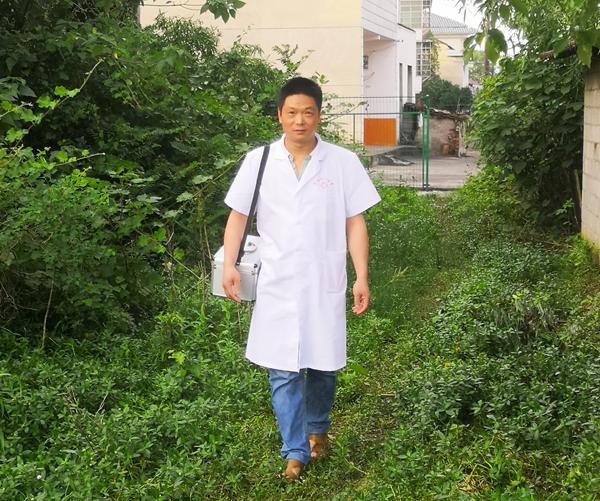
Dr. Guo Genxin, Jinshan Village Clinic, Lichanggang Township, Ziyang District, Yiyang City, Hunan Province
In recent years, with the successive release of policy documents such as the Outline of the “Healthy China 2030” Plan, the Opinions on Improving the Training and Incentive Mechanisms for General Practitioners, and the Opinions on Promoting the Development of “Internet + Healthcare,” a clear trend has emerged toward front-loading clinical care and prioritizing prevention. On one hand, the government aims to leverage internet-based tools to enhance the service delivery and health management capabilities of primary healthcare institutions; on the other hand, it emphasizes the training and empowerment of primary care physicians and general practitioners.
However, the current state of primary healthcare in China is characterized by a scarcity of medical resources, with primary care institutions burdened by heavy public health service responsibilities. The lack of diagnostic and treatment capabilities not only fails to meet the professional development needs of primary care physicians but also erodes resident trust in these facilities. Consequently, patients tend to prefer large hospitals as their first choice, leading to significant patient outflow from primary care settings.
Among these, insufficient medical equipment and the corresponding operational support are significant factors constraining the level of primary healthcare services in China. In his speech, Zhuang Hangzhou shared that in recent years, with the vigorous promotion of tiered diagnosis and treatment, the government has increased investment in primary healthcare resources, substantially strengthening the infrastructure of primary care. However, following the deployment of this equipment, substantial supplementary support remains necessary, including laboratory testing guidance, medical expertise, and assistance in diagnosis and treatment.
The root cause lies in the fact that merely providing equipment to primary healthcare institutions is insufficient, as physicians themselves lack corresponding capabilities in laboratory testing, report interpretation, and disease management. Consequently, even high-quality equipment cannot be fully utilized, failing to fundamentally improve the diagnostic and treatment standards of primary care facilities.
This has, to some extent, presented certain opportunities for healthcare companies.
“Primary care must first address the fundamental issues of diagnosis and treatment.”
In Zhuang Hangzhou’s view, although primary healthcare faces numerous challenges, the focus should remain on clinical domains such as laboratory testing, diagnosis, and treatment, as well as long-term monitoring of chronic diseases and lifestyle management interventions for diagnosis and treatment, rather than general health management. To address clinical care issues, the most pressing priority is to fill the gap in medical laboratory testing at the primary care level.
According to the “2019 Report on Innovative Practices in Primary Healthcare” released by VCBeat, data indicate that the majority of diagnostic and treatment cases that primary healthcare institutions are unable to definitively diagnose are associated with a lack of laboratory testing capabilities. Among these, referrals due to insufficient imaging diagnostic capacity accounted for 12.25%, while referrals stemming from a lack of clinical biochemistry testing capabilities accounted for 87.74%.
Backed by Kangshang Medical Group, Yifu Tianxia leverages the group’s proprietary resources in hardware product R&D, manufacturing, after-sales service, and marketing. Centered on the needs of primary healthcare, it serves grassroots clinics, private practices, integrated traditional Chinese and Western medicine institutions, elderly care facilities, and community health centers, striving to build an innovative, integrated service platform that combines “products + services + operations.”
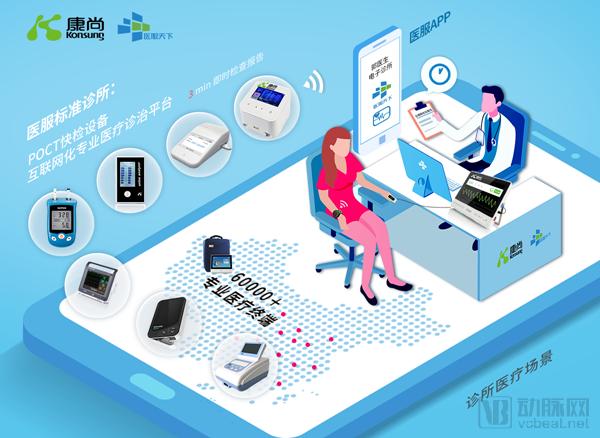
Conceptual Design of Yifu Tianxia Clinic
On the product front, Yifu Tianxia leverages POCT as its entry point, focusing on intelligent rapid testing solutions. Its offerings include all-in-one health kiosks, fully automated dry chemistry analyzers, white blood cell analyzers, hemoglobin analyzers, urine analyzers, and inflammation detection analyzers. These devices enable accurate testing and assist in the diagnosis of common conditions and chronic diseases such as colds, fever, hypertension, hyperlipidemia, gout, and anemia.
Zhuang Hangzhou responded to reporters: The product layout strategy of Yifu Tianxia primarily targets high-frequency medical scenarios in primary healthcare. For instance, the domestically launched first ultra-portable white blood cell analyzer this year is mainly aimed at aiding in the diagnosis and differentiation of various common infectious diseases and chronic conditions in primary healthcare settings.
As Professor Dong Shukui noted, it is well known that China is a major consumer of antibiotics. The misuse of antibiotics is particularly prevalent in primary healthcare settings, where diagnostic capabilities are relatively limited. In the pursuit of rapid therapeutic effects, many physicians prioritize prescribing antibiotics for patients with infections; however, this practice directly adversely affects residents’ immune function.
Zeng Taiping, a physician at the Lishiqiao Family Planning and Health Service Room in Sanxianhu Town, Nan County, Yiyang City, Hunan Province, was among the earliest beneficiaries of white blood cell analyzers.
He told reporters that when clinic medical equipment was relatively basic in the past, physicians relied more heavily on their own clinical experience. When encountering febrile infection cases with unidentified pathogens, doctors typically had no choice but to refer patients elsewhere or adopt a broad-spectrum approach using anti-inflammatory medications. This practice largely contributed to patient attrition and the overuse of drugs.
However, with the increasing availability of diagnostic equipment, Dr. Zeng Taiping gradually shifted away from the traditional experience-based practice model, adopting a clinical workflow that prioritizes testing first, followed by diagnosis, and then treatment.
Dr. Zeng Taiping stated that another advantage of using diagnostic equipment is that residents receive clear test reports on-site, which not only enhances the perceived value of paid testing but also significantly boosts trust in physicians’ diagnostic results and treatment plans, thereby markedly improving patient adherence and follow-up visit rates.
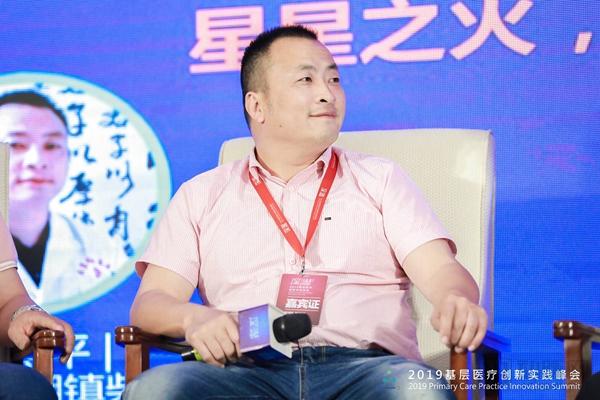
Dr. Zeng Taiping, Physician at the Lishiqiao Health and Family Planning Clinic, Sanxianhu Town, Nan County, Yiyang City, Hunan Province
By introducing point-of-care testing (POCT) rapid diagnostic devices, the clinic has enhanced its service quality and earned consistent recognition from nearby residents. Currently, Zeng Taiping’s Health and Family Planning Clinic has become a well-known “star clinic” in the local area.
In a post-conference interview, Zhuang Hangzhou stated that bridging the “last mile” of primary healthcare requires not only hardware products but also the connectivity and empowerment provided by digital technologies.
All hardware products from Yifu Tianxia incorporate industrial Internet of Things (IIoT) technology, enabling test data to be automatically transmitted to clinic devices and physicians’ smartphones immediately upon generation. This allows doctors to monitor the health status of thousands of residents in real time and implement more systematic management. Dr. Zeng and Dr. Guo both noted that previously they could only recall partial patient information based on memory, whereas now the system assists them in managing resident diagnosis and treatment.
Reporters learned that Yifu Tianxia’s product portfolio has gradually expanded from medical settings to home scenarios, launching products such as wireless blood pressure monitors, blood glucose meters, and wrist-worn pulse oximeters. This has established a comprehensive grassroots medical Internet of Things (IoT) ecosystem integrating all-in-one medical health kiosks, point-of-care testing (POCT) devices, and home health equipment.
Physicians can create health records for residents using integrated health kiosks or the physician-side mobile app. After residents measure their vital signs using wireless home health devices such as blood pressure monitors and glucometers, the results are automatically synced to their health records. Physicians can access residents’ health information in real time via the physician portal to provide timely health interventions and guidance, while residents can also communicate with their doctors online through the WeChat resident portal.
To some extent, this has addressed the lack of tools available to physicians for managing residents, and has also brought about a significant transformation in the work practices of rural doctors, represented by Guo Genxin.
Since 2017, Guo Genxin has procured Yifu Tianxia smart blood pressure monitors and glucometers from online cloud marketplaces, distributing them to villagers’ homes through proxy purchasing (399 yuan), leasing (100 yuan/year), and free distribution at designated points. After providing initial instruction on their use, villagers can independently measure health metrics such as blood pressure and blood glucose, with the results automatically uploaded.
“Public health services require village doctors to measure villagers’ health data, such as blood glucose and blood pressure, at least four times a year. In the past, even working without days off throughout the year did not guarantee completion of public health tasks; however, residents now measure these parameters at home more than four times a day.”
Today, Guo Genxin and his wife remain rooted in the Jinshan Village Health Clinic, serving nearly 6,000 residents. Through measures such as group purchasing, leasing, and free distribution at designated points, they have achieved full coverage of smart blood pressure monitors and blood glucose meters for all residents within their jurisdiction.
Guo Genxin stated that this model has eliminated the need for in-person visits to take measurements; by simply using his smartphone more frequently, he can monitor villagers’ health data in real time, thereby allowing him to devote more time to patient diagnosis and treatment. Furthermore, as health data are automatically updated in residents’ health records, he has been relieved of the burdensome task of manual record-keeping, achieving paperless office operations.
“Previously, when serving over 3,000 patients, we often felt stretched thin. Now, with nearly 6,000 patients under our care, the medication control rate for common chronic diseases such as diabetes and hypertension has actually risen from just over 10% to 51.7%,” said Guo Genxin.
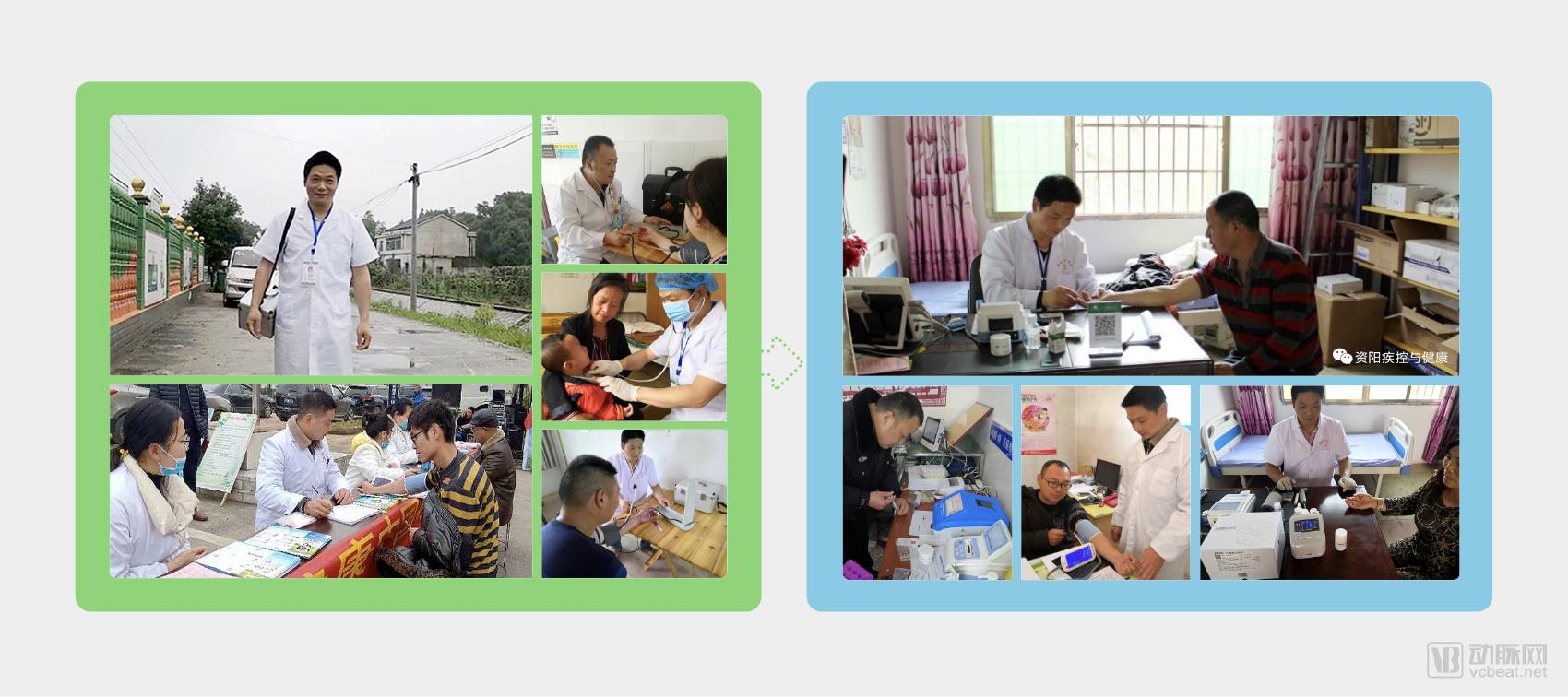
From the traditional “old trio” to today’s intelligent testing equipment
In addition, Guo Genxin has introduced the full suite of POCT testing products from Yifu Tianxia. He revealed to reporters that prior to adopting these POCT testing products, his annual expenditure on antibiotics was approximately RMB 50,000; currently, this cost has decreased to around RMB 10,000 per year.
Zhuang Hangzhou told reporters that doctors can also access corresponding POCT device usage training, interpretation of resident health reports, remote diagnosis and treatment guidance/consultation, and professional competency enhancement training through the Kangshang Medical Service Health Service Platform (the Yifu Tianxia APP), thereby meeting their needs for self-improvement.
“At present, the professional operational platform for primary care medical testing networks built by Yifu Tianxia, which is based on primary-level laboratory testing, has onboarded more than 10,000 primary healthcare practitioners. Our goal is to consolidate the large-scale, non-standardized, and fragmented primary healthcare sector onto a single platform, thereby creating a new model for future clinics. By placing physicians at the center, we aim to truly liberate them from administrative burdens, enhance their core clinical services, and allow them to focus on diagnosis and treatment,” said Zhuang Hangzhou.