

China Launches First Large-Scale, Multicenter, Prospective, Non-Interventional Real-World Study in Stage I–IIIA NSCLC
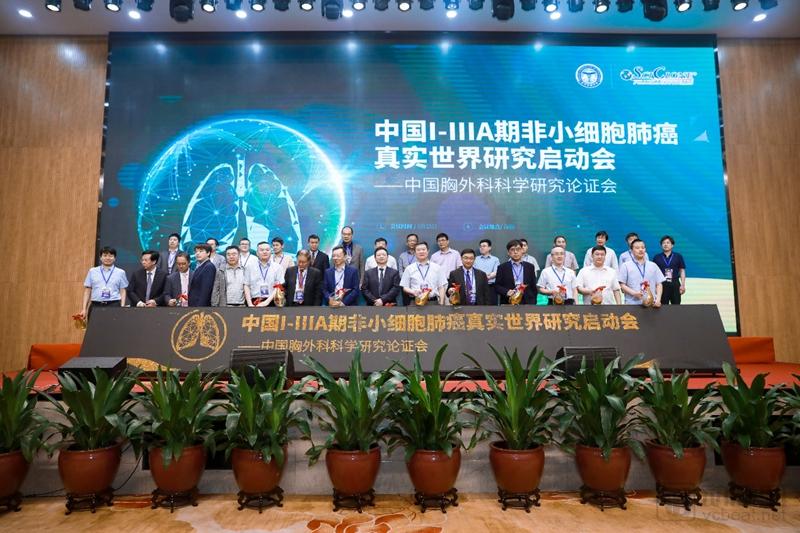
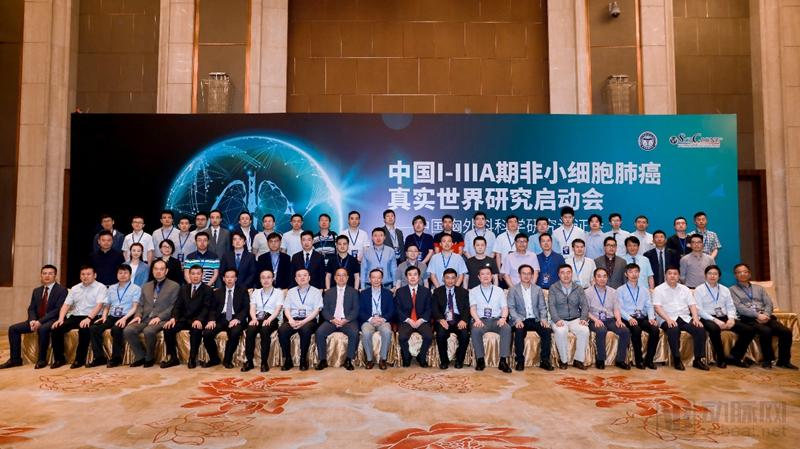
On May 25, 2019, VCBeat New Medicine (WeChat ID: biobeat1) learned that China’s first real-world study project on stage I–IIIA non-small cell lung cancer (NSCLC) was officially launched in Shenzhen, China.
In China, the incidence and mortality rates of lung cancer rank first among all malignant tumors. Among them, non-small cell lung cancer accounts for 80% of all lung cancer cases.[1]Lung cancer has a low five-year survival rate, with 70% of patients diagnosed at an advanced stage, thereby missing the opportunity for surgical intervention. Systemic chemotherapy has long been the primary treatment option for these patients. In the early 21st century, the advent of molecular targeted therapies brought significant clinical progress in the treatment of advanced non-small cell lung cancer (NSCLC). Subsequently, tumor immunotherapy has been recognized as one of the most successful approaches in cancer treatment in recent years, with the emergence of immune checkpoint inhibitors offering patients a glimmer of hope for curing cancer.
However, despite several epoch-making advances in the field of lung cancer treatment over the past decade, the mortality rate from lung cancer remains stubbornly high. In addition to continuously promoting new treatment regimens, there is an urgent need to understand the impact of diagnostic and therapeutic protocols on patients in real-world settings, and to summarize how to adjust these strategies for different patient populations in real-world practice, thereby developing clinical guidelines better suited to Chinese patients.
Compared with other cancer types, the field of lung cancer treatment has advanced rapidly over the past decade. Supported by national policies, the pace at which new drugs enter the Chinese market has also accelerated significantly. Although China has treatment guidelines and advanced therapies that are nearly synchronized with those in other countries, its five-year survival rate for lung cancer remains low compared to Japan, South Korea, and the United States. Therefore, real-world studies are imperative. Such studies will provide guidance and recommendations aimed at improving survival rates among lung cancer patients.
It is understood that this project was jointly initiated by the National Cancer Center and the Beijing Oncology Society. The project aggregates comprehensive treatment data from patients across provincial-level cancer hospitals nationwide, encompassing diverse economic backgrounds, living environments, and clinical management philosophies. The study plans to enroll 10,000 patients with a three-year follow-up period, involving a total of 30 hospitals, with support from SciClone Pharmaceuticals (China) Co., Ltd. The primary objective is to observe the impact of different postoperative treatment strategies on survival outcomes in patients with stage I–IIIA non-small cell lung cancer (NSCLC) in real-world settings. Additionally, the project will assess adherence to clinical guidelines in real-world practice, thereby providing more reliable evidence for clinical decision-making.
1 NCCN Guidelines Version 6.2018 Non-Small Cell Lung Cancer