

2019 Shaoxing International Forum on Medical Device Industry Innovation Kicks Off: Driving the Rise of This Historic Cultural City Through Innovation
In response to the national policy encouraging the innovative research, development, and application of medical devices, and to promote innovation in the medical device industry and establish a benchmark industrial park for medical devices in the Yangtze River Delta region, the 2019 Shaoxing International Summit on Innovation in the Medical Device Industry and the Signing Ceremony for the Shaoxing Yuecheng Medical Device Industry Innovation Service Complex were grandly held on May 28 at the Kuaiji Mountain Yangming Hotel in Yuecheng District, Shaoxing City, Zhejiang Province.
This event is hosted by the People's Government of Yuecheng District, Shaoxing City, and the Shaoxing Municipal Science and Technology Bureau; co-organized by the Yuecheng District Science and Technology Bureau and the Shaoxing Yuecheng Medical Device Industry Innovation Service Complex; supported by Beijing Lanfeng Capital, Peking University Healthcare Innovation Valley, and Shaoxing Lanbei Investment; with Probe Capital and VCBeat as cooperating partners.
Shaoxing Yuecheng Medical Device Industry Innovation Service Complex is located in Gaobu Town, Yuecheng District. Primarily focused on the manufacturing of medical devices, it provides integrated innovation and entrepreneurship services encompassing R&D, design, testing and inspection, production and sales, business incubation, intellectual property, sci-tech finance, talent training, and technology markets. Led by government investment and operated by Shaoxing Lanbei Investment as the service provider, the complex leverages the professional medical park resources of Peking University Medical Innovation Valley and integrates the financial services team of Beijing Lanfeng Capital to create a premier hub for mid-to-high-end medical device industry innovation. To date, the complex has attracted ten medical device companies, including Qikang, Lüxing, Jiayou, and Xinyi IoT, with a total project investment of approximately RMB 345 million.
Wang Guiliang from the Zhejiang Provincial Department of Science and Technology, Wang Hui, Director of the Shaoxing Municipal Science and Technology Bureau, Yuan Jian, Deputy Secretary of the Yuecheng District Committee of the Communist Party of China in Shaoxing and District Mayor, Zhang Yuanting, Academician of the International Academy of Medical and Biological Engineering and Fellow of the American Institute for Medical and Biological Engineering, along with 300 industry professionals, attended the event. During the conference, a signing ceremony was held for enterprises settling into the Shaoxing Yuecheng Medical Device Industry Innovation Service Complex. Attendees jointly witnessed the inauguration ceremony of the Shaoxing Yuecheng Medical Device Industry Innovation Service Complex.
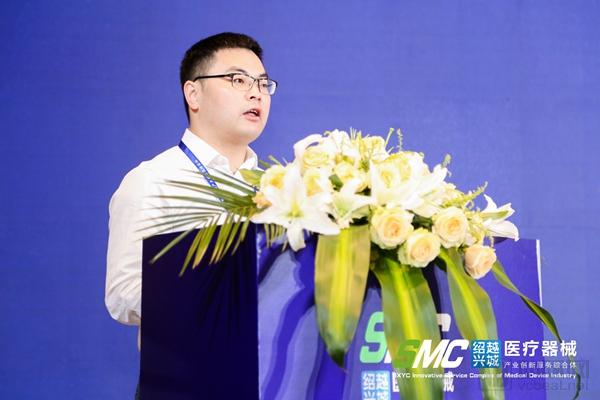
Address by Yuan Jian, Deputy Secretary of the CPC Yuecheng District Committee and District Mayor of Shaoxing City
Mr. Yuan Jian stated that the medical device industry is one of the four pillar industries in Yuecheng District. This forum has established a platform for collaborative discussion on the innovative development of the medical device industry. The People's Government of Yuecheng District looks forward to hearing candid insights from all distinguished guests and welcomes their suggestions and recommendations to advance the growth of Yuecheng District’s medical device sector.
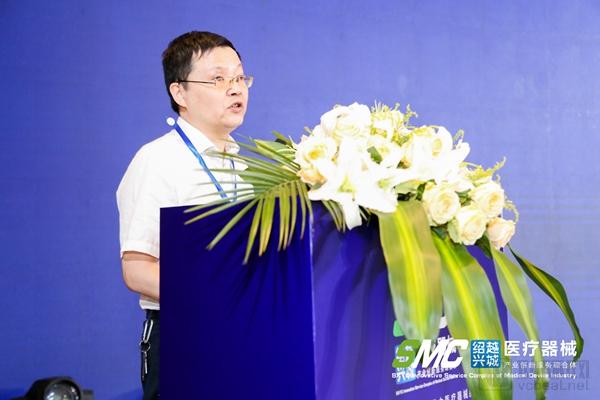
Address by Wang Hui, Director of the Shaoxing Municipal Science and Technology Bureau
Mr. Wang Hui stated that with the operation of the Shaoxing Yuecheng Medical Device Industry Innovation Service Complex and the establishment of a number of new medical device enterprises, Yuecheng is bound to become an industrial cluster for high-performance medical devices in the Greater Bay Area around Hangzhou Bay. The Shaoxing Science and Technology Bureau will also continue to provide services for the industrialization of scientific research achievements, making every effort to build the medical device industry into an important pillar industry of Shaoxing City.
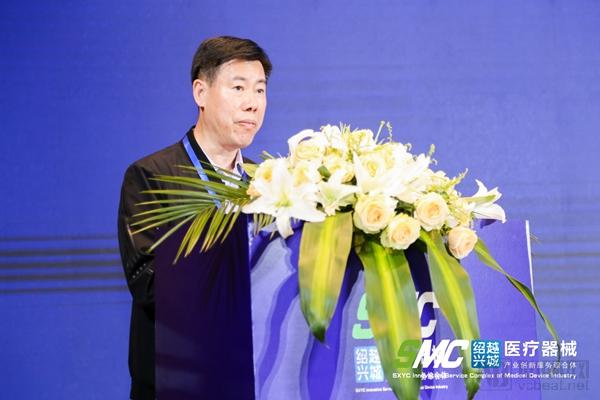
Address by Wang Guiliang, Zhejiang Provincial Department of Science and Technology
Mr. Wang Guiliang stated that the medical device industry is a sunrise industry characterized by high technology intensity, stringent regulatory oversight, and broad development prospects. The development of the Shaoxing Yuecheng District Medical Device Innovation Industry Service Complex will provide strong support for the industrial upgrading of Shaoxing City.
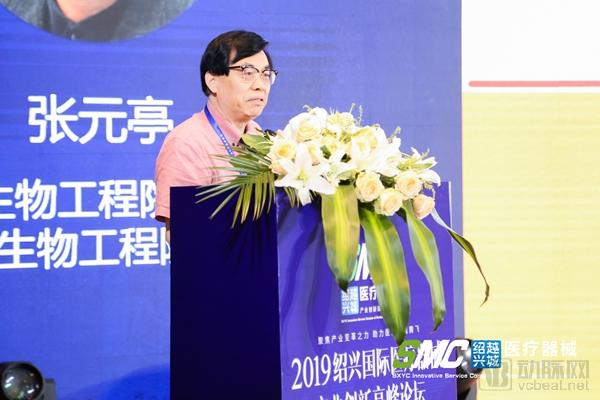
Yuanting Zhang, Academician of the International Academy of Medical and Biological Engineering and Fellow of the American Institute for Medical and Biological Engineering, delivered a keynote speech titled “Integration of Human and Machine Intelligence: The Direction for the Development of Health Science and Technology and Medical Devices”
Academician Zhang Yuanting discussed new directions for the future integration of human and machine intelligence from the perspective of societal and national needs. He stated that the development of medical devices and the health industry constitutes a major societal and national imperative. From 2010 to 2017, China’s medical device industry experienced rapid growth; however, its market share on the international stage remains very low. To surpass the development levels of developed countries in the medical device sector, it is essential to identify new growth drivers, namely, significant societal needs. The World Health Organization has clearly indicated that cardiovascular and cerebrovascular diseases are the leading causes of death globally, while mortality rates for chronic diseases such as cancer and diabetes remain persistently high. The development of medical devices must be oriented toward addressing these critical needs. Consequently, health engineering aimed at the early prevention and detection of major diseases has emerged as a new direction for the development of artificial intelligence. The future trajectory of medical equipment development should focus on miniaturization, intelligence, networking, digitalization, and standardization.
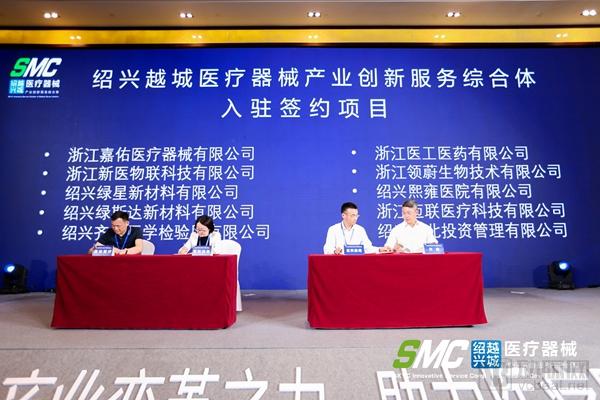
On-Site Signing Ceremony for Enterprises Joining the Shaoxing Yuecheng Medical Device Industry Innovation Service Complex
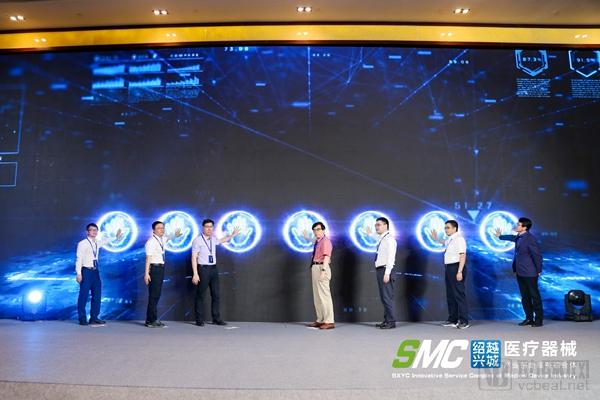
Inauguration Ceremony of the Shaoxing Yuecheng Medical Device Industry Innovation Service Complex
Centering on the most dynamic sectors of China’s medical device industry—namely AI-powered medical imaging, in vitro diagnostics (IVD), 3D printing, medical equipment, the Internet of Medical Things (IoMT), healthcare informatics, and high-value consumables—this forum explored future development trends and practical implementation in the medical device field. Discussions were structured around three thematic pillars: “Global Trends and China’s Strategy,” “Application Practices and Industrial Progress,” and “Healthcare Scenarios and Investment Practices,” examining these topics from perspectives including cutting-edge global technologies, national policies, capital momentum, industrial park enablement, and hospital-level deployment.
Topic 1: International Trends and China’s Strategy
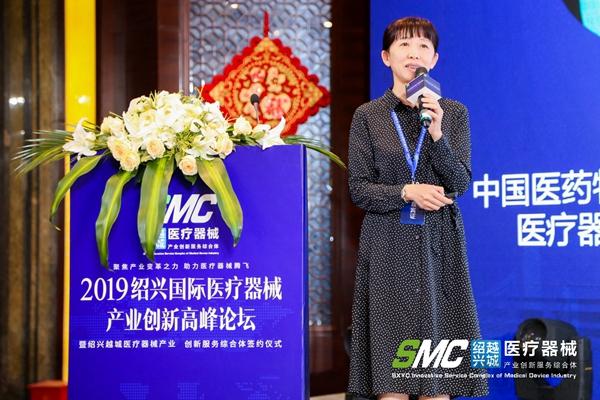
Chen Hongyan, Deputy Secretary-General of the China Medical Pharmaceutical Material Association and Secretary-General of the Medical Device Branch
Ms. Chen Hongyan delivered a keynote speech titled “Development Status of China’s Medical Device Industry.” She pointed out that the medical device industry is one of the fastest-growing sectors worldwide, driven by economic development and technological advancements. In developed countries, the medical device industry accounts for approximately 10% of GDP, with the United States reaching 15%, while China’s current figure stands at around 5%. China’s medical device market constitutes 30% of its total pharmaceutical market, whereas the global medical device market represents approximately 50% of the global pharmaceutical market. Currently, China’s medical device industry is experiencing rapid growth, with a surge in the home-use medical device market; however, the output value of individual enterprises remains relatively low. Looking ahead, the “Healthy China” strategy and the development of the broader health industry will bring both greater opportunities and challenges to the medical device sector.
Topic 2: Application Practices and Industry Progress
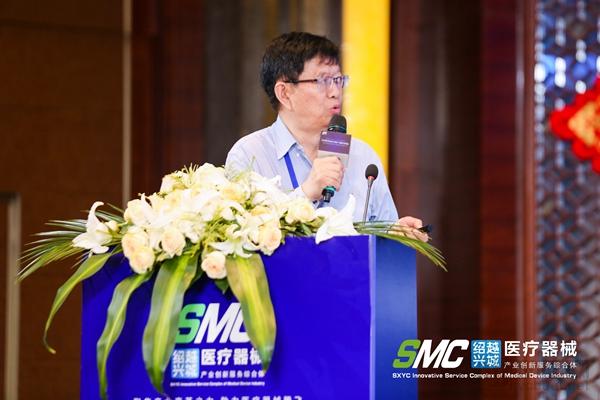
Xi Tingfei, Former Director of the Center at the National Institutes for Food and Drug Control
Mr. Xi Tingfei discussed the current status and development trends of biomaterials in China. He cited market shares and domestic production rates for biomaterials in fields such as cardiovascular, orthopedic, and plastic surgery. In 2017, the domestic cardiovascular market reached RMB 34.6 billion, with the localization rate of commonly used PCI vascular stents reaching 80%. The technology for fully degradable stents has reached a stage that is synchronized with, or even leads, international standards. However, cardiac pacemakers remain a weakness in China’s biomaterials industry, with a localization rate of less than 10%. Domestic biomaterials account for 70% of the trauma care market share, but these products are predominantly low-priced, while high-end products are almost entirely dominated by foreign companies. In the dialysis sector, the international market size reached USD 30 billion in 2017, while the domestic market amounted to USD 8.6 billion. Mr. Xi Tingfei stated that the domestic biomaterials market has been developing rapidly in recent years, and the next five to ten years will be a golden era for the development of medical devices and biopharmaceuticals.
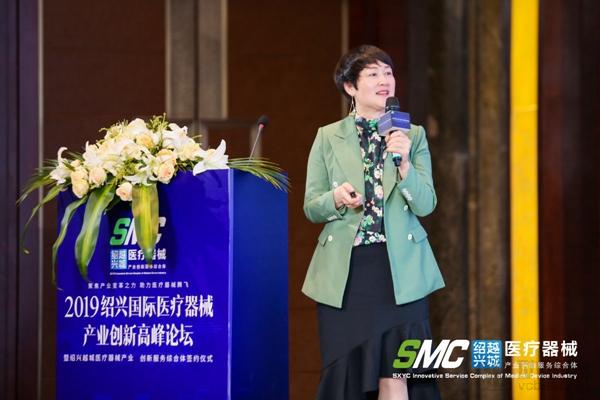
Pan Huasu, Founder and Chairman of Mingfeng Medical System Co., Ltd.
Ms. Pan Huasu delivered a keynote speech titled “Innovation and Development of High-End Large-Scale Imaging Equipment” from an enterprise perspective. Currently, 70% of high-end medical equipment in China is supplied by foreign companies. As a representative enterprise of high-end medical equipment in Yuecheng District, Mingfeng Medical has always been committed to the independent research and development of domestically produced medical devices, aiming to reduce product costs and increase the accessibility of high-end medical instruments. At present, Mingfeng Medical’s products are being used in five countries worldwide, including the United States, South Africa, Vietnam, and the Philippines.
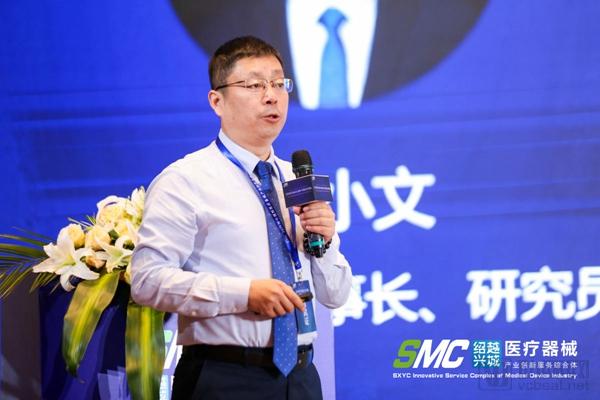
Zhao Xiaowen, Chairman and Researcher of Aikexailong
Mr. Zhao Xiaowen delivered a keynote speech titled “Medical Additive Manufacturing: The Future of Personalized Treatment.” He argued that with the widespread adoption of medical additive manufacturing, personalized treatment will become a new trend in future therapeutic practices. Technologies such as bioprinting and 3D printing offer novel processes that make personalized repair feasible. Currently, technological limitations prevent perfect repair of various traumatic injuries and are prone to causing complications and sequelae. In response to this need, medical additive manufacturing could establish a comprehensive workflow in the future. This process would begin with data acquisition from the patient’s lesion site, followed by three-dimensional reconstruction. The resulting biomimetic data would then be used for 3D printing, and the final product would be provided to clinicians, ultimately achieving optimal repair and reconstruction.
Topic 3: Healthcare Scenarios and Investment Practices
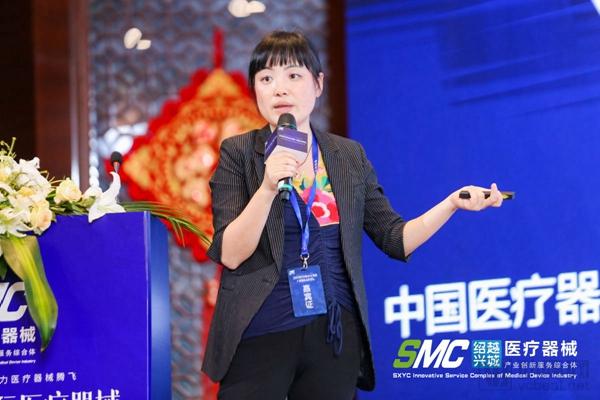
Guan Yan, Secretary-General of the Smart and Mobile Healthcare Branch of the China Association for Medical Devices Industry
Ms. Guan Yan delivered a keynote speech titled “The Path to Innovation in China’s Domestic Medical Device Industry.” In her address, Ms. Guan introduced the current state of global medical device innovation, the status of innovative development within China’s medical device industry, and the emerging trends in this sector. She pointed out that the global medical device innovation industry is generally experiencing steady growth, with in vitro diagnostics (IVD) currently representing the largest segment of the global medical device market. The trends driving innovative development in China’s medical device industry lie in fields such as artificial intelligence, mobile internet, the Internet of Things (IoT), and big data.
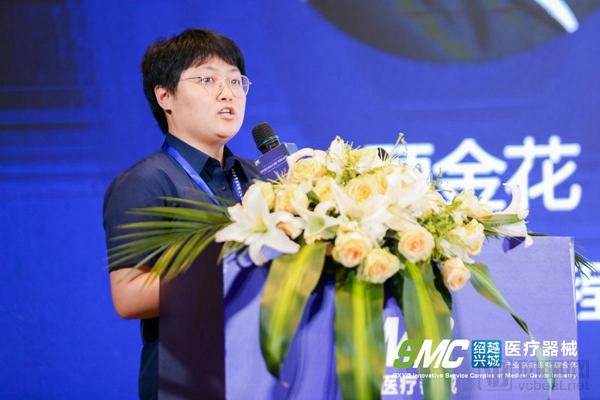
Senior Registered Engineer Gu Jinhua
Ms. Gu Jinhua delivered a presentation titled “Analysis of the Medical Device Registration Process and Key Points Under New Regulatory Trends,” in which she explained the current regulatory framework and procedures for medical device registration and analyzed potential trends in future regulatory changes. Currently, regulatory requirements span the entire product lifecycle, forming a seamless regulatory system. The overall medical device registration process includes project initiation, quality management system establishment, testing, clinical evaluation, submission of the registration application, and obtaining the registration certificate. Medical device registration is determined by the device’s classification, which is based on the product’s risk level. This classification system is formulated and uniformly published by the state, and applicant companies must submit their applications to the corresponding regulatory authorities according to the respective classifications.
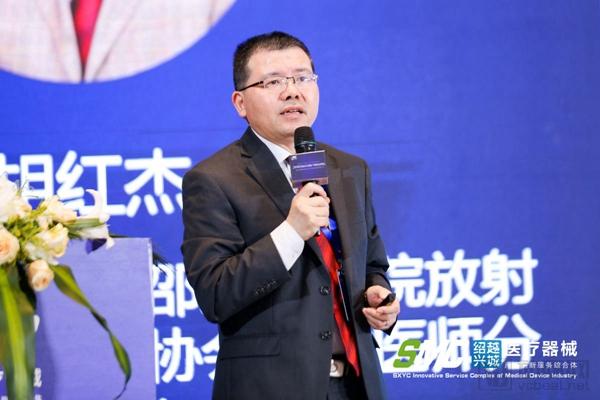
Hu Hongjie, Director of the Department of Radiology at Sir Run Run Shaw Hospital, Zhejiang University School of Medicine, and President of the Radiologists Branch of the Zhejiang Medical Doctor Association
Mr. Hu Hongjie introduced the application of interventional techniques in specific clinical diagnosis and treatment processes from the perspective of a frontline physician. He stated that interventional therapy has become an important component of safe medical care. The application scenarios of interventional techniques are divided into diagnosis and treatment. Neurointerventional techniques enable physicians to clearly visualize aneurysms within vascular structures, thereby minimizing the impact on patients. Non-vascular interventions, such as biopsies, allow for minimally invasive testing using puncture needles, which shortens the time required for diagnosis and treatment. Furthermore, interventional techniques play a significant role in the management of gastrointestinal bleeding, a condition with a high prevalence in emergency departments. The continuous emergence of new technologies in the field of intervention has greatly disrupted traditional models of diagnosis and treatment.
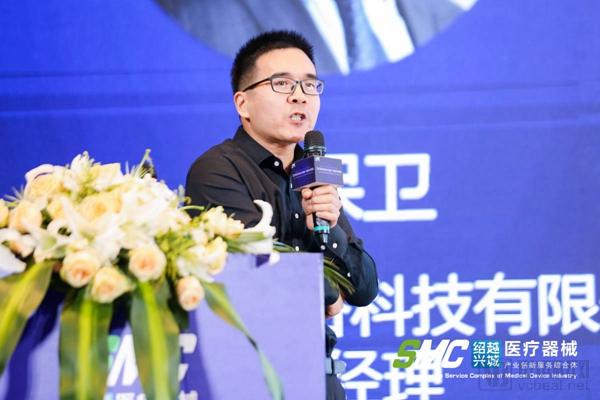
Li Baowei, Deputy General Manager of Peking University Medical Innovation Valley Technology Co., Ltd.
Mr. Li Baowei shared his personal views on medical device innovation from the perspective of a park operator. He pointed out that there are two models for medical device innovation: the first is enterprise-driven innovation, which primarily approaches from the angles of technology and market; the second is clinician-need-driven innovation, which carries relatively lower investment risk.
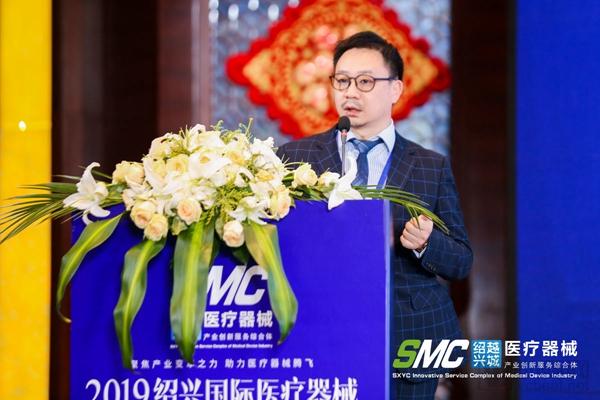
Tang Haofu, Chairman of Shanghai Chuangrui Investment Management Co., Ltd.
Mr. Tang Haofu outlined the investment opportunities in domestically produced medical devices from an investor’s perspective. He noted that, in terms of return on investment, the investment cycle for medical devices is slightly shorter than that for hospitals. Innovation in high-end medical devices inevitably requires collaboration between top-tier hospitals and physicians with enterprises possessing strong technical capabilities. In China, physician involvement must not be overlooked in medical device innovation.
Roundtable Forum: Breaking Through and Strategizing in the Medical Device Industry: Innovation, Reconstruction, and Integration
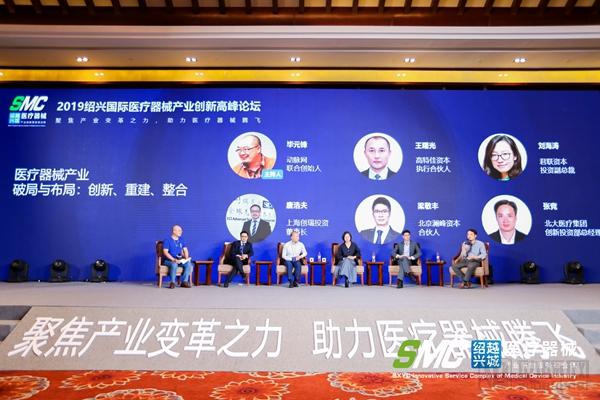
From left to right: Bi Yuanfeng, Co-founder of VCBeat; Tang Haofu, Chairman of Shanghai Chuangrui Investment; Wang Shuguang, Executive Partner at GTJA Capital; Liu Haitao, Vice President of Investment at Legend Capital; Liang Jingfeng, Partner at Beijing Lanfeng Capital; and Zhang Jing, General Manager of the Innovation Investment Department at Peking University Healthcare Group.
Following ten keynote speeches on diverse topics, a roundtable forum themed “Breaking Through and Strategizing in the Medical Device Industry: Innovation, Restructuring, and Integration” kicked off. Moderated by Bi Yuanfeng, Co-Founder of VCBeat, the panel featured Tang Haofu, Chairman of Shanghai Chuangrui Investment; Wang Shuguang, Executive Partner at GTJA Capital; Liu Haitao, Investment Vice President at Legend Capital; Liang Jingfeng, Partner at Beijing Lanfeng Capital; and Zhang Jing, General Manager of the Innovation Investment Department at Peking University Healthcare Group.
Bi Yuanfeng:The medical device industry possesses dual attributes of healthcare and technology, with numerous subsectors. Which attribute and which subsectors are viewed more favorably?
Liu Haitao:We cannot evaluate new technologies in isolation from the core essence of the industry. When assessing any project, we always consider what specific clinical pain points it addresses. Therefore, the cornerstone of our judgment lies in the “medical” aspect. The first step in our evaluation is to determine whether the new technology can solve real-world problems. The second step focuses on its commercialization potential. As for specific sub-sectors, we maintain an open mindset and do not have any particular preferences.
Bi Yuanfeng:Mr. Tang Haofu just mentioned that many innovations originate from physicians. How does everyone view this issue?
Tang Haofu:The commercialization of physicians’ innovative ideas is a highly complex process, necessitating a platform to help translate these concepts into practical applications. Currently, national technology transfer centers and various incubation parks already serve such platform functions. Irrespective of the specific operational models, it is becoming a prevailing trend for incubation parks to assume the role of facilitating technology transfer.
Zhang Jing:Peking University Healthcare Group is implementing systematic initiatives to stimulate physicians’ entrepreneurial drive. For instance, we collaborate with hospitals to organize physician innovation competitions. Additionally, we have established an innovation incubation fund that prioritizes investment in innovative projects initiated by physicians within our network. In summary, Peking University Healthcare Group is striving to build a comprehensive innovation support system, enabling physicians to achieve professional fulfillment in clinical practice while securing greater personal rewards through medical device research and development.
Bi Yuanfeng:Could the investors present please share their perspectives and insights on investing in medical device companies, such as which funding rounds you typically invest in and the investment amounts?
Liang Jingfeng:Lanfeng Capital entered the medical device industry relatively late, so it has invested more in early-stage projects, generally with an investment of around RMB 10 million. We place particular emphasis on the founding team. The medical device sector encompasses clinical medicine, materials, and instrumental machinery, among other fields. A key factor we highly value is whether team members have relevant experience and whether the team leader can assemble a team capable of undertaking the project.
Wang Shuguang:In our investment approach, we primarily focus on two aspects: the source of capital and the origin of technology. A project is considered promising if it can deliver substantial returns to limited partners (LPs) and its products demonstrate clinical value in medical applications.
Finally, the forum invited six high-quality medical device projects from fields such as AI-based imaging diagnosis, personalized custom devices, medical robots, mobile health products, implantable and interventional devices, medical materials, and other areas to conduct roadshows.
Project 1: Zhejiang Mingzhong Medical Devices Co., Ltd.: Xin Yun mCloud
Zhejiang Mingzhong Medical Device Co., Ltd. is a national high-tech enterprise specializing in the research and manufacturing of mobile health IoT service systems and novel bioabsorbable medical materials. The project presented by the company in this roadshow is the Heart Cloud (mCloud), an out-of-hospital prenatal health monitoring, management, and service platform based on the medical health Internet of Things.
The XinYun Cloud Platform primarily focuses on two aspects: first, out-of-hospital daily monitoring and self-health management for pregnant women; second, out-of-hospital guidance and services during pregnancy. By leveraging this platform, pregnant women can perform necessary, frequent basic physiological parameter tests (such as fetal heart rate) at home, thereby achieving the goals of "health monitoring, health management, physician intervention, and tiered services" throughout pregnancy.
Project 2: Shaoxing MeiAo XinCi Medical Technology Co., Ltd.: “MEIO Magnetic Navigation” Stereotactic Localization and Precision Ablation System
Mayo XinCi is a medical technology company dedicated to automated cardiac navigation and surgery. The project featured in this roadshow is the “MEIO Magnetic Navigation” Stereotactic Positioning and Precision Ablation System. This system for automated cardiac navigation—magnetic stereotactic positioning and precision ablation—generates variable magnetic fields centered on the heart within the thoracic cavity, enabling precise three-dimensional localization of magnetically guided catheters inside the cardiac chambers, thereby facilitating accurate mapping and ablation of arrhythmogenic foci.
Project 3: Yingwei Medical Technology (Shanghai) Co., Ltd.: Personalized Orthopedic Medical Devices and Surgical Planning System
Yingwei Medical is dedicated to the research and development of digital medical devices tailored for the Chinese population, assisting physicians in formulating customized surgical plans that are precisely matched to individual patients. The company has launched the JieJing HTO Surgical Planning System, which provides knee joint surgical solutions for physicians by analyzing patient data and generating patient-specific medical devices.
Project 4: AirMed Medical Technology (Beijing) Co., Ltd.: AR Surgical Navigation Service Platform
Arimedi Medical Technology (Beijing) Co., Ltd. is a high-tech enterprise dedicated to the research, development, and production of surgical navigation products guided by endoscopy, ultrasound, and X-ray. During this roadshow, the company introduced its three core products: a skull base surgery navigation system, an ultrasound navigation system, and a joint replacement navigation system. The company’s surgical navigation systems provide assistance in diagnostic support, preoperative planning, intraoperative navigation, and postoperative evaluation, thereby addressing challenges in minimally invasive surgery and reducing surgical risks.
Project 5: Japan MoWei Intelligence Co., Ltd.: Fully Automated Small Robots
Mowei Intelligence showcased its “Stem Cell Culture” fully automated compact robot project. This “Stem Cell Culture” fully automated compact robot represents the world’s first fully automated technology for stem cell culture. The technology employs equipment and robots to comprehensively automate management and manufacturing across all processes required in cell culture, including “media exchange,” “subculturing,” “liquid transfer,” and “material separation.” Upon commercial deployment, it will accelerate biotechnological R&D and enable mass-production applications of cell culture.
Project 6: Shanghai Shanyu Hospital Management Co., Ltd.: Plastic Surgery 3D Printing Platform
Shanyu Hospital Management Co., Ltd. specializes in data research on facial plastic surgery and the promotion of 3D printing technology. The company’s 3D printing platform for plastic surgery focuses on the field of maxillofacial surgery, leveraging 3D printing technology to assist physicians in generating digital surgical plans.
(If you are interested in the above projects, please contact VCBeat.)