

Lung Cancer Care Alliance, China's First Doctor-Led Initiative, Officially Launched at CSCO 2019
VCBeat (WeChat ID: vcbeat) has learned that on September 18, the “First Chairperson Conference of the Lung Cancer Care Alliance,” themed “Boundless Love, United Across the Four Seas,” was successfully held at the 22nd Chinese Society of Clinical Oncology (CSCO) Annual Meeting. This marks the official establishment of the “Lung Cancer Care Alliance,” the first public welfare organization in China initiated entirely by physicians. The alliance is dedicated to caring for lung cancer patients nationwide, improving the standardization of diagnosis and treatment at the primary care level, enhancing the five-year survival rate of patients, and contributing to the realization of the “Healthy China 2030” goals.
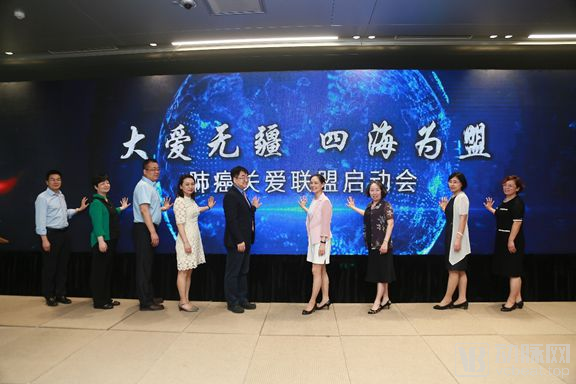
Lung Cancer Care Alliance Officially Established
The Lung Cancer Care Alliance, spearheaded by Professor Li Junling, Chief Physician of the Department of Medical Oncology at the National Cancer Center/National Clinical Research Center for Cancer/Cancer Hospital of the Chinese Academy of Medical Sciences, was jointly established with authoritative experts in the field of lung cancer from across China. Its aim is to leverage multi-sectoral resources to create a compassionate, high-level, and professional platform for lung cancer care, thereby benefiting the vast number of lung cancer patients.
The inaugural chairpersons of the First Lung Cancer Care Alliance Conference are: Professor Li Junling, Chief Physician in the Department of Medical Oncology at the Cancer Hospital, Chinese Academy of Medical Sciences; Professor Wang Yan, Chief Physician in the Department of Medical Oncology at the Cancer Hospital, Chinese Academy of Medical Sciences; Professor Liu Ziling, Deputy Director of the Oncology Center at the First Hospital of Jilin University; Professor Chen Jun from the Second Affiliated Hospital of Dalian Medical University; Professor Zhang Junping from Shanxi Bethune Hospital; Professor Chen Peng from Tianjin Medical University Cancer Institute and Hospital; Professor Dong Guilan from Tangshan People’s Hospital; Professor Ji Hongbo from Chifeng Municipal Hospital; Professor Jiang Da from the Fourth Hospital of Hebei Medical University; Professor Li Xingya from the First Affiliated Hospital of Zhengzhou University; Professor Shan Li from the Affiliated Cancer Hospital of Xinjiang Medical University; Professor Yu Yan from the Affiliated Tumor Hospital of Harbin Medical University; Professor Zhang Cuiying from Inner Mongolia Autonomous Region People’s Hospital; Professor Zhao Qiong from Shulan (Hangzhou) Hospital; and Professor Zhou Ningning from Sun Yat-sen University Cancer Center.
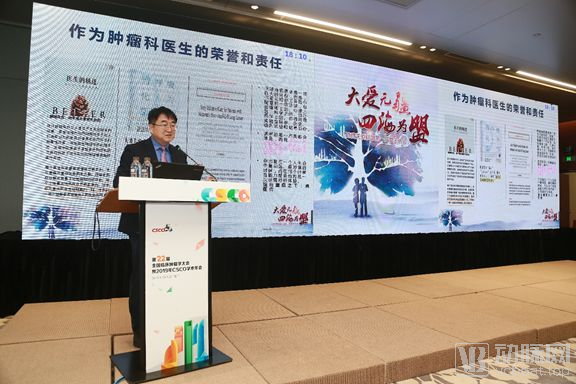
Address by Professor Li Junling
When asked about the rationale behind spearheading the establishment of the Lung Cancer Care Alliance, Professor Li Junling stated at the conference, “With the continuous advancement of precision medicine, survival outcomes for lung cancer patients in China have improved. The impact oncologists have on their patients is remarkable, making effective doctor-patient communication crucial; this represents both an honor and a responsibility for us. In the context of building a Healthy China, it is essential to provide science-based health education and psychological counseling to lung cancer patients. The Lung Cancer Care Alliance is committed to coordinating efforts across all provinces in China, caring for lung cancer patients nationwide, joining hands with them in the fight against cancer, and improving the five-year survival rate for lung cancer patients.”
Improving the 5-Year Survival Rate for Lung Cancer Patients
As one of the three major components of the Healthy China Initiative, the prevention and control of major diseases is a key element in building a healthy lifestyle for Chinese residents. The “Healthy China 2030” strategy explicitly states that cancer prevention and control actions should be implemented, with the goal of achieving overall five-year cancer survival rates of no less than 43.3% by 2022 and 46.6% by 2030.
According to the 2018 cancer statistics in China, there were 781,000 new cases of lung cancer annually, with as many as 626,000 deaths per year. Early-stage lung cancer can achieve long-term survival through treatment; however, in China, nearly 70% of patients are diagnosed at an advanced stage, and their historical five-year survival rate was no more than 5%.
Li Junling pointed out, “Lung cancer has become the predominant malignancy among cancer patients in China. Patient education, along with enhanced awareness and promotion of early screening and diagnosis, is a critical strategy for improving the five-year survival rate of lung cancer patients. Therefore, providing patients with an authoritative, science-based platform is essential for their disease treatment and self-management.”
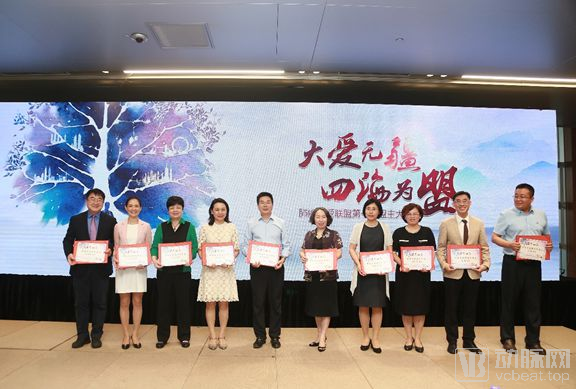
The First Alliance Leader Conference of the Lung Cancer Care Alliance
At the patient level, the Lung Cancer Care Alliance will regularly conduct online and offline patient education activities across China, covering various aspects such as diet, medication, adverse reactions, and mental health. The alliance will regularly provide patients with popular science information on the fundamentals of lung cancer, the latest research findings, and advances in disease diagnosis and treatment, thereby demonstrating care for lung cancer patients. As precision medicine enters a new phase, the diagnosis and treatment of lung cancer continue to evolve. Based on the results of the Phase III clinical trial FLAURA, the third-generation EGFR-TKI inhibitor osimertinib has been approved for first-line treatment of adult patients with locally advanced or metastatic non-small cell lung cancer (NSCLC) harboring EGFR mutations. The Lung Cancer Care Alliance can promptly share such information with patients nationwide.
Furthermore, the dissemination of national policy-related science popularization is also a crucial component of the Alliance’s patient education initiatives. With the gradual implementation of the national volume-based procurement (VBP) policy, grassroots oncology patients across China can all benefit from it. Taking gefitinib, the only original targeted therapy for lung cancer included in the “4+7” VBP pilot program, as an example, its 76% price reduction will be extended nationwide as the “4+7” policy expands its coverage. Conducting patient education on such people-benefiting policies helps patients better understand the policies and adhere to standardized medication regimens, thereby improving the 5-year survival rate and contributing to the achievement of the Healthy China 2030 goals.
Promoting Standardized Diagnosis and Treatment of Lung Cancer
As the first public welfare organization dedicated to lung cancer care initiated entirely by leading authorities in the field of lung cancer across China, the Lung Cancer Care Alliance fosters greater physician initiative, engagement, and commitment. The Alliance will regularly organize provincial leaders to visit grassroots hospitals nationwide, providing systematic training for primary care physicians. Unlike previous physician training programs, the Lung Cancer Care Alliance adopts a dual-pronged approach that places equal emphasis on specialized knowledge of lung cancer diseases and patient communication skills. This strategy aims not only to enhance the standardization of lung cancer diagnosis and treatment at the grassroots level but also to cultivate a stronger awareness of patient care.
To advance the Healthy China initiative, the "13th Five-Year Plan for Health and Wellness" explicitly stipulates the implementation of a tiered diagnosis and treatment system and the promotion of standardized primary care, with the goal of basically achieving "major diseases treated within the county" by 2020. The Lung Cancer Care Alliance will regularly organize online Multidisciplinary Team (MDT) discussions for complex cases and expert consultations to respond to the call for "major diseases treated within the county," enhance the standardized diagnostic and treatment capabilities of primary care physicians, and serve lung cancer patients at the grassroots level. Meanwhile, provinces can establish green channels for patient triage to ensure that patients have access to specialists when referred upward and seamless follow-up care upon return to local facilities, thereby reducing unnecessary detours, improving the quality of primary care services, benefiting a broad patient population, and contributing to the building of a Healthy China.