

DeepVessel Medical Launches Multimodal Molecular Imaging AI Platform to Reduce Tumor Misdiagnosis Rates
Misdiagnosis and missed diagnosis of malignant tumors are significant factors hindering the early detection and treatment of cancer. Current methods for early cancer detection typically include imaging examinations and tissue biopsies. The former encompasses X-ray radiography, CT, PET/CT, and magnetic resonance imaging (MRI); the latter includes needle biopsy for bone and soft tissue tumors, as well as liquid biopsy techniques using samples such as blood and urine. However, imaging modalities often detect lesions only at intermediate or advanced stages of tumor development, while tissue biopsies are frequently limited by tumor heterogeneity and observer variability, causing some lesions to remain occult and undetected within the body.
A survey conducted by Zhejiang University revealed that the average clinical misdiagnosis rate for tumors at the School of Medicine, Zhejiang University, from 1950 to 2009 was as high as 60.99%, whereas this figure stood at only 28% in Europe and the United States. This discrepancy is attributed to tumor heterogeneity; existing imaging examinations and tissue biopsy techniques can only partially reflect the external or internal manifestations of tumors, failing to comprehensively capture the individualized and specific characteristics of each case.
Domain Medical has developed a multimodal molecular imaging AI platform based on multimodal radiomics data (PET/CT and PET/MRI) and multi-omics medical data (genomics, proteomics, metabolomics, etc.). By comprehensively analyzing various multi-omics data—including not only molecular imaging data and traditional imaging data such as CT, but also pathological, genomic, and proteomic data—the platform provides comprehensive, multidimensional predictions for precise diagnosis and prognosis. “We aim to improve the accuracy and efficiency of tumor diagnosis through non-invasive, image-mediated approaches, namely virtual biopsy,” said Dr. Wang Shiwei, CEO and founder of Domain Medical, in an interview with VCBeat New Medicine.
The integration of AI technology with medical imaging has become increasingly common in recent years. The most prevalent applications involve using AI to interpret imaging data and generate reports, such as AI-based screening for pulmonary nodules. Furthermore, leveraging AI combined with imaging for lung cancer lesion diagnosis, preoperative planning for neurological and orthopedic surgeries, intraoperative localization and navigation, and postoperative efficacy assessment represents a key strategic focus for AI companies in the medical imaging sector.
However, Yuwei Medical has chosen a different approach by establishing an AI-powered precision medicine platform based on the integration of multimodal radiomics data (PET, CT, MRI, PET/CT, and PET/MRI) with other multi-omics data (genomics, proteomics, metabolomics, etc.). This platform aims to achieve more systematic, holistic, and accurate diagnostic and prognostic assessments, thereby guiding pathological biopsies, predicting drug responses, and monitoring disease treatment, ultimately enhancing the value of precision medicine.
Simply put, this approach involves the quantitative collection of various imaging data from patients with different types of tumors, performing quantitative radiomics analysis, and integrating other multi-omics data. The results are then presented to physicians through 3D rendered visualization, enabling a comprehensive understanding of the patient’s genotypic phenotype and tumor microenvironment, ultimately achieving more precise and effective cancer treatment.
Yuwei Medical’s multimodal molecular imaging AI platform is a clinical decision support system (CDSS) built on machine learning models developed from multi-omics data. The system comprises an AI engine and a visualization engine, with the AI analysis engine primarily featuring three types of applications:
1. Detect tumors and annotate suspicious lesions.
2. Predict the benign or malignant nature of tumors, as well as tumor stage, subtype, and grade.
3. Tumor monitoring, enabling physicians and pharmaceutical companies to conduct long-term observations of patients’ drug efficacy, side effects, and other parameters
“Powered by an AI analytics engine, predictive models can be built for various diseases and different predictive indicators, thereby providing physicians with a comprehensive cloud-based service solution. ‘For large, well-equipped hospitals, the model can be deployed on hospital workstations, enabling physicians to predict tumor molecular information onsite. For smaller primary-care hospitals, data can be de-identified and transmitted to the cloud, where the model analyzes the data and returns the results to the hospital,’ explained Wang Shiwei.”
The visualization engine reconstructs ex vivo tumor images using ex vivo 3D rendering technology, thereby presenting non-imaging data to physicians in an imaging format. For example, by visually depicting relevant targets and tumor microenvironment information, it enables physicians to gain a detailed understanding of the functional implications of tumor molecular profiles and determine the most suitable oncology therapies for each patient.
Furthermore, this decision support system can also be utilized in the patient recruitment phase of clinical trials conducted by pharmaceutical companies. Data indicates that accurate patient recruitment based on biomarkers can increase the success rate of clinical trials by 17.5%. By comprehensively analyzing tumor gene expression profiles, Domain Medical assists pharmaceutical manufacturers in precisely selecting cancer patients with specific biomarkers. This approach shortens the duration of clinical trials and reduces their scale, while simultaneously improving the overall success rate.
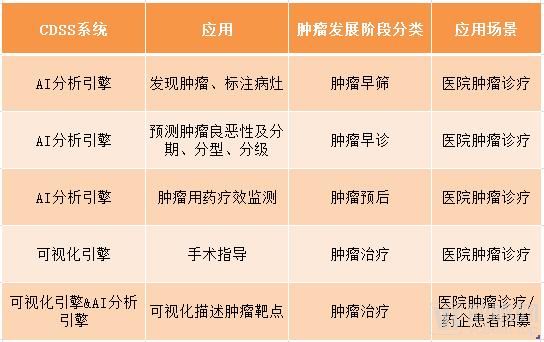
Overall, Yuwei Medical’s clinical decision support system (CDSS) spans the entire oncology care continuum, from tumor detection and benign/malignant differentiation to tumor subtyping, treatment regimen optimization, and long-term disease management. Leveraging its multi-omics platform, the CDSS integrates imaging, molecular testing, and pathological data to uncover underlying data correlations.
“We hope our CDSS will help establish a more optimized healthcare system,” said Wang Shiwei. To free CDSS from traditional constraints and truly make it a key tool for improving healthcare quality across all stages of disease diagnosis and treatment, Yuwei Medical has taken a multi-pronged approach to address issues such as data standardization, high-quality data selection, and machine learning bias, with the aim of building a comprehensive multimodal molecular imaging AI platform.
First, high-quality data are screened. “We use algorithms to automatically select relevant features that are reasonable and suitable for model building; these features are extracted from images using quantitative radiomics methods, while invalid or irrelevant features are excluded. This constitutes the first step in data screening,” stated Wang Shiwei. The construction of DomainWei Medical’s models is based on extensive real-world data, encompassing not only imaging data but also substantial pathological data, genomic data, and drug response rate data. These data enable bidirectional calibration of the entire machine learning model, eliminating the need for manual feature selection or manual identification of optimal algorithms. Instead, the core system automatically generates algorithmic models tailored to specific diseases or data sources. Furthermore, the comprehensive range of data types helps eliminate human-induced errors during image-based diagnosis, thereby achieving exceptionally high accuracy.
From a technical perspective, constructing an unbiased prediction model characterized by ensemble learning can effectively prevent algorithms from overfitting to specific datasets. Ultimately, tumor characteristics are quantified probabilistically, rather than being determined through qualitative positive or negative classifications.
“Subsequently, our team of physicians will double-check the authenticity and accuracy of the data to ensure its quality,” stated Wang Shiwei. The company’s core medical team includes Dr. Li Xiang and Dr. Markus Hacker, both professors at the Medical University of Vienna. At the General Hospital of Vienna in Europe, they serve as Professor of Nuclear Medicine and Director of the Department of Nuclear Medicine, respectively. Both doctors have clinical backgrounds and are dedicated to research in multi-omics precision medicine. As a result, DomainWise Medical enjoys distinct advantages in integrating AI algorithms with imaging data. “We did not first develop AI algorithms and then consider how to combine them with medical imaging; rather, our physicians sought to leverage AI and medical imaging to address the pain points and challenges in tumor diagnosis and treatment. In summary, we are a medical AI company, not an AI healthcare company,” Dr. Li Xiang, Co-founder and Chief Scientist of DomainWise Medical, told VCBeat News.

Yuwei Medical Team
Accurate, authentic, and comprehensive data form the cornerstone of building a multimodal molecular imaging AI platform. On this basis, data standardization presents a significant challenge. Since DomainWise Medical’s Clinical Decision Support System (CDSS) is a multi-omics analysis tool, it can theoretically analyze pathological data, tissue biopsy data, and imaging data. Furthermore, the company’s core team members have conducted in-depth research in quantitative radiomics, having already resolved issues related to multi-center, multi-device, and standardized data processing. This means that the company’s CDSS system offers open compatibility with imaging data generated by PET/CT and PET/MRI scanners from common market vendors.
Ultimately, Yuwei Medical’s CDSS system will visualize data results through PET/CT. “Our PET/CT images are not standalone images but rather fused representations integrating genomics and imaging data,” explained Dr. Marcus Hack. “The decision to display findings in a combined PET/CT format, rather than as separate PET or CT images, was made to visually convey a greater number of features. In these images, PET and CT each demonstrate 36 tumor characteristics, while the integrated PET/CT modality reveals an additional 36 tumor characteristics. Thus, this PET/CT-based visualization approach can present a total of 108 tumor features (36 × 3). The greater the number of features, the larger the reference dataset, leading to higher analytical accuracy. Based on tumor imaging training algorithms, different imaging features ultimately yield distinct predictive outcomes.”
“In China, many large Grade 3A hospitals are striving to establish platforms for multidisciplinary consultations and the management of complex and rare diseases. Our AI-driven multi-omics visualization analysis engine is well-positioned to facilitate the development of such platforms,” stated Wang Shiwei. Currently, Yuwei Medical’s Clinical Decision Support System (CDSS) has achieved phased milestones. For instance, the accuracy of traditional pathological biopsy for prostate cancer detection is only 59%. Even with expensive MRI- or ultrasound-guided biopsies, the accuracy improves by merely 14 percentage points to 73%, leaving a significant risk of misdiagnosis. In contrast, Yuwei Medical’s multimodal molecular imaging AI platform achieves an accuracy rate of up to 97% in distinguishing between benign and malignant prostate cancer.
Currently, the company has completed an angel financing round worth tens of millions of yuan and established scientific research collaborations with multiple large Grade A tertiary hospitals in Beijing, Shanghai, and Chengdu, as well as hospitals in Europe. Leveraging its artificial intelligence platform, the company is developing predictive models for more than 25 types of cancer, including prostate cancer, glioma, lung cancer, pancreatic cancer, lymphoma, head and neck cancer, cervical cancer, breast cancer, and esophageal cancer. The platform provides comprehensive auxiliary diagnostic solutions for various aspects of tumor diagnosis and treatment, such as tumor grading, typing, and staging, prognostic survival periods, recurrence risk, and drug response rates. The first product is expected to apply for CE and FDA certification in 2020, and domestic application preparations are also underway.