

GenePlus Clinical Data Integration Drives the Future of Precision Medicine: GeneBase Cloud Takes a Leading Step
The past six years have been a golden age for the booming development of precision medicine. Genetic testing based on next-generation sequencing (NGS) technology has brought revolutionary changes to clinical molecular diagnostics. Genetic testing is becoming an indispensable component, bridging the gap from research to clinical practice.
However, in the information systems of most hospitals, complete genetic testing data are not included for various reasons. This has created a gap in the data sources for clinical precision diagnosis and treatment. Only by truly integrating genetic data with clinical data can we obtain big data that is genuinely applicable to precision medicine.
Precision medicine, in its narrow sense, encompasses precision diagnostics and precision therapeutics. As a core component of precision diagnostics, the development of gene sequencing has enabled precision medicine to take a epochal leap forward. Taking targeted cancer therapy as an example, not all tumor patients respond to a given targeted drug. Prior to treatment, patients typically undergo companion diagnostic testing for targeted therapies, allowing for preliminary prediction of therapeutic response before drug administration.
Certainly, it is not only cancer patients who benefit from this process. Clinical diagnostic and treatment information from hospitals has always been a critical foundation for drug development, and medical data empowered by large-scale genomic datasets will enable pharmaceutical companies to conduct more precise drug research and development.
On one hand, the improvement in precision in clinical diagnosis and treatment will ultimately enhance the quality of clinical decision-making in hospitals. An increasing number of hospitals are incorporating genetic data as a basis for clinical diagnosis and treatment. Since 2010, there has been an explosive growth in clinical-grade genetic testing, with medical institutions and third-party testing agencies outside hospitals accumulating vast amounts of genetic data. Genetic testing has already provided real and effective auxiliary diagnostic support and medication guidance for various types of patients in clinical practice.
On the other hand, there are numerous clinical cases where genetic testing indicates that a specific targeted therapy should be effective, yet patients derive no clinical benefit after administration, highlighting significant challenges in drug efficacy. As gene sequencing becomes more deeply integrated into clinical practice, there is growing recognition of the complexity underlying the relationship between genotypes and phenotypes. It is increasingly clear that precision diagnostics should not rely solely on genetic testing; rather, the integration of diverse clinical and genomic data will inevitably accelerate the healthcare industry’s transition into the era of precision medicine.

He Xinjun, Executive Dean of the Yijiyun Data Research Institute
“I believe that there is a wealth of information to be mined from the integration of genetic and clinical data,” said He Xinjun, Executive Dean of the Yiji Cloud Data Research Institute. “This information can guide clinical diagnosis and treatment and facilitate drug development.”
Among the pioneers exploring clinical omics and genomic data processing, MedGene Cloud stands out as a unique entity. At this pivotal historical juncture where genetic information is being integrated into clinical diagnosis and treatment, MedGene Cloud has established an intelligent healthcare platform for clinical and genomic data processing, dedicated to advancing clinical care.
The ultimate goal of processing genetic and clinical data is to provide precise support for clinical diagnosis and treatment. In other words, neither genetic data nor clinical data exists in isolation in their final form; rather, they become part of medical big data. Within this multidimensional dataset, a significant portion of genetic data will come from third-party testing laboratories, while clinical data will invariably originate from within the hospital.
Driven by years of informatization, clinical systems in healthcare institutions have accumulated data with a relatively high degree of standardization. However, at the current stage, genomic data originates from outside hospitals, involving diverse systems, inconsistent data processing standards, and variable data quality, which has led to the multi-source heterogeneity of genomic data.
“This makes it extremely difficult to process clinical data starting from genetic data,” Dr. He told VCBeat. Apart from data quality issues, the correspondence between gene mutations and diseases is not yet clearly defined, which further complicates the use of genetic data to process clinical phenotype data. Based on years of work experience, he believes that a more effective approach is to start with the existing clinical data platforms in medical institutions and leverage in-hospital data to process off-site biobank and genetic data. This is also the biggest difference between Yiji Cloud and other similar projects.
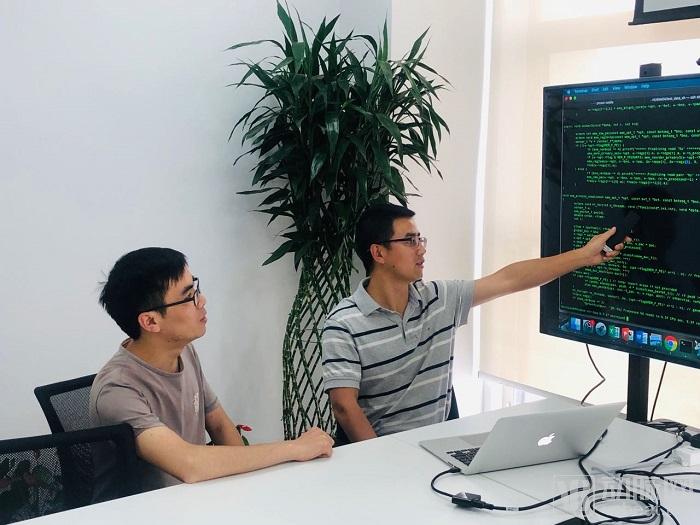
“YiJi Cloud is following this path, implementing such intelligent processing in healthcare institutions to help clinical organizations unlock the potential of big medical data, enabling capabilities such as data visualization, disease modeling, and monitoring of adverse drug reactions,” he said.
Compared with other types of data, genomic data is a relatively “young” asset, lacking in both data standardization and data quality. Dr. He emphasized that the first step in handling such data must be to eliminate false information and retain what is genuine. Only after data normalization can subsequent applications proceed. “This work is akin to building an expressway; it lays the foundation but requires substantial investment in manpower and resources,” he analogized.
Following data cleaning, the next step is value extraction and analysis. While there is a certain correspondence between genes and diseases, clinical phenotypes are not solely regulated by genetic factors. Environmental conditions, dietary patterns, lifestyle habits, and socioeconomic status all influence the final clinical phenotype. Therefore, integrating patient disease history and daily habit data with genetic information may lead to greater insights into the factors influencing disease.
However, the relationships among multi-omics data are highly complex, and the volume of data is enormous. Further mining and analysis of such information is virtually impossible to accomplish manually. Therefore, large-scale processing must rely on the power of artificial intelligence. “This is a requirement for precision medicine at its current stage of development,” stated Dr. He Xinjun. In this process, MedBase Cloud integrates its technology platform with AI technologies, leveraging deep learning and algorithms to uncover the deeper value inherent in medical big data.
YiJi Cloud is positioned to consolidate clinical information through in-depth processing, ultimately providing support to healthcare institutions to achieve precise diagnosis and treatment. Based on deep mining of genetic and clinical data, it not only provides more evidence for hospital diagnosis and treatment but also offers researchers deeper and more authentic scientific inspiration in clinical research, helping doctors achieve results with greater industry influence in clinical research.
Meanwhile, medical big data can also support pharmaceutical companies in drug research and development. Currently, the development of many targeted therapies revolves around genetic mutation targets. However, as previously mentioned, there are numerous clinical cases where genetic testing reveals mutations, yet patients do not respond to medication. In-depth data mining can help explain this phenomenon, thereby further guiding clinical medication decisions and pharmaceutical R&D efforts, ultimately enhancing the precision of precision medicine.
“Tumor targeted therapy is untenable without genetic testing; targeted therapy requires companion diagnostics,” stated Dr. He. “Genetic information obtained from out-of-hospital testing is often limited to the samples themselves, making it extremely difficult to extrapolate beyond that basis.” Precision diagnosis encompasses not only genetic information but also other dimensions such as clinical manifestations and medical history. The team at Yijiyun includes not only bioinformatics specialists and front-end/back-end developers, but also a significant number of members with medical backgrounds. Dr. He believes that the processing of genetic and clinical data is an interdisciplinary endeavor, and only teams with interdisciplinary expertise can better understand market demands and product development.
He told VCBeat that while many companies are attempting to integrate genetic data with clinical data, only by directly addressing clinical needs can one truly appreciate the complexity of this endeavor. “Data models and presentation methods, among other aspects, require ongoing communication with clinical professionals to understand and translate their requirements,” he stated.
Based on an analysis of the previous medical big data platform, Dr. He believes that the final product of Yiji Cloud should function as a tool to assist hospitals with tasks such as data cleansing. Over time, the value derived from this information will continue to grow.
It is understood that Yiji Cloud has completed the development of its underlying platform and has officially begun information processing operations at several leading hospitals in China. In the foreseeable future, the integration of genomic data into clinical practice will become a trend. Leveraging its deep industry understanding and advantages in data mining, Yiji Cloud has already taken a significant step forward.