

Tailai Bio Advances Next-Generation Liquid Biopsy with Multi-Omics Approach for Highly Specific Pan-Cancer Early Screening

TaiLai Biosciences
A New Generation Provider of Liquid Biopsy Products and Services
At 10:30 a.m., Xiao Li (a pseudonym) had two 4-ml blood tubes drawn at TaiLai Biosciences’ third-party medical laboratory in Changzhou.Subsequently, her blood sample was transported via a -80°C constant-temperature cold chain to the Chengdu TaiLai Biomedical Testing Center. One week later, Xiaoli will receive a test report indicating whether she has any of the 13 types of tumors with high incidence in women and assessing her associated risk.
This pan-cancer early screening cost Xiaoli only around 3,000 yuan; she chose TaiLai Biosciences’ first cancer early-screening product, AnAnPan.TM(Meta-PanTM), a liquid biopsy product that allows users to independently select the types of cancers covered, leveraging unique matrix-assisted mass spectrometry analysis technology for applications in metabolomics. Currently, AnAnPan (Meta-PanTM) has covered more than 14 types of tumors with the highest incidence and mortality rates in China, achieving a detection sensitivity of over 92% for most tumors at a specificity exceeding 98%.
One day in late May, a reporter from VCBeat’s New Medicine visited the Shanghai Xuhui office of TaiLai Biosciences and met with its founder, Mr. Liu Yaokun, and his team. With a background in pharmacy, Mr. Liu has served since 1994 as China President or Director for several internationally renowned biomedical companies, including Merck & Co., Baxter International, Schering-Plough (acquired by Merck & Co. in 2009), and China National Biotec Group.
From the era when independent innovation had not yet become mainstream, Mr. Liu Yaokun has introduced wave after wave of new global drugs to China, witnessing the tortuous growth of the mainland’s biopharmaceutical market. After more than 30 years of ups and downs in the pharmaceutical industry, Mr. Liu Yaokun chose to launch his own venture at the age of sixty, focusing on early cancer screening. His rationale was simple: there is patient demand, but the market lacks sufficiently good products.
Cancer is the leading cause of death among humans, posing a severe threat to both health and life, with its incidence rate in China rising year by year. The current mainstream approach aims to transform cancer from a critical condition into a chronic disease. Under this paradigm, early screening for tumors becomes crucial, as the stage at which cancer is detected significantly impacts treatment efficacy and leads to vastly different five-year survival rates. Taking lung cancer as an example, early-stage pulmonary tumors are curable with a favorable prognosis, whereas the five-year survival rate plummets to below 10% in moderate to advanced stages.
In recent years, with the leapfrog development of underlying technologies, various cancer early screening products have continued to emerge, yet early screening rates remain low. According to statistics from the 2018 National Cancer Center Report, only 10% of cancer cases in China were diagnosed at an early stage through screening, a proportion far lower than the 38% in the United States.
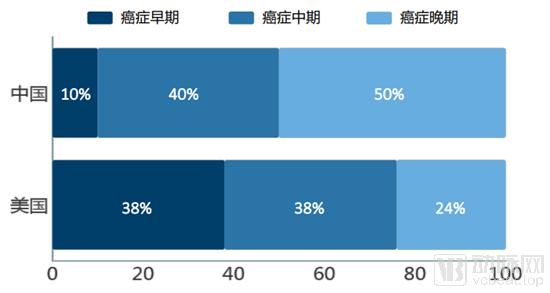
Legend: Comparison of Cancer Diagnosis Staging Between China and the United States
Mr. Liu Yaokun believes that, in addition to the insufficient screening awareness among the Chinese population, most currently available cancer screening products are prohibitively expensive and yield unconvincing results. Meanwhile, traditional screening methods commonly used in various hospital departments often cause discomfort, and the cumbersome appointment and testing processes are exhausting for patients. Therefore, a novel product is needed to break through the bottleneck of early screening. Overall, “a highly specific, highly sensitive, cost-effective, and non-invasive product does not yet exist on the market.”
On another front, a specialized study on nanomaterials led by Dr. Zhang Hua, an associate researcher at the National Engineering Research Center for Biomaterials in China, is nearing completion. Dr. Zhang, who earned his degree in Materials Engineering from the University of California, Los Angeles (UCLA), has developed a nanomaterial with a unique structural design that increases the probability of capturing trace substances using laser beams. When applied to early cancer screening, this technology can significantly enhance screening sensitivity. Currently, insufficient sensitivity remains one of the key technical shortcomings faced by early-screening products.
In June 2018, Mr. Liu Yaokun met Dr. Zhang Hua, and the two immediately hit it off. Subsequently, Dr. Zhang Hua joined TaiLai Biosciences as the Chief Scientist for Metabolomics and Proteomics, rapidly dedicating himself to the development of the company’s first product. By comprehensively leveraging nanomaterial-assisted mass spectrometry, high-throughput metabolomics data analysis, and artificial intelligence algorithms, the team successfully achieved its R&D goal of developing a pan-cancer early screening solution. This product is AnAnPan™ (Meta-Pan™).
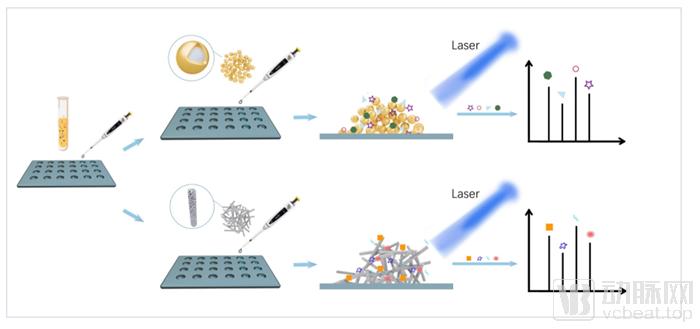
Meta-PanTMTechnical Process
Metabolism is a continuous process occurring in the human body at all times. When tumors develop, tumor-associated metabolites enter the bloodstream. These metabolites, either produced directly by tumor cells or highly correlated with tumor progression, serve as ideal biomarkers for tumor detection. In the early stages of tumorigenesis, metabolite levels are extremely low and require specific technical processing to enable rapid detection. TaiLai Biosciences has addressed this challenge through its proprietary “laser + nanomaterial” technology, thereby establishing Meta-PanTMThe most critical technical barrier. Currently, Meta-PanTMRapid detection is achieved by analyzing a panel of 432 metabolic biomarkers.
Dr. Zhang Hua told VCBeat’s New Medicine that, thanks to a specialized structural design, the nanomaterials used by TaiLai Biosciences possess electron clouds with amplitudes matching those of the projected laser beams. By amplifying laser energy through resonance, this technology enables the flexible detection of tumor-associated metabolites in the blood, which have molecular weights ranging from only 100 to 5,000.
Meanwhile, Meta-PanTMThe mass spectrometry-based analytical technique employed offers a higher data processing throughput than gene-related diagnostic testing technologies. “For instance, to process data from 3,000 samples, we can assign two staff members and complete the task within one day. In contrast, with cfDNA-based testing, the same workforce might only be able to handle 30 samples.”
Furthermore, since tumor-associated metabolites vary across different cancer types, Meta-PanTMTwo approaches were adopted to determine this association.
On one hand, a database is being constructed based on real-world clinical cases. Currently, TaiLai Biosciences has launched comprehensive, multi-departmental sample research collaborations with numerous Grade A tertiary hospitals across China, including Zhongshan Hospital Fudan University, West China Hospital Sichuan University, Cancer Hospital Chinese Academy of Medical Sciences, The First Affiliated Hospital Zhejiang University School of Medicine, and Mengchao Hepatobiliary Hospital of Fujian Medical University.
According to Dr. Zhong Sheng, Vice President of Medical Research and Development at TaiLai Biosciences, the company’s biobank had accumulated nearly 12,000 real-world case records by the first quarter of 2019. “By the end of the second quarter, the sample size is expected to surpass 20,000. Currently, clinical experts are actively and enthusiastically collaborating with us on joint research projects. By mid-next year, TaiLai is poised to establish a truly world-class, diverse cancer biobank.”
On the other hand, the TaiLai Biosciences technical team has extensively mined verified associations between tumors and metabolites or the immune microenvironment from scientific literature, incorporating these findings into algorithmic models for metabolic biomarker detection.
May 2019, the already mature Meta-PanTMDebuted at the Suzhou Smart Expo, drawing attention from all sectors. Dr. Zhong Sheng told VCBeat New Medicine that Meta-PanTMHaving perfected the qualifications for its LDT products, it is reaching end users through channels such as third-party medical laboratories, health examination centers, and commercial insurance plans, making it TaiLai Biosciences’ flagship product.
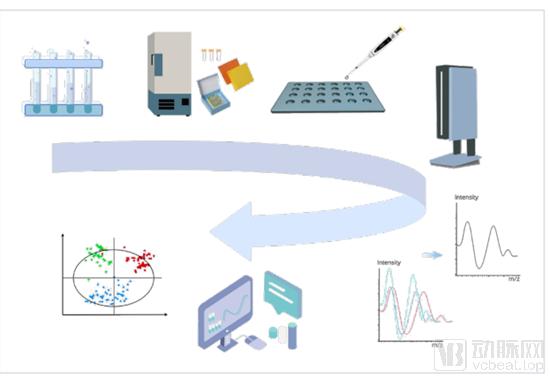
Meta-PanTMApplication Process
Xiao Li, mentioned at the beginning of the article, underwent Meta-Pan testing at the third-party medical laboratory established by TaiLai Biosciences.TMscreening. In addition to Changzhou, TaiLai Biosciences is also establishing professional medical laboratories in Shanghai, Chengdu, and other locations. Mr. Liu Yaokun stated that TaiLai Biosciences’ third-party medical laboratory in Songjiang, Shanghai, will become operational by the end of 2019. Furthermore, TaiLai Biosciences has established sample storage centers covering North China, East China, Central China, South China, and West China, and has set up sampling sites in multiple cities across China through models such as “service points plus home visits” and “service points.”
In fact, when TaiLai Biosciences entered the market, the field of early cancer screening was already occupied by several biotechnology companies. When asked how to establish advantages in competition, Mr. Liu Yaokun's answer was multi-omics. TaiLai Biosciences has established a team of multi-omics experts who can provide products with the best screening effects according to different stages of development of various cancers and different characteristics of populations. In addition to Dr. Zhang Hua, who is responsible for metabolomics and proteomics, another chief scientist at TaiLai Biosciences, Dr. Xie Dan, is responsible for epigenetics and genomics research. His areas of research include DNA mutations, deletions, insertions, methylation modifications, etc.
“Our team currently has about 20 members, most of whom are researchers,” said Mr. Liu Yaokun.
Multi-omics is a novel biological analytical approach. Its fundamental methodology involves leveraging large-scale biological data across multiple molecular levels and dimensions—including the genome, transcriptome, epigenome, proteome, metabolome, and microbiome—to represent various stages of life. By employing techniques such as bioinformatics statistical analysis, computational biology, and machine learning, this approach enables high-level analysis and interpretation of complex biological phenomena involving numerous influencing factors, such as life processes and diseases.
Mr. Liu Yaokun aims to transform TaiLai Biosciences into a platform-based company by leveraging multi-omics applications, covering the entire spectrum from early cancer screening to companion diagnostics and recurrence monitoring. To this end, Mr. Liu has invited Professor Michael Snyder, Chair of the Department of Genetics at Stanford University, to join TaiLai Biosciences as Chairman of its Scientific Advisory Board. Professor Snyder is a pioneering luminary in the field of human multi-omics research, having invented various genomic and proteomic technologies such as ChIP-seq and iPOP.
Dr. Zhong Sheng introduced TaiLai Biosciences’ multi-omics application strategy to a reporter from VCBeat New Medicine.
At different stages of tumor development and treatment, the specific needs for screening or diagnosis vary significantly. In the early to intermediate stages, the focus is on out-of-hospital screening, requiring economical, convenient, highly specific, and highly sensitive products to cultivate users’ habits of undergoing cancer screening. Therefore, in addition to high accuracy, extremely high throughput and cost-effectiveness are crucial. “From these key considerations, our Meta-PanTM“There are no highly competitive rivals in the domestic market, and such competitors are also rare worldwide,” said Dr. Zhong Sheng. “TaiLai Biosciences’ early screening products adopt a technical approach that leverages the respective information from each omics discipline, Meta-Pan”TM"it is a first-tier product in TaiLai Biosciences' product matrix."
As tumors progress to intermediate and advanced stages, targeting the specialized in-hospital market, the most critical considerations are the diagnostic guidance for treatment and ultra-high accuracy. TaiLai Biosciences has been attempting to integrate multi-omics data to generate diagnostic conclusions during its R&D process. For instance, in the development of detection technology for micrometastases in liver cancer, TaiLai Biosciences has combined multi-omics data from epigenomics, genomics, and metabolomics.
“We will leverage the advantages of multi-omics to identify the most effective and cost-efficient testing methods for the multi-tiered market across different stages of tumor development,” summarized Dr. Zhong Sheng. As multi-omics technology involves the processing of massive datasets, TaiLai Biosciences addresses this challenge by employing artificial intelligence technologies.
Leveraging massive datasets, the data science team at TaiLai Biosciences, led by Chief Data Scientist Dr. Zheng Jie, has developed a data processing and analysis system extensively powered by artificial intelligence technologies. This system efficiently organizes and processes real-world clinical case data, accurately identifying correlations between combinations of multi-omics biomarkers and various types of tumors. Dr. Zheng holds a degree in Computer Science and Surveying, Mapping, and Remote Sensing Information Engineering from Wuhan University, and brings nearly a decade of hands-on experience in frontier fields of data science, including machine learning and data analytics.
“TaiLai Biosciences is striving to become a pioneer in next-generation liquid biopsy technology,” Dr. Zhong Sheng told VCBeat New Medicine, noting that TaiLai has already made significant strategic investments in the clinical application of multi-omics integration for oncology, including scenarios such as auxiliary disease diagnosis, medication guidance for complex diseases, and cancer recurrence monitoring.
In clinical cases where imaging fails to provide effective information for auxiliary diagnosis, TaiLai Biosciences employs liquid biopsy-assisted diagnostic technologies to help differentiate between benign and malignant tumors. The company has established R&D collaborations with Zhongshan Hospital, West China Hospital, Mengchao Hepatobiliary Hospital, Fujian Medical University Union Hospital, and other institutions, covering cancer types including lung cancer, liver cancer, gastric cancer, colorectal cancer, thyroid cancer, glioma, and breast cancer.
In guiding medication for complex diseases, due to the complexity of tumor subtyping and the human immune system, existing gene testing-based auxiliary medication plans are insufficient to ensure accurate judgments on whether specific patients are suitable for particular immunotherapy drugs. TaiLai Biosciences attempts to address this issue through a multi-omics approach, integrating data from genomics, epigenomics, metabolomics, and microbiomics to predict the effectiveness of immunotherapy.
TaiLai Biosciences has established R&D collaborations with Bristol-Myers Squibb, Zai Lab, the Cancer Hospital of the Chinese Academy of Medical Sciences, and the China National Engineering Research Center for Biomedical Materials. In the development of technologies for predicting responses to various immunotherapies, it has completed preliminary technical validation using real-world medication case samples from over one hundred patients.
In the realm of cancer recurrence monitoring, TaiLai Biosciences is endeavoring to provide non-invasive, highly sensitive monitoring technologies suitable for high-frequency use, complementing conventional imaging-based detection methods. According to Dr. Zhong Sheng, TaiLai Biosciences is engaging in R&D collaborations with institutions such as the Institute of Hepatology at Mengchao Hepatobiliary Hospital and the Department of Hematology at the First Affiliated Hospital of Zhejiang University School of Medicine, focusing on cancer types including liver cancer, pancreatic cancer, cholangiocarcinoma, and lymphoma.
Dr. Zhong Sheng stated that TaiLai Biosciences’ multi-omics products would be gradually rolled out starting from late 2019 to early 2020.
“Many leading enterprises and hospitals have partnered with the young TaiLai Biosciences. This not only demonstrates recognition of our technology but also reflects the urgent clinical need and the current lack of truly viable products on the market,” pointed out Mr. Liu Yaokun. “This has further strengthened our resolve in pursuing our unique technological pathway and development direction.”
“TaiLai Biosciences is currently undergoing a round of financing. ‘Multiple venture capital firms have expressed strong interest, and those making faster progress have already begun preparing term sheets,’ introduced Dr. Zhong Sheng. ‘The funds from this round will be primarily used for laboratory and GMP workshop construction, market education, and team building.’”