TCR-T Therapy Industry Research: Overview and Pipeline of Fifteen Domestic and International Companies
Editor’s Note: This article is reprinted from Probes Capital. VCBeat has been authorized to republish it.
1. Introduction to TCR-T Therapy Technology
TCR-T therapy is a form of adoptive cell transfer (ACT). Adoptive cell transfer involves isolating immunologically active cells from tumor patients, expanding and functionally characterizing them in vitro, and then reinfusing them into the patient to directly kill tumors or stimulate the body’s immune response to eliminate tumor cells.
TCR-T therapy enhances the affinity and potency of T cell receptors (TCRs) that specifically recognize tumor-associated antigens (TAAs) by transducing either chimeric antigen receptors (fusing an antigen-binding domain with T cell signaling domains) or TCR α/β heterodimers, thereby enabling T lymphocytes to efficiently re-recognize target cells. By infusing genetically modified T lymphocytes capable of recognizing specific targets, TCR-T therapy endows the immune system with novel, non-natural immune activity.
In addition to rapidly killing tumors, similar to chemotherapy and targeted therapy, this approach also avoids the delayed effects associated with vaccines and T lymphocyte checkpoint therapies. Currently, the clinical efficacy of TCR-T therapy is relatively low; therefore, current research focuses on identifying high-affinity TCR receptors for effective tumor target antigens and optimizing the transduction efficiency of TCR-T cells.
2. Basic Steps of TCR-T Therapy
The basic steps of TCR-T therapy are as follows: First, one or more tumor antigens are identified as therapeutic targets, and TCR sequences that specifically recognize these tumor antigens are obtained. Then, genetic engineering techniques are employed to introduce the gene sequences encoding the antigen-specific TCRs into the patient’s own T cells, thereby generating TCR-T cells capable of specifically recognizing tumor antigens. After extensive expansion through in vitro culture, these TCR-T cells are infused back into the patient to eliminate tumor cells.
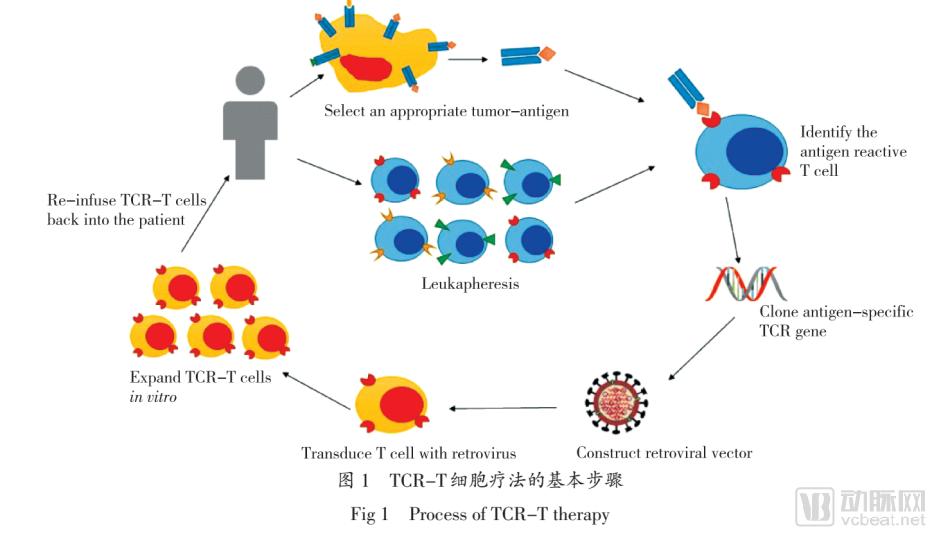
Figure 1. Basic Steps of TCR-T Cell Therapy
Source: "Current Status and Application Prospects of T Cells Modified with Tumor Antigen-Specific T-Cell Receptors—Ning Xin"
3. Advantages of TCR-T Technology
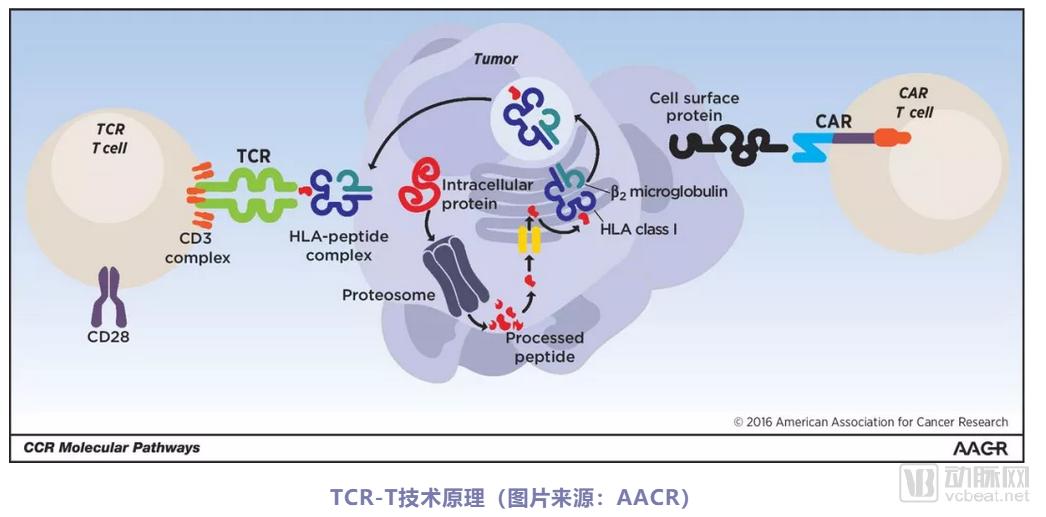
Figure 2. Principle of TCR-T Technology
Source: AACR
Traditional adoptive immunotherapy merely increases the number of effector cells without enhancing their specificity. Furthermore, even when these effector cells bind to tumor cells, their affinity remains relatively low. In contrast, TCR-T therapy directly engineers the T-cell receptor (TCR)—the “probe” by which T cells recognize tumor antigens—thereby strengthening the specific recognition of tumor cells by T cells and improving the affinity of T lymphocytes for tumor cells. This enables T cells that originally lacked tumor-recognition capabilities to effectively identify and kill tumor cells. In summary, TCR-T cell therapy simultaneously expands the population of T lymphocytes and enhances their cytotoxicity against tumor cells, adopting a dual-pronged approach to achieve superior anti-tumor efficacy.
4. TCR-T and Other Cell Therapies
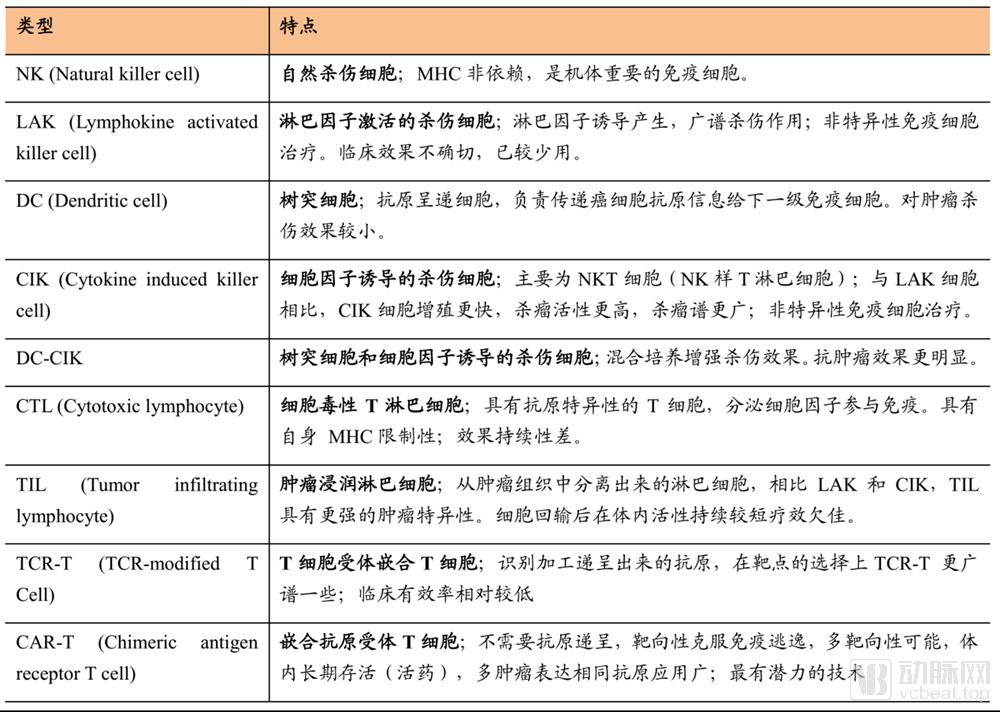
Figure 3. Comparison of Cell Types Across Various Cell Therapies
Source: Zheshang Securities Research Institute
Non-specific immune stimulation and immune checkpoint monoclonal antibodies exert their anti-tumor effects by enhancing the existing immune system, but they do not directly induce immune cells to attack tumors. Tumor vaccines target tumor cells by eliciting specific immune responses; however, their therapeutic efficacy remains suboptimal. Given the limited impact of other emerging technologies, adoptive immune effector cell therapy has emerged as a key research focus due to its specificity and targeted action. Among various cellular options, TCR-T and CAR-T therapies have garnered extensive attention and research interest because they express specific receptors that enable targeted recognition of tumor cells. Currently, two CAR-T products have been approved abroad, and TCR-T therapy has progressed from initial basic immunological research to clinical application.

Figure 4: Comparison of TCR-T and CAR-T
The principle of CAR-T technology involves using genetic engineering to assemble four components—an extracellular domain for specific tumor antigen recognition, a hinge region, a transmembrane domain, and an intracellular signaling domain—and introducing this construct into effector cells via retroviral or lentiviral vectors, transposon/transposase systems, or direct transfection. This enables the cells to express antigen-specific chimeric antigen receptors. After ex vivo expansion to achieve therapeutic doses, the engineered cells are adoptively infused into patients as a form of cellular immunotherapy.
CAR-T cells recognize only tumor surface antigens. This mechanism of action is more direct, as it does not require antigen presentation. However, this same mechanism also means that CAR-T therapy is better suited for hematologic malignancies with higher levels of surface antigen exposure. In the treatment of solid tumors, CAR-T therapy is indeed currently facing significant challenges. In contrast, TCR-T cells can recognize intracellular tumor antigens, making them more likely to breach the formidable defenses of solid tumors. Therefore, in the foreseeable future, TCR-T therapy is poised for greater development potential.
1. Market Size of Low-End Cell Therapy
As the leading cause of death among human diseases, cancer accounts for the largest share of the pharmaceutical market. In recent years, both the incidence and mortality rates of cancer have continued to rise, with the number of new cases projected to increase further in the future. Consequently, the market for anticancer drugs is expected to grow year by year. Previously, monoclonal antibody drugs in international markets dominated the distribution of market share. With continuous breakthroughs in CAR-T and TCR-T cell therapy technologies, it is believed that CAR-T and TCR-T therapies will also capture a significant share of the cancer treatment market.
There are over a thousand hospitals in China offering cell therapy, primarily utilizing lower-end technologies such as CIK and DC-CIK. Due to poor targeting and limited therapeutic efficacy, these conventional cell therapies have been largely phased out abroad. However, in China, they still occupy a certain market niche as adjunctive treatments, given their relatively low clinical risk and ability to partially enhance patients’ immune function. The average cost per case of conventional cell therapy is RMB 30,000, with approximately 200,000 patients receiving such treatment annually. Based on these figures, the market size for conventional cell therapy is estimated at around RMB 6 billion.
From a technological development perspective, CIK and DC-CIK therapies will eventually be phased out as treatment options for cancer patients. With the development of more tumor antigen targets and advancements in cell therapy technologies, CAR-T and TCR-T cell therapies will become the mainstream approaches for cancer treatment.
2. Estimating the Market Size for CAR-T/TCR-T Based on Patient Population
In the United States, an estimated 1.685 million new cancer cases and 596,000 cancer deaths were projected for 2016. Reports indicate that CAR-T therapy in the U.S. costs $300,000–$500,000 per patient, with a treatment duration of 14 days. Foreign institutions predict that the market potential for CAR-T therapy will exceed $100 billion. Considering the potential breakthroughs that CAR-T and TCR-T therapies may achieve in treating solid tumors, cell therapy is expected to unlock an even larger market space in the future. On October 9, 2015, Chen Wanqing, Director of the National Cancer Center, led his team in publishing China’s cancer statistics for the first time in the renowned international oncology journal Cancer Letters. The results showed that approximately 7.49 million people in China had been diagnosed with cancer within the previous five years and were still alive, yielding an overall five-year cancer prevalence rate of 556 per 100,000 population. Based on an estimated cost of RMB 300,000 per patient and a treatment penetration rate of 10%, the potential market size for CAR-T/TCR-T therapies in China exceeds RMB 200 billion.
3. Estimating the Market Size of CAR-T/TCR-T Based on Indications:
According to statistics from Clinical Cancer Research, the annual number of new cases of leukemia and lymphoma—two types of hematologic malignancies—in the United States is approximately 38,000, with a potential market size of about $11 billion. Taking into account factors such as patient ineligibility for CAR-T therapy and market penetration rates, the estimated market opportunity for CAR-T/TCR-T therapies in the U.S. is around $5 billion. In China, there are approximately 80,000 new cases of hematologic malignancies each year. At a cost of RMB 300,000 per patient, the total market value for CAR-T/TCR-T therapies could reach RMB 24 billion. Even with a treatment rate of only 10%, the market opportunity would still amount to RMB 2.4 billion.
1. Overseas Companies Developing TCR-T Therapies and Their Clinical Progress
1.1 Adaptimmune
Adaptimmune, founded in 2008 and listed in May 2015, is headquartered in Abingdon-on-Thames, UK, and focuses on the development of innovative cancer immunotherapy products. The company’s proprietary SPEAR (Specific Peptide Enhanced Affinity Receptor) T-cell platform enables the engineering of T cells to target and destroy various malignant tumor cells, including solid tumors. According to information on the company’s official website, SPEAR T-cell therapies that have entered clinical trials include ADP-A2M10 (MAGE-A10), ADP-A2M4 (MAGE-A4), and ADP-A2AFP. Additionally, NY-ESO SPEAR T is being co-developed in collaboration with GlaxoSmithKline (GSK).
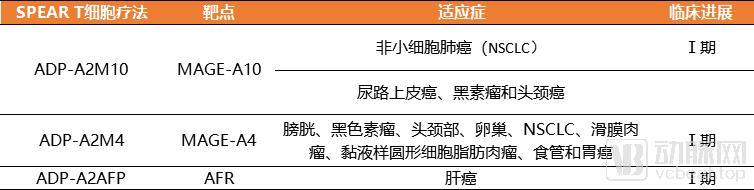
Figure 5. Adaptimmune’s R&D Projects and Progress
Source: Adaptimmune 2018 Annual Report
In September 2017, GSK announced a collaboration with Adaptimmune Therapeutics. Through this partnership, GSK secured exclusive rights to develop and commercialize the NY-ESO SPEAR T-cell therapy. GSK will further develop indications for the NY-ESO SPEAR T-cell therapy, covering multiple cancer types including synovial sarcoma, non-small cell lung cancer, ovarian cancer, and multiple myeloma. The NY-ESO SPEAR T-cell therapy has already been granted Orphan Drug Designation by the FDA for soft tissue sarcomas (such as synovial sarcoma and myxoid round cell liposarcoma).
At the 2017 Connective Tissue Oncology Society (CTOS) Annual Meeting, shortly after establishing its collaboration with GSK, Adaptimmune presented Phase I/II clinical data on NY-ESO-1 SPEAR T-cell therapy for the treatment of synovial sarcoma. The overall response rate in Cohort 1 reached 50%. Although some patients experienced safety events, all were managed through supportive care. Given that approximately 70% of synovial sarcoma patients exhibit high expression of the NY-ESO protein, the 50% response rate was largely consistent with the company’s expectations for this study.
On March 15, 2018, Adaptimmune announced further results from its study of NY-ESO-1 SPEAR T-cell therapy for myxoid/round cell liposarcoma (MRCLS). The data showed that three out of four treated patients responded to the therapy (two confirmed responses and one unconfirmed), while one patient experienced stable disease. Due to limitations in trial data and follow-up duration, this study could not fully address questions such as the durability of treatment efficacy; however, it did confirm that Adaptimmune’s R&D direction was correct. In terms of safety, although cytokine release syndrome (CRS) occurred in the early stages of treatment, the adverse events were managed under standard care protocols. This provided support for the further advancement of Adaptimmune’s pipeline. Following the announcement of these results, Adaptimmune’s stock price rose by 20%, also validating the foresight behind GSK’s earlier decision to acquire the NY-ESO-1 SPEAR T-cell therapy program.
1.2 Immuncore
Immunocore is a globally leading biopharmaceutical company primarily dedicated to the development of emerging biologics, particularly immunotherapies based on T-cell receptor (TCR) technology. Immunocore has developed a highly innovative immunotherapy platform, with products derived from this platform known as ImmTACs (Immune mobilising mTCRs Against Cancer). ImmTACs are a novel class of biologics based on the company’s proprietary TCR technology, holding therapeutic potential for cancer, autoimmune diseases, and viral infections.
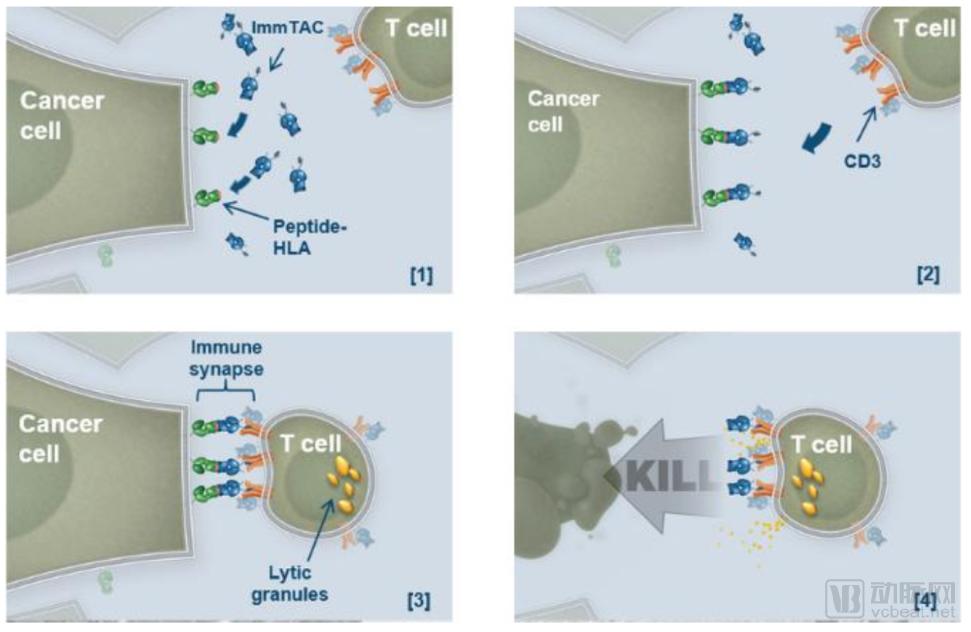
Figure 6. Immunocore TCR-T Technology
Source: Immunocore official website
Inspired by T-cell receptors (TCRs), Immunocore has designed a class of small protein molecules known as ImmTACs, which function like “double-sided tape.” The key to the success of their technology lies in the ability of ImmTACs to distinguish cancer cells from normal healthy cells by recognizing small proteins or peptides protruding from the surface of cancer cell membranes. One end of an ImmTAC binds tightly and specifically to cancer cells while ignoring healthy cells, whereas the other end binds closely to T cells, thereby inducing the T cells to kill the cancer cells.
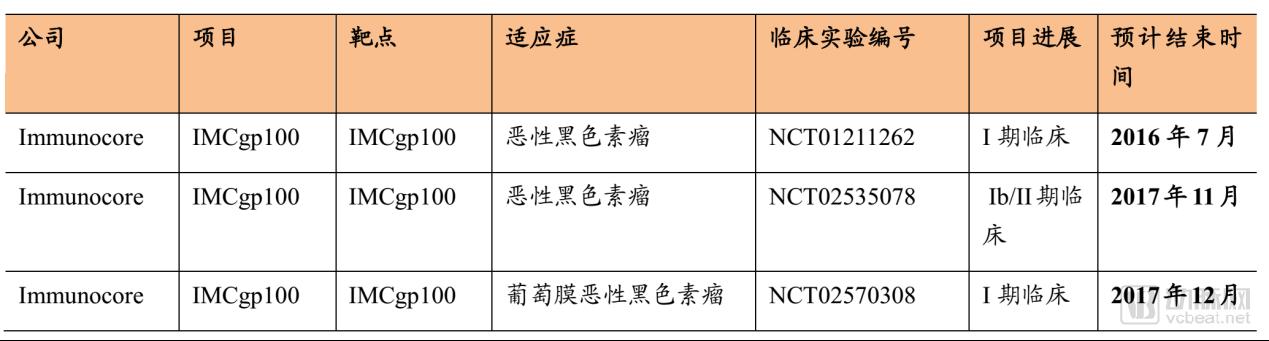
Figure 7. Progress of Immunocore’s R&D Projects
Source: Zheshang Securities Research Institute
Immunocore is building a database of peptides that target cancer cells to design T-cell receptors capable of targeting these malignant cells while sparing healthy ones, thereby minimizing side effects. The candidate drug IMCgp100 has entered Phase IIa clinical trials for the treatment of well-tolerated malignant melanoma with no detectable resistance antibodies.
On June 27, 2013, Immunocore entered into a collaboration with Genentech, a member of the Roche Group. Genentech paid an upfront fee of $10–20 million per project and committed to milestone payments of up to $300 million per target. On July 9, 2013, Immunocore further partnered with GSK, with total preclinical milestone payments reaching up to £142 million. Upon successful commercialization of the products, GSK would also pay milestone payments of £200 million per drug, along with double-digit royalties. In addition, Immunocore has launched collaborative projects with both AstraZeneca and Eli Lilly.
1.3 Medigene
Medigene, founded in 1994, is a biotechnology company headquartered in Munich, Germany, dedicated to developing highly innovative personalized T-cell therapies for various forms and stages of cancer.

Figure 8. Medigene R&D Pipeline
Image source: Medigene official website
Medigene’s candidate TCR-T cell therapy, MDG1011, is undergoing Phase I/II clinical trials for hematologic malignancies, with the first patient having received treatment. The specific indications for this clinical trial include acute myeloid leukemia (AML), myelodysplastic syndromes (MDS), and multiple myeloma (MM).
1.4 Adaptive Biotechnologies
Adaptive Biotechnologies is a Seattle-based developer of sequencing and analysis platforms, dedicated to discovering immune repertoire sequencing applications and translating them into clinical diagnostic and therapeutic solutions to improve patient outcomes. Its ClonoSEQ MRD platform is highly sensitive to minimal residual disease (MRD) in blood, capable of detecting levels as low as a single cell. Its TruTCR T-cell receptor (TCR) screening platform utilizes immune repertoire sequencing and other technologies to identify and characterize TCRs that effectively bind to target antigens.
In January 2019, Adaptive entered into a collaboration with Genentech, a member of the Roche Group. Adaptive will leverage its investigational TCR discovery platform to identify the optimal T-cell antigen receptors within patients, enabling therapies that most effectively target each patient’s personalized antigens. Meanwhile, Genentech will design and manufacture personalized cell therapies based on the information provided by Adaptive, thereby delivering enhanced treatment outcomes for each patient.
1.5 Lion TCR
Lion TCR is a clinical-stage T-cell immunotherapy company dedicated to developing TCR-T cell immunotherapies for virus-associated cancers (liver cancer, nasopharyngeal carcinoma) and chronic hepatitis B and D. Its technological foundation and intellectual property are derived from an exclusive global technology transfer from Professor Antonio Bertoletti’s team at the Agency for Science, Technology and Research (A*STAR) in Singapore and Professor Ulrike Protzer’s laboratory at the Technical University of Munich in Germany. As a global leader in HBV-specific TCR-T cell therapy for liver cancer, Lion TCR focuses on the development and commercialization of products targeting virus-associated cancers.
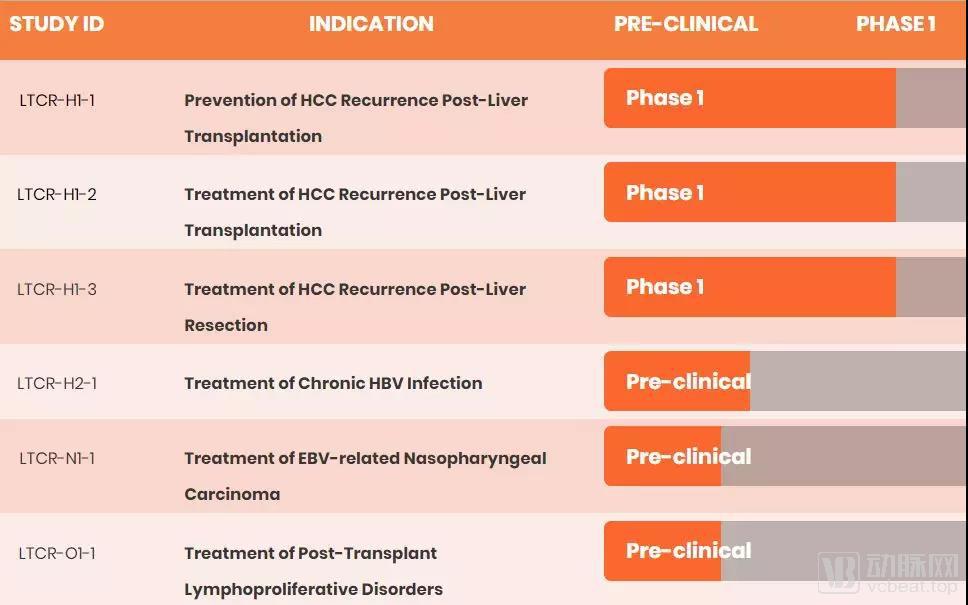
Figure 9. Lion TCR Development Pipeline
Source: Lion TCR Official Website
In 2016, Lion TCR established Guangzhou Lion Biomedicine Co., Ltd. in the Sino-Singapore Guangzhou Knowledge City and set up R&D and production facilities to facilitate the clinical development and commercialization of its products in China. In 2017, Lion Biomedicine collaborated with three affiliated hospitals of Sun Yat-sen University to conduct clinical treatments for advanced liver cancer, tumor recurrence after liver transplantation, and prevention of tumor recurrence post-liver transplantation. Additionally, in partnership with Academician Wang Fusheng of the Chinese Academy of Sciences, the company planned to establish a laboratory at Beijing 302 Hospital to carry out clinical treatments.
Lion TCR’s investigational therapy, LioCyx, has demonstrated encouraging efficacy and an excellent safety profile in preliminary clinical trials for advanced hepatocellular carcinoma (HCC). LioCyx was developed by Professor Antonio Bertoletti, the scientific founder of Lion TCR. He initiated the world’s first clinical trial of TCR-T cell therapy for virus-associated cancers, including its application in liver cancer treatment, positioning his research at the forefront of this field globally.
1.6 TCR2 Therapeutics
TCR2 Therapeutics, founded in 2015, is dedicated to developing innovative T-cell therapies for the treatment of solid tumors and hematologic malignancies. Its proprietary TRuC platform engineers natural T-cell receptors (TCRs) to recognize tumor-specific antigens, thereby activating T cells to eliminate cancer cells.
Unlike currently designed T-cell approaches, TCR2 Therapeutics directly fuses the tumor antigen recognition domain to a subunit of the T-cell receptor (TCR) and uses lentiviral vectors to transfer the genetic information of the TRuC construct into patients’ own T cells. This modified subunit is then integrated into the native TCR complex, equipping the engineered T cells with a novel “homing device” to detect and bind specific antigens on the surface of cancer cells. Upon antigen binding, these T cells leverage the TCR to generate a more potent yet controlled anti-cancer T-cell response. These T cells engineered with TCR fusion constructs are referred to by the company as “TRuC-T” cells.
TRuC-T cells do not require HLA matching to enable T-cell recognition of tumor cells, thereby serving a broader patient population. Compared with CAR-T cells, TRuC-T cells demonstrate superior antitumor activity in vivo while releasing lower levels of cytokines in preclinical studies.
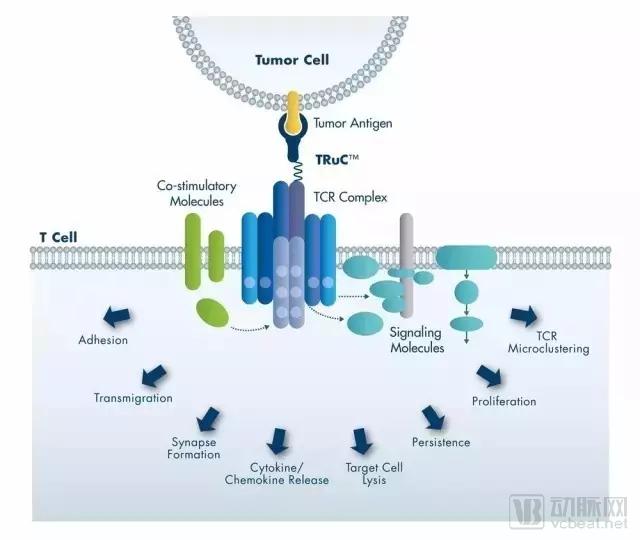
Figure 10. TCR2’s Innovative TRuC Technology
Image source: TR2 official website
Currently, TCR2 has multiple projects under development. The most advanced among them is TC-210, a T-cell therapy targeting mesothelin-positive solid tumors. Mesothelin is a glycosylphosphatidylinositol (GPI)-anchored protein that is highly expressed on the surface of many solid tumor cells while exhibiting low expression in normal tissues. Some studies have shown that overexpression of mesothelin is correlated with poor prognosis in certain cancers, suggesting that mesothelin may also play a role in tumorigenesis and tumor progression.
TCR2 Therapeutics intends to evaluate TC-210 for the treatment of non-small cell lung cancer, ovarian cancer, malignant pleural/peritoneal mesothelioma, and cholangiocarcinoma in its Phase 1/2 clinical trials. In January 2019, the U.S. Food and Drug Administration (FDA) approved the Investigational New Drug (IND) application for TC-210, with the Phase 1/2 clinical trials expected to commence in early 2019. Additionally, TCR2 has submitted an orphan drug designation request to the FDA for TC-210 in the treatment of malignant pleural/peritoneal mesothelioma and plans to seek Fast Track designation for TC-210.
Another TCR2 project, TC-110, which targets CD19 for the treatment of CD19-positive B-cell hematologic malignancies, is expected to submit an Investigational New Drug (IND) application in the second half of 2019. The remaining candidates, TC-220, TC-310, and TC-410, are all in the early stages of preclinical development. In addition, projects such as TC-310 and TC-410 are exploring the development of dual TRUC-T cell therapies, aiming to reduce the likelihood of antigen escape in solid tumors or hematologic malignancies by targeting multiple tumor antigens. These second-generation TRUC-T cells are also capable of integrating platform-enhanced functionalities to counteract the malignant tumor microenvironment.
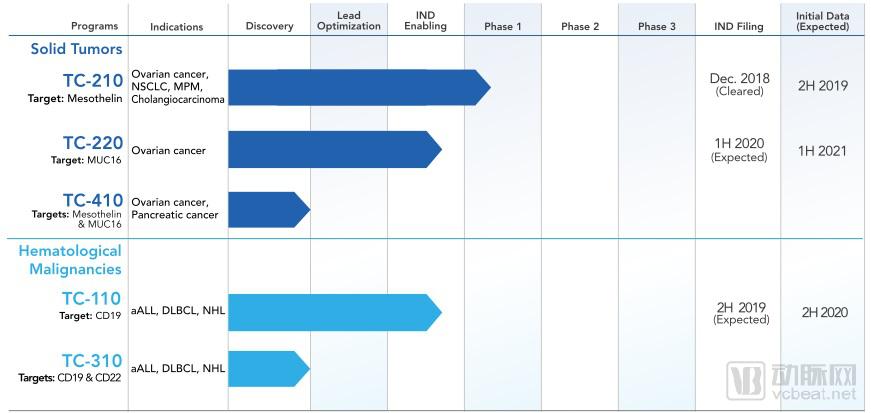
Figure 11. TCR2 Development Pipeline
Image source: TCR2 official website
1.7 RootPath
Biotechnology company RootPath was founded in Cambridge, Massachusetts, in 2017. It has established its China headquarters in Hangzhou and a research and development laboratory in Guangzhou. In 2018, RootPath secured $7 million in seed funding from Sequoia Capital China, Volcanic Stone Capital, Baidu Ventures, and Nest.Bio Ventures.
RootPath’s core technological advantage lies in its powerful novel target discovery platform. The platform offers a range of services, including single-cell analysis, tumor diagnostics, and immunotherapy, covering many currently high-demand fields with significant future growth potential. To date, the company has filed four patent applications.
The platform primarily serves three application scenarios: single-cell analysis services for target and indication discovery, as well as companion diagnostics for diseases; oncology diagnostics to support early cancer detection and health management; and immunotherapy, such as personalized TCR-T therapy.
At this stage, RootPath has focused its primary efforts on combining adoptive T-cell therapy with TCR-T therapy and has achieved significant technical breakthroughs.
RootPath’s TCR-T therapy differs from traditional single-target approaches by enabling multi-target engagement, thereby launching a “multi-angle attack” on problematic cells. In conventional TCR-T therapies, the target is typically a single antigen restricted to a specific Major Histocompatibility Complex (MHC), making it easy for tumors to evade immune detection. RootPath identifies this limitation as the primary reason for the limited success of current TCR-T therapies. Through its research and development efforts, the company has now achieved the ability to simultaneously target multiple antigens.
In terms of ex vivo T-cell expansion, current technologies yield insufficient cell numbers, resulting in suboptimal anti-tumor efficacy. For instance, in adoptive T-cell therapy, it is challenging to expand T cells to adequate quantities in vitro, and the cell count often continues to decline after reinfusion into the body, significantly compromising therapeutic outcomes. In contrast, RootPath has already achieved the capability to amplify cell numbers to sufficient levels within a short timeframe.
In terms of T-cell culture speed, RootPath is faster than currently common immunotherapy methods. Clinically, the optimal duration for ex vivo T-cell culture is 2–3 weeks; beyond this period, therapeutic efficacy is significantly compromised. However, many currently prevalent immunotherapy approaches require ex vivo cell culture periods exceeding three weeks, or even up to a month. In contrast, RootPath has developed a technology capable of expanding T cells within a 2–3 week timeframe.
The aforementioned technologies are currently pending patent applications; therefore, more specific technical details have not been disclosed.
1.8 Kite Pharma
Kite is renowned as one of the pioneers in the CAR-T therapy industry. Its flagship CAR-T therapy, Yescarta, received FDA approval for marketing in the United States in October 2017.
Beyond CAR-T therapy, Kite is also developing TCR-T therapies. Among these, early data from the Phase I clinical trial of KITE-439 were recently released, indicating that KITE-439, which targets the human papillomavirus type 16 (HPV-16) E7 protein, enabled partial responses in some patients with HPV-16-positive cancers.
In the early stages of Phase I clinical trials, a total of eight patients with metastatic HPV-16-positive tumors received treatment with KITE-439 (a T-cell therapy expressing an E7-specific TCR). Among the initial six patients who received the TCR-engineered cell therapy, 90–99% of the infused T cells expressed the E7 TCR on their surface. Furthermore, these T cells remained detectable in peripheral blood six weeks post-treatment. This confirms that the E7 protein serves as the viral target for this TCR-based therapy. The company plans to submit an Investigational New Drug (IND) application for KITE-439 in the treatment of HPV-16 E7-positive solid tumors by the end of the year.
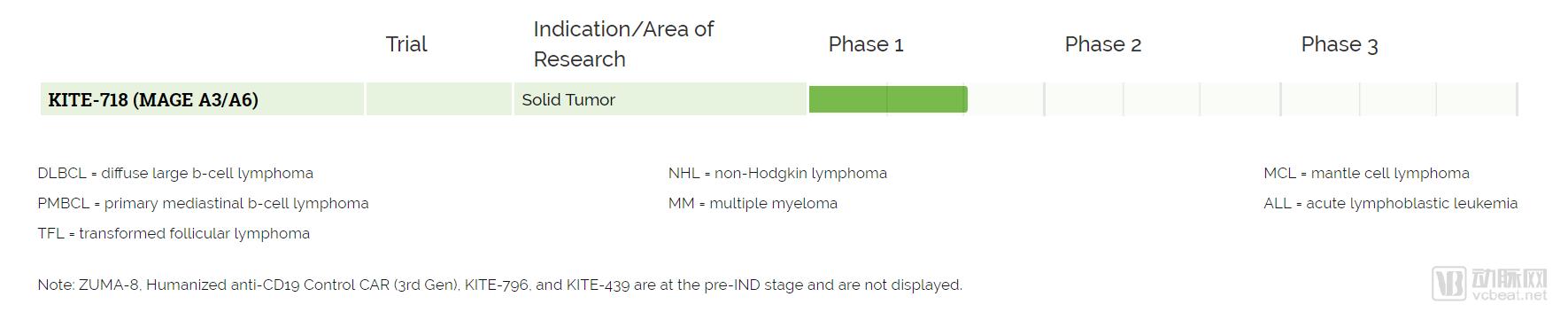
Figure 12. Kite-718 R&D Progress
Source: Kite Pharma official website
Another candidate product of Kite’s TCR-T therapy, Kite-718, is in Phase I clinical trials and targets the MAGE-A3 antigen. This cancer antigen is widely expressed in bladder cancer, esophageal cancer, cervical cancer, head and neck cancer, lung cancer, ovarian cancer, and other malignancies. As envisioned, this therapy holds promise for treating a variety of solid tumors.
In a dose-escalation study, 17 patients with metastatic solid tumors received MHC class II-restricted, MAGE-A3-specific TCR-T cell therapy following chemotherapy. Among them, four patients achieved response, including one patient with metastatic cervical cancer who attained a complete response that lasted for 29 months. Additionally, three patients experienced tumor shrinkage, accompanied by a significant increase in intracellular TCR-T cell levels one month after treatment. Of these three patients, one with urothelial carcinoma remained in partial response at 19 months post-treatment. No unexpected off-target toxicities or treatment-related deaths were observed in this study.
2. Domestic Companies Developing TCR-T Therapies and Their Clinical Progress
2.1 Xiangxue Pharmaceutical (Xiangxue Precision)
Xiangxue Pharmaceutical pioneered the development of TCR-based oncology drugs and TCR-T therapy research in 2012, establishing a platform centered on TCR-T technology for the development of high-affinity immunotherapeutic agents, R&D of clinical treatment technologies, and translational medicine. With its proprietary high-affinity TCR-T and T-cell Activation Core (HATac) technologies, Xiangxue Pharmaceutical has become one of the global leaders in the research and application of these technologies.
In June 2018, Xiangxue Precision Medicine Co., Ltd., a wholly-owned subsidiary of Guangdong Xiangxue Pharmaceutical Co., Ltd., established a joint venture named “Axis Therapeutics” with Athenex, an international biopharmaceutical company. By integrating the advantageous resources of both parties, the new company has built a global R&D and application platform for cell therapy targeting tumors, jointly promoting the research, development, and international clinical adoption of TCR-T cell therapy technology.
Xiangxue Pharmaceutical’s high-affinity TCR-T novel drug, TAEST16001, is currently undergoing Phase I clinical trials in China and has entered into a strategic cooperation agreement with Qiagen (Suzhou) to jointly develop companion diagnostic products. Preliminary studies have demonstrated that TAEST16001 exhibits favorable efficacy, specificity, and safety. Among the six patients treated, two showed partial responses, while four achieved stable disease; notably, two of the latter experienced significant tumor necrosis shortly after treatment. Furthermore, the therapy demonstrated a manageable safety profile with no adverse events related to the central nervous system.
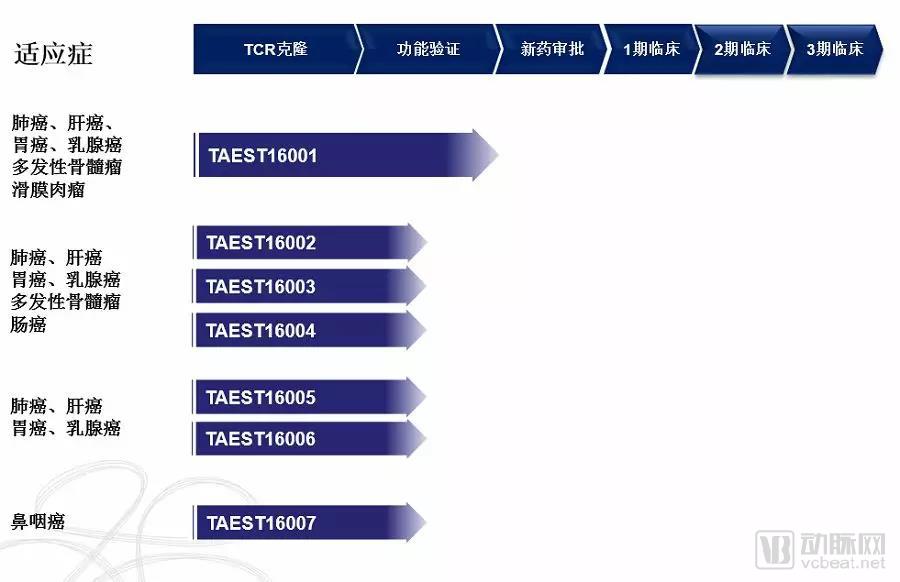
Figure 13. Xiangxue TCR-T Cell Immunotherapy R&D Pipeline
Image source: xlifesc
In addition to cell-based therapies, Xiangxue has also developed HATac technology, which engineers high-affinity T-cell receptors into water-soluble molecules known as High-Affinity T-cell Activation Cores (HATac).
HATac molecules are complexes formed by TCR and pHLA. One end of this molecule binds to tumor cells by recognizing HLA antigens presented by the tumor cells, while the other end binds to the patient’s own T cells via the TCR. Tumor cells can be recognized by T cells through this molecule and subsequently eliminated by activated T cells.
Water-soluble molecules such as HATac are regarded by the industry as therapeutic approaches with greater promise than TCR-T therapy. Currently, this technology can systematically enhance TCR affinity from the micromolar to the picomolar range and, through fusion of the TCR with functional molecules, confer upon T cells the ability to kill tumor cells.

Figure 14. Xiangxue’s TCR-mediated HATac R&D Pipeline
Image source: xlifesc
2.2 Hengrui Yuanzheng
In July 2015, Jiangsu Hengrui Medicine Group Co., Ltd. and Shenzhen Yuanzheng Cell Medical Technology Co., Ltd. established a joint venture, Hengrui Yuanzheng Biotechnology Co., Ltd., which primarily focuses on the development of immunotherapy products. The capital investment is mainly directed toward MASCT, PD-1, and TCR-T therapies for solid tumors.
Hengrui Yuanzheng leverages tumor antigen-specific TCR immune repertoire sequencing technology to identify TCRs that specifically target tumor cells and obtain their genetic information from cancer patients who have received MASCT multi-target antigen peptide autologous immune cell therapy and responded well. This enables the establishment of a TCR library targeting different tumor antigens and suitable for populations with different MHC subtypes, thereby providing more precise treatment for cancer patients.
Currently, no progress on the company’s TCR-T-related projects has been obtained from publicly available information.
2.3 Eureka
Eureka Therapeutics is dedicated to developing novel T-cell immunotherapies for solid tumors. Founded in the San Francisco Bay Area in 2006, the company established its Beijing branch in 2007.
Eureka Biotech has previously disclosed preclinical data from its proprietary “ARTEMIS” antibody-TCR (AbTCR) receptor platform. The data demonstrated that AbTCR-T cells exhibit anti-tumor potency comparable to existing anti-CD19 CAR-T cells, while significantly reducing the production of inflammatory cytokines, thereby lowering the risk of cytokine release syndrome (CRS) and neurotoxicity (NT).
Eureka’s AbTCR fuses the Fab domain of an antibody with the effector domain derived from γδ TCR, combining the affinity and specificity of antibody recognition with the tumor cytotoxic potential of T cells. This approach leverages endogenous TCR signaling pathways while offering flexibility through either TCR-mimic (TCRm) antibodies targeting peptide-MHC complexes or conventional antibodies targeting extracellular antigens. Similar to TCR-T platforms, AbTCR can bind to the CD3 complex, enabling antigen/AbTCR engagement to trigger endogenous T cell activation and regulatory pathways. However, unlike most TCR-T platforms, the AbTCR platform—based on γδ TCR intracellular domains and antibody-binding moieties for target recognition—can be extended to non-MHC-restricted targets (e.g., CD19) and avoids the risk of mispairing with endogenous αβ TCRs in T cells. Furthermore, γδ TCR subunits exhibit higher affinity for CD3 than αβ TCRs, facilitating enhanced downstream signaling transduction.
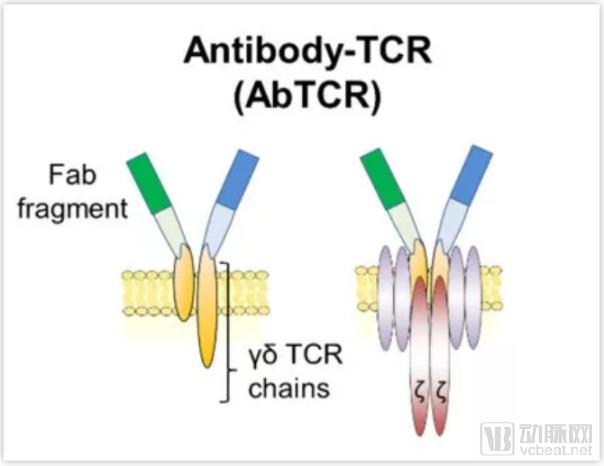
Figure 15. Structure of AbTCR
Image source: Cell Discovery, Sina Medical News
2.4 JW Therapeutics
Shanghai JW Therapeutics Co., Ltd. is a clinical-stage innovative biotechnology company focused on the field of cutting-edge cell therapy technologies. Jointly established by WuXi AppTec Group and Juno Therapeutics in February 2016, the company collaborates on the research, development, and manufacturing of CAR-T and TCR-T therapies.
JW Therapeutics’ CAR-T product JWCAR029 has received Investigational New Drug (IND) approval from the China National Medical Products Administration (NMPA), marking it as the first CD19-targeted CAR-T therapy approved for clinical trials in China.
Currently, no progress on the company’s TCR-T-related projects has been obtained from publicly available information.
2.5 Shenzhen Yinuo Immune
InnoImmune is a developer of cellular immunotherapy technologies. Leveraging gene engineering and other advanced techniques, the company develops therapeutic solutions including Tumor-Infiltrating Lymphocyte (TIL) therapy, CAR-T cell therapy, and TCR-T cell therapy, thereby providing novel approaches for the field of tumor immunotherapy.
InnoCare’s IND application for its CAR-T cell product, “InnoCART-19 Cell Injection,” has been formally accepted by the NMPA. This product is primarily indicated for adult patients with relapsed or refractory acute B-cell lymphoblastic leukemia and B-cell lymphoma.
Yinno and Dr. Tian Geng’s team from the Department of Oncology at Shenzhen Second People’s Hospital reported preliminary clinical findings on TCR-T cell therapy targeting NY-ESO-1 for patients with refractory or recurrent lung cancer in the journal Oncology Letters, demonstrating favorable safety and efficacy.
Clinical Study of TCR-T Cell Therapy for Advanced Malignant Tumors (U.S. Clinical Trial Registration Number: NCT02457650), primarily including various types of advanced malignant tumors such as advanced metastatic synovial sarcoma, melanoma, bladder cancer, ovarian cancer, lung cancer, esophageal cancer, breast cancer, pancreatic cancer, renal cancer, gastric cancer, biliary tract cancer, multiple myeloma, and neuroblastoma.
2.6 Shenzhen Binde Bio
Shenzhen BinDeBio Technology Co., Ltd. is a high-tech biotechnology company that leverages a core scientific research team comprising the CAR-T research group from the University of Pennsylvania and the Shenzhen Institute of Advanced Technology, Chinese Academy of Sciences. With the International Joint Center for Immunotherapy Research as its scientific base, the company specializes in treating hematologic malignancies and various solid tumors using CAR-T and TCR-T cell immunotherapies.
2.7 Kerui Bio
Kerui Biologics, founded in 2015 and headquartered at the PKU Healthcare Innovation Valley in Changping, Beijing, specializes in universal TCR-T (UTCR-T) therapies. The company has established its key technology platforms and early-stage products, and has begun planning and filing core patents. Reportedly, Kerui Biologics has developed a comprehensive R&D technical system for TCR-T therapy, encompassing technology platforms for specific tumor antigen screening and identification, T-cell immune epitope identification, epitope-specific TCR cloning, TCR affinity optimization, and preclinical validation of TCRs. Currently, Kerui Biologics plans to initiate clinical trials of TCR-T therapy for lung cancer by the end of 2019.
Kerui Biologics has established a core technology framework comprising a precision target antigen localization system, a TCR affinity optimization system, a high-efficiency clinical-grade lentiviral production system, and a mature gene editing platform. The company is currently planning a patent pool containing 8–10 patents to provide comprehensive protection for this technological framework.

Figure 16. Kerui Biotechnology Process Flow