

Tech-Driven Health Poverty Alleviation: 'Future Clinic' Smart Health Initiative Enhances Primary Healthcare Management

Fosun Pharmaceutical
Healthcare Industry Group
Township health centers and village clinics are the most grassroots healthcare delivery institutions in China. What gives Bai Junmei, director of the Baiyun Township Health Center in Pingbian County, Yunnan Province, the biggest headache is that Baiyun Township comprises 14 natural villages, many of which are accessible only on foot. The medical equipment, reagents, and consumables required for routine physical examinations of local residents must be packed into five large storage boxes each time, imposing a significant burden on village doctors.
The “Future Clinic” project, funded by the Fosun Foundation for the Baiyun Township Health Center, is poised to change this situation. “The portable ultrasound machines, ECG devices, and intelligent fundus cameras provided by Fosun offer not only portability but also precision and high quality,” said Bai Junmei. “They are so compact, about the size of a mobile phone, that they can easily fit into a white coat pocket. Moreover, they provide color Doppler imaging, whereas our previous equipment only produced unclear black-and-white images. These devices do not require a power outlet during use; they can be taken to rural areas after being fully charged in advance. Furthermore, all testing data from the complete system are uploaded in real time, eliminating the need for repetitive manual registration previously required in public health services, thereby ensuring both efficiency and accuracy.”
At the 10th China Chronic Disease Management Conference held from June 13 to 15, 2019, the Fosun Foundation launched the “Future Clinic” initiative for village doctors’ health-focused poverty alleviation, leveraging cutting-edge Internet Plus, big data, and AI technologies to pioneer a new paradigm in health-oriented poverty reduction.
The 10th China Chronic Disease Management Conference was jointly hosted by the New Exploration Health Development Research Center, the Chinese Association on Tobacco Control, and the Chronic Disease Community at the Beijing International Convention Center. At the main forum of the conference on June 14, Chen Qiyu, Executive Director and Co-President of Fosun International, Chairman of Fosun Pharmaceutical, and Director of the Fosun Foundation, delivered a keynote speech titled “Four-in-One Smart Poverty Alleviation.” He provided a comprehensive explanation of the “Future Clinic” Smart Health Initiative, which aims to upgrade a batch of smart village clinics in demonstration counties participating in the health-focused poverty alleviation project for rural doctors. This initiative will provide an intelligent platform for rural doctors in China, thereby enhancing the quality and efficiency of medical services in areas with scarce healthcare resources.
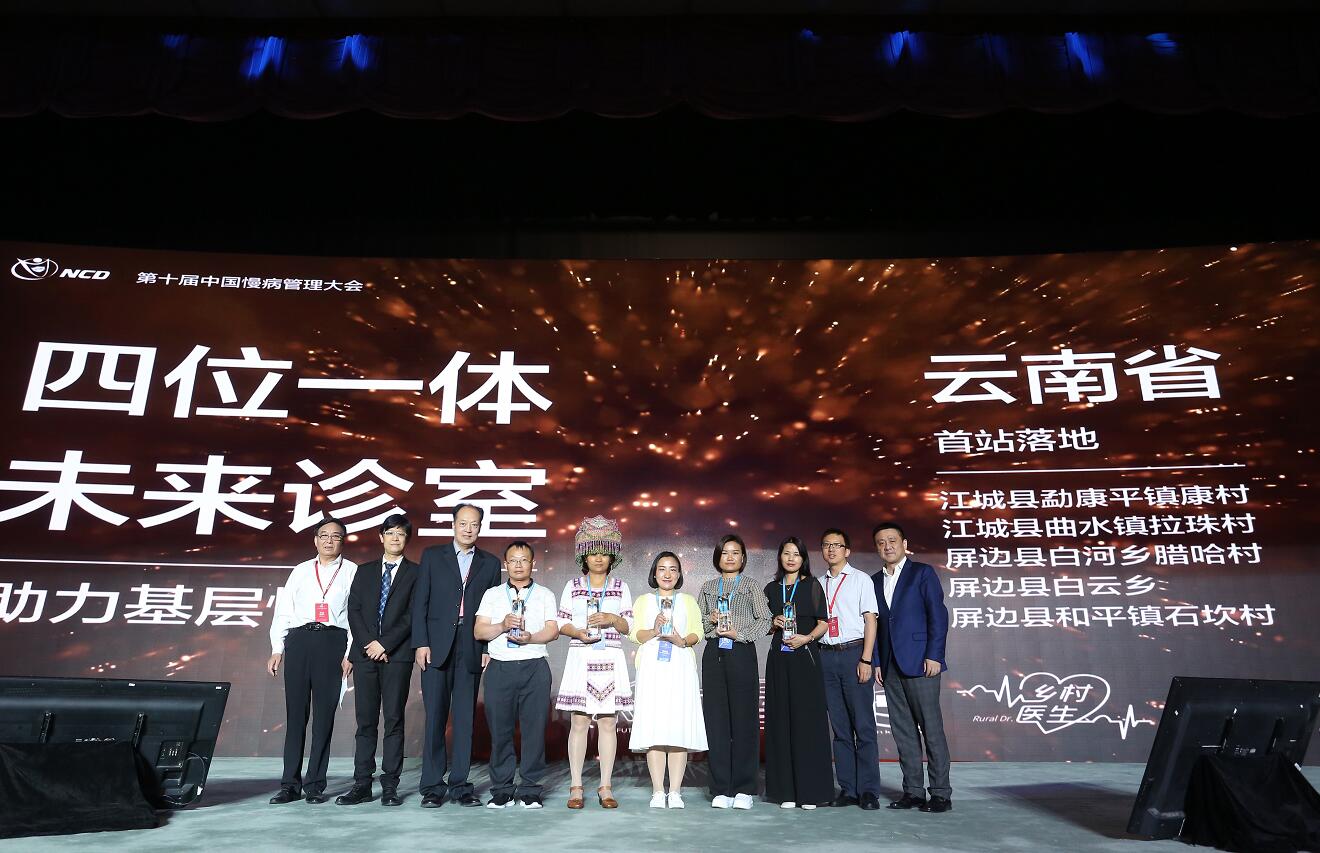
Five village doctor representatives from Pingbian County and Jiangcheng County in Yunnan Province, who participated in the first batch of “Future Clinic” pilots, took the stage to officially launch the Chronic Disease Management Capacity Enhancement Program for Primary Healthcare Workers. They were joined by Zhu Baoduo, President of the China Rural Health Association; Gao Xiang, Deputy Director of the Appraisal Guidance Office at the Talent Exchange Service Center of the National Health Commission; Yang Hongwei, Deputy Director of the New Exploration Health Development Research Center; Chen Qiyu, Executive Director of Fosun International and Council Member of the Fosun Foundation; and Zhang Yifei, Executive Secretary-General of the Shanghai Fosun Public Welfare Foundation. The program aims to establish 100 Future Clinics nationwide by 2025. It will be implemented in phases across different regions, with a focus on selecting outstanding village doctors. The Fosun Foundation will sponsor these doctors to obtain Health Manager certifications, enabling them to join family doctor teams and strengthen chronic disease management and family doctor contract services.
“Health Poverty Alleviation” is the “last mile” of the national poverty alleviation campaign. In recent years, China’s impoverished population has declined rapidly, yet the proportion of people falling into or returning to poverty due to illness has risen instead of fallen, posing new challenges to health poverty alleviation efforts.
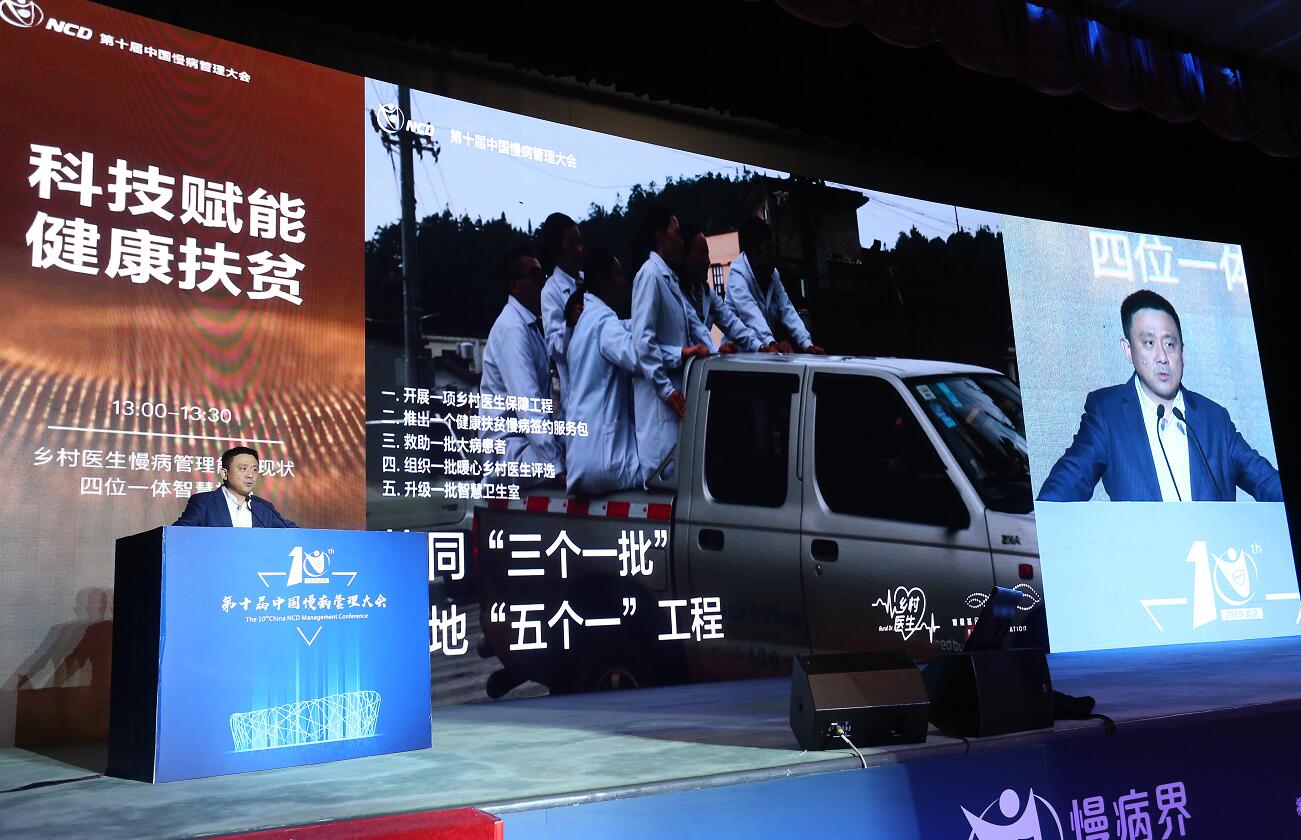
“Rural Doctors Health Poverty Alleviation” Project, guided by the Poverty Alleviation Office of the National Health Commission and launched by the Fosun Foundation in December 2017, is dedicated to serving China’s 1.5 million rural doctors. By training and retaining qualified rural doctors in impoverished areas, the project aims to enhance the capacity and accessibility of primary healthcare services, thereby reducing poverty caused or exacerbated by illness. It supports the national strategies for poverty alleviation and rural revitalization. To date, the project has covered 49 nationally designated poverty-stricken counties (including seven deeply impoverished counties in the “Three Regions and Three Prefectures”) and benefited 2 million impoverished households.
Family doctor contract services are one of the healthcare reform policies vigorously promoted by the National Health Commission. Accelerating the development of a workforce of general practitioners and gradually forming contract service teams centered on general practitioners have been the main focus of primary healthcare initiatives in recent years.
“Future Clinic” Smart Health Initiative will upgrade a batch of smart health stations by piloting in impoverished rural areas and primary community health service centers where conditions permit. Leveraging societal resources, the initiative aims to create a “four-in-one” solution for the “Future Clinic” that empowers village doctors and community general practitioners through four key pillars: intelligent portable medical devices, AI-assisted diagnosis, big data-driven clinical navigation pathways, and training for health managers.
This initiative will thoroughly assess the actual healthcare service needs at the grassroots level, launching pilot programs in the smallest service units within impoverished areas and gradually iterating and expanding. It aims to strengthen the hard infrastructure of grassroots healthcare by deploying professional intelligent hardware and software systems, while enhancing the soft skills of grassroots medical personnel through tools and training. By effectively transferring accumulated expertise from resource-abundant regions, the plan seeks to achieve smart healthcare in a tiered, stepwise, and region-specific manner.
The “Future Clinic” Smart Health Initiative has recently launched pilot programs in Pingbian County and Jiangcheng County, Yunnan Province, bringing the benefits of technology to various grassroots health services, including public health services, chronic disease follow-ups, disease screening, and routine consultations.
In the past, primary healthcare faced numerous challenges. For instance, the efficacy and portability of medical facilities were insufficient to truly support frontline village doctors in their work; furthermore, the staffing levels and professional expertise of medical personnel failed to meet the health management needs of the grassroots population.
In addition to the convenience it has brought to village doctors across the 14 villages under Supervisor Bai Junmei’s jurisdiction, the big data-based intelligent consultation system has provided the greatest assistance to Luo Yuping, a village doctor in Mama Village. During patient consultations, she simply inputs the verbally reported symptoms into the system, which automatically prompts her with follow-up questions, recommends appropriate tests and laboratory examinations, and provides diagnostic and treatment recommendations. Guided by standardized clinical pathways, family doctors with limited medical resources can make diagnoses without leaving their villages, as if they were equipped with an assistant from a tertiary-grade hospital.
Behind every health service offered by the “Future Clinic,” technology converges the highest-quality medical resources, empowering every ordinary village doctor to become a smart medical team.
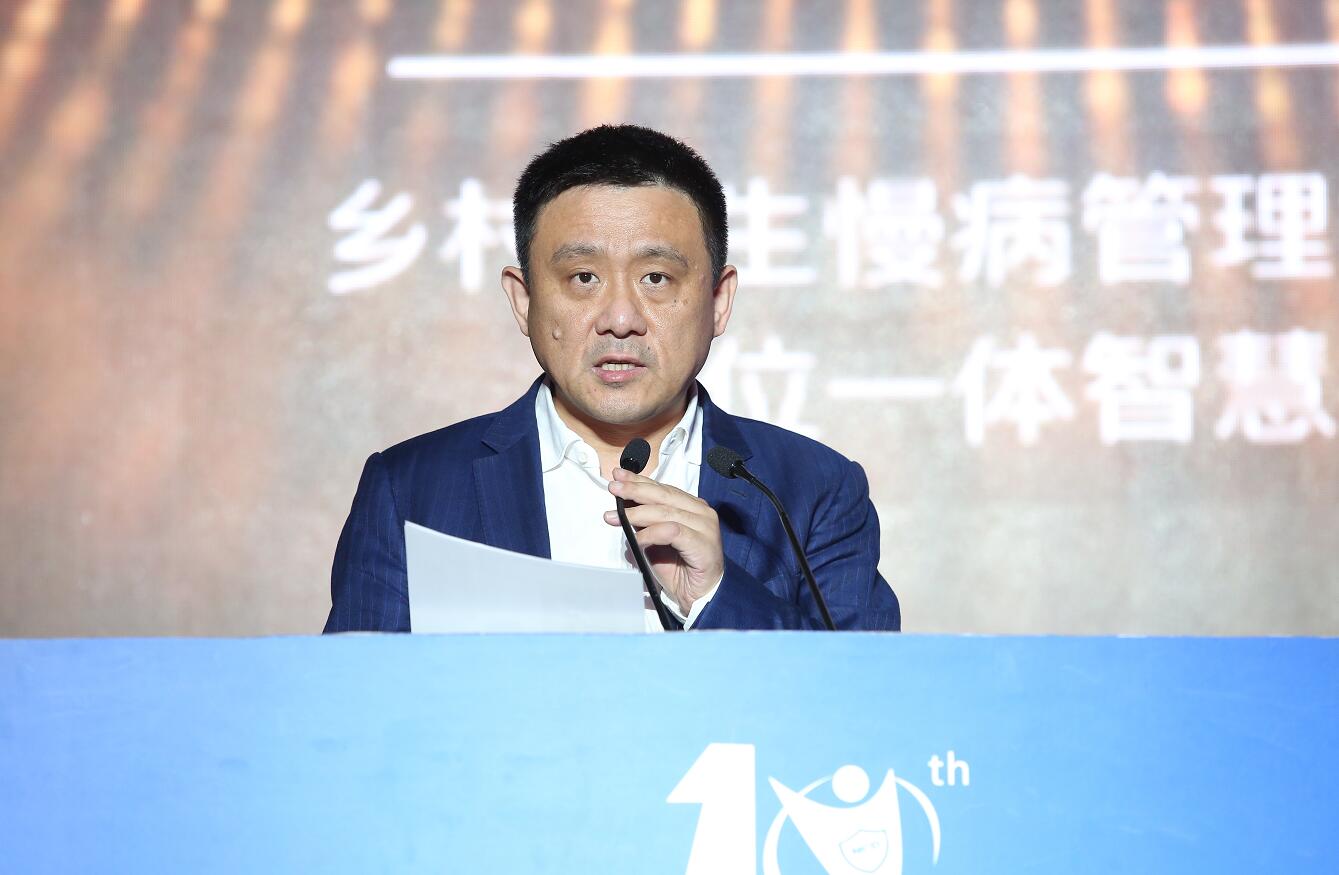
Chen Qiyu, Executive Director and Co-President of Fosun International, Chairman of Fosun Pharmaceutical, and Director of the Fosun Foundation
Chen Qiyu, Executive Director and Co-President of Fosun International, Chairman of Fosun Pharmaceutical, and Council Member of the Fosun Foundation, stated, “Fosun’s mission is to enhance the well-being of every household worldwide, including those in grassroots communities. Therefore, Fosun remains committed to its ‘innovation-driven’ strategy, leveraging internet, AI, and other smart health technologies to improve primary healthcare management. By adopting intelligent approaches to poverty alleviation, we are pioneering a new paradigm in health-focused poverty reduction, making tangible contributions to the realization of the ‘Healthy China Strategy’ and the timely achievement of the poverty alleviation goal of ensuring that the rural poor no longer worry about food or clothing and have guaranteed access to compulsory education, basic medical services, and safe housing.”